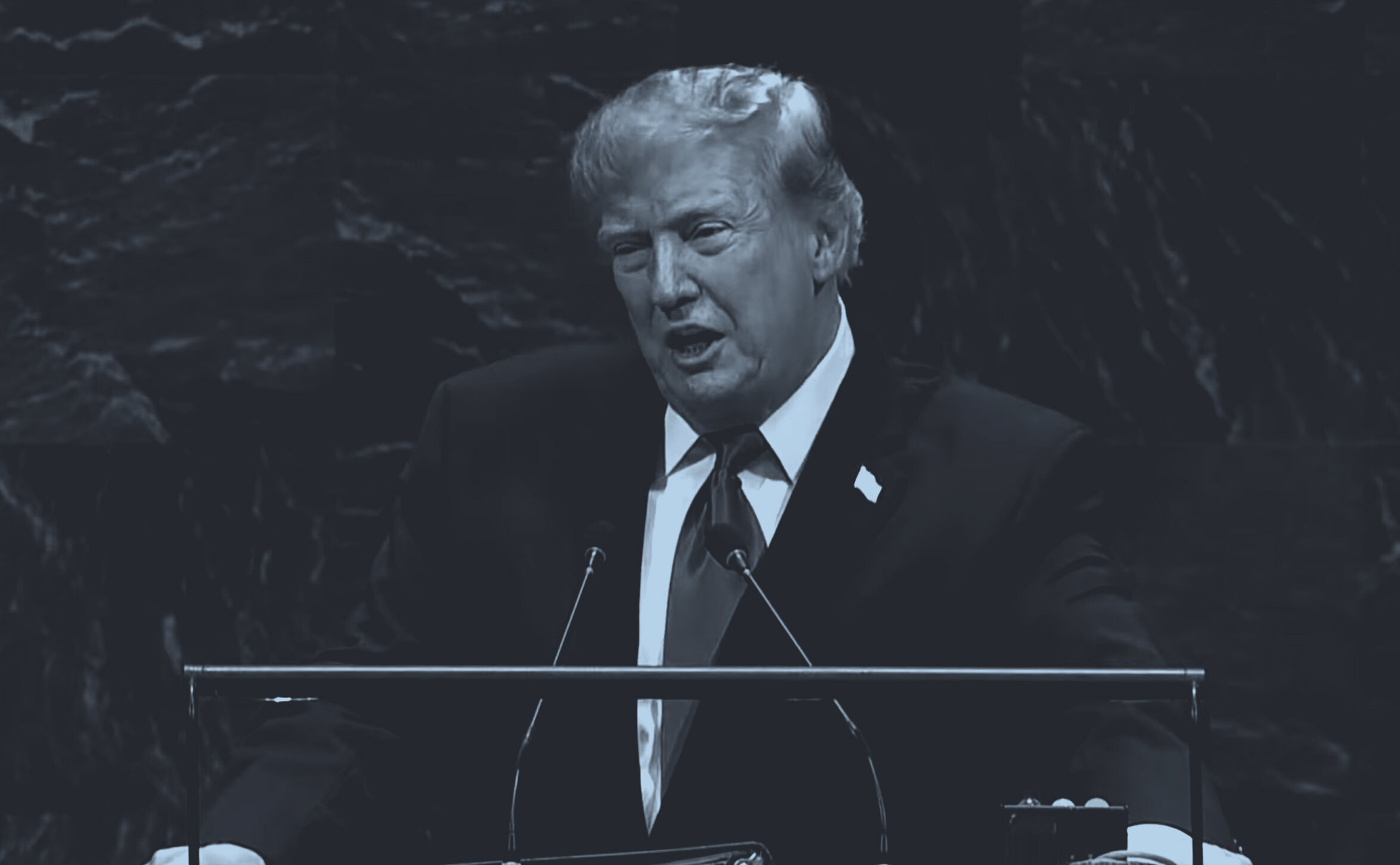
The Oreshnik Gambit: Ukraine’s Path to Victory Runs Along the Nuclear Edge
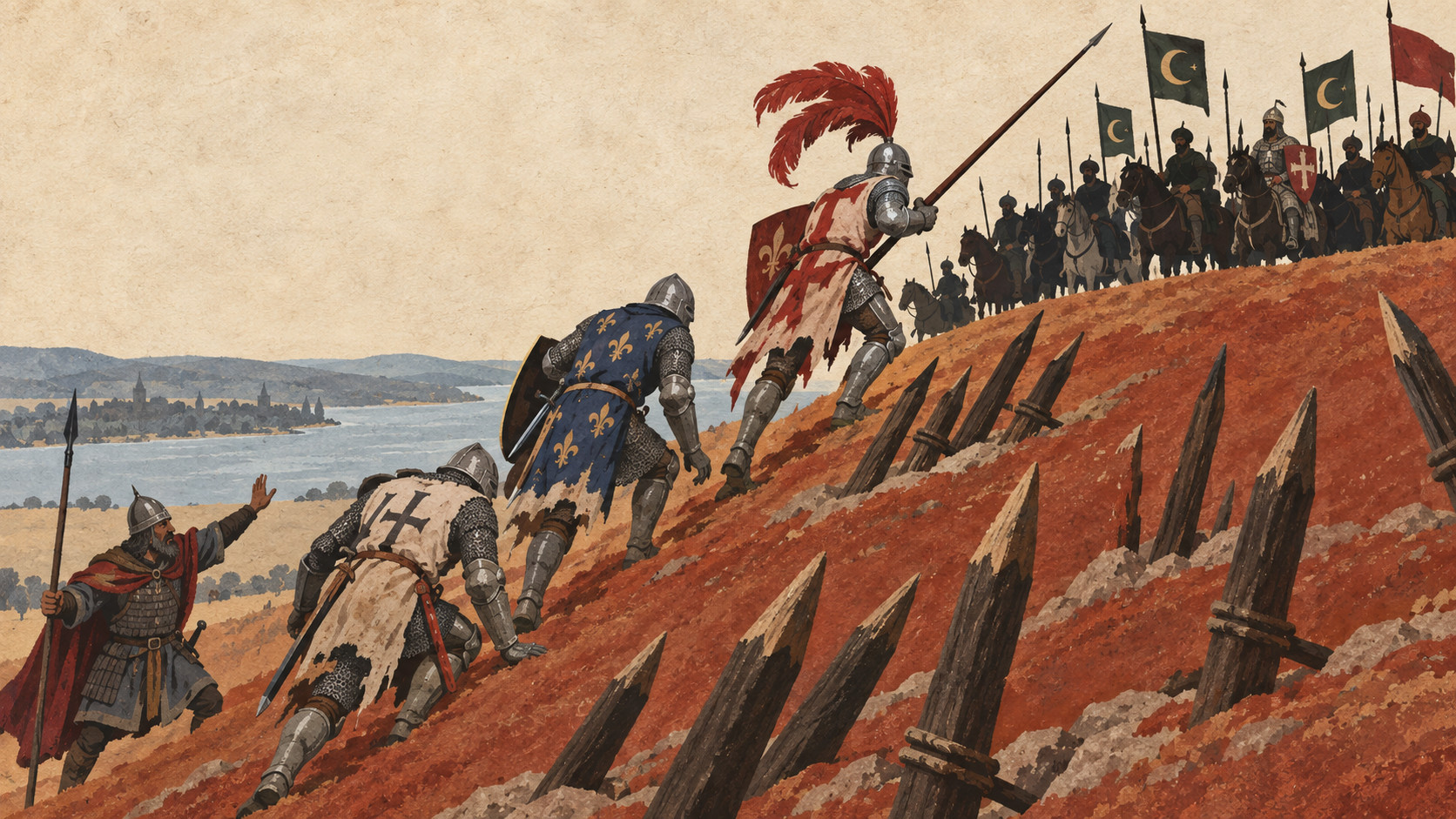
Perception and interpretation are the most powerful systems of war, operating above physical reality itself. Kyiv is now moving the trap to the very edge.
The largest IPO in history will thrill the markets, but behind SpaceX lies a vast wager on America’s entire strategic future.
Volodymyr has written to Vladimir, publicly, but it reads more like a bad omen than a peace offer. How will Russia react?
Trump launched the war to stop Iran from getting a nuclear weapon. But what if Tehran already has one, or is ready to say it does?


The U.S. has struck Iran again, hoping force can rewrite the deal, but the Middle East edges toward a post-American order.
Walls built to protect an order do not crack easily, but in a Europe that has yet to feel the full weight of its crises, the unthinkable is approaching fast.
A court ruling, tear gas and an old party rival have given Erdoğan what he needed most: an opposition crisis opened from within.
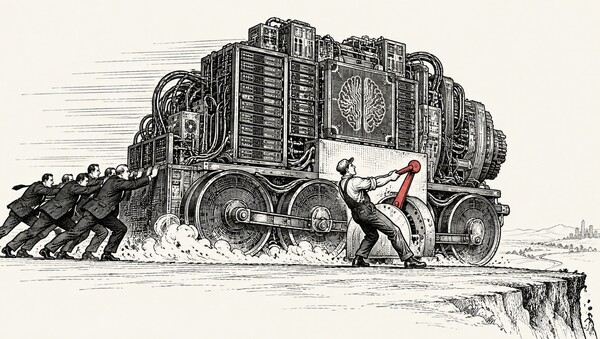
Do we even know what the first Industrial Revolution was, or is it only now, on the threshold of a new one, that we hear the grinding of its machines through the hum of our own?
The world’s chokepoints are not merely decisive energy lines. Sometimes they are doors through which a great power enters as a master - and leaves as a memory.
Once, in a beautiful Connecticut suburb, one could swim through the private seas of the middle class. But each one led deeper into an uncomfortable truth.
We listened to stories about parties at the firehouse. We never lived them. And what we did have is now disappearing before our eyes.
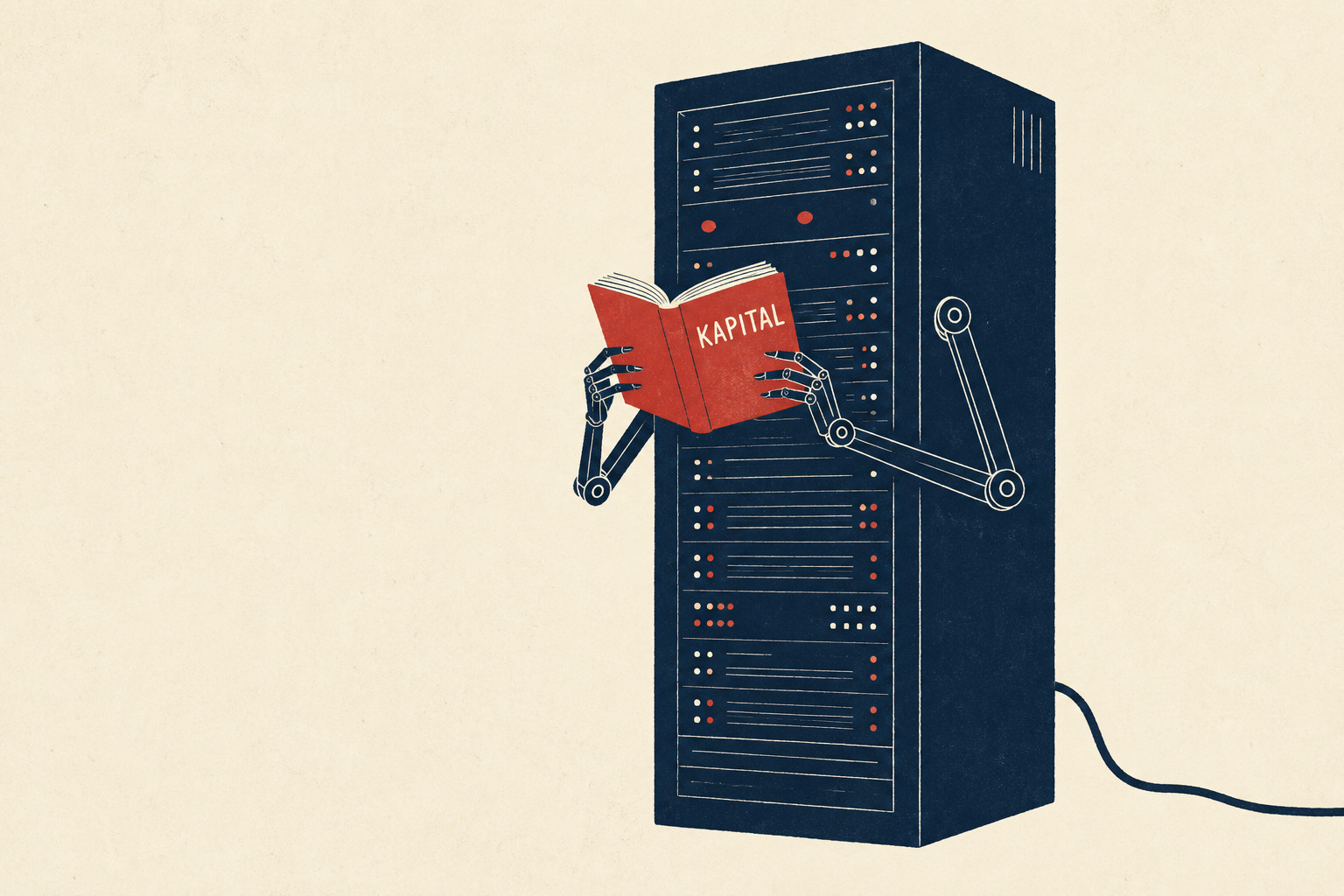
Why do the heads of AI companies speak as if they are selling catastrophe? Isn’t that counterproductive? Unless existential panic has become part of the business model.
If there are good-cop, bad-cop games being played in the corridors of the Kremlin, Europe is watching the wrong images. Taking Schröder by the arm would be wise, if it is not already too late.
One morning in 1941, Iran woke up between two armies. It was not an enemy, not an ally — it was a necessity.
One morning, no one will get up anymore. Not once they realize it was all rigged, and that the rigging barely differs from country to country, or from system to system.
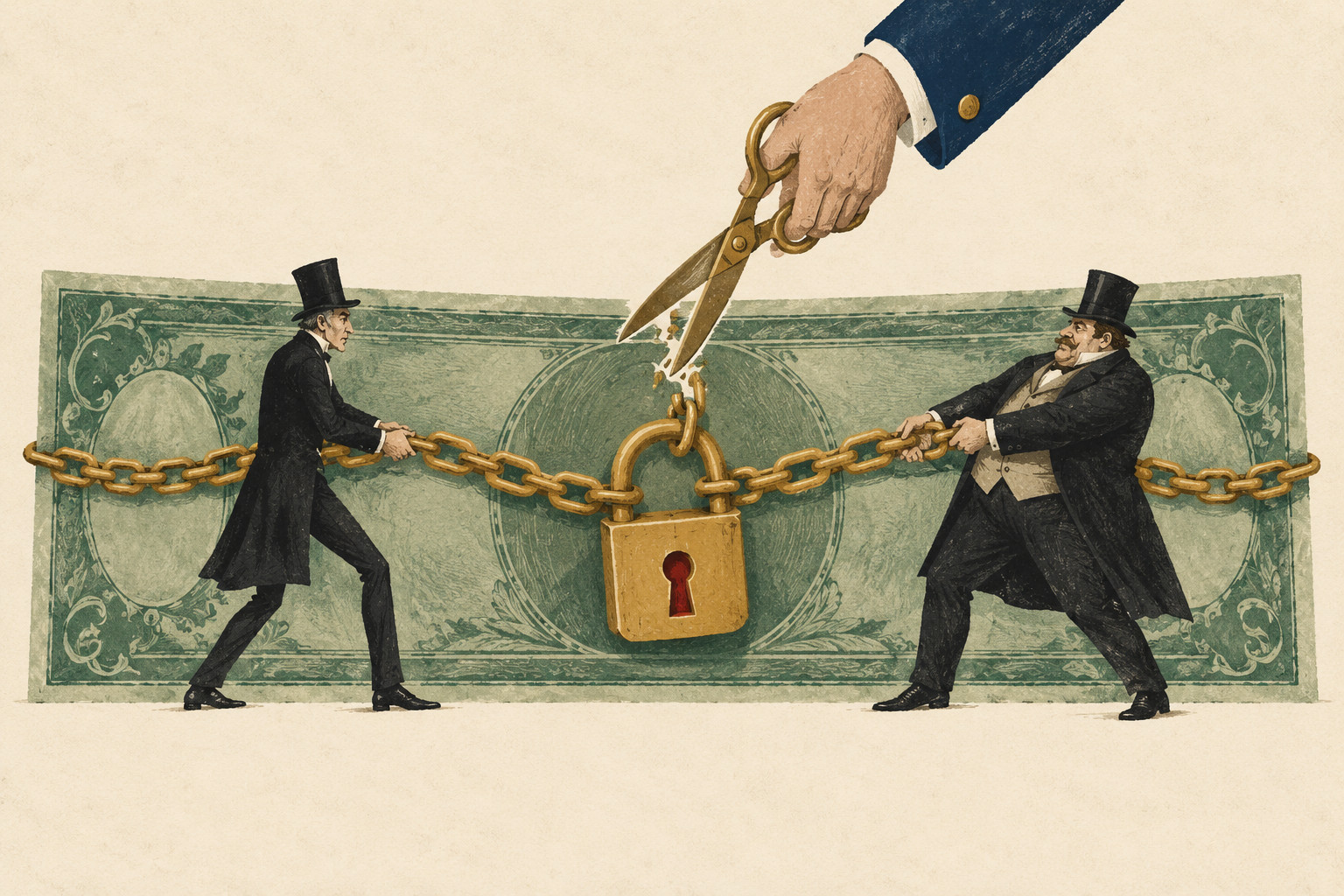
Economies sometimes do not crack with a bang, but through hidden accumulation on the balance sheet. The most dangerous moment is when everyone still behaves as if nothing has changed.
Behind the language of innovation lies an infrastructure that is reshaping bills, landscapes, energy systems, and security before the public grasps what is really at stake.
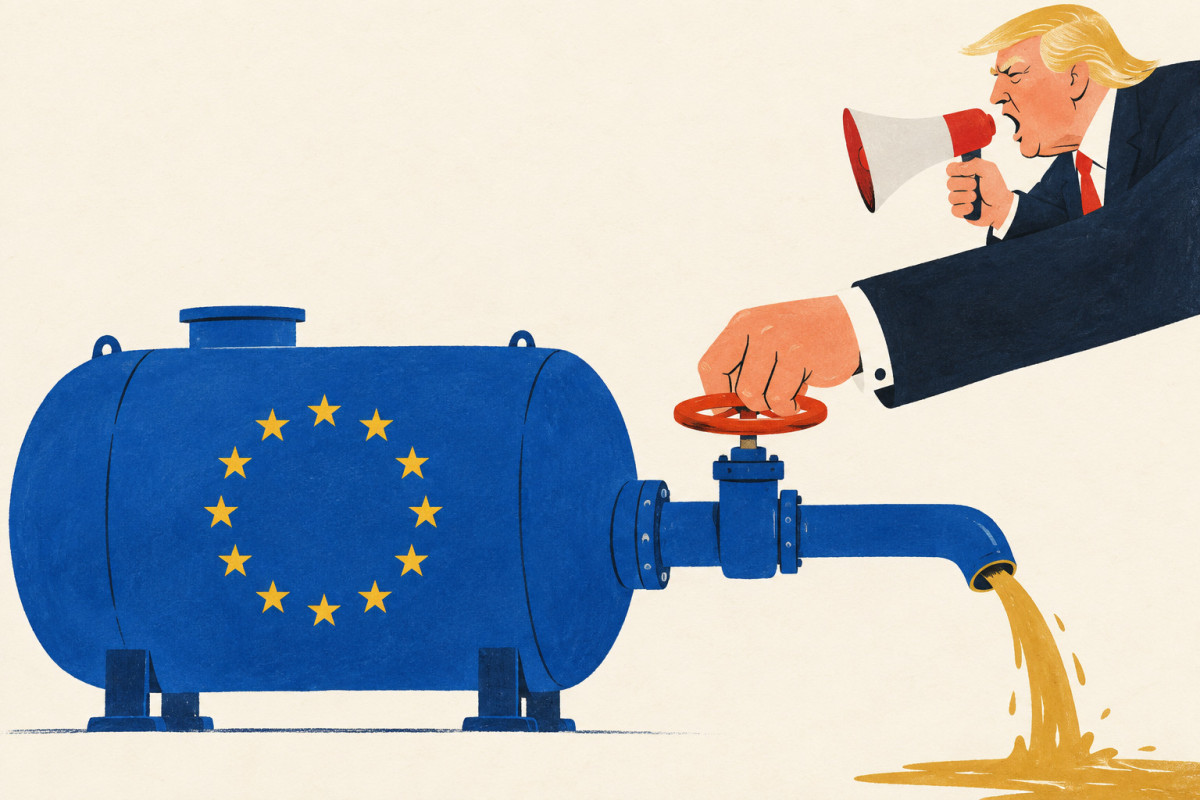
The crisis handed to us by Trump and Netanyahu extends far beyond its energy dimension — the helium shortage makes it all-encompassing.
At one narrow passage, the world order could break. In the shadow of war, an idea is taking shape that could forever change the flow of global power.
Plans that seemed bizarre until yesterday would once have been dismissed as radical theory, but today they are taking shape — and even receiving confirmation from the very top.
Behind the noise about security and values lies a deep panic – the moment when an empire no longer controls its own fate.
As the war escalates, a divide is growing within Christianity: Catholics are leading calls for peace, while evangelicals increasingly provide moral cover for violence.
The clash between sea and land, the great geopolitical confrontation that has endured since the 19th century, is now returning as the central battle of our time.