
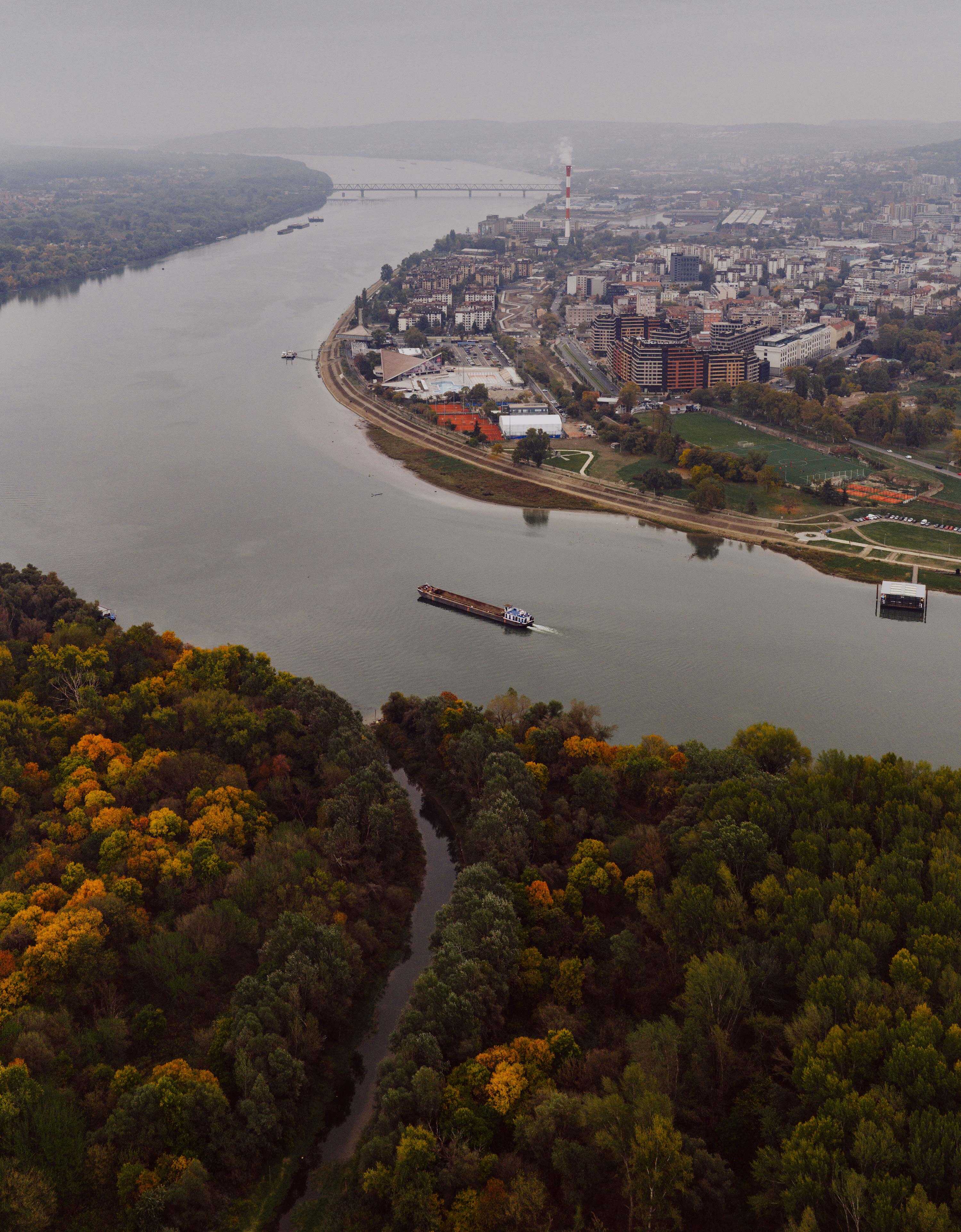
While Europe seeks relief from the heat, its rivers are receding, quietly extinguishing a system we believed to be almost indestructible.
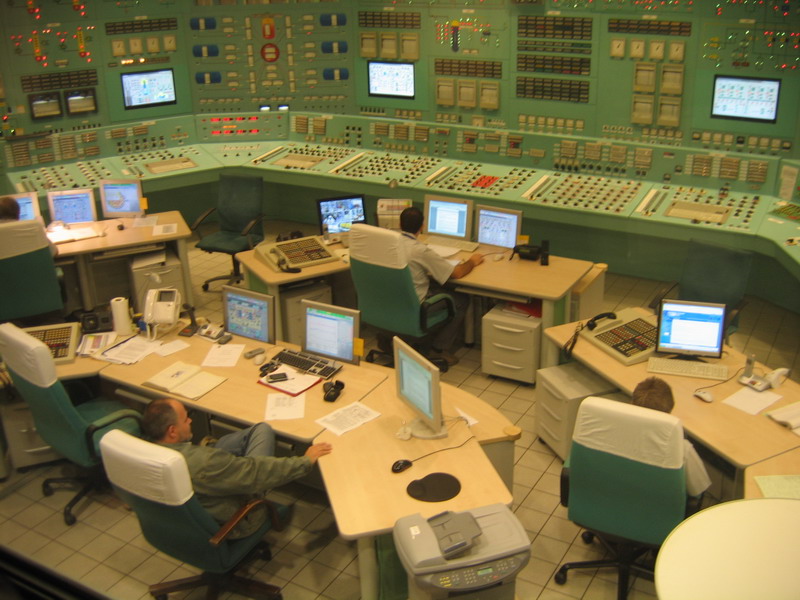
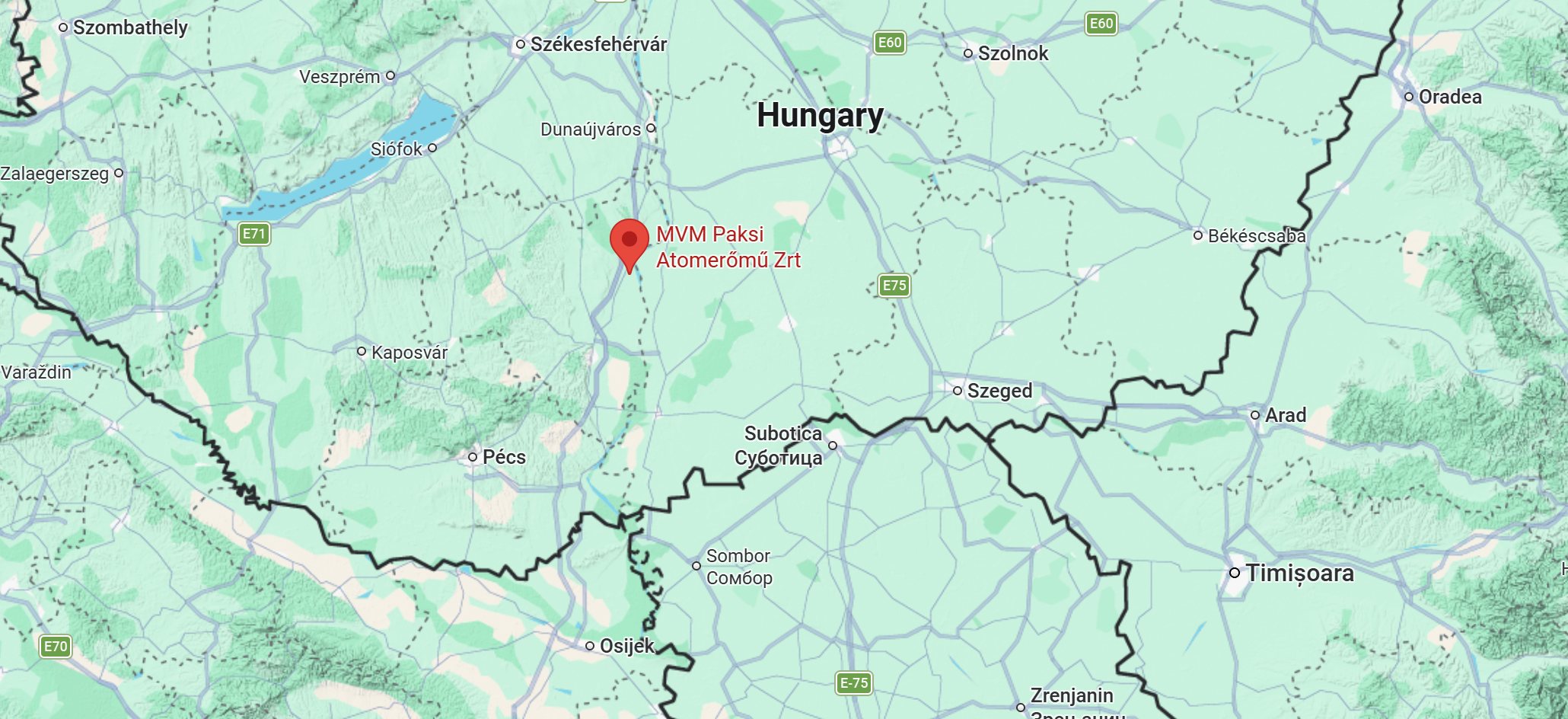
In Hungary, citizens are being asked to reduce their electricity consumption in the middle of 40-degree heat, precisely when they need it most. Air conditioners, industrial plants and public services are competing for the same megawatts, while the Paks nuclear power plant is gradually shutting down. The cause is not a reactor malfunction, a shortage of fuel or a wartime strike, but the Danube. The river has receded so far that it can no longer reliably perform its role as an enormous natural cooling system.
The most disturbing part of the story, however, is not the possibility of a nuclear accident. The reactors are being shut down precisely to prevent such a scenario. The far more serious warning lies in what begins to unravel when a river of this magnitude weakens. Paks is merely the most visible red warning light on a system stretching from southern Germany to the Black Sea...
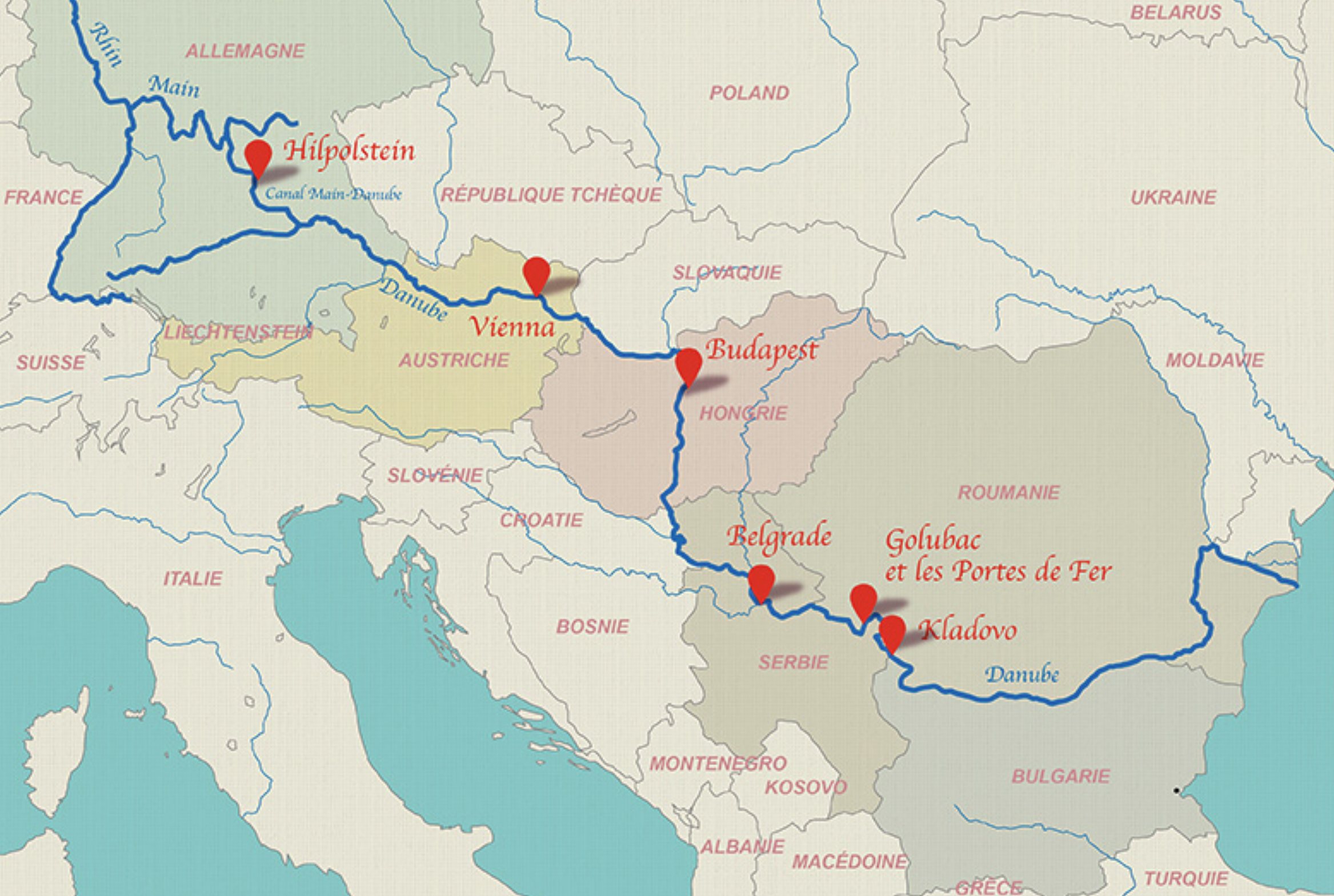
Because that entire system depends on the Danube—for electricity generation, power-plant cooling, fuel transport, grain exports, water supplies and industrial production.
Hungary’s new prime minister, Peter Magyar, has warned that the country faces five critical days. Paks, a roughly two-gigawatt plant whose four Russian-designed reactors produce nearly half of Hungary’s electricity, was operating at little more than ten percent of capacity on Sunday. According to the announced schedule, it was expected to stop generating entirely on Monday—that is, today—for the first time in more than four decades, and could remain offline for weeks. Meanwhile, the heatwave has yet to reach its expected peak.
The phrase "nuclear emergency" must nevertheless be used with caution. There is no radiological emergency at Paks, no uncontrolled chain reaction and no radioactive leak. These are VVER-440 pressurised-water reactors, in which the radioactive primary circuit is separated from the secondary circuit that drives the turbines. Water from the Danube is used to condense steam in an additional open-loop cooling circuit and never comes into contact with radioactive material. When the river is too low or too warm for the pumps to operate safely and for heat to be removed effectively, output is reduced and the plant is shut down in a controlled manner.
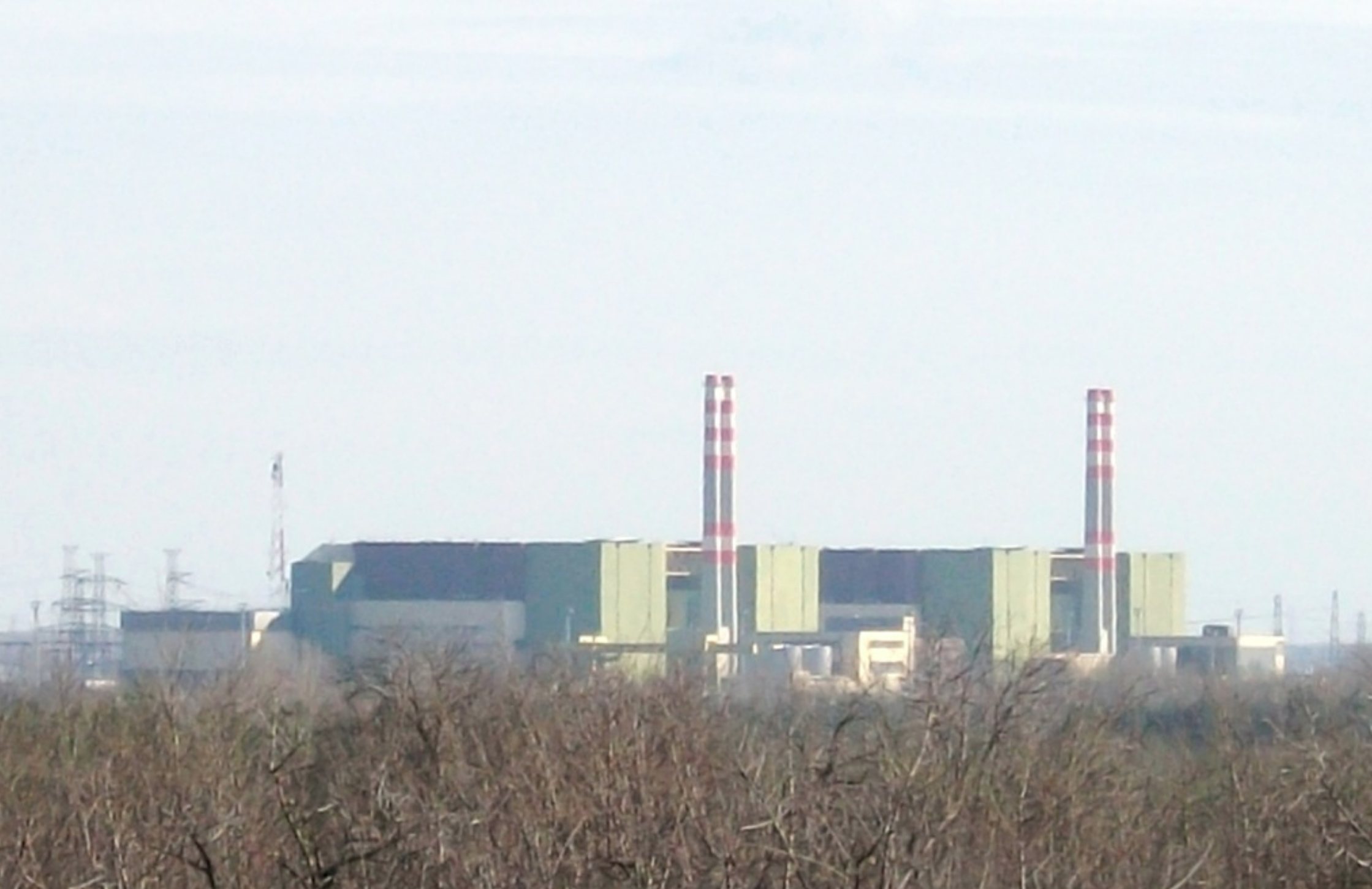
A shutdown, however, is not simply a matter of flipping a switch. Control rods can halt the chain reaction within about ten seconds, but the heat inside the reactor does not disappear immediately, meaning the units must continue to be monitored and cooled under strict procedures. The safety system is doing exactly what it was designed to do—the problem is transferred from the reactor building to the electricity grid.
That is where the situation becomes considerably more uncomfortable.
Hungary is losing its largest and most reliable source of electricity at precisely the time when demand from air conditioning is surging. The government has asked households, public institutions, local authorities and companies to reduce consumption or shift it away from the evening peak between 5 p.m. and 10 p.m. Voluntary reductions by households and more than 300 companies have reportedly already removed around 400 megawatts of demand from the grid. Major participants include MOL, Audi, Samsung SDI and Denso. Mandatory restrictions on industry have so far been postponed, but they could be introduced very quickly.
Paks II: Hungary Is Building an Even Larger Nuclear Plant on a Vanishing River
While the four existing reactors are reducing output because the Danube can no longer cool them reliably, an even larger nuclear power station is taking shape just a few hundred metres away. Paks II will consist of two Russian VVER-1200 reactors, each with a capacity of 1,200 megawatts and designed to operate for at least sixty years. The first concrete for Unit 5 was poured in February 2026, officially moving the project into the construction phase under international nuclear classification.The new units, however, will not reduce Hungary’s dependence on the Danube. They, too, are designed as pressurised-water reactors with an open-loop cooling system that transfers enormous quantities of waste heat into the river. The project documentation includes plans for a separate channel through which heated water from Paks II will be discharged back into the Danube, and also considers a period in which the old and new units may operate simultaneously. In other words, the site could eventually contain more than four gigawatts of nuclear capacity, all ultimately dependent on the same river flow.
Under normal circumstances, a shortfall in domestic generation can be covered by imports. But the formula "we will buy electricity from abroad" sounds convincing only while neighbouring countries have energy to spare. The same heatwave and the same drought are now affecting nearly the entire wider region, sending multiple countries in search of the same cross-border capacity and the same limited supply of power. According to estimates by the Tisza Party, higher import costs could leave Hungary with a bill of between 315 and 630 million dollars.
Downstream lies another piece of the same energy puzzle. The Đerdap 1 hydroelectric plant, a joint Serbian-Romanian system with an installed capacity of 1,140 megawatts, was producing only around 5,000 megawatt-hours a day by late July—roughly one third of its usual output. May and June brought the weakest results for those months since the plant began operating in 1970, and production later fell to around one fifth of capacity. Forecast inflows of roughly 1,500 cubic metres per second are approaching the biological minimum.
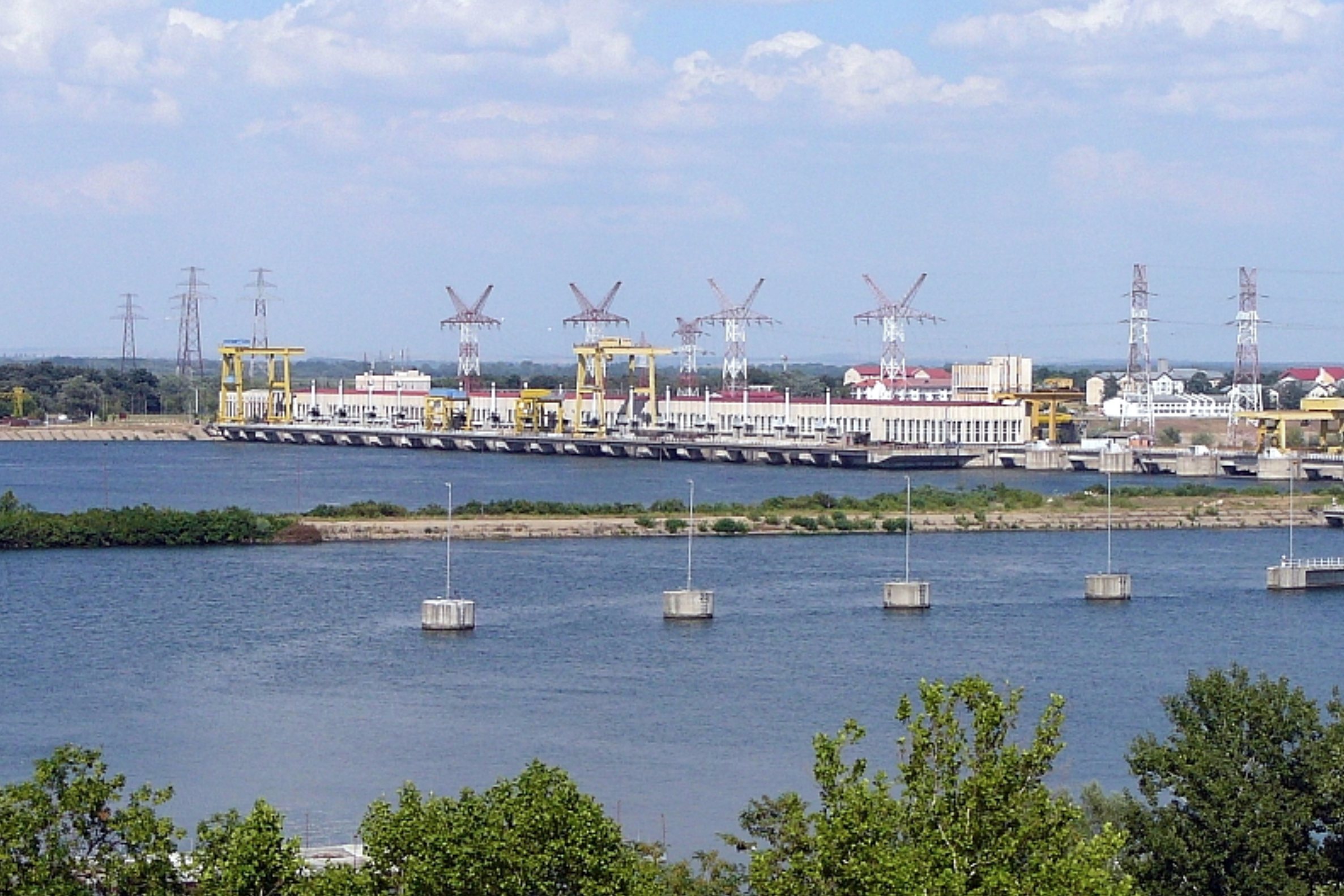
Đerdap shows why it is a mistake to reduce the crisis to the vulnerability of nuclear energy alone. A hydroelectric plant without sufficient flow quite simply has nothing to convert into electricity. The Kostolac thermal power plants, which are supposed to compensate when hydroelectric generation falls, have also reduced output because they lack sufficient cooling water. Low water levels on the Danube have forced tankers and barges to sail with only 30 to 40 percent of their usual cargo, which meant that Serbia received, among other things, only a quarter of its planned fuel imports in July. Less water therefore simultaneously removes hydroelectric power, weakens thermal generation and obstructs the delivery of the very fuels intended to replace the lost output.
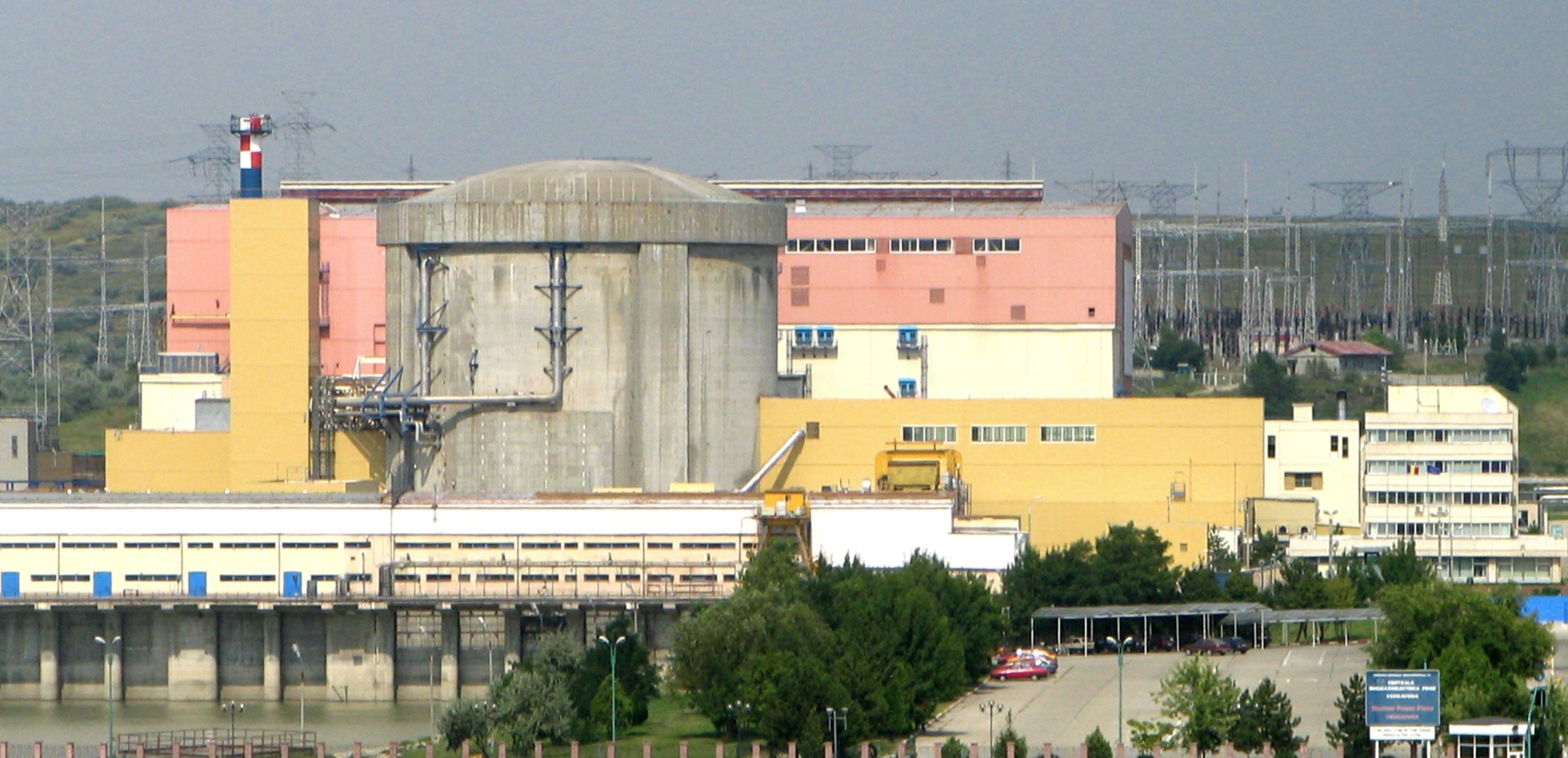
Romania has moved even closer to a state of emergency. The Cernavodă nuclear power plant has two 706-megawatt reactors which together provide around one fifth of the country’s electricity. At the end of July, Unit 1 was shut down in a controlled operation because of unprecedentedly low Danube levels, while Unit 2 was approaching the same decision. The Danube’s flow as it entered Romania fell to around 1,650 cubic metres per second, compared with a July average of approximately 4,750. Bucharest declared an energy emergency for August and allocated funds to temporarily redirect water from a canal in order to keep the second reactor connected to the grid.
Croatia has no power plant whose operation depends directly on water from the Danube, but the physical signs of the same crisis are already visible. At the Batina monitoring station, a record low was measured in mid-July, and on 2 August the Croatian Meteorological and Hydrological Service recorded an even lower level: minus 135 centimetres. The retreating water has exposed wrecks, sandbanks and sections of the riverbed that had remained hidden for decades, while the Drava at Osijek has also fallen to its lowest level since records began. Behind these photographs, which some may find visually striking, lies a fundamental shift in the behaviour of rivers on which agriculture, ecosystems, transport and regional trade all depend.
Nor is the Danube alone. Low water on the Rhine is limiting the amount of cargo vessels can carry towards Europe’s industrial heartland. French nuclear plants reduce output when rivers become too shallow or too warm to permit the discharge of additional heat. Austria’s Verbund estimated that poor hydrological conditions reduced its earnings by around 370 million euros in the first half of the year, while the Po river basin is once again entering a period of severe water scarcity.
In mid-July, the Copernicus European Drought Observatory classified conditions across much of Europe as critical, with deterioration continuing in the central and western parts of the continent. The problem is not simply that rain is failing to fall. High temperatures accelerate evaporation from soil, vegetation, reservoirs and rivers, meaning the same lack of precipitation produces a far deeper crisis than it would during a cooler period.
The mechanism is easy to understand, but worth repeating: a heatwave does not merely increase demand for electricity; it simultaneously reduces the ability to produce it.
This relationship has long been understood. The International Atomic Energy Agency warns that nuclear plants located beside rivers and lakes are more vulnerable to extreme heat, drought and changes in the availability of cooling water than plants built on the coast. Europe already experienced a historically large decline in nuclear generation during the heatwave of 2003. The latest events are therefore not a technological surprise, but confirmation that a risk once considered exceptional is becoming a seasonal problem.
This does not mean Europe should abandon nuclear energy. Such a response would ignore the fact that hydroelectric and thermal power plants along the same Danube are being hit at the same time, while solar power cannot by itself meet the evening peak in demand and the wind does not begin blowing on command. Nuclear units provide large amounts of stable electricity with very low carbon emissions. Their present weakness lies instead in the concentration of enormous generating capacity at locations dependent on a source of water that is becoming increasingly unreliable as the climate changes.
It would be equally mistaken to claim that a handful of new reactors alone will solve Europe’s energy insecurity. Every large thermal power plant must discharge its excess heat somewhere. Cooling towers, hybrid systems, larger reservoirs, redesigned water intakes and dry cooling can reduce individual risks, but they come at the cost of lower efficiency, higher expenditure or additional demands on land and resources. The IAEA stresses that technologies capable of drastically reducing water withdrawal do exist, but that each involves technical and economic trade-offs.
Europe’s real weakness lies in the assumption that an integrated market will always "find" a spare megawatt. To some extent, this is an illusion. The market can raise the price of electricity, but it cannot produce river water. Cross-border transmission lines are essential, but they do not create energy; they merely move it. When drought stretches from the Alps to the Black Sea, countries relying on their national import plans begin to resemble a group of neighbours who all expect the same person to lend them the same generator.
Behind appeals for "voluntary responsibility" lies a political problem as well. During normal periods, electricity is treated as a commodity and cooling one’s home as a private consumer choice. When temperatures rise above 40 degrees, air conditioning for the elderly, the sick, small children and workers in enclosed industrial facilities becomes a matter of health and survival. The state must then decide whose power is cut first, which industries continue operating and who pays for imports purchased at crisis prices. Energy policy once again becomes a question of social priorities.
At such a moment, the geopolitical origin of a reactor becomes almost irrelevant. Paks may use Russian technology, Romania may operate Canadian-designed reactors, France may have its own nuclear industry, and Serbia may rely on hydroelectricity and coal. But neither Moscow, Brussels nor Washington can increase the flow of the Danube by political decree. Different energy models are now colliding with the same physical limit, one that recognises neither alliances, sanctions nor market forecasts.
For centuries, the Danube has been described as a border, a trade route and the cultural axis of Europe. This summer, it is revealing a less romantic role: that of an enormous infrastructural organ without which a great deal can simply stop. Europe built a sophisticated energy system on the assumption that its ancient rivers would remain abundant and obedient. Now, as the Danube retreats into its own riverbed, that sense of security is vanishing with the water.
Sources
- Reuters Hungary PM flags 'critical' days ahead with looming nuclear shutdown https://www.reuters.com/business/energy/hungary-pm-flags-critical-days-ahead-with-looming-nuclear-shutdown-2026-08-02/
- Dailysabah.com Low Danube levels force Serbia to cut hydro power generation https://www.dailysabah.com/business/energy/low-danube-levels-force-serbia-to-cut-hydro-power-generation
- Balkangreenenergynews.com Hungary’s Paks 2 nuclear power plant officially under construction https://balkangreenenergynews.com/hungarys-paks-2-nuclear-power-plant-officially-under-construction/
- Icpdr.org Drought and water restrictions: What Munich is banning – and why this matters for the Danube River Basin | ICPDR - International Commission for the Protection of the Danube River https://www.icpdr.org/tasks-topics/topics/droughts/drought-and-water-restrictions-what-munich-banning-and-why-matters
- Paks2.hu Nuclear energy in plain language - Paks 2 EN - Paks2 https://www.paks2.hu/web/paks-2-en/nuclear-energy-in-plain-language
- Drought.emergency.copernicus.eu Drought Observatories https://drought.emergency.copernicus.eu/
- Nuclearelectrica.ro Current report in accordance with Law No. 24/2017 https://nuclearelectrica.ro/ir/wp-content/uploads/sites/3/2026/07/RC-current-report-debit-dunare-bvb.pdf
- Www-pub.iaea.org Nuclear Energy in Climate Resilient Power Systems https://www-pub.iaea.org/MTCD/Publications/PDF/PAT-003_web.pdf
Comments