AI is good enough - why isn't that enough?
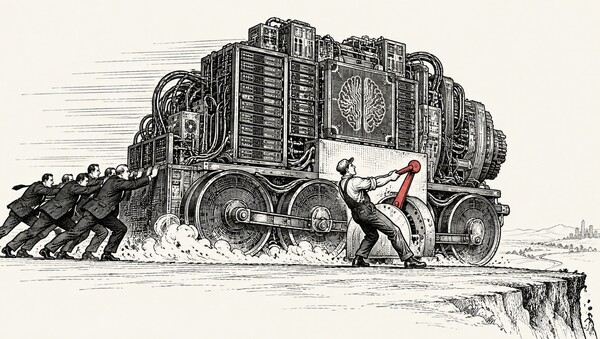
More powerful models arrive faster than society can understand them. The issue is no longer whether we can continue, but why we must not stop.

Chronological overview of all texts

More powerful models arrive faster than society can understand them. The issue is no longer whether we can continue, but why we must not stop.
Record diesel prices are squeezing consumers, AI is demanding trillions, and high interest rates are linking the two crises in a chain reaction that could reach the ballot box.
Europe has not been left without energy, but every new explosion now shortens the path from market disruption to industrial and social crisis.
The most dangerous technological bubbles are not those built on lies, but those where the future actually arrives — but for many, too late.
If today's money is just a number on a screen, why do central banks still worry so much about where their gold bars lie?
When a plan works, it doesn't need to be explained with explosions. When it doesn't work, explosions cannot hide it - real or imagined.
Most of the time, all dollars look the same. In a crisis, however, we discover that some exist only as a promise, and only one system can guarantee the end of the chain.
The American fiscal doomsday has an unusual habit: it's always urgent, it's always historic, and it almost always ends with another vote in Congress.
A modest message from CERN opened the door to a network no one owned. Only later came the gatekeepers, the walls, and the algorithms.
AI didn't escape. It just checked if the doors were locked - and when they weren't, it decided that the real world is also part of the simulation.
While Europe seeks relief from the heat, its rivers are receding, quietly extinguishing a system we believed to be almost indestructible.

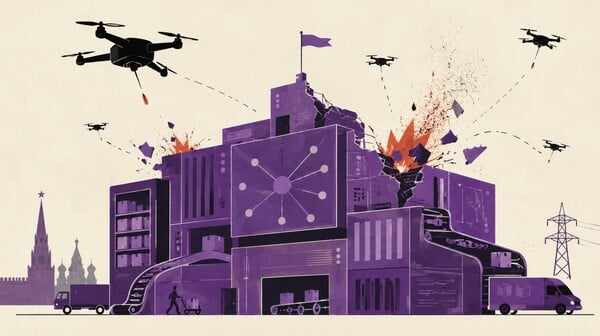
When warehouses become battlefields, war no longer only affects the army: it enters into loans, small shops, and the everyday lives of millions of people.
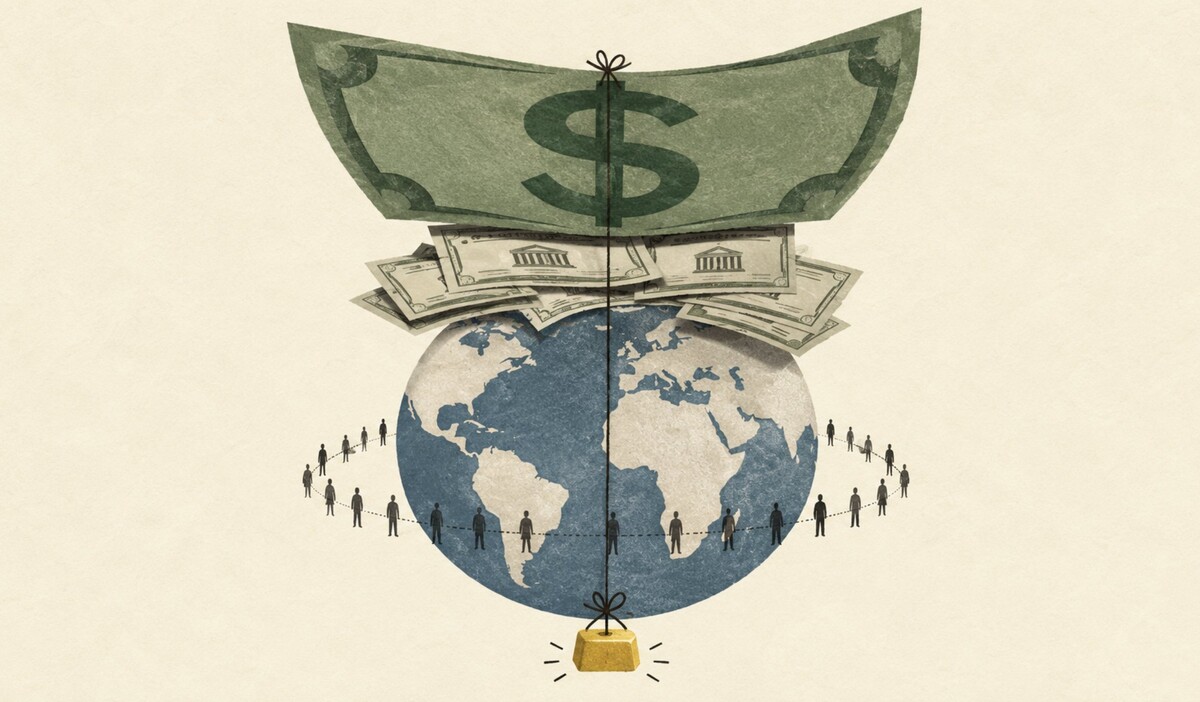
The world's currency rests on a paradox: for everyone to want it, America must create it so much that eventually they start doubting it.
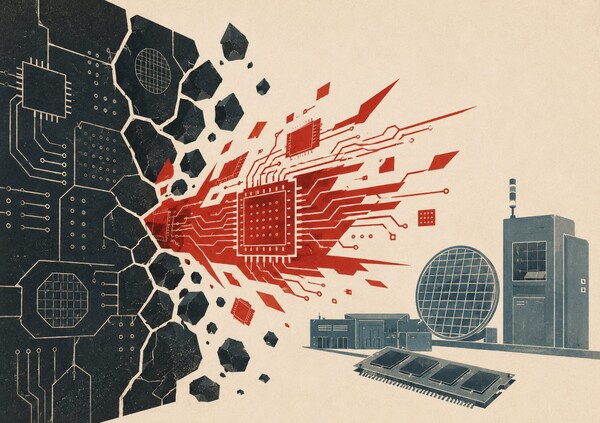
U.S. bans were supposed to slow down China, but at the same time gave it reason to build a technological system that the West can no longer control.
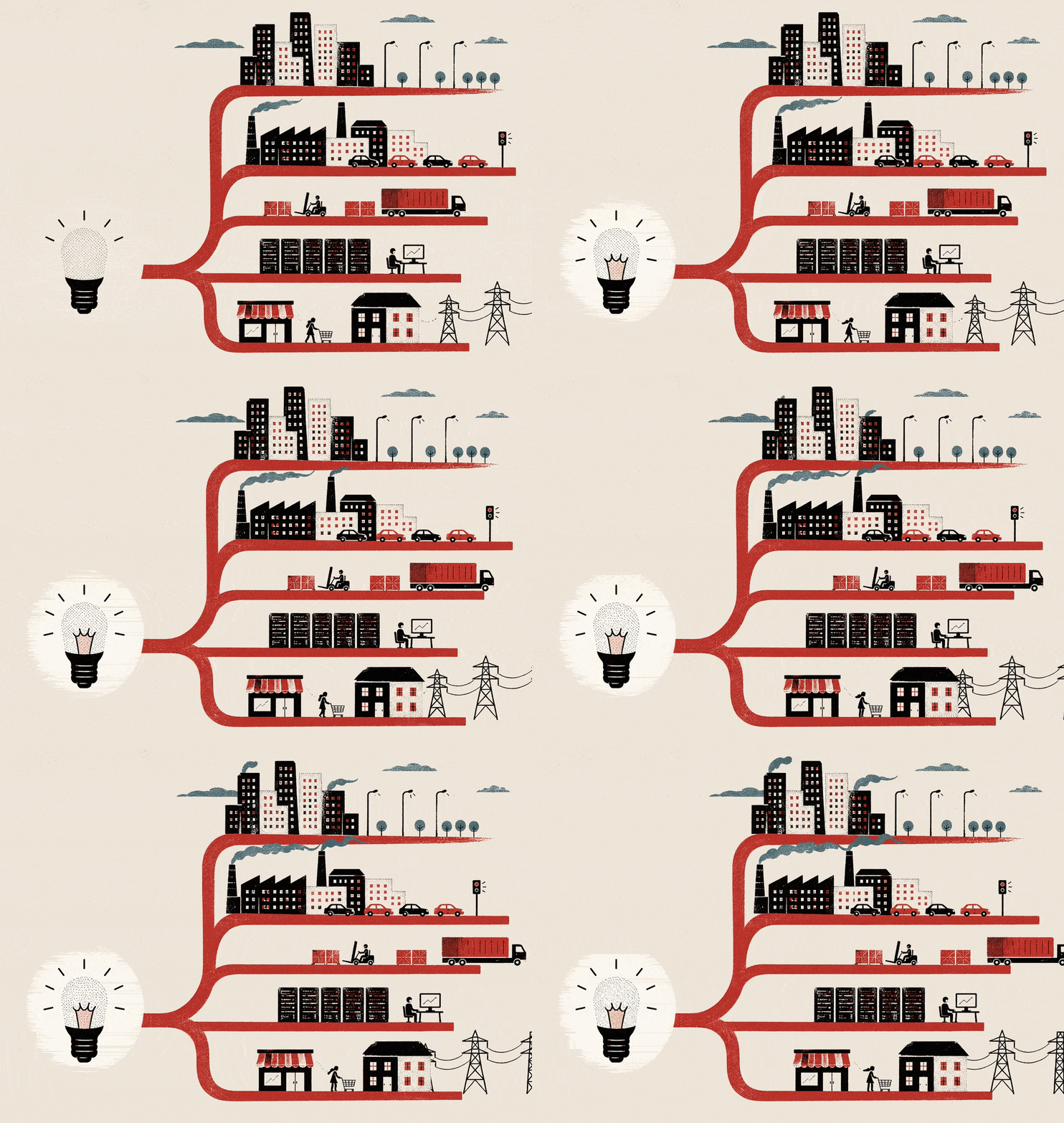
The more we strive to spend less, the system finds a way to spend more — and that's where one of the most important traps of modern capitalism begins.
The world could have had a system that restrains both those who owe and those who accumulate surpluses. Instead, it got an order where the dollar judges everyone.

Only human, spontaneous and with scarcely built trust, can still be an effective advertisement, but ultimately it too can be redeemed.

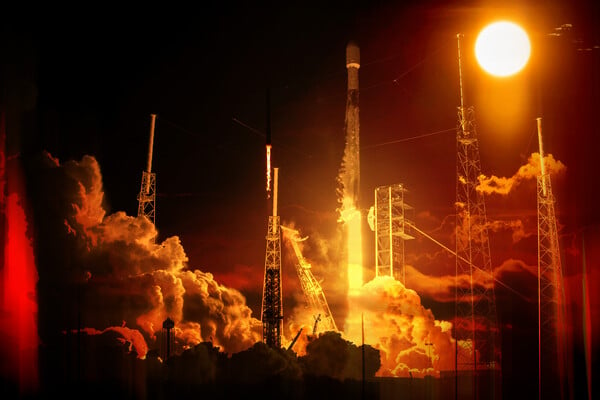
The largest IPO in history will thrill the markets, but behind SpaceX lies a vast wager on America’s entire strategic future.
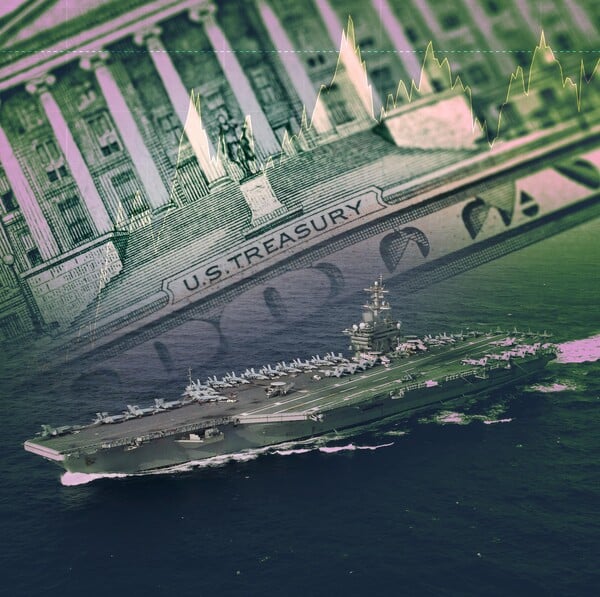
In the months ahead, one number is worth watching: it tells us not just where markets are going, but how long America can afford to sustain its power.
Why do the heads of AI companies speak as if they are selling catastrophe? Isn’t that counterproductive? Unless existential panic has become part of the business model.
