
The world could have had a system that restrains both those who owe and those who accumulate surpluses. Instead, it got an order where the dollar judges everyone.
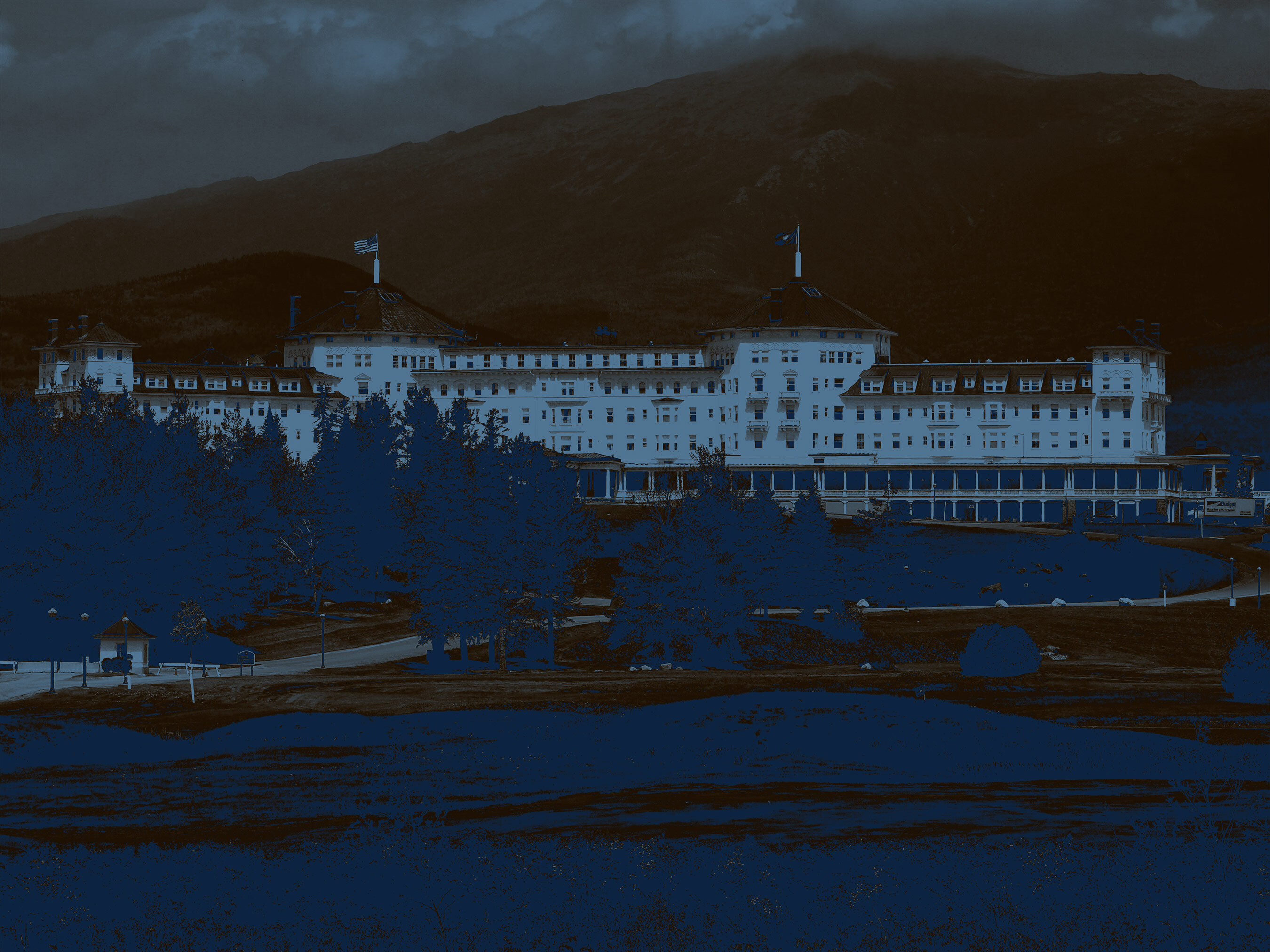
In July 1944, while the war was still not over, representatives of 44 countries gathered at the Mount Washington Hotel in Bretton Woods to negotiate the monetary order of the postwar world. The standard version of the story says that this was where the IMF, the World Bank, and the system of stable exchange rates were born. That is true, but it is not the whole story.
Bretton Woods was not merely a technical discussion about exchange rates. It was a debate over who would have the right to create world money, and therefore who would bear the burden of crises: would the international system discipline only debtors, or creditors as well? At that moment, the world could have taken a different, fairer path. The idea had already been conceived, and then brutally rejected. We are all descendants of that moment, and we have the right to know what we lost.
John Maynard Keynes, the British negotiator and the most important economist of his time, did not arrive with a proposal for a "slightly different IMF." He arrived with the idea of an International Clearing Union, a global clearing system that would issue a special supranational unit of account: the bancor. This was not meant to be money for buying bread, shoes, or petrol in everyday life. The bancor would be money between states, an accounting unit through which central banks would settle international surpluses and deficits. In Keynes’s 1943 draft, the bancor was described as "international bank-money", linked to gold, but not in a way that would give any one country the privilege of turning its national currency into the world’s currency.
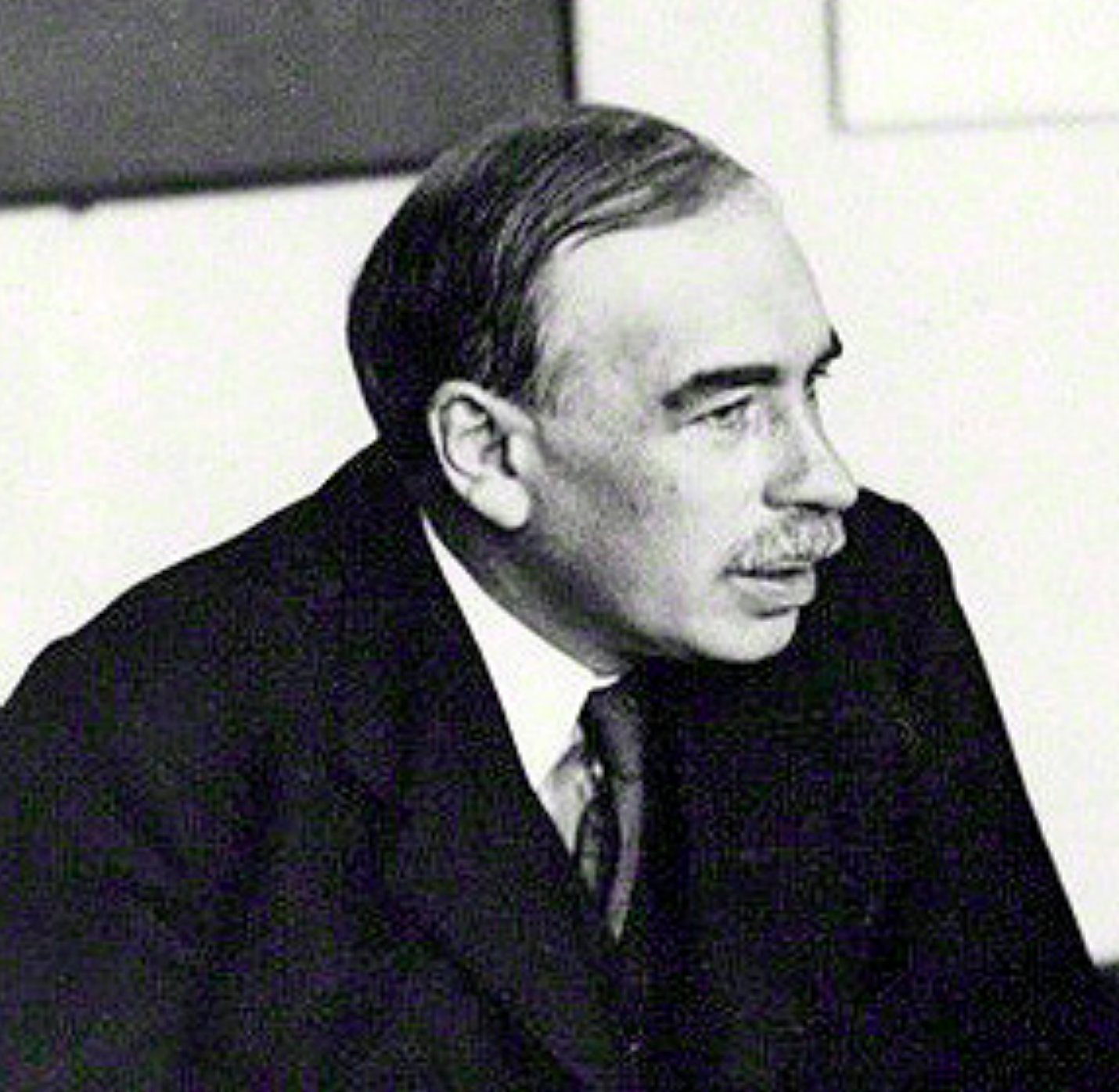
The mechanism was simple, but politically explosive. If a country exported more than it imported, it would accumulate bancors in its Clearing Union account. If it imported more than it exported, it would go into deficit. But that deficit would not be abandoned to market panic, capital flight, and brutal wage cuts. Countries would have an allowed overdraft, a kind of international credit line tied to the scale of their trade. Keynes wanted global trade to function like bank clearing: every credit is someone else’s debit, and the system must deal with the whole balance, not moralize only about those in the red.
A surplus is not simply proof of hard work, competitiveness, and thrift. At the global level, one country’s surplus means another country’s deficit!That was the subversion at the heart of the bancor. The capitalist international order has always known how to punish deficit countries. We know how it goes... If you do not have enough foreign currency, cut spending. If your currency weakens, raise interest rates. If you lack dollars, privatize, lower wages, sell assets, beg the IMF.
Keynes understood that such a system throws the burden of adjustment onto the weaker side. The deficit country must "correct" itself, while the surplus country, the one accumulating claims on others, is treated as exemplary. The bancor struck precisely at that moral asymmetry. In Keynes’s plan, charges would be paid both by countries with excessive debit balances and by countries with excessive credit balances. As the draft itself put it, the system would treat excessive surpluses just as critically as excessive deficits.
That was the great lesson today’s economics often hides behind neutral-sounding slogans. In other words, a surplus is not simply proof of hard work, competitiveness, and thrift. At the global level, one country’s surplus means another country’s deficit!
If one country permanently sells more than it buys, it is not only producing goods - it is also producing other countries’ dependence on debt.
We can put it another way: if a system punishes only the debtor and never the creditor, then it is not protecting balance. It is protecting power.
To be clear, Keynes was not romantically defending debtors. He knew that persistent deficits could be a problem. But he also knew that persistent surpluses could be just as destructive, because they drain purchasing power from global demand and turn it into the accumulation of claims.
That is why the bancor was more than a monetary innovation. It was an attempt to free the international economy from deflationary blackmail.
Under the old gold standard, when a country ran out of gold, it had to squeeze its economy: less credit, lower wages, higher unemployment, weaker domestic demand. Gold was presented as a neutral anchor, but in practice it often functioned as an instrument for disciplining labour. Keynes’s bancor was meant to replace the logic of hoarding with the logic of circulation. One country’s surplus should not sit as dead wealth while another country cuts public services and wages in order to obtain foreign currency. In Keynes’s text, accumulated credit in bancor would not withdraw purchasing power from circulation in the way gold hoarding did. It could remain part of the world’s credit mechanism.
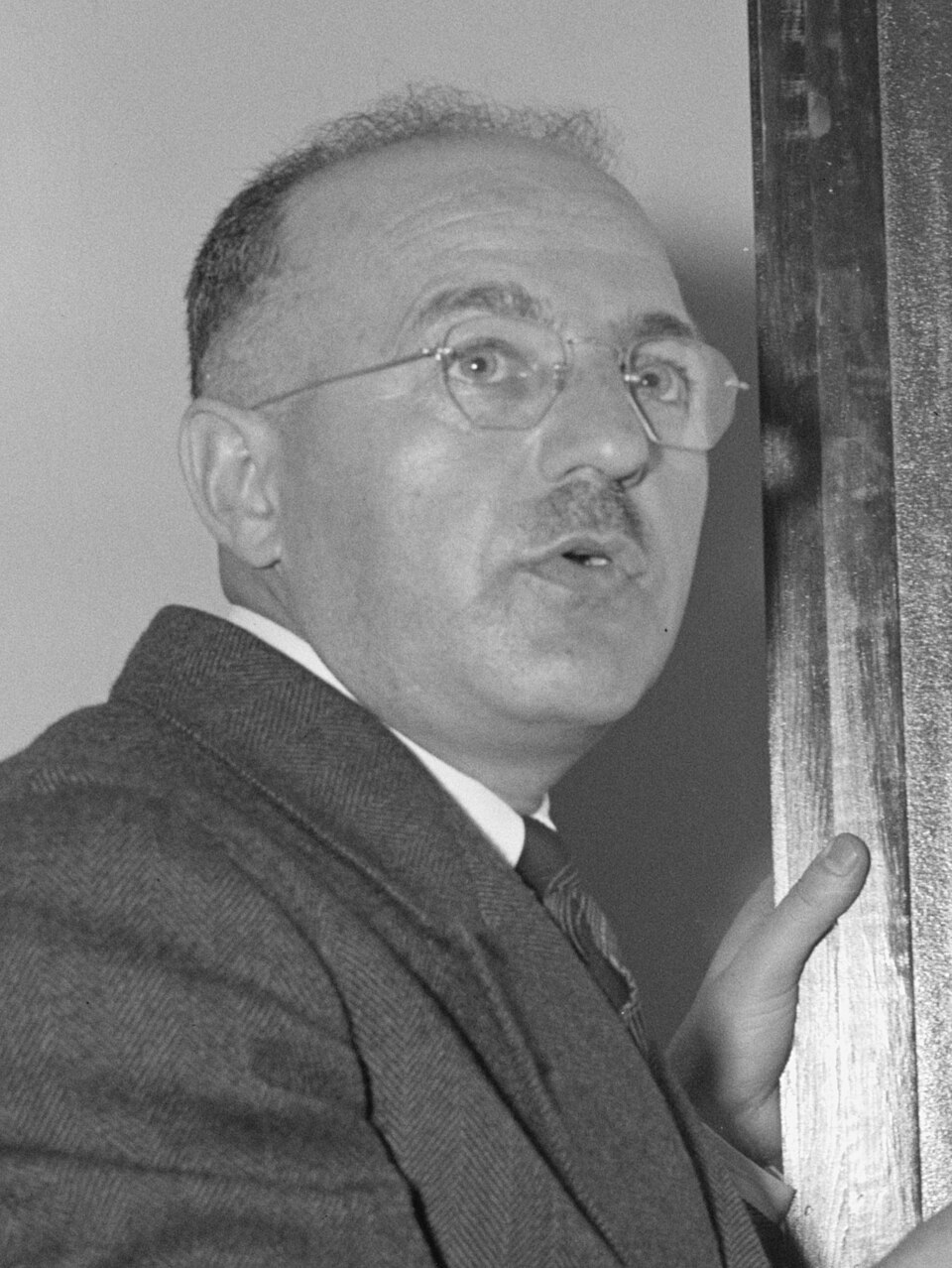
The United States gained something no other country had: the ability to feed the world monetary system with its own debt!But the Americans had a different plan. Harry Dexter White, the chief American architect of Bretton Woods, proposed a more limited stabilization fund, not a global clearing union with its own money. The difference was not merely technical. Britain was emerging from the war exhausted, indebted, and weakened. The United States was emerging as an industrial, financial, and gold-owning giant.
Keynes’s plan called for a system that would limit the privilege of the largest creditor. White’s plan suited a country that could already see itself becoming the centre of the new order. In the end, Bretton Woods was much closer to White than to Keynes.
And so, instead of the bancor, the dollar world was born.
That privilege contained a built-in contradiction. The world needed more and more dollars for trade to expand. But the more dollars circulated outside the United States, the less credible the promise became that those dollars could be exchanged for American gold. This later became known as the Triffin dilemma: the country whose currency serves as the world reserve must supply the world with liquidity, but in doing so undermines confidence in its own currency. By the end of the 1960s, American war spending, external deficits, and the growth of dollar liabilities had made the system increasingly unstable. Then, in 1971, Richard Nixon simply closed the "gold window" and ended the dollar’s convertibility into gold.
After that, the dollar was no longer a promise of gold. It was a promise backed by the American state, American financial markets, American military power, and America’s geopolitical network. That is where monetary empire begins in its mature form.
Because empire does not only mean bases, aircraft carriers, and sanctions. It also means that the debt of one country becomes the reserve asset of the rest of the world. It means that when the American central bank changes interest rates, it does not merely change the cost of credit in Kansas or California, but the price of capital in Brazil, Turkey, Indonesia, and Croatia. It means that countries on the periphery often have to earn or borrow a currency they cannot issue themselves!
The forgotten scarce currency clause
One small trace of Keynes’s logic did survive in the system that defeated the bancor. The IMF’s rules included what was known as the "scarce currency clause." The idea was simple: if a currency became so sought after that the IMF could no longer supply it normally to other countries, the Fund could formally declare it "scarce."What did that actually mean? It sounds technical, but politically it mattered a great deal. A currency does not become scarce by accident. In the postwar world, this primarily meant the dollar. If everyone needs dollars for trade, reserves, and debt, while the United States does not release enough of them into the system, then the problem is not only with countries running deficits. The problem is also with the country whose currency becomes the bottleneck of the world economy.
The clause therefore carried a small spirit of the bancor. It acknowledged that global imbalance cannot be explained only by the irresponsibility of debtors. If one country keeps accumulating monetary power, other countries end up short of the money they need to pay their way in the world. In such a case, the IMF could, at least on paper, ration the scarce currency and give states room to introduce restrictions against the country whose currency was choking the system.
But that is precisely why the clause never became a real instrument of change. It was too dangerous for the order that was taking shape. Had it been applied seriously, it would have opened the very question Bretton Woods formally avoided: can the largest creditor also be the source of a global crisis? The answer was suppressed. The dollar became the centre of the system, while the scarce currency clause remained an archival reminder that even the architects of the dollar order knew global power could turn into global scarcity.
The bancor would not have abolished capitalism, imperial relations, or conflicts of interest among states. We should not turn a single monetary institution into a lost paradise. Great powers would have had greater influence even in such a system, and capital would still have looked for ways around the restrictions. But the bancor would have changed the starting rules of the game. World liquidity would not have depended on the deficit of a single state. Surpluses would not have been treated as sacred. The creditor would not have been able to pose as a neutral judge while its surplus was transformed into someone else’s austerity, unemployment, or debt crisis.
Today, the bancor returns as a distant shadow in discussions about SDRs, or Special Drawing Rights. The term itself sounds awkward because it comes from the English expression Special Drawing Rights. It refers to a country’s right to "draw" additional international liquidity through the IMF when it needs reserves. But the SDR is not a true world currency with which people, companies, or states freely pay for goods and services. It is the IMF’s accounting unit and a special reserve asset used by central banks and international institutions. That is why it is often described as a pale descendant of Keynes’s idea: it has something of the logic of supranational money, but none of the ambition or force of the bancor. Keynes imagined a system that would reorganize global trade and force both debtors and creditors to adjust. The SDR remained a much more modest instrument, an auxiliary monetary tool inside an order in which the dollar still holds the centre.
Keynes tried to imagine a system in which the world economy would not bow before the creditor. Bretton Woods, however, chose a system in which the creditor wrote the rules!Yes, despite all the predictions of dedollarization, the dollar remains the centre of the system. According to the latest IMF COFER data, in the first quarter of 2026 it accounted for 57.13% of global foreign exchange reserves, far ahead of the euro and the Chinese currency. This does not mean that American power is eternal. But it does mean that the monetary order does not change by itself.
Keynes’s bancor is therefore not just a forgotten footnote in the history of economics. It is a reminder that today’s world could have been designed differently. It is not natural for one national currency to serve as world money, nor is it natural to discipline debtors while celebrating surpluses. It is not natural for balance to be sought through unemployment, cuts, and dependence on dollars. These are political decisions turned into economic normality.
The money that was never born tells us something uncomfortable about the money that was. The dollar did not win because it was more neutral, fairer, or theoretically more elegant than the bancor. It won because behind it stood a country that emerged from the war with industry, gold, an army, and negotiating power. Keynes tried to imagine a system in which the world economy would not bow before the creditor. Bretton Woods, however, chose a system in which the creditor wrote the rules! That difference still determines the price of credit, the limits of development, and the silent question behind every monetary crisis: whose money must the world earn in order to breathe at all?
Sources
- Imf.org Articles of Agreement of the International Monetary Fund -- 2020 Edition https://www.imf.org/external/pubs/ft/aa/index.htm
- Federalreservehistory.org Creation of the Bretton Woods System | Federal Reserve History https://www.federalreservehistory.org/essays/bretton-woods-created
- Imf.org SPECIAL DRAWING RIGHTS (SDR) https://www.imf.org/en/about/factsheets/sheets/2023/special-drawing-rights-sdr
- Elibrary.imf.org (A) Proposals for an International Currency (or Clearing) Union https://www.elibrary.imf.org/display/book/9781451972511/ch001.xml
- Imf.org The SDR’s Time Has Come https://www.imf.org/en/publications/fandd/issues/2019/12/future-of-the-imf-special-drawing-right-sdr-ocampo
- Federalreservehistory.org Nixon Ends Convertibility of U.S. Dollars to Gold and Announces Wage/Price Controls | Federal Reserve History https://www.federalreservehistory.org/essays/gold-convertibility-ends
Comments