Nixon, Watergate, and the system that chose itself
Five arrested burglars were just the beginning. The real crime began when the White House tried to subjugate the state for its own survival.
When the sky over Hamburg began to suck the air from the streets, the line between military strategy and mass incineration vanished in flames.
A nearly bloodless coup promised dignity to millions, but left Egypt with a political template it has never entirely shaken off.
Terrorism is often just a temporary label - it disappears when the perpetrators gain a flag, parliament, and enough time to write their own history.
Only when defeat became certain did part of the German elite find courage. But can belated conscience still be conscience?
It was a peace that did not calm anything: it simply neatly arranged discontent, waiting for a new generation to ignite it.
The rebellion that was supposed to end in a few days turned Spain into a war that would soon engulf the entire continent.
The Romanovs were not dangerous because of what they could still do, but because of what others could still do in their name.
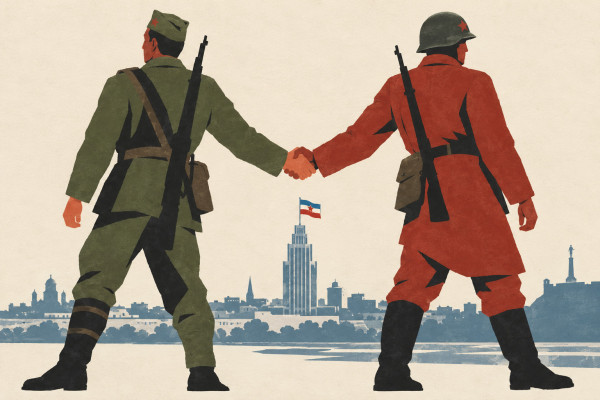
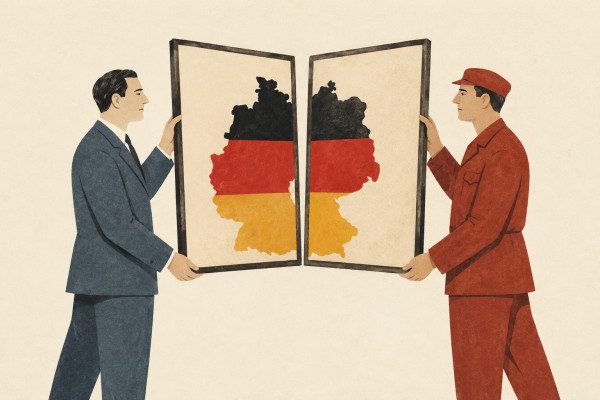
One regime wanted to create a new reality within a few hours. Instead, it got something else - a lasting crisis that still lives in concrete and barbed wire.
In a country that loved to talk about freedom, the most liberated sounded those who had almost nothing but the road ahead of them.
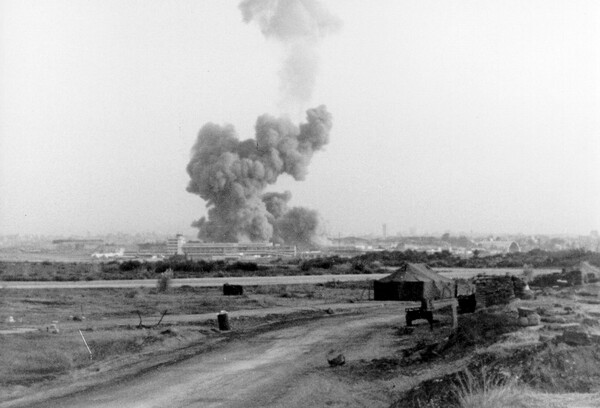
In a port far from Paris, an explosion revealed how quickly lofty principles disappear when they collide with state interests.
Russell and Einstein did not just write to their era. Their manifesto still sounds today like a question that humanity avoids.
History often portrays victors as destined. In reality, sometimes only a moment of someone else's hesitation separates them from downfall.
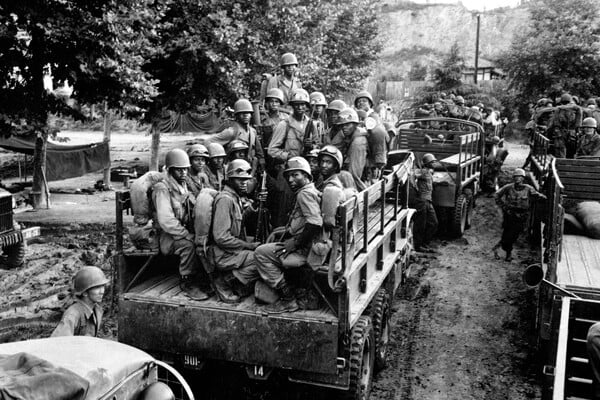
While European capitals were still grappling with crises, on the other side of the world, war was already teaching people what the 20th century would look like.
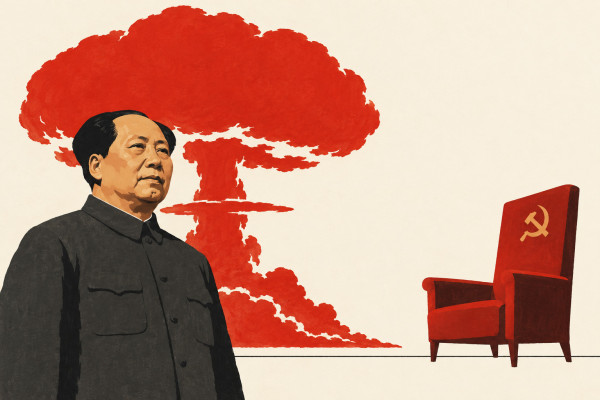
In one Cold War moment, it seemed that the future could be unearthed by detonation... provided no one asked where the dust was going or what was in it.
One morning in 1941, Iran woke up between two armies. It was not an enemy, not an ally — it was a necessity.
The world’s chokepoints are not merely decisive energy lines. Sometimes they are doors through which a great power enters as a master - and leaves as a memory.