
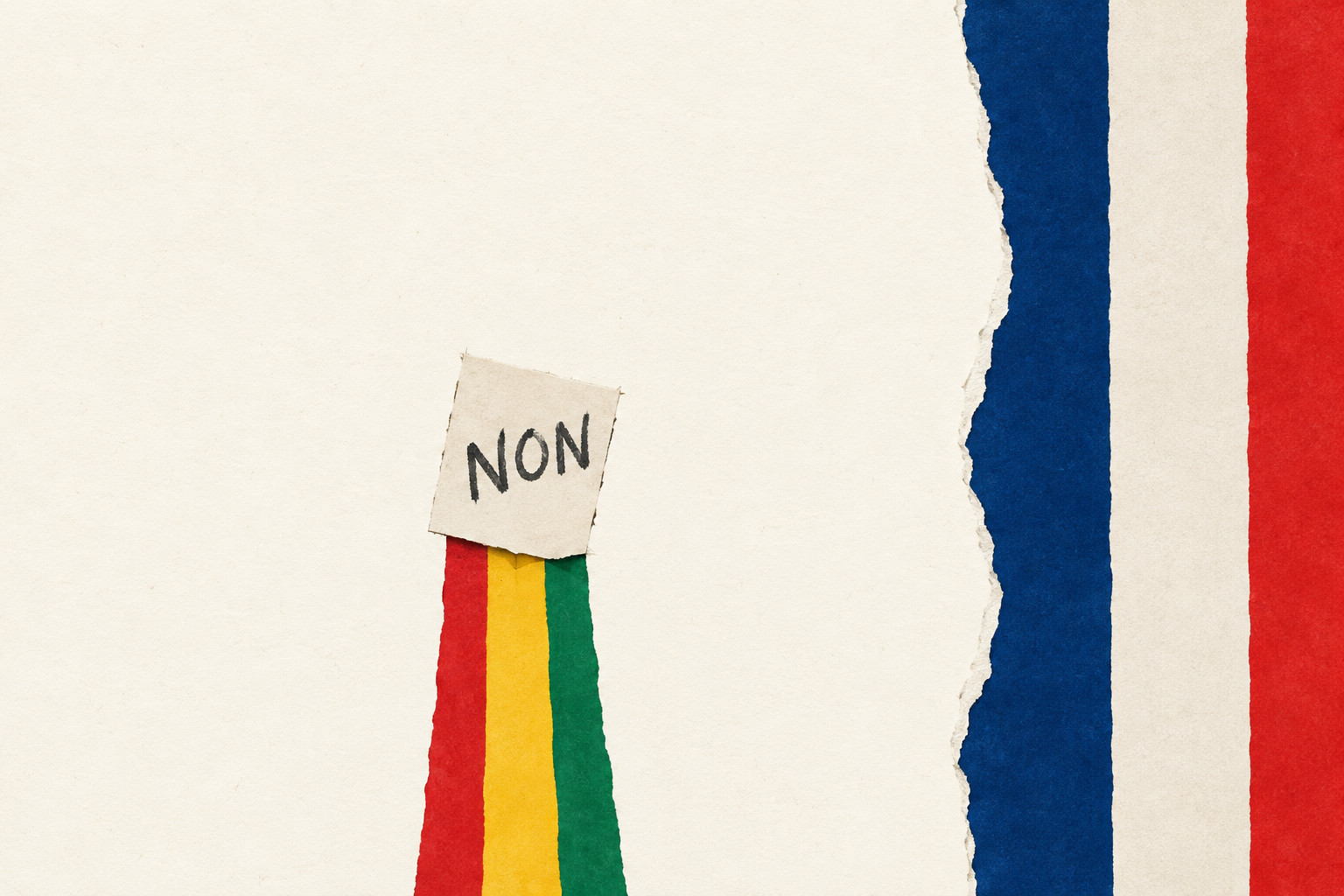
France offered its colonies a choice, convinced that there was only one answer. Guinea chose differently and overnight found itself without support.
The ballot paper did not ask: "Do you want independence?" On September 28, 1958, Guineans were formally voting on whether to accept France's new constitution. Yet everyone understood what the two options meant. "Yes" meant remaining under France's wing. "No" meant leaving immediately, with no transition period, no safety net and—as Paris had warned—no aid. Even so, more than 1.13 million people voted no. Just 56,981 voted to stay. Four days later, the Republic of Guinea was born.
For the colonial power, this was a particularly galling defeat. It had offered a choice, convinced there was only one reasonable answer, then reacted with fury when its subjects chose freedom. Guinea had neither military strength nor economic self-sufficiency, and its administration was ill-prepared for independence. That was precisely what made its answer so dangerous to Paris. If even a country in Guinea's position could leave, what held the empire together except fear of the consequences?
Decolonization on France's terms
Charles de Gaulle returned to power as French prime minister in 1958, amid the Algerian War and the collapse of the Fourth Republic. His new constitution established the Fifth Republic while also seeking to reorganize the colonial empire into the French Community. Its African members would gain internal autonomy, but foreign policy, defense, currency and common economic policy would remain under French control. This was decolonization overseen by the imperial capital: enough of a change to retire the word "empire," but not enough to share power on equal terms.
Every other French overseas territory approved the constitution. Their leaders were not necessarily any less committed to independence. Many simply judged it safer to retain access to French loans, expertise and markets, then negotiate sovereignty later. Events would largely vindicate that calculation: most became independent in 1960. Guinea, however, refused to accept that freedom had to wait until Paris deemed the timing appropriate.
Ahmed Sékou Touré was just 36. A former postal clerk and trade union organizer, he had become Guinea's most powerful politician. The previous year, his Democratic Party of Guinea had won 56 of the 60 seats in the territorial assembly. But the no vote was not simply the achievement of one charismatic leader.
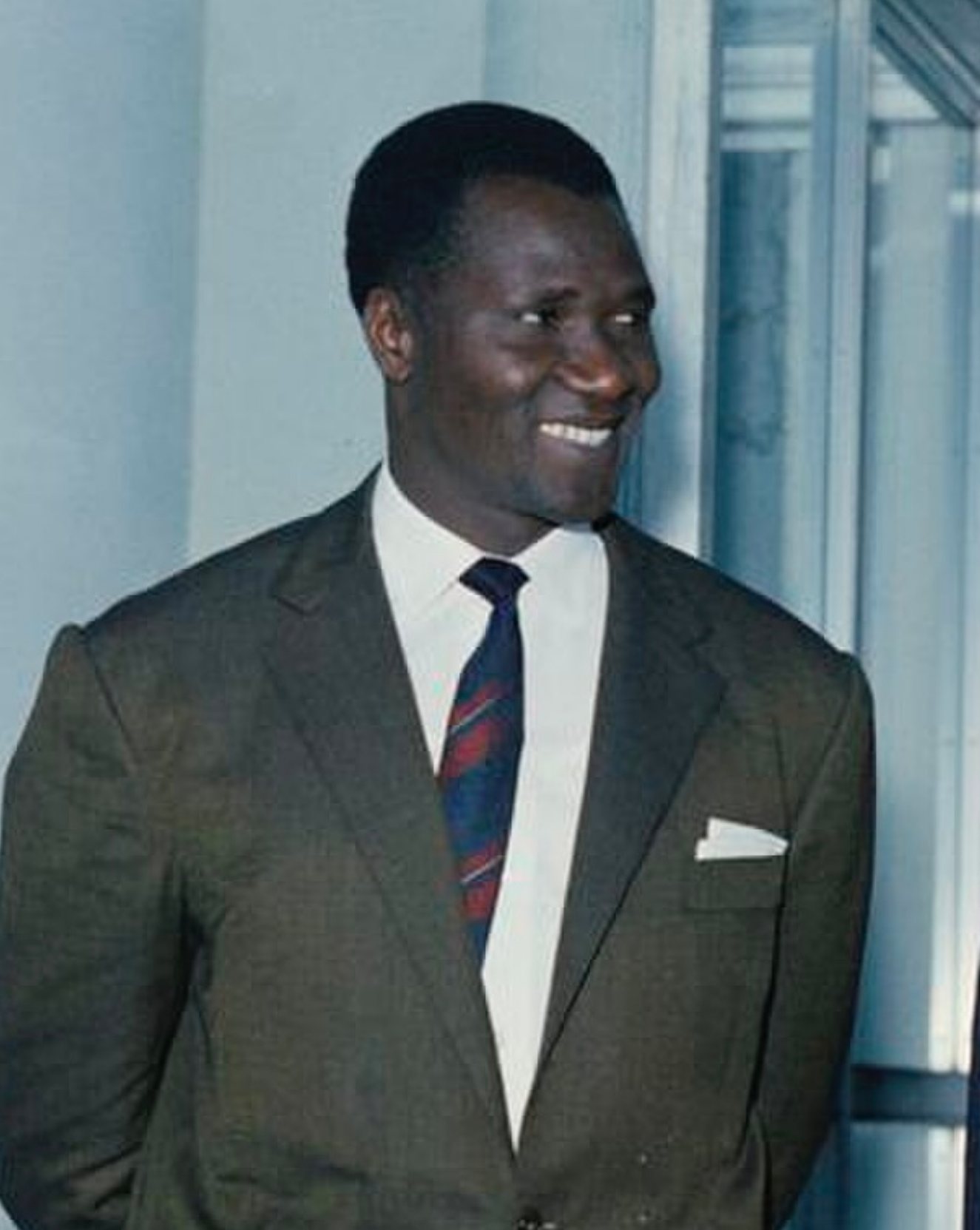
As historian Elizabeth Schmidt has shown, trade unionists, students and the party's women's and youth organizations pushed Touré toward that position. Guinean independence grew out of years of organizing in workplaces, neighborhoods and villages, not a single speech delivered before the cameras.
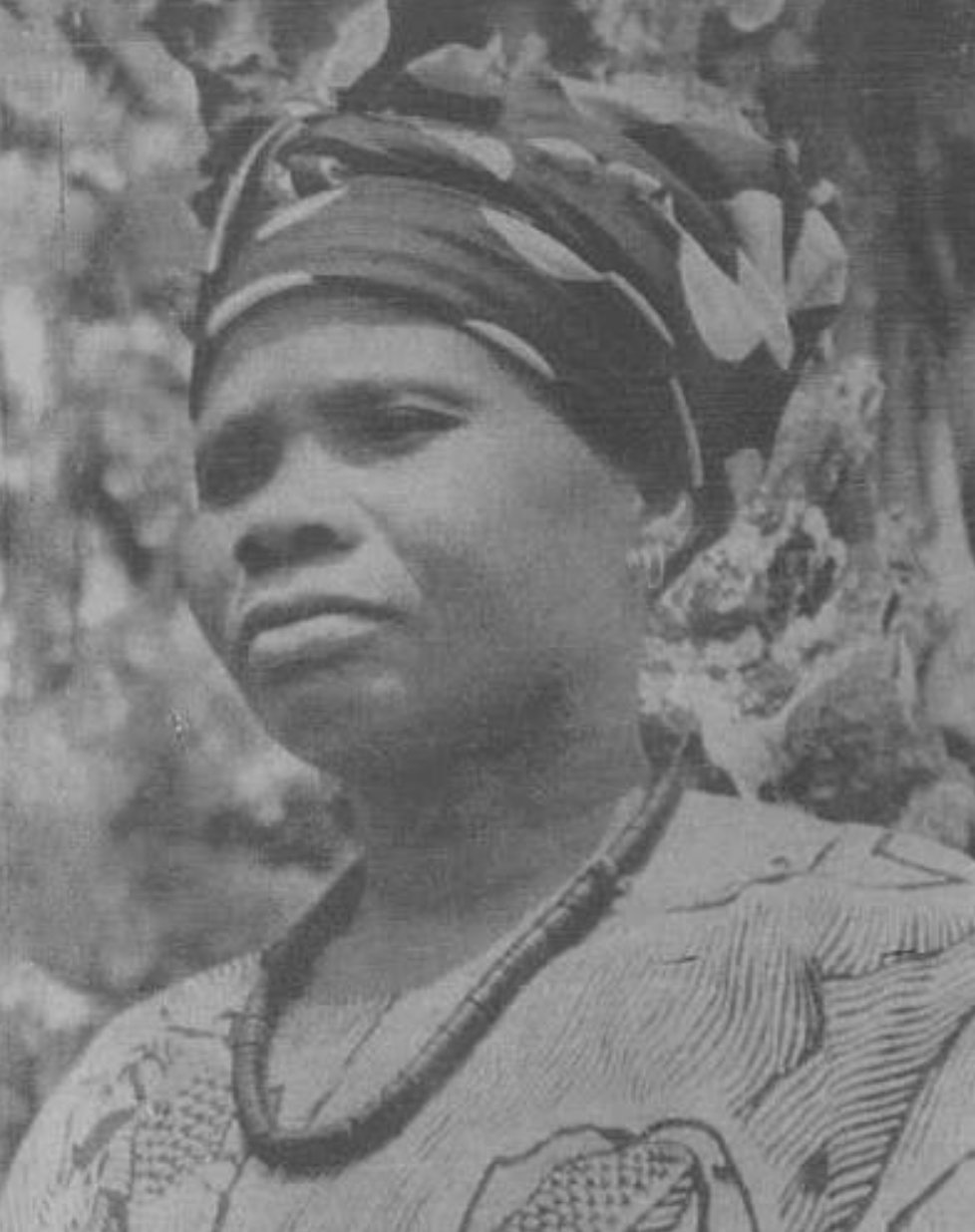
Its most famous speech nevertheless came on August 25, when de Gaulle visited Conakry. Addressing him directly, Touré delivered a line that would come to embody the struggle for African decolonization: "We prefer freedom in poverty to riches in slavery." The rest of the speech is often forgotten. Touré was not seeking hostility with France. He wanted cooperation between two sovereign states, rather than a community in which one side set the limits of the other's freedom.
The women who turned a referendum into a movement
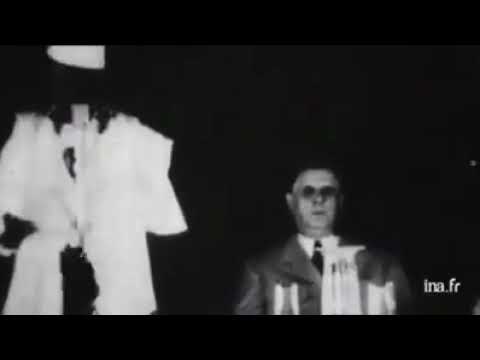
Long before the referendum, Guinean women had built a political network without which the party leadership would have struggled to mobilize mass support so quickly. Markets, neighborhoods and the Democratic Party's women's branches provided channels for spreading messages, raising money and organizing rallies. Women did more than listen to Touré's speeches. They spoke to voters in places the colonial administration and formal politics often failed to reach.The best known was Mafory Bangoura, a seamstress with no formal schooling who emerged as a political force during the great strike of 1953. She organized women to support the strikers, raise funds and join demonstrations, and later became chair of the RDA's women's committee. When the colonial authorities imprisoned her in 1955, hundreds of women took to the streets and forced her early release.
The right to leave—and the price of exercising it
De Gaulle replied that Guinea could have independence and that France would place no obstacles in its path. He then added that France would, naturally, act on the consequences of such a decision. Everything was contained in that formulation: formal recognition of the right to leave, coupled with a warning that exercising it would not go unpunished.
On October 2, the Guinean assembly invoked de Gaulle's own words. It declared independence, reconstituted itself as a constituent assembly and entrusted Touré with forming a government. The new state also renewed its offer of an association agreement with France. Guinea was not rejecting France. It was rejecting the demand that it remain subordinate before it could negotiate as an equal.
Paris, however, was already shutting off the money. While voting was still underway, French High Commissioner Pierre Messmer sent colonial paratroopers to remove 1.4 tonnes of new CFA franc banknotes from Conakry.
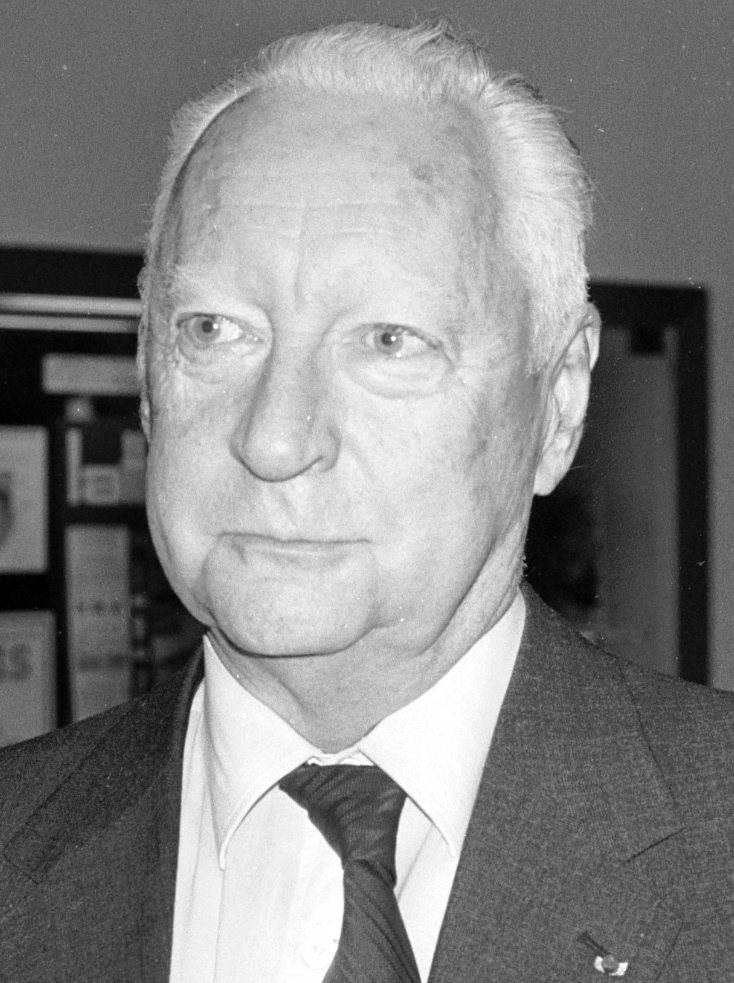
The crates were loaded onto a warship and returned to Dakar. Messmer completed the operation even after receiving orders from Paris to stop. Meanwhile, official instructions stipulated that France's response must not look like retaliation, but that territories which had voted yes should immediately see the "difference in treatment." Bureaucratic language can be at its most revealing when it tries to disguise revenge.
Over the following weeks, France withdrew much of its civil service, teaching staff, technical workforce and military personnel. Budgetary aid and new development projects were halted. Equipment, technical documentation and government records were removed, and some property was destroyed. The story that the French even unscrewed the light bulbs has become an almost obligatory detail in accounts of Guinea's independence. It is impossible to verify every missing bulb, burned medical supply or severed wire described in later retellings. Nor is it necessary. The evidence is clear that there was no orderly handover and that the country was deliberately deprived of much of the personnel and resources on which the colonial administration had depended for decades.
There was a particularly ugly paradox here. For years, France had insisted that Guinea was not ready to govern itself. When Guinea decided to try, France withdrew the very resources whose absence it could then cite as proof of that unreadiness. Colonialism was manufacturing its own justification for staying.
Keeping an independent Guinea out of the United Nations
The punishment went beyond economics. France sought to delay international recognition of the new state and its admission to the United Nations. In October, French Ambassador to Washington Hervé Alphand told US Secretary of State John Foster Dulles that Paris might veto Guinea's membership, although it would prefer to secure enough abstentions to defeat the application without resorting to such an overt move. A few days later, Dulles confirmed to President Dwight Eisenhower that France was asking its allies to help delay admission.
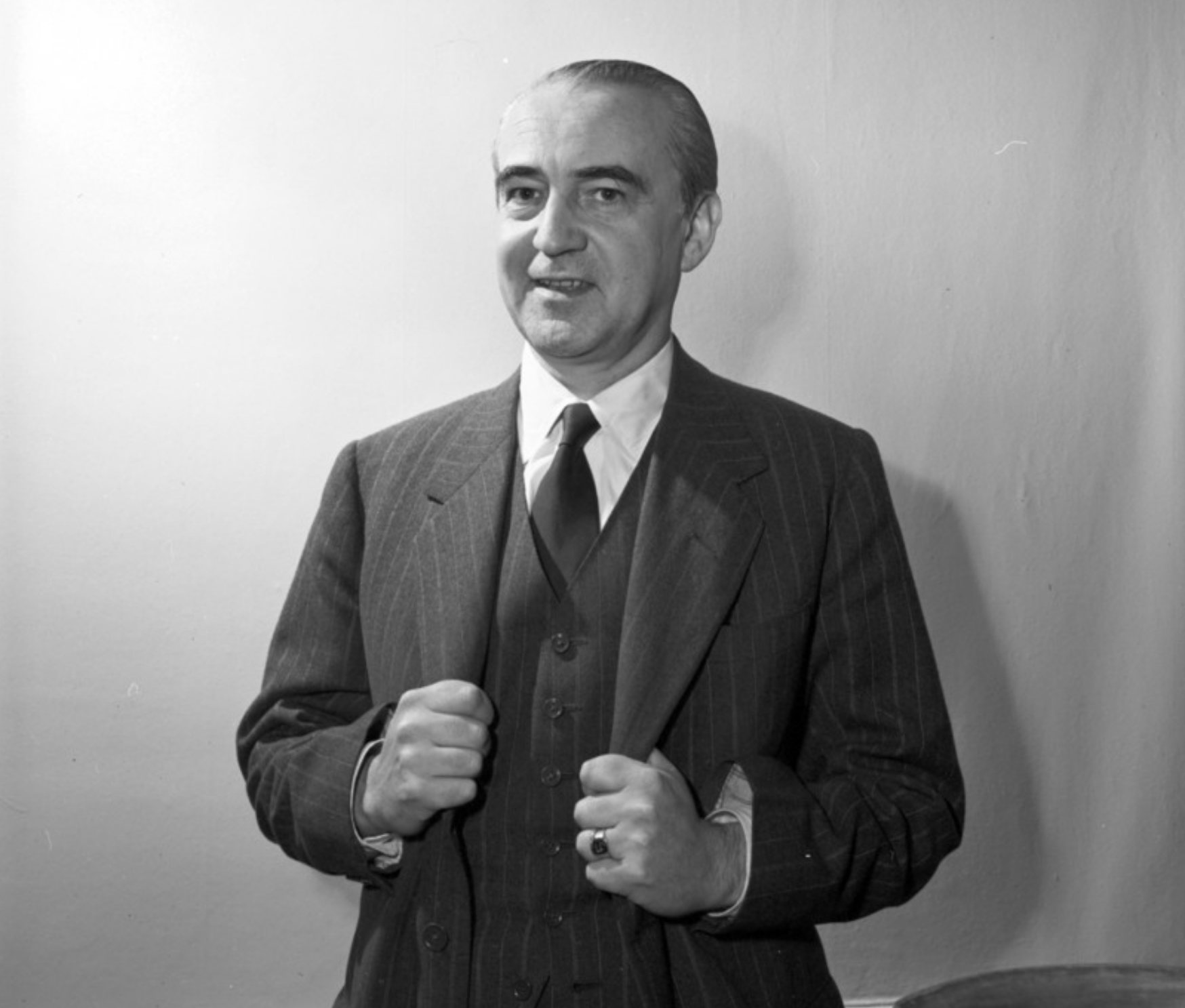
The United States did not recognize Guinea until November 1. Guinea nevertheless joined the UN on December 12. France was the only Security Council member to abstain and did not formally recognize its former colony until January 15, 1959. Guinea had thus secured international legitimacy before the country that supposedly offered it the choice of independence was willing to acknowledge it.
French pressure produced precisely the outcome Paris claimed it wanted to avoid. Kwame Nkrumah's Ghana quickly offered political and financial support. The Soviet Union and other socialist countries moved swiftly to provide recognition, experts and loans. Western governments then treated Guinea's turn toward the East as evidence that Touré could not be trusted ideologically. First they shut their doors to him, then grew alarmed when he knocked on someone else's.
Ghana's £10 million act of solidarity
When France withdrew its aid, Kwame Nkrumah offered Guinea more than a friendly statement. Ghana extended a £10 million credit line, an enormous sum for two newly independent African states. Guinea ultimately drew on less than half the available funds, but the offer itself carried political weight. It showed that leaving the colonial system did not have to mean facing the world alone.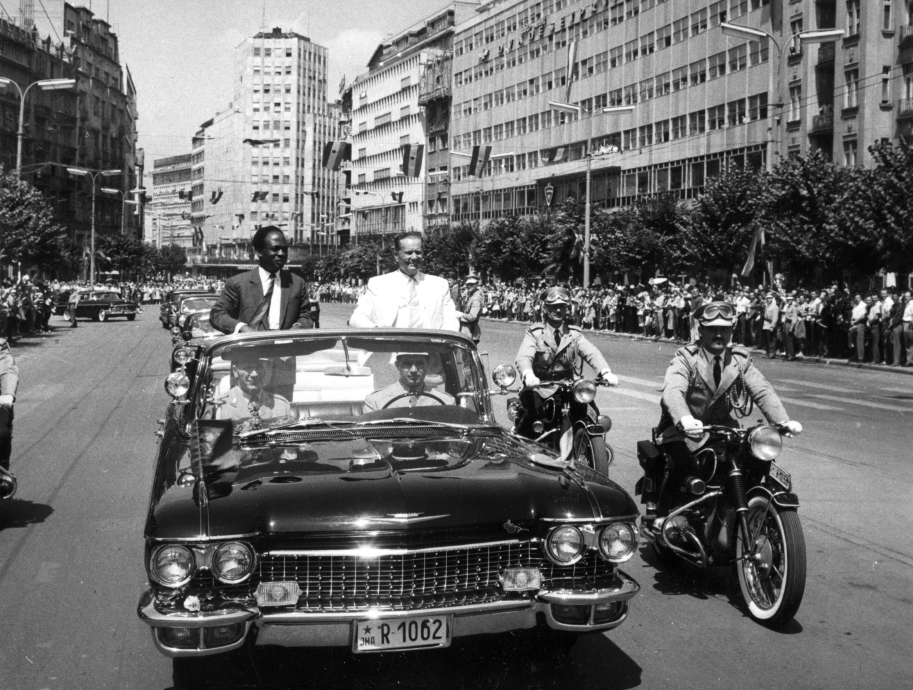
For Nkrumah, Guinea's crisis reinforced his conviction that a national flag and anthem meant little if each African state remained economically and diplomatically isolated. Solidarity therefore needed financial backing and an institutional form: credit to get Guinea through the first few months, and a union intended to strengthen both countries' bargaining power. The project would fall short of his grand federal ambitions, but it demonstrated that a response to French retaliation did not have to come from Moscow or Washington.
The promise of freedom and the prisons of the new state
None of this means that French retaliation explains all of Guinea's subsequent failures. Touré gradually turned independence into personal rule. Guinea became a one-party state, and political opponents and alleged conspirators were sent to the notorious Camp Boiro. Thousands were imprisoned, tortured or killed there. Many educated Guineans fled the country they had helped fight to free just a few years earlier.
Both truths must be acknowledged. France tried to punish Guinea for exercising a right it had itself offered. Sékou Touré later betrayed much of the promise of freedom on which he had built his authority. His dictatorship cannot retroactively justify colonialism, any more than French retaliation can justify his prisons.
The greatest irony emerged almost immediately. Most of the territories that had dutifully voted yes in 1958 gained independence just two years later. France had punished Guinea for taking too soon what it would shortly offer almost everyone else, with more ceremony and less defiance. Retaliation did not stop decolonization. It merely made its first decisive step more costly.
Guinea's no vote is therefore no proof that independence automatically brought prosperity or genuine freedom. It demonstrates something more fundamental: a choice is only real if the weaker side is allowed to give an answer the stronger side does not want to hear. On October 2, 1958, a small West African country did not prove that it knew what to do with freedom. It proved that it would no longer ask permission to be free.
Sources
- The Guardian The birth of France’s Fifth Republic – archive, 1958 https://www.theguardian.com/world/2025/oct/08/the-birth-of-france-fifth-republic-de-gaulle-1958
- The American Historical Review / Oxford Academic
- Oxford African American Studies Center Bangoura, Hadja Mafory https://oxfordaasc.com/view/10.1093/acref/9780195301731.001.0001/acref-9780195301731-e-48360
- EBSCO Research Starters Guinea Gains Independence from France https://www.ebsco.com/research-starters/history/guinea-gains-independence-france
- U.S. Department of State, Office of the Historian Foreign Relations of the United States, 1958–1960, Africa, Volume XIV, Document 20 https://history.state.gov/historicaldocuments/frus1958-60v14/d20
- United Nations Digital Library Security Council resolution 131 (1958) [on admission of Guinea to membership in the United Nations] https://digitallibrary.un.org/record/280587
- U.S. Department of State, Office of the Historian Foreign Relations of the United States, 1958–1960, Africa, Volume XIV, Document 297 https://history.state.gov/historicaldocuments/frus1958-60v14/d297
- Human Rights Watch Dying for Change: Brutality and Repression by Guinean Security Forces in Response to a Nationwide Strike — Background https://www.hrw.org/reports/2007/guinea0407/4.htm
Comments