Why the Netherlands Is Moving Its Gold
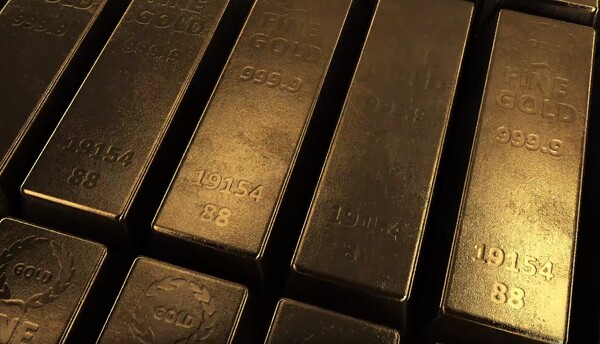
If today's money is just a number on a screen, why do central banks still worry so much about where their gold bars lie?
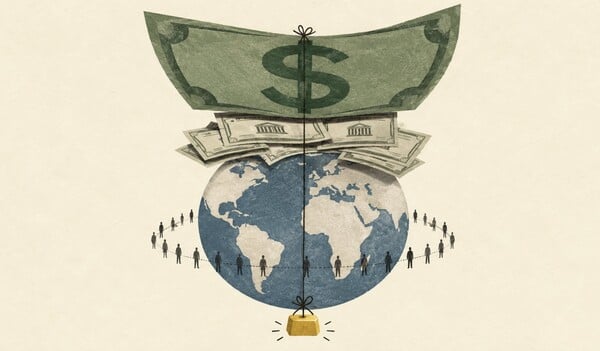
Most of the time, all dollars look the same. In a crisis, however, we discover that some exist only as a promise, and only one system can guarantee the end of the chain.
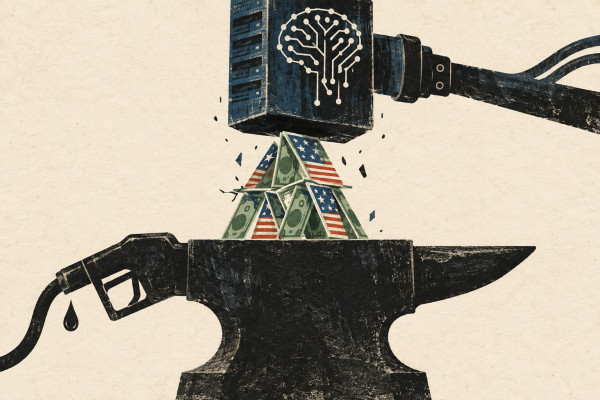
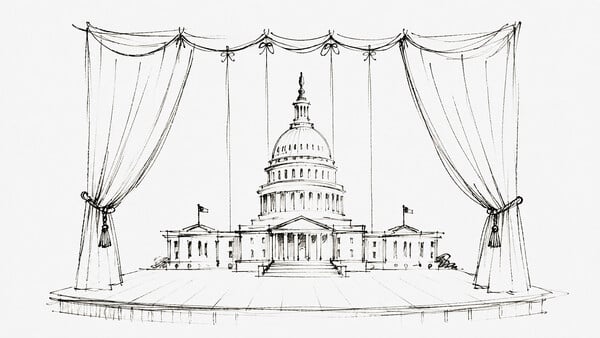
The American fiscal doomsday has an unusual habit: it's always urgent, it's always historic, and it almost always ends with another vote in Congress.
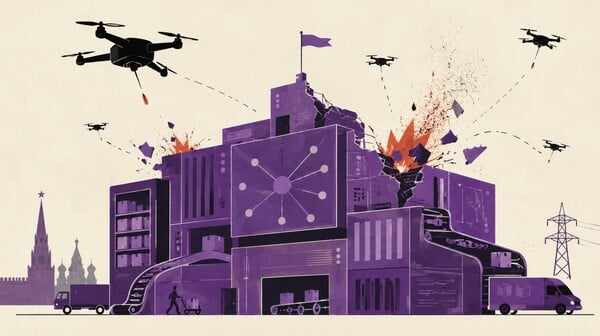
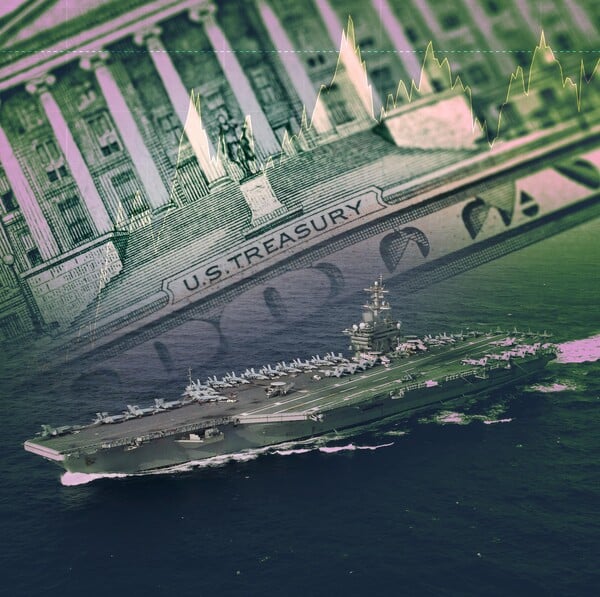
When warehouses become battlefields, war no longer only affects the army: it enters into loans, small shops, and the everyday lives of millions of people.
The world's currency rests on a paradox: for everyone to want it, America must create it so much that eventually they start doubting it.
The more we strive to spend less, the system finds a way to spend more — and that's where one of the most important traps of modern capitalism begins.
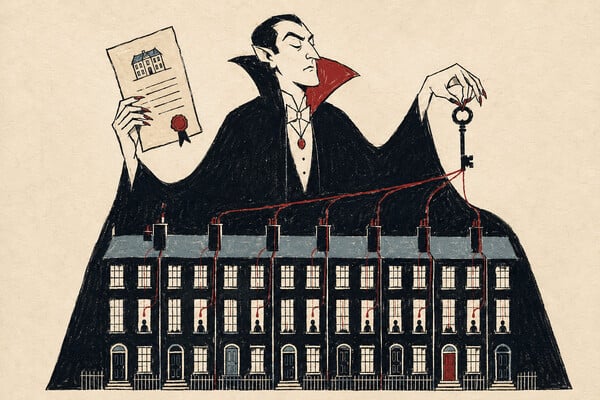
The scariest monsters don't break down doors. They enter with a contract, a deed, and the smile of a man who knows you have to pay.
The world could have had a system that restrains both those who owe and those who accumulate surpluses. Instead, it got an order where the dollar judges everyone.
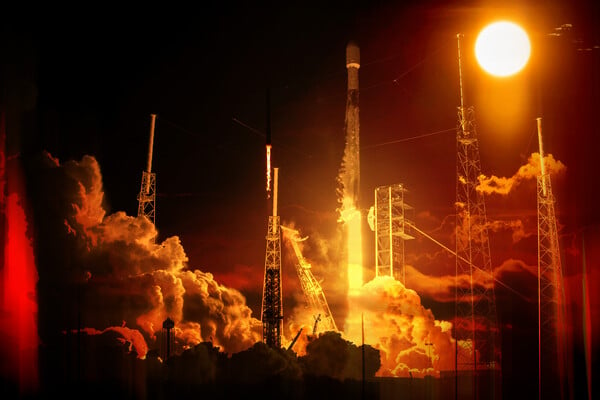
The largest IPO in history will thrill the markets, but behind SpaceX lies a vast wager on America’s entire strategic future.
In the months ahead, one number is worth watching: it tells us not just where markets are going, but how long America can afford to sustain its power.
Economies sometimes do not crack with a bang, but through hidden accumulation on the balance sheet. The most dangerous moment is when everyone still behaves as if nothing has changed.