Why Did the October Revolution Take Place in November?
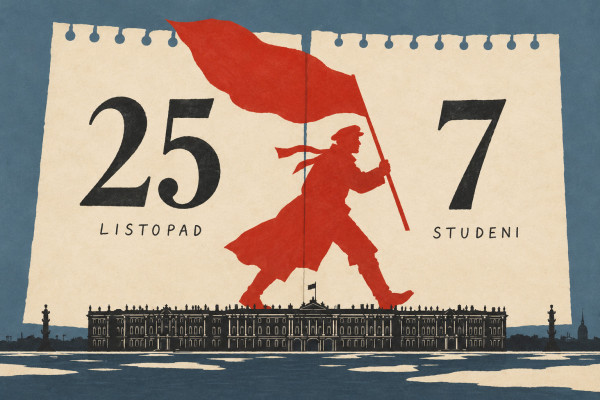
The Bolshevik uprising began on November 6 by today’s calendar, but the revolution’s name outlived both the empire and the calendar that gave rise to it.
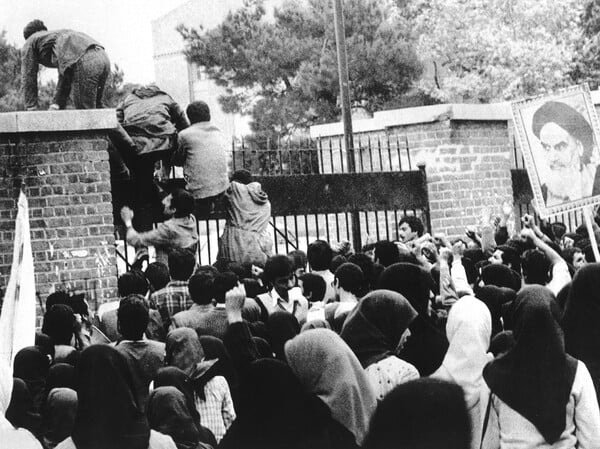
The student protest was supposed to last a few days, but it became a weapon in the struggle for Iran and a symbol of American helplessness before the world.
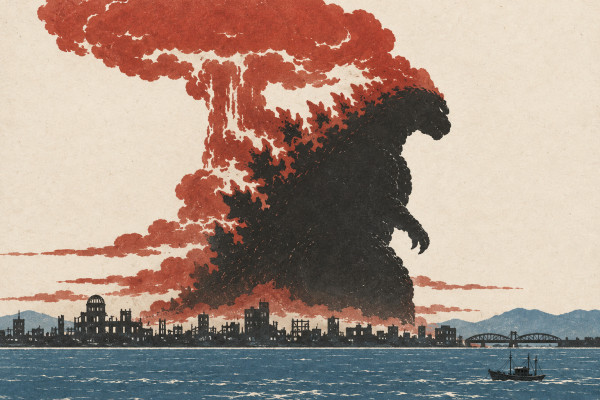
The Lucky Dragon, a Tokyo reduced to rubble and the fear of a new weapon shaped a film in which the monster is not an outside threat, but a consequence of human actions.
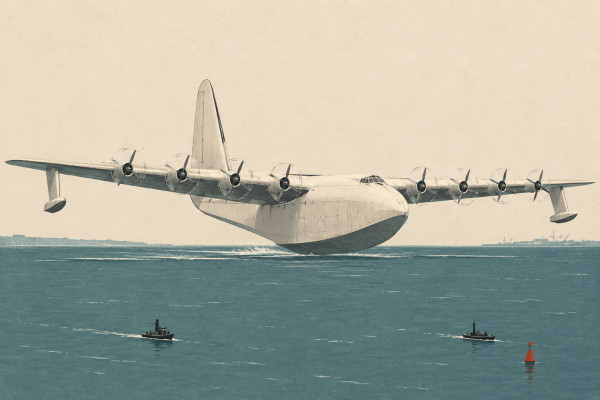
The Hercules arrived too late for the war and lost its future before its first flight, but a few seconds over the water were enough for Hughes to claim victory.
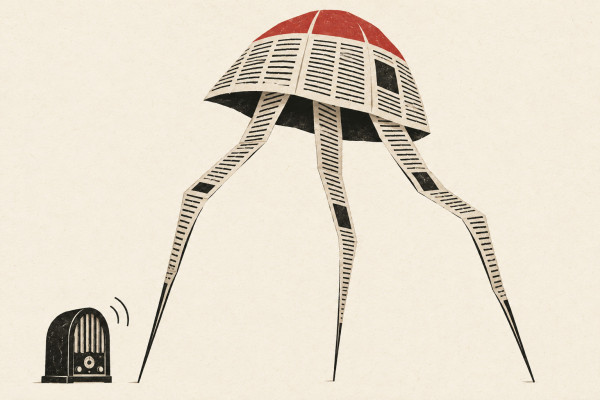
A few people were frightened, but the national hysteria may have been stirred up not by Martians or the radio, but by newspapers defending their own power.
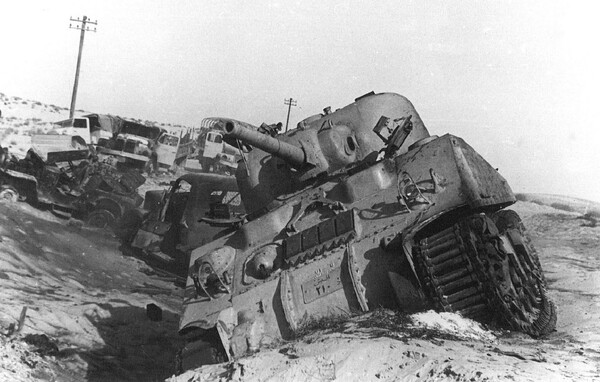
Britain and France posed as neutral mediators, even though they had already agreed with Israel on an attack, the rejection of an ultimatum and an intervention.
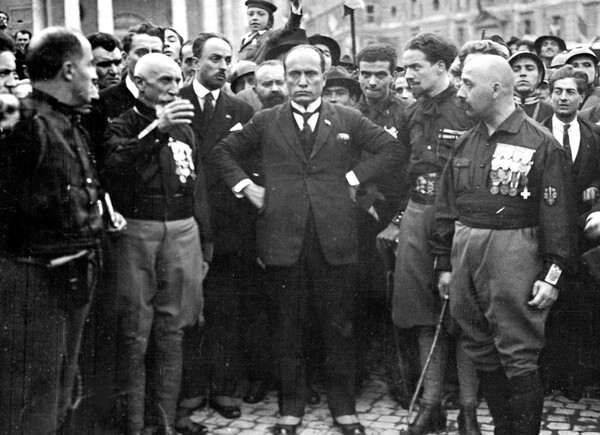
The Fascists did not defeat the state in battle. The elites let them in, convinced they could keep the violent movement under control afterward.
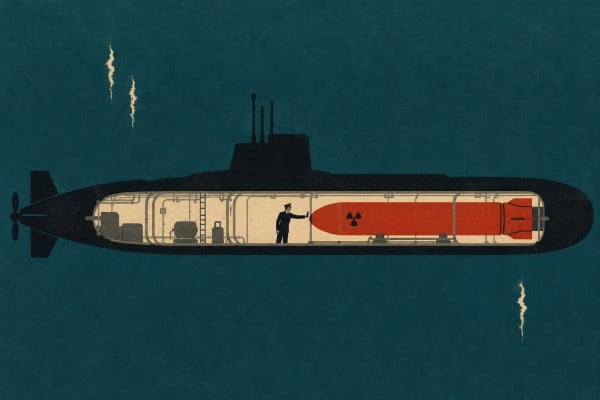
Aboard an overheated submarine cut off from Moscow, explosions sounded like war. One officer refused to turn uncertainty into proof.
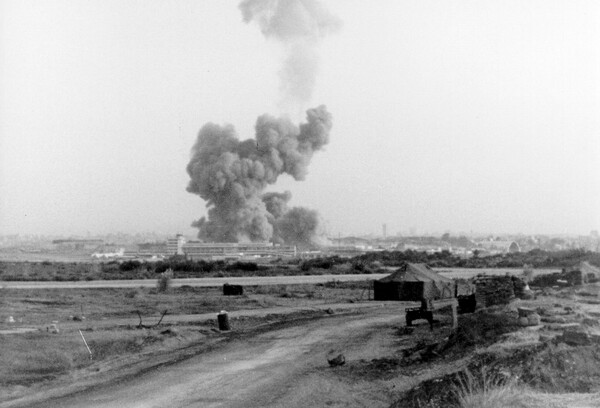
The explosion did not defeat the U.S. military, but it showed the world how a few seconds can change the cost and meaning of a mission.
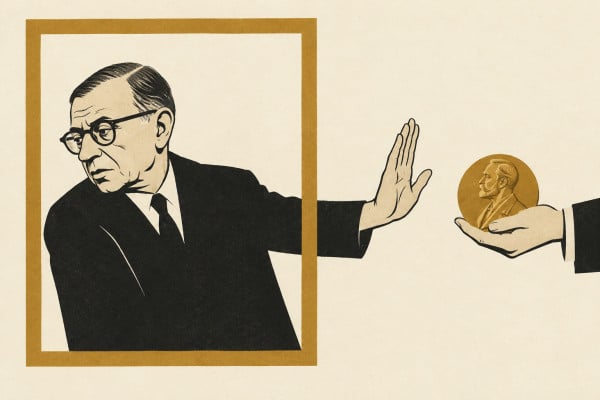
Sartre refused the medal, money, and official stamp, but he could not prevent his refusal from becoming part of the Nobel canon.
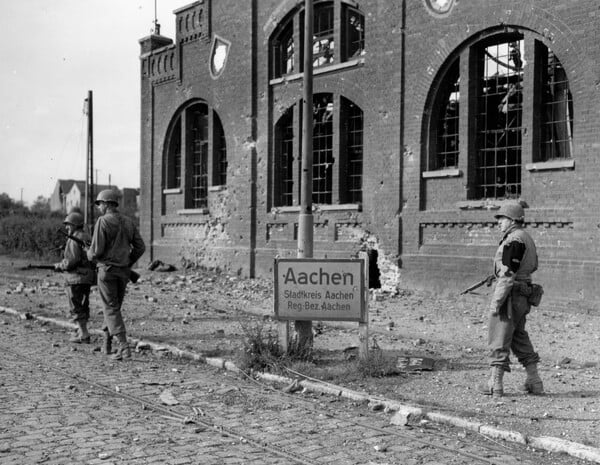
The city of Charlemagne became the first major German urban battlefield of the Western Allies — and the place where the Nazi myth ended among the ruins.
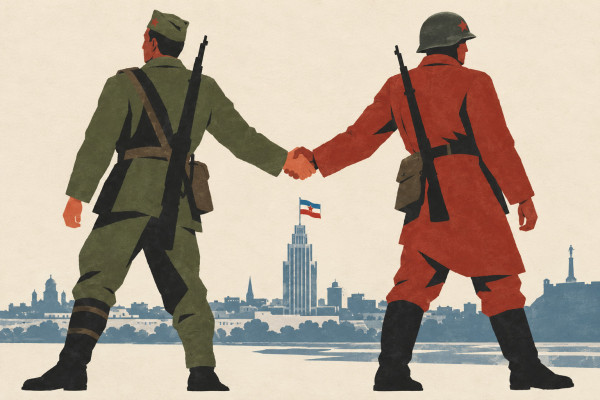
Partisans and the Red Army shared the streets, blood, and victory, but not the same vision of freedom - the crack of 1944 will become the breakup of 1948.
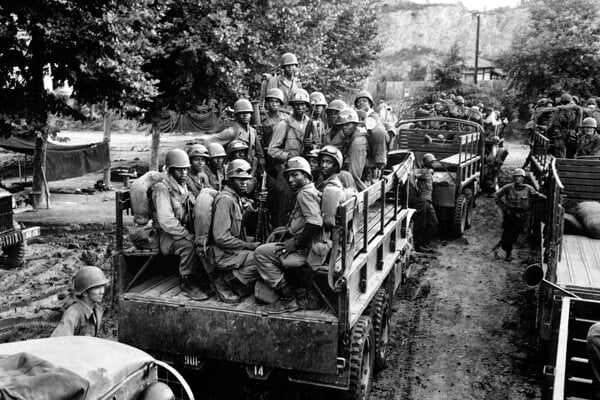
Pyongyang had fallen, the journey home seemed close, and the warnings sounded like bluffs — as twelve Chinese divisions crossed the Yalu River.
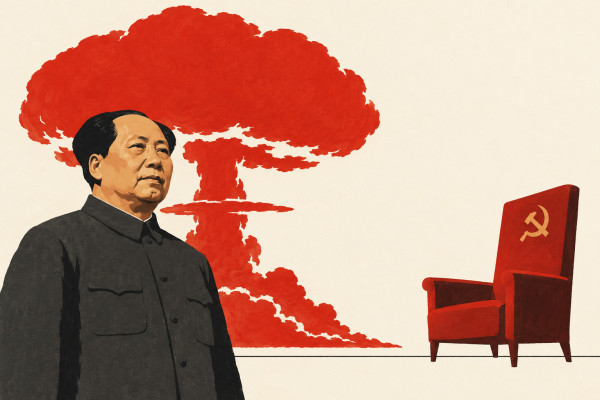
The mushroom cloud over Lop Nur not only marked the opening of China's nuclear era but also shifted the balance of power within the communist world.
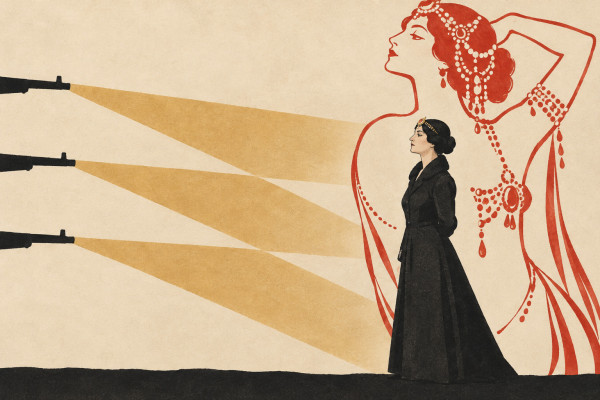
She accepted German money and played for both sides, but evidence that she caused enormous French losses was never found.
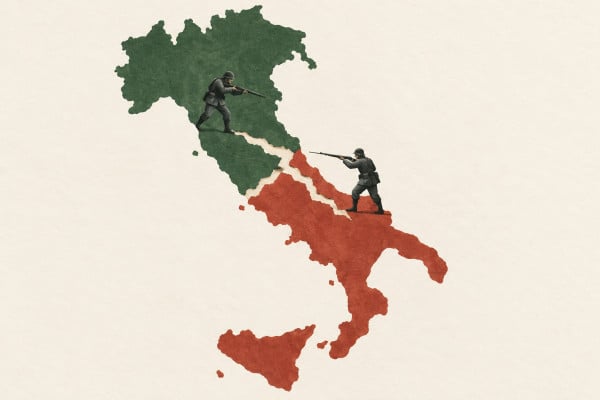
The declaration of war against Germany did not unite the country: it turned into political collapse, occupation, civil war, and a struggle for a new Italy.
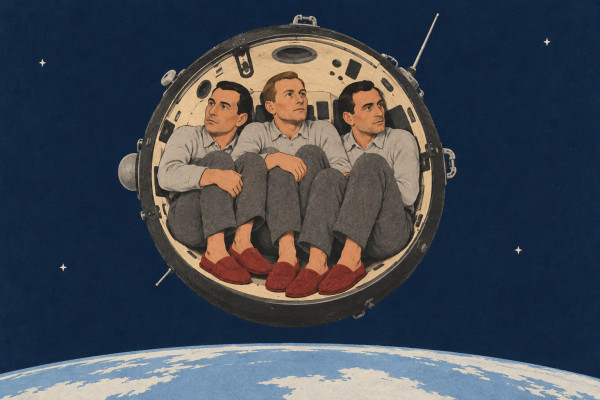
Voskhod 1 entered history as a triumph, even though its crew survived a daring mission where almost nothing could go wrong.
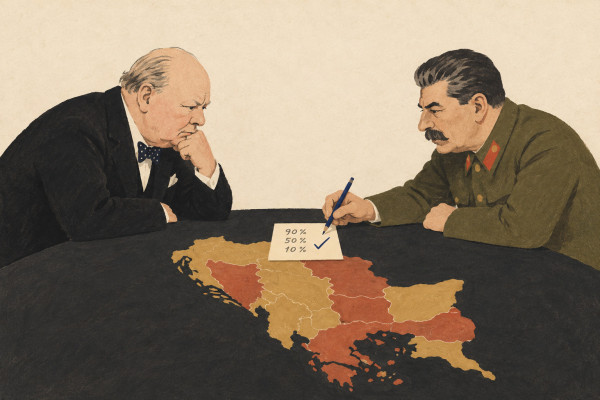
A scrap of paper revealed how powers think when they turn other peoples into numbers. They largely succeeded in their plan, but they could not calculate Tito.
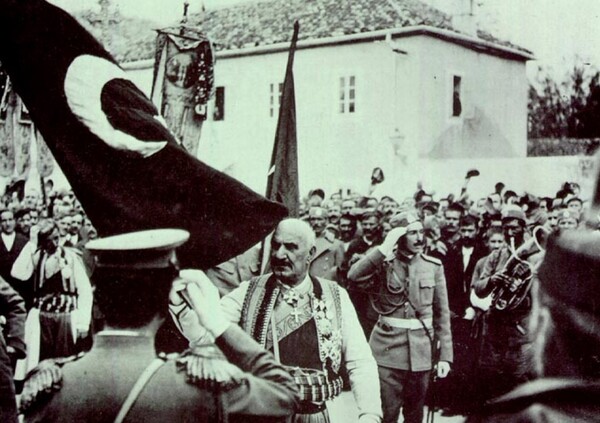
Great powers have banned border changes. On the same day, Cetinje showed how little a diplomatic note is worth when cannons speak.
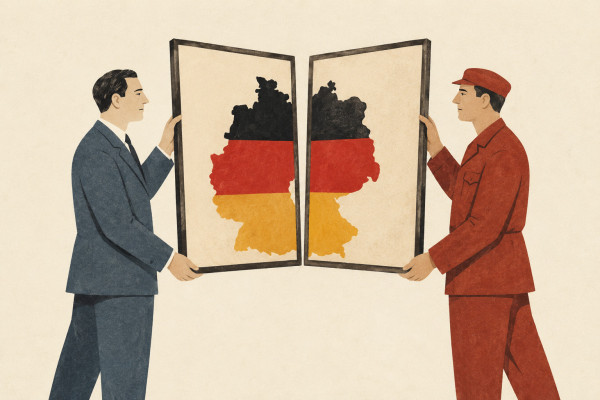
The Wall deserved to fall, but with it, questions about work, housing, and security that the victorious Germany never answered did not disappear.