2.9.1945: The largest war ends, a new one is already born
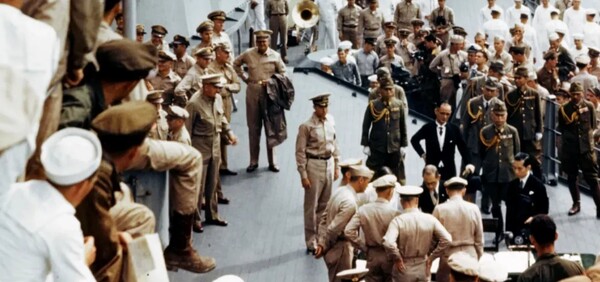
On one end of Asia, the final victory was being celebrated. On the other, the victors were already realizing how dangerous their words about freedom were.
In a few hours, the monarchy was overthrown, but the real mistake happened elsewhere: those who could intervene concluded that they didn't need to.
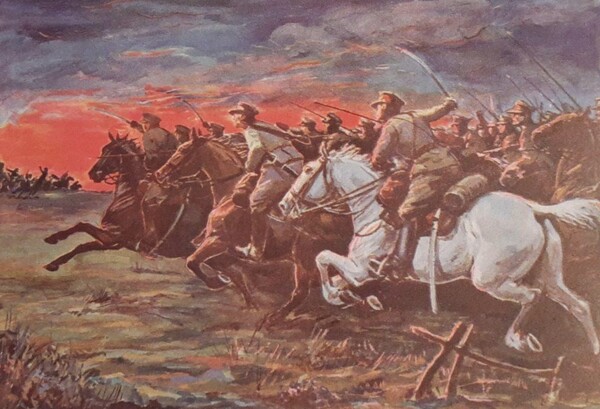
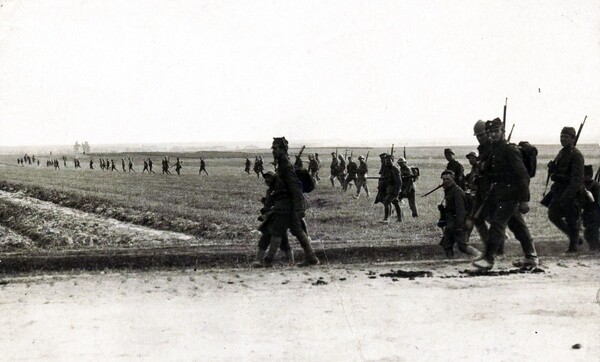
Europe has already learned to kill with machine guns and from the air. However, in the East, thousands of people still believed in the speed of horses and sabers.
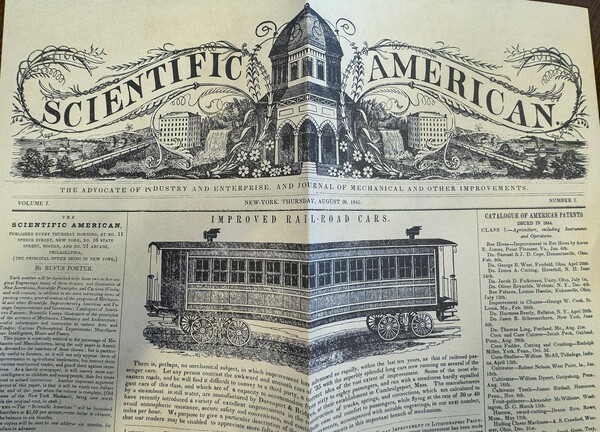
Its owners dug a secret subway, the state burned their copies, and in between, the magazine observed the birth of the modern world.
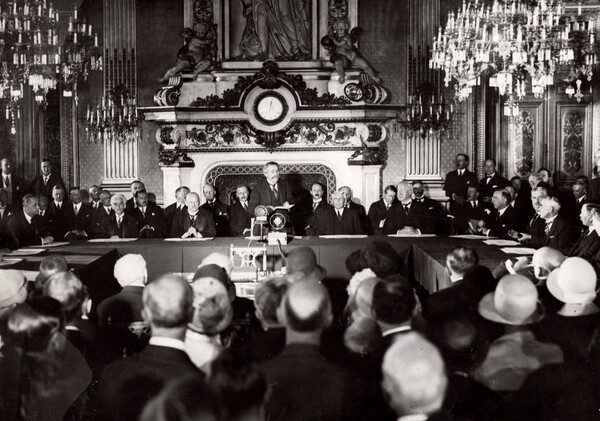
War was declared unacceptable. States signed, diplomats toasted, and history was already preparing a very unpleasant rebuttal.
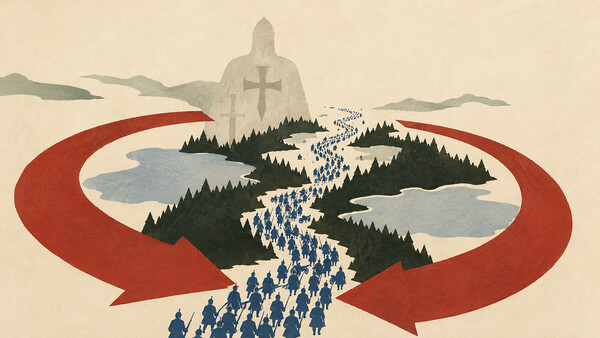
The Russian headquarters was losing its own army, the German one was reading its messages, and from the military victory, a political legend began to emerge.
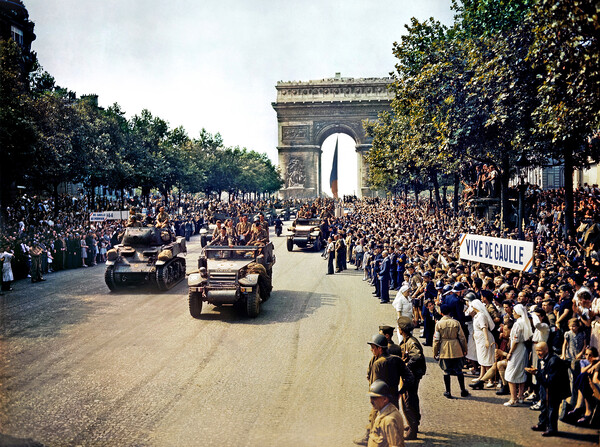
While the generals were looking towards the Rhine, in Paris it was decided who would rule France after the Germans - and who would be allowed to sign the victory.
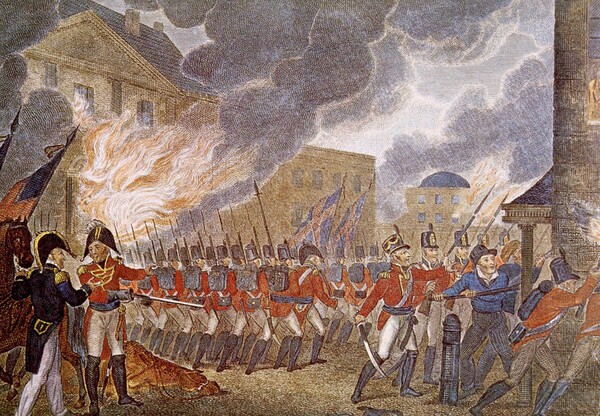
As the government fled, the American state reality ended up on shaky wagons - and almost fell apart on the road before reaching safety.
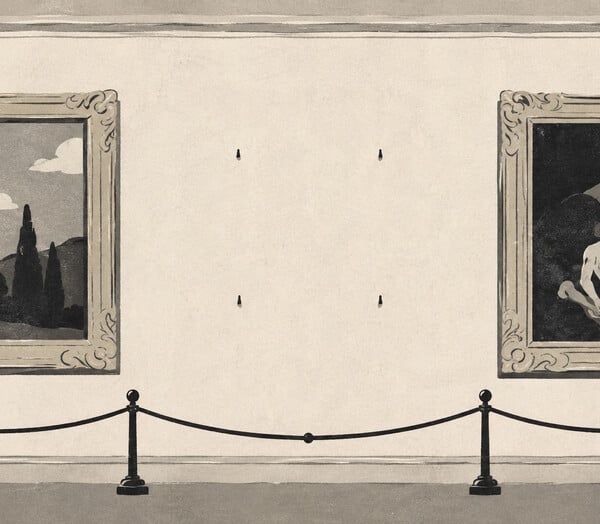
Before it was stolen, it was a masterpiece. After the theft, it became a legend - because sometimes nothing captures the world's attention like something suddenly missing.
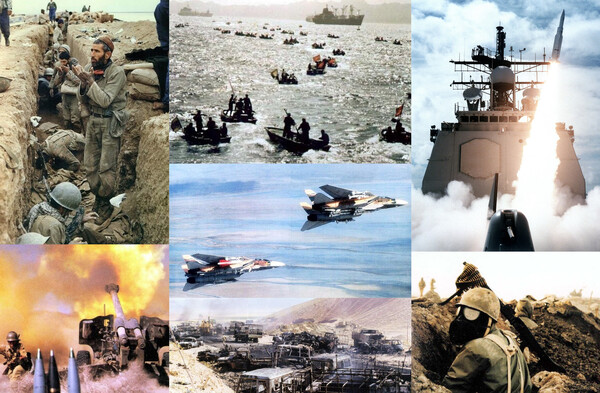
Saddam counted on a broken enemy. Instead, he opened a war that would swallow up hundreds of thousands of lives and change the entire region.
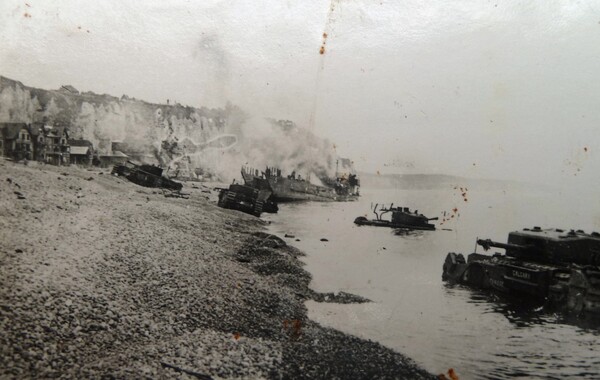
On a French beach, the Allies discovered in a few hours how little they knew about the war they would have to win two years later.
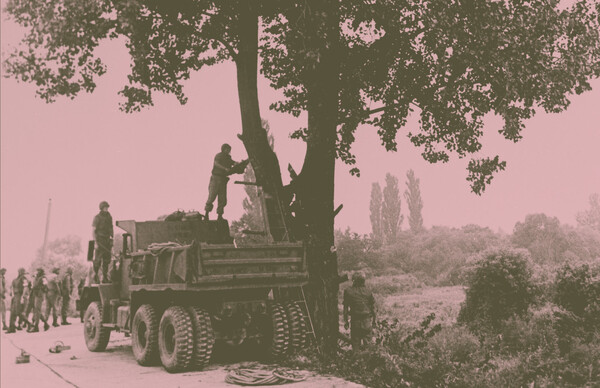
One wrong assessment could have turned a few minutes of violence into a new Korean war — and that's why this story still feels surreal today.
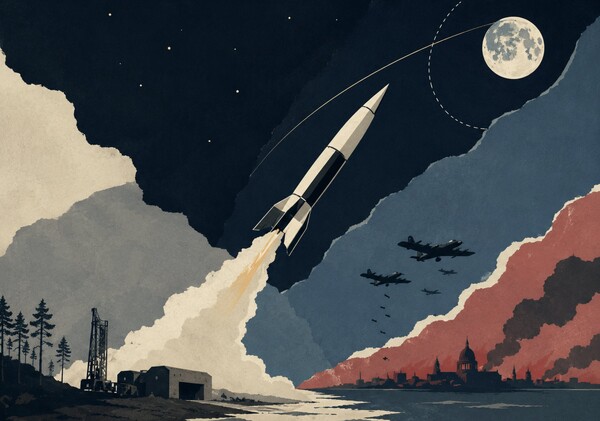
In Peenemünde, the decisions were not only about the war against Britain, but also about who would first master the technology of the future.
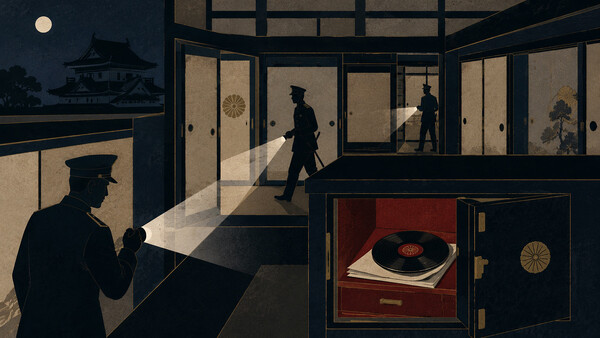
When a state loses a war, it can still try to defeat the news of its defeat. In Tokyo in 1945, several officers tried to do just that.
In August 1920, the Bolshevik revolution ceased to be a Russian experiment and became a military project to reshape the whole of Europe.
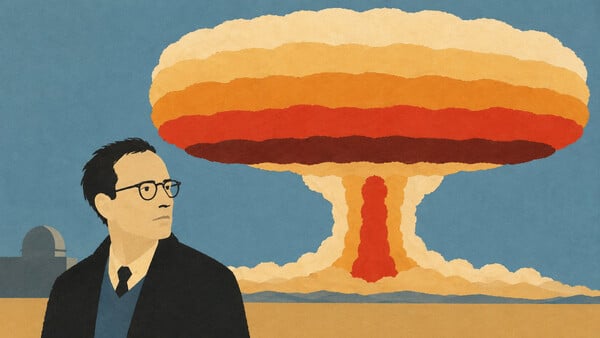
The man who helped the Soviets create a weapon for the end of the world would later become one of the most outspoken critics of the system that once celebrated him.
In a world that lived only minutes away from catastrophe, even a president’s joke could sound like the opening move of a nuclear war.
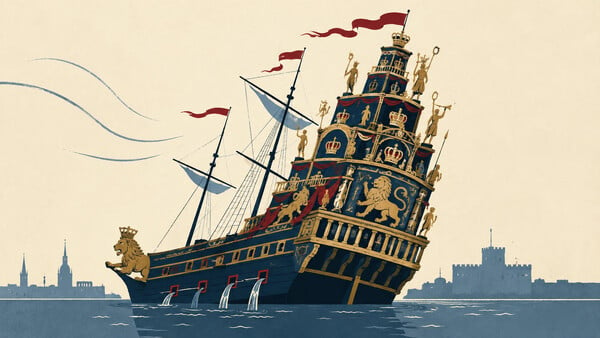
Everyone could see that something was wrong, but the ship had to set sail anyway. When politics overrides physics, the sea delivers its judgment.
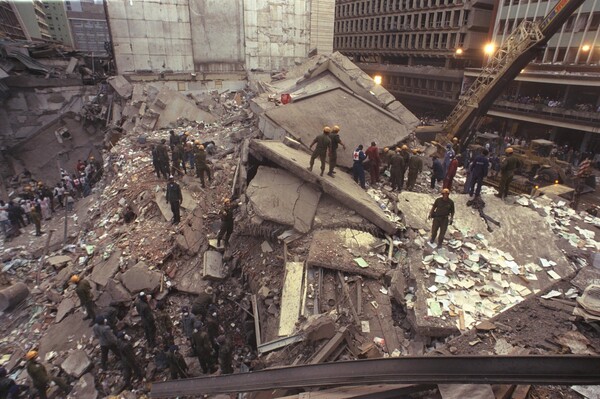
When African streets crumbled, the world witnessed a distant attack. At the same time, Al-Qaeda saw evidence that it had found a way into the new century.
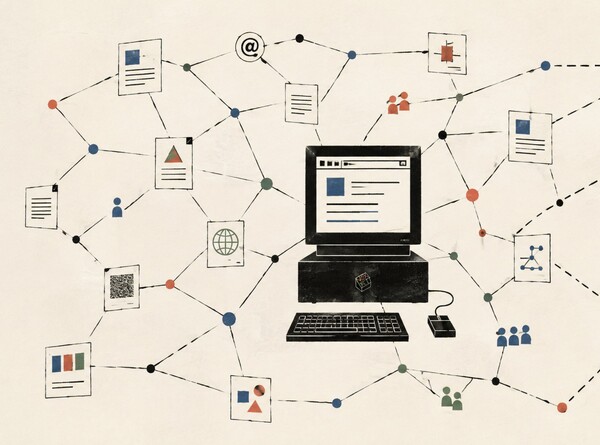
A modest message from CERN opened the door to a network no one owned. Only later came the gatekeepers, the walls, and the algorithms.