
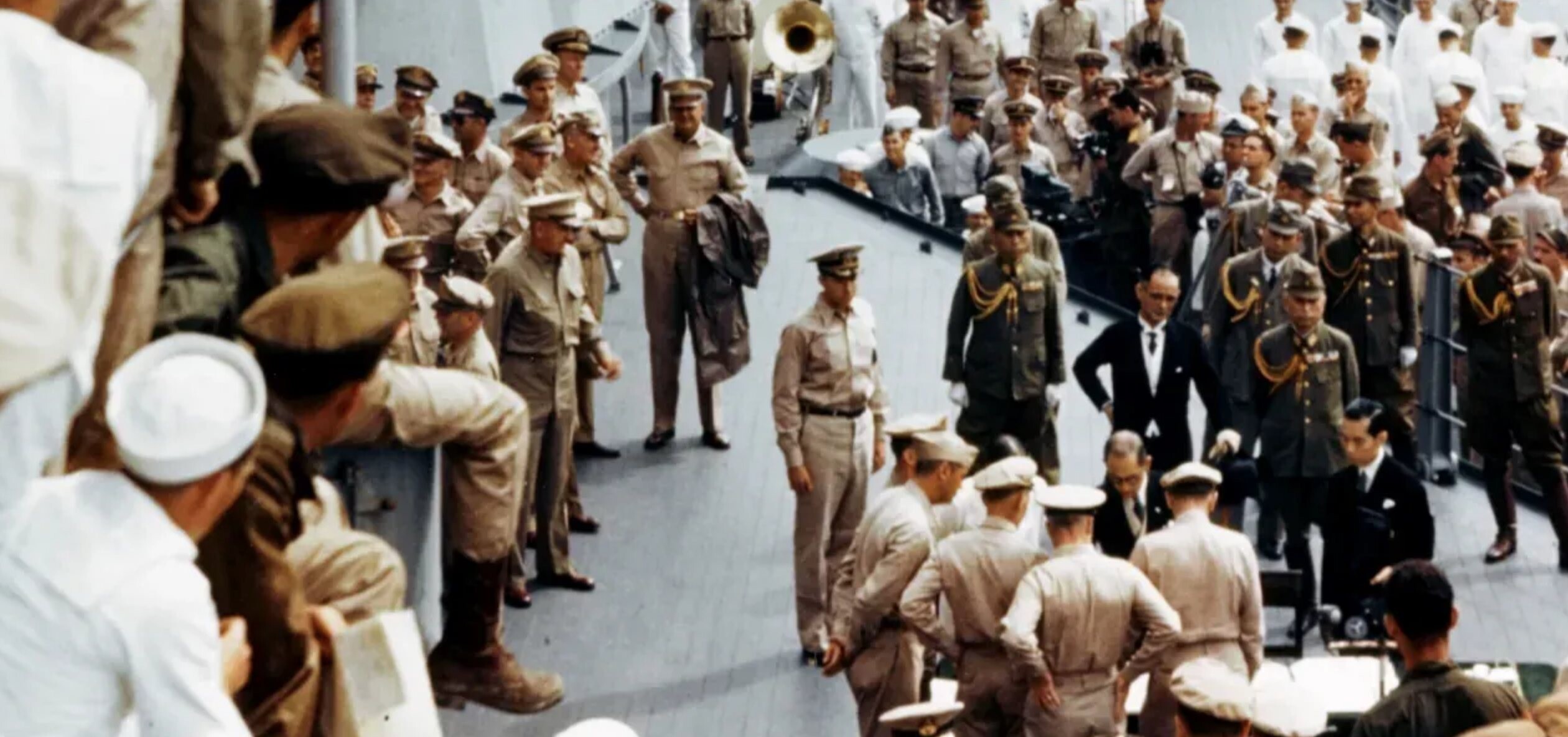
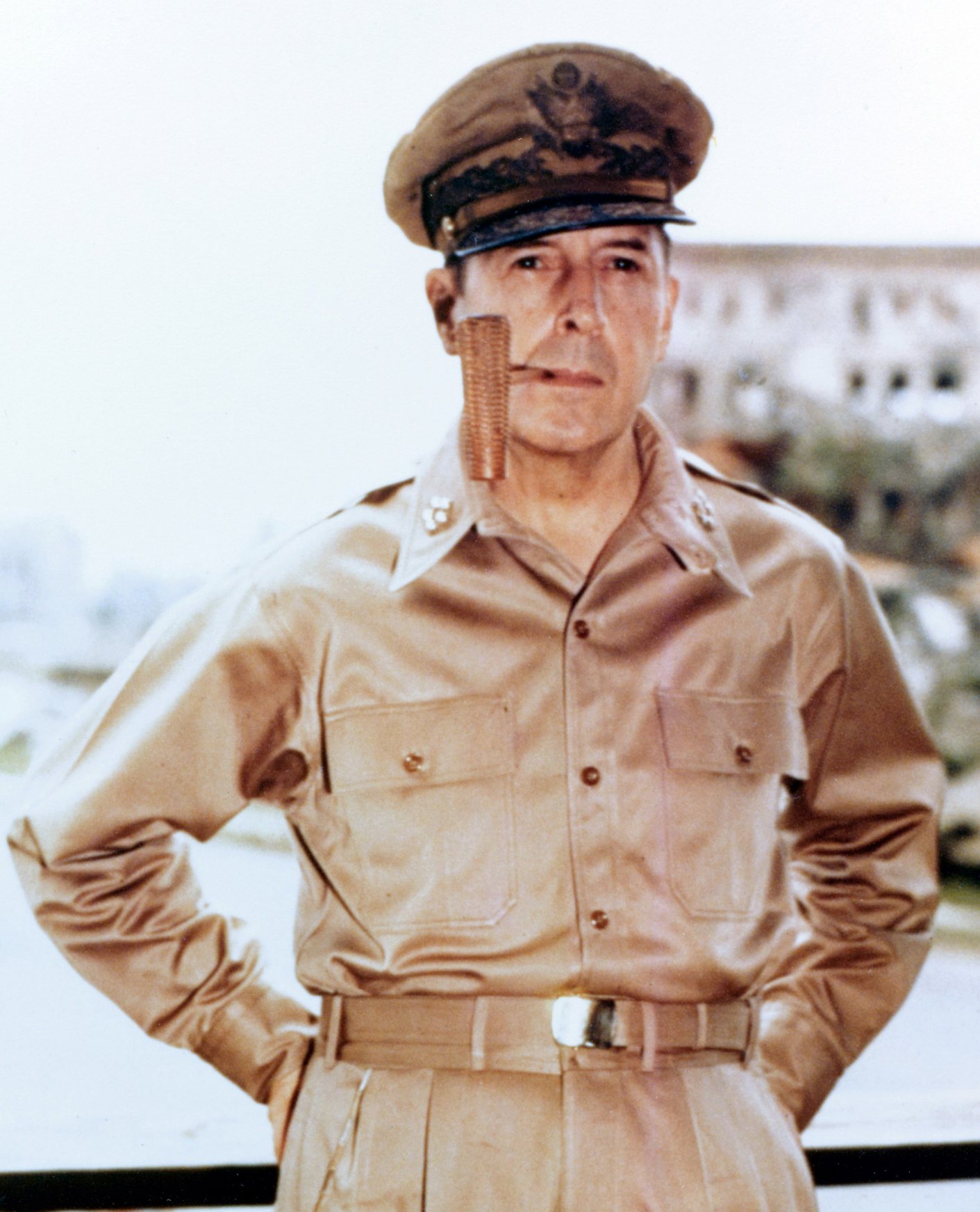
At 9:25 a.m., aboard the American battleship USS Missouri, General Douglas MacArthur, Supreme Commander for the Allied Powers, declared the ceremony over. B-29 bombers and carrier aircraft appeared above Tokyo Bay. The Japanese representatives put away their pens, the documents were removed from the table, and humanity was given an almost indecently precise moment marking the end of its greatest catastrophe. World War II was officially over.
Wars, of course, rarely end as neatly as they appear to in photographs. Just a few hours later, on the other side of Asia, a thin man dressed in simple khaki stepped up to a microphone in a square in Hanoi.
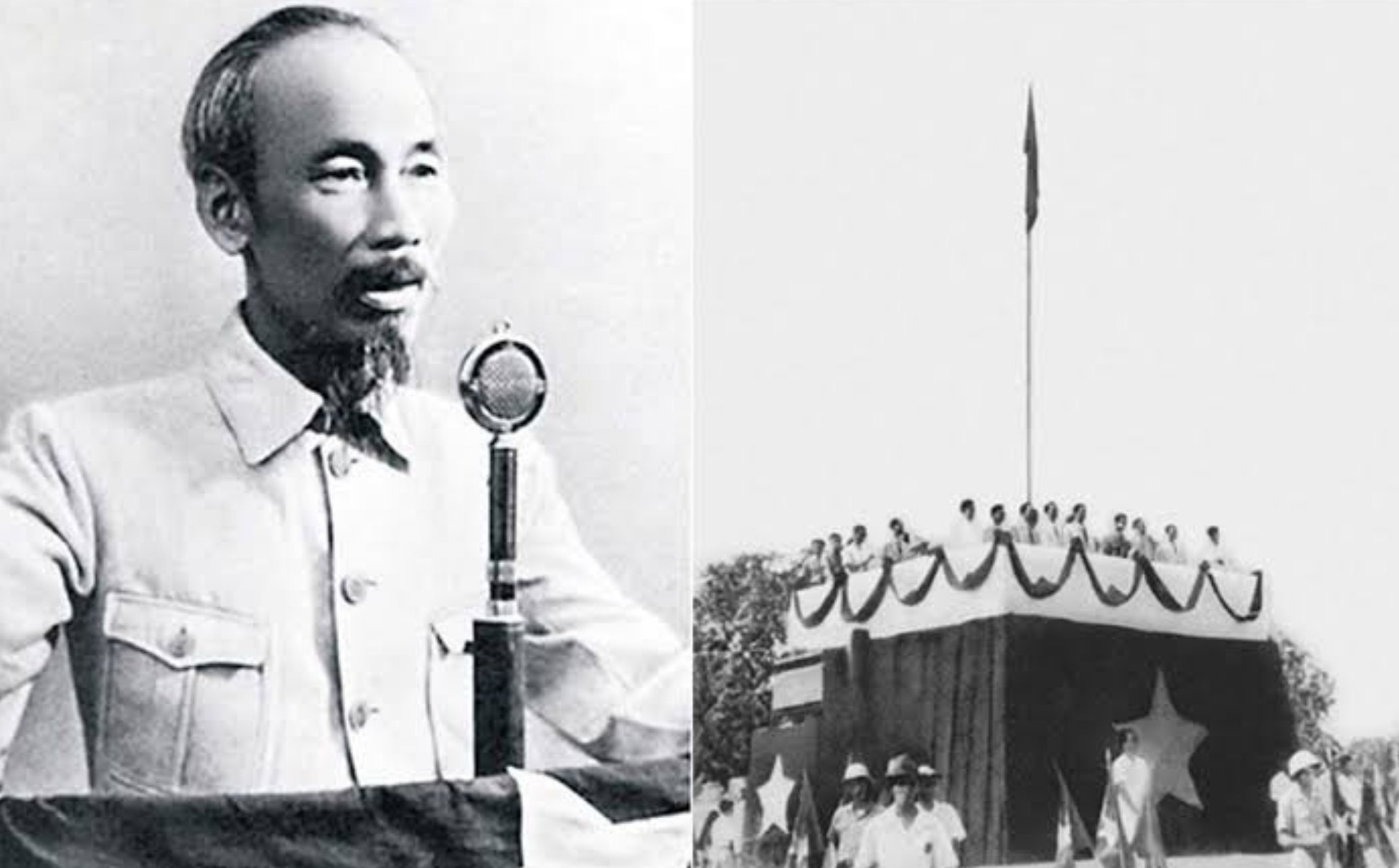
Ho Chi Minh, the Vietnamese revolutionary and leader of the Viet Minh movement, asked the assembled crowd whether they could hear him clearly. Then he began with words any educated American would have recognized: "All men are created equal and have the right to life, liberty and the pursuit of happiness." It was the opening of a new state, but also a remarkably elegant trap laid for the victorious West. If America's words were universal, Vietnam was free. If they were not, then they were merely decoration on the facade of an empire.
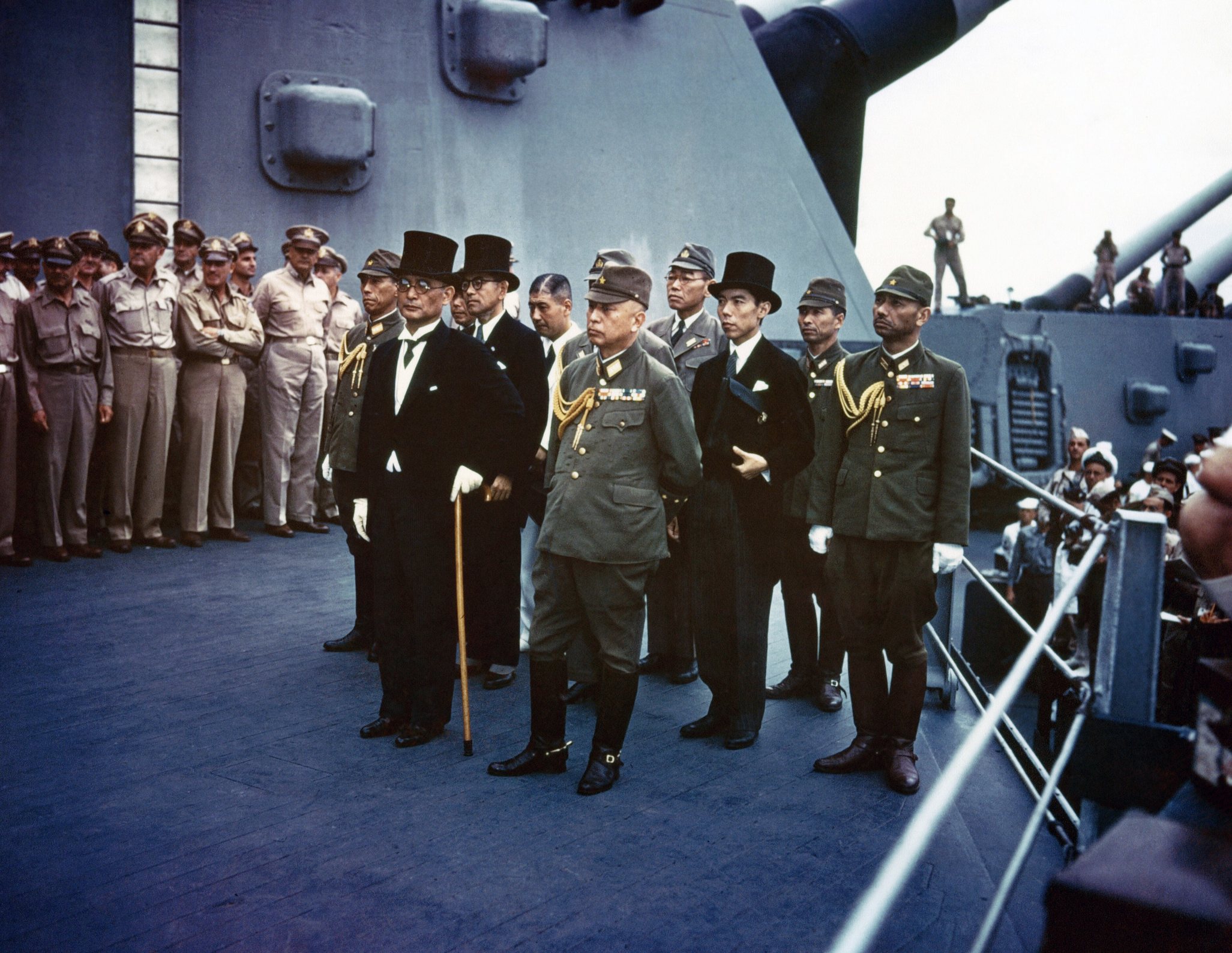
The ceremony aboard the Missouri lasted only 23 minutes, yet every detail had been carefully staged. Behind MacArthur hung the American flag that Commodore Matthew Perry, a U.S. naval officer, had brought to Japan in 1853 when he used gunboat diplomacy to force the country open to the outside world. Now that same outside world had returned with more than 300 warships. Japanese Foreign Minister Mamoru Shigemitsu approached the table leaning on a cane and an artificial leg — the result of a bomb thrown at him in Shanghai in 1932 by a Korean resistance fighter opposed to the Japanese occupation.
After the Japanese came the victors. Among those who signed was French General Philippe Leclerc, representing France's provisional government. In Tokyo Bay, France thus sat among the countries that had defeated Japan. At the same time, several thousand kilometres away, it was preparing to return to the colony from which the Japanese had just driven it out. On deck, people spoke of freedom, justice and human dignity. Whether those ideas also applied to colonial subjects was not, however, on the agenda.
World War II ended with a document on which the victors signed in the wrong places
Six years of war, tens of millions dead and two atomic bombs had brought the world to a single table aboard USS Missouri. And then Lawrence Moore Cosgrave, the Canadian colonel and military diplomat representing Canada, did what can happen to anyone confronted with an important form — he signed in the wrong place.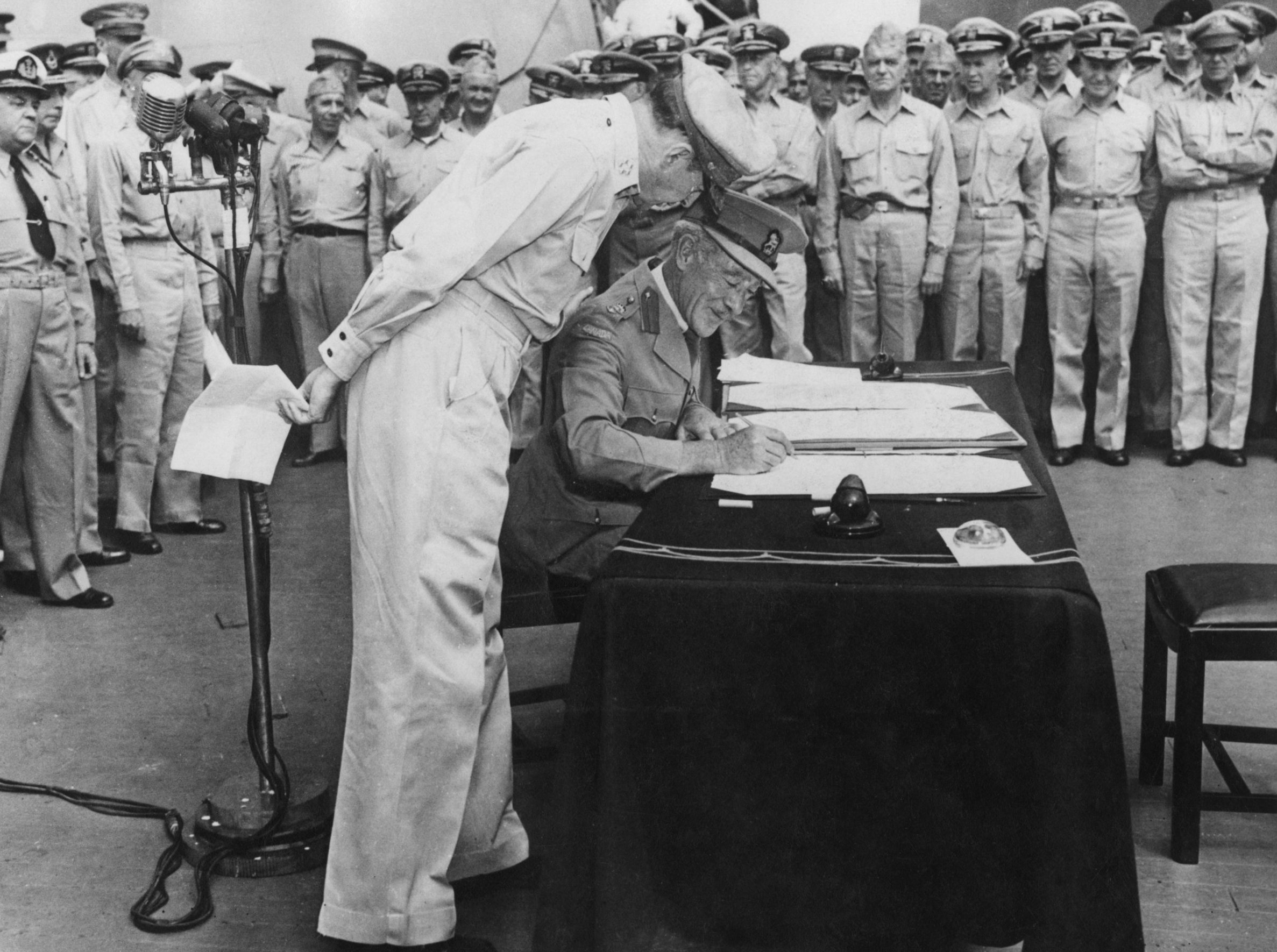
The Japanese representatives noticed the problem and were understandably less than thrilled to be handed the document ending the war when the names of the victorious states no longer lined up with their signatures. MacArthur's chief of staff, U.S. General Richard Sutherland, solved the diplomatic crisis using a method that would probably horrify any lawyer today — he crossed out the printed country names, rewrote them by hand in the correct places and initialled each alteration. The Japanese then accepted the document.
World War II therefore did not end with the perfectly calligraphed act one might expect of one of the most important documents of the 20th century, but with a sheet covered in corrections because one man had missed a line. Cosgrave did not repeat the mistake on the Allied copy. History that morning was monumental, solemn and meticulously staged — but bureaucracy, as always, remained human.
French Indochina, which encompassed present-day Vietnam, Laos and Cambodia, had for decades been a peculiar laboratory of European imperialism. France divided Vietnam into three administrative regions, controlled key monopolies and demanded political obedience from the local population. When Japanese forces entered Indochina in 1940, the French remained in charge of the colony under the Vichy government. Japan got bases and raw materials, while France preserved the appearance of authority. It was a marriage of convenience between two empires, and the Vietnamese had not been invited to the wedding.
In March 1945, Japan decided it no longer needed French intermediaries. In a rapid military operation, it disarmed French forces and effectively destroyed the colonial state overnight. That collapse came in the aftermath of a terrible famine in northern Vietnam. Typhoons had devastated crops, the war had wrecked transport, and neither the French nor the Japanese administration organised effective relief. Modern research estimates around one million deaths, while Ho Chi Minh cited two million in his declaration. Whatever the final figure, the sight of bodies along roads and in towns turned the famine into a political indictment of both regimes.
When Emperor Hirohito announced Japan's surrender on August 15, an enormous vacuum opened in Vietnam. The French administration no longer existed, the Japanese army was waiting to surrender, and Allied forces had yet to arrive. The Viet Minh moved faster than anyone else. Its men seized public buildings, disarmed local units and established authority. Revolutions often like to claim they were inevitable. This one succeeded because it appeared in precisely those few days when almost nobody else knew who was actually giving the orders.
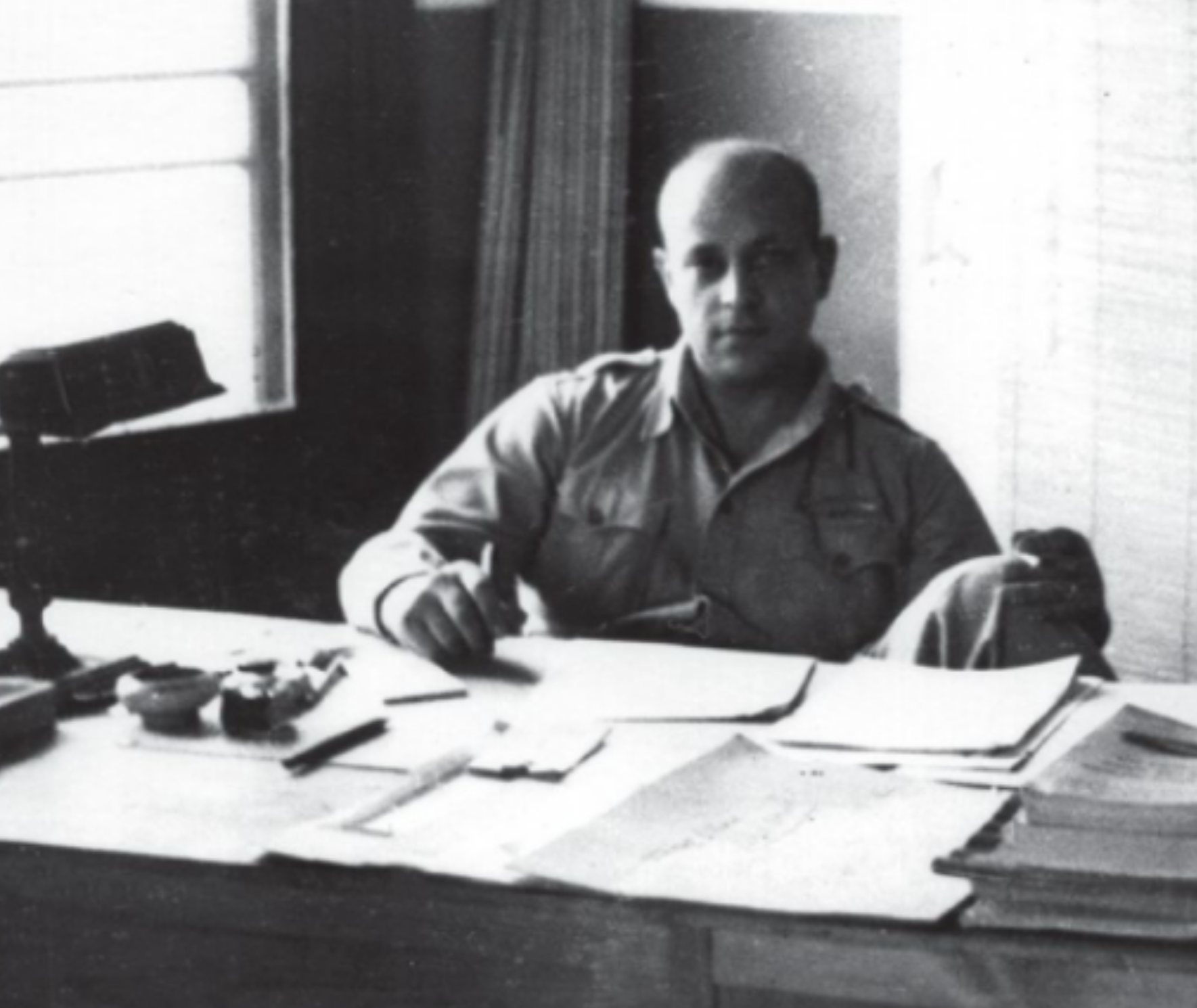
The Americans, meanwhile, were not complete strangers to Ho Chi Minh. During the final months of the war, his movement cooperated with the U.S. Office of Strategic Services, the OSS, predecessor of the CIA. The Viet Minh supplied intelligence on Japanese positions and helped rescue downed American pilots. Members of the American Deer Team parachuted into their base, where they trained Vietnamese fighters to use carbines, grenades and bazookas. In surviving photographs, Ho Chi Minh and his future commander Vo Nguyen Giap stand alongside smiling American instructors. We know we are repeating ourselves, but it seems worth saying once again, and this time even more plainly: history is sometimes so addicted to irony that any serious editor would be forced to cut some of it.
At Ba Dinh Square on September 2 stood Archimedes Patti, an American OSS officer. A few days earlier, he had listened to a draft of the declaration and was startled when he recognised the American wording. He later remembered the heat, the raised platform and a faint breeze that could be felt only high above, around the flag. When Ho Chi Minh asked the crowd whether they could hear him, the answer came back like a physical blow.
But the American Declaration of Independence was not the only document returned to its authors that day. Ho Chi Minh also invoked the French Declaration of the Rights of Man and of the Citizen. He then accused France of having deprived the Vietnamese of those very rights under the banner of liberty, equality and fraternity. He argued that the colonial regime had built more prisons than schools, divided the country to make it easier to rule, and eventually handed it over to Japan.
The logic of the document was cold and carefully constructed. France had not liberated Vietnam from Japan. On the contrary, its forces had surrendered and been disarmed. The Viet Minh had fought on the Allied side, and the Vietnamese had taken power from the defeated Japanese. France, therefore, could not simply return as the lawful owner. A colony is not an apartment waiting after the war for its landlord to come back with a spare key.
American fighters over Hanoi — and a crowd that thought Washington had just recognised Vietnam
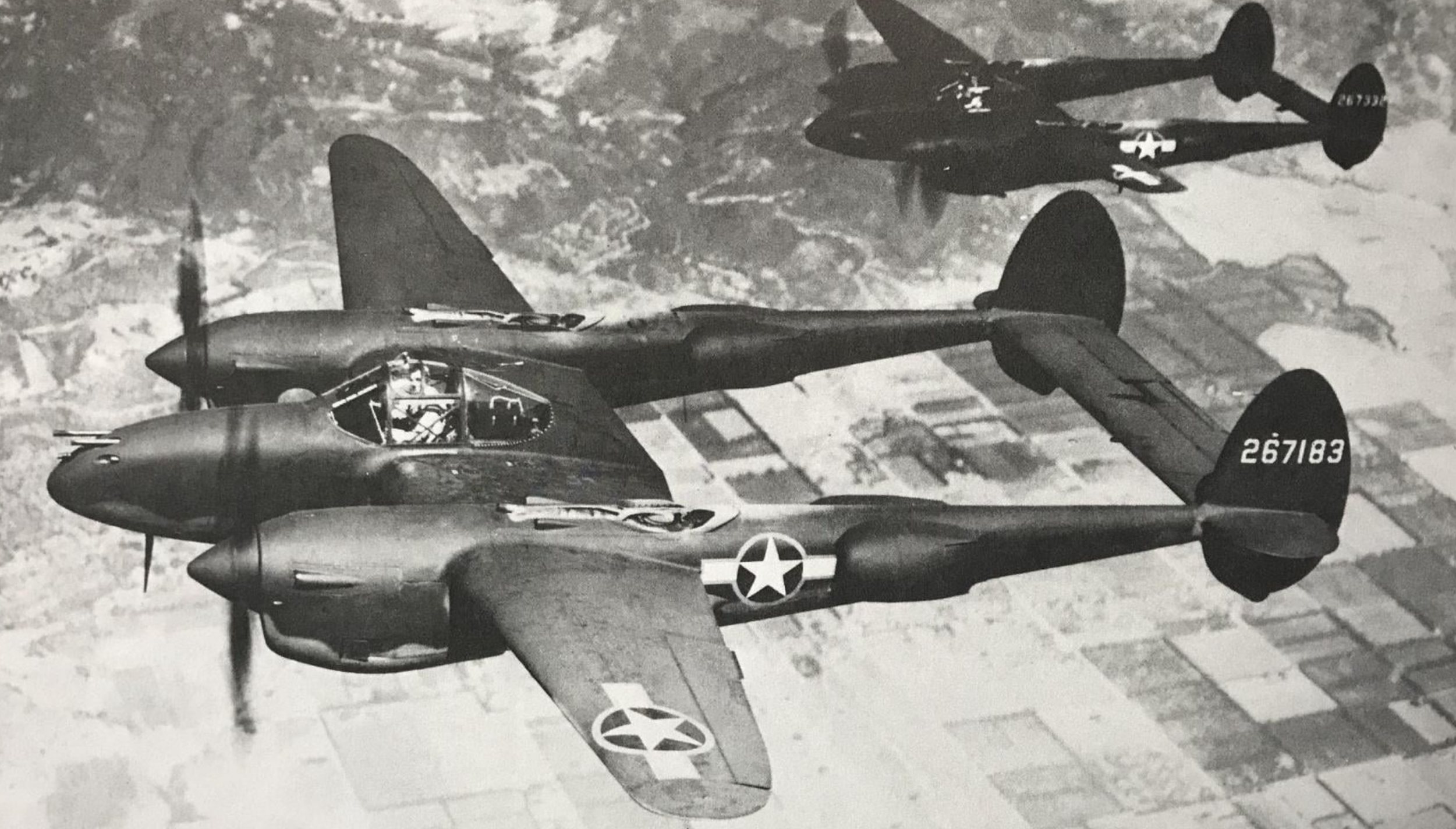
As Ho Chi Minh read the Declaration of Independence in Ba Dinh Square, two American P-38 Lightning fighters appeared above the hundreds of thousands gathered below. They descended low enough to be clearly visible. American insignia marked their wings, and the timing looked almost too perfect to be accidental. Ho had just legitimised the new Vietnamese state using the language of the American Declaration of Independence, American OSS personnel were among the guests, and now American aircraft were passing overhead. The crowd interpreted their arrival as exactly what it wanted to see — Washington saluting the new state.In reality, it was almost certainly a magnificent historical coincidence. The P-38s probably belonged to the 449th Fighter Squadron of the U.S. Army Air Forces, based at Mengzi in China. According to the official U.S. Air Force chronology, the pilots saw the enormous gathering and descended to find out what was happening. From the ground, however, the scene meant something entirely different. The American fighters had not merely flown over Hanoi — in the eyes of the crowd, they had just saluted an independent Vietnam.
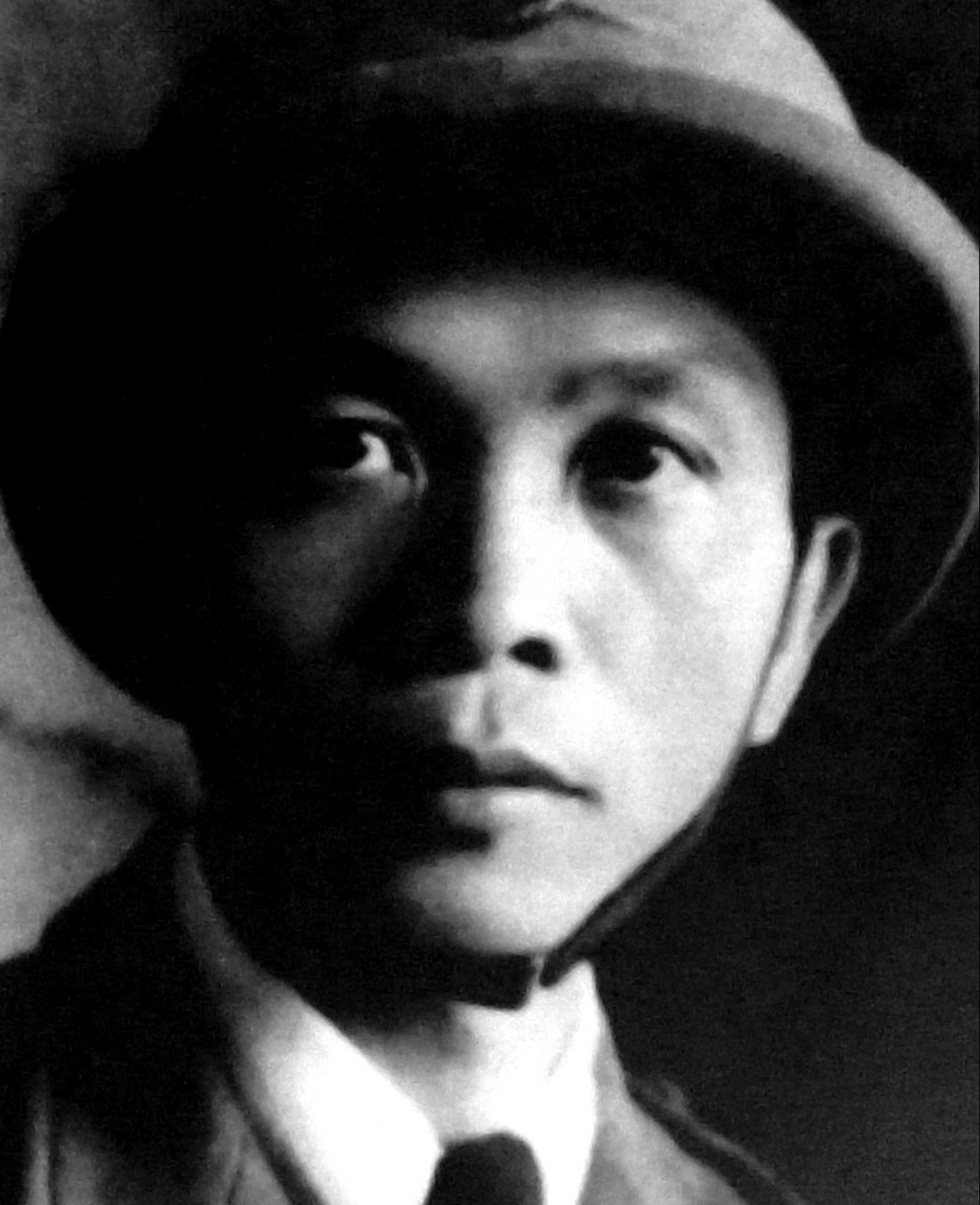
Invoking America was more than a rhetorical flourish. As early as 1919, Ho Chi Minh had tried to interest President Woodrow Wilson in the Vietnamese right to self-determination. He knew that U.S. President Franklin D. Roosevelt had been deeply sceptical of restoring French colonial rule. He also saw the United States preparing to grant independence to the Philippines. He concluded that a country born in rebellion against the British Empire might understand a country trying to free itself from the French Empire.
But Roosevelt died in April 1945. His successor, Harry Truman, had different priorities. He needed France for the reconstruction of Europe and the coming effort to contain the Soviet Union. Washington did not recognise the Democratic Republic of Vietnam, although at first it did not openly enter the war on the French side either. Ho Chi Minh sent letters and telegrams asking for American support. Truman never replied. In 1950, the United States began providing France with direct military and financial assistance.
This has often produced the seductive story of a single missed opportunity — the idea that American recognition of Ho Chi Minh could have prevented all the wars that followed. History rarely offers exits that clean. Ho Chi Minh was not a Vietnamese Thomas Jefferson but a highly disciplined communist revolutionary. American support would not automatically have turned Vietnam into a liberal democracy or a permanent ally of Washington. Yet it is equally wrong to claim that the later conflict was already predetermined. In 1945, the Vietnamese leader was still trying to place himself within America's vision of the post-war world, not outside it.
The actual future was shaped by a far more prosaic decision made at the Potsdam Conference. To accept the surrender of Japanese forces, the Allies divided Indochina along the 16th parallel. North of it, Chinese Nationalist troops were to enter; south of it, British forces would move in. It was a technical arrangement intended to disarm Japan. In practice, it determined where and how quickly the French would be able to return.
British General Douglas Gracey arrived in Saigon on September 13. He removed Viet Minh forces from key positions and handed those positions over to rearmed French troops. Even disarmed Japanese soldiers were rearmed and used in fighting against the Vietnamese movement. In other words, men from one defeated empire helped restore another empire to power. By the end of September, southern Vietnam was already burning. Open war between France and the government in Hanoi would spread in late 1946 and continue until the French defeat at Dien Bien Phu in 1954.
That is why September 2, 1945 was not literally the day the First Indochina War began. No shots were fired in Ba Dinh Square. But that day produced two claims that could not coexist. Vietnam declared itself a sovereign state, while France believed it was returning to territory that still belonged to it. There was not enough room between those two positions for diplomacy to rescue the situation.
In Tokyo Bay, MacArthur spoke of a better world founded on human dignity, freedom and justice. A few hours later, Ho Chi Minh did something very dangerous — he took him seriously. The war officially ended at 9:25 that morning. By early afternoon, peace already came with an asterisk.
Empires, after all, can endure many things. They can survive military defeats, economic crises and accusations of hypocrisy. What they find hardest to endure is when colonised peoples read their founding documents and conclude that the words apply to them as well. Ho Chi Minh did not invent a new argument that day. He merely read the victors the fine print of their own ideals — and discovered there was no fine print.
Sources
- Archives.gov Surrender of Japan (1945) https://www.archives.gov/milestone-documents/surrender-of-japan
- Ussmissouri.org The Surrender Ceremony https://ussmissouri.org/history/history-2/surrender
- Vietnamembassy-usa.org Declaration of Independence | Embassy of the Socialist Republic of Vietnam in the United States https://vietnamembassy-usa.org/vietnam/politics/declaration-of-independence
- Cambridge.org The Great Second World War Vietnam and Java Famines | Modern Asian Studies | Cambridge Core https://www.cambridge.org/core/journals/modern-asian-studies/article/abs/great-second-world-war-vietnam-and-java-famines/B035362046465C76591033DB275CB452
- Nationalww2museum.org The OSS in Vietnam, 1945: A War of Missed Opportunities by Dixee Bartholomew-Feis https://www.nationalww2museum.org/war/articles/oss-vietnam-1945-dixee-bartholomew-feis
- History.army.mil THE EARLY YEARS The U.S. Army in Vietnam https://history.army.mil/portals/143/Images/Publications/catalog/91-1.pdf
Comments