
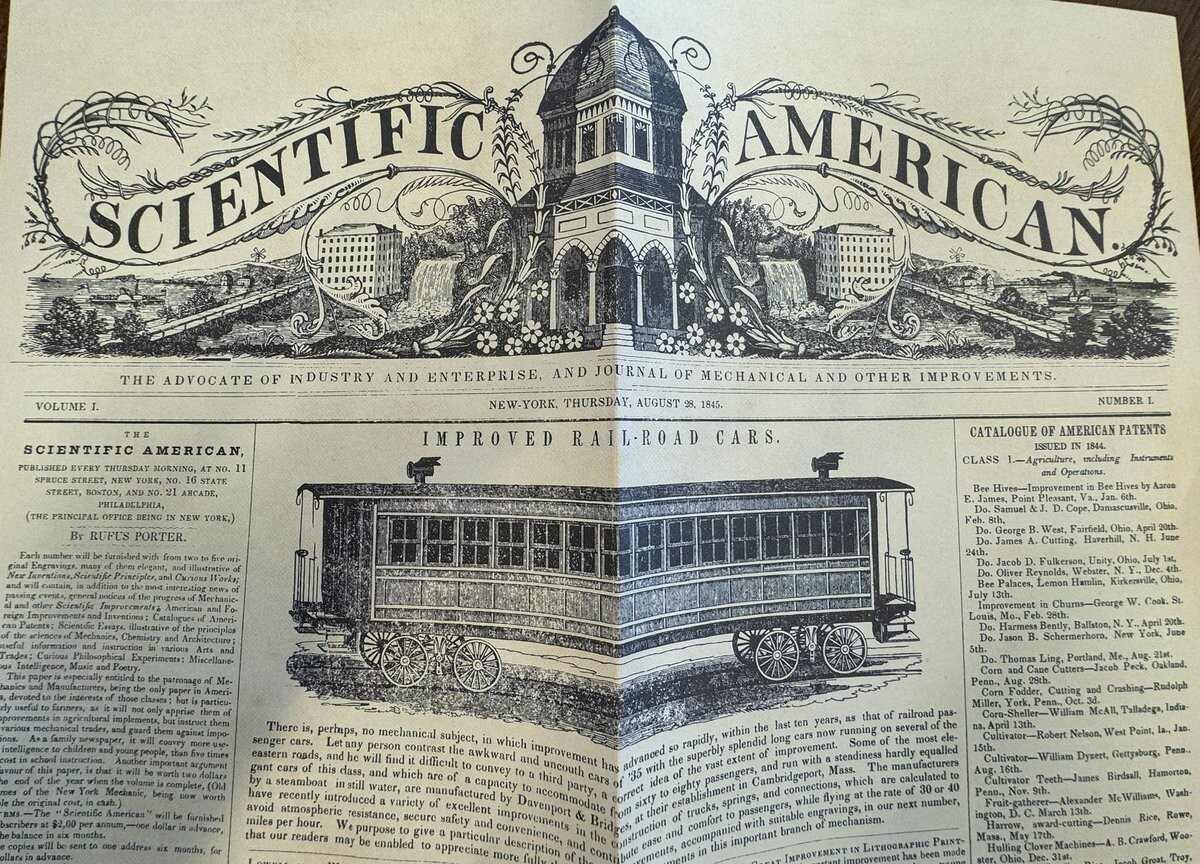
The cover of the very first issue featured no galaxy, atom or imagined city of the future. Instead, there was a railroad car — long, rectangular and astonishingly comfortable by the standards of the day. The drawing showed its wheels, windows and a new undercarriage design, as though telling readers that the future was not some abstract force descending from the clouds. The future had springs, bearings and a subscription price.
The four enormous pages of the first issue of Scientific American, published in New York on August 28, 1845, carried news of new machines, patents and chemical experiments. They also included a report on Morse’s telegraph, which was then operating between Washington and Baltimore but was preparing to conquer the rest of the country. That may be the most important detail in the whole story: the magazine did not appear after the great inventions had arrived, simply to explain them in retrospect. It was born while they were still blueprints, demonstrations and not entirely convincing promises. The reader was not buying a summary of a world already completed.
Science, of course, was not born in 1845. Newton, Lavoisier and Faraday had long since transformed humanity’s understanding of nature. But the social figure of the professional scientist was only beginning to take recognizable form. The English word "scientist" had been coined by the philosopher and historian of science William Whewell only about a decade earlier. The American Association for the Advancement of Science would not be founded until 1848, while the National Academy of Sciences would emerge in the middle of the Civil War in 1863. Darwin’s On the Origin of Species was still fourteen years away. Modern knowledge already existed — the modern infrastructure of science was still being built.
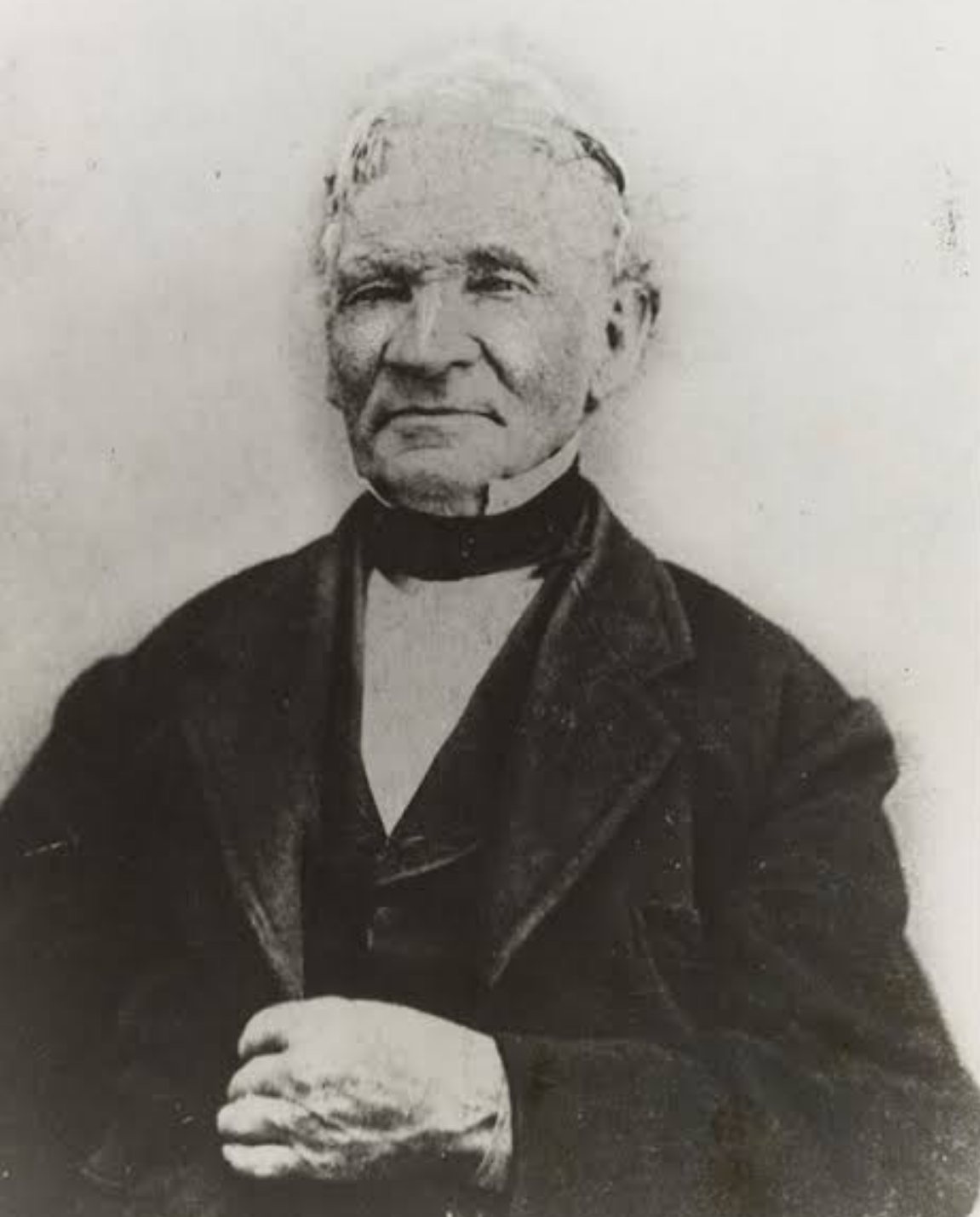
The magazine’s founder, American inventor and painter Rufus Porter, belonged perfectly to this transitional world. He was an artist, teacher and musician. He painted portraits and panoramic murals, designed various devices and dreamed of enormous airships that would carry passengers across the continent. Porter was the kind of man the 19th century could still produce. His mind already resembled the first issue of Scientific American — a little mechanics, a little art, some commerce and a great deal of faith that almost any problem could be solved by a sufficiently ingenious machine.
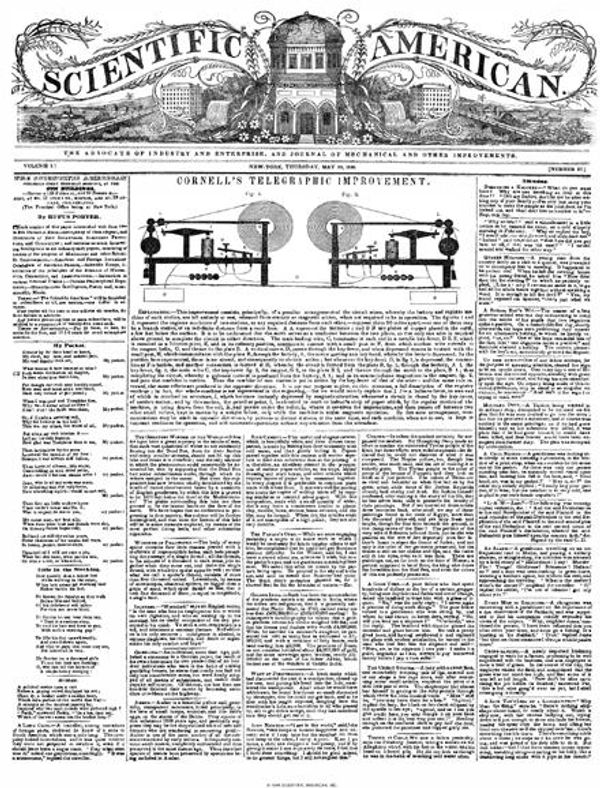
Beneath its elaborately illustrated masthead, the magazine introduced itself as an "advocate of industry and enterprise" and a journal devoted to mechanical and other improvements. Porter was not writing primarily for professors. He addressed mechanics, manufacturers and farmers, but also families who wanted to understand the world around them. He claimed that children and young people would gain more useful knowledge from the magazine than they could receive from schooling costing five times the price of a subscription. An annual subscription cost two dollars — one paid in advance and the other six months later. Knowledge was being sold as a household investment which, the editor assured his readers, would by the end of the year be worth at least as much as they had paid for it.
The lead article in the first issue described improved railroad cars. They could carry between 60 and 80 passengers and travel at speeds of 30 to 40 miles per hour, which to Porter’s contemporaries must have seemed almost like riding inside a controlled projectile. The next page was dominated by an engraving of the steamship Great Britain, then one of the most impressive technological objects in the world. The ship attracted tens of thousands of visitors in Liverpool and London, while in New York around 12,000 people came to see it in just a few days, paying 25 cents for the privilege. Machines were already becoming public spectacles.
Even more far-reaching was a short item about Morse’s telegraph. The editors predicted that merchants in the West would soon send orders by telegraph rather than wait for the "slow and tedious progress" of railroad cars. In that sentence one of the foundations of modern history was already becoming visible — information was about to begin moving faster than people and goods.
Each issue was supposed to contain between two and five original engravings. In an age before mass photography, these were not decoration but an important form of knowledge. A machine described in words could still sound like a salesman’s boast. A machine drawn with wheels, valves and gears became something that could be examined at the kitchen table. Readers did not have to understand every part of the mechanism to feel that they had been allowed to look inside it. That feeling was crucial: technology no longer belonged exclusively to the workshop, the patent holder or the learned society.
That is why the historical importance of Scientific American lies in more than its "popularization" of science. The word suggests that a fully formed body of science already existed somewhere and merely needed to be simplified for the public. In reality, the magazine helped create both things at once — modern scientific culture and the audience that followed it. Early scientific publications often drew no sharp line between specialist and general reader. A mechanic could be a subscriber, a correspondent and a potential inventor all at once. The boundary between audience and participant had not yet hardened.
Porter therefore urged every "honest mechanic" to recommend the paper to his acquaintances. For every new subscriber, an agent could keep 25 cents, while postmasters were given copies to show people in their communities. Progress, in other words, already had a referral program in 1845. Behind the slightly shameless editorial self-promotion, however, lay a serious idea: the postal network could turn local curiosity into a national conversation about machines, nature and the possibilities of the future.
Porter sold the magazine after just ten months. The buyers were American publisher Orson Desaix Munn and inventor and entrepreneur Alfred Ely Beach. They paid $800, and by 1846 they had opened a patent agency in the same office to handle applications from the many readers asking for help protecting their inventions. To modern eyes, this may look like an editorial conflict of interest — the magazine wrote about inventions while an affiliated company helped inventors patent them. But that connection was characteristic of the period. The publication did not stand outside the Industrial Revolution and observe it dispassionately. It was one of its gears.
The U.S. government burned 3,000 copies of Scientific American over an article about the hydrogen bomb
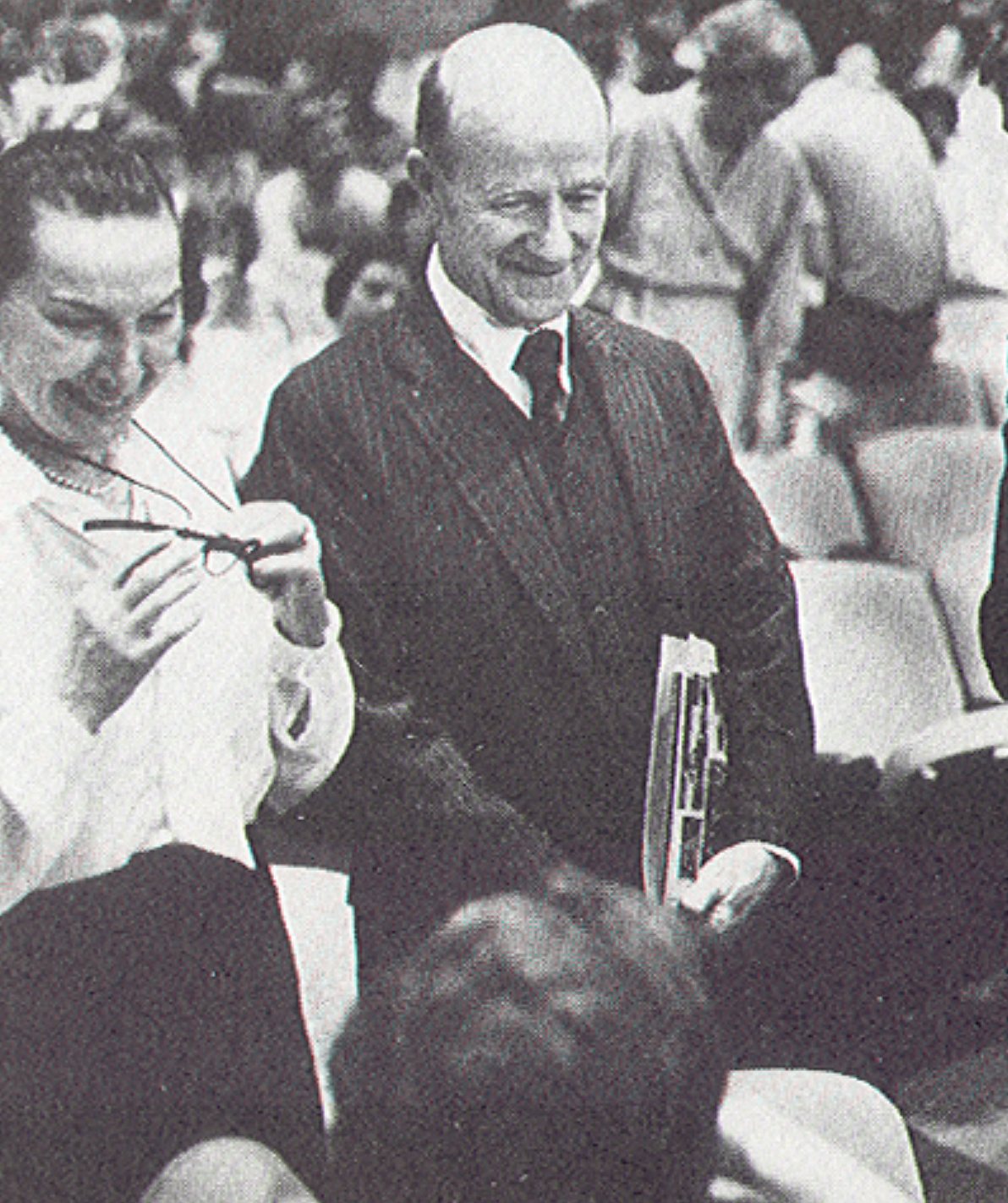
Just over a century after Scientific American began explaining steam engines and telegraphs to Americans, the U.S. government decided that the magazine had taken its original mission a little too far. On March 20, 1950, an official from the Atomic Energy Commission seized 3,000 already printed copies of the April issue and supervised their destruction by fire. The printing plates containing the offending section were destroyed as well. The reason was an article about the hydrogen bomb written by Hans Bethe, the German-American theoretical physicist and one of the leading scientists of the Manhattan Project.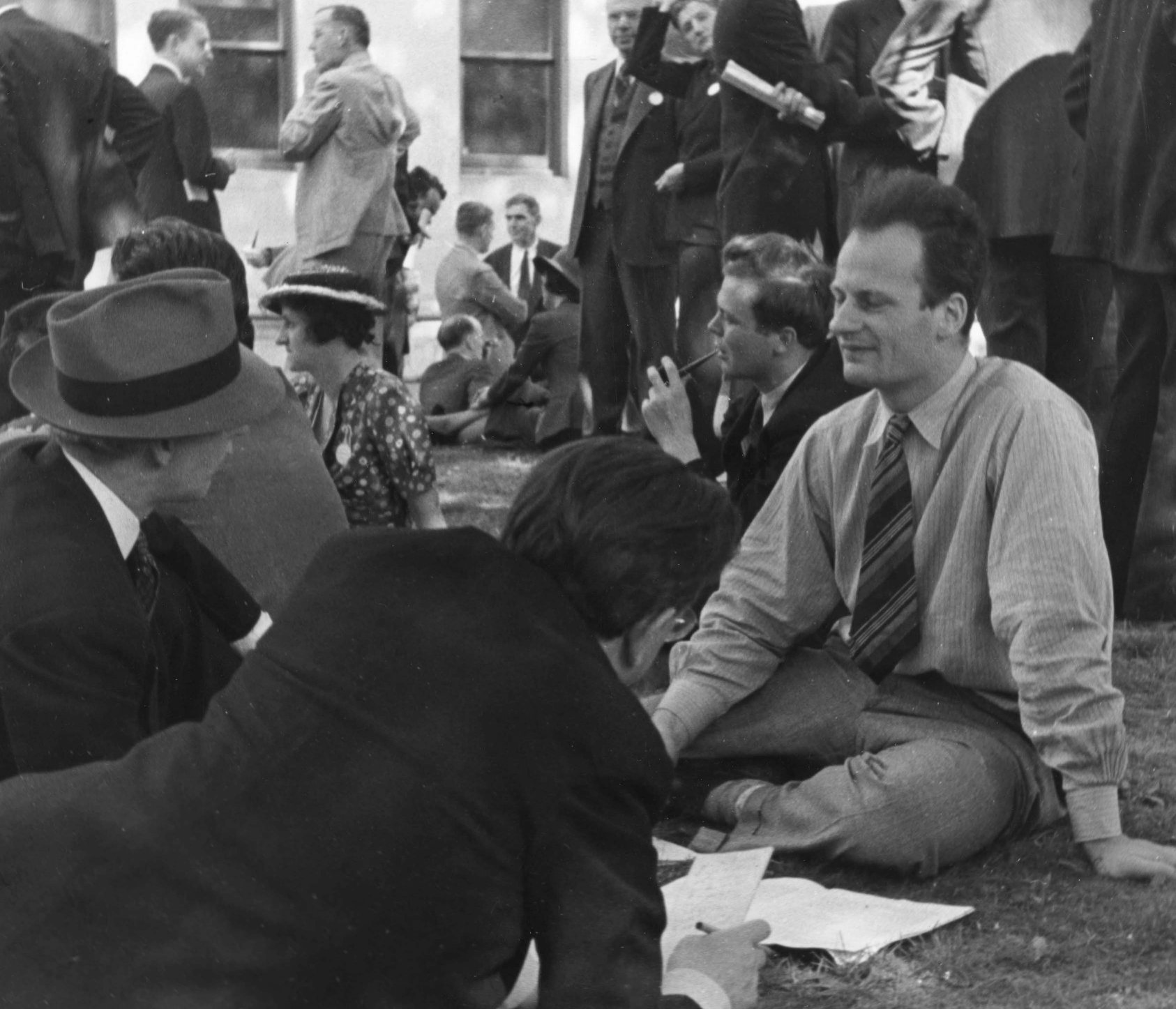
Even more interesting was what the government was actually trying to conceal. Bethe had not published a blueprint for the hydrogen bomb or some secret formula smuggled out of Los Alamos. Among the statements deleted, for example, was the observation that a thermonuclear reaction would probably require deuterium and tritium — information already known to physicists and available in published scientific literature. The editors argued that all of the disputed facts were already public. Here the peculiar logic of America’s nuclear secrecy regime revealed itself. Under the law of the time, certain information about atomic weapons could be treated as classified even if someone had independently derived it from publicly known physics. In other words, a person could work something out with his own pencil, only to have the government explain that he had just discovered a state secret (!).
Publisher Gerard Piel warned that applying such a policy consistently would make the teaching of physics practically impossible. Scientific American nevertheless agreed to remove several sentences so the issue could be released. The 3,000 copies that had already been printed could not be corrected quite so easily, so they were burned, while four printing plates containing the original text were melted down.
The first issue, meanwhile, was hardly a monument to flawless rationality. Its short-news section repeated a claim that a man bitten by a rabid dog had been cured with a drink made from black ash bark. Its explanation of how thunder forms belonged to older theories, while the article about the Great Britain suggested that its screw propeller might soon be replaced by side paddles. We usually remember the history of science as a succession of successful discoveries, but the archives of a magazine like this also preserve a graveyard of confidently stated mistakes. The telegraph and a supposed cure for rabies could appear on the same page because the future never arrives pre-sorted into genius and nonsense.
Porter promised not to publish "gloomy catalogues of crime and depravity," because the magazine’s purpose was to entertain and enlighten. At the same time, he pledged to defend "pure Christian religion," though without siding with any particular denomination. The magazine, he said, would stand by reason and common sense even against those whose position depended on traditional dogma. Today, such a program might look like a curious blend of scientific rationalism, family morality and editorial preaching. To Porter’s readers, it was not necessarily contradictory. Science was not yet merely a method for producing reliable knowledge. It was also a project of personal and social improvement.
The magazine’s continuity does not mean it remained unchanged. It went from weekly to monthly publication in 1921. After World War II, it was acquired by American publisher Gerard Piel, American editor Dennis Flanagan and business manager Donald Miller. In 1948, they effectively reinvented it. They insisted that most articles should be written by scientists who had personally participated in the research they were describing. A publication once aimed at mechanics and inventors thus became a magazine that brought professional science into people’s living rooms. The name remained the same, but the meaning of the word "scientific" changed along with the world.
The owner of Scientific American secretly built a subway beneath New York
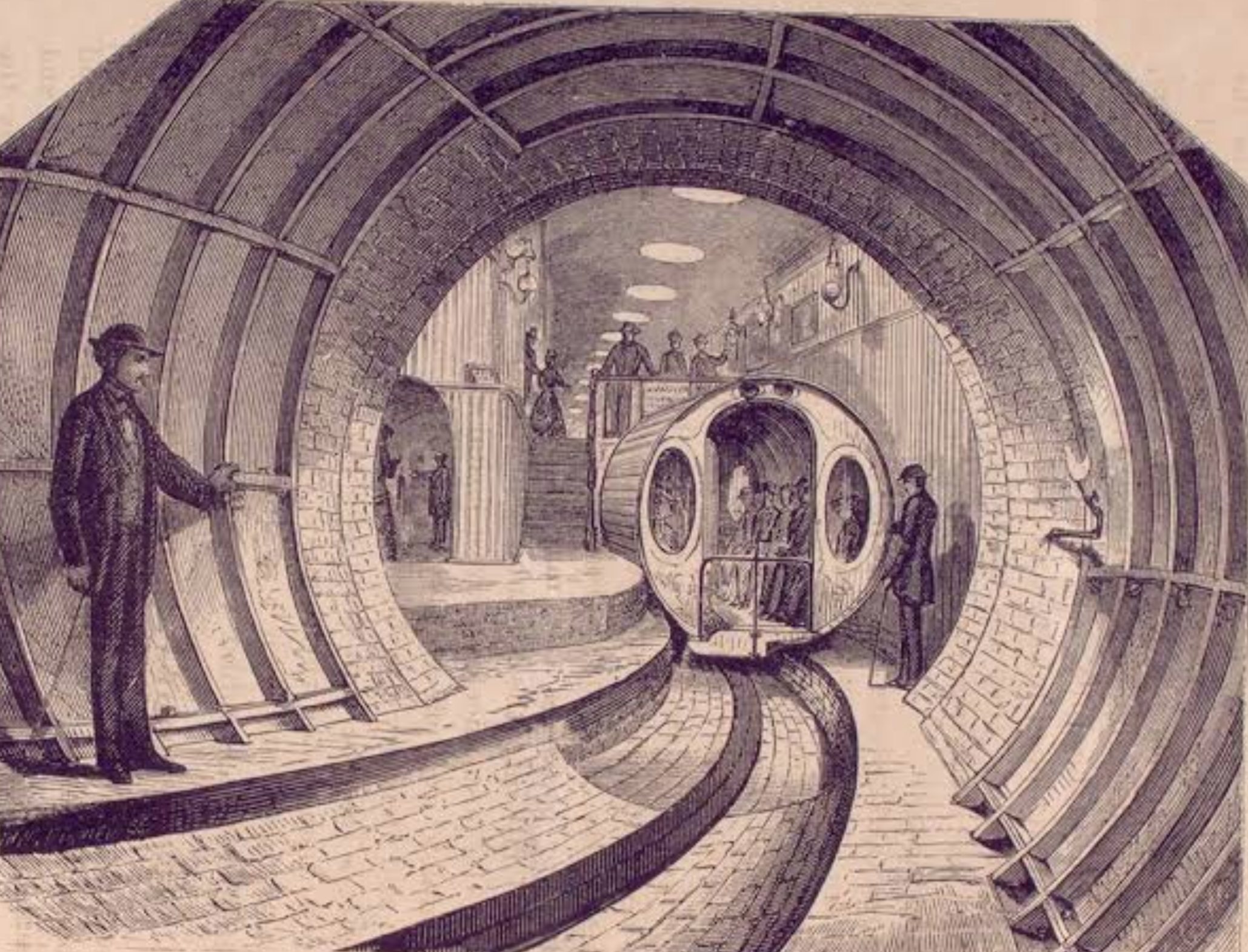
If there was ever a man who saw little distinction between writing about the future and personally constructing it, it was Alfred Ely Beach, the American inventor, editor and co-owner of Scientific American. By the late 1860s, New York was choking on horse-drawn traffic, and Beach imagined a solution that sounded almost fantastical at the time — trains beneath Broadway, propelled not by locomotives but by a gigantic mass of moving air. There was only one problem. In a city dominated by the notorious political machine of William "Boss" Tweed, Beach could not obtain permission to build such an underground railway.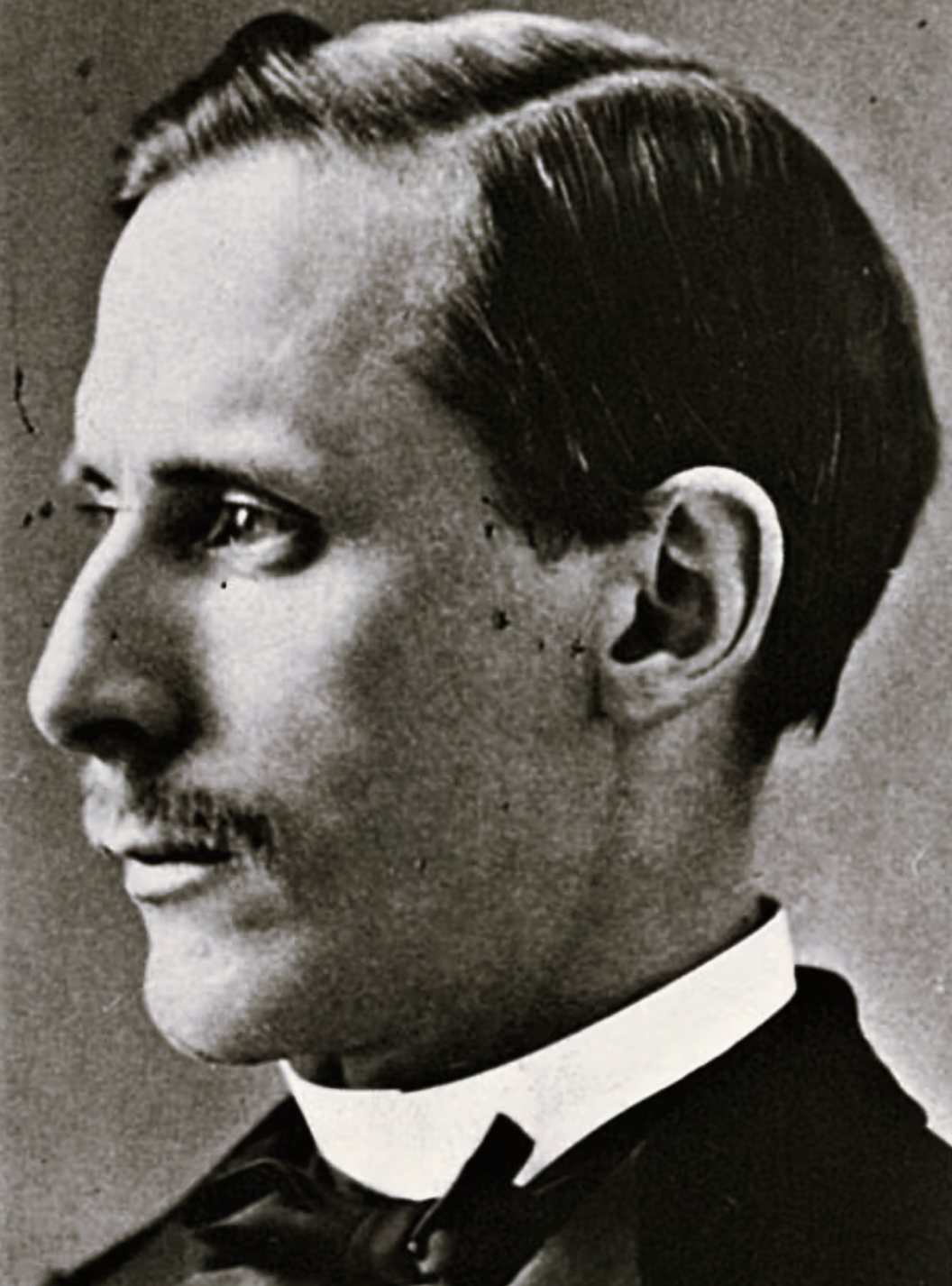
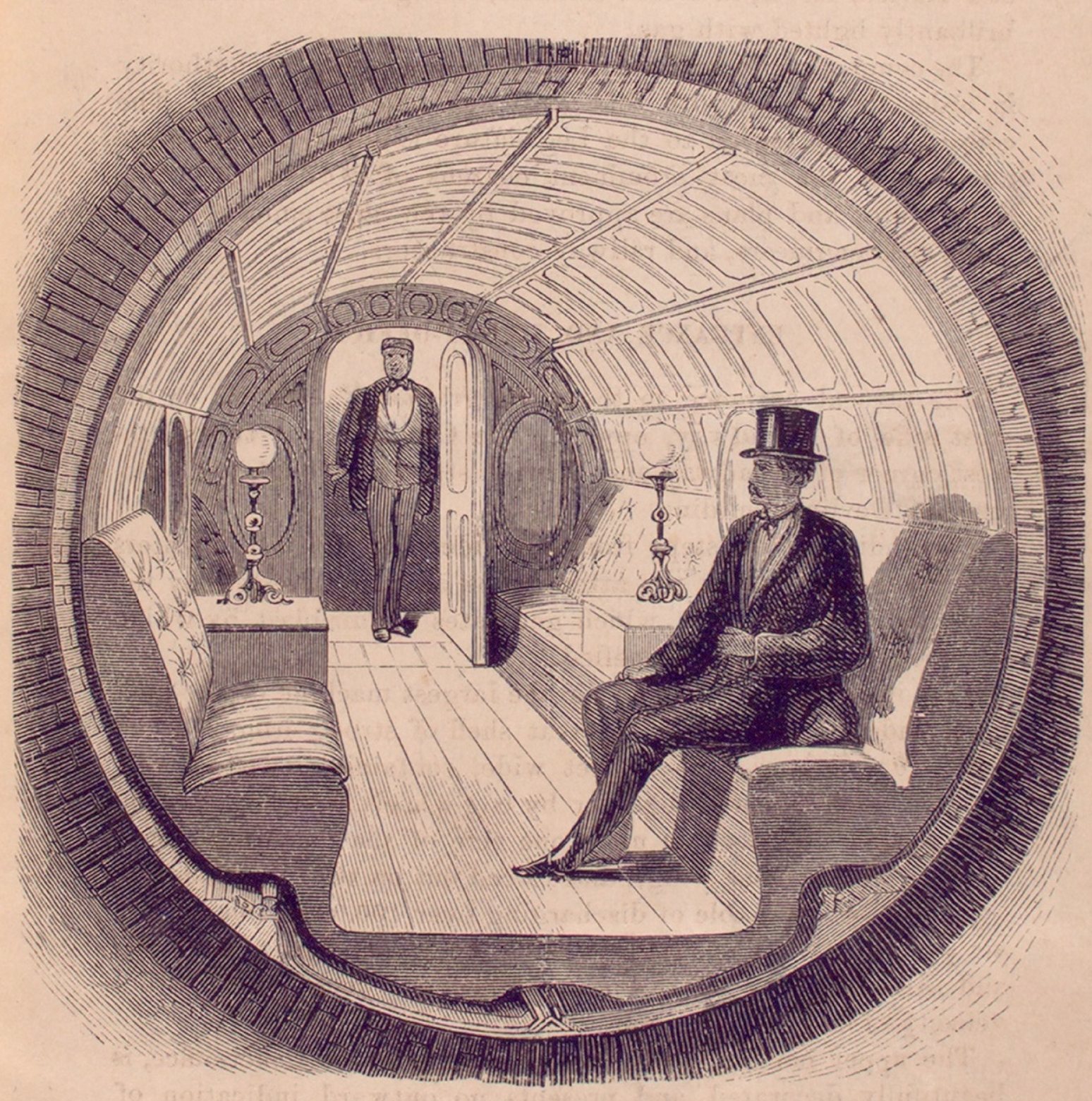
When he finally revealed what lay beneath Broadway in February 1870, New Yorkers did not descend into a dark hole resembling a mine. Beach had deliberately created the opposite. The underground station had chandeliers, mirrors and a piano, while goldfish swam in a fountain. A single enclosed car held about twenty passengers. A 100-horsepower fan would blow it through the tunnel; then the airflow would be reversed, and the same system would suck it back again. The ventilation opening stood near City Hall Park, and the enormous fan occasionally provided another, entirely unintended demonstration of its power — it was known to blow the hats off pedestrians above ground.
Scientific American survived because its true subject was never science alone. Its subject was the expectation that tomorrow could be different from today — and that this change could be observed, described and, at least partly, understood. The magazine turned the future into a serial: not one grand prophecy, but a weekly sequence of corrections, new drawings and occasionally spectacularly wrong conclusions.
The most important invention in that first issue, then, may not have been the improved railroad car, the enormous steamship or the telegraph. It was the reader who learned to expect that by next Thursday, the world would no longer be quite the same.
Sources
- Rufusportermuseum.org About - Rufus Porter Museum https://www.rufusportermuseum.org/about/
- Lindahall.org Scientific American https://www.lindahall.org/about/news/scientist-of-the-day/scientific-american/
- En.wikisource.org Scientific American/The Rise, Progress and Influence of the "Scientific American" - Wikisource, the free online library https://en.wikisource.org/wiki/Scientific_American/The_Rise%2C_Progress_and_Influence_of_the_%22Scientific_American%22
- Smithsonianmag.com 12 Secrets of the New York Subway https://www.smithsonianmag.com/travel/secrets-new-york-city-subway-180958683/
- Science.osti.gov Tribute to Dr. Hans A. Bethe by ... | U.S. DOE Office of Science (SC) https://science.osti.gov/Science-Features/News-Archive/Science-Headlines/2005/03-08-05
- Atomicarchive.com Developing the Hydrogen Bomb | Historical Documents https://www.atomicarchive.com/resources/documents/hydrogen/index.html
- Pbs.org The Secret Subway | American Experience | Official Site | PBS https://www.pbs.org/wgbh/americanexperience/features/nyunderground-secret-subway/
- Scientificamerican.com The U.S. Started as a Nation of Tinkerers https://www.scientificamerican.com/article/the-u-s-started-as-a-nation-of-tinkerers/
Comments