
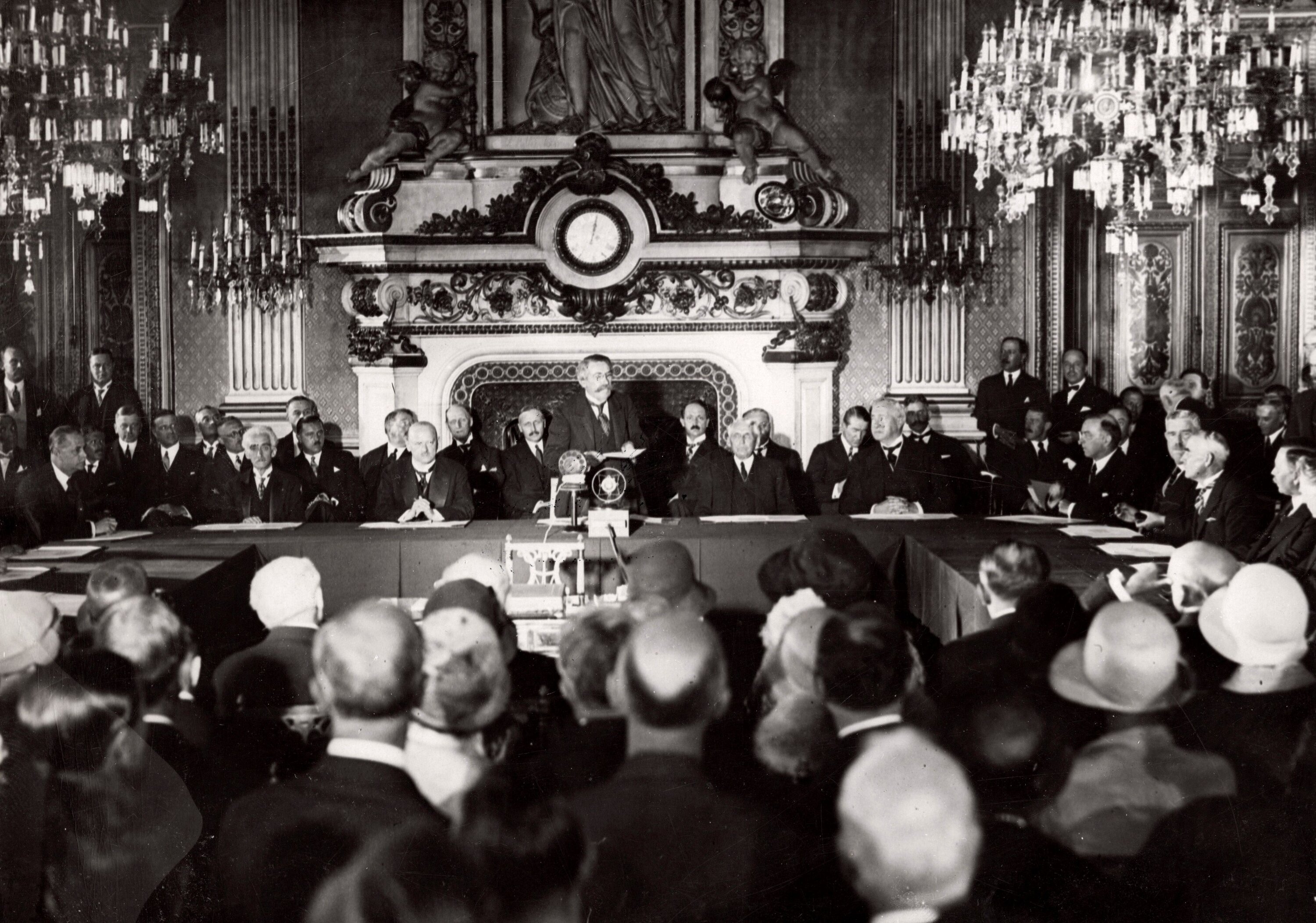
Eleven years and five days after diplomats in Paris signed a document in which their countries renounced war as an instrument of national policy, German troops crossed the Polish border. The Paris document also bore the signatures of Germany, Italy, and Japan — powers that would soon demonstrate how little ink is worth once tank tracks begin to roll. The irony is so immense that perhaps it has helped consign the whole episode to relative obscurity.
It is easy, then, to dismiss the Kellogg-Briand Pact as a monument to interwar naïveté, a legal umbrella made of paper opened against an approaching storm. Yet the people who gathered on August 27, 1928 belonged to a generation that knew war far better than it wished to. They had watched industry and mass mobilization turn Europe into a system for producing death on a scale never seen before. Their mistake may have been believing that a sentence written into law could immediately change the calculations of states. But that sentence would later change the way aggression was named, justified, and judged.
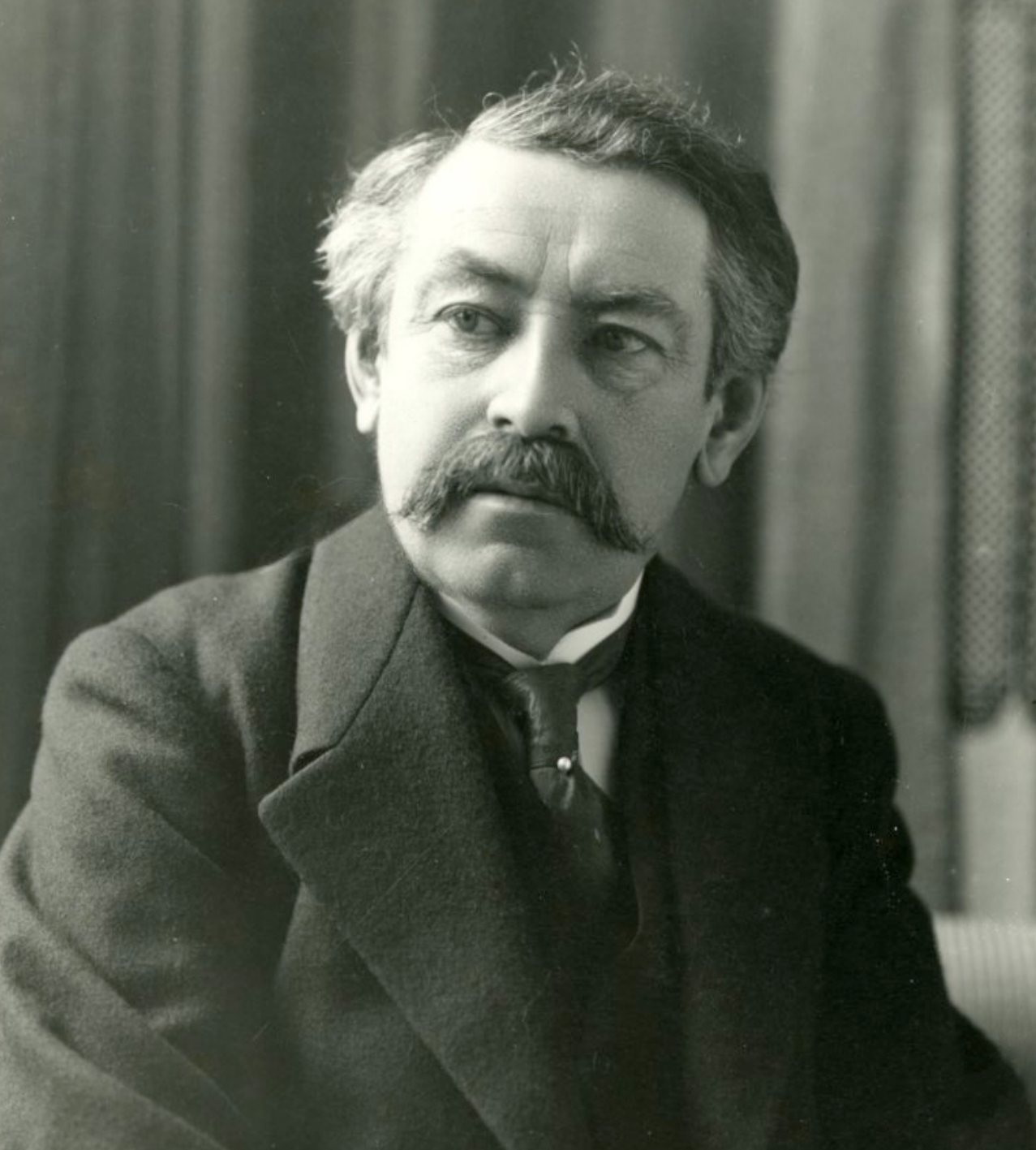
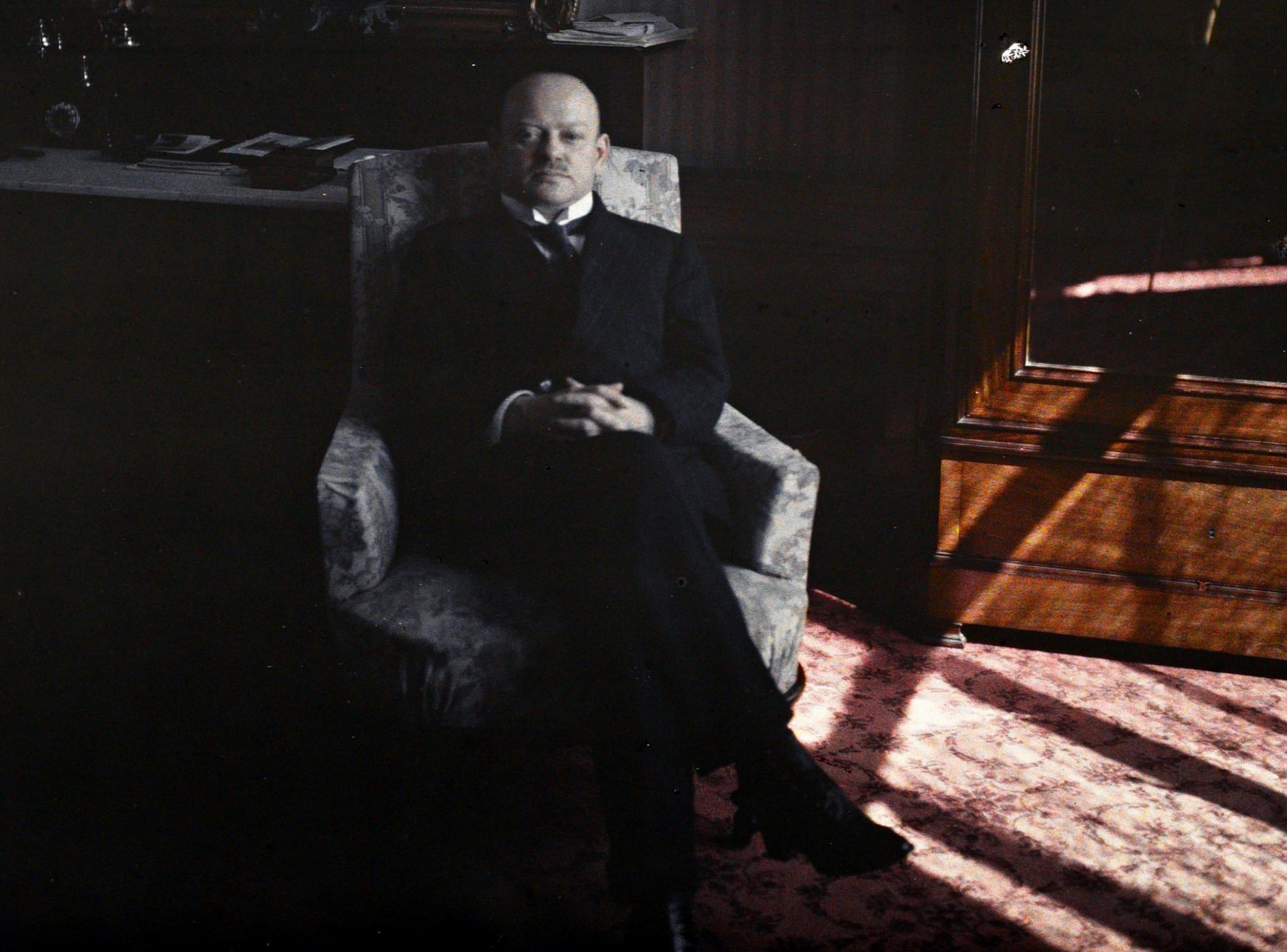
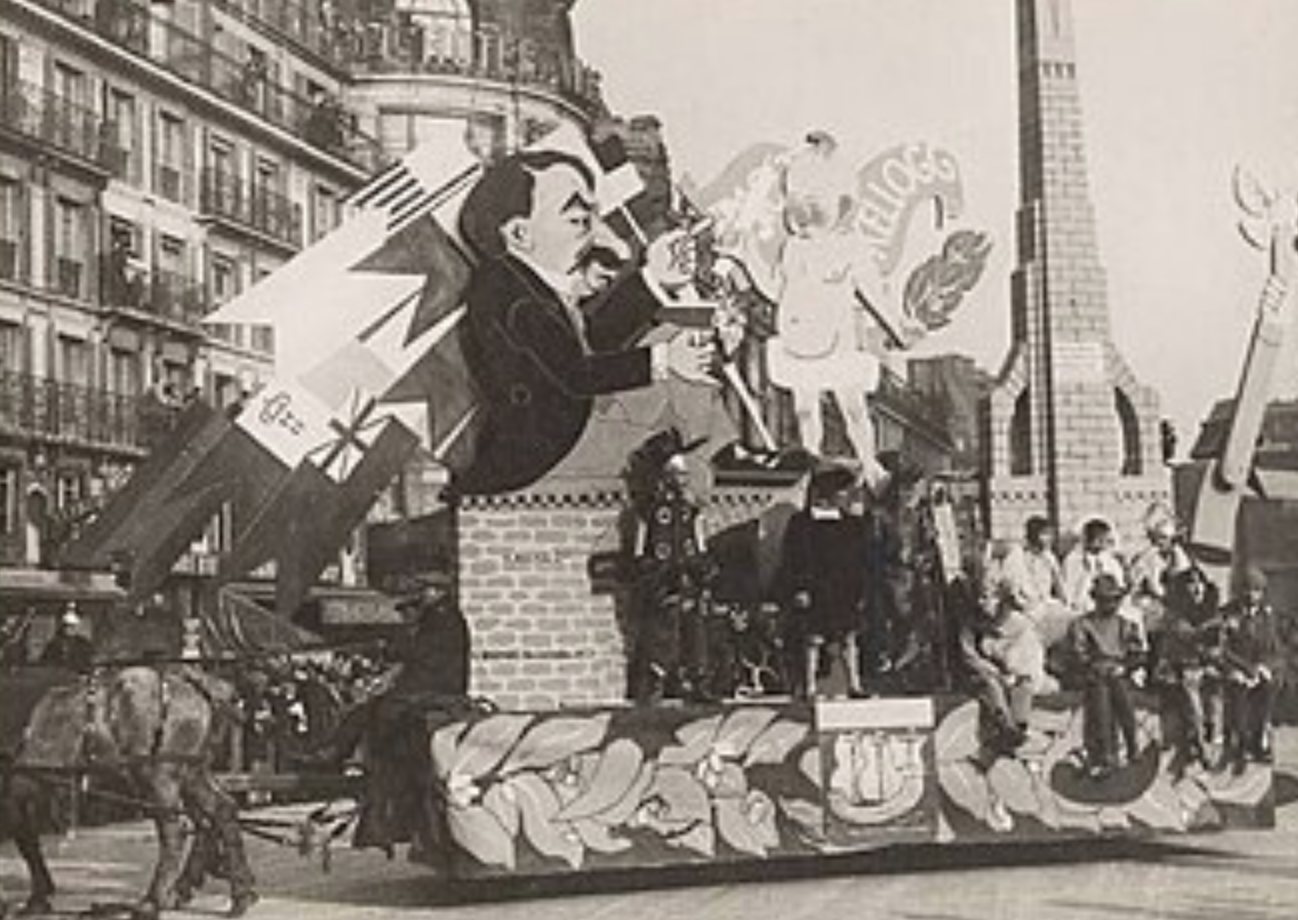
The year 1928 marked the high tide of a brief period of interwar optimism. The Locarno Treaties had eased relations between Germany and the Western powers, while French Foreign Minister Aristide Briand and his German counterpart Gustav Stresemann had already received the Nobel Peace Prize. It seemed that old enemies might finally be bound together by treaties rather than mobilization plans. Beneath that optimism, however, lay a very concrete French fear: what if Germany rose again and the United States once more remained safely on the other side of the Atlantic?
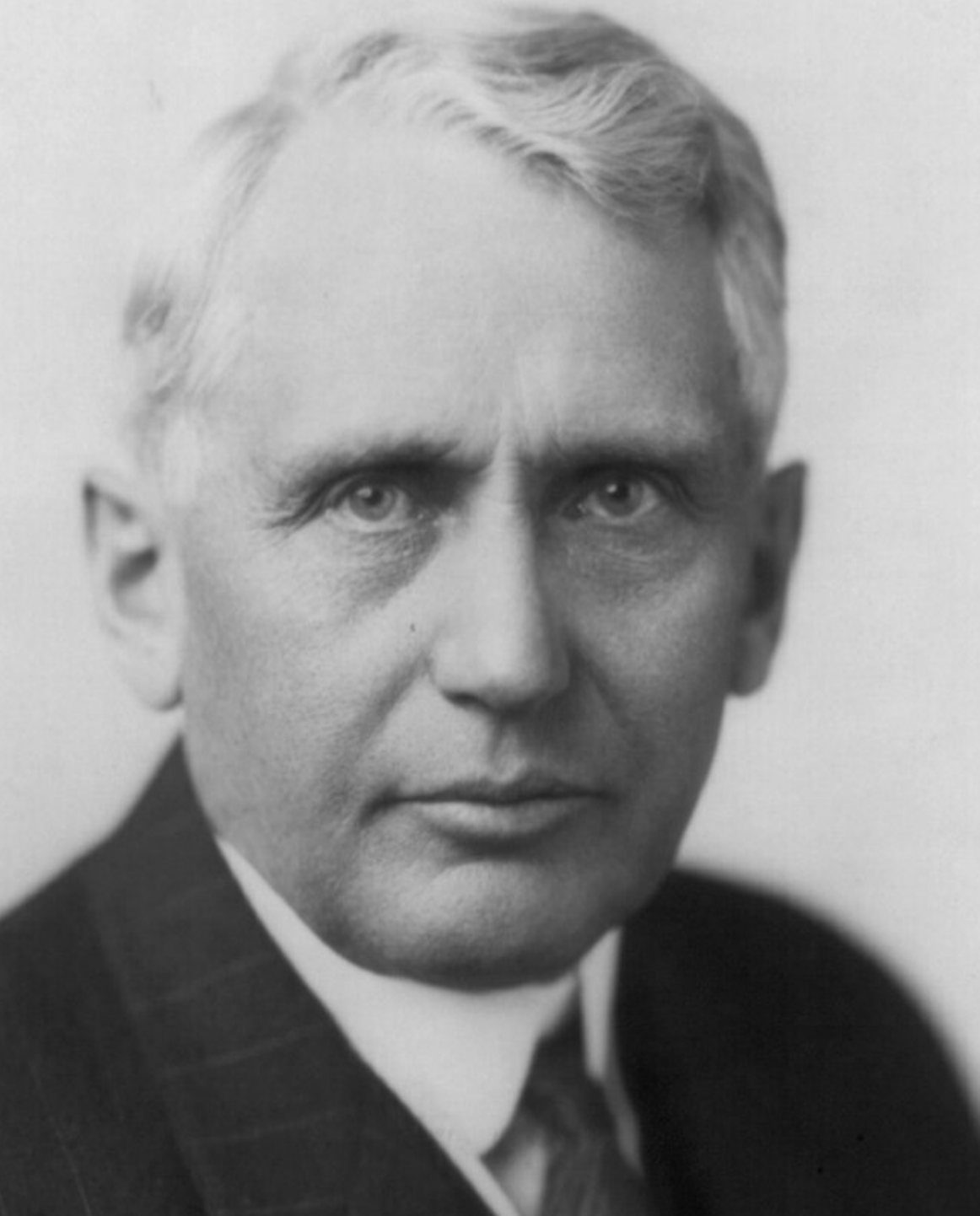
That was why Briand proposed a bilateral agreement in 1927 under which France and the United States would renounce war against one another. In Paris, it sounded like a peace initiative, but it was also a discreet attempt to tie Washington more closely to French security. U.S. Secretary of State Frank B. Kellogg had no interest in an alliance that might one day require American intervention. His response was diplomatically elegant: instead of France and the United States alone renouncing war, why not have all the major powers do it?
One of the most idealistic documents of the twentieth century was therefore born partly out of an attempt to avoid a very concrete obligation.
Japan nearly stumbled over one phrase: "in the names of their respective peoples"
While the other countries debated whether war could truly be outlawed, Japan ran into an entirely different problem. The pact's opening sentence declared that the signatories, "in the names of their respective peoples," condemned recourse to war. What looked like a harmless phrase raised a serious constitutional question in Tokyo.Under Japan's constitutional order at the time, the source of state authority was not the people but Emperor Hirohito. The Meiji Constitution placed the emperor at the head of the state and vested him with the authority to conclude international treaties. To say that Japan was renouncing something "in the name of its people" therefore sounded to some members of the powerful Privy Council almost like an endorsement of popular sovereignty. American diplomatic records from the spring of 1929 show that the dispute over the wording dragged on in Japan for months. The Japanese ambassador in Washington even warned that the controversy was continuing "with unabated intensity."
The solution was characteristically diplomatic. Japan ratified the pact, but on June 27, 1929 it attached a special declaration to its instrument of ratification. In it, the Imperial Government stated that the expression "in the names of their respective peoples," in view of the provisions of the Japanese Constitution, was not considered applicable to Japan. American officials debated for a time whether this amounted to a formal reservation that might complicate the entire agreement, but ultimately concluded that it did not alter Japan's substantive obligation to renounce war.
Once again, the irony is almost perfect. Japan ultimately became the last of the 15 original signatories to complete ratification of the pact. Just two years later, the Japanese army occupied Manchuria.
The pact's true radicalism lay not in its ceremonial language but in the legal assumption it overturned. Under the classical international order, war was not automatically unlawful. States could use it to collect debts, redress alleged wrongs, or seize territory. The Hague Conventions largely regulated how wars were fought, while the League of Nations tried to restrict and delay them. The Paris Pact went one step further: it declared that war as an instrument of policy was no longer legitimate.
American lawyer Salmon O. Levinson, one of the intellectual architects of the movement to outlaw war, compared the project to the abolition of dueling. As long as society merely regulates the rules of a duel, it still recognizes the duel as a legitimate institution. Only when that special status disappears does killing someone in a duel become simply what it is: murder. In other words, making war more humane was not enough. War had to be stripped of its legal legitimacy.
The text itself was almost audaciously brief. In Article I, the states condemned recourse to war and renounced it as an instrument of national policy. In Article II, they promised to settle their disputes exclusively by peaceful means. Fifteen countries initially signed in Paris, and more than 60 later joined them — including the Kingdom of Serbs, Croats and Slovenes.
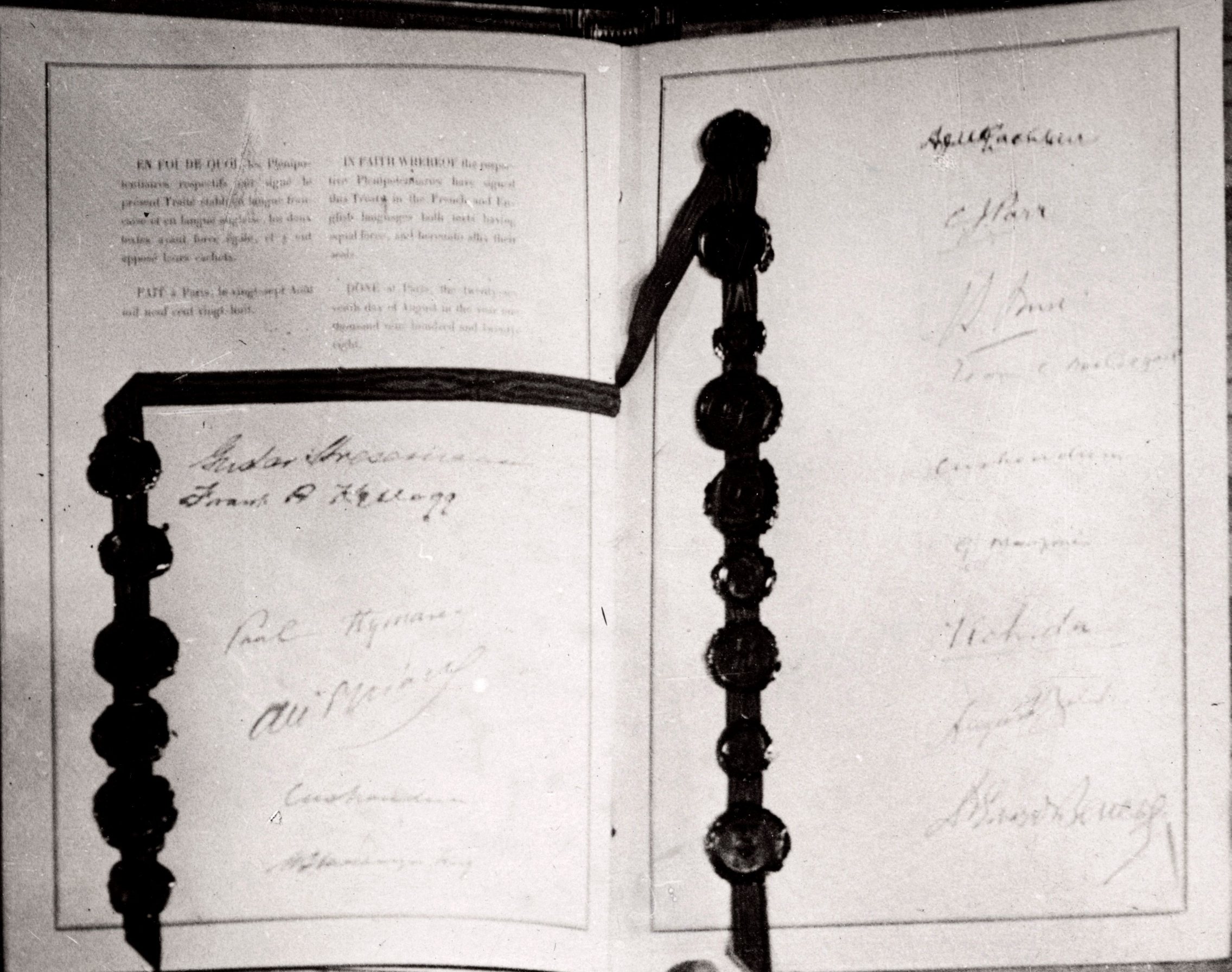
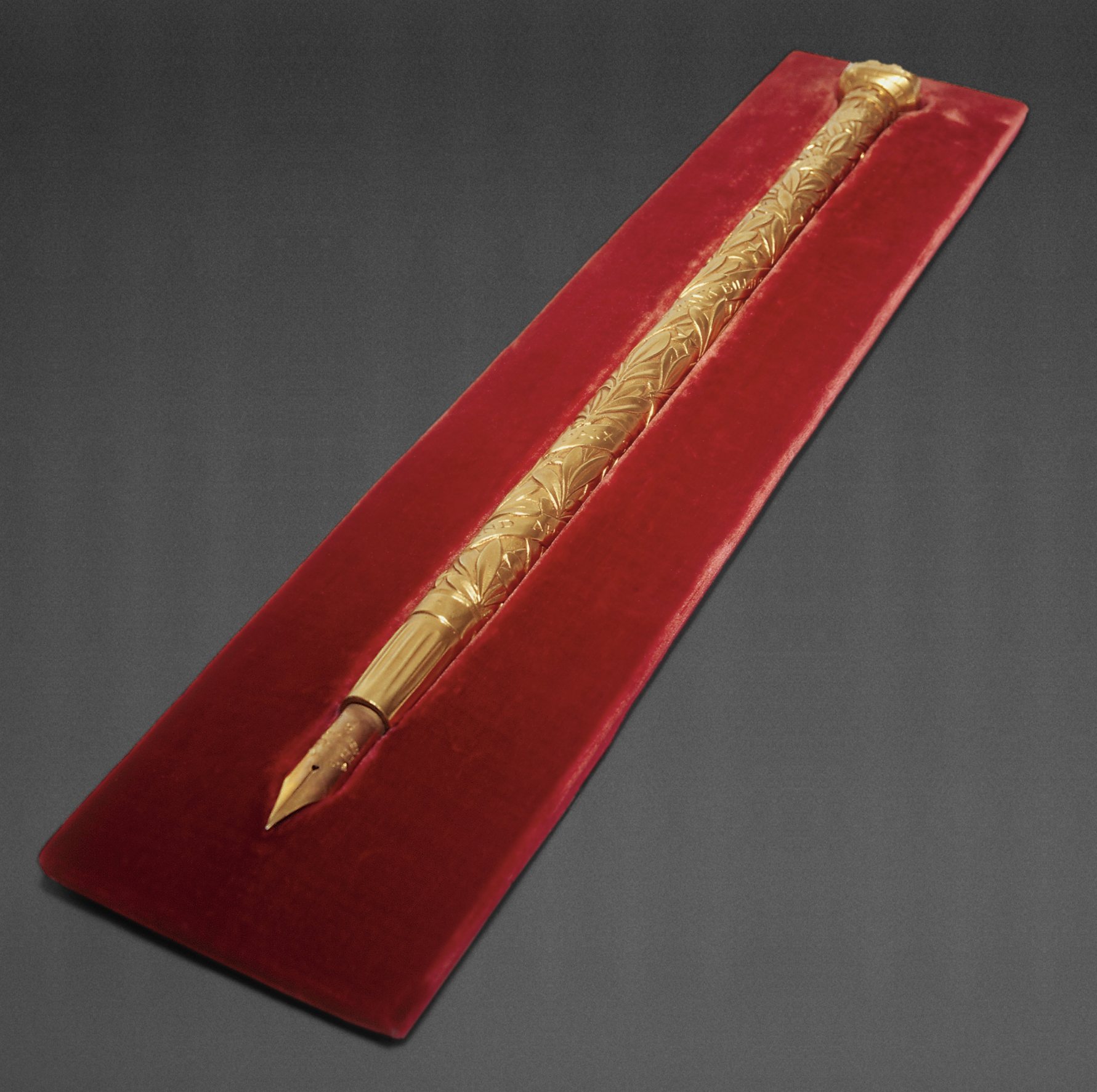
The signatures were made with a gold fountain pen bearing the Latin inscription Si vis pacem, para pacem — if you want peace, prepare for peace. It was a striking reversal of the old maxim that for centuries had advised preparing for war. A few months later, U.S. President Calvin Coolidge used the same pen when ratifying the agreement. Diplomacy, at least in its choice of writing instruments, had a flair for symbolism.
The problem lay in everything the document did not contain. There was no army to stop an aggressor, no court capable of immediately punishing one, and no automatic sanction. The pact never clearly defined aggression, while the right of self-defense remained elastic enough to accommodate almost any invasion backed by sufficiently creative political rhetoric. The U.S. Senate ratified the agreement by 85 votes to one, but stressed that the United States was under no obligation to act against violators. In the end, the prohibition of war rested on the "sanction of public opinion" — a fire alarm with no fire brigade.
One U.S. senator voted against outlawing war
When the U.S. Senate voted on the Kellogg-Briand Pact on January 15, 1929, the result looked almost unanimous: 85 senators voted in favor and just one against. That lone dissenter was John J. Blaine, a Republican senator from Wisconsin. Blaine was not arguing that war was a good idea. His objection was more interesting: he believed the document contained so many exceptions and competing interpretations that its grand prohibition of war might ultimately mean very little.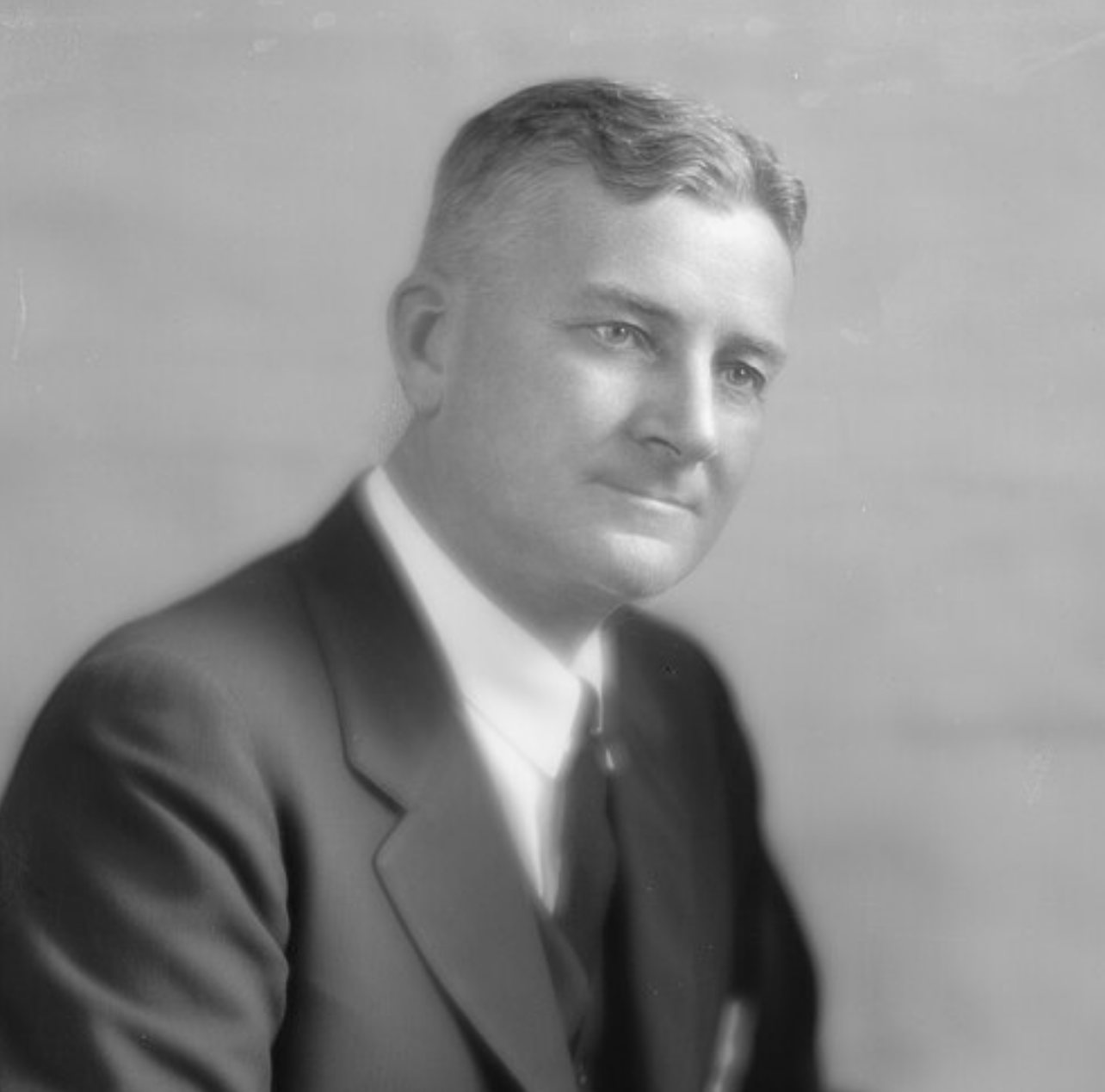
Then he pointed to an awkward detail. While American senators were talking about renouncing war, Washington was simultaneously debating a major program to build new warships. The day after ratifying the pact, the Senate indeed moved on to legislation providing for the construction of 15 new cruisers and an aircraft carrier. A few days earlier, Blaine had observed that the pact's supporters were celebrating its moral grandeur while simultaneously filling their "belts with ammunition."
Blaine lost the vote by almost the largest margin imaginable. Yet his objection captured an uncomfortable paradox at the heart of the entire interwar peace project. States were willing to declare war unacceptable, but not to surrender the means of waging it should it nevertheless become necessary. Perhaps the most interesting thing about "the only senator who voted against outlawing war" is therefore that his argument was not particularly militaristic at all. It was, rather, uncomfortably skeptical.
Kellogg received the Nobel Peace Prize in 1929 for his work. The first major test of his pact came only two years later, when Japan occupied Manchuria. The League of Nations condemned the action but found no effective way to stop it. Italy invaded Ethiopia in 1935. A year later, the Spanish Civil War became an international proving ground where Germany and Italy supported Franco while the Soviet Union backed the Republic. In 1937, Japan expanded the conflict in China into full-scale war.
In September 1939, Germany invaded Poland, and the Soviet Union entered from the east. War had been outlawed, but the vocabulary of self-defense, "incidents," and the supposed rescue of endangered compatriots remained wide open. The pact may have made it harder for states to present war as normal business, but it did nothing to stop them from finding a new, perhaps more respectable name for it.
Yet beneath the political failure, a legal residue remained. After Japan's conquest of Manchuria, U.S. Secretary of State Henry Stimson announced that the United States would not recognize territorial changes achieved through aggression. The doctrine did not return Manchuria to China, but it introduced into international law an idea that would later become crucial: force can change realities on the ground, but force alone cannot make them lawful.
After the Second World War, the Nuremberg Tribunal explicitly invoked the Kellogg-Briand Pact when concluding that aggressive war was not merely unlawful but criminal, and that individuals could be held responsible for planning and launching it. The legal connection was not perfect — the pact had never explicitly established individual criminal liability. Nevertheless, it served as an important bridge to the concept of crimes against peace. The document that had failed to prevent Hitler's war thus became one of the legal foundations used to condemn the men who had started it.
The United Nations Charter went further in 1945. It prohibited the threat or use of force against the territorial integrity or political independence of states, while allowing exceptions such as self-defense and action authorized by the Security Council. The Paris Pact never became a world constitution, but its central idea was absorbed into a much stronger international order.
This is why legal historians Oona Hathaway and Scott Shapiro argue that the pact was not merely a grotesque failure. By their calculation, between 1816 and 1928 the world experienced roughly one military conquest every ten months. After 1945, that average fell to approximately one every four years.
None of this proves that a single document tamed history — the wars of the twenty-first century make that abundantly clear. Nuclear deterrence and American power also changed the strategic calculus. So did trade and the expansion of international institutions. Yet states that attack other states now almost invariably search for a legal alibi. They do not say they are conquering because they can. They say they are defending themselves, responding to an invitation, liberating someone, or protecting someone. Hypocrisy is not peace, but it is evidence that the norm can no longer simply be ignored.
The Kellogg-Briand Pact of August 27, 1928 did not remove war from history. What it did, at least in principle, was remove it from the catalogue of legitimate acts of state. As a barricade, it was useless. As an indictment, it proved surprisingly durable.
That is far less than the world without war its signatories promised — but still something more than the ordinary state of affairs history had accepted for so long.
Sources
- History.state.gov Milestones in the History of U.S. Foreign Relations - Office of the Historian https://history.state.gov/milestones/1921-1936/kellogg
- Nobelprize.org Nobel Peace Prize 1929 https://www.nobelprize.org/prizes/peace/1929/summary/
- Avalon.law.yale.edu The Avalon Project : Kellogg-Briand Pact 1929 https://avalon.law.yale.edu/20th_century/kbpact.asp
- Law.yale.edu Professors Hathaway and Shapiro Release Book on War and Conquest https://law.yale.edu/yls-today/news/professors-hathaway-and-shapiro-release-book-war-and-conquest
- History.state.gov Historical Documents - Office of the Historian https://history.state.gov/historicaldocuments/frus1929v03/d258
- Legal.un.org Historical Review of Developments relating to Aggression https://legal.un.org/cod/books/historicalreview-aggression.pdf
- Diplomacy.state.gov The Kellogg-Briand Pact: The Aspiration for Global Peace and Security - The National Museum of American Diplomacy https://diplomacy.state.gov/the-kellogg-briand-pact/
Comments