
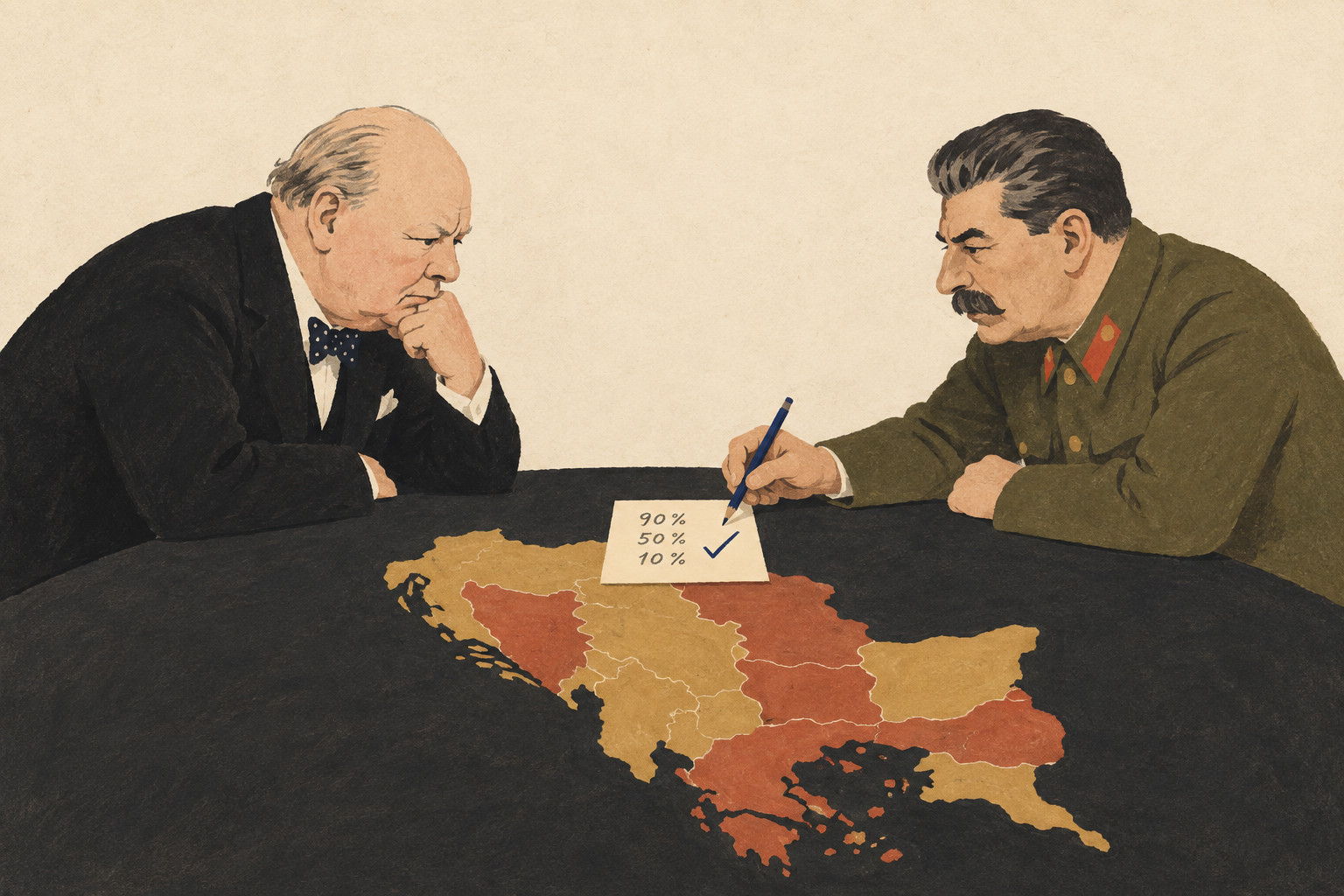
Late on the night of October 9, 1944, one of the most brazenly candid documents of the 20th century appeared on a table in the Kremlin. It had no title, no legal language and nowhere to sign. British Prime Minister Winston Churchill wrote the names of five countries on half a sheet of paper and placed percentages beside them. He then pushed it across the table to Soviet leader Joseph Stalin. Stalin read the proposal, marked it with a large blue tick and slid it back. In a matter of seconds, the fate of tens of millions of people had been reduced to something resembling the division of shares in a company.
A decade later, Churchill wrote that a moment of unease had come over him. Would it not seem cynical, he asked, that they had disposed so casually of matters affecting millions of people? He suggested burning the paper. Stalin, according to Churchill’s account, told him to keep it. The theatrical quality of that exchange comes, of course, from Churchill’s memoirs. But the paper, the blue tick and the discussion itself were no retrospective invention.
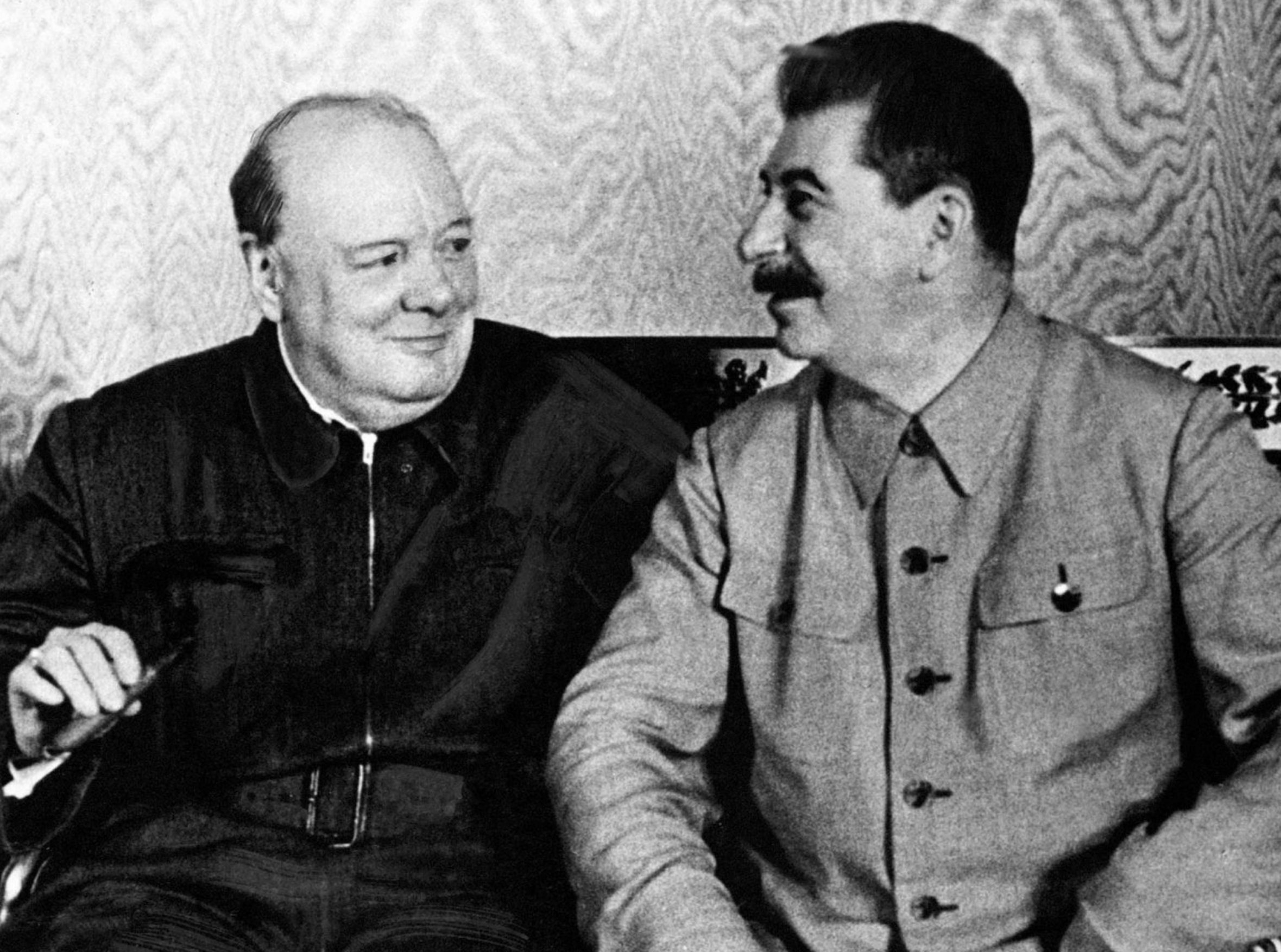
The Soviet record of the meeting confirmed the essence of what happened, including Stalin’s attempt to negotiate a larger Soviet share in Bulgaria. Even so, it would be too neat to say that Churchill and Stalin simply divided the Balkans between them that night. They were not sitting over a blank map. The Red Army already controlled the military situation in Romania and Bulgaria, was advancing through Yugoslavia and moving towards Hungary. British forces had begun entering Greece as the Germans withdrew. The percentages did not create the balance of power from nothing. They attempted to translate it into political terms and, more importantly, establish where the two powers would refrain from interfering too heavily with one another.
Precise numbers for an undefined kind of power
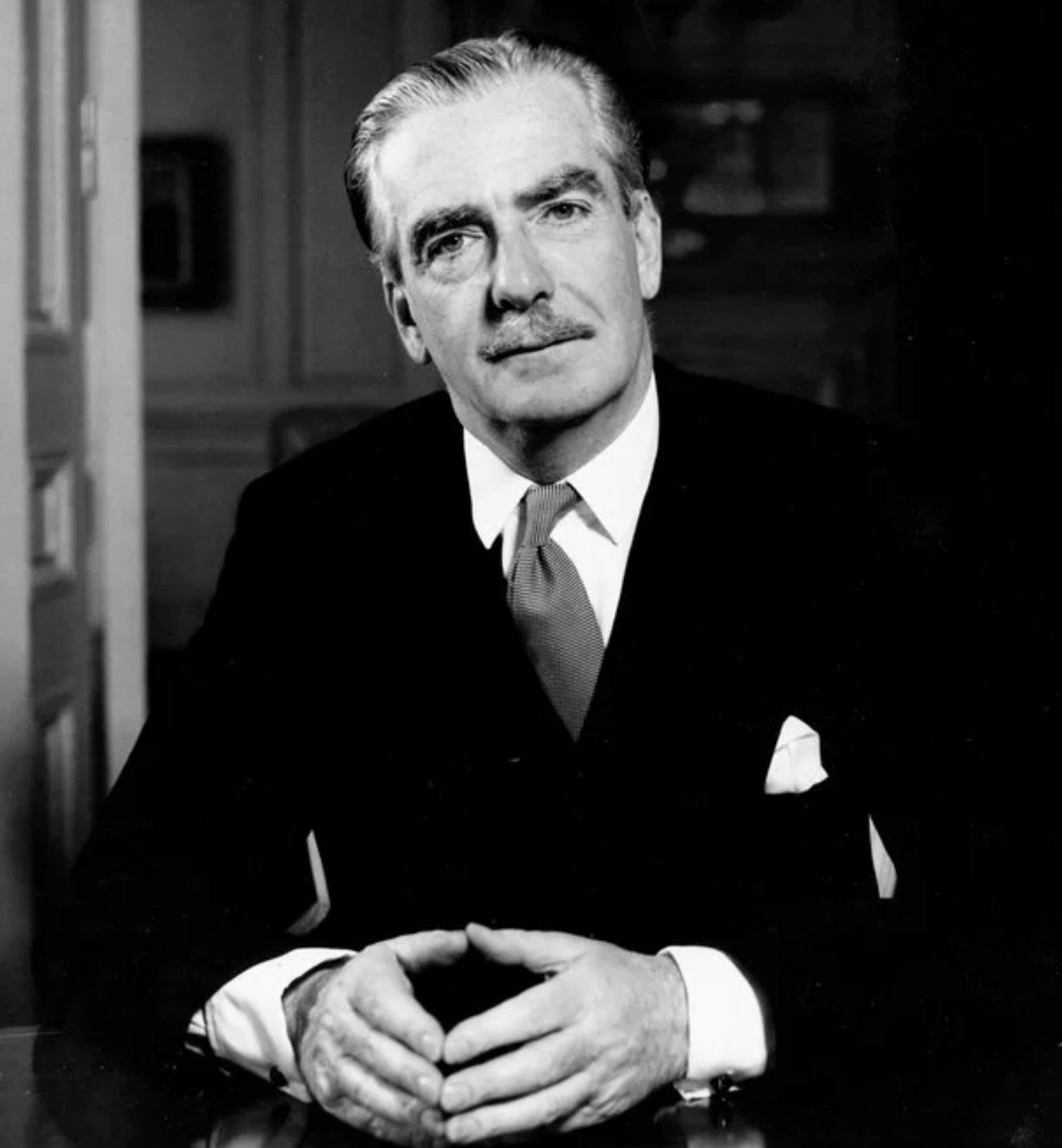
Churchill’s initial proposal gave the Soviet Union 90 percent predominance in Romania, leaving ten percent to the "others." In Greece, the proportions were reversed: Britain, acting in agreement with the United States, would receive 90 percent. Yugoslavia and Hungary were divided fifty-fifty. In Bulgaria, Moscow was to have 75 percent influence. Stalin demanded 90 percent, after which British Foreign Secretary Anthony Eden and his Soviet counterpart, Vyacheslav Molotov, continued the bargaining. They eventually settled on an 80 percent Soviet share in both Bulgaria and Hungary, while Yugoslavia remained symbolically divided fifty-fifty.
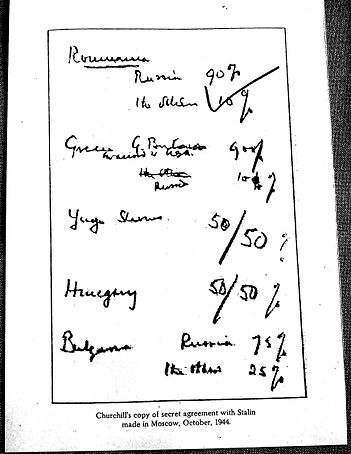
The percentage was an almost perfect unit of diplomacy: it looked precise even though no one knew exactly what it measured. Did fifty percent mean half the cabinet posts? Equal voting rights on an Allied control commission? The power to veto major decisions? No clear answer was ever established. The figures were therefore both shockingly explicit and practically meaningless. Each side could later interpret them according to its own needs.
Greece for Romania: the cold arithmetic of powerlessness
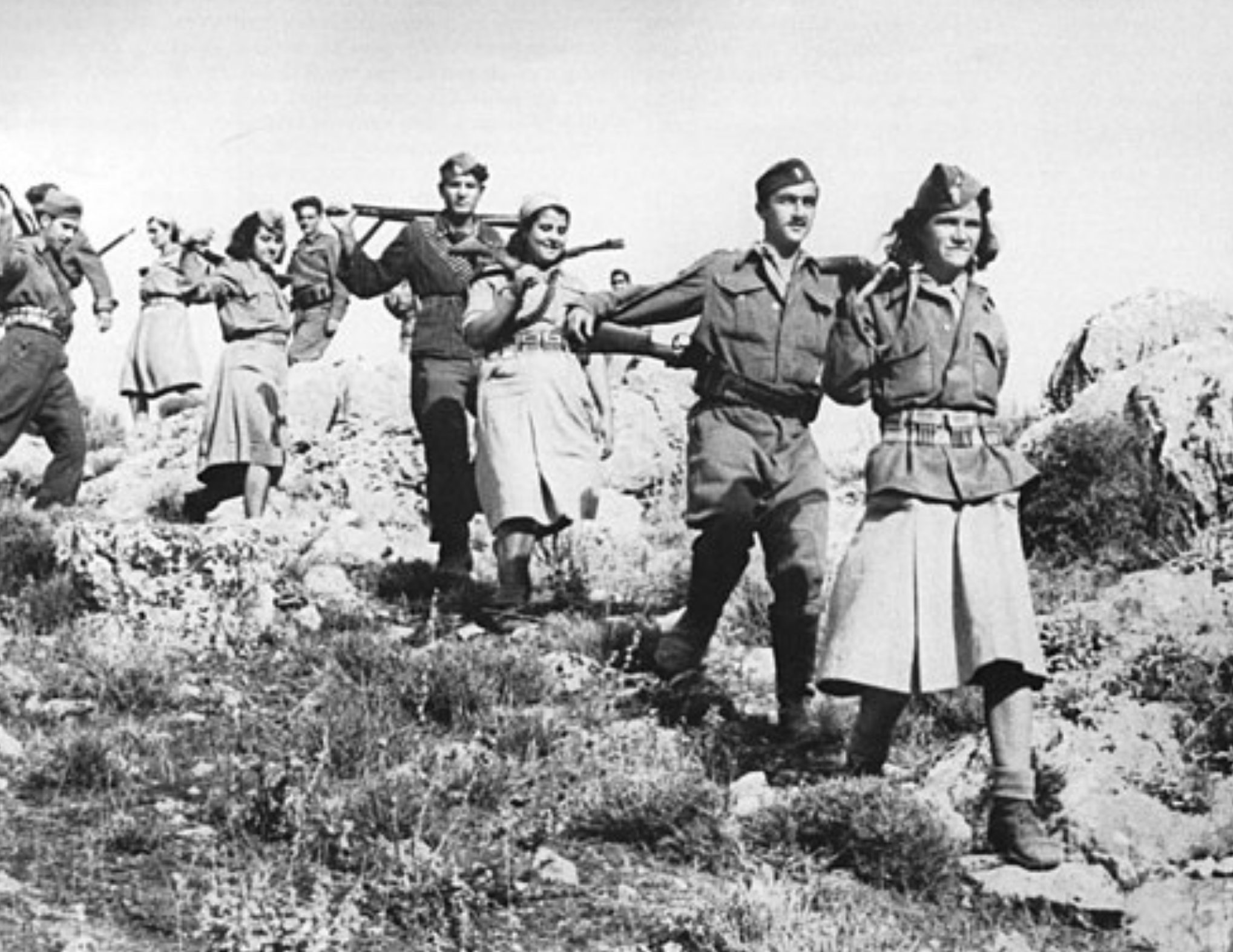
Greece mattered most to Churchill. Britain saw it as crucial to its position in the eastern Mediterranean and to the sea routes leading towards the Suez Canal. The problem was that the communist-led EAM, together with its military wing ELAS, had become the strongest force in the Greek resistance and controlled much of the country. It was not a Soviet puppet that Stalin could simply command from Moscow. That made the agreement all the more arrogant: it treated a major domestic political force as a token the Soviet leader could sweep off the board.
In return, Churchill accepted what the Soviet military was already turning into reality: Moscow would have the decisive voice in Romania and Bulgaria. He was not giving Stalin countries that Britain could have occupied or protected. He was promising not to mount any serious challenge to Soviet supremacy where London no longer had the means to do so. Realpolitik is often presented as cold-headed prudence, but from the perspective of weaker countries it usually looks like a polite name for someone else’s powerlessness.
US President Franklin D. Roosevelt was not in the room, and the American ambassador, Averell Harriman, took no part in the crucial exchange. Churchill later assured Roosevelt that nothing in the arrangement bound the United States and that it was merely a temporary wartime understanding, which would eventually be incorporated into a common "Allied policy." Washington had already reluctantly tolerated an experimental division of "responsibility" under which the British would take the lead in Greece and the Soviets in Romania.
Churchill’s other secret sentence
In public, the arrangement could be described as a temporary division of Allied "responsibility." Churchill’s private correspondence was far more direct. In early November 1944, as tensions between the Greek government and EAM intensified, the British prime minister defended his policy by arguing that Britain had already "paid the price" to Russia for freedom of action in Greece. For him, then, the scrap of paper from Moscow was not merely a non-binding outline for future consultations. It was political capital that he intended to spend.The starkest formulation came in a message to Foreign Secretary Anthony Eden on November 7. As long as the Russians allowed Britain a free hand in Greece, Churchill wrote, London could do little more than stand by and watch in Romania. The sentence neither created Soviet military supremacy in Bucharest nor amounted to an international treaty, but it clearly showed how the prime minister understood the reciprocal nature of the arrangement. Soviet restraint in Athens came with a political price at the other end of the Balkans.
When the percentages acquired armies, police forces and governments
Greece soon demonstrated why Stalin’s restraint mattered so much to Churchill. In December 1944, while the war against Germany was still being fought, Athens became a battlefield. On one side stood EAM and ELAS, on the other, British forces and the government backed by London. British troops were fighting people who had been battling the Nazi occupation only months earlier, and Churchill personally travelled to Athens on Christmas Day. Moscow did not intervene. The Kremlin paper did not itself cause the conflict, and Stalin had shown no intention of sending troops into Greece in any case. Nevertheless, the arrangement gave Churchill confidence that Britain could act there without risking a direct confrontation with the Soviets.
In the east, the percentages did not produce communist regimes overnight either. Romania still had a king and a coalition government in October 1944, while non-communist parties continued to enjoy considerable support in postwar Hungary. Soviet domination emerged gradually through military presence, control commissions, the police and the elimination of political opponents. Romania, Bulgaria and Hungary did ultimately become part of the Soviet bloc, but not because a percentage written on a piece of paper possessed some mysterious legal power. The paper merely anticipated the direction in which the armies were already pushing them.
What 90 percent looked like in Bucharest
In Bucharest, the vaguely defined Soviet 90 percent became a very concrete audience only a few months later. Andrei Vyshinsky, the Soviet deputy foreign minister, arrived in late February 1945 and demanded that King Michael dismiss the government of General Nicolae Rădescu and appoint a cabinet led by Petru Groza. The king tried to negotiate over the composition of the new government, but he was negotiating in a country filled with Soviet troops and with a representative of the power that held the decisive position on the Allied Control Commission.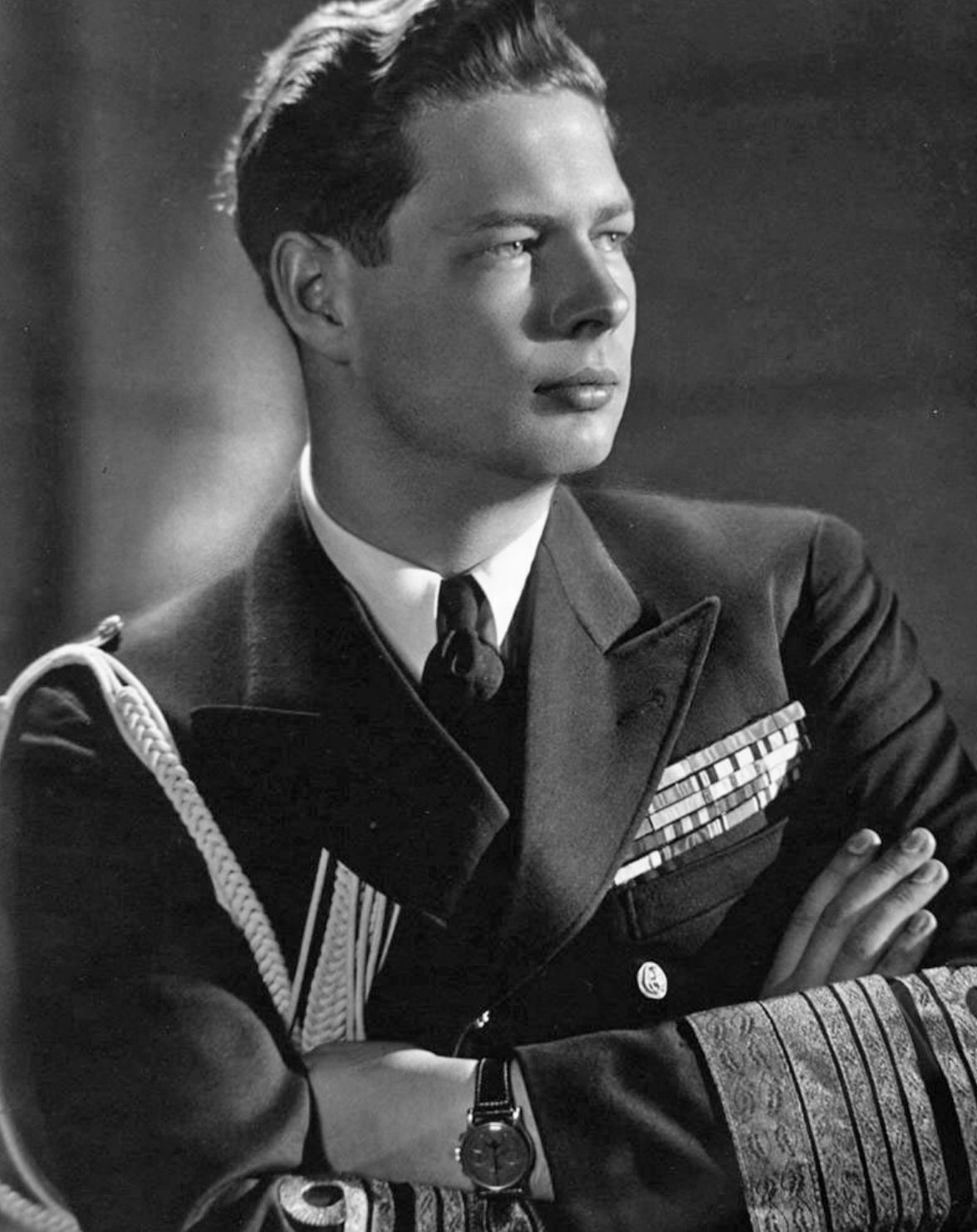
The paper could not calculate Tito
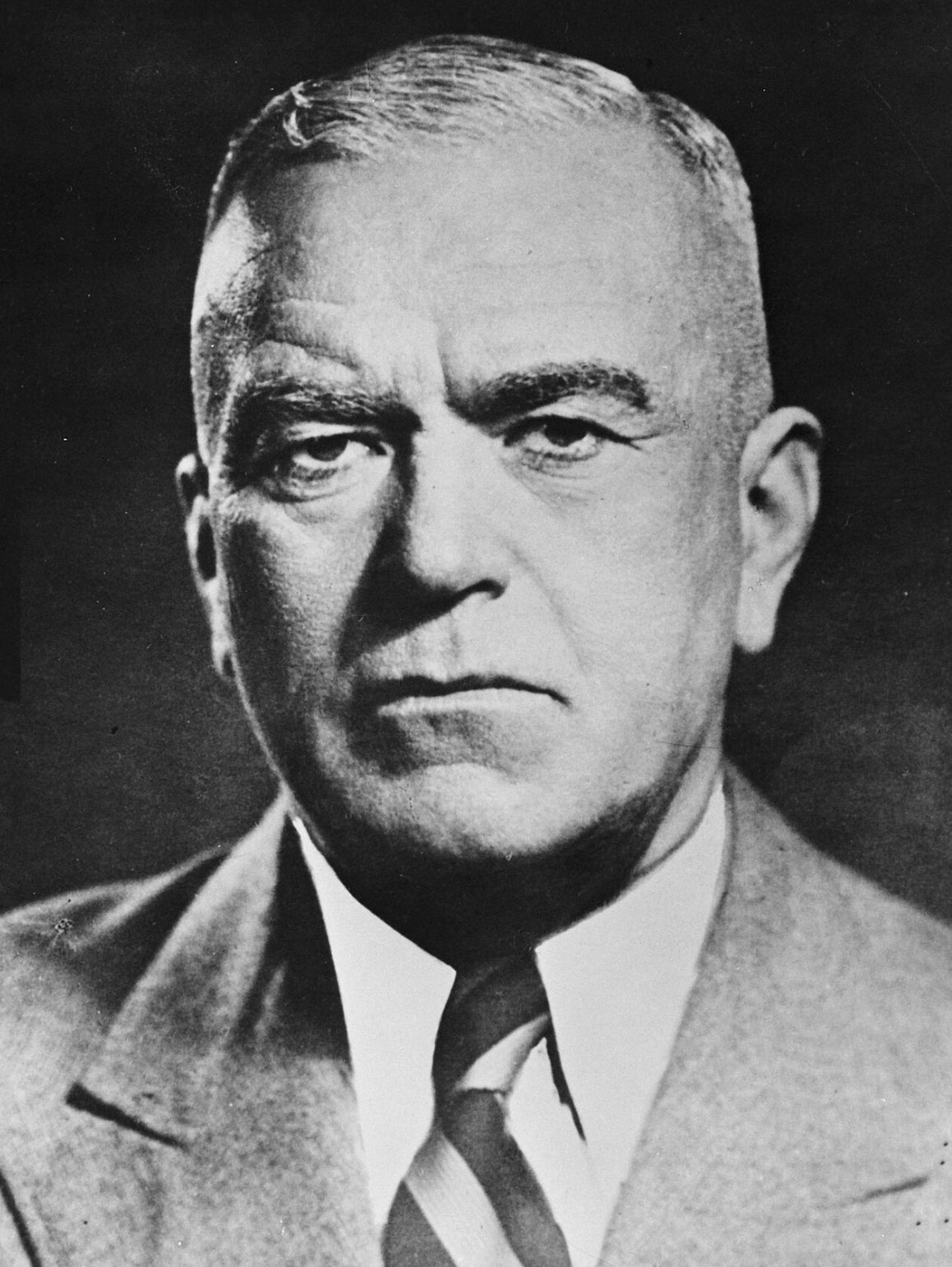
Yugoslavia was the clearest failure of this tidy arithmetic. Churchill and Stalin had written down fifty-fifty, but Josip Broz Tito’s Partisan movement already possessed its own army, territory and political structure. British influence never came close to representing half of the country’s real power.
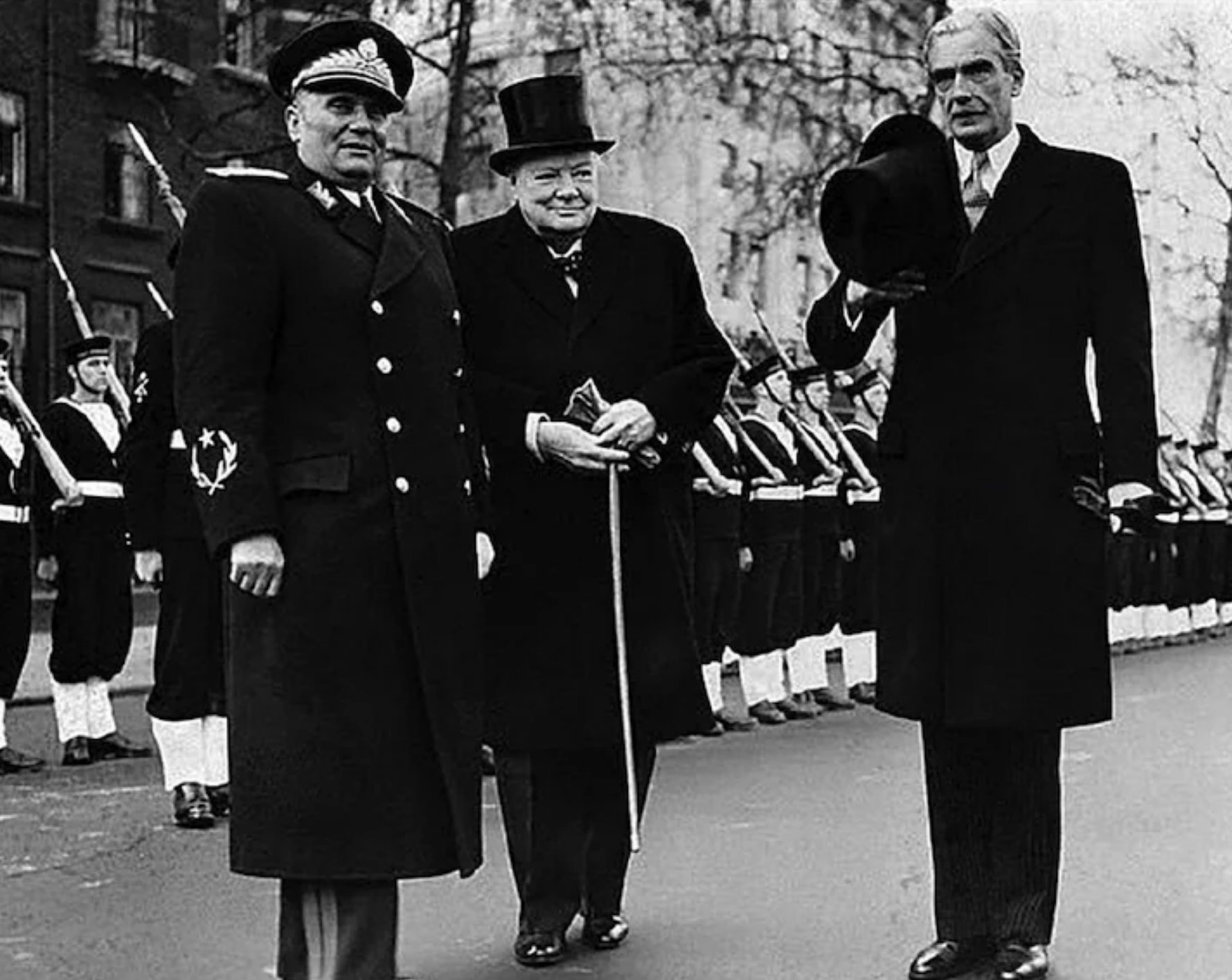
A communist Yugoslavia emerged, but as early as 1948 Tito broke with Stalin and refused to become an obedient Soviet satellite. The country did not end up half British and half Soviet. It became a project that sought to avoid subordination to either side. The paper could allocate percentages, but it could not calculate Tito.
How Tito shocked Stalin and showed the world that Yugoslavia was truly independent
Churchill and Stalin could assign Yugoslavia a fifty-fifty split on their piece of paper, but Josip Broz Tito possessed something that could not be divided into percentages: a victorious movement that had emerged from within the country itself. Unlike the communist leaderships in Romania, Hungary or Poland, his rise to power did not depend on Soviet tanks. The Red Army assisted in the liberation of Belgrade, but the Partisans liberated most of Yugoslavia. Tito could therefore do what almost no other Eastern European leader could: say no to Stalin, then remain alive and in power.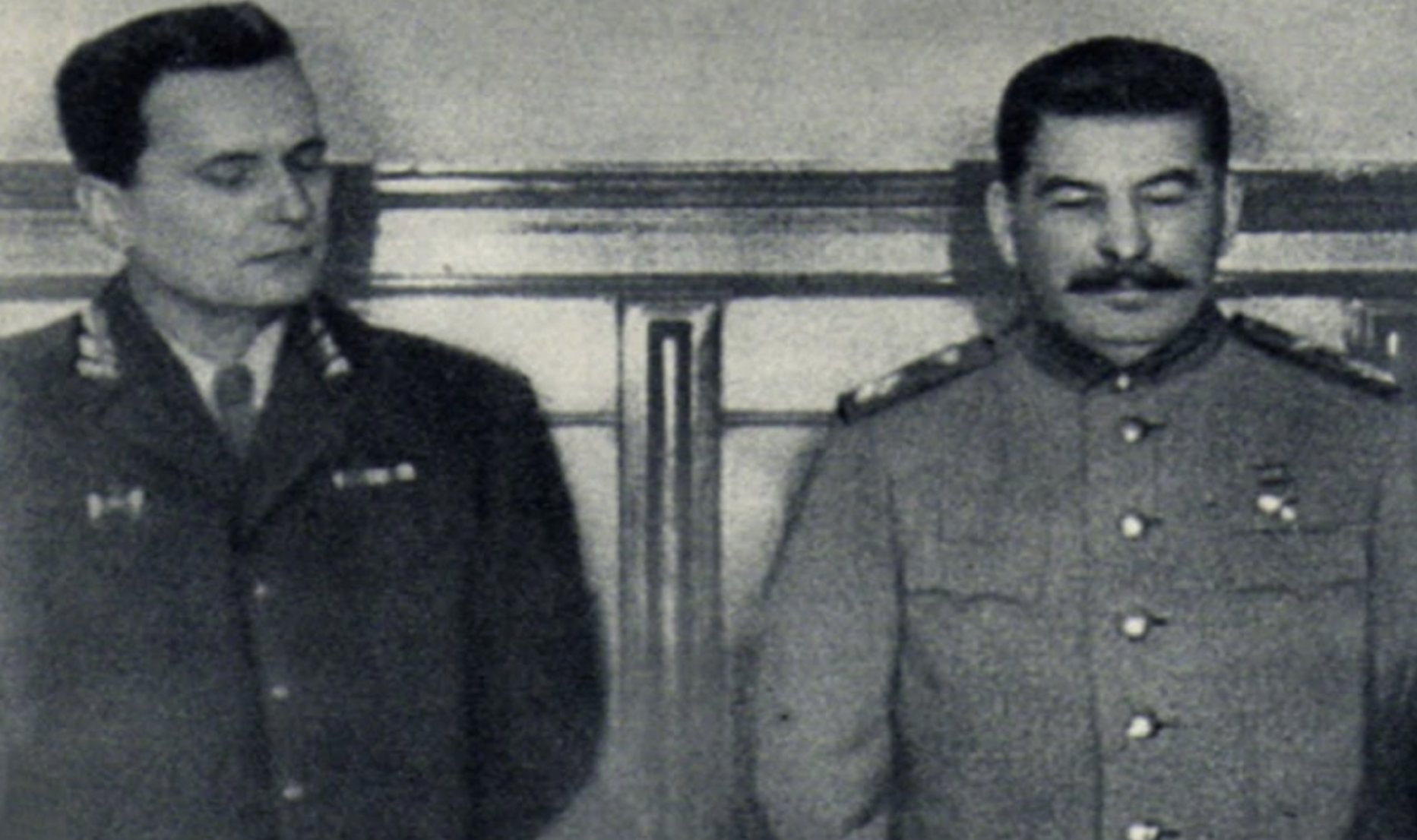
In the spring of 1948, Moscow withdrew its military and civilian advisers, while the Soviet and Yugoslav parties exchanged letters filled with accusations. Stalin expected Tito either to retreat before his authority or to be removed from within by more obedient Yugoslav communists. When neither happened, the Cominform — the international advisory and coordinating body of communist parties established in September 1947 — condemned the leadership of the Communist Party of Yugoslavia on June 28, 1948, effectively calling on the country’s "healthy forces" to overthrow it. Belgrade did not capitulate. It publicly rejected the accusations and even challenged Moscow’s right to decide what did and did not constitute proper Marxism. US intelligence immediately recognised the emergence of the first major fracture in the Soviet bloc.
Nikita Khrushchev later claimed that Stalin had told him he needed only to move his little finger and Tito would be gone. But Stalin moved far more than a finger. What followed was an economic blockade, border incidents, threats of military intervention and attempts to foment an internal coup. Tito survived because he controlled the army, the security apparatus and most of the party. Yugoslavia subsequently accepted Western economic and military assistance, but it did not join the Western camp. That was precisely what made the split historic: Tito did not replace Soviet patronage with American patronage, but attempted to carve out a space between the two blocs.
That independence, of course, had a dark side. Tito’s government persecuted both real and alleged Cominform supporters, while Goli Otok became a place of imprisonment, torture and political "re-education." Defying Stalin certainly did not turn Yugoslavia into a democracy. This was a conflict between two communist systems, but only one of them believed it had the right to command all the others.
Even so, the geopolitical message was immense. While other Eastern European states were becoming Soviet satellites, war-ravaged Yugoslavia demonstrated that socialism did not have to mean automatic obedience to Moscow. The later development of workers’ self-management and the Non-Aligned Movement grew directly from the need to turn that independence into something more than mere survival. What shocked Stalin was not simply that Tito had defied him. It was that Tito had shown the entire communist world that the Soviet leader could be challenged — and defeated.
There was ultimately no column on the percentage sheet for what Romanians, Greeks, Yugoslavs, Bulgarians or Hungarians wanted. The only question was how much say London would have over them and how much would belong to Moscow. The paper did not draw the Iron Curtain, but it captured the moment when its measurements were already being taken.
Sources
- Russian Federal Archival Agency (Rusarchives) Transcript of conversation between Joseph Stalin and Winston Churchill https://alliance.rusarchives.ru/transcript-conversation-between-joseph-stalin-and-winston-churchill
- CVCE - University of Luxembourg The division of Europe, according to Winston Churchill and Joseph Stalin (1944) https://www.cvce.eu/en/obj/the_division_of_europe_according_to_winston_churchill_and_joseph_stalin_1944-en-d95dc91b-9c1e-47f3-9344-5d4d4da1434d.html
- The American Historical Review / JSTOR The Churchill-Stalin Secret “Percentages” Agreement on the Balkans, Moscow, October 1944 https://www.jstor.org/stable/1862322
- U.S. Department of State, Office of the Historian The American Representative in Rumania (Berry) to the Secretary of State, March 7, 1945 https://history.state.gov/historicaldocuments/frus1945v05/d366
- U.S. Department of State, Office of the Historian The American Representative in Rumania (Berry) to the Secretary of State, August 31, 1945 https://history.state.gov/historicaldocuments/frus1945v05/d447
- The National WWII Museum The Greek Civil War, 1944–1949 https://www.nationalww2museum.org/war/articles/greek-civil-war-1944-1949
- Associated Press Scars of December: A pivotal Cold War-era battle in Greece quietly passes its 80th anniversary https://apnews.com/article/2bb1bbc54e1b2d575a64abe0b1d21898
- United States Holocaust Memorial Museum Axis Invasion of Yugoslavia https://encyclopedia.ushmm.org/content/en/article/axis-invasion-of-yugoslavia
Comments