
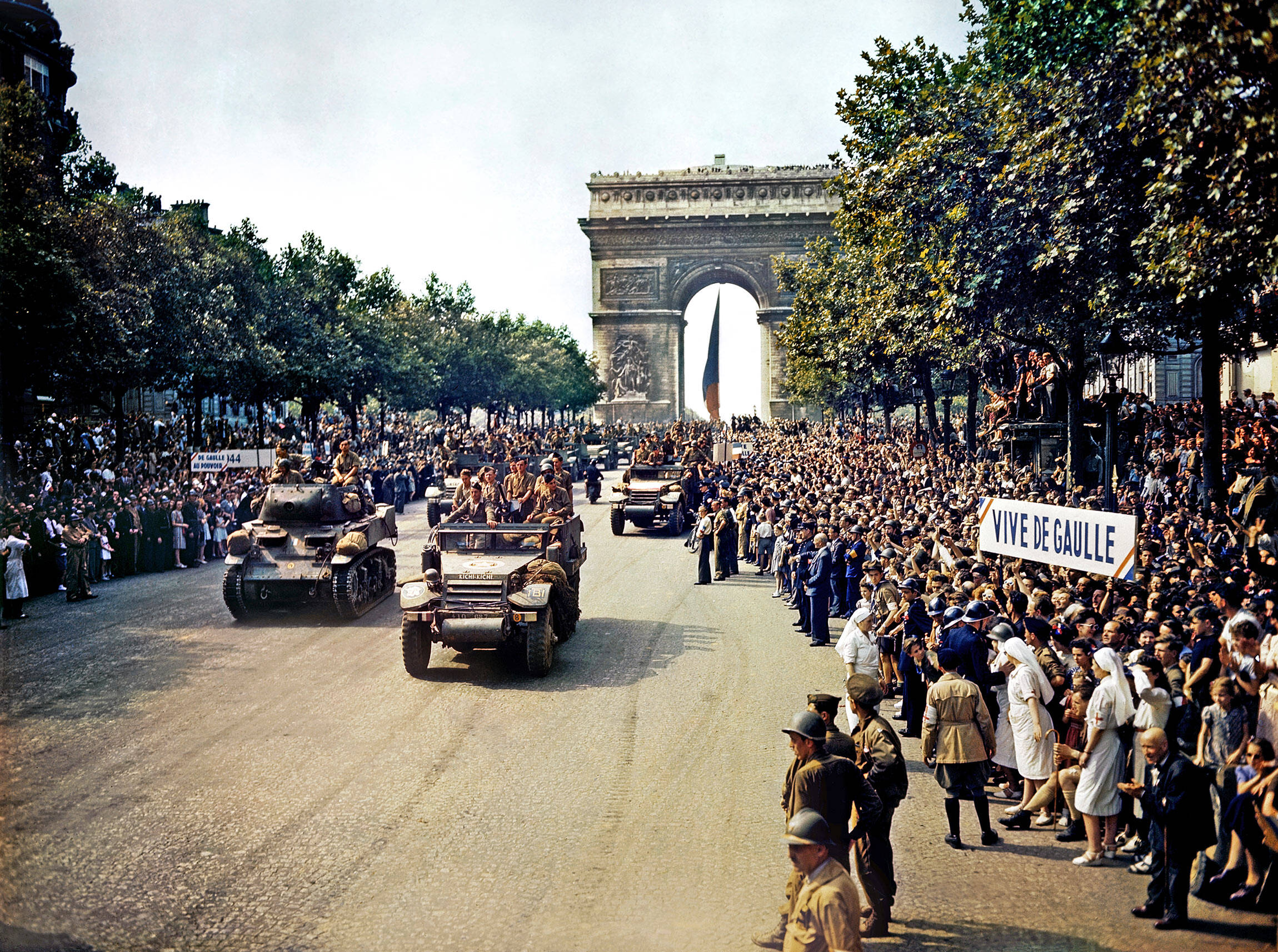
Paris in August 1944 was almost liberated, but it was not yet free – and that was precisely the problem. German columns were retreating eastward, Allied tanks were breaking out of Normandy, and in the command headquarters a cool-headed and perfectly sensible idea prevailed: do not enter the city. Bypass it, isolate the German garrison and keep moving toward the Rhine. From a general’s point of view, the Eiffel Tower was not a military objective. It was a landmark sitting beside an enormous logistical calculation.
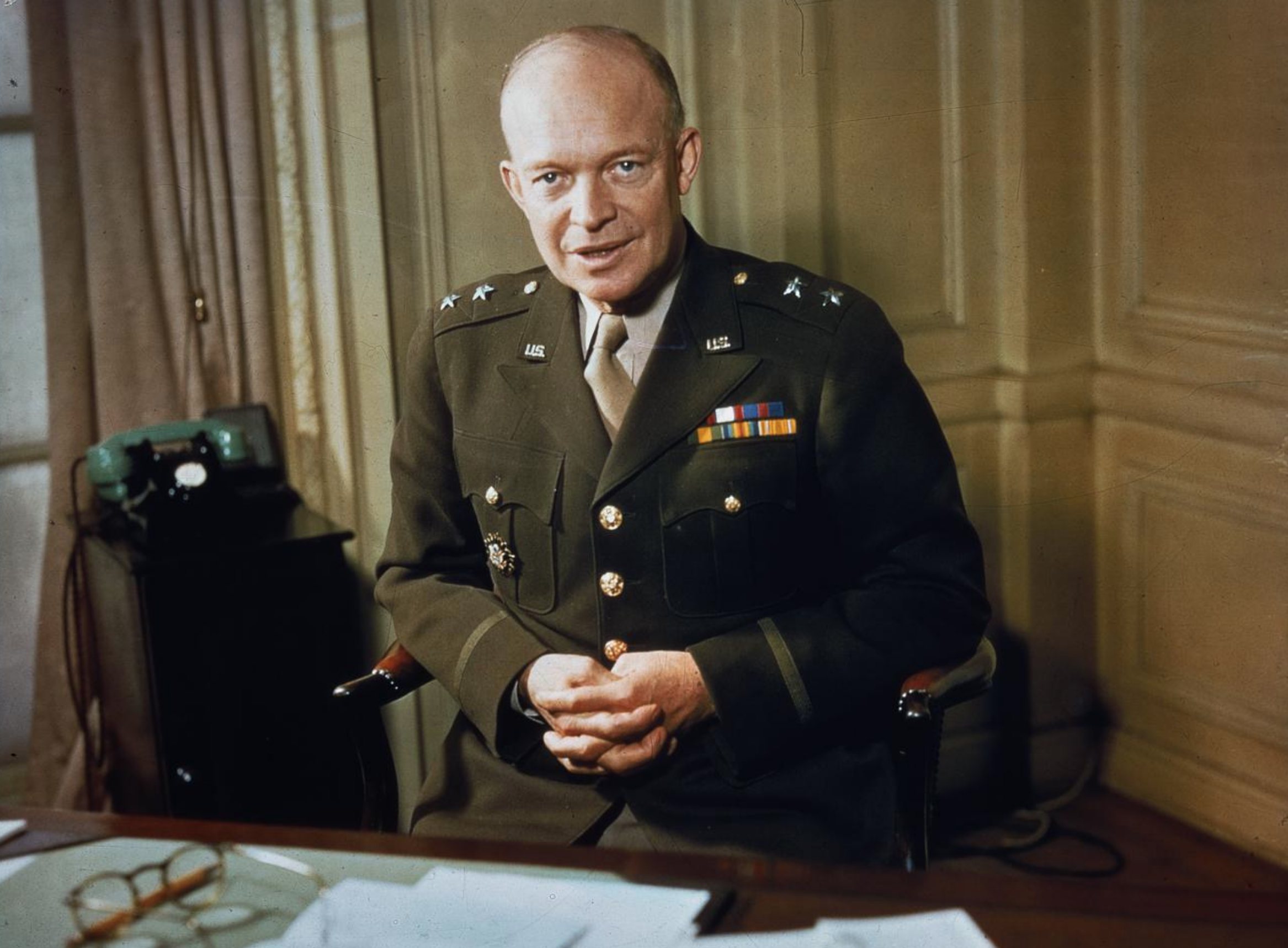
But capitals have an inconvenient habit of refusing to remain mere points on a map. While Dwight D. Eisenhower, the American general and Supreme Allied Commander, counted fuel, bridges and the days that might be lost in street fighting, Charles de Gaulle, leader of the Free French, was calculating something else – legitimacy. Because whoever entered Paris first would not merely liberate the city. In all likelihood, they would also determine who would speak for France once the occupation was over.
The plan to bypass Paris was not born of indifference toward its inhabitants. Militarily, it made perfect sense. Allied logisticians estimated that a liberated Paris would require roughly 4,000 tons of supplies every day. If the same transport capacity were devoted to fuel for combat units instead, it could support a three-day motorized advance toward the German border. The city that represented France in the political imagination appeared on military planning sheets as a metropolis of millions consuming food, coal and trucks.
After the collapse of the German front in Normandy, the Allies did not want to give the Wehrmacht time to recover and establish a new defensive line. A battle for a major capital could drag on for weeks. It could consume divisions needed elsewhere, devastate the city and halt the offensive at the very moment when the German army finally seemed to have lost its balance. In a war between symbols and gasoline, gasoline usually wins. Paris, however, was about to become an exception.
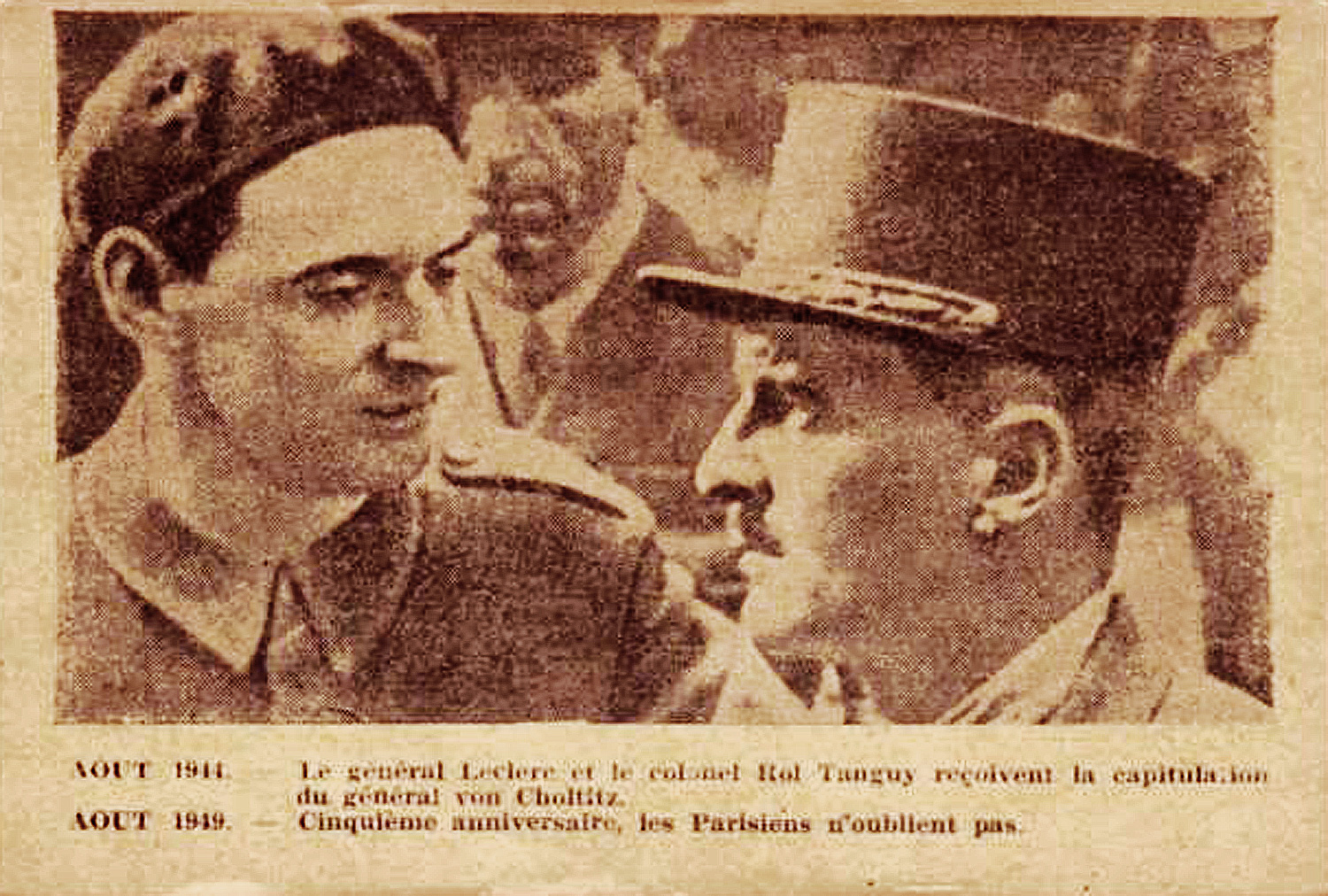
The city itself stopped waiting for Allied plans. On August 19, members of the French Forces of the Interior, known as the FFI, launched an open uprising. The police prefecture and municipal buildings fell into their hands, while barricades rose across the streets. Henri Rol-Tanguy, the Communist commander of the Paris Resistance, directed operations from a shelter roughly twenty meters beneath Place Denfert-Rochereau. It was a fitting image – the French state had not yet been restored, but its underground version was already issuing orders.
The uprising was courageous, but militarily fragile. Many of the fighters were short of weapons, while the German garrison still had tanks and artillery. Raoul Nordling, the Swedish consul general, managed to negotiate a temporary truce between the Germans and part of the Resistance. It was intended to allow a prisoner exchange and prevent immediate bloodshed. But nobody knew how long it would hold. For the insurgents, time had begun moving faster than it did for the generals outside the city.
For de Gaulle, every additional hour carried two dangers. The German army might crush the uprising, but the Communists might also emerge from the fighting as the force that had liberated the capital on its own. The United States had not yet even formally recognized de Gaulle’s Provisional Government of the French Republic – it would do so only on October 23, 1944. De Gaulle understood perfectly well that diplomatic recognition often arrives only after someone has created a fact on the ground that can no longer be ignored. Paris had to become exactly that kind of fact.
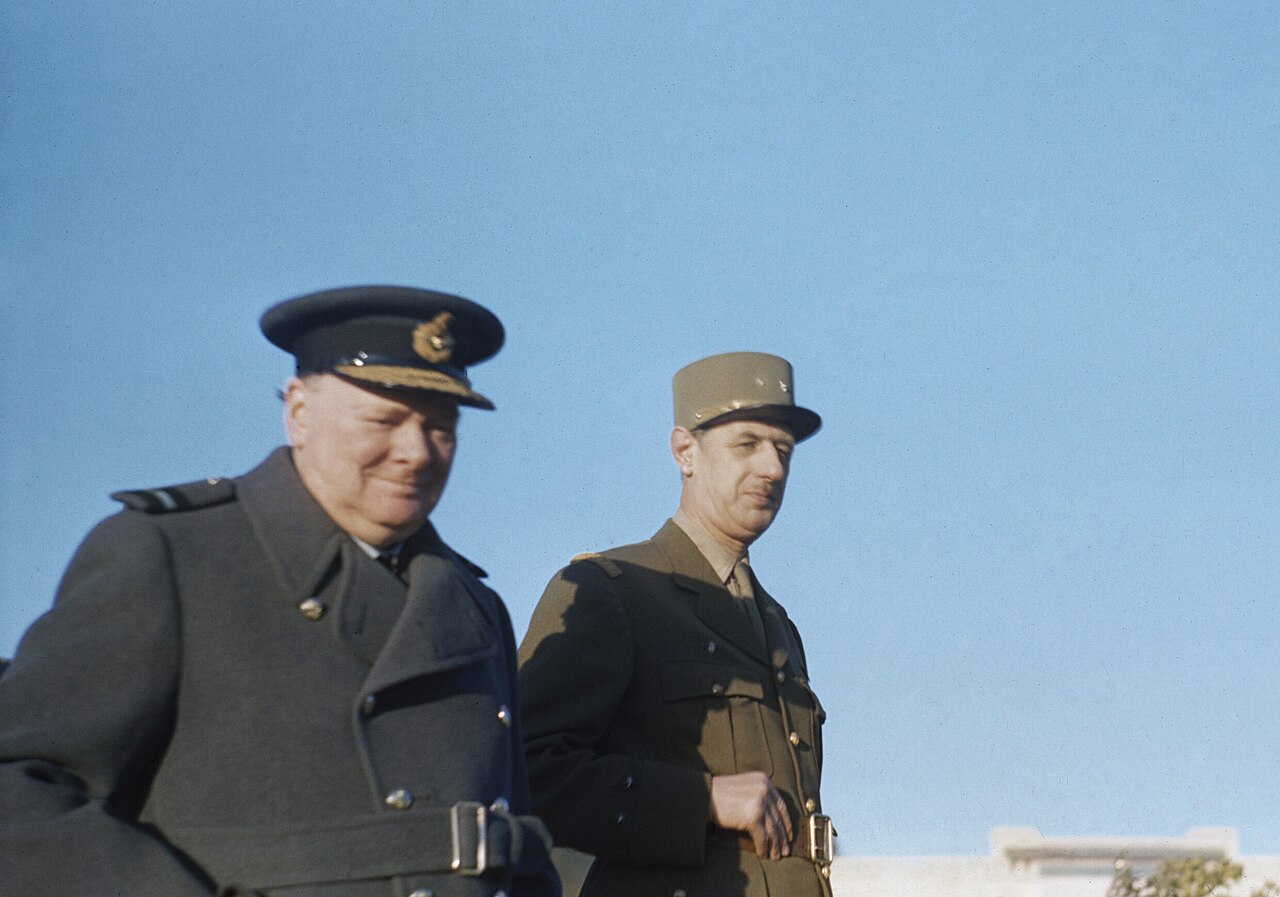
On August 21, de Gaulle asked Eisenhower to send troops. The American commander initially refused to change the plan. De Gaulle then sent him a letter that the official U.S. Army history would later describe as a polite threat – if the Allies would not march on Paris, the French might do so themselves. Philippe Leclerc, the French general commanding the 2nd Armored Division, was already thinking along the same lines. Without authorization, he sent a small armored column toward the city, officially on a reconnaissance mission. His superiors ordered it back. In the military chain of command, this was insubordination. In French national memory, it would later be called a sense of the historical moment.
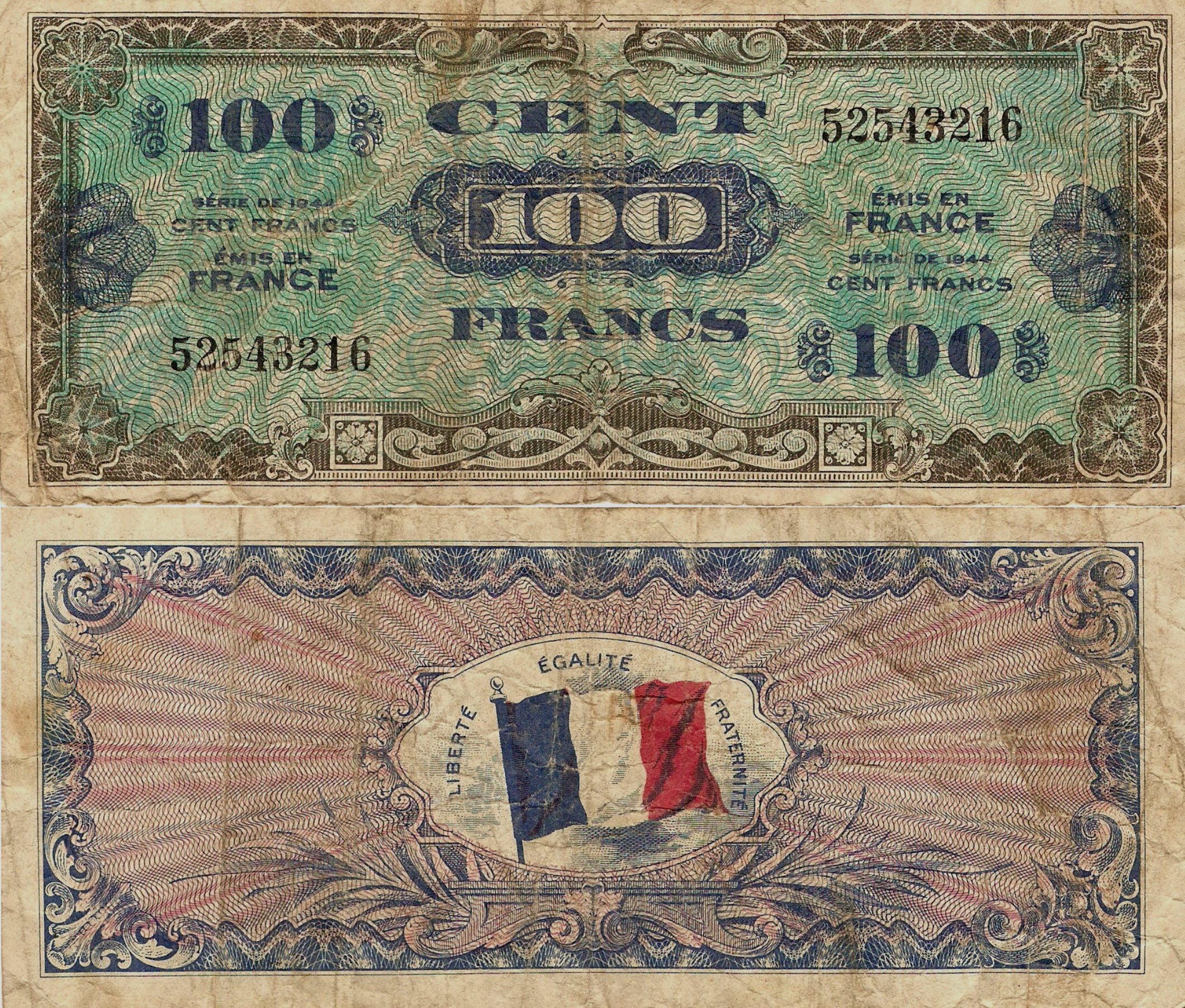
The money de Gaulle refused to recognize: the Americans had already printed French francs
The Allies prepared for their return to France in such detail that they even printed money in advance. Special franc-denominated banknotes were produced for troops and civilians in liberated territory, complete with the French tricolor and the motto Liberté, Égalité, Fraternité. They looked French, but they were not backed by the French state. And for Charles de Gaulle, that was precisely where the problem began.Washington still did not recognize de Gaulle’s Provisional Government as the lawful government of France, so the Americans believed the Allied command could declare its own francs legal tender in liberated territory. De Gaulle reacted almost explosively. French diplomatic correspondence even records him describing the notes as "counterfeit money." His argument was simple: the right to issue currency belongs to the state. If he accepted a foreign army deciding which money had value in France, he would implicitly be accepting that France still lacked a sovereign government of its own.
Eisenhower gave in on August 22. Resistance envoys had reached him with rather optimistic reports that the insurgents controlled much of the city and several important bridges. He decided to send Leclerc’s 2nd Armored Division, supported by the U.S. 4th Infantry Division. The operation was presented as assistance to the FFI, transforming a political problem into a military intervention.
The bill arrived immediately. Eisenhower ordered 23,000 tons of food and 3,000 tons of coal to be sent to Paris. Some of the supplies were to be delivered by air. The city had not yet been liberated, but its hunger had already found a place in the Allied transport schedule. It was confirmation that the original plan to bypass Paris had been based on genuine logic – and that Eisenhower had consciously chosen to override it.
The French advanced toward the city on August 24 in heavy rain. German resistance proved stronger than the Resistance envoys had suggested. Roads were mined, approaches were covered by artillery and some intersections had been turned into fortified positions. Curiously, the advance was also slowed by Parisians rushing in front of armored vehicles, throwing flowers and trying to kiss the soldiers. Few military manuals had a chapter explaining how to break into a defended city while the population simultaneously blocked your road out of sheer joy.
The first Allied soldiers to reach the center that evening belonged to a unit known as La Nueve, the 9th Company of Leclerc’s division. Of its roughly 160 men, as many as 146 were Spanish Republicans who had fled their country after Francisco Franco’s victory. Their armored vehicles carried names such as Guernica and Ebro, recalling places from the Spanish Civil War. The war they had lost in Spain had carried them all the way to a French victory. At around half past nine that evening, their half-tracks reached the Hôtel de Ville.
The Communist signature on the surrender of Paris that de Gaulle would rather not have seen
When the German commander of Paris, Dietrich von Choltitz, signed the surrender on August 25, 1944, the document was supposed to convey a fairly straightforward message: the German army was surrendering the city to the French army. But on one French copy, another signature appeared. Alongside General Philippe Leclerc was the name of Henri Rol-Tanguy, a Communist and regional commander of the French Forces of the Interior who had directed the Paris uprising from his underground headquarters. At the request of Resistance representatives, Leclerc allowed Rol-Tanguy to add his signature as recognition of the role played by those who had fought inside Paris itself.When Charles de Gaulle arrived soon afterward at the headquarters in Montparnasse station and saw the document, he was not pleased. He reproached Leclerc for allowing Rol-Tanguy to sign it. The problem was not simply that Rol-Tanguy was a Communist. The signature suggested something politically far more sensitive – that at the moment of liberation there were two sources of military authority: the regular French army and the armed Resistance. And de Gaulle was spending that very day trying to prove precisely the opposite: France had one state, one government and one chain of command.
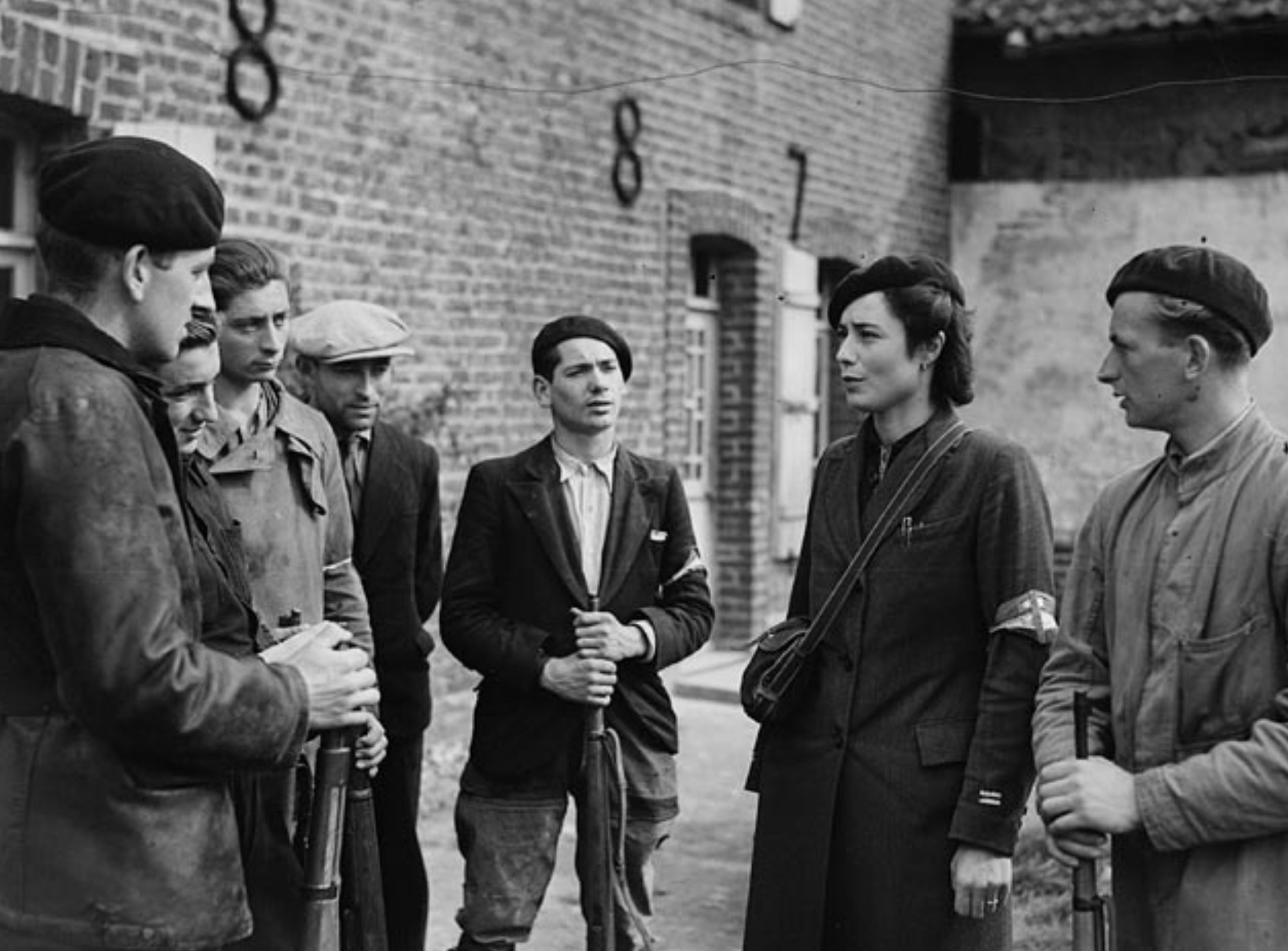
Yet the story does not have the entirely Cold War-style ending one might expect. De Gaulle acknowledged the military contribution of the internal Resistance, and on June 18, 1945, he personally named Rol-Tanguy a Compagnon de la Libération, one of the highest honors of Free France. The signature that had irritated him politically in August 1944 was no longer a threat a year later. By then, the state was strong enough to allow itself to recognize those who had helped liberate it from outside its formal chain of command.
The main French and American forces entered Paris on August 25. Dietrich von Choltitz, the German military governor of the city, was arrested at the Hôtel Meurice and taken to the police prefecture, where he signed the capitulation. The surrender was then confirmed at Leclerc’s headquarters at Montparnasse. After more than four years of occupation, the German flag was lowered from public buildings and the bells of Parisian churches began announcing what Allied military plans had not even anticipated only days before.
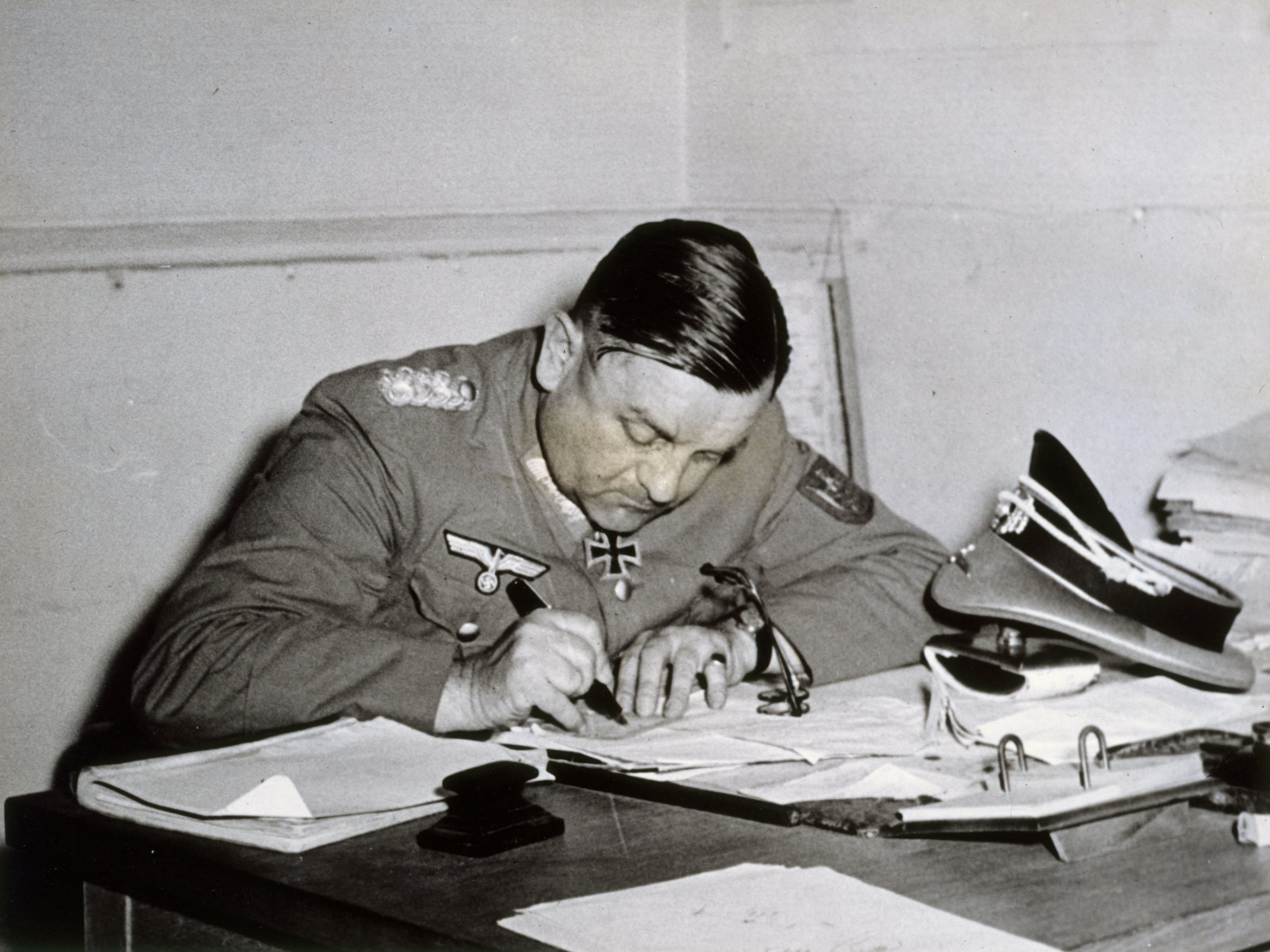
Adolf Hitler had ordered that Paris must not fall into enemy hands except as a "field of ruins". Choltitz did not carry out that order. Postwar legend therefore turned him into something close to a romantic savior of the city, a German general who supposedly succumbed at the last moment to the beauty of Paris and the demands of his own conscience. The reality was less elegant. His military position was collapsing, his forces were limited, and the complete destruction of the city would not have been easy to carry out. He also continued resisting until the surrender itself. Paris was not preserved simply because one German general suddenly discovered architecture.
De Gaulle arrived in the city that same day. He first went to the War Ministry and entered the office he had occupied in 1940, as though four years of occupation had been nothing more than a violently interrupted working day. He then delivered his famous speech outside the Hôtel de Ville, beginning with the celebrated words about Paris humiliated, Paris broken and Paris martyred – but Paris liberated. He barely mentioned the Allied role. In de Gaulle’s version of events, France had liberated France.
This was not merely vanity, although de Gaulle was hardly deficient in that department. It was a carefully staged act of statecraft. France could not be allowed to appear as a liberated territory to be administered by the British and Americans, but as a republic that had restored its own lawful authority by its own forces. When de Gaulle walked down the Champs-Élysées through an enormous crowd the following day, the procession looked like a referendum without ballot papers. Washington would recognize his government two months later. The streets of Paris had already done so.
Eisenhower, then, had not been militarily wrong. Paris was liberated roughly 55 days earlier than the Allied logistical timetable had envisaged and immediately became another burden on a supply system already struggling to keep pace with the army’s rapid advance. But war does not unfold only on headquarters maps. A capital in revolt could not be treated like a warehouse that could simply be bypassed and taken over later.
Logistics tells an army where it can go. History sometimes tells it where it must.
Sources
- Defense.gouv.fr La Libération de Paris [1944 : la France libérée 3/4] https://www.defense.gouv.fr/actualites/liberation-paris-1944-france-liberee-34
- Museeliberation-leclerc-moulin.paris.fr Salle 10 : LES COMBATS DE LA LIBÉRATION DE PARIS (AOÛT 1944) https://www.museeliberation-leclerc-moulin.paris.fr/salle-10-les-combats-de-la-liberation-de-paris-aout-1944
- Paris.fr La « Nueve », ces républicains espagnols qui ont libéré Paris ! https://www.paris.fr/pages/la-nueve-ces-republicains-espagnols-qui-ont-libere-paris-7066
- Encyclopedia.ushmm.org 1944: Key Dates | Holocaust Encyclopedia https://encyclopedia.ushmm.org/content/en/article/1944-key-dates
- Defense.gouv.fr Le 25 aout 1944, Paris libéré https://www.defense.gouv.fr/mission-liberation/actualites/25-aout-1944-paris-libere
- Charles-de-gaulle.org Discours de l'Hôtel de Ville de Paris, 25 août 1944 https://www.charles-de-gaulle.org/wp-content/uploads/2017/03/Discours-de-lHotel-de-Ville-de-Paris.pdf
Comments