
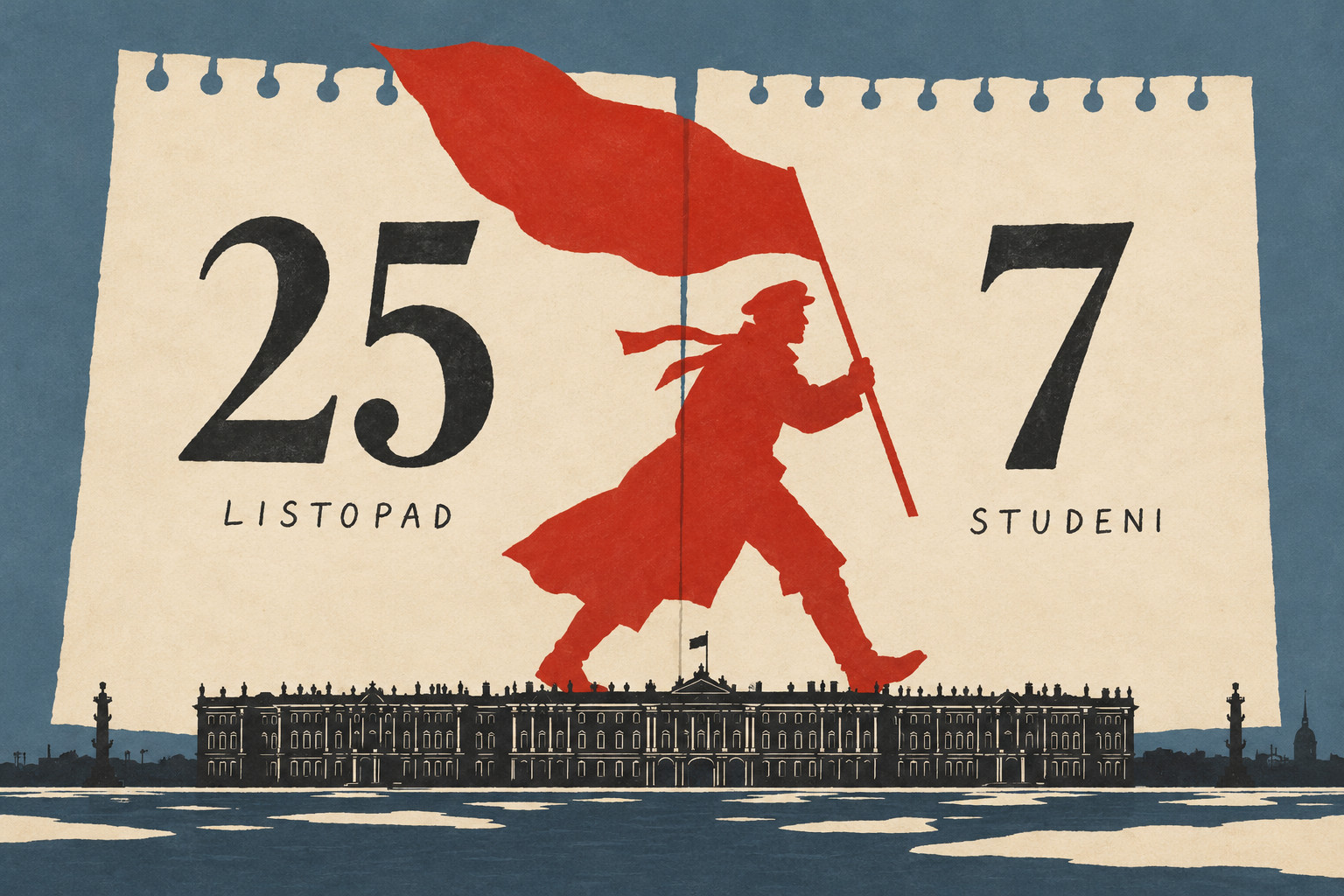
The Bolshevik uprising began on November 6 by today’s calendar, but the revolution’s name outlived both the empire and the calendar that gave rise to it.
The most famous October in political history began on November 6. On that day in 1917, according to the calendar we use today, Bolshevik forces began seizing key positions across Petrograd. They captured the Winter Palace on the night of November 7–8. Yet the event became known not as the November Revolution, but as the October Revolution.
This is not, of course, a historical error. In 1917, Russia still used the Julian calendar, which lagged thirteen days behind the Gregorian calendar. While it was November 6 in London, Paris and Zagreb, calendars in Petrograd showed October 24. When the Bolsheviks announced the overthrow of the Provisional Government the following day, it was October 25 for them—and November 7 across most of Europe.
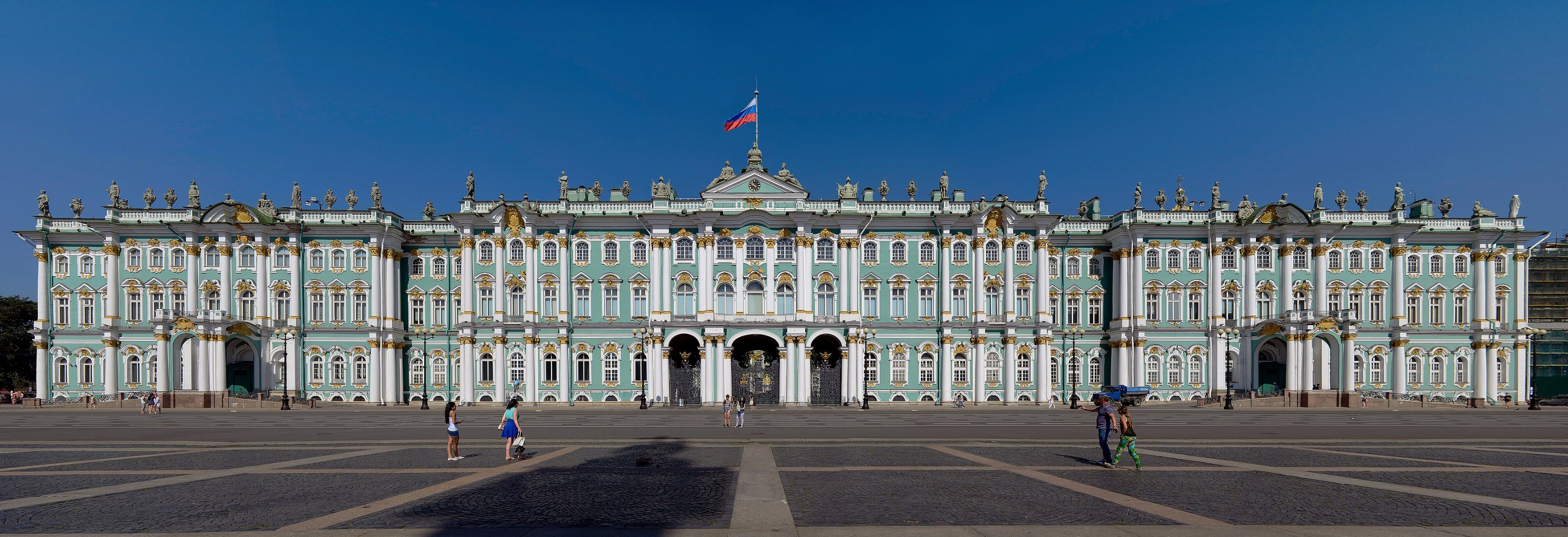
Thirteen days between two calendars
The discrepancy ultimately arose from a matter of minutes. The Julian calendar, introduced in the time of Julius Caesar, treated every fourth year as a leap year. This was a very good approximation of the solar year, but not a perfectly accurate one. Over the centuries, the tiny annual error accumulated, so the Gregorian reform of 1582 omitted certain leap years to bring the calendar back into alignment with the Earth’s orbit. Catholic countries adopted the new system first, Protestant countries followed later, while the Russian Empire retained the old one.
The October Revolution is therefore not the only Russian revolution associated with the "wrong" month. By modern reckoning, the February Revolution that overthrew Tsar Nicholas II began on March 8, 1917. The women workers who took to the streets of Petrograd on International Women’s Day, however, were living through what was, for them, February 23. The two revolutions that defined Russia’s 1917 thus bear the names of months from a calendar the new government would soon abolish.
Seizing the city’s nervous system
The calendar explains the name, but it does not, of course, explain the revolution itself. After the fall of the tsar, Russia was governed by the Provisional Government, while a rival center of power existed alongside it: the Petrograd Soviet of Workers’ and Soldiers’ Deputies. The war against Germany continued, shortages persisted and the peasants had yet to receive land. The Bolsheviks offered simpler answers to the country’s problems. That was precisely why their promises of peace, land and power to the soviets became increasingly appealing.
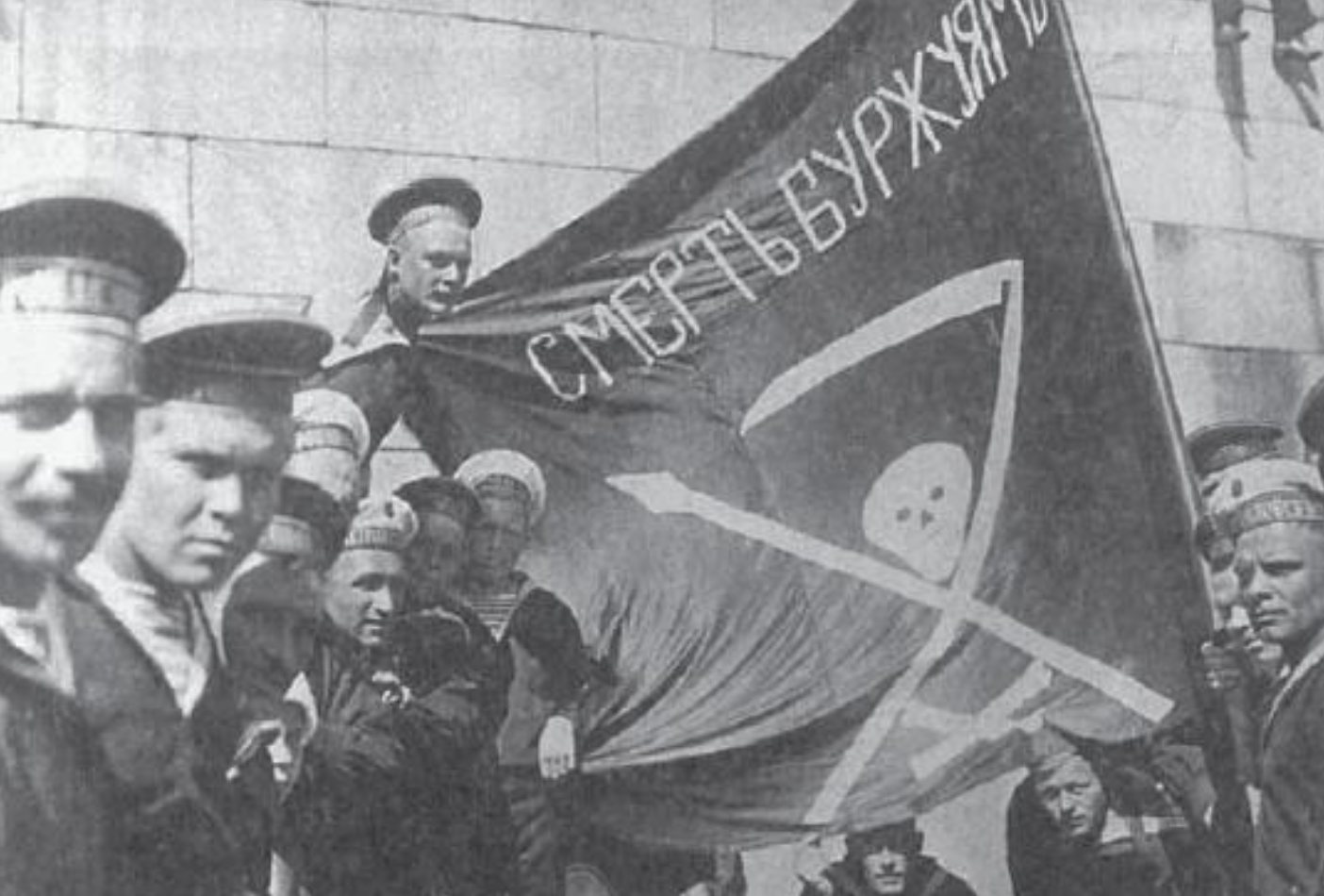
On the morning of November 6, the Provisional Government sent troops to shut down the printing press of the Bolshevik newspaper Workers’ Path and attempted to arrest members of the Military Revolutionary Committee. The Bolsheviks portrayed the move as the beginning of a counterrevolution. Forces loyal to them reopened the printing press, seized the bridges and took control of the telegraph. By the following morning, they controlled the railway stations, power plant, telephone exchange and State Bank. In its opening hours, the revolution looked less like a mass assault than the methodical seizure of the city’s nervous system.
The operation was directed by the Military Revolutionary Committee, headquartered at the Smolny Institute. A pivotal role there was played by the Russian revolutionary Leon Trotsky, then chairman of the Petrograd Soviet. Vladimir Ilyich Lenin, the Bolshevik leader, arrived from hiding late that evening and demanded that power be seized without further delay. By the morning of November 7, the overthrow of the Provisional Government had already been proclaimed, even though its ministers were still sitting inside the Winter Palace. Politically speaking, the state had fallen before its final stronghold even realized it.
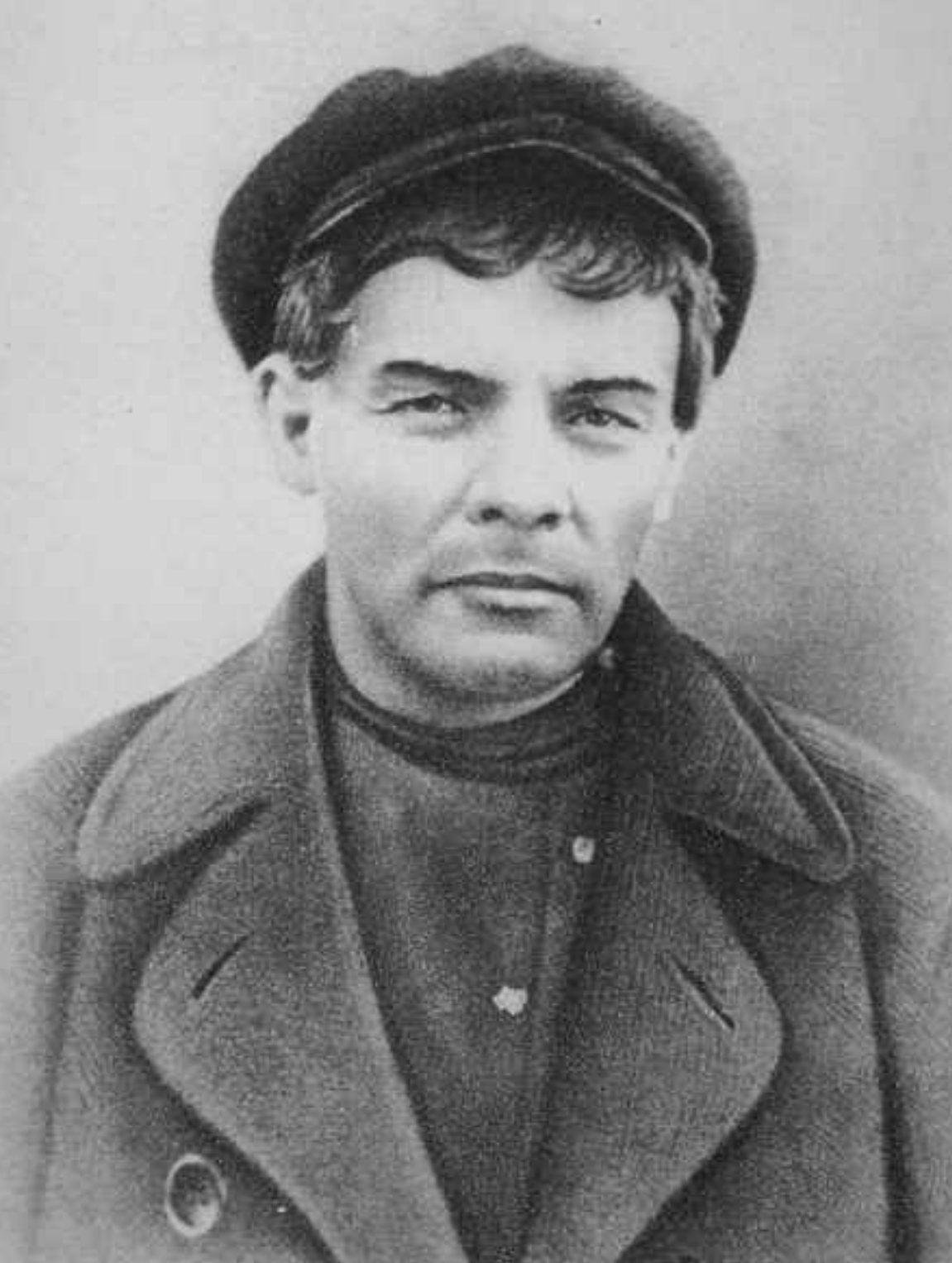
Lenin’s disguised journey across the city
Lenin spent the decisive day in the safe house of Margarita Fofanova, in a working-class district of northern Petrograd. The Provisional Government was still seeking his arrest on charges brought after the July Days—a period of spontaneous mass protests in the streets of Petrograd—and some members of the Bolshevik leadership believed it was safer for him to remain hidden. As reports arrived that bridges and communication hubs were being seized, he sent messages demanding the immediate takeover of power. By evening, he was no longer willing to direct the uprising through scraps of paper.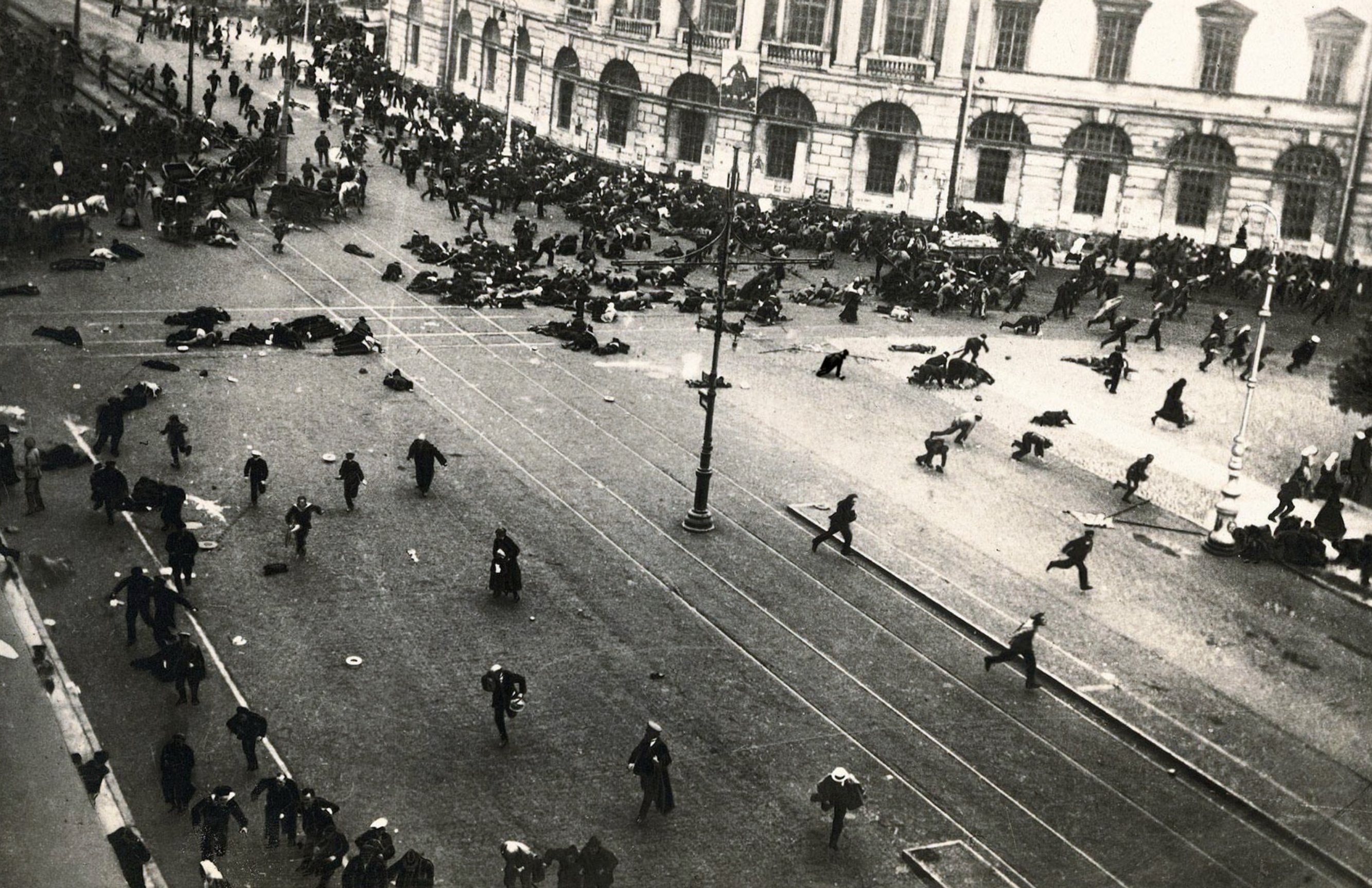
The night when the myth was more dramatic than the assault
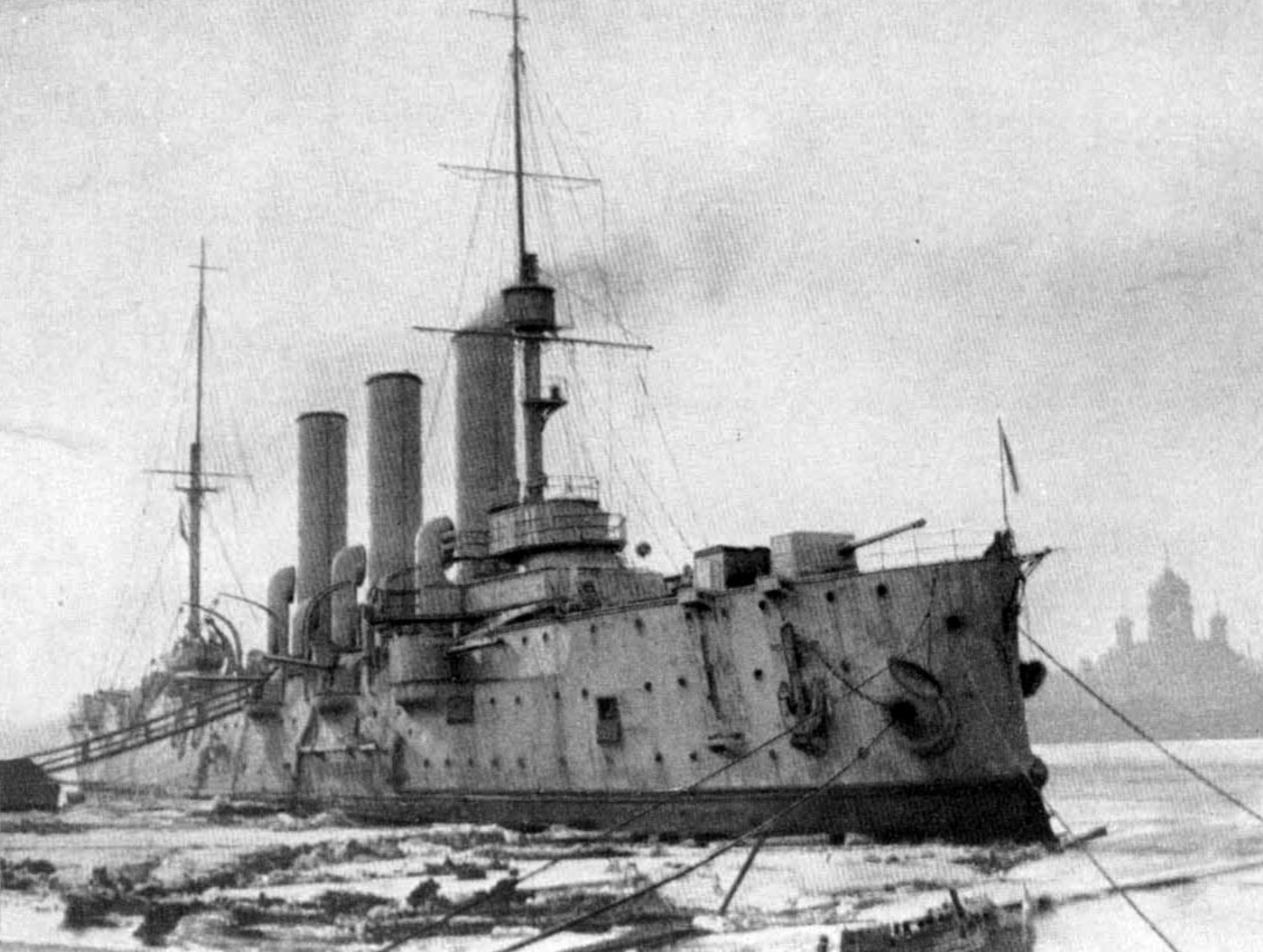
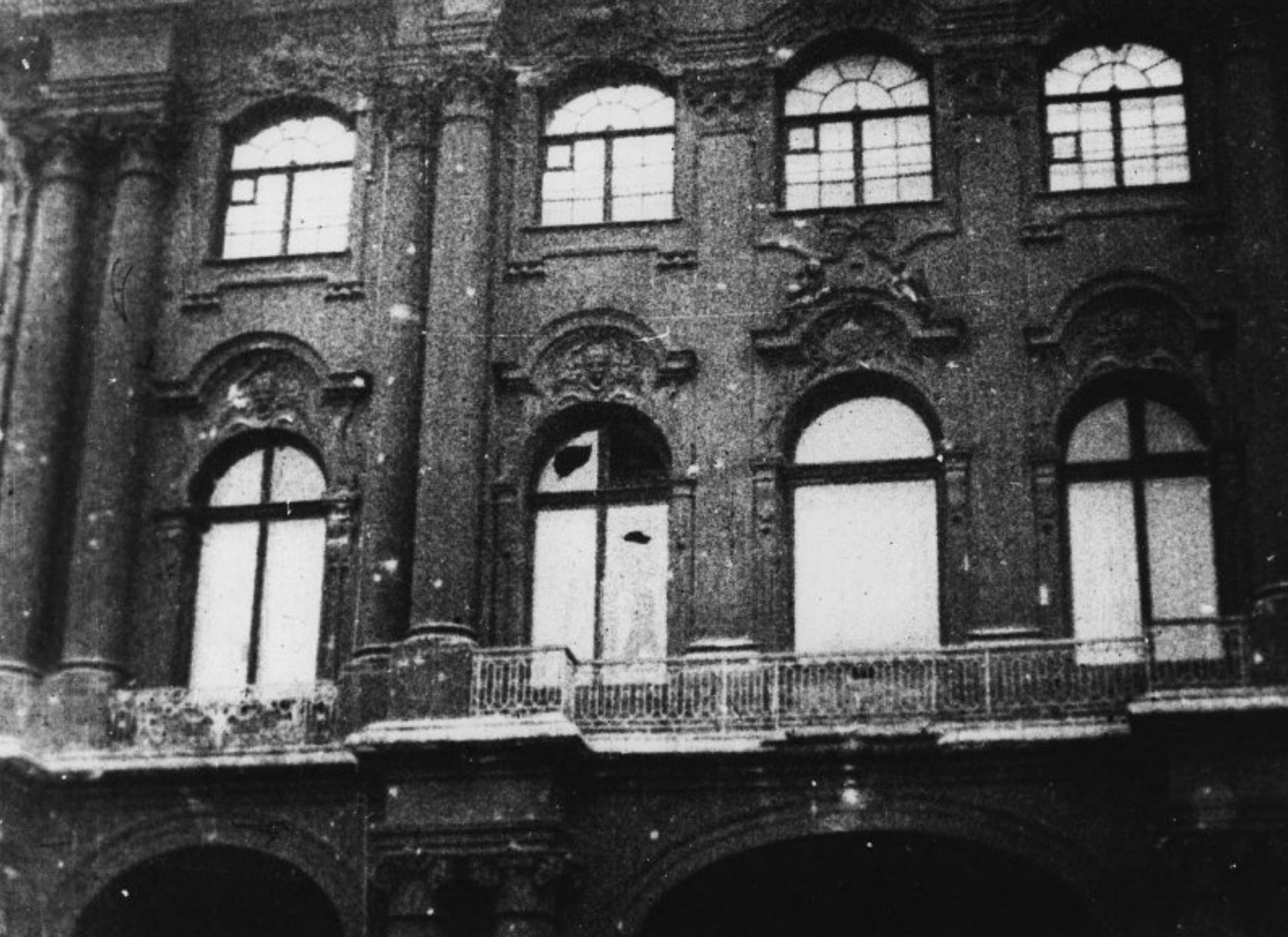
Prime Minister Alexander Kerensky left the city in search of loyal troops. His ministers remained inside the palace, almost entirely cut off from the rest of Petrograd. That evening, the cruiser Aurora fired a blank shot that Soviet mythology would later transform into the thunderous signal for a great assault. The first groups of insurgents entered the palace at around 11 p.m., and the ministers were arrested at approximately 2 a.m. on November 8.
The Women’s Battalion in the Winter Palace
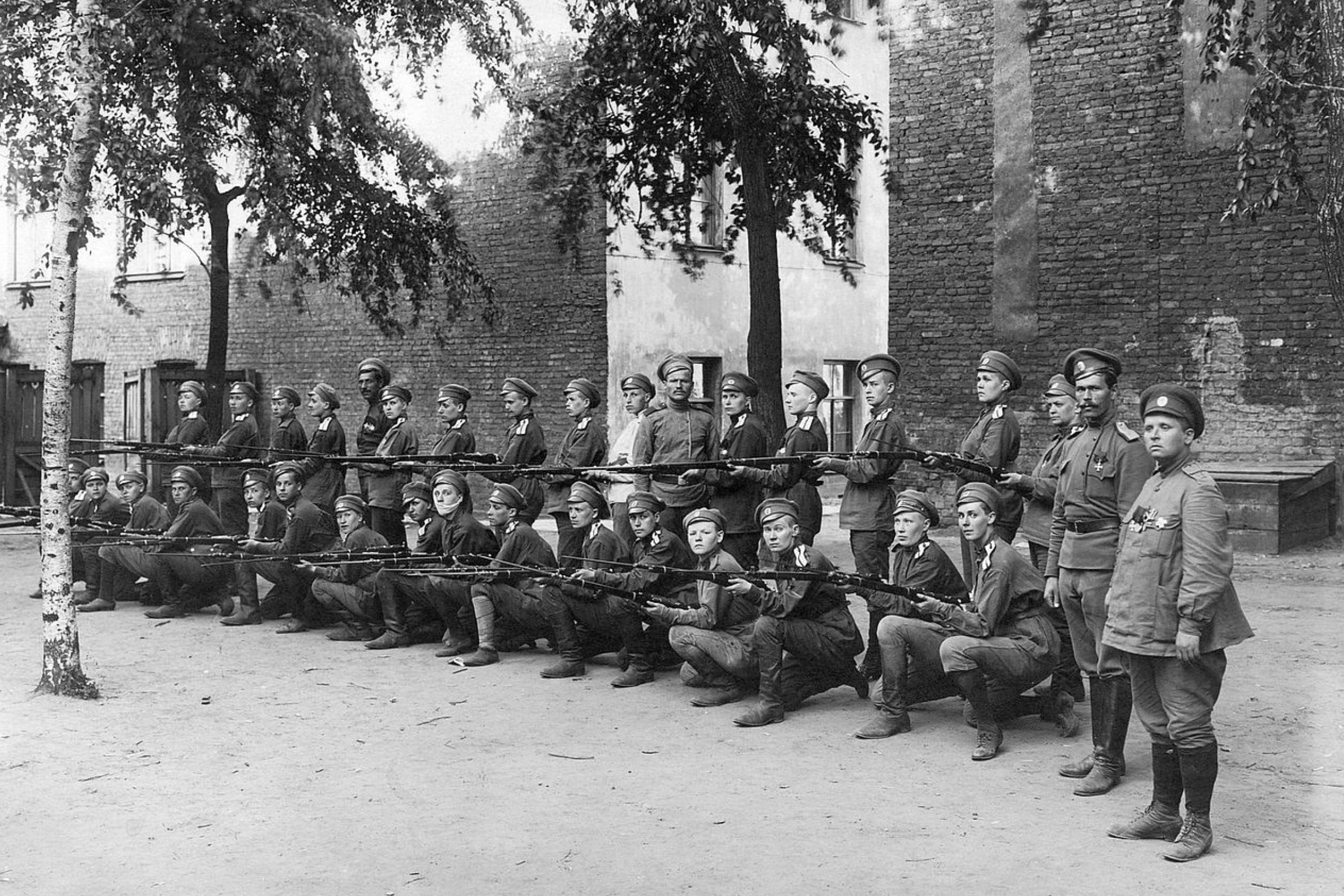
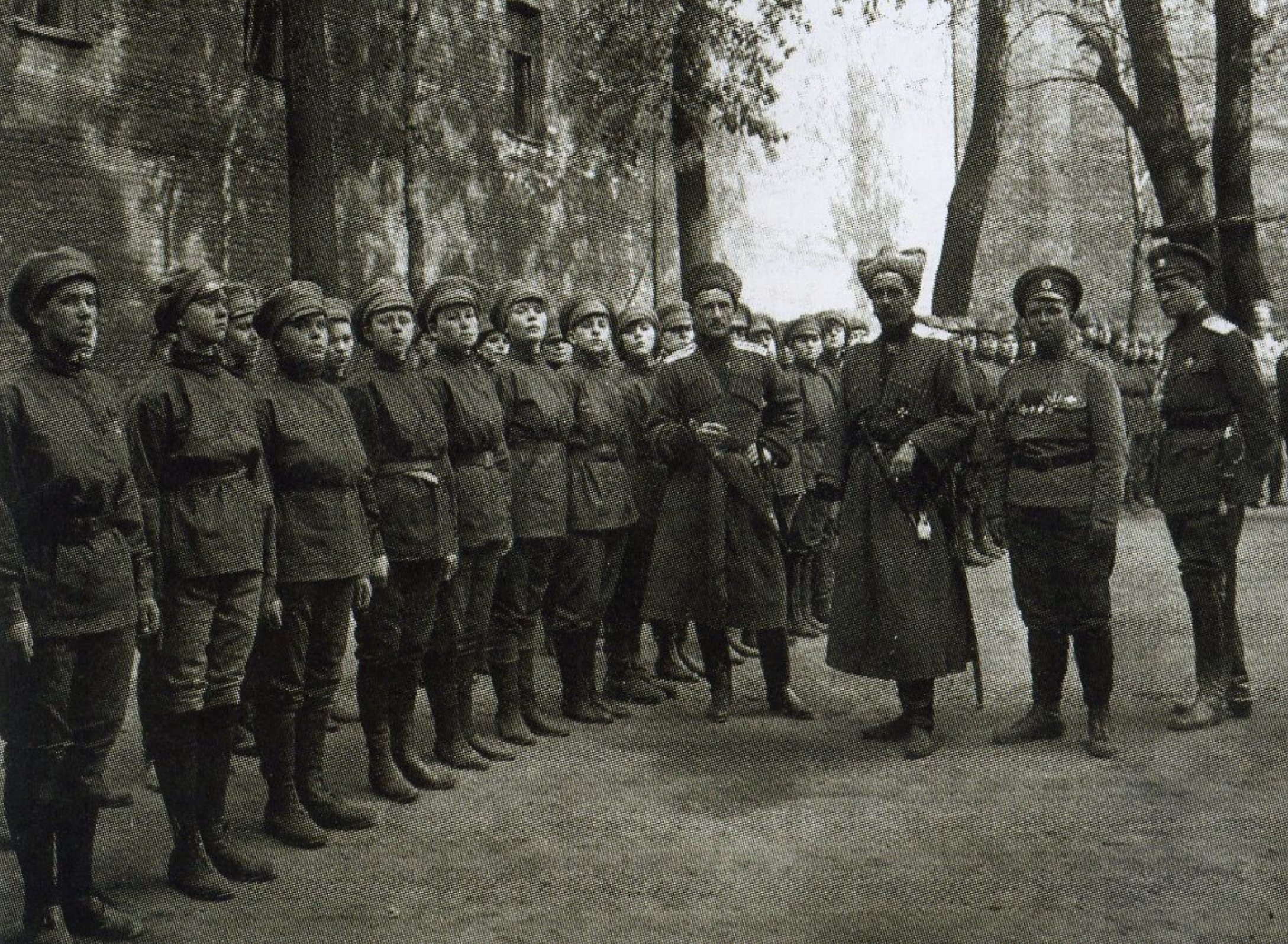
Among the Winter Palace’s last defenders was a company from the First Petrograd Women’s Battalion. These volunteers were part of the Provisional Government’s broader attempt to use women’s combat units to lift the morale of an exhausted army. Around a thousand women assembled on Palace Square on October 24 under the old calendar, ahead of their planned deployment to the front. One company of roughly 140 women, however, was unexpectedly kept behind at the palace.Their defense bore little resemblance to later cinematic depictions. The palace lacked a clear chain of command, promised reinforcements never arrived, and many of the Cossacks and military cadets gradually departed. Testimony from the women themselves nevertheless challenges claims that they immediately fled or went into hiding. They remained among the last organized defenders and, after surrendering, were taken to the barracks of the Pavlovsky Regiment.
Immediately after the palace fell, rumors spread that the captured women had been subjected to mass rape, torture or murder. Such allegations became a powerful propaganda weapon, but they were largely unsupported by either contemporary investigations or subsequent historical research. Most of the women were returned to their camp at Levashovo the following day. Their true story was less sensational but politically more revealing: women who had joined the army as symbols of the revolution’s renewal ended up defending the government that a new revolution was sweeping away.
Later depictions of the event were far more dramatic than the night itself. The city was already in Bolshevik hands, the palace defenses were gradually disintegrating, and everyday life continued with remarkable calm elsewhere in Petrograd. Trams kept running, while theaters and cinemas remained open. Ten years later, Soviet director Sergei Eisenstein transformed the capture of the palace into a monumental spectacle of revolutionary crowds in his film October. His reconstruction was so convincing that it gradually began to displace the memory of the actual event.
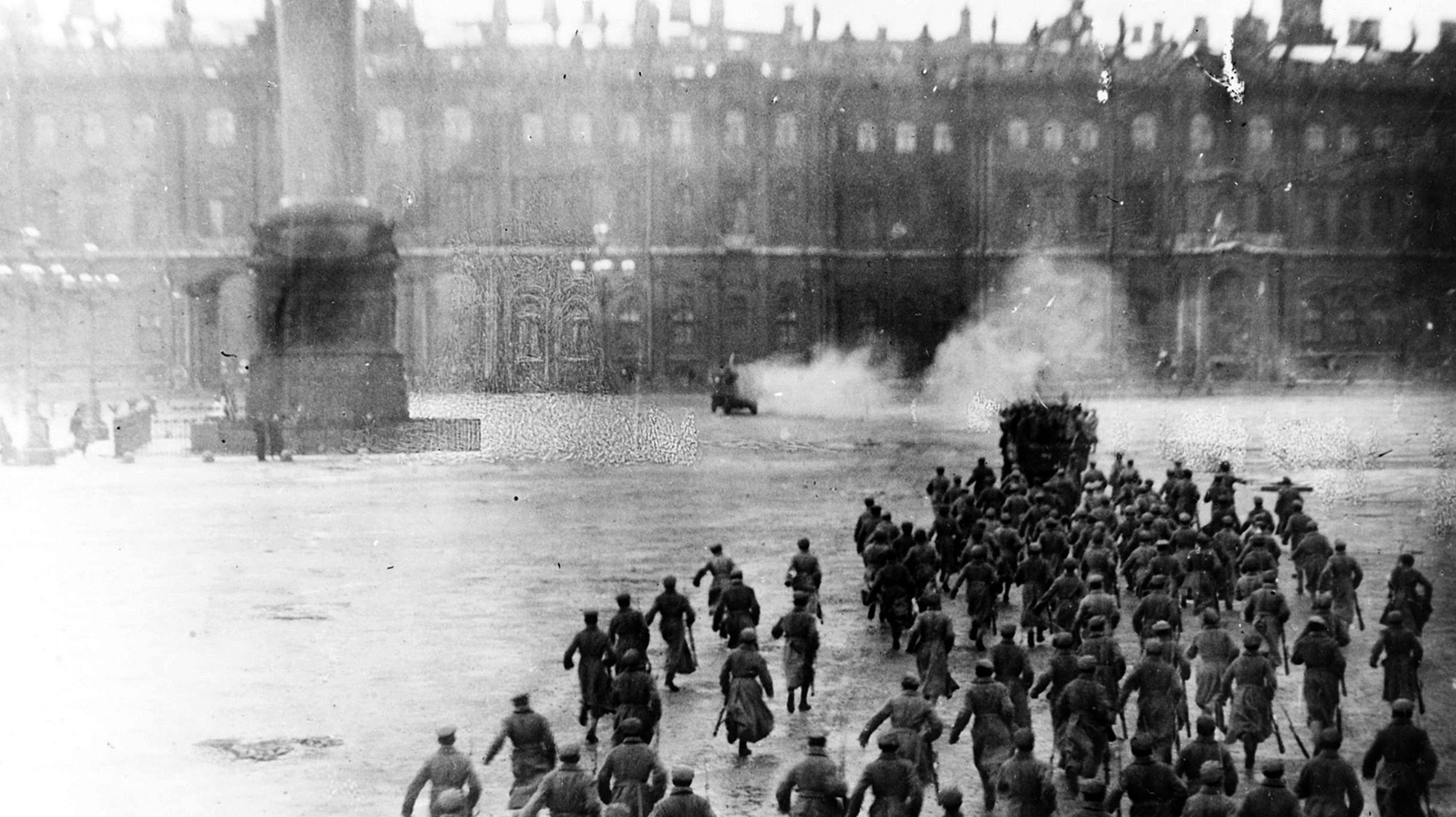
While the Winter Palace was still holding out, the Second Congress of Soviets convened at Smolny. The Mensheviks and Right Socialist Revolutionaries walked out in protest against the Bolshevik seizure of power. In doing so, they inadvertently made it easier for the Bolsheviks and their allies to formalize the new order. Decrees on peace and land followed, along with the establishment of a government headed by Lenin. The relatively swift takeover of Petrograd ushered in a far longer period of civil war, repression and social upheaval.
Russia skipped February, but the revolution remained in October
The new government soon decided to resolve the calendar confusion as well. In Russia, January 31, 1918, was followed not by February 1, but by February 14. Thirteen dates were simply removed from official life. People who went to sleep on the final night of January awoke almost halfway through February. The Russian Orthodox Church retained the Julian calendar for liturgical purposes, which is why Russian Orthodox Christmas is still celebrated on January 7 under the civil calendar.
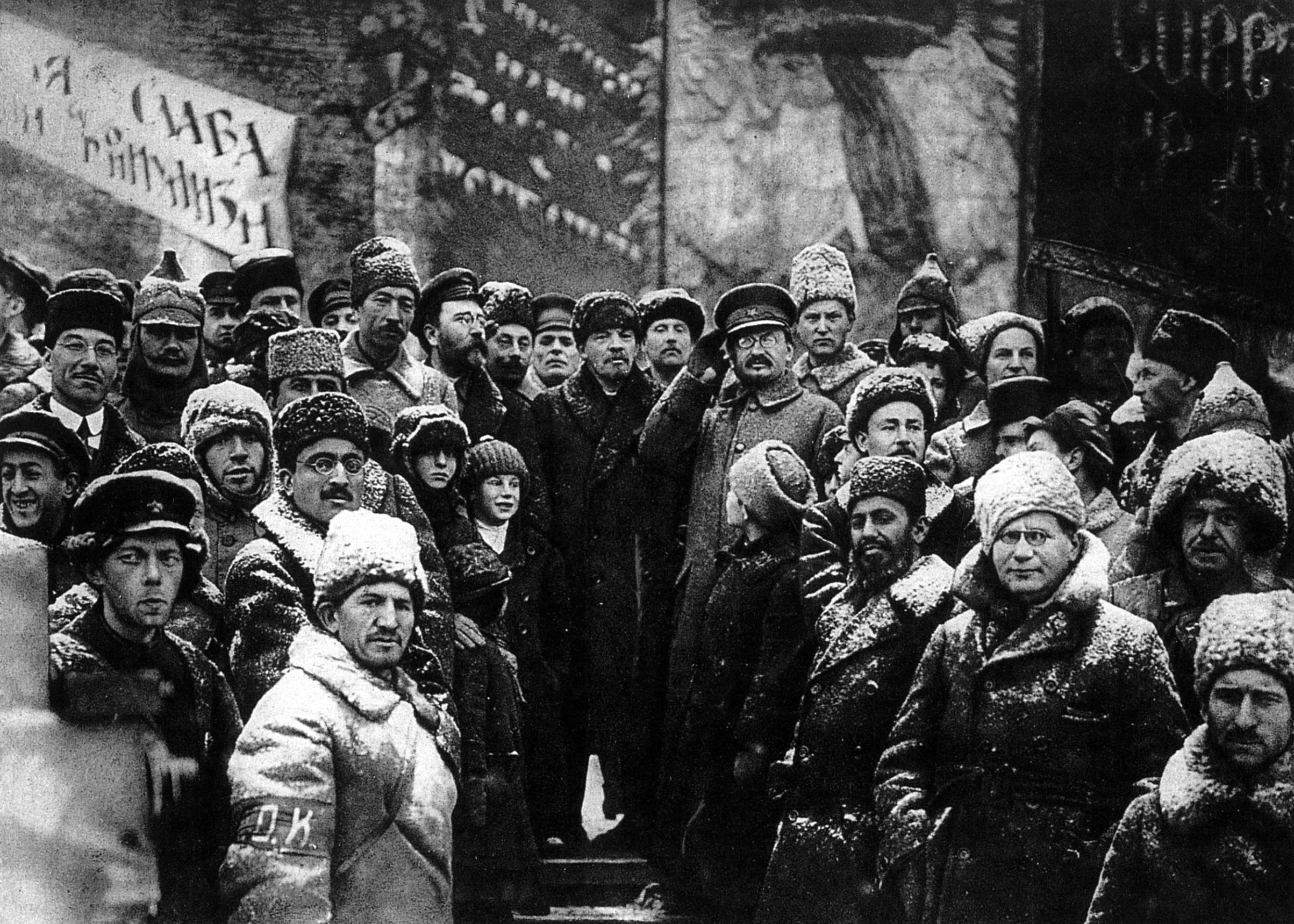
The revolution’s name, however, did not change. For decades, the Soviet state commemorated its anniversary on November 7 while calling it the Great October Socialist Revolution. "October" ceased to signify merely a month and became a political symbol—almost a promise that history could begin anew.
That may be the greatest irony of the entire story. The Bolsheviks overthrew the old order and then abolished its calendar, yet they continued to name the defining event of their own history after the chronology of the regime they had destroyed. The revolution moved Russia thirteen days forward, but it remained forever in October.
Sources
- Saint Petersburg Encyclopaedia October Revolution (October Armed Revolt) of 1917 https://www.encspb.ru/object/2855711270?lc=en
- U.S. Naval Observatory Introduction to Calendars https://aa.usno.navy.mil/faq/calendars
- State Central Museum of Contemporary History of Russia Hall № 9. Revolutionary events of 1917: from February to October https://www.sovrhistory.ru/museum/build/tverskaya/exposition/hall9/index.php?lang=en
- V. I. Lenin Museum Biography - V. I. Lenin Museum https://lenin.shm.ru/en/main-page/biography/
- History Cooperative “My Death for the Motherland Is Happiness”: Women, Patriotism, and Soldiering in Russia’s Great War, 1914–1917 https://historycooperative.org/journal/my-death-for-the-motherland-is-happiness-women-patriotism-and-soldiering-in-russias-great-war-1914-1917/
- Boris Yeltsin Presidential Library Принят декрет о переходе РСФСР на григорианский календарь https://www.prlib.ru/history/619010
- Origins: Current Events in Historical Perspective, The Ohio State University The October Revolution in Russia https://origins.osu.edu/milestones/november-2017-october-revolution-russia
- HISTORY Russian Revolution https://www.history.com/articles/russian-revolution
Comments