
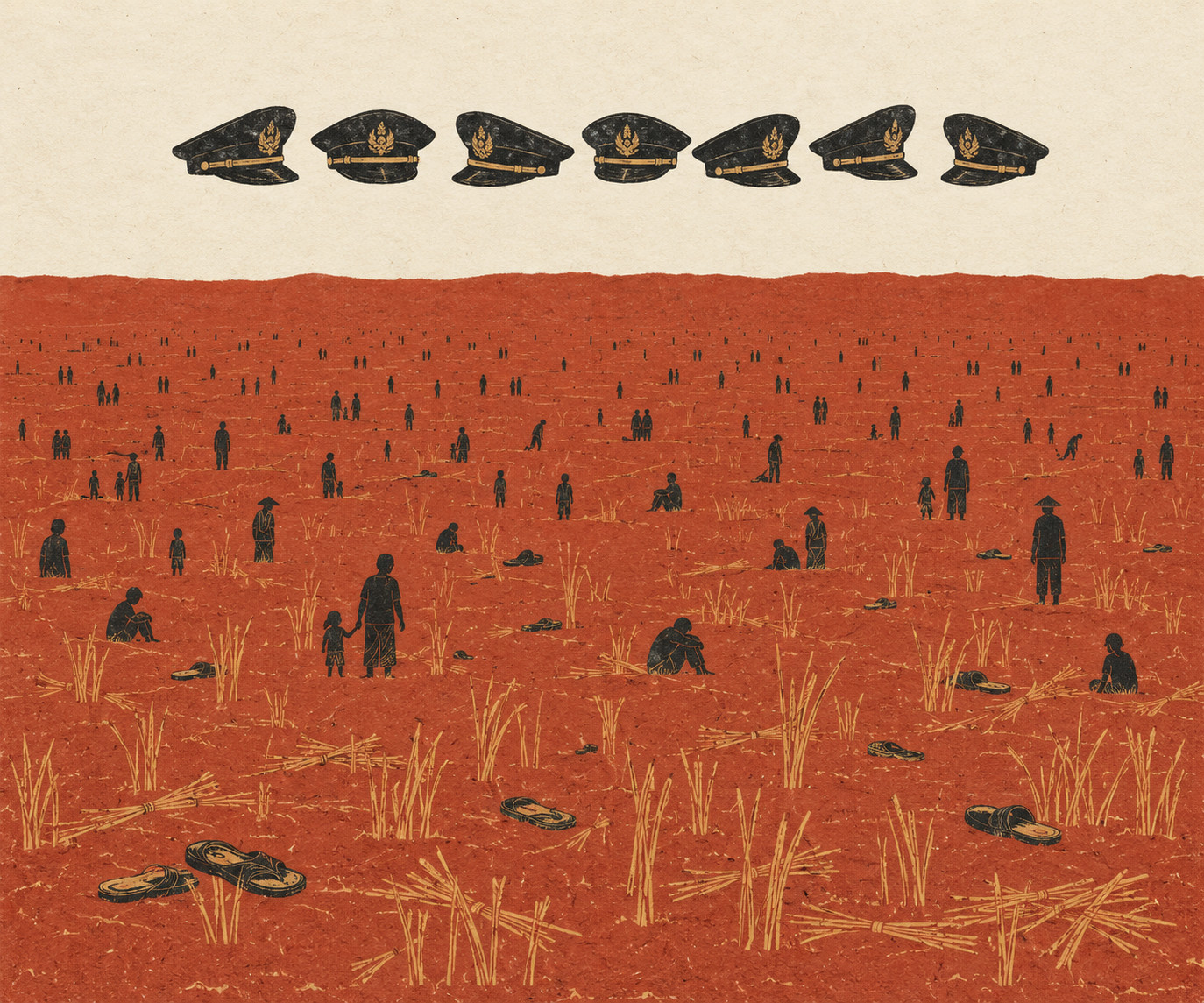
In the early hours of October 1, 1965, trucks carrying soldiers pulled up outside the homes of Indonesia’s most senior generals. By the end of the day, six generals were dead, a young officer had been killed in a case of mistaken identity, and the group that abducted them had all but collapsed. The 30 September Movement lasted less time than many failed coups. The catastrophe it unleashed would endure for decades.
The disparity is almost impossible to comprehend. Over the next several months, approximately half a million people were killed—although credible estimates vary—and more than a million passed through prisons and detention camps. Most had never carried a weapon and knew nothing about the abductions in Jakarta. They belonged to parties, trade unions and civic organizations that were legal at the time. Some belonged to nothing at all except the wrong family or village.
The balance that held the country together
Indonesia was then a country barely twenty years old. Its founding president, Sukarno, was trying to preserve the system he called Guided Democracy. It was an authoritarian order in which he sought to unite nationalism, religion and communism under the formula of Nasakom. In practice, he was balancing between two powerful forces that despised one another: the military and the Communist Party of Indonesia, known as the PKI.
The PKI had approximately three million members and a network of mass organizations encompassing workers, peasants, women and cultural figures. It was the largest communist party outside the communist world. The military, meanwhile, had the weapons, a nationwide territorial structure and economic interests of its own. Sukarno’s talent lay not in reconciling the two sides, but in preventing either from achieving a final victory. By 1965, that balancing act was already reaching its limits...
A coup that collapsed in a single day
The public face of the 30 September Movement was Lieutenant Colonel Untung, an officer in the presidential guard. He claimed to be preventing a coup by a secret Council of Generals allegedly working with the CIA. Of the seven principal targets, three generals were killed in their homes and three others were abducted and subsequently murdered. General Abdul Haris Nasution escaped over a wall, while his aide, Pierre Tendean, was mistaken for him in the darkness. The bodies were thrown into a disused well at Lubang Buaya, near the Halim air base.
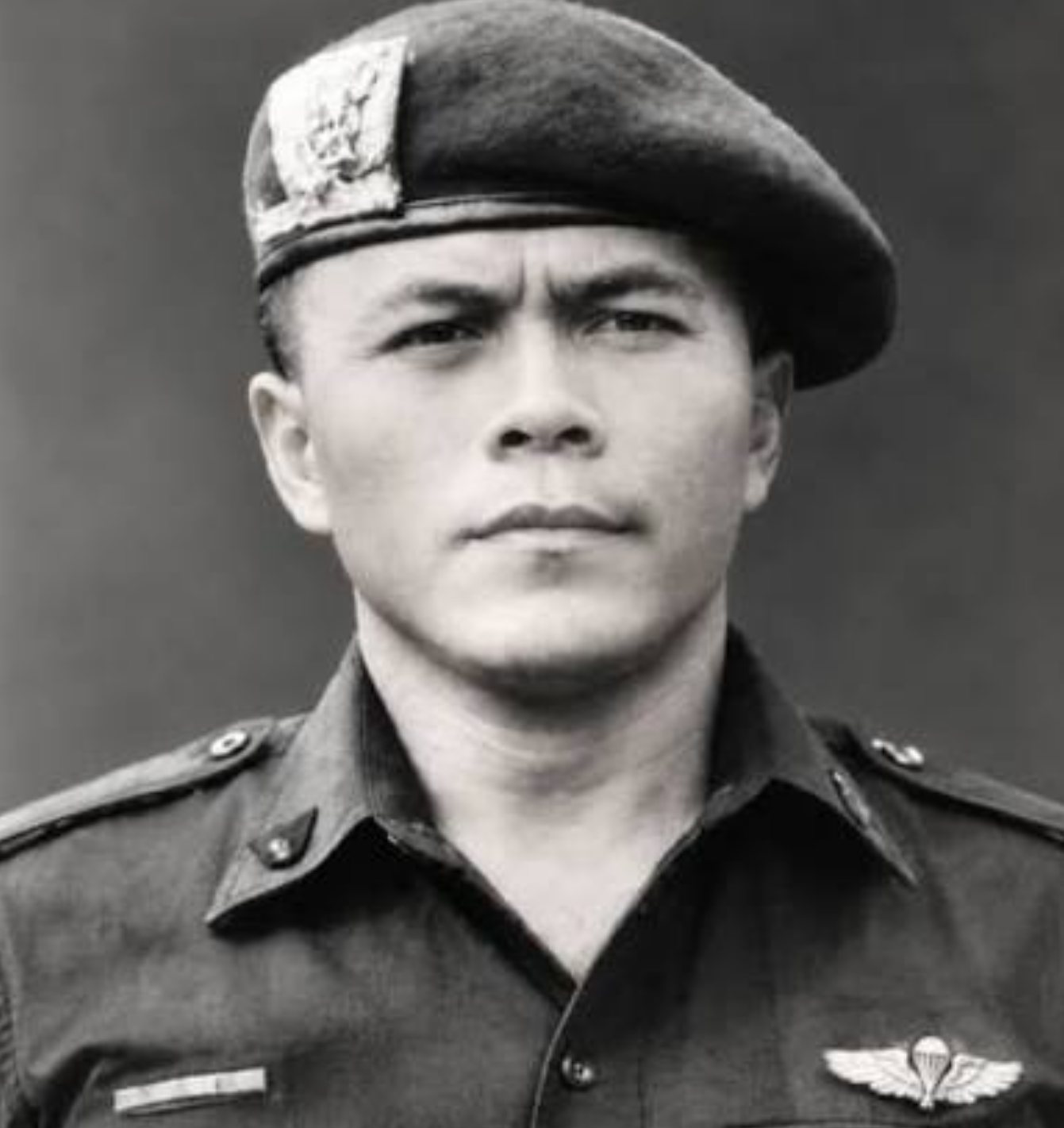
The rebels seized the national radio station and three sides of Merdeka Square. They failed to take the fourth. That was where Kostrad, the Army Strategic Reserve Command, had its headquarters under Major General Suharto. While the Movement broadcast contradictory announcements, dissolved Sukarno’s government and proclaimed a Revolutionary Council whose supposed members often did not even know they had been appointed, Suharto was taking control of the military. That evening, he recaptured the radio station. The next morning, his forces took Halim. The Movement disintegrated with scarcely a fight.
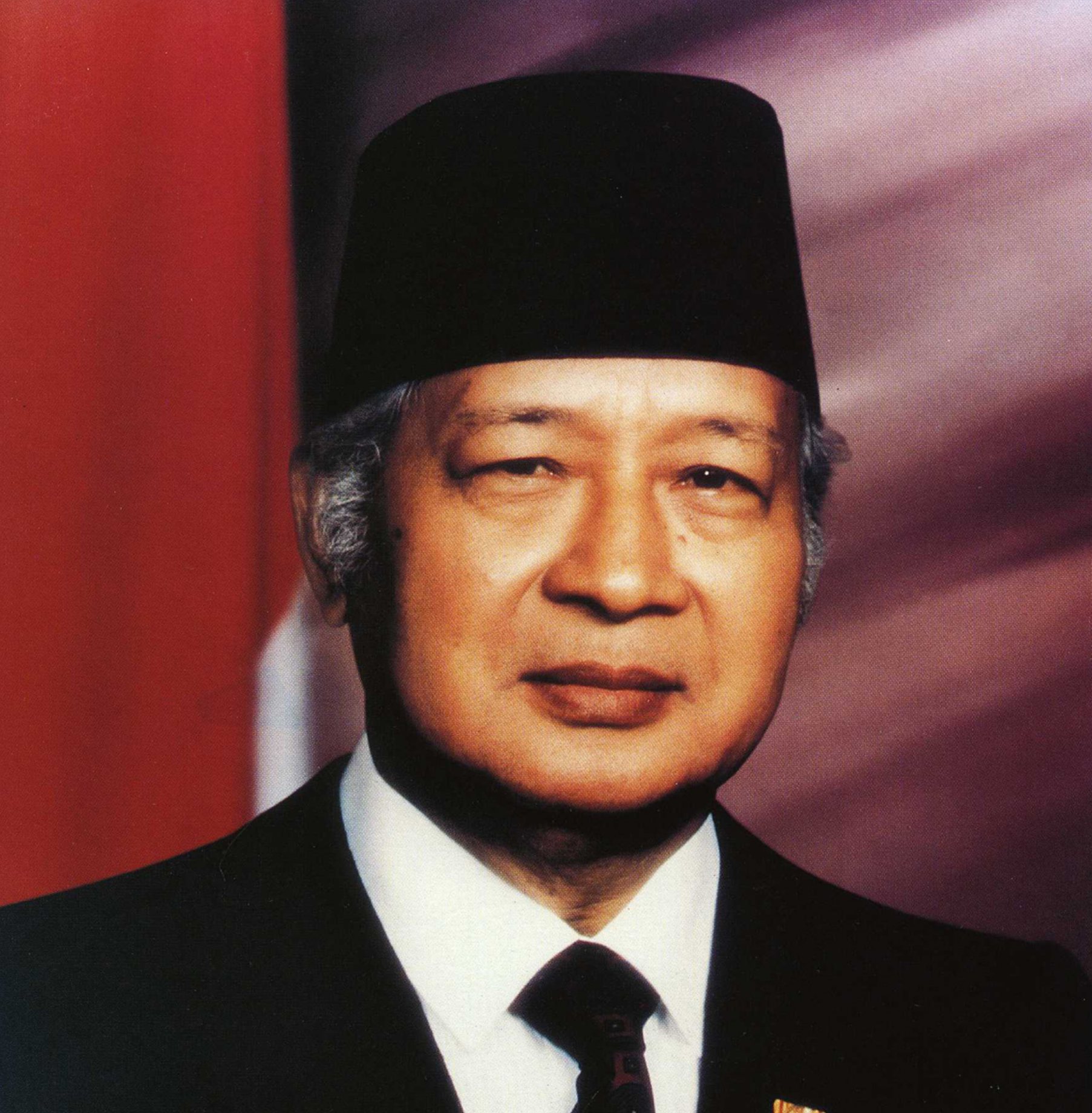
What exactly its organizers intended remains a matter of historical debate. The most convincing research points to a conspiracy involving a small circle of officers, the PKI’s clandestine bureau and a handful of party leaders around D. N. Aidit. It was not an operation known to the party apparatus as a whole, let alone to its millions of members and sympathizers. Whether the aim was to seize the state, remove anti-communist generals or force Sukarno to alter the balance of power has never been definitively established. Suharto’s response, however, was immediate and perfectly simple: the entire PKI was guilty.
From murdered generals to propaganda spectacle
The generals’ bodies were turned into a political spectacle. Military-controlled media claimed that members of the left-wing women’s organization Gerwani had "danced naked around the prisoners, sexually tortured them, castrated them and gouged out their eyes." Autopsies conducted by military and civilian doctors found no evidence to support any of these stories. They documented gunshot wounds, severe blunt-force trauma and, on one body, a deep abdominal wound. There was none of the mutilation described by the propaganda. This did not mean that the killings had not been brutal. It meant that sadism and invented sexual depravity had been added to that brutality in order to transform the enemy into something beyond the bounds of humanity.
Suharto’s regime would later write even the name of the event as G30S/PKI, merging the Movement and the entire party into a single abbreviation. Beginning in the 1980s, a nearly four-hour propaganda film about that night was shown every year, and schoolchildren were required to watch it. The regime did not merely dictate what had happened. It also dictated what people were permitted to feel toward those who would be killed because of it.
The army opened the door, local scores determined the targets
The massacres began after the army launched mass arrests and deployed special units to the provinces. Civilian militias often carried out the killings themselves. In East Java, youth groups affiliated with the Muslim organization Nahdlatul Ulama played a major role, while in North Sumatra the violence involved Pemuda Pancasila, a group with ties to both the military and the local criminal underworld.
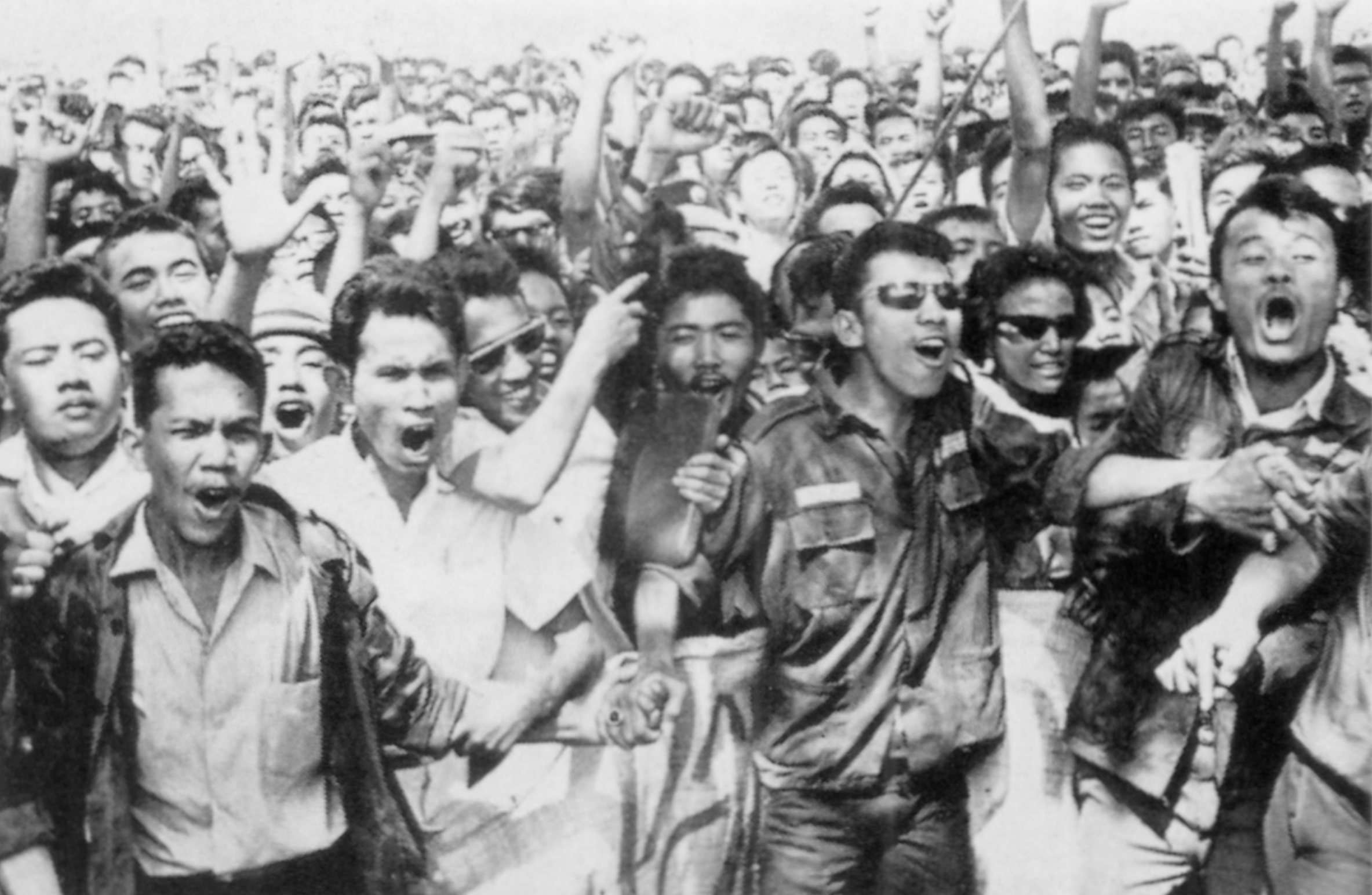
These men were not always passive instruments. They had political, religious and land disputes of their own to settle. But the army supplied them with prisoners, transportation and a guarantee that they would not be held accountable for the killings. In places where local commanders hesitated, the mass killings were delayed. When those commanders were replaced by more determined officers, the killing began.
Bali: A tourist paradise built over mass graves
On Bali, the island the world would later come to know as a tourist paradise, the violence reached a scale that was extreme even by the standards of Indonesia in 1965. A frequently cited estimate puts the death toll at approximately 80,000—around five percent of the island’s population at the time—although no reliable final figure exists. In some villages, entire branches of families disappeared within a matter of months.There, the massacre could not be explained by the same religious fault lines as in Java. The PKI’s principal anti-communist rival was the PNI, Sukarno’s nationalist party, whose local networks were connected to landowners and the upper ranks of the traditional hierarchy. Conflicts over land, tenant rights, government jobs and local power were already acute. After the events in Jakarta, old scores acquired a new and deadly label: it was now enough to call an opponent a communist.
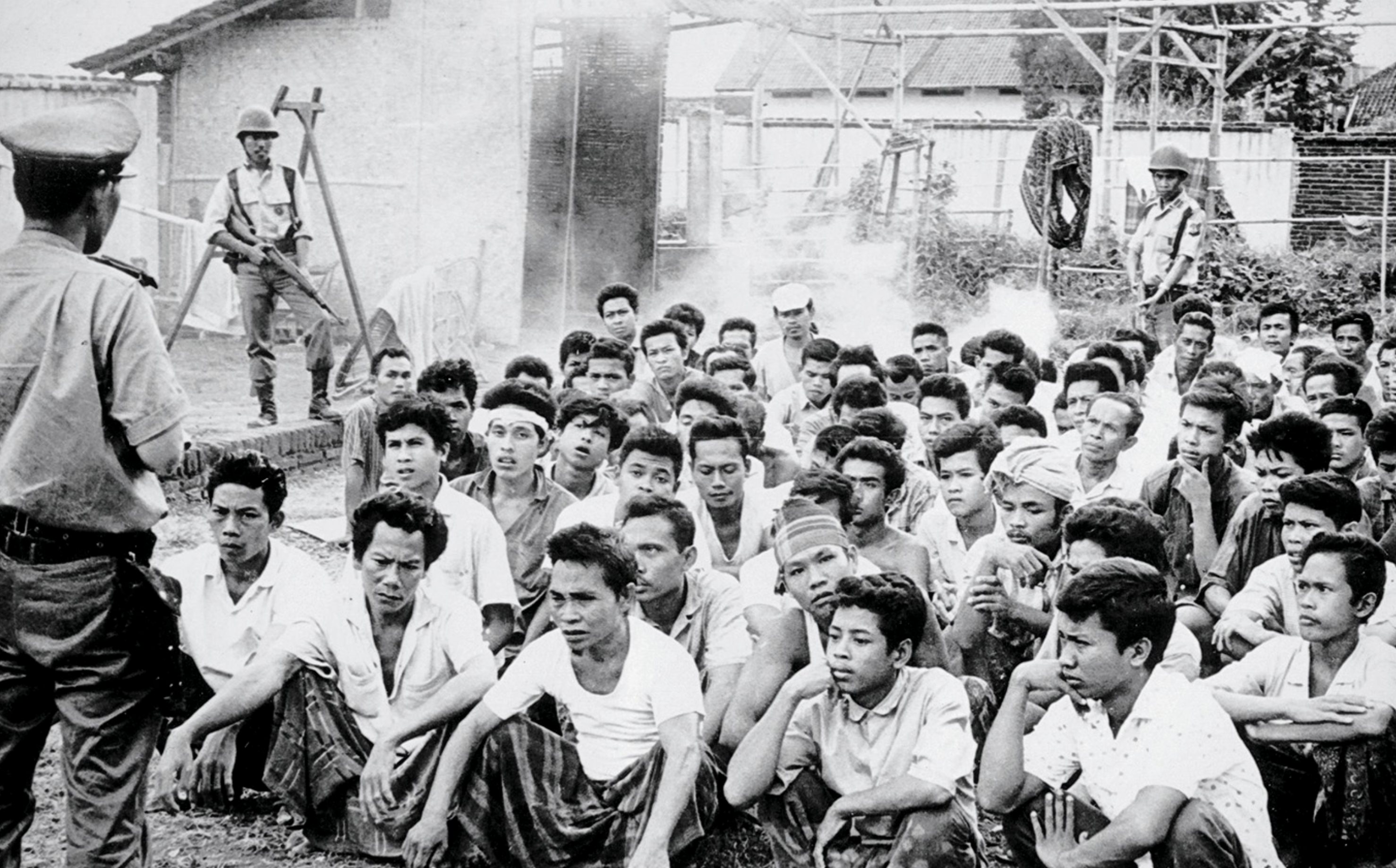
In December, the US consulate reported that the army in East Java was handing groups of ten to fifteen prisoners over to Muslim organizations at night to be killed. This allowed the military to claim publicly that it was bringing the violence under control even as people disappeared from its prisons. Bodies were dumped in rivers, wells and unmarked pits. The label "communist" became elastic enough to encompass trade unionists, teachers and artists. Sometimes a family connection was enough. Sometimes it was an old dispute over a piece of land.
The Cold War and a massacre that suited the West
The Cold War turned Indonesia’s tragedy into good news for Western capitals. There is no conclusive evidence that the CIA or British intelligence organized the 30 September Movement itself. There is, however, clear documentary evidence that Washington immediately recognized an opportunity. As early as October 5, US Ambassador Marshall Green was proposing covert assistance for the army and efforts to spread stories about the PKI’s guilt and brutality. While diplomats reported on mass executions, the United States provided communications equipment, medical assistance and information on communist cadres. Britain and Australia helped with propaganda. The West may not have created Indonesia’s conflicts, but it understood perfectly well what was happening and decided which side it wanted to support.
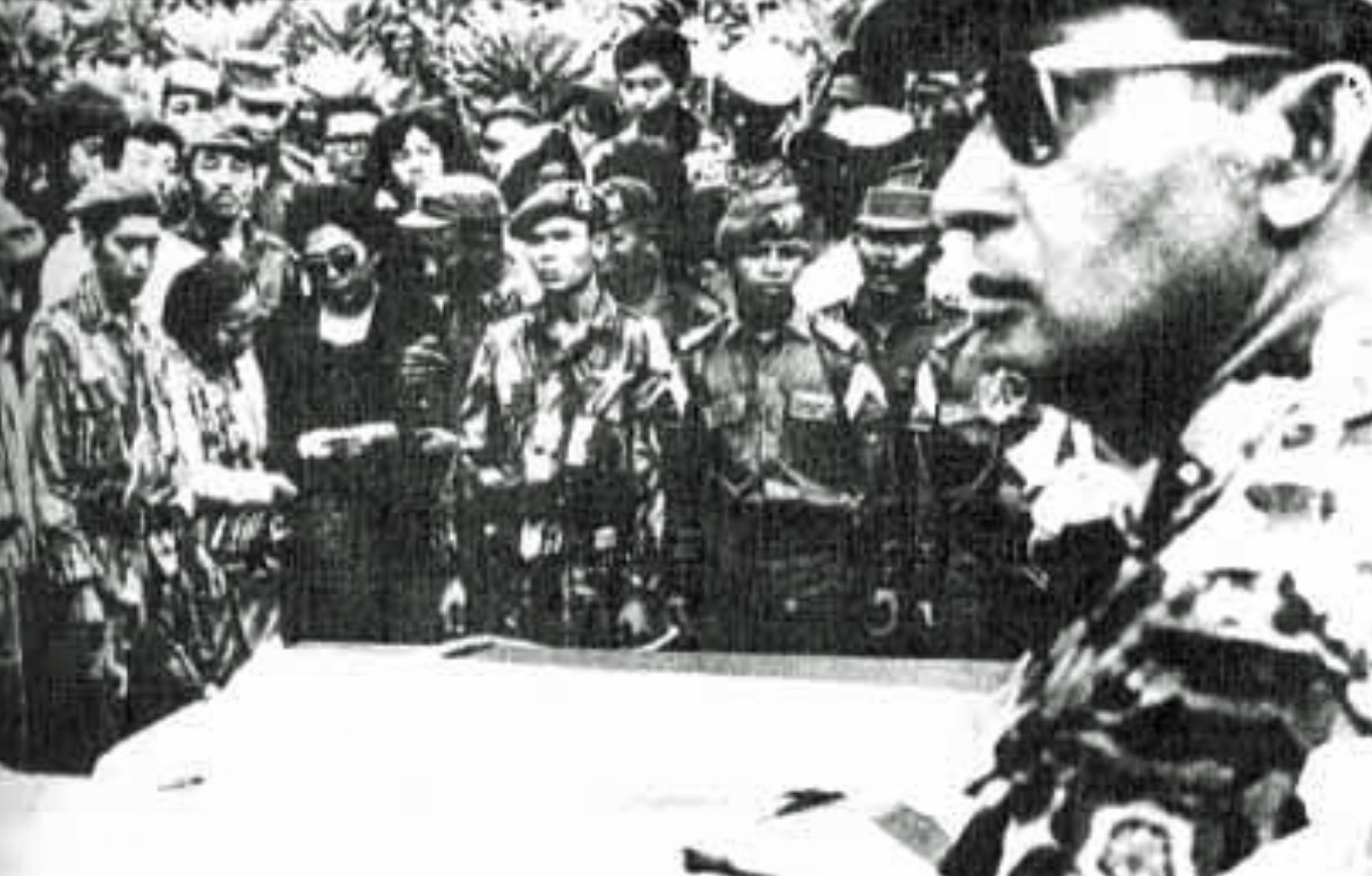
Sukarno remained president for a while longer, but he no longer controlled either the military or the political meaning of what had happened. In March 1966, Suharto acquired powers that he used to ban the PKI and remove his opponents. Sukarno was stripped of power the following year, and Suharto formally became president in 1968. His New Order regime would last for 32 years. It delivered economic growth and opened the country to foreign capital, but it rested on mass graves, political prisoners and an inherited stigma that followed even the children of alleged communists.
Buru: The prison island and the novels written without paper
Beginning in 1969, thousands of political prisoners were sent without trial to Buru, a remote island in the Maluku archipelago. There, under a regime of forced labor, disease and deprivation, they cleared land, built embankments and worked in rice fields. More than 12,000 people passed through the island’s prison camps. One of them was Pramoedya Ananta Toer, already one of Indonesia’s most important writers, who had been arrested in 1965 because of his ties to left-wing cultural circles.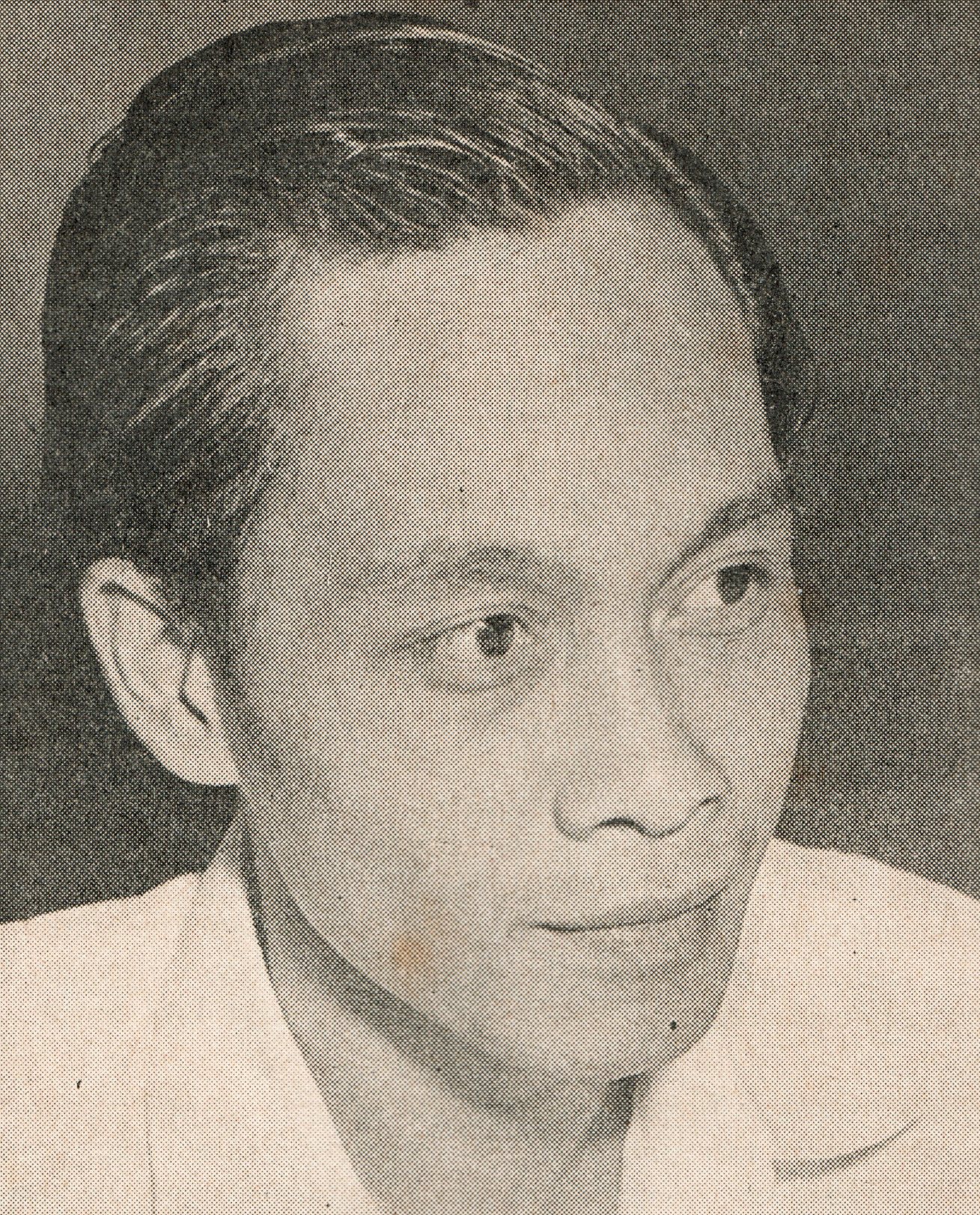
When he was finally allowed to write, that oral narrative became the foundation of four novels known as the Buru Quartet. Published after his release in 1979, they were soon banned in Indonesia, but circulated clandestinely and were translated around the world. The camp was intended to erase people from public life. Instead, it gave its name to a literary work that preserved precisely what the dictatorship could not tolerate: history told in the voice of its prisoners.
Half a million people did not kill six generals
The murder of the generals was a real crime. That is precisely why it should not be turned into a pretext for another, incomparably greater one. Historical uncertainty over who knew every detail of the conspiracy does not mean there is any uncertainty about who organized the persecution that followed. Half a million people did not kill six generals. But approximately half a million people were killed in their name.
Sources
- U.S. Department of State, Office of the Historian Foreign Relations of the United States, 1964–1968, Volume XXVI, Document 149 https://history.state.gov/historicaldocuments/frus1964-68v26/d149
- U.S. Department of State, Office of the Historian Foreign Relations of the United States, 1964–1968, Volume XXVI, Document 162 https://history.state.gov/historicaldocuments/frus1964-68v26/d162
- UCLA Department of History The Killing Season: A History of the Indonesian Massacres, 1965–66 https://history.ucla.edu/publication/the-killing-season-a-history-of-the-indonesian-massacres-1965-66/
- Journal of Contemporary Asia Sexual Slander and the 1965/66 Mass Killings in Indonesia https://www.tandfonline.com/doi/full/10.1080/00472336.2011.610613
- National Security Archive U.S. Embassy Tracked Indonesia Mass Murder 1965 https://nsarchive.gwu.edu/briefing-book/indonesia/2017-10-17/indonesia-mass-murder-1965-us-embassy-files
- The Guardian Slaughter in Indonesia: Britain’s secret propaganda war https://www.theguardian.com/world/2021/oct/17/slaughter-in-indonesia-britains-secret-propaganda-war
- Cornell University Press / JSTOR The Dark Side of Paradise: Political Violence in Bali https://www.jstor.org/stable/10.7591/j.ctv2n7nkr
- PBS Pramoedya Ananta Toer's Buru Quartet https://www.pbs.org/wgbh/cultureshock/flashpoints/literature/pramoedya.html
Comments