
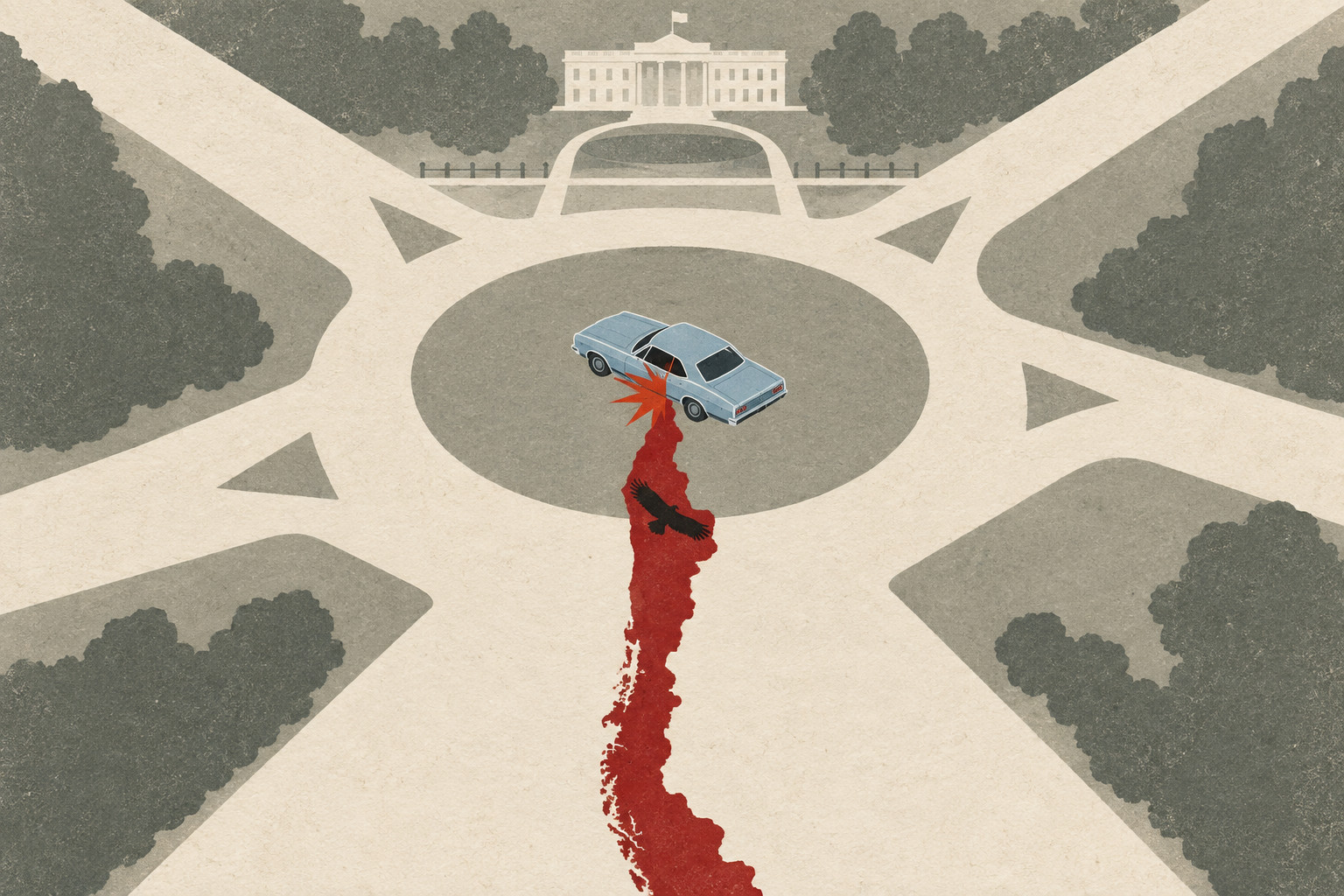
At around 9:30 on the morning of September 21, 1976, a pale blue Chevrolet Chevelle rounded Sheridan Circle, an elegant traffic circle on Washington’s Embassy Row. Then a bomb attached beneath the driver’s seat exploded. The blast hurled the car off the road and into a parked vehicle outside the Irish Embassy. Barely two kilometres from the White House, Cold War violence—the kind Washington had grown accustomed to watching unfold in other countries’ capitals—had arrived on its own doorstep.
This was not the work of a lone extremist. Behind the attack stood a state secret police force, forged documents, an international network of informants and assassins recruited across national borders. At the wheel was 44-year-old Orlando Letelier, a former Chilean ambassador to the city in which he would be murdered. Beside him sat Ronni Karpen Moffitt, his 25-year-old colleague at the Institute for Policy Studies. Her husband was in the back seat. He was the only survivor.
The Exile Who Knew How to Stop the Money
Letelier belonged to the inner circle of Chile’s socialist president, Salvador Allende. An economist by training, he served as ambassador to the United States and, briefly, as minister of foreign affairs, the interior and defence. On the day of Pinochet’s coup, September 11, 1973, he was arrested in his office at the Defence Ministry, not far from the presidential palace of La Moneda. He was tortured and imprisoned on the frozen Dawson Island before being transferred through several other detention centres. International pressure secured his release in 1974, after which he was expelled from Chile.
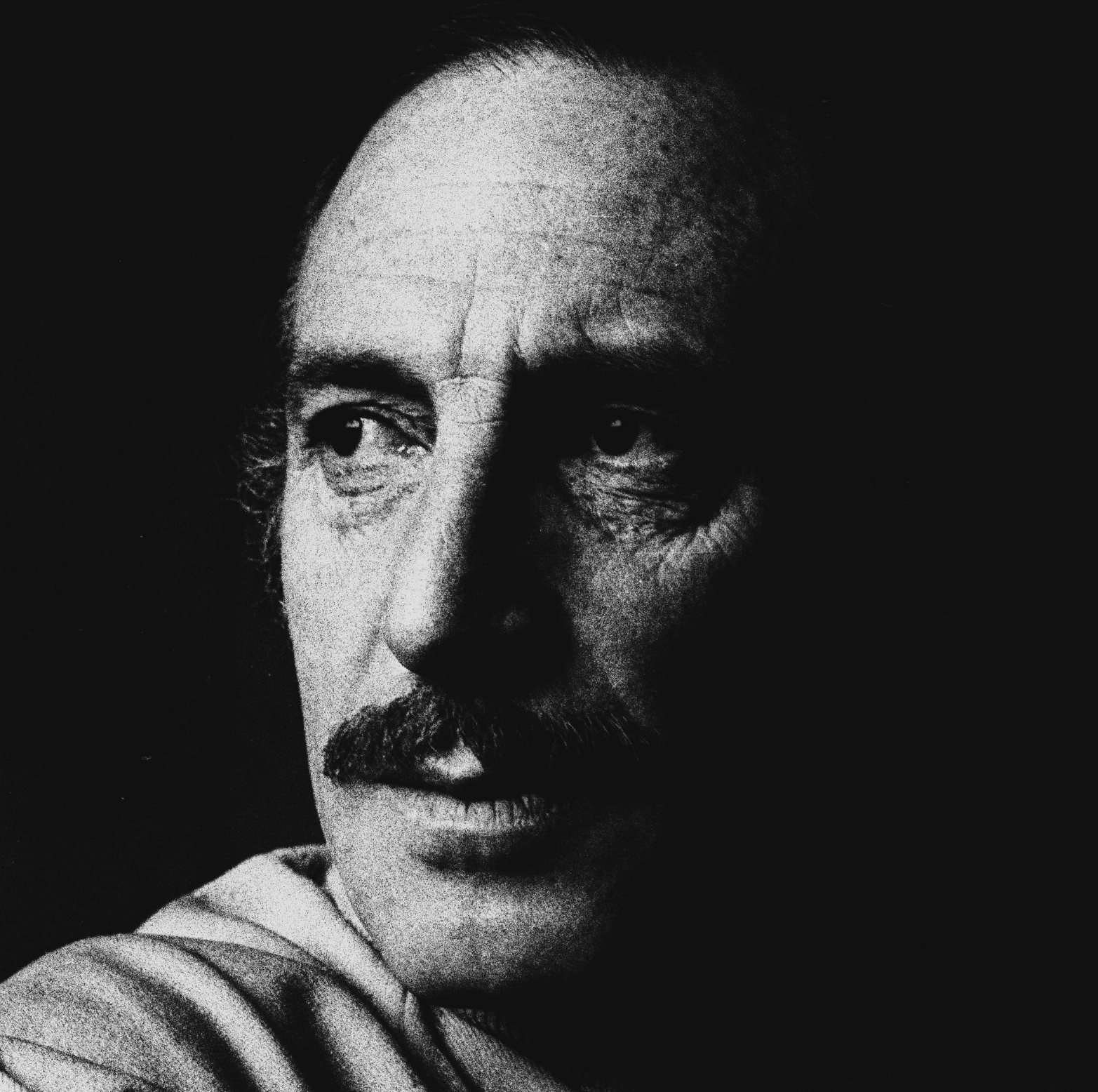
In Washington, he did not become merely another embittered exile. He understood American politics, international banking and the copper market. He knew how to turn moral condemnation into a denied loan. He lobbied against financing the junta and helped persuade the Dutch government to abandon an investment in Chile worth roughly $60 million. To the new regime, a man capable of stopping the flow of money was more dangerous than one who merely gave speeches.
On September 10, 1976, Pinochet’s government announced that it was stripping Letelier of his Chilean citizenship. Among the reasons cited was his campaign to obstruct financial assistance to Chile. That same evening, addressing thousands of people at New York’s Felt Forum, Letelier declared that he had been born a Chilean, remained a Chilean and would die a Chilean. Eleven days later, he was dead. Just three days before the assassination, he had played guitar at a celebration of Chilean Independence Day, even though a finger broken under torture could no longer press properly against the strings.
When Operation Condor Crossed the Oceans
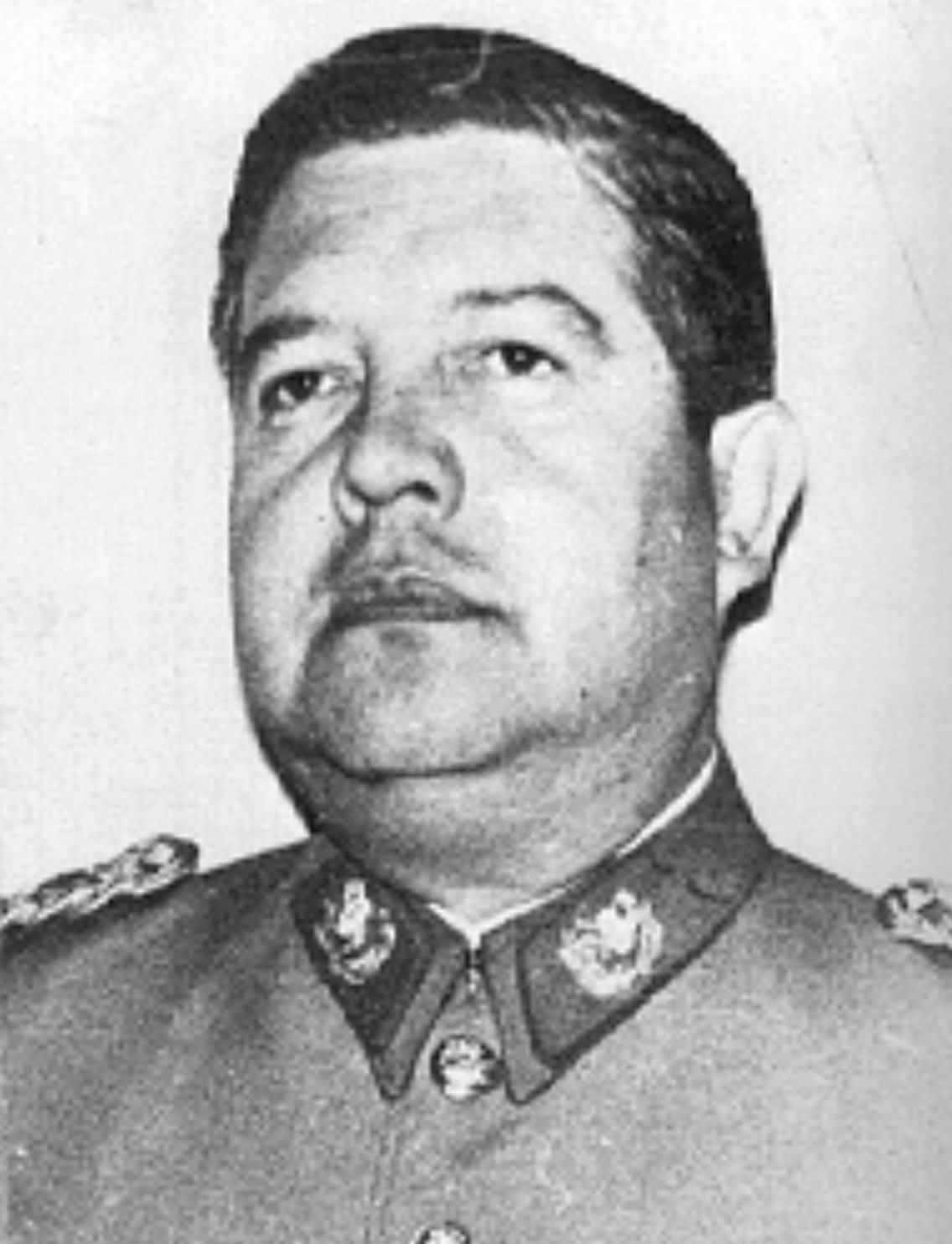
By then, Chile’s DINA—the secret police commanded by General Manuel Contreras—had already become an international arm of state terror. In November 1975, the intelligence services of South America’s dictatorships formalised Operation Condor, a system for exchanging information, tracking exiles and carrying out cross-border kidnappings and killings. Borders were meant to protect the regimes, not their opponents. Former Chilean general Carlos Prats and his wife were killed by a car bomb in Buenos Aires in 1974. A year later, Christian Democratic politician Bernardo Leighton and his wife were seriously wounded in Rome. Washington, however, was the most audacious step yet.
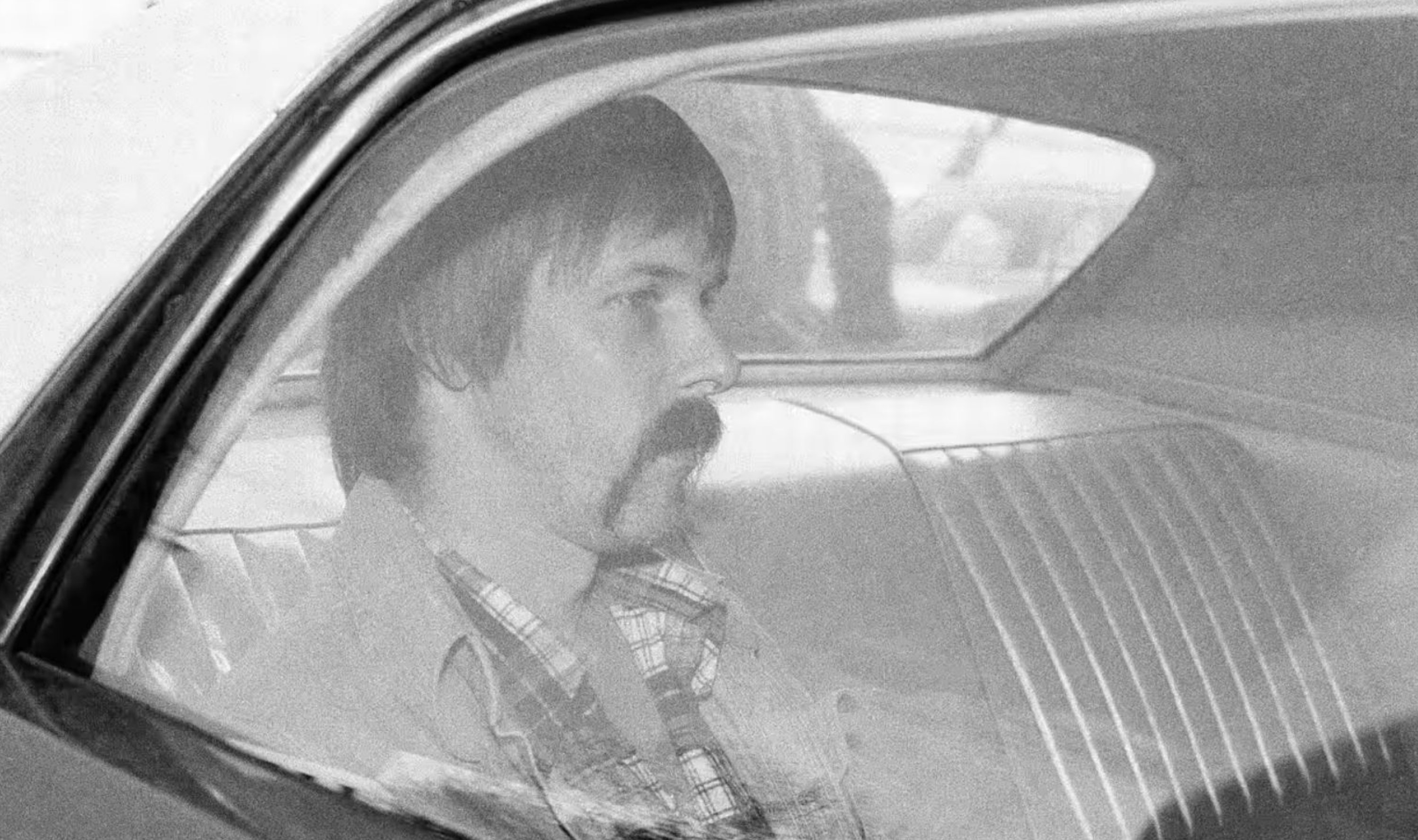
The operation against Letelier was led by Michael Townley, an American working for DINA. He received his orders from the agency’s operational command, used Condor’s channels and recruited militant anti-Castro Cuban exiles. Letelier’s addresses, car and daily habits had already been studied carefully. Townley’s orders did not prescribe a particular method. Cuban hitmen, sarin, a staged accident or any other means would do—the only requirement was that Letelier die. In the end, they chose a bomb beneath his car.
The Passports That Gave Condor Away
Before the bomb could be planted, DINA had to solve a seemingly ordinary logistical problem: how to send its operatives into the United States without leaving a trail back to the Chilean secret police. Michael Townley was to organise the assassination, while Chilean officer Armando Fernández Larios would scout Letelier’s home, office, vehicles and daily routes. Entering under their real names would create a record that, in the event of an investigation, led straight to Santiago.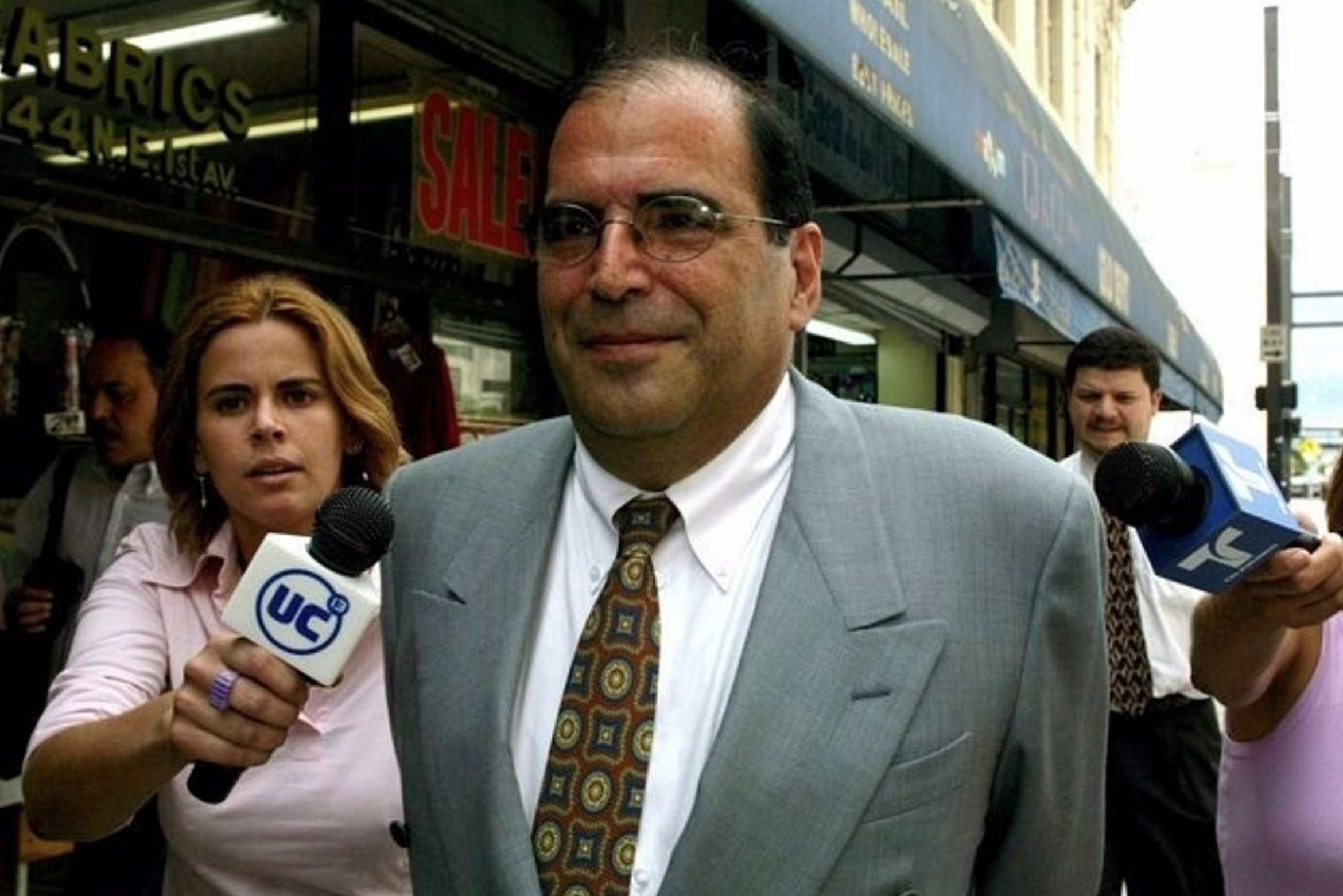
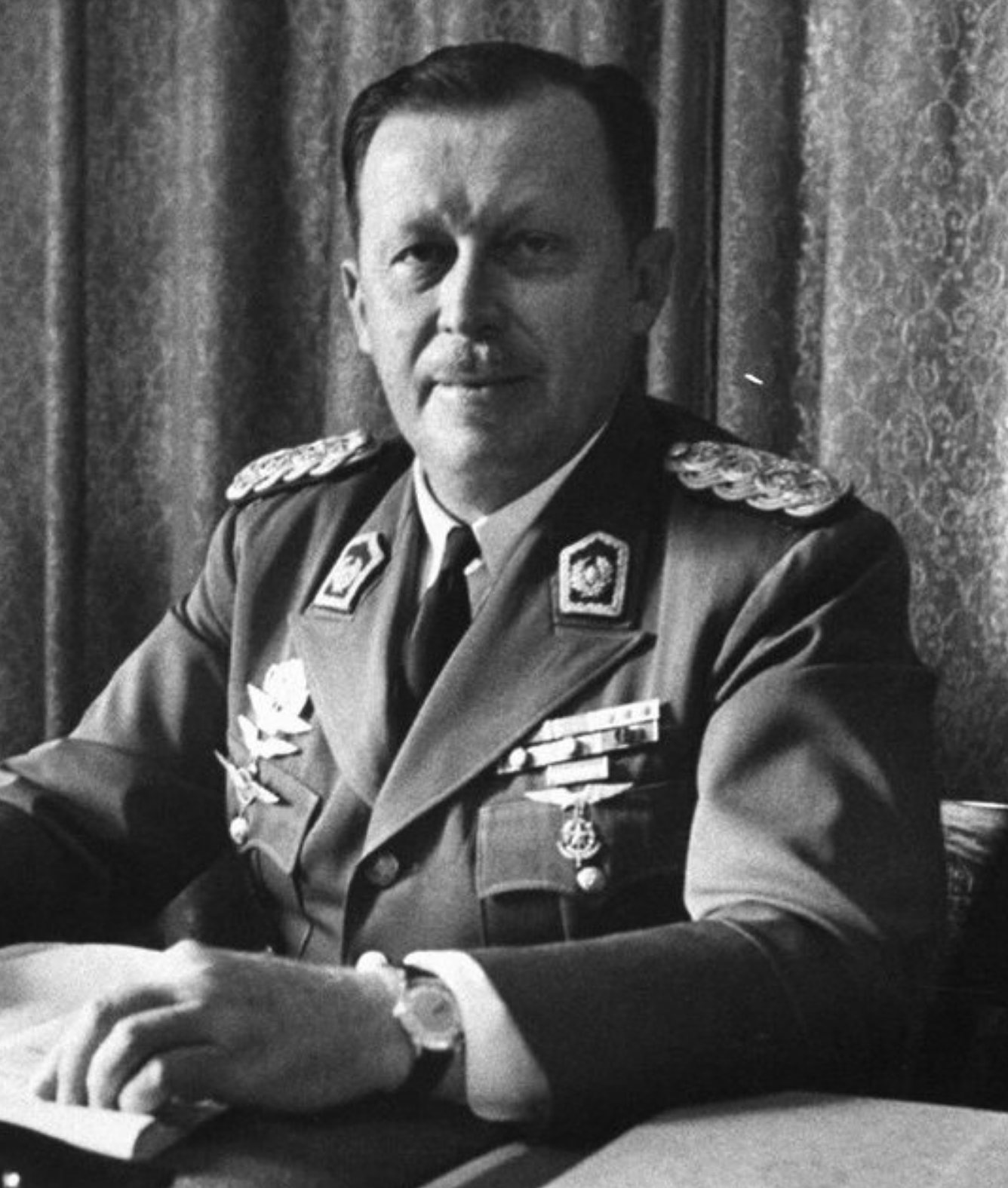
In July 1976, Townley and Fernández Larios travelled to Asunción, the Paraguayan capital, carrying genuine Paraguayan passports issued under the fictitious names "Juan Williams Rose" and "Alejandro Romeral Jara." These were not crude forgeries produced in some clandestine workshop. They had been issued by a Condor member state, giving the false identities, at first glance, all the authority of genuine official documents.
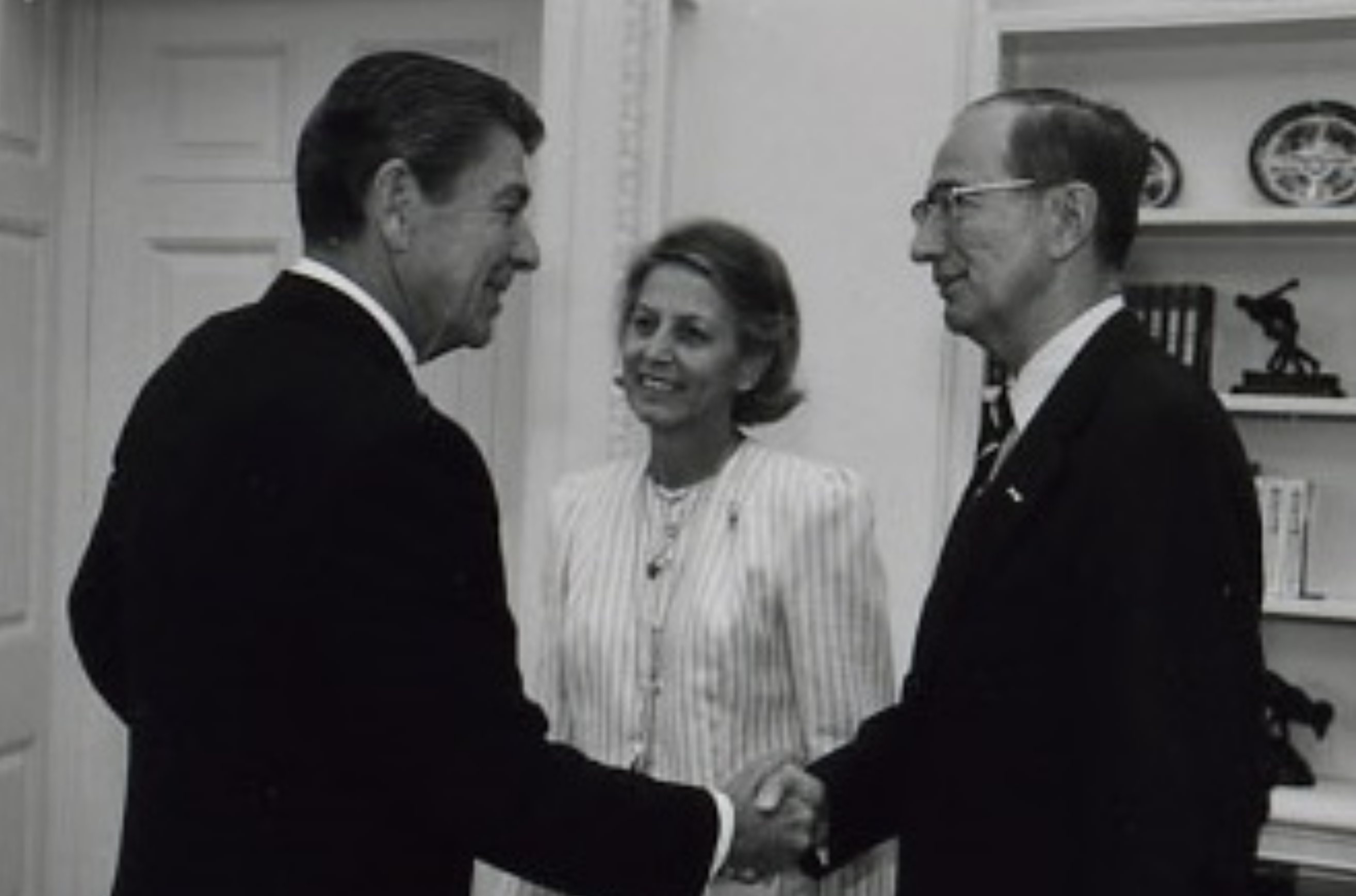
According to the explanation given to George Landau, the US ambassador to Paraguay, Augusto Pinochet had personally asked Paraguayan dictator Alfredo Stroessner to assist the two men.
Townley and Fernández Larios soon received official Chilean passports while retaining the same fictitious names. Chile’s Foreign Ministry then asked the US Embassy in Santiago to issue visas for their supposed official trip. The second attempt succeeded. Both men entered the United States in August 1976. Fernández Larios placed Letelier under surveillance while Townley continued organising the assassination.
Reusing the same false identities would prove to be a serious mistake. American investigators had the photographs from the applications submitted in Asunción, the names used in Santiago and the records of their entry into the country. When they released photographs of the men known as Williams and Romeral, people familiar with Chile’s security apparatus identified them as Townley and Fernández Larios.
The documents intended to erase their real names instead became a map of the entire operation. The trail ran from the US Embassy in Paraguay to the Chilean Foreign Ministry, and from there to DINA, Stroessner’s regime and Pinochet’s office. In the end, Condor was exposed by the very passports meant to conceal its existence.
Two Dead—and Townley’s Dead Man’s Switch
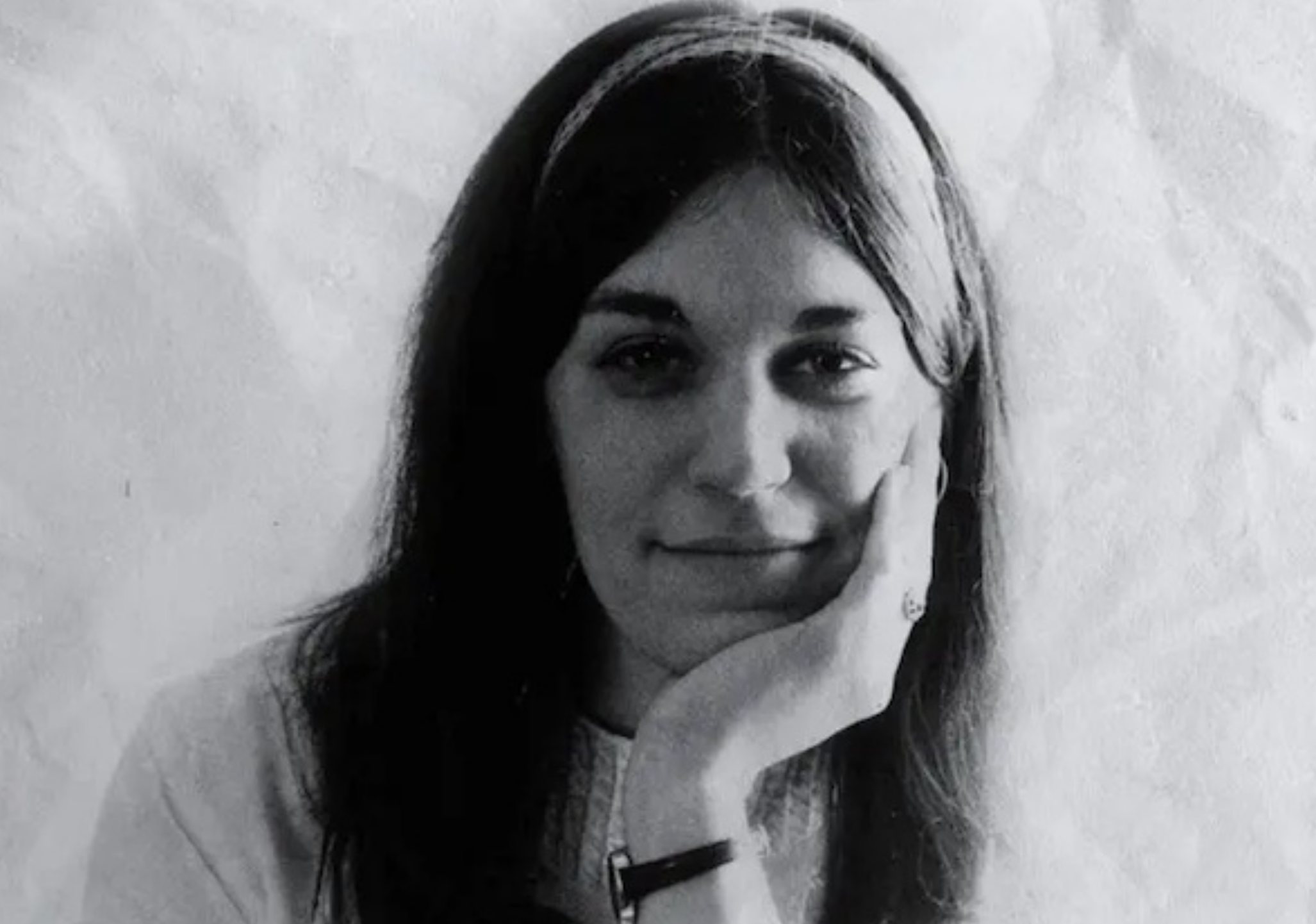
The explosion mortally wounded Letelier. Ronni managed to climb out of the wreckage, so her surviving husband—also named Michael—initially believed she was safe and turned to help Letelier. Only later did he realise that a metal fragment had torn into her neck. She died in hospital.
Ronni was not merely an incidental "secretary," as some later reports described her. She worked in fundraising, was active in the peace movement and helped launch a free music programme for children from poorer Washington neighbourhoods. She and Michael had been married for less than four months.
The most unusual piece of evidence came from Townley himself. As the FBI closed in, he began to fear that his own employers would eliminate him. In March 1978, he wrote several confessions, signed them and authenticated them with his thumbprint. He gave the documents to his wife as insurance. If he was killed, he wrote, responsibility should be sought within the Chilean government and with Contreras. This paper version of a dead man’s switch became one of the most important pieces of evidence against DINA. Townley’s accounts demonstrate the operation’s official character, although they do not prove that he knew who above Contreras had authorised the order.
Chile handed him over to the United States in 1978. He pleaded guilty, received a ten-year prison sentence, served 62 months and entered the witness protection programme. Contreras and DINA operations chief Pedro Espinoza were convicted in Chile in 1995. Evidence implicating the very top of the chain of command came from another direction. In a 1987 assessment, the CIA concluded that there was compelling evidence that Augusto Pinochet had personally ordered the assassination and subsequently taken part in concealing responsibility for it.
Can an Assassination Be a Sovereign Act?
In 1978, the Letelier and Moffitt families sued not only the individual assassins but also the Republic of Chile. Santiago responded with an argument that would turn the case into a legal precedent: an American court had no authority to judge another state, and the conduct of Chilean officials belonged to the protected realm of sovereign action. In other words, even a political assassination was to be treated as an act of state beyond the reach of an ordinary civil court.US District Judge Joyce Hens Green rejected that logic in March 1980. The Foreign Sovereign Immunities Act shields states from many lawsuits, but it also provides an exception when their officials cause injury or death in the United States. The court ruled that organising a car-bomb assassination could not become a protected "discretionary function" merely because the decision had been made in a presidential palace. In November of that year, the families were awarded $4.95 million in damages. Yet winning a judgment against a state did not mean that the money could easily be collected.
An attempt to seize assets belonging to Chile’s state-owned airline became entangled in additional rules governing the legal separation of state enterprises. The matter was ultimately returned to the realm of interstate diplomacy. After Chile’s return to democracy, Chile and the United States established a commission under a bilateral treaty dating from 1914. In 1992, the commission awarded the families a total of $2,611,892 for material loss and emotional suffering. The payment was framed without any formal admission of Chilean legal liability, giving justice a characteristically diplomatic ending: the money arrived, but the full sentence of acknowledgement never did.
The Warning Lost to Diplomatic Hesitation
The case also left behind an uncomfortable American question. Washington had, to put it mildly, helped destabilise Allende’s government and long regarded Pinochet’s regime as a useful anti-communist partner. Before the assassination, US agencies knew that Condor was considering killings outside South America. Henry Kissinger’s State Department prepared a warning to Chile and the other dictatorships, but the initiative was halted just days before the explosion. The documents do not show that Washington knew Letelier himself was the target. They do show, however, that a warning about possible international assassinations was allowed to die in a fog of diplomatic hesitation.
Justice continued to arrive in fragments. In June this year, nearly half a century after the attack, a Chilean judge sentenced three more former DINA agents to 15 years in prison for the murder of Ronni Moffitt. Today, a modest memorial stands at Sheridan Circle, bearing the names of both victims and the words "Justice — Peace — Dignity."
Operation Condor succeeded in crossing oceans, but it could not preserve its secret forever. The regime that first tried to take Letelier’s homeland from him, and then his voice, achieved precisely the opposite. The bomb killed two people. At the same time, it showed the world how far Pinochet’s dictatorship was prepared to go—and how little a national border meant to a regime that had turned the persecution of political opponents into foreign policy.
Sources
- National Security Archive CIA: “Pinochet personally ordered” Letelier bombing https://nsarchive.gwu.edu/briefing-book/chile/2016-09-23/cia-pinochet-personally-ordered-letelier-bombing
- National Security Archive The Pinochet Dictatorship Declassified: Confessions of a DINA Hit Man https://nsarchive.gwu.edu/briefing-book/chile/2023-11-22/pinochet-dictatorship-declassified-confessions-dina-hit-man
- Plan Cóndor Assassination of Orlando Letelier https://plancondor.org/en/node/1306
- Justia Letelier v. Republic of Chile, 488 F. Supp. 665 (D.D.C. 1980) https://law.justia.com/cases/federal/district-courts/FSupp/488/665/1400196/
- Justia De Letelier v. Republic of Chile, 502 F. Supp. 259 (D.D.C. 1980) https://law.justia.com/cases/federal/district-courts/FSupp/502/259/1512717/
- El País Condenan a tres exagentes de Pinochet por el asesinato de Ronnie Moffitt, 50 años después del atentado en que murió junto a Orlando Letelier https://elpais.com/chile/2026-06-19/condenados-tres-exagentes-de-pinochet-por-el-asesinato-de-ronnie-moffit-a-50-anos-del-atentado-en-washington.html
- The Nation A Modicum of Justice for Ronni Karpen Moffitt https://www.thenation.com/article/world/ronni-moffitt-orlando-letelier-pinochet-chile-assassination-human-rights-justice/
- Office of Senator Peter Welch Statement on the 50th Anniversary of the Murder of Orlando Letelier and Ronni Karpen Moffitt https://www.welch.senate.gov/statement-on-the-50th-anniversary-of-the-murder-of-orlando-letelier-and-ronni-karpen-moffitt/
Comments