
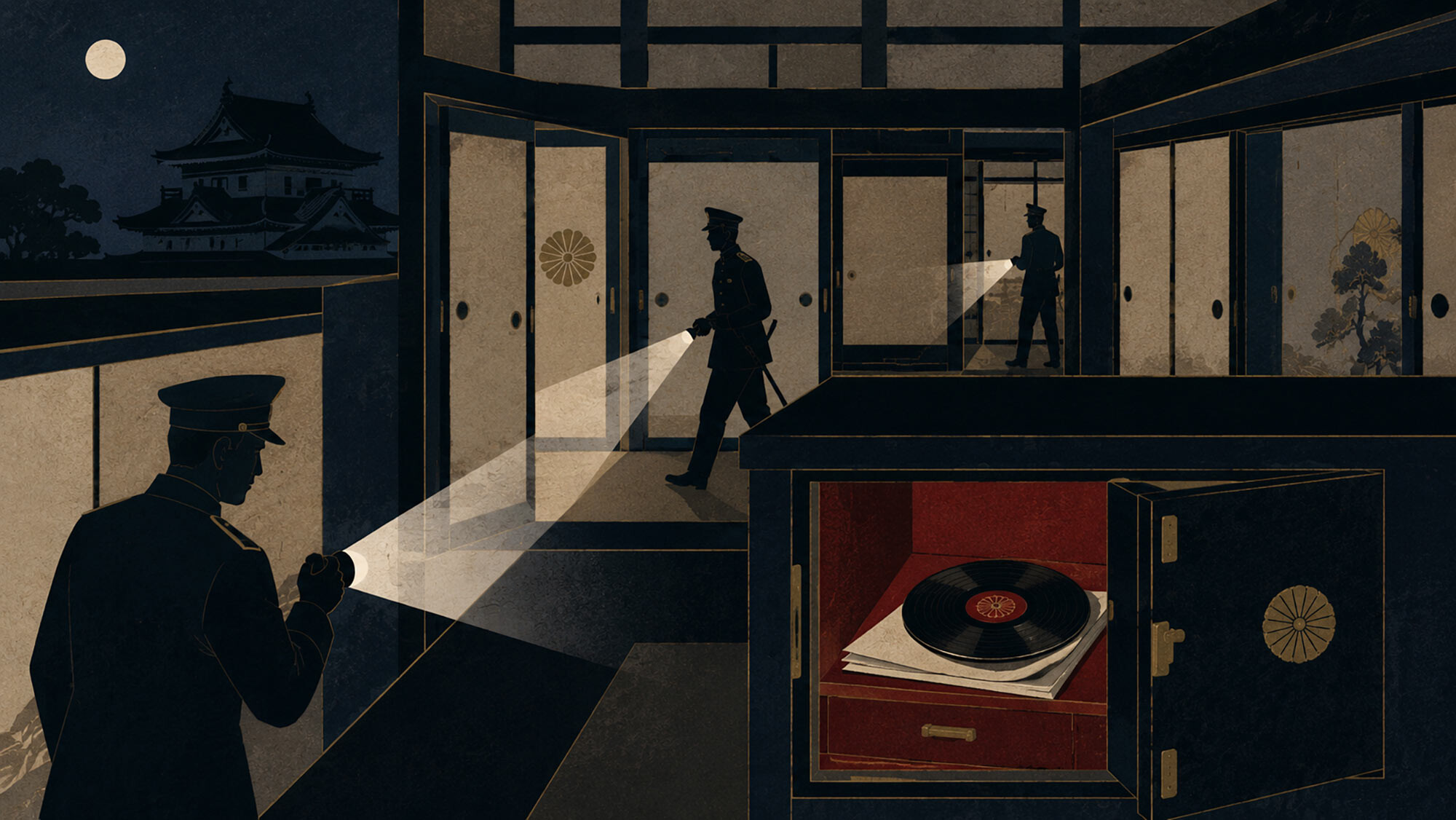
On the night Japan’s war was supposed to end, its final front opened in the corridors of the Imperial Palace. The targets were not American bombers or Soviet tanks, but a handful of fragile phonograph records. They held a recording of Emperor Hirohito’s voice — the voice of a man who, to almost the entire country, had existed largely as a political and religious abstraction. By noon, the whole Empire was supposed to hear him. A group of young officers set out to find the records, destroy them and stop the surrender.
Remarkably, it was a rebellion staged in the name of absolute loyalty to the emperor, yet directed against his explicit will. The conspirators wanted to save the imperial order by separating the emperor from his own decision. They intended to steal his voice in order to preserve his authority. It is difficult to imagine a more perfect final scene for a system that had made obedience its highest virtue: the supreme command was sacred until it ordered the war to end.
In just nine days that August, Japan was struck by three catastrophes. Hiroshima was destroyed on August 6, the Soviet Union declared war on Japan on August 8, and Nagasaki was bombed the following day. Historians still debate which blow ultimately broke Japan’s leadership — the atomic bombs or the Soviet attack. For the men sitting in Tokyo at the time, the distinction was becoming almost academic. The country no longer had a credible military way out, nor could it hope to use Moscow as a diplomatic intermediary.
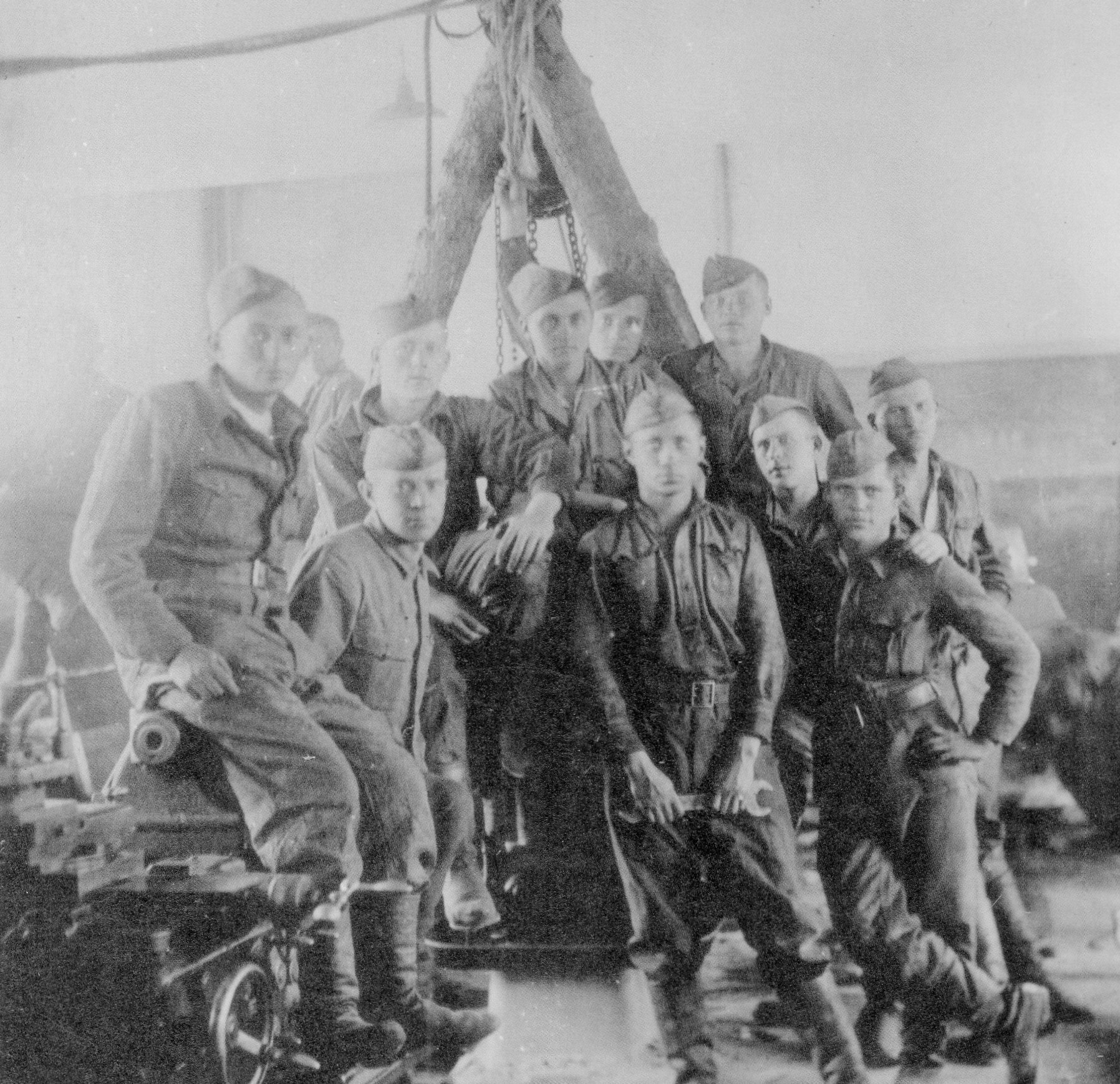
Even so, the highest levels of Japan’s wartime leadership remained divided. The so-called Big Six split three to three. Prime Minister Kantaro Suzuki, Foreign Minister Shigenori Togo and Navy Minister Mitsumasa Yonai were prepared to accept the Potsdam Declaration on the condition that the imperial institution be preserved. The military hardliners demanded far more — that Japan disarm its own forces, try its own war criminals and avoid Allied occupation. In other words, they were offering a surrender in which the defeated side would retain the right to dictate the terms of its own defeat. Hirohito had to personally break the deadlock, twice.
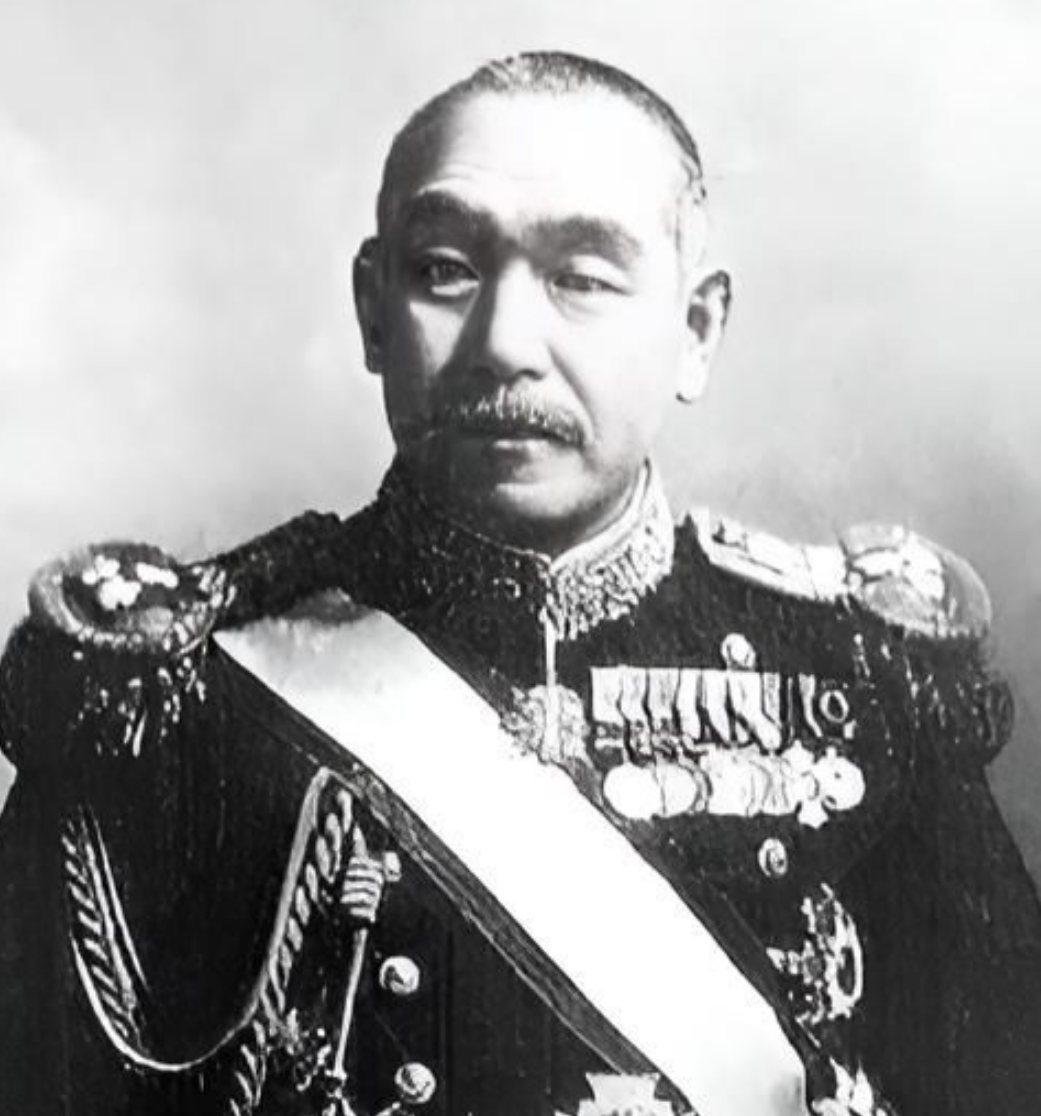
Japan’s Ketsu-Go plan envisioned a bloody defense of the home islands. Its political logic was horrifying, but militarily comprehensible: inflict so many casualties on the Americans that Washington would offer softer terms. Even after entire cities had been destroyed, some military leaders still believed that several hundred thousand more deaths could become bargaining chips. The Kyūjō Incident, then, was not some random eruption of insanity — although insanity is difficult to avoid as a description while America was dropping atomic bombs — but the final product of a strategy that had turned national self-destruction into a form of diplomacy.
Throughout August 14, the text of the emperor’s address was revised repeatedly. There was not even time to prepare a clean final copy, so changes were written directly onto the document. That evening, technicians from Japan’s NHK broadcasting service were secretly brought into the palace. Hirohito recorded the speech twice, and the second take was chosen for broadcast. The event became known as the "gyokuon-hoso," the "Jewel Voice Broadcast." The emperor, until then an almost metaphysical presence, suddenly became a recording — an object that could be hidden, stolen or smashed.
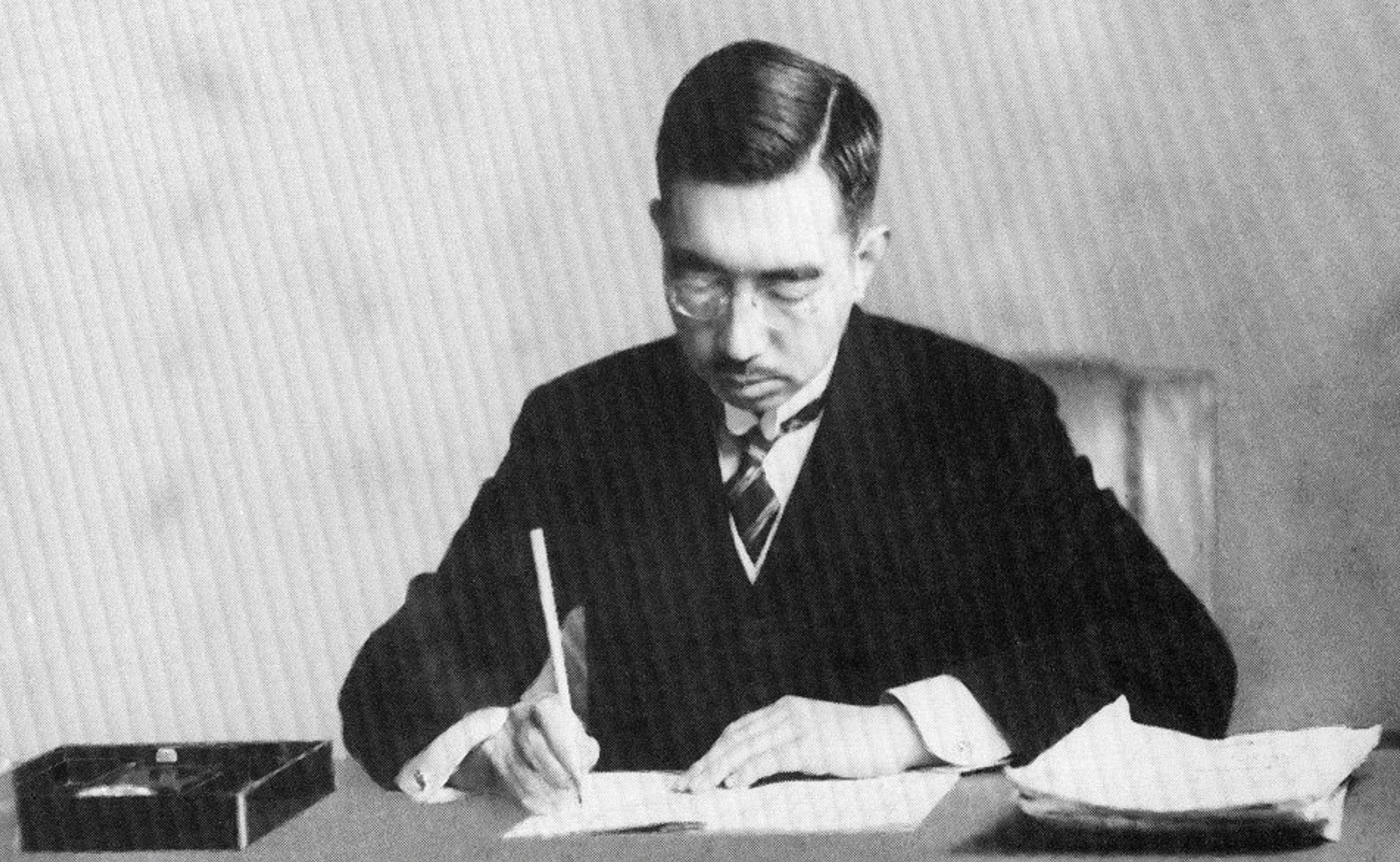
Even in that speech, he never used the word "surrender." Hirohito said that the war situation had developed "not necessarily to Japan’s advantage" and referred to the enemy’s use of "a new and most cruel bomb." He spoke in archaic court language over a weak radio signal. Many listeners did not immediately understand what they had just heard. It was the first time the emperor had ever addressed the nation by radio, yet even the end of the war had to be wrapped in language elevated enough to ensure that defeat did not sound quite like defeat.
At the center of the conspiracy was Major Kenji Hatanaka, an officer in the War Ministry. He was joined by Lieutenant Colonel Jiro Shiizaki and several other younger officers.
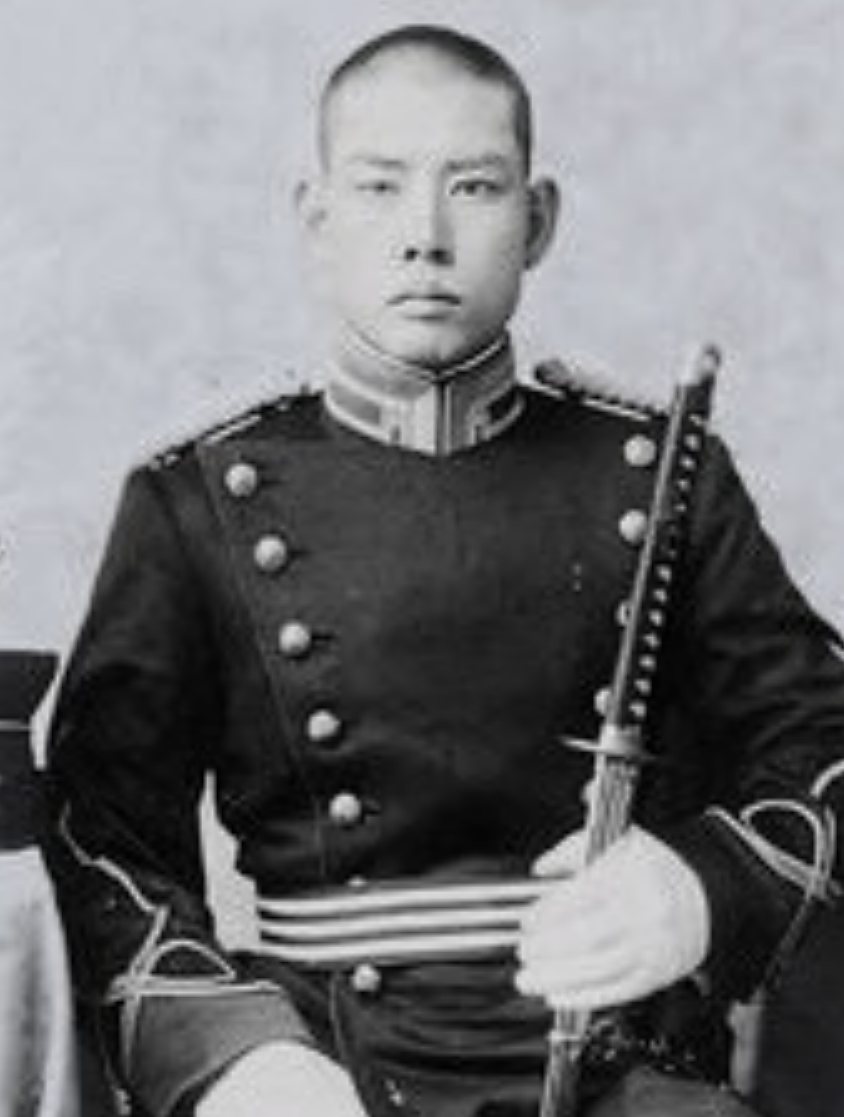
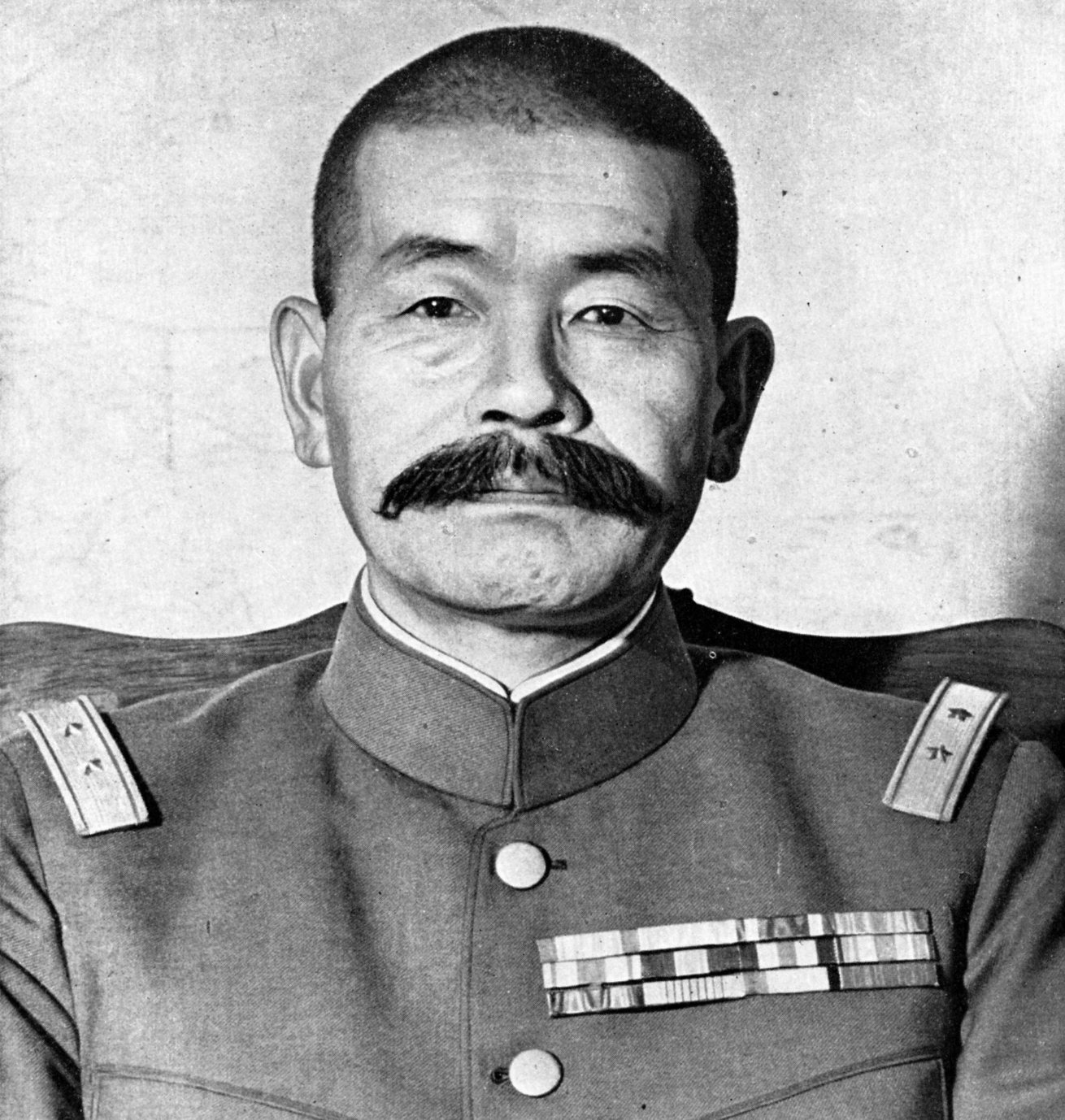
They tried to win over General Korechika Anami, the war minister and a symbol of military resistance to surrender. Anami opposed capitulation, but he accepted the emperor’s decision and refused to bless the coup. Hatanaka then did what rebels often do when they lack authority: he invented it.
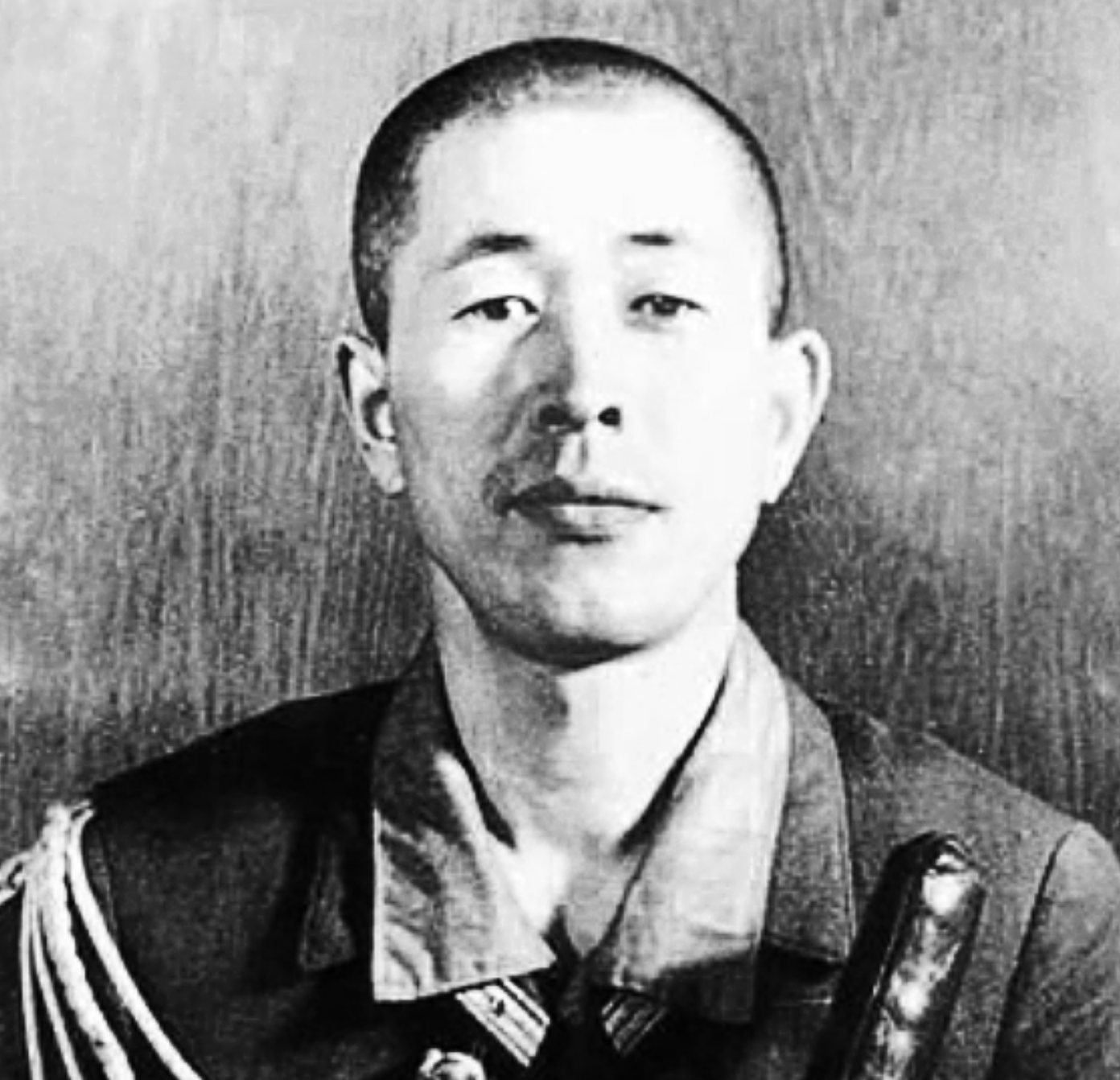
The conspirators told the commander of the Second Regiment of the Imperial Guard that the country’s political and military leadership stood behind them. When Lieutenant General Takeshi Mori, commander of the Guard, refused to join, they killed him in his office. They then used his official seal to authenticate a forged order. In a state that had turned seals, ranks and procedure into ritual, a piece of paper bearing the correct stamp briefly carried more weight than the emperor’s actual decision.
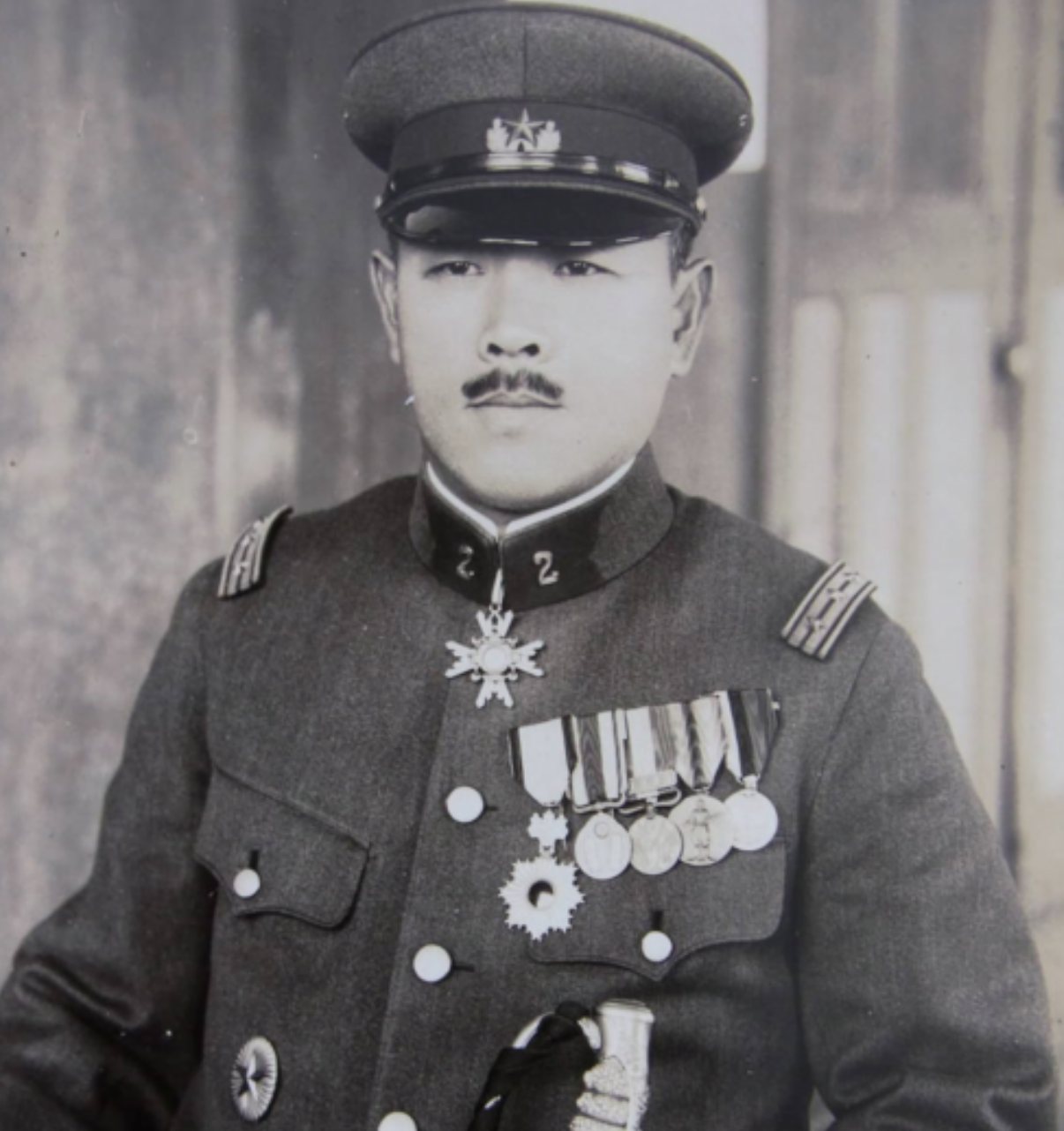
Guards sealed the palace exits. Telephone lines were cut, while staff and radio technicians were detained. In the darkened complex, the rebels searched underground rooms and offices, but the palace was a labyrinth that even its own guards barely knew. Court officials lied to them about where the recording had been hidden. The records had been placed inside a small office safe and covered with documents. The conspirators had swords, pistols and forged orders. What they lacked was a decent filing system.
Meanwhile, another group headed for Prime Minister Suzuki’s residence. They failed to find him and burned the house instead. Anami, meanwhile, committed ritual suicide at his own home. He left behind a note apologizing to the emperor for his "great crime," without explaining whether he meant the lost war, his opposition to surrender, or his failure to control his own officers. That ambiguity was, one might say, an appropriately fitting epitaph for Japan’s wartime military leadership.
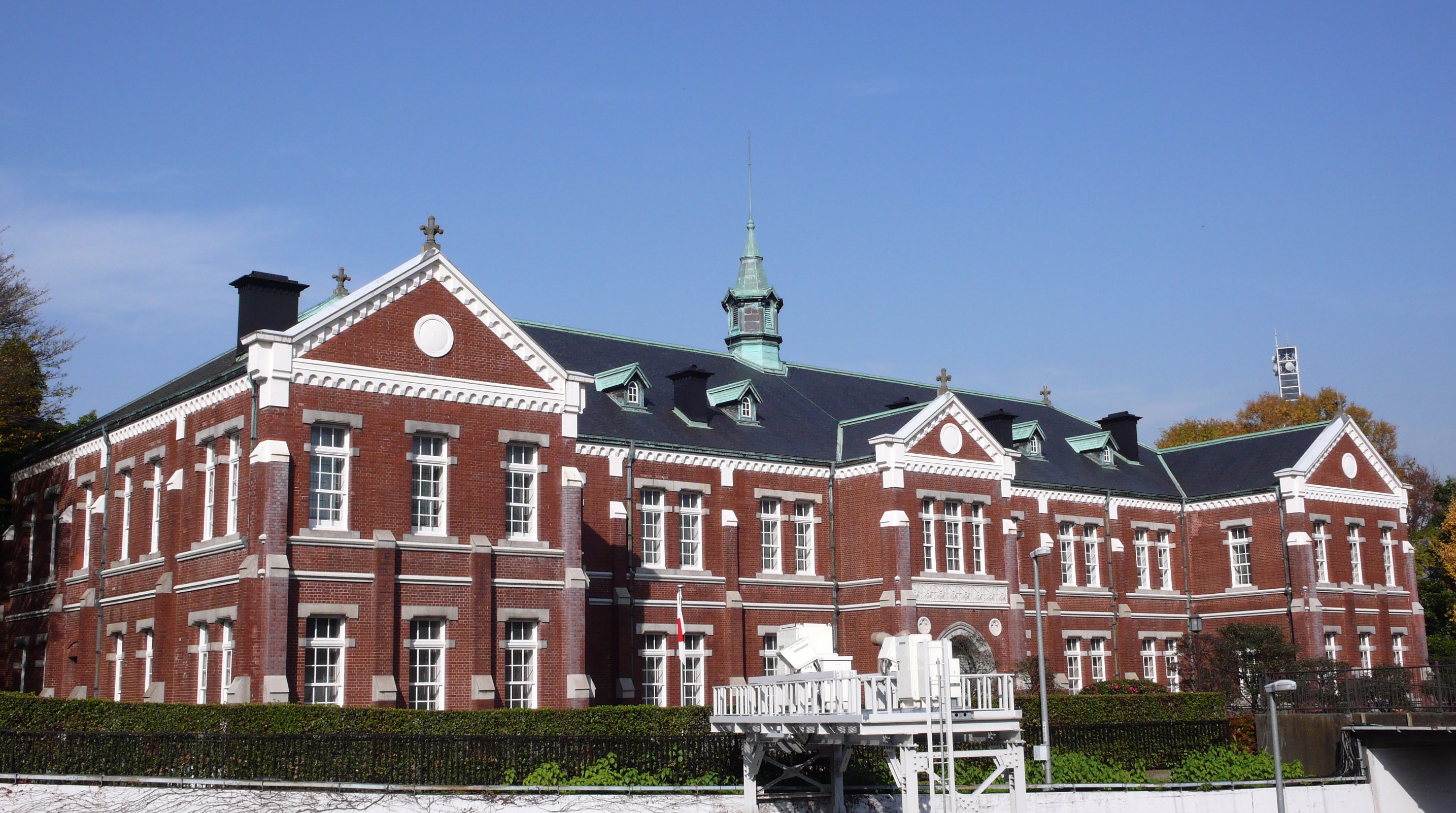
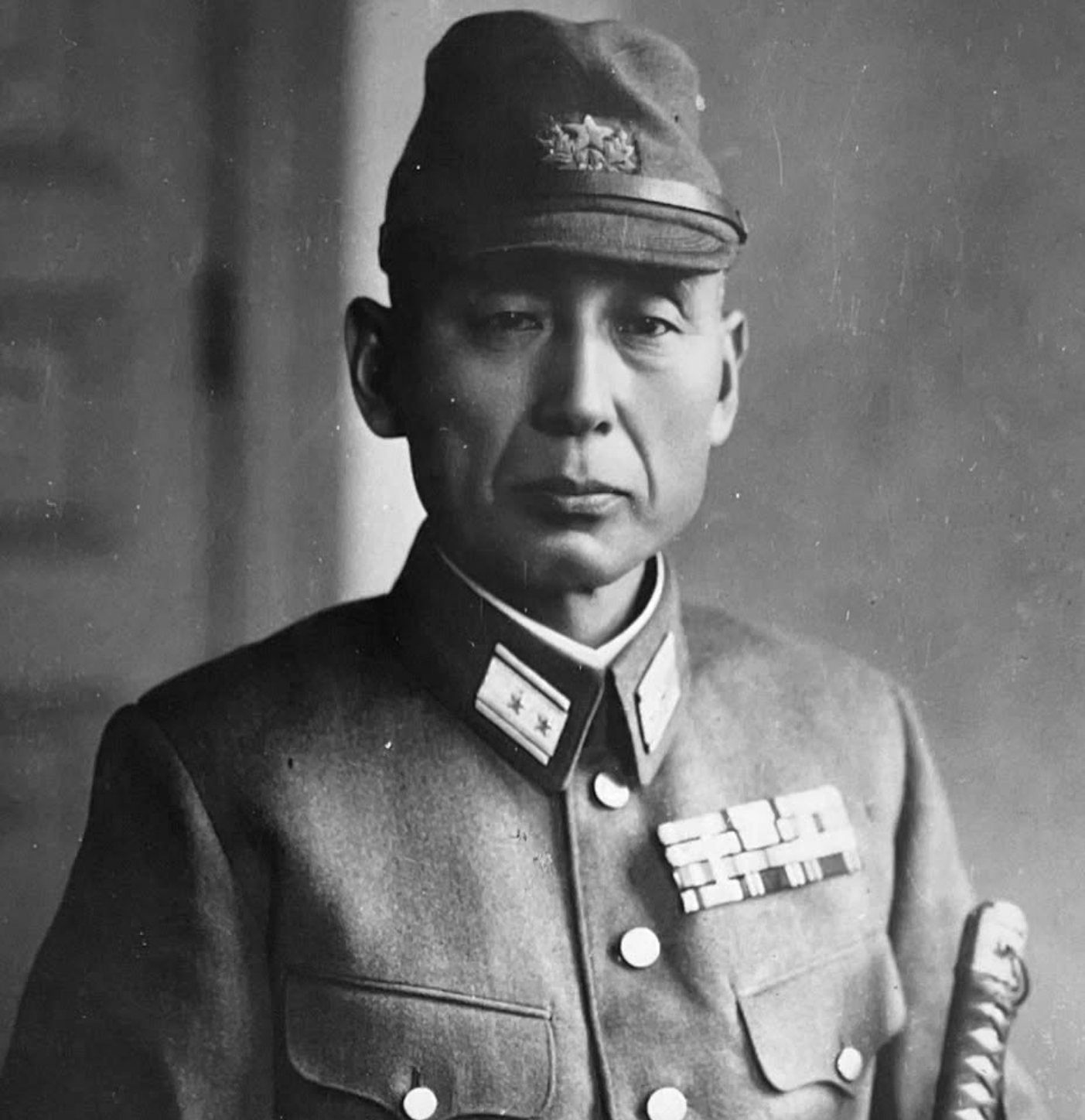
The coup was broken by General Shizuichi Tanaka, commander of the Eastern Army. Before dawn, he entered the palace and personally ordered the guardsmen back to their barracks. Hatanaka made one final attempt to seize what he had failed to steal: the airwaves. He demanded ten minutes on NHK to explain his motives to the nation. He was refused. An officer who only hours earlier had tried to take control of the state was now asking for a slot on the radio.
The Emperor Who Asked for One More Take
The most important speech of Emperor Hirohito’s life was delivered not before parliament, the military or a vast crowd. Late on August 14, 1945, he stood before a microphone in the Imperial Household Ministry while, in the adjoining room, technicians from Japan’s national broadcaster cut his voice directly onto phonograph records. According to the testimony of Motohiko Kakei, a senior ministry official who was present for the recording, Hirohito looked so exhausted as he entered the room that the sight of him was deeply unsettling.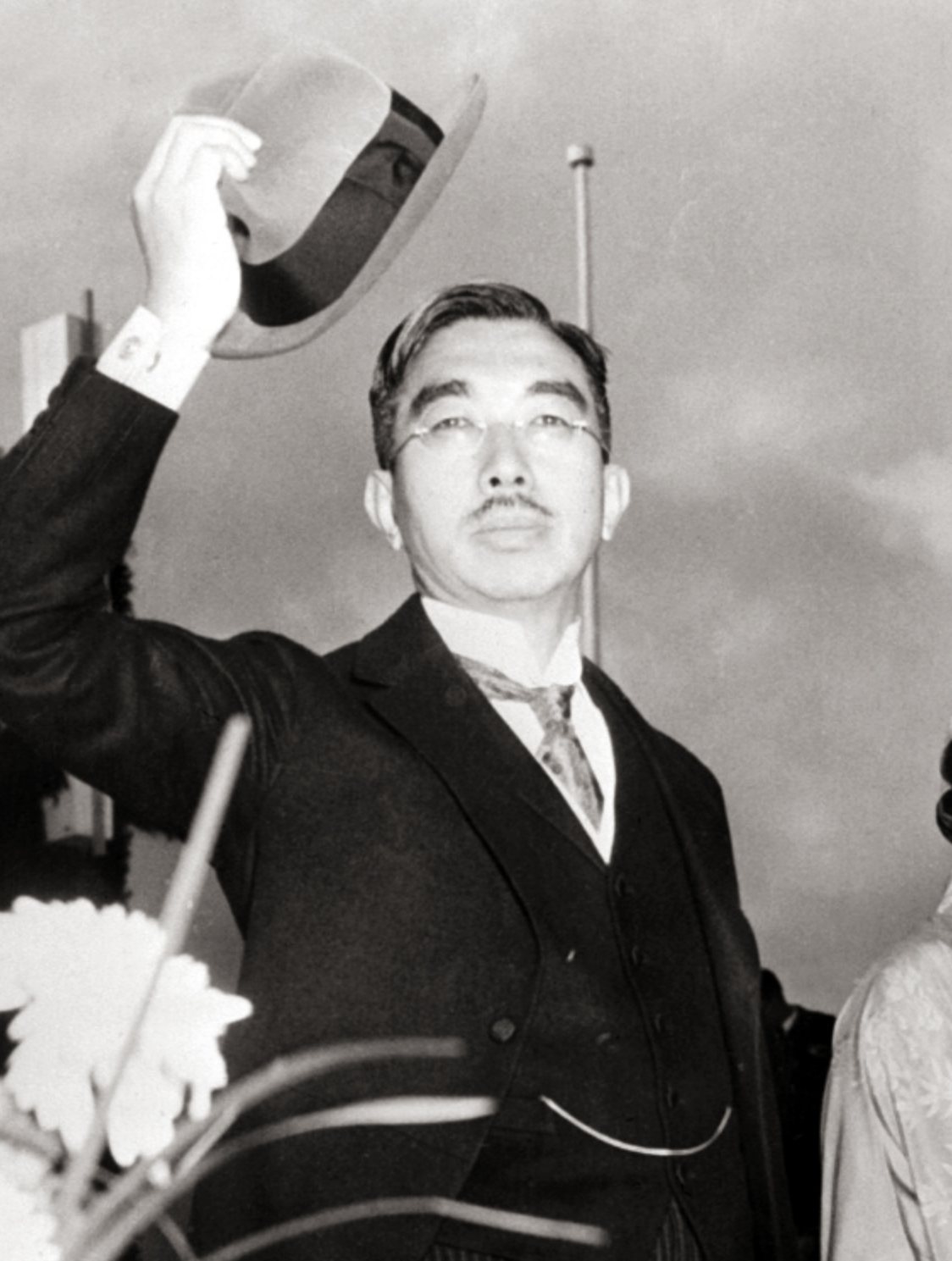
There is something almost indecently human in that detail. Behind the monumental image of Japan’s surrender stands a man before a microphone, asking whether he had spoken clearly enough and wanting to try one more time. Hirohito was not merely recording a speech. He was recording the moment when a centuries-old image of infallible imperial authority had to be compressed into a few minutes of sound. Only hours later, young officers would wander through the palace trying to find those very records. And perhaps the greatest irony of that night is that, for a brief moment, Japan’s future depended on something as ordinary as deciding which of two takes had come out slightly better.
By eight in the morning, the rebellion was over. Hatanaka and Shiizaki tried to distribute leaflets explaining their motives, then killed themselves near the palace. A few hours later, at exactly noon on August 15, the phonograph records reached the radio station. From speakers across the country came a distant, thin voice. It never said, "We have lost," but Japan understood that it was being ordered to stop fighting.
That is where the historical significance of the Kyūjō Incident lies. Wars do not end simply because ammunition runs out or because the enemy captures the capital. They end when an authority the military still recognizes succeeds in giving defeat a name and turning it into an order. Those young officers were not fighting the Americans that night. They were fighting the moment when reality was about to be given a voice.
Sources
- Nsarchive.gwu.edu “The Second Sacred Judgment”, August 14, 1945 | National Security Archive https://nsarchive.gwu.edu/document/28446-document-89-second-sacred-judgment-august-14-1945
- History.navy.mil H-053-2: The Surrender of Japan https://www.history.navy.mil/about-us/leadership/director/directors-corner/h-grams/h-gram-053/h-053-2.html
- Archives.gov Surrender of Japan (1945) https://www.archives.gov/milestone-documents/surrender-of-japan
- Time Magazine An Attempted Coup Tried to Stop Japan’s Surrender in World War II. Here’s How It Failed https://time.com/5877433/wwii-japanese-surrender-coup/
- Nationalww2museum.org "To Bear the Unbearable": Japan's Surrender, Part II https://www.nationalww2museum.org/war/articles/japans-surrender-military-coup-1945
- Ahf.nuclearmuseum.org The Jewel Voice Broadcast - Nuclear Museum https://ahf.nuclearmuseum.org/ahf/key-documents/jewel-voice-broadcast/
- Archives.go.jp 終戦の詔書 ―御署名原本 https://www.archives.go.jp/exhibition/digital/koubunshonosekai/contents/09.html
- Ndl.go.jp Imperial Rescript of the Termination of the War, August 14, 1945 https://www.ndl.go.jp/constitution/e/shiryo/01/017shoshi.html
Comments