
The most important American convoy that evening had no military escort and no real command structure. It was an ordinary wagon into which 24-year-old Senate clerk Lewis Machen and African American Senate messenger Tobias Simpson were loading books, journals and confidential records. In the darkness, Machen would lose a wheel, scavenge a replacement from an abandoned blacksmith's shop and then overturn the wagon altogether. Bundles of papers would spill across the road while, behind him, the sky over Washington glowed red with the light of an enormous fire...
That wagon carried something that could not simply be rebuilt. The Capitol could be given a new roof, the President's House new rooms and the government departments new offices. But if the original records of the young republic's decisions disappeared, the state would lose part of its own memory - and with it, part of its very existence.
Washington in 1814 was not the monumental capital we imagine today. It had a population of roughly 8,200, unfinished buildings and streets that turned to mud after rain. Nor did the United States have a central national archive: crucial documents were scattered across offices, attics and wooden cabinets.
The United States had declared war on Britain in 1812 after years of disputes over maritime trade and the British impressment of sailors from American ships. Some members of the American political elite also believed the war might end with the conquest of Canada. Instead of a swift demonstration of national strength, however, there came failed invasions, lost battles and growing financial exhaustion. As Washington was about to discover, sovereignty is easier to declare than to defend.
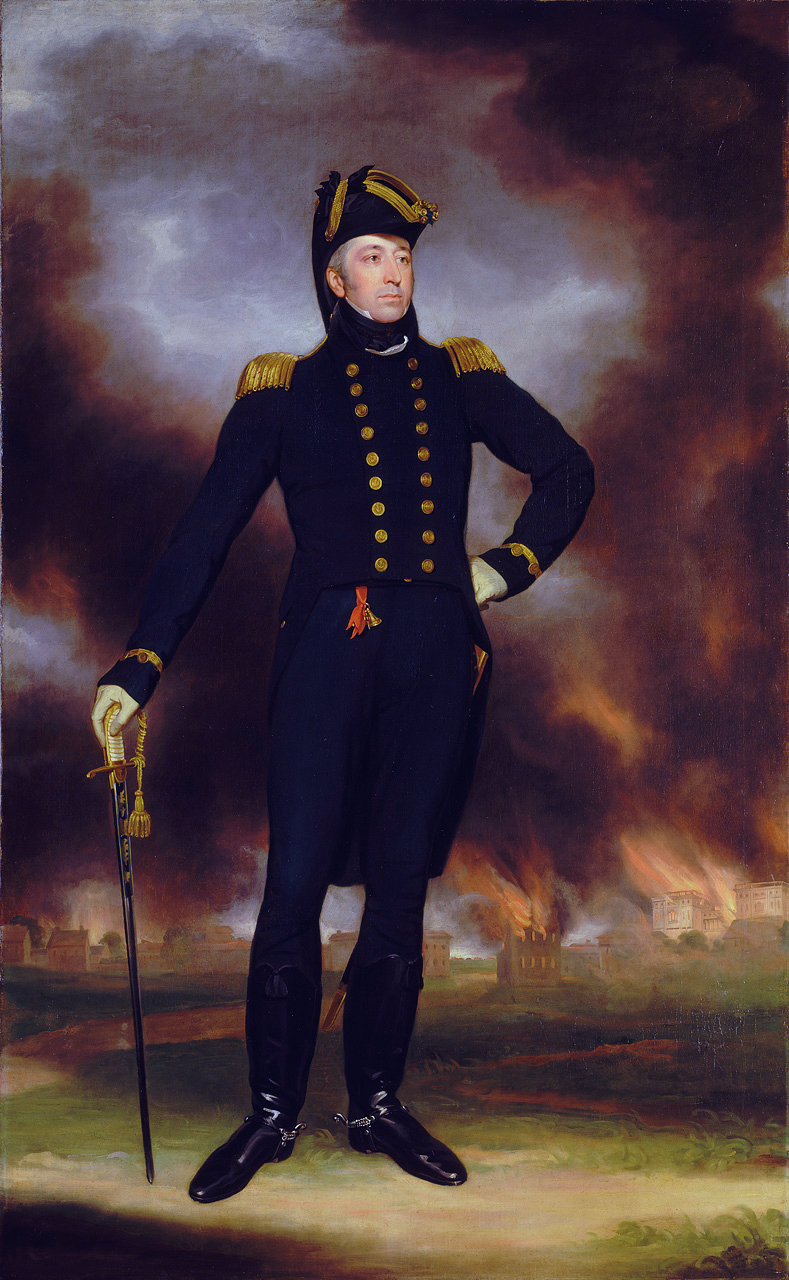
While the British military was preoccupied with fighting the French emperor Napoleon Bonaparte, the war in North America remained a secondary theater. After Napoleon's first abdication in the spring of 1814, London was finally able to send more ships and experienced troops across the Atlantic. Around 4,500 British soldiers under General Robert Ross landed in Maryland. They were accompanied by the fleet of Rear Admiral George Cockburn, an energetic commander who had already spent months ravaging the Chesapeake Bay region.
U.S. Secretary of War John Armstrong was convinced that the British were really aiming for Baltimore, the richer and more important port. Washington's defense was therefore left remarkably improvised. On August 24, at Bladensburg, only a few miles from the capital, a numerically superior American force was deployed in lines that could barely support one another. Most of the men were poorly trained militia. Even President James Madison, the fourth president of the United States, and members of his cabinet watched the battle from close by. But when the British veterans advanced, the defense collapsed. The only serious resistance came from Commodore Joshua Barney's sailors and a detachment of Marines.
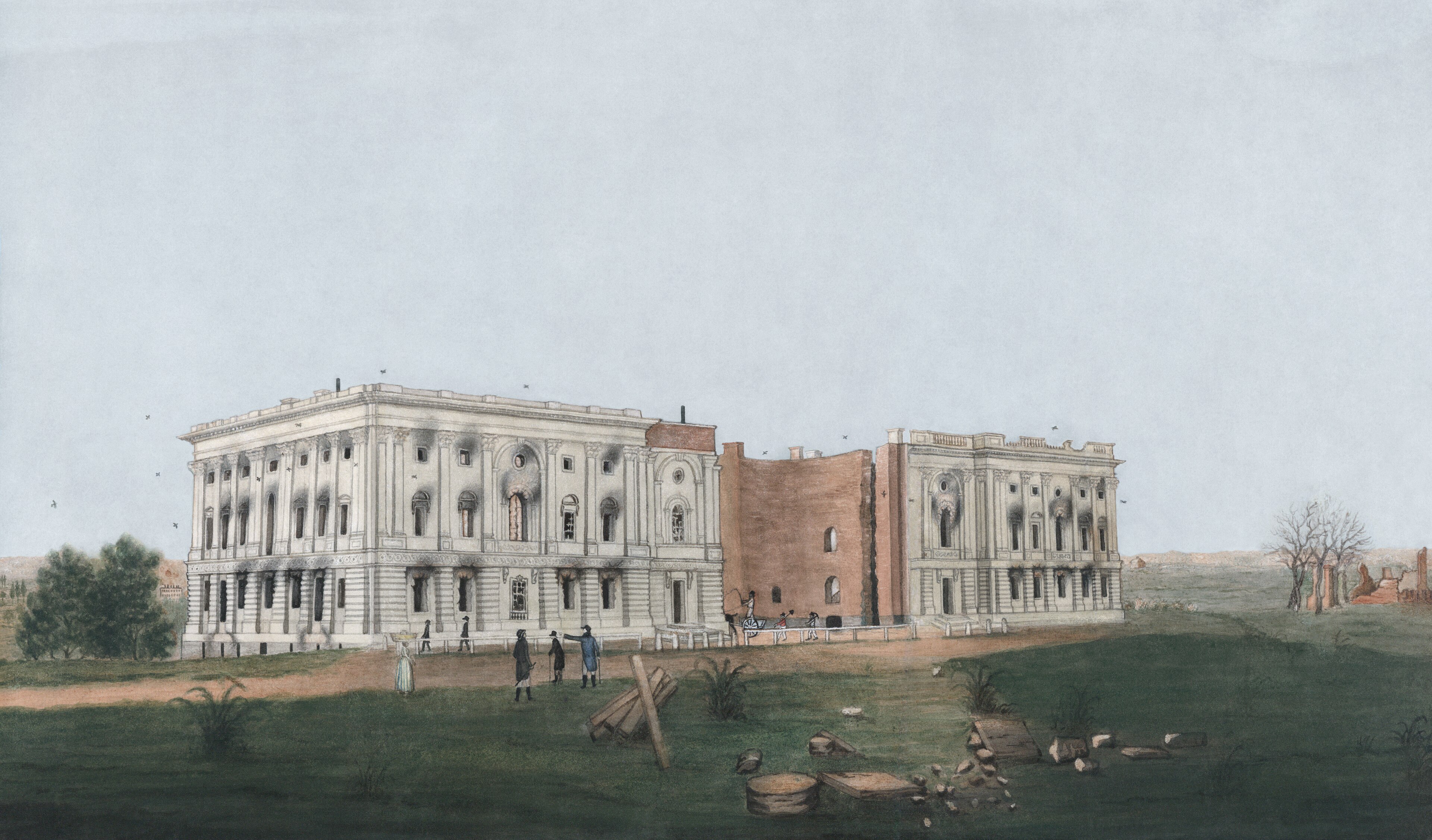
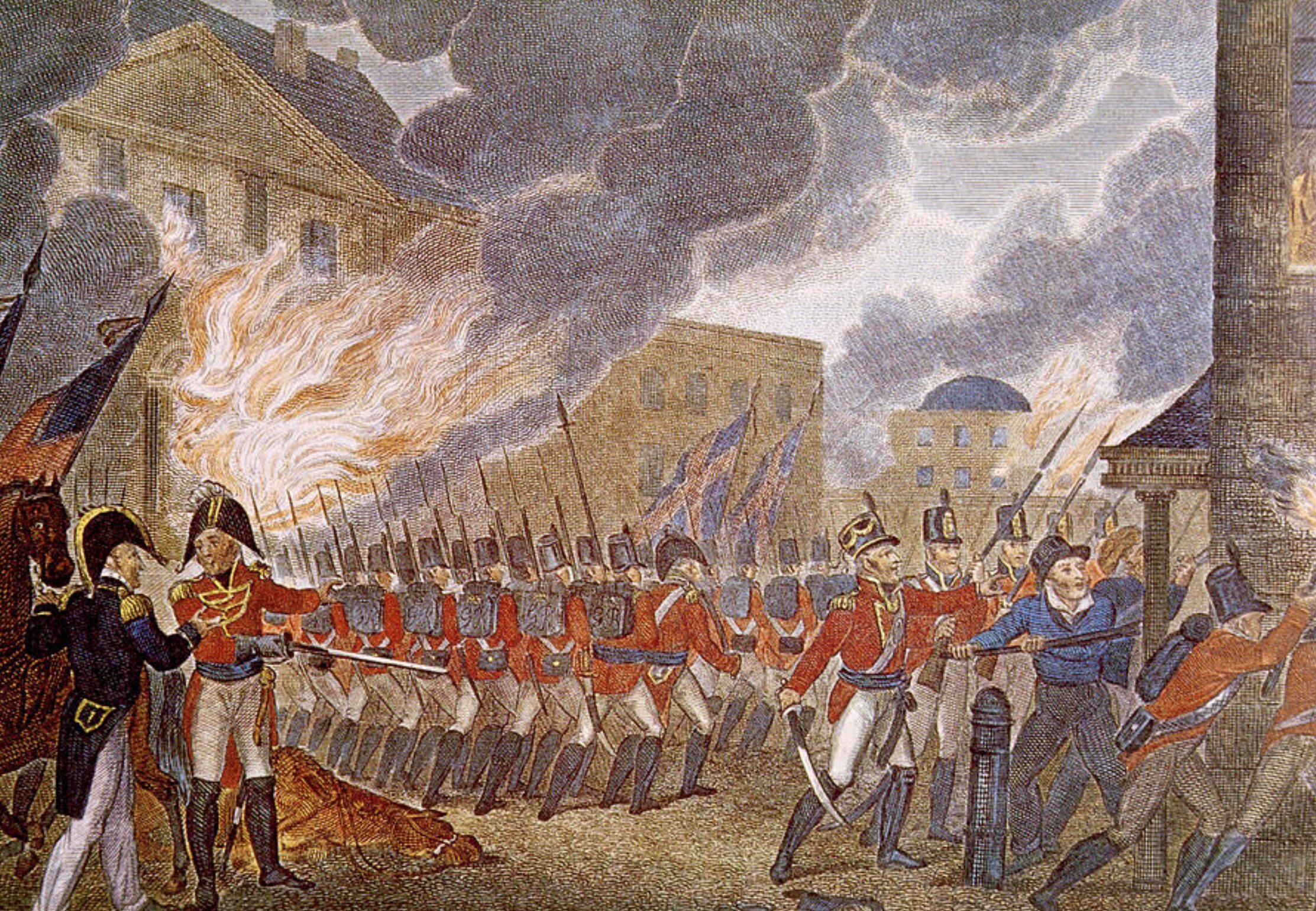
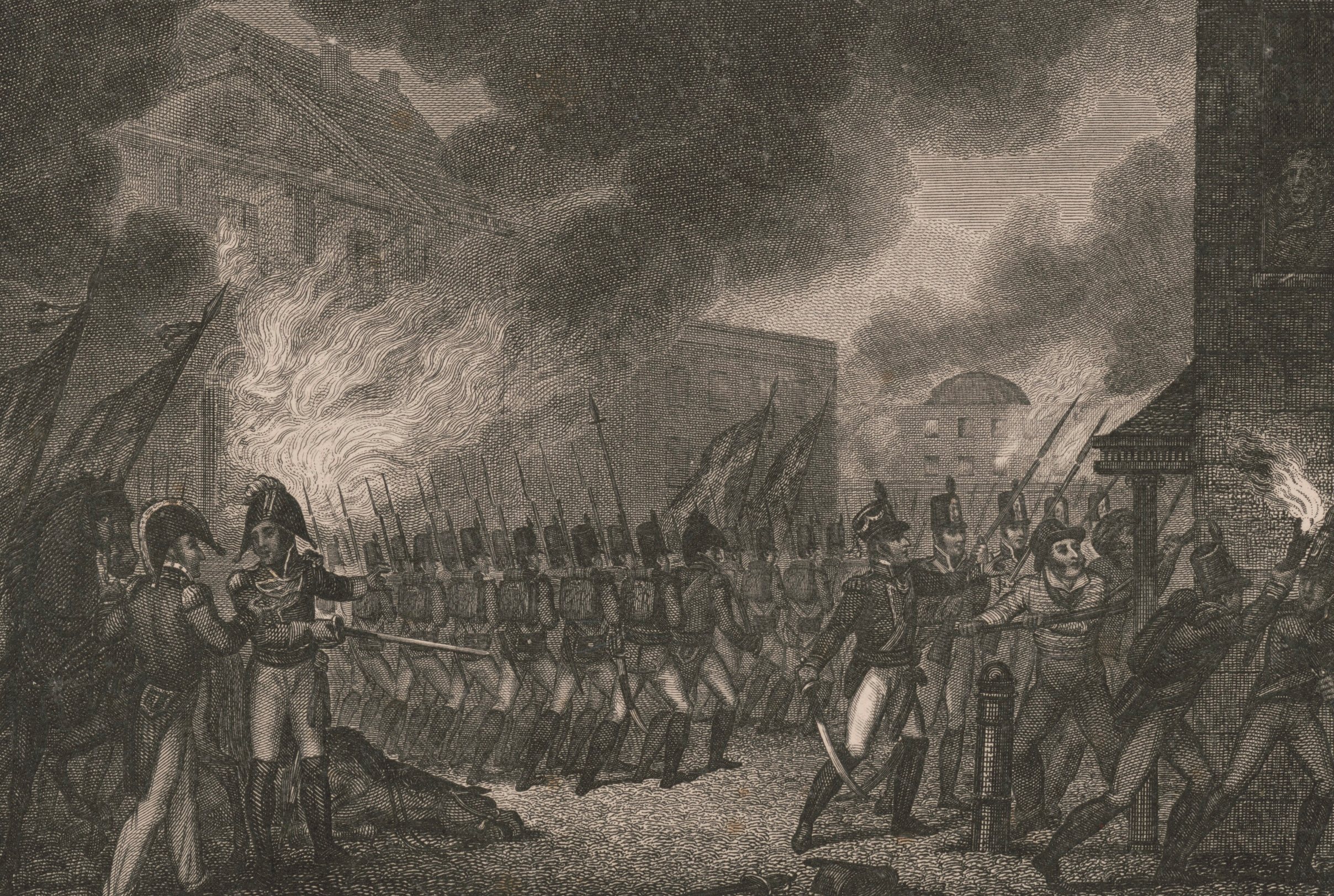
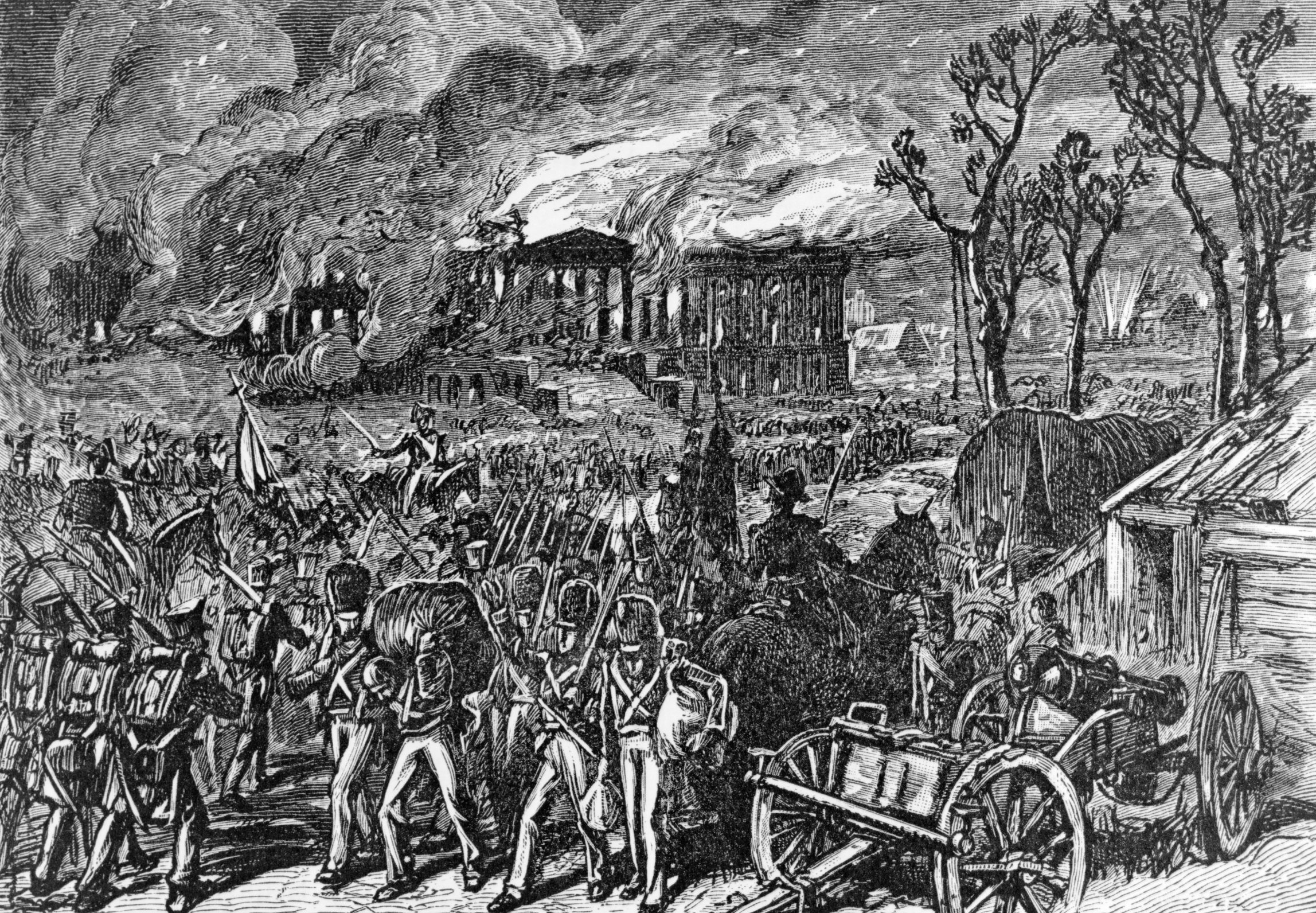
At around eight in the evening, Ross and Cockburn entered an almost deserted Washington. The Capitol did not yet have its famous dome. It consisted of two stone wings connected by a temporary wooden passage. The British first tried to set fire to the Senate chamber with rockets, but the metal-lined ceiling refused to catch. So they piled curtains, furniture and other combustible material in the middle of the room, doused it with rocket propellant and fired another rocket into the heap. This time the building went up in flames. The chambers of Congress and the Supreme Court burned with it, along with some 3,000 books from the fledgling Library of Congress.
The British party then moved down Pennsylvania Avenue toward the President's House, today's White House. Inside, they found a dinner that the president had been forced to abandon. The officers helped themselves to the food and wine, then piled up the furniture and set the building ablaze. Before fleeing, First Lady Dolley Madison had ordered that the large portrait of the first U.S. president, George Washington, be saved. The popular story that she personally took it down from the wall is probably somewhat embellished. The heavy frame was dismantled by others, among them the enslaved young man Paul Jennings, house steward Jean Pierre Sioussat and gardener Thomas McGrath.
The building the British did not burn - because one man convinced them it would make them look like barbarians
As British troops systematically set fire to U.S. government buildings on August 24, 1814, one of them found an unexpected defender. William Thornton - a physician, inventor, architect of the original Capitol and then superintendent of the U.S. Patent Office - learned that the British were preparing to burn the building known as Blodgett's Hotel. It housed patent records and models of American inventions. Thornton returned to the city and tried to stop the very soldiers who were in the process of destroying the institutions of the country he served.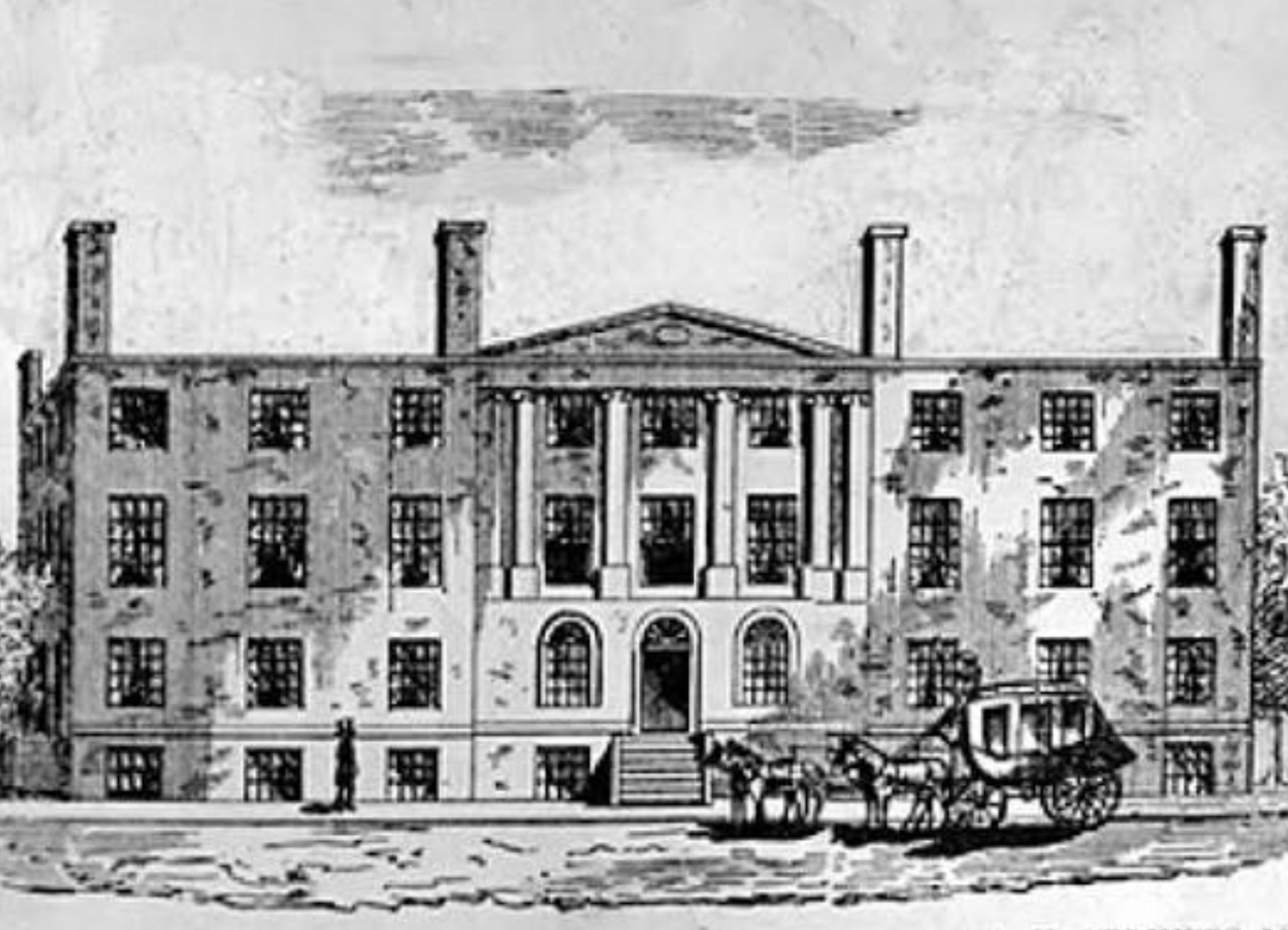
History, however, gave Thornton's victory a rather dark epilogue. Twenty-two years later, on December 15, 1836, Blodgett's Hotel burned down without an enemy soldier anywhere in sight. A fire that began in the basement destroyed nearly 10,000 early American patent records and around 7,000 patent models. Only a few thousand of the lost patents were later reconstructed. In 1814, the British could be persuaded not to destroy America's technological memory. An ordinary fire in 1836 could not care less what future generations would think of it.
The British generally spared private homes and presented the destruction of government buildings as retaliation for the American burning of public buildings in York, today's Toronto. Great powers rarely burn someone else's capital without first preparing a moral justification for doing so. Yet while the British spoke of punishment, American clerks were fighting a far quieter battle - trying to carry out of the city the papers on which the country's legal history rested.
Secretary of State James Monroe, a future U.S. president, had already sent Madison a warning from the field on August 22 that the British were marching toward Washington. He added a simple sentence to the message: "It would be prudent to remove the records." State Department clerks bought coarse cloth, fashioned it into sacks and packed away the Declaration of Independence and the Constitution. They also took the Bill of Rights, old treaties and the commission by which George Washington had been appointed commander of the Continental Army. The documents were first taken to a mill near the Potomac River and then to the cellar of an abandoned house in Leesburg, Virginia.
The situation at the Capitol was worse. Samuel Otis, the longtime Secretary of the Senate, had died a few months earlier, leaving no senior official with an evacuation plan ready. Machen and Simpson, whom we met at the beginning of the story, found a wagon and loaded it with whatever they considered most valuable. Among the papers they saved were confidential details about the disposition of American forces and the only surviving records of the Senate's executive proceedings and votes from its first 25 years. When nothing more would fit, Machen set off for his family's farm in Maryland. After losing a wheel and overturning the wagon, he spent hours gathering the scattered records from the road. The following year, Simpson received a $200 reward from the Senate for his efforts.
Not everything could be saved. Important House of Representatives documents burned, including records of several committees and confidential journals. Large portions of the War, Navy and Treasury department archives disappeared as well. The Capitol was left an almost completely burned-out shell. Remarkably, the following day a violent storm swept through the city, toppling trees and extinguishing what remained of the fires. Later American legend transformed it into a providential tempest that drove out the invaders, although the British operation had never been intended as a permanent occupation. The punitive raid was over, and the troops withdrew.
The humiliation nearly cost Washington its status as the capital. When Congress returned to the charred city, lawmakers seriously debated moving the seat of government to the safer city of Philadelphia. The proposal failed in October by a vote of 83 to 74 - Washington remained the capital by a margin of just nine votes. Rebuilding the Capitol took five years. To replace the destroyed library, former president Thomas Jefferson sold Congress his collection of 6,487 books for $23,950. It became the nucleus of the modern Library of Congress. Ironically, the only book from the old collection known to have survived the fire was one Cockburn had carried away as a war souvenir. It did not return to Washington until 1940.
America did not immediately learn the lesson. The National Archives was not established until 1934, fully 120 years after the fire. In the meantime, many Senate documents once again ended up in damp basements and overheated Capitol attics. In 1927, an employee found some of them among mice after stepping on a document bearing the signature of American statesman John C. Calhoun. States, after all, sometimes rebuild their palaces faster than they learn how to preserve their own memory. Had Machen, Simpson and a handful of other clerks not shown more presence of mind than their superiors that August, parts of America's earliest history would now survive only in later retellings - precisely the place where facts most easily give way to national mythology.
Sources
- Senate.gov August 1814: Machen and Simpson Rescue Precious Records https://www.senate.gov/about/officers-staff/committee-office-staff/saving-senate-records-1814.htm
- Smithsonianmag.com Your Guide to the Three Weeks of 1814 That We Today Call the War of 1812 https://www.smithsonianmag.com/history/your-guide-three-weeks-1814-we-today-call-war-1812-180952425/
- Nps.gov 1814 Chesapeake Campaign - Star-Spangled Banner National Historic Trail (U.S. National Park Service) https://www.nps.gov/stsp/learn/historyculture/1814-chesapeake-campaign.htm
- Archives.gov 'P.S.: You Had Better Remove the Records' https://www.archives.gov/publications/prologue/2014/summer/war-of-1812-save-records
- History.state.gov Milestones in the History of U.S. Foreign Relations - Office of the Historian https://history.state.gov/milestones/1801-1829/war-of-1812
- Loc.gov Online Exhibition - Out of the Ashes: A New Library for Congress and the Nation | Exhibitions - Library of Congress https://www.loc.gov/exhibits/out-of-the-ashes/online-exhibition.html
- History.house.gov Leave No Forwarding Address: When Congress Almost Abandoned D.C. | US House of Representatives: History, Art & Archives https://history.house.gov/Blog/2014/October/10-15-capitol-moving/
- Mountvernon.org Dolley Madison Rescues George Washington https://www.mountvernon.org/george-washington/artwork/dolley-madison-comes-to-the-rescue
Comments