
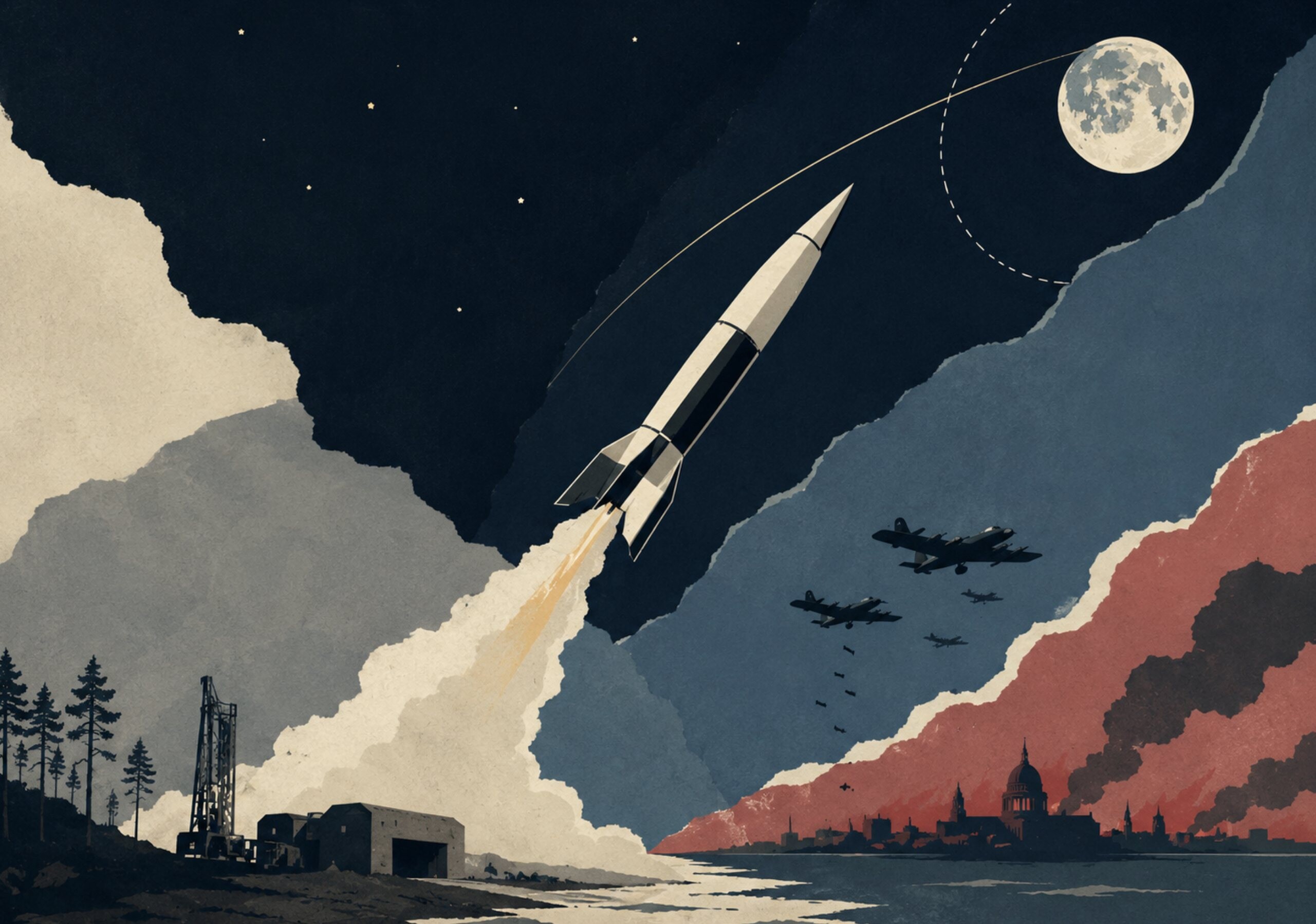
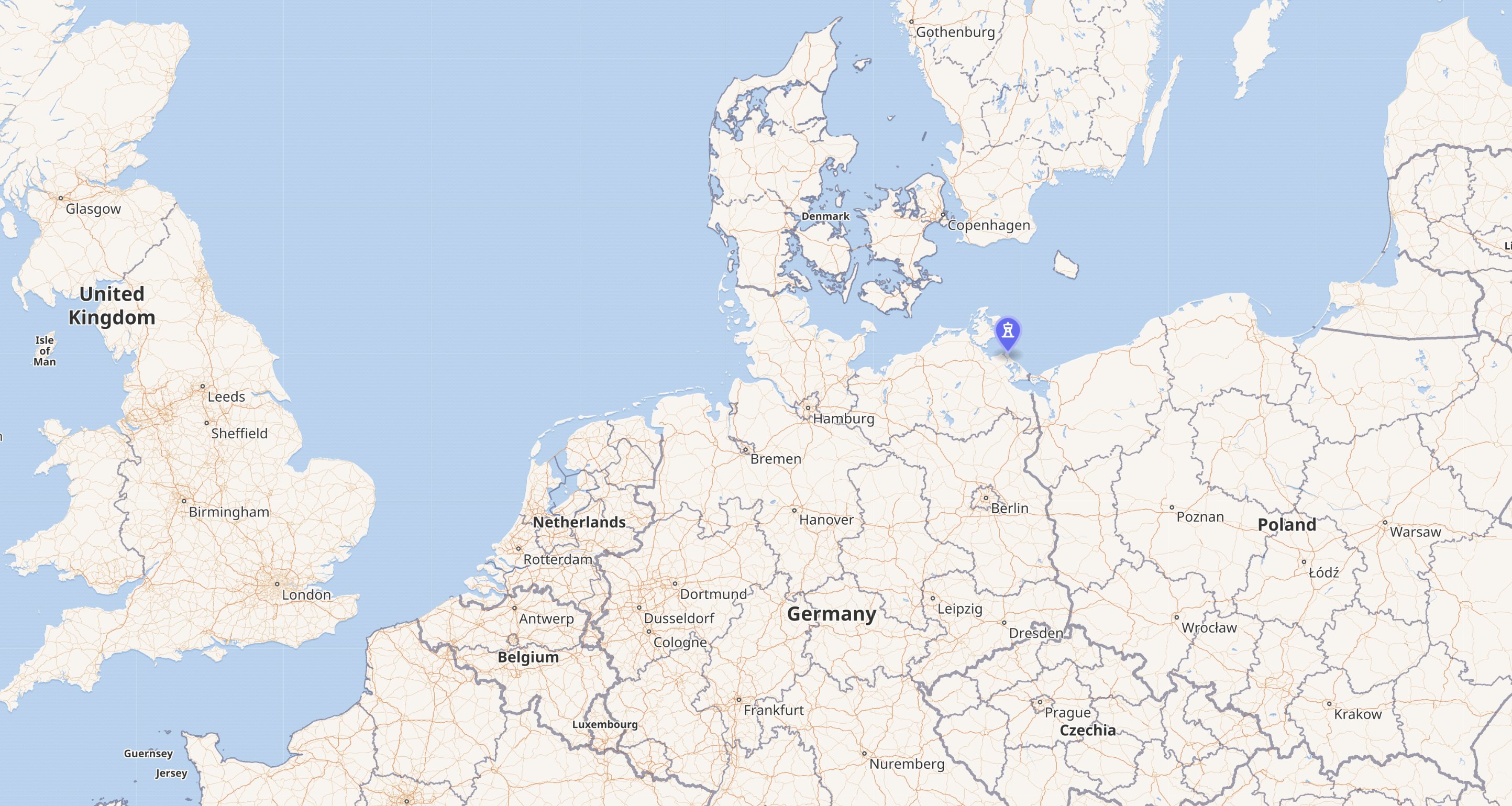
Peenemünde looked almost too small on the map of the Third Reich to justify sending nearly six hundred British bombers against it. There were no vast steelworks there, no sprawling industrial districts like those burning in the Ruhr.
But on that remote Baltic island stood laboratories, blueprints and people trying to solve a problem that still belonged to the realm of science fiction.
That problem was simple to describe: how do you send a ton of explosives three hundred kilometres away, at a speed that makes even an air-raid siren useless?
On the night of 17–18 August 1943, the RAF did not set out to destroy a weapon that was already killing people. It went to bomb the future before it could take off.
Operation Hydra was one of the stranger forms of strategic bombing. Its purpose was not merely to destroy a factory, but to destroy the knowledge required to rebuild it. That was why the first wave of bombers was directed at the residential area where scientists, engineers and technical staff lived. British planners openly calculated that killing enough specialists might damage the programme more severely than destroying its machinery. War was acknowledging something that peace often forgets: the most valuable part of any technology is not the metal, but the person who knows why the metal was shaped that way.
Germany's rocket programme had two origins, and that duality would follow it to the end. One side grew out of a romantic obsession with space. Young German physicists and engineers read the work of rocket pioneer Hermann Oberth, dreamed of journeys to the Moon and built experimental engines. The other belonged to the German military, which saw rockets as a weapon the Treaty of Versailles had failed to anticipate when it restricted Germany's heavy artillery. Where the dreamer saw a road to other worlds, the officer saw artillery with vastly greater range. It was only a matter of time before a state with enough money and ambition combined the two visions.
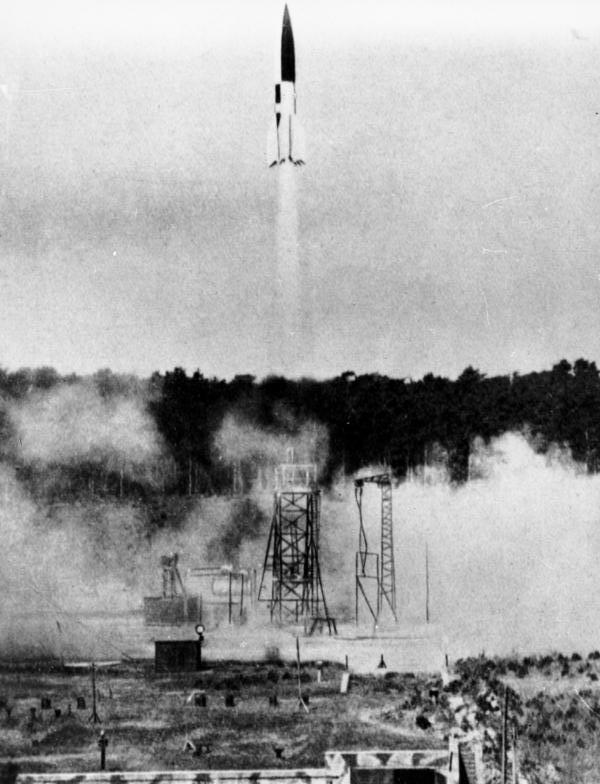
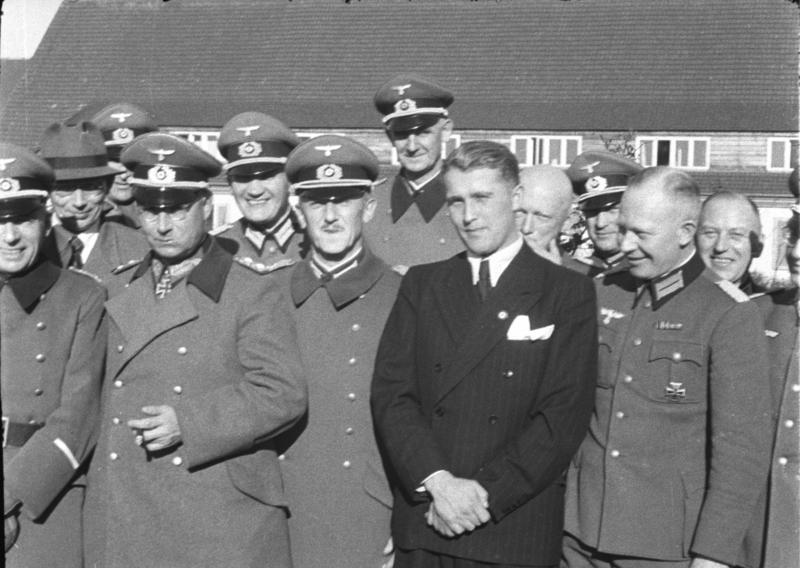
At Peenemünde, the programme was led by German artillery general Walter Dornberger and rocket engineer Wernher von Braun, then only thirty years old. In development documents their missile was known as the A-4. The propaganda name V-2, short for Vergeltungswaffe 2 – Vengeance Weapon 2 – would come later. Its first successful flight took place in October 1942. The rocket was around fourteen metres long and weighed roughly thirteen tonnes. It carried almost a tonne of explosives, could travel more than three hundred kilometres and reached speeds above 5,500 kilometres per hour. It was far too expensive and inaccurate to make much sense as a weapon against a bridge or military headquarters. A city, however, was large enough that even an inaccurate rocket was unlikely to miss it entirely.
The British, meanwhile, did not discover Peenemünde thanks to a single brilliant spy. The picture emerged gradually from fragments that, taken individually, sounded almost unbelievable. As early as 1939, an anonymous report describing secret German weapons arrived at the British embassy in Oslo. Many dismissed it as fantasy, but Reginald Victor Jones, Britain's leading expert in scientific intelligence, took it seriously. Later came testimonies from forced labourers and members of resistance movements across Europe. One report from Peenemünde was smuggled out together with a sketch of the rocket facilities. Finally, reconnaissance photographs revealed long cylindrical objects that looked far too much like rockets to be dismissed as storage tanks or explained away as an optical illusion.
Even then, no one was completely certain. Lord Cherwell, scientific adviser to British Prime Minister Winston Churchill, suspected that the Germans might be displaying dummy rockets in an attempt to make Britain waste its bombers. Jones argued the opposite. Churchill ultimately followed his instinct for preparing against the worst possible danger: if the rockets were real, Peenemünde had to be attacked with the greatest force available. If the RAF was wrong, Britain would lose bombs and aircraft. If Cherwell was wrong, London might soon face a weapon against which there was no defence.
The attack was scheduled for a night bright enough with moonlight for crews to distinguish the narrow strip of coastline. No fewer than 596 heavy Lancaster, Halifax and Stirling bombers were sent towards Peenemünde. The target was divided into three zones. The first contained the residential quarters of scientists and specialists, the second the production facilities, and the third the experimental installations. The bombers flew considerably lower than they normally did during raids on German cities. The operation was directed from the air by John Searby, a British officer who circled above the target as Bomber Command's first "Master Bomber", watching the markers below and using radio instructions to guide the approaching crews.
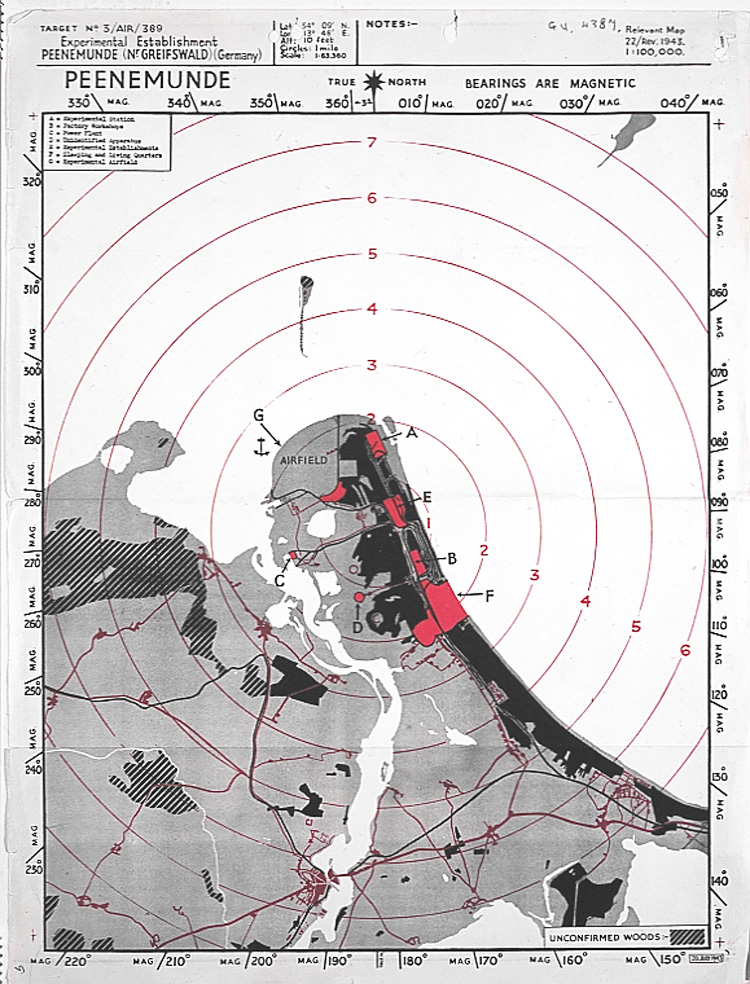
At the same time, the British sent eight fast Mosquito bombers towards Berlin. Their job was to convince the German air defences that another raid on the capital was under way. The deception worked. Much of Germany's night-fighter force initially headed for Berlin, allowing the first two bomber groups to reach Peenemünde against relatively weak resistance. The crews had not even been told what they were really attacking. They were informed that the site was developing a new radar system. Secrecy was so strict that men were being sent to destroy a technology whose very existence their own government refused to confirm. That night, almost two thousand tonnes of bombs were dropped on the complex...
The first target markers, however, landed too far south. Some bombers released their loads over the Trassenheide labour camp, where foreign forced labourers were housed. Several hundred people were killed, though estimates vary. They included Poles, Russians and other prisoners whom the Reich had brought there to work on its secret projects. An operation intended to save British cities therefore counted among its first victims people whom the Nazi state had already reduced to expendable human material.
Searby noticed the mistake and shifted the bombing north. The following waves hit the residential compound, production buildings and parts of the research facilities. Among those killed was Walter Thiel, a German rocket-engine specialist whose work had been crucial to making the A-4 reliable. Production engineer Erich Walther was also killed. But the programme's most important figures, including von Braun and Dornberger, survived.
Several crucial facilities survived as well, among them the wind tunnel and the telemetry building. German night fighters eventually realised that Berlin had been a diversion and reached Peenemünde as the third wave approached. Forty British bombers never returned.
The rocket built to destroy cities took the first photograph of Earth from space
Only three years after British bombers had tried to destroy the V-2 while it was still being developed at Peenemünde, a rocket using the same technology received a very different payload. It was no longer carrying explosives towards London or Antwerp. Instead, the Americans placed a 35-millimetre film camera in its nose and pointed it back towards the planet from which the rocket was about to depart.It happened on 24 October 1946 at the White Sands proving ground in New Mexico. A captured German V-2, designated No. 13, rose almost vertically and climbed to an altitude of roughly 105 kilometres – beyond the boundary commonly used today to mark the beginning of space. The camera took one photograph every second and a half. Until then, the highest photographs of Earth had been taken from the Explorer II high-altitude balloon at around 22 kilometres. The V-2 suddenly lifted the human gaze almost five times higher.
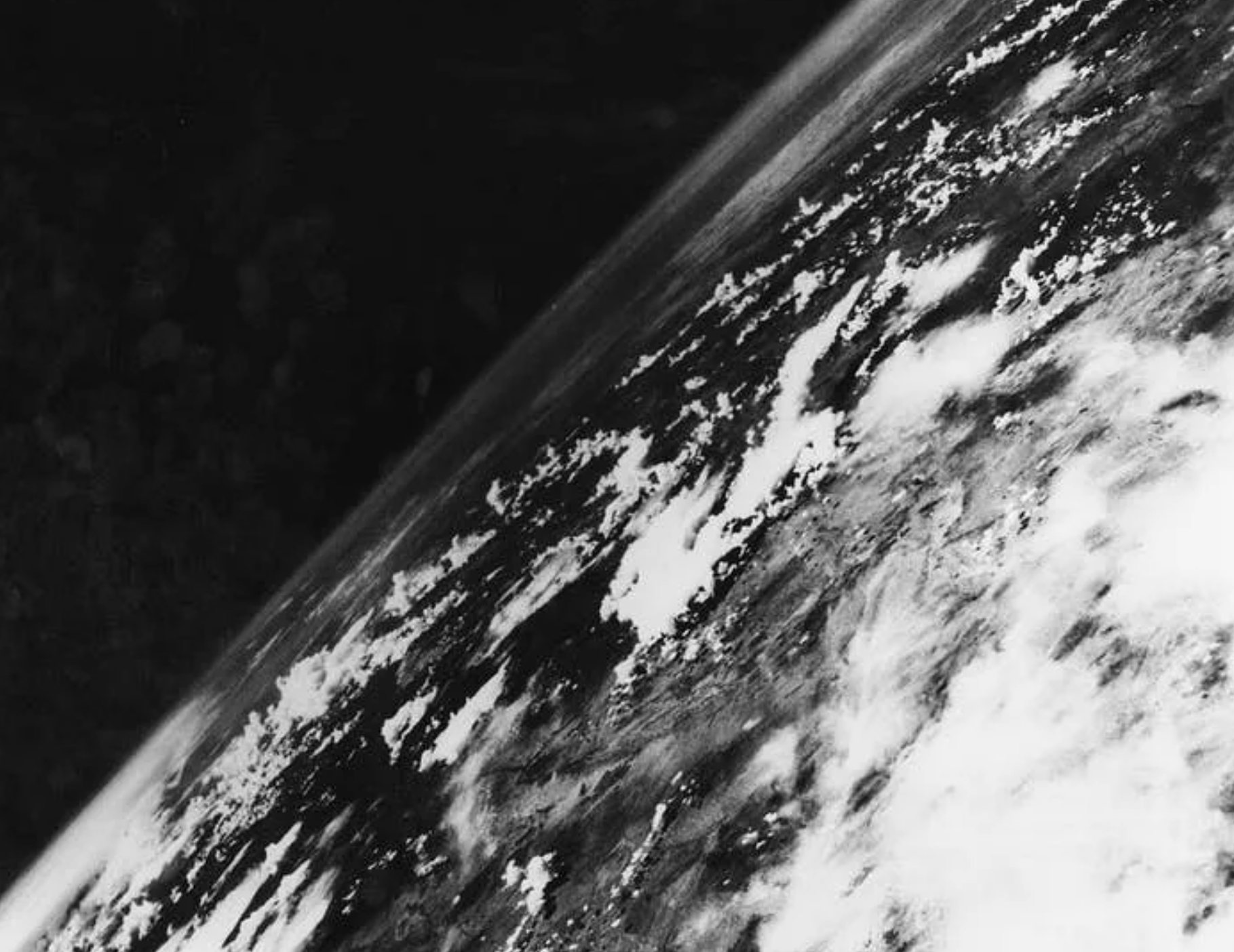
The photographs were blurry, black and white, and a world away from the magnificent images later produced by Apollo. But that is part of their charm. This was not yet the familiar blue sphere floating in space. It was an almost awkward first attempt by humanity to look back at itself from the outside.
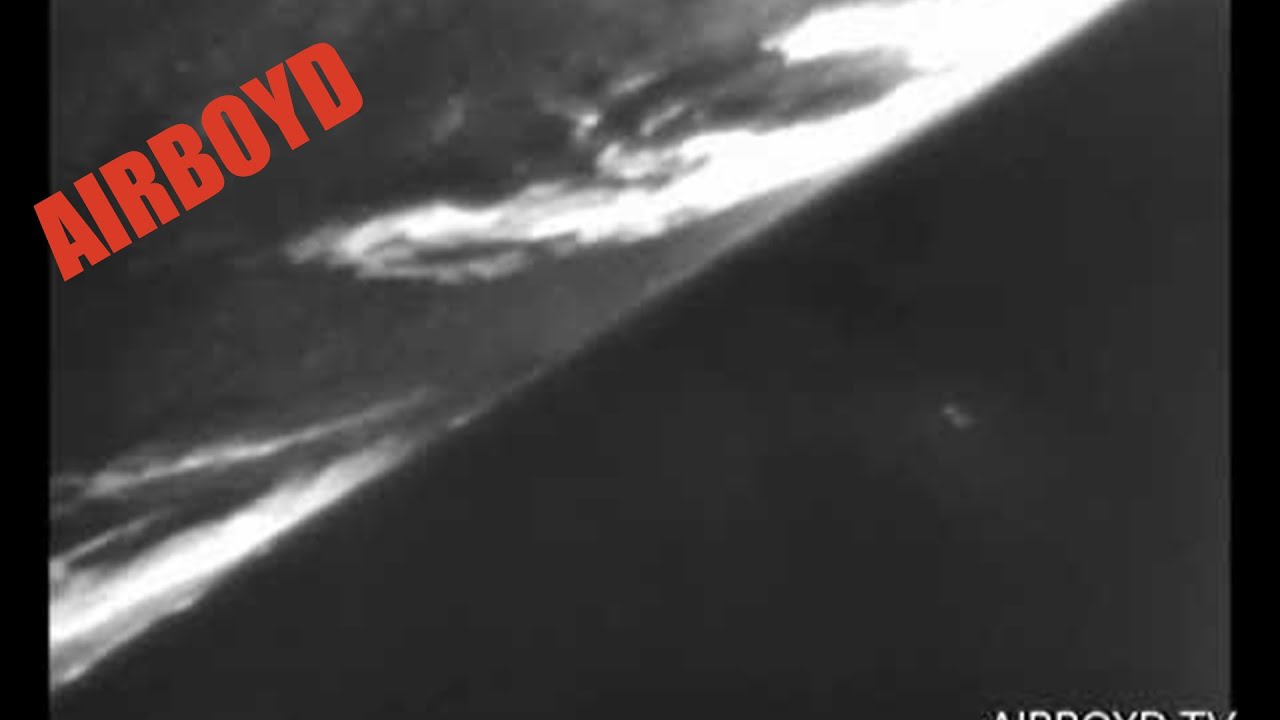
Peenemünde therefore left behind one of the more uncomfortable ironies of the space age. Humanity's first view of Earth from space did not come from a peaceful satellite, but from the descendant of a rocket designed to strike the Earth with explosives.
Did Hydra succeed? As so often in the history of strategic bombing, the answer is less tidy than either side would have liked. The RAF later claimed that the programme had been delayed by roughly two months. German estimates suggested only a few weeks, while post-war American analysis was more sceptical about the raid's overall impact. Research resumed quickly, and new test launches were already taking place in October. Still, production had been dispersed, important specialists were dead, and the Germans had to spend time relocating equipment. The V-2 would not appear on the battlefield until September 1944 – after the Allied landings in Normandy. Hydra cannot be credited with the entire delay, but it is equally difficult to argue that those lost weeks were insignificant.
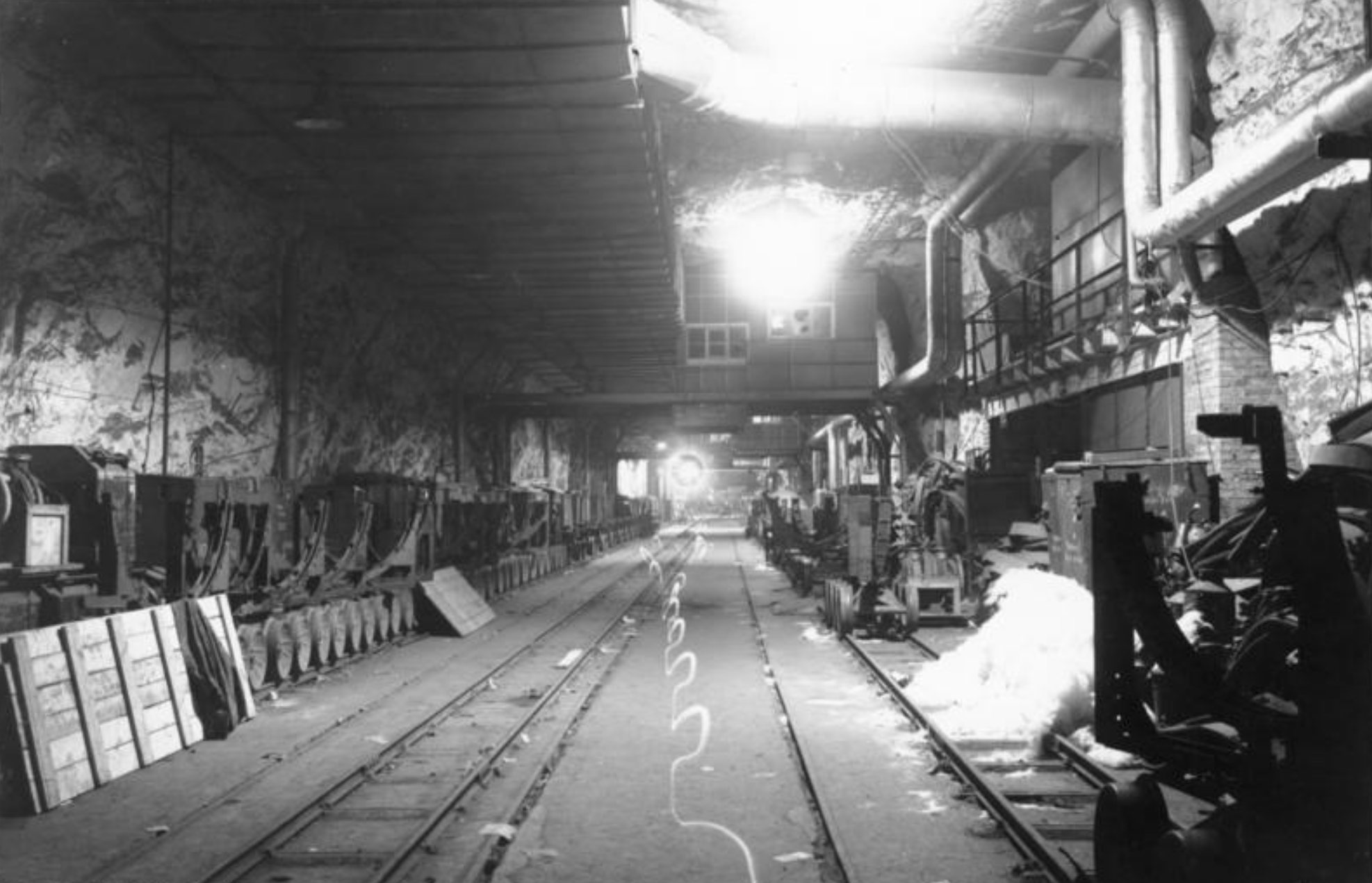
The most far-reaching consequence of the bombing was not visible in the craters of Peenemünde. Hitler, Armaments Minister Albert Speer and SS chief Heinrich Himmler decided to move production underground. Just ten days after the raid, the first 107 prisoners from Buchenwald concentration camp arrived in the tunnels near Nordhausen. Their task was to expand the underground Kohnstein complex and turn it into the Mittelwerk factory. At first, the prisoners both worked and slept underground, without daylight or adequate ventilation. Between shifts they passed the bodies of people who had not survived the hunger, dust, disease and twelve-hour stretches of hard labour.
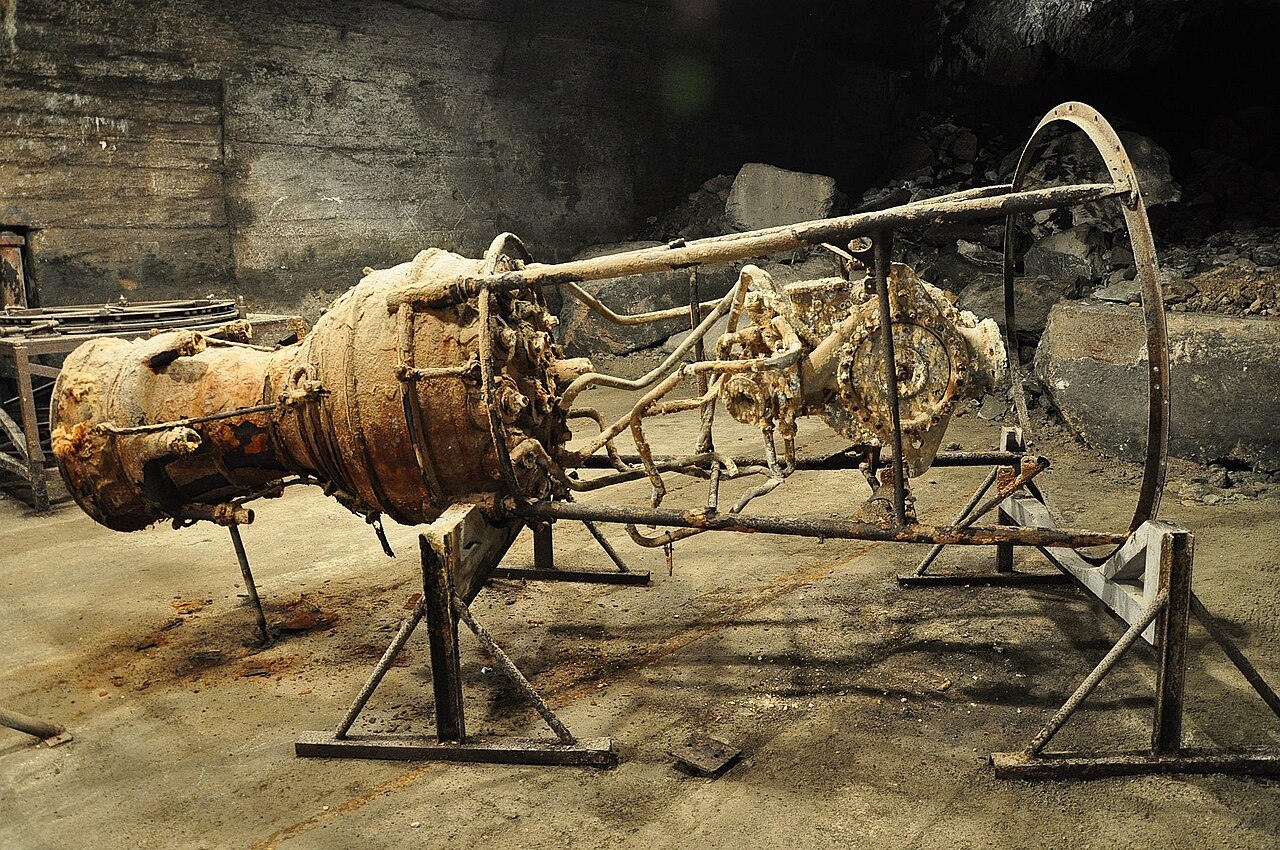
Around 60,000 people would eventually be deported into the Mittelbau-Dora camp system. At least 20,000 would not survive the labour, abuse and final evacuations. Among them were prisoners executed for real or imagined acts of sabotage against the rockets. This produced one of the darkest equations in the history of technology: the system that manufactured the V-2 killed more people than the rockets themselves. Hydra made German production more difficult, but the Nazi state simply passed the cost on to its prisoners. The factory became deadlier than the weapon it produced.
The V-2 was also one of the earliest computers to fly
Today, there is nothing remarkable about saying that a rocket contains a computer. In 1942, the idea was close to revolutionary. The V-2 did not have a digital computer in the modern sense, but it carried an electronic analogue system that received data from sensors during flight, processed that information and automatically decided how to bring the rocket back onto its intended trajectory. In other words, the missile was not merely "flying". In a limited but important sense, it was continuously "calculating" its own flight. For precisely this reason, NASA's history of V-2 guidance describes the system as an early ancestor of electronic fly-by-wire control.One of the key people behind that system was German engineer Helmut Hoelzer. He arrived at Peenemünde in 1939 and confronted a problem far more complicated than it appears when a rocket is sitting motionless in a photograph. The V-2 had to remain upright during launch, then tilt towards its target at exactly the right moment while continuously correcting deviations along the way. Wind pushed it off course, fuel shifted inside its tanks, and even a tiny error during the opening moments of flight could become a major miss hundreds of kilometres later.
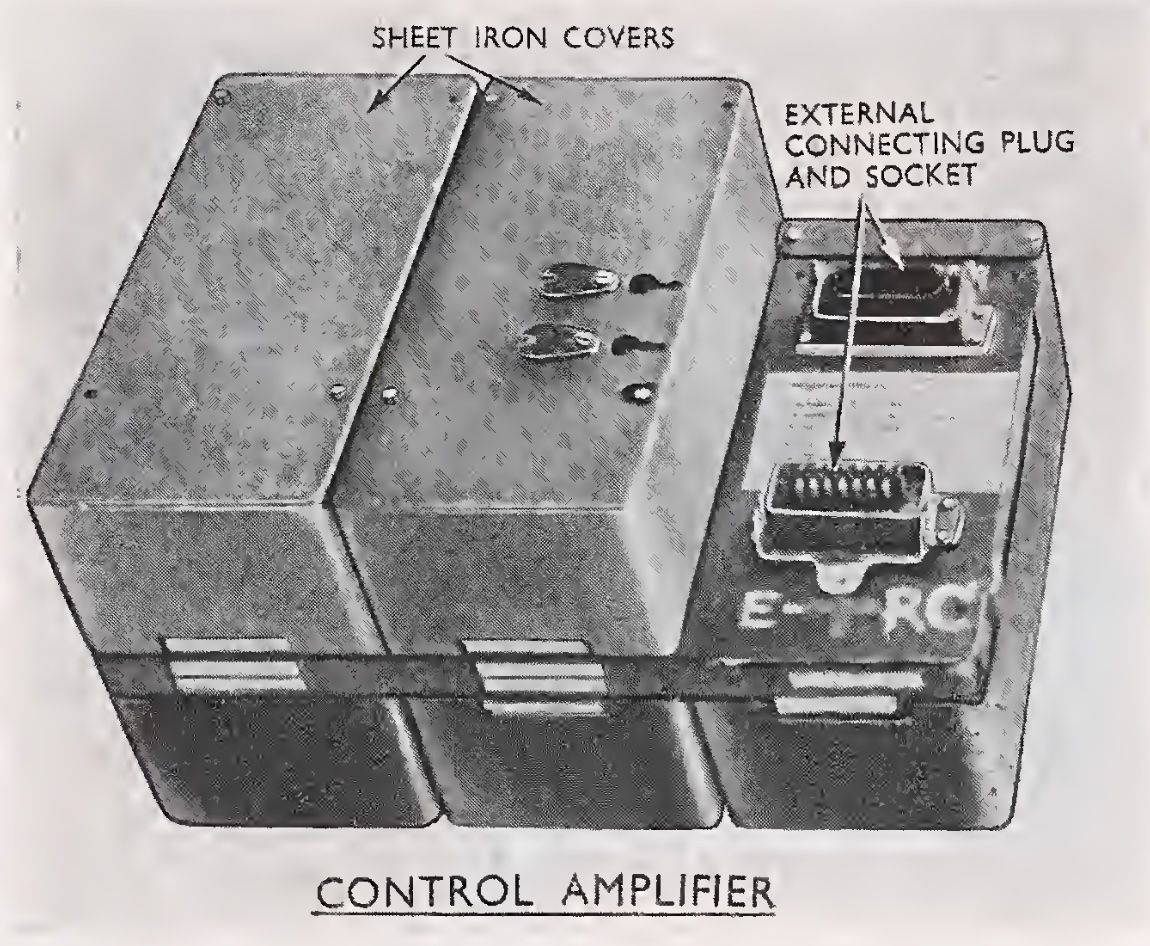
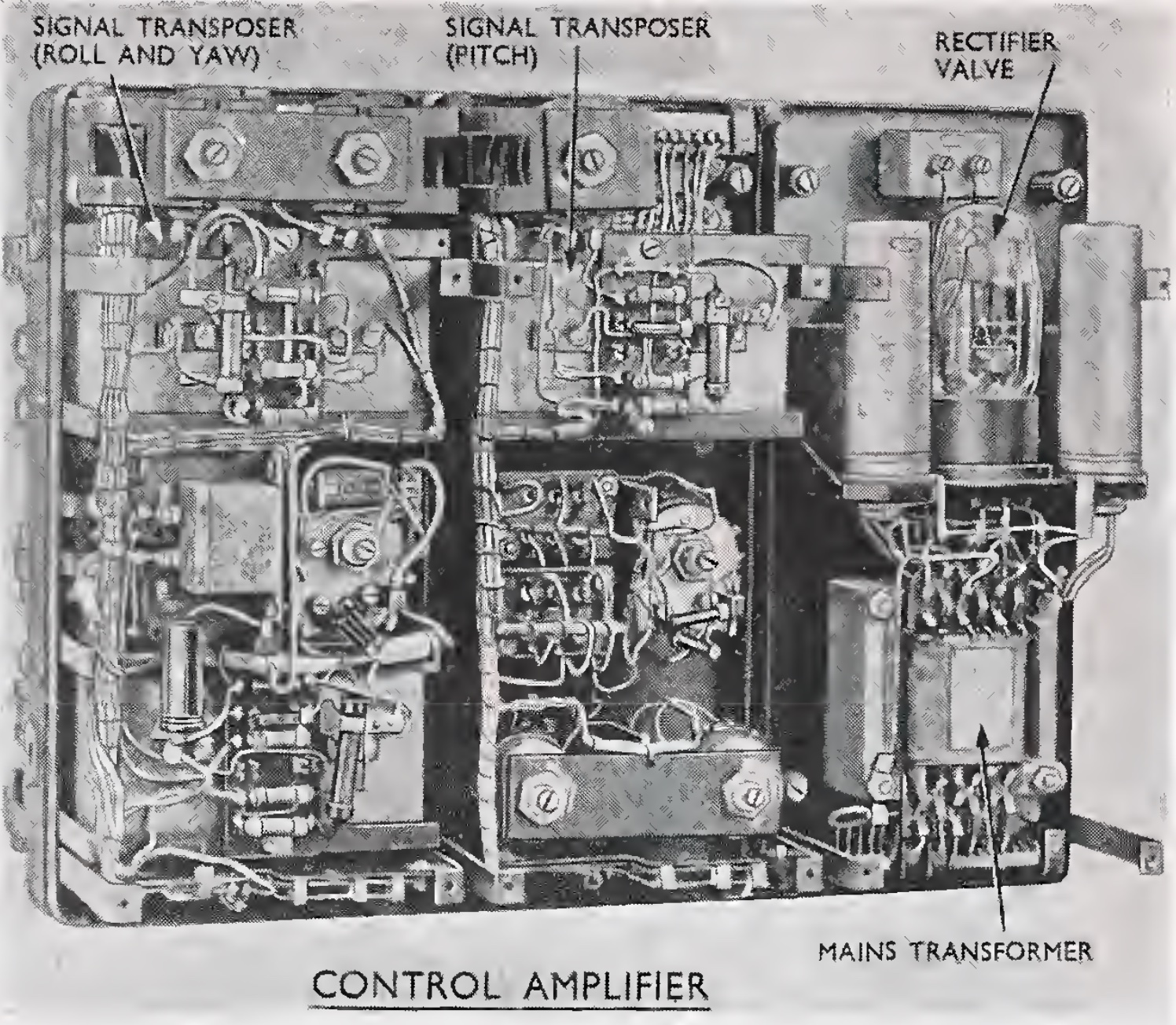
Here again we encounter the strange technological genealogy of Peenemünde. After the war, the Americans did not merely acquire von Braun, rocket engines and V-2 blueprints. They also inherited practical experience in electronic guidance. The same basic logic – gyroscopes and accelerometers telling a machine where it is, a computer determining the necessary correction, and an electrical signal activating the control system – would continue to evolve through American missiles, spacecraft and fly-by-wire aircraft. The Saturn V that carried humans towards the Moon used an incomparably more sophisticated system, but it too determined its orientation using gyroscopes and accelerometers.
The V-2 was therefore more than the first major ballistic missile. It was also an early example of the moment when a machine acquired the ability to measure its own behaviour in flight, perform a calculation and react. A rocket designed to fall on a city thus helped, quite unintentionally, to write one of the earliest chapters in the history of airborne computing.
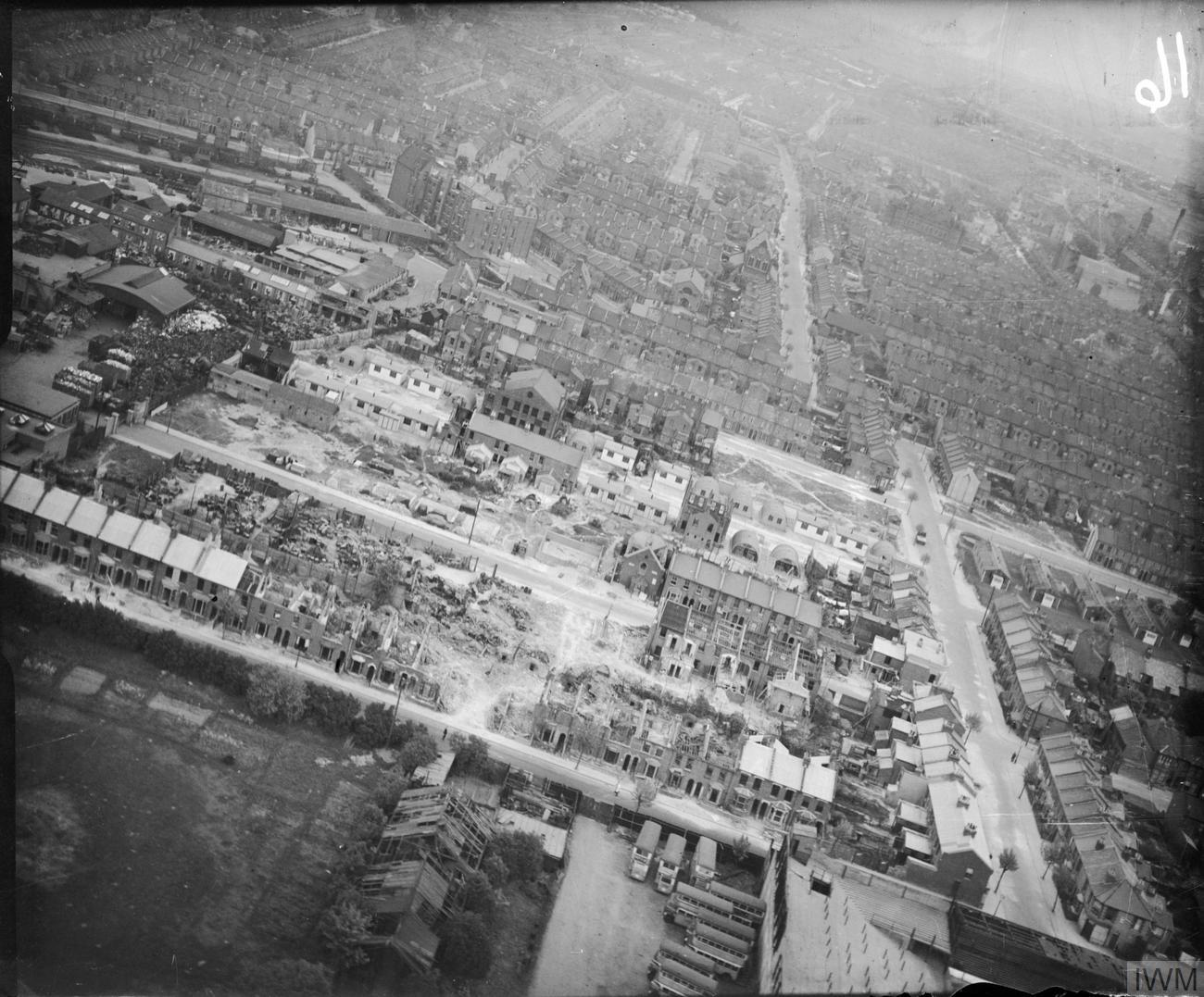
The first V-2 to hit London came down on Chiswick on 8 September 1944. Three people were killed. There was no siren and no engine noise to warn the people below. The rocket was travelling faster than sound, so the explosion itself was the first sign that the attack had begun. Only after impact could its approach be heard. British authorities initially claimed that a gas main had exploded, partly to avoid confirming to the Germans that their rockets had reached their target. The story soon became impossible to maintain. Thousands of V-2s would be launched against London, Antwerp and other European cities. By then it was far too late for the weapon to change the outcome of the war, but it had already demonstrated what the wars of the future might look like.
Wernher von Braun surrendered to the Americans in 1945 together with much of his team. Under Operation Paperclip, he was taken to the United States, where he first worked on military missiles before becoming one of the principal architects of the Saturn V rocket. It was this vehicle that ultimately carried the Apollo 11 astronauts towards the Moon. The Soviet Union took another share of Germany's equipment, documents and specialists. The V-2 thus became a common ancestor of both American and Soviet ballistic missiles, while also becoming the rocket that opened the space age!
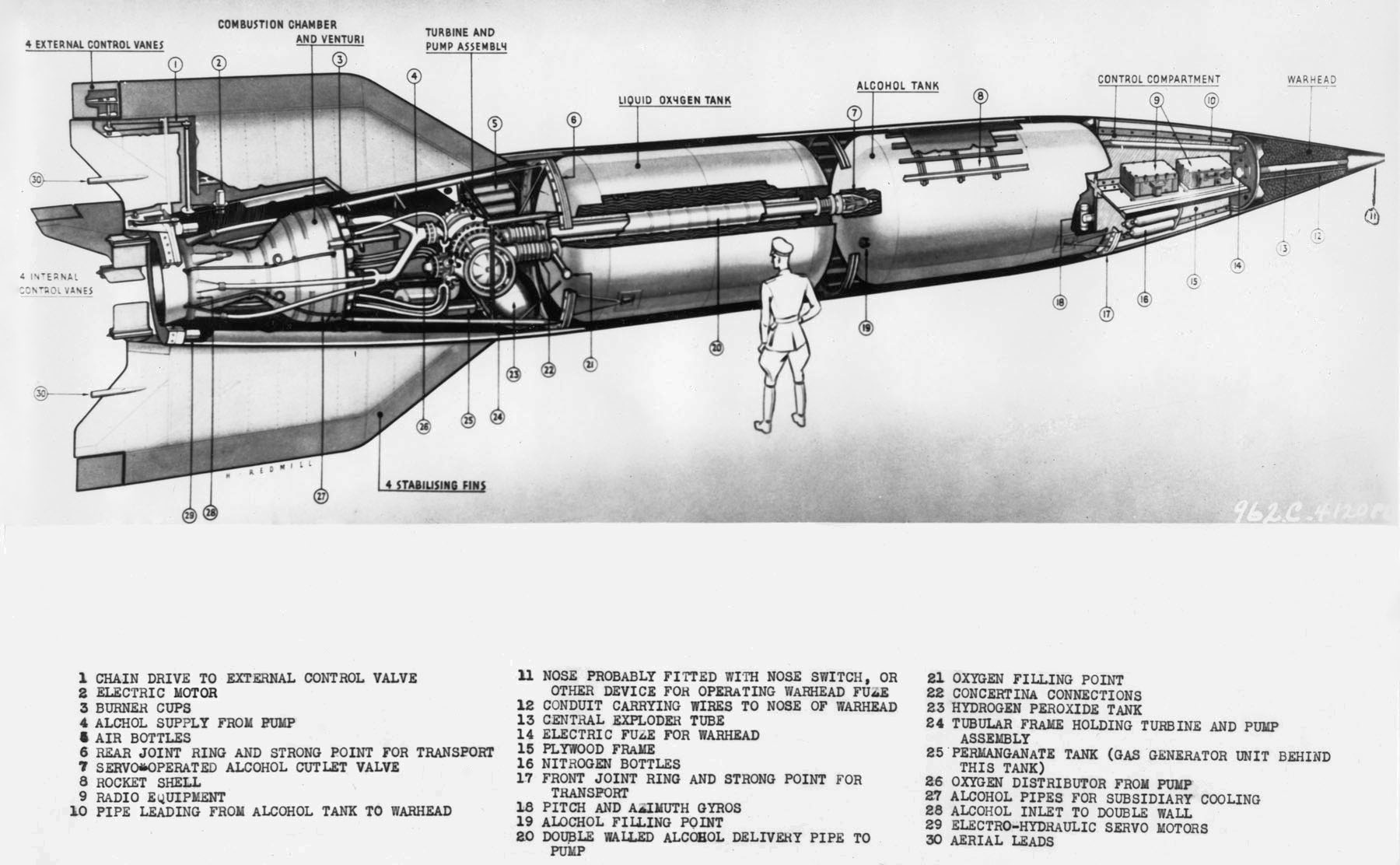
For years, the American public was presented with an image of von Braun as an apolitical dreamer who had always wanted to build rockets for space, only to be forced by a dictatorship to turn them into weapons. It was a useful biography, particularly once the race with the Soviets began. The reality was rather different. Von Braun had been a member of the Nazi Party and an SS officer. He visited the underground factory on several occasions, knew the conditions in which the prisoners were working, and there is evidence that he took part in decisions connected with the use of forced labour. He was not the principal architect of the concentration-camp system, but neither was he an innocent astronomer who had somehow found himself wearing a uniform. The Cold War had an extraordinary talent for turning inconvenient biographies into strategic assets.
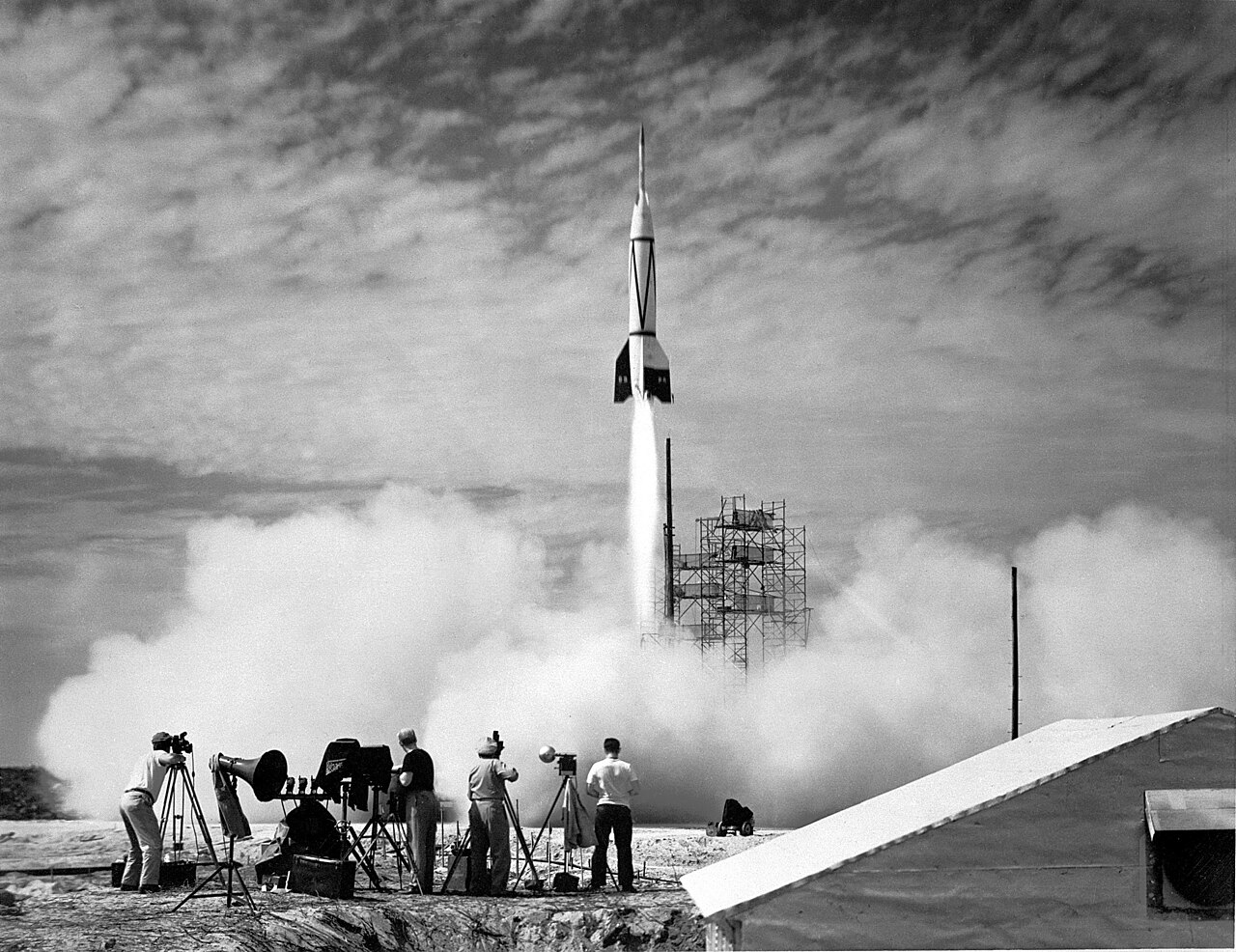
Operation Hydra also revealed the limits of trying to bomb technology out of existence. Buildings can be demolished, documents burned and experts killed. Knowledge is much harder to destroy, especially when the victors themselves intend to inherit it. In 1943, the British tried to stop the future they could see emerging at Peenemünde. Two years later, the United States and the Soviet Union were already competing to see who could move that future to their own side of the world fastest.
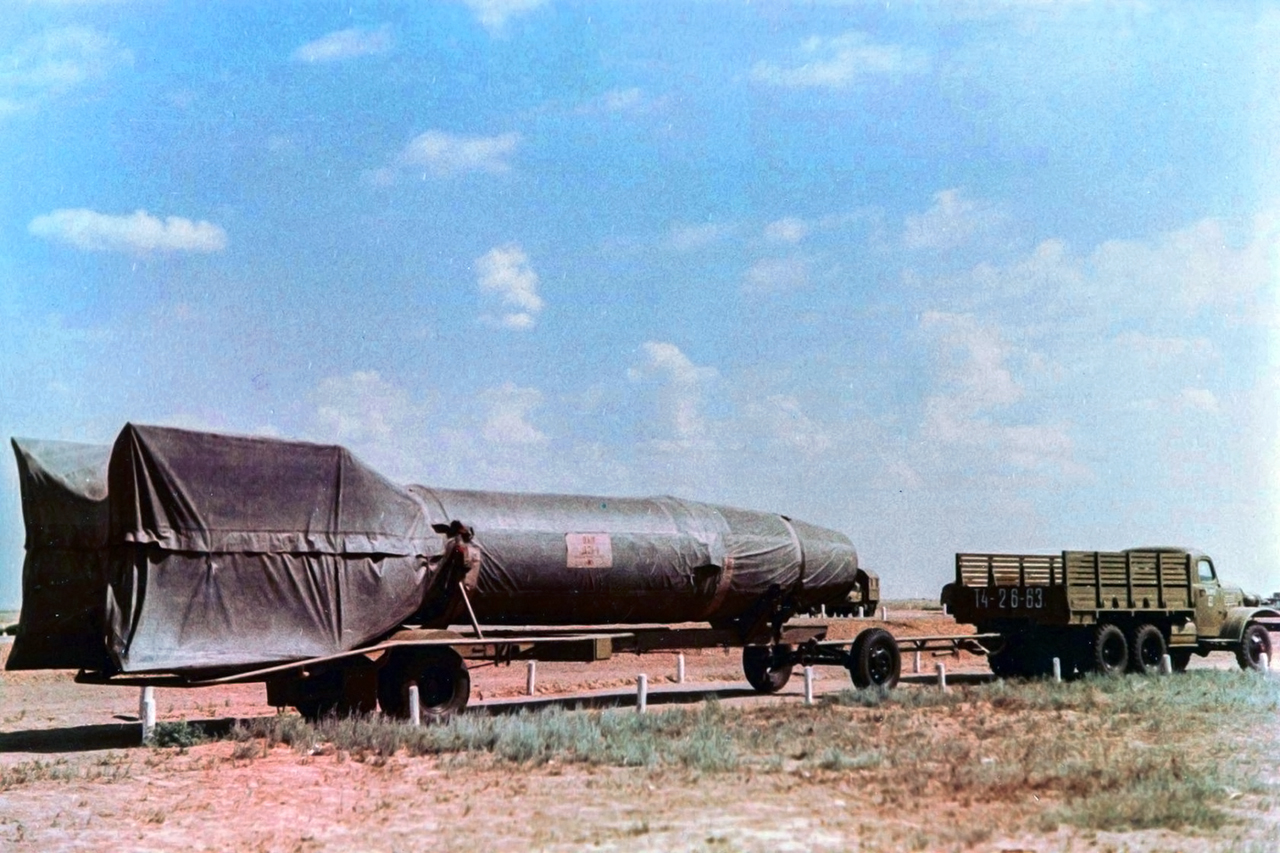
The V-2, of course, did not fly to the Moon. But the technological road that eventually reached it passed through Peenemünde, a crater in Chiswick and the underground tunnels of Mittelwerk. Once we know the whole story, it becomes difficult to avoid the conclusion that any history of the space age that shows us only the launch pad while leaving out the concentration-camp factory is not the full history of technology. It is its promotional material.
Sources
- Nationalarchives.gov.uk British Response to V1 and V2 - source 4 - The National Archives https://www.nationalarchives.gov.uk/education/resources/british-response-v1-and-v2/source-4/
- Rafbf.org Peenemünde raid – 80 years on https://www.rafbf.org/news-and-stories/raf-history/peenemunde-raid-80-years
- Airandspace.si.edu “Vengeance Weapon 2”: 70th Anniversary of the V-2 Campaign https://airandspace.si.edu/stories/editorial/vengeance-weapon-2-70th-anniversary-v-2-campaign
- Smithsonianmag.com American Scientists Took the First Photo of Earth From Space Using Nazi Rockets https://www.smithsonianmag.com/smart-news/70-years-ago-today-nazi-rockets-and-american-scientists-took-first-photo-earth-space-180960890/
- Nasa.gov Wernher von Braun https://www.nasa.gov/people/wernher-von-braun/
- Dora.de History of the concentration camp - Mittelbau-Dora Memorial https://www.dora.de/en/geschichte/chronologie/konzentrationslager
- Iwm.org.uk THE ROYAL AIR FORCE 1943 - 1944: AERIAL VIEWS OF V2 ROCKET SITES AT PEENEMUNDE https://www.iwm.org.uk/collections/item/object/205090599
- Army.mil Celebrating 80 Years of White Sands Missile Range's Legacy in Space Exploration https://www.army.mil/article/288380/celebrating_80_years_of_white_sands_missile_ranges_legacy_in_space_exploration
- Encyclopedia.ushmm.org Dora-Mittelbau: Overview | Holocaust Encyclopedia https://encyclopedia.ushmm.org/content/en/article/dora-mittelbau-overview
- Museum-peenemuende.de Die „Operation Hydra“ – Luftangriff der Alliierten auf Peenemünde https://museum-peenemuende.de/zeitreise/operation-hydra/
Comments