
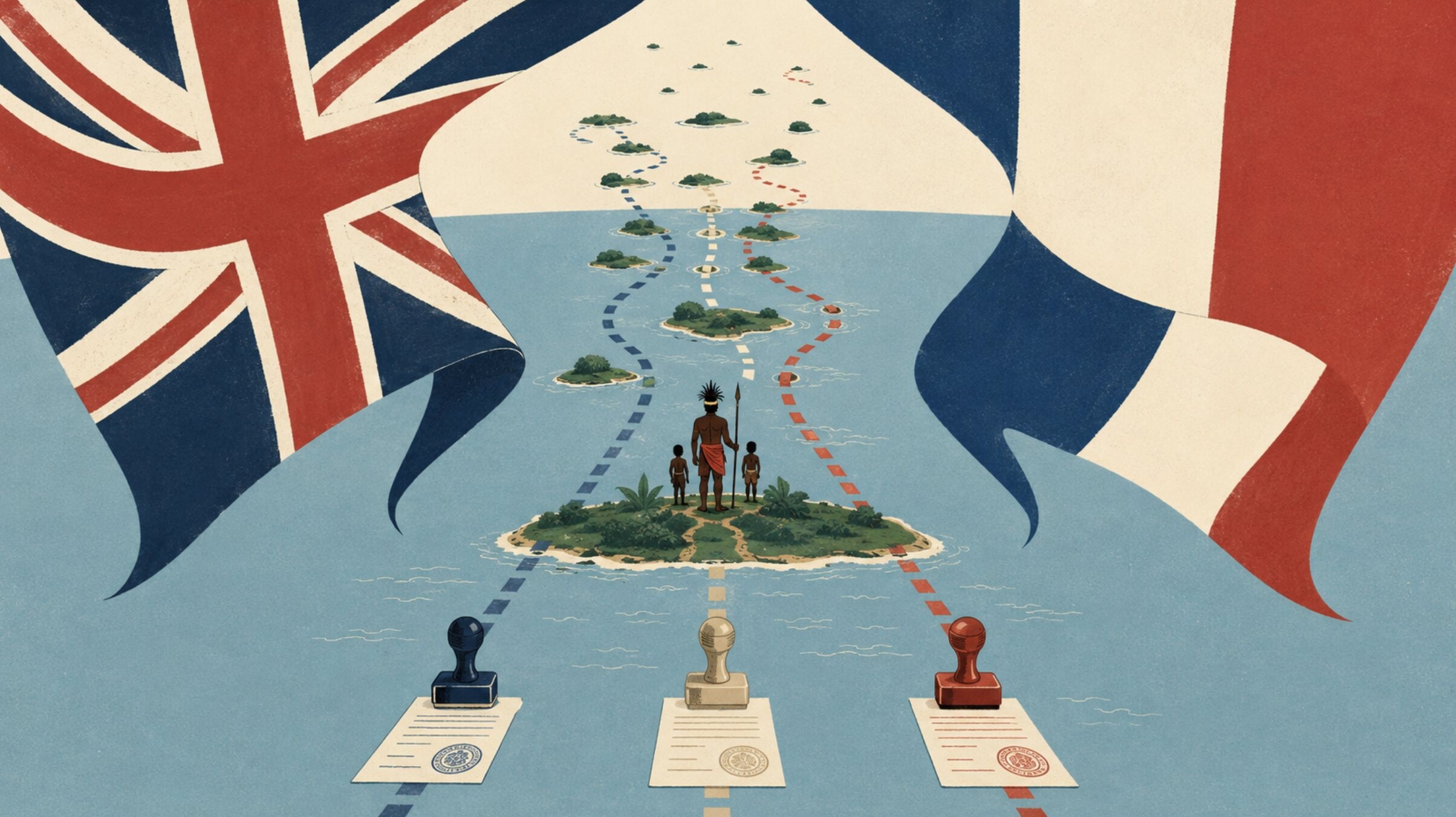
Some colonies had one governor, one court and one police force. The New Hebrides had British and French versions of almost everything, as though two empires in the middle of the Pacific had decided to test whether mutual distrust could be turned into a constitutional order. Two police forces, two education systems and two colonial bureaucracies operated side by side. Above them stood a joint administration; beneath them lay several different legal regimes. Meanwhile, the Indigenous population held neither British nor French citizenship. The system acquired the nickname "Pandemonium". The joke, naturally, was much funnier to those holding the official stamps.
When the Republic of Vanuatu declared independence on 30 July 1980, it was not the orderly conclusion of some seminar on decolonisation. A secession was under way on the largest island, Espiritu Santo; the British and French authorities were still arguing over how to respond; and in the background, a group of American libertarians had begun to see the palm-fringed islands as the site of a future tax haven. The new country entered the world before it had gained full control of its own territory—a fitting end to a colonial administration that had never fully mastered even itself.
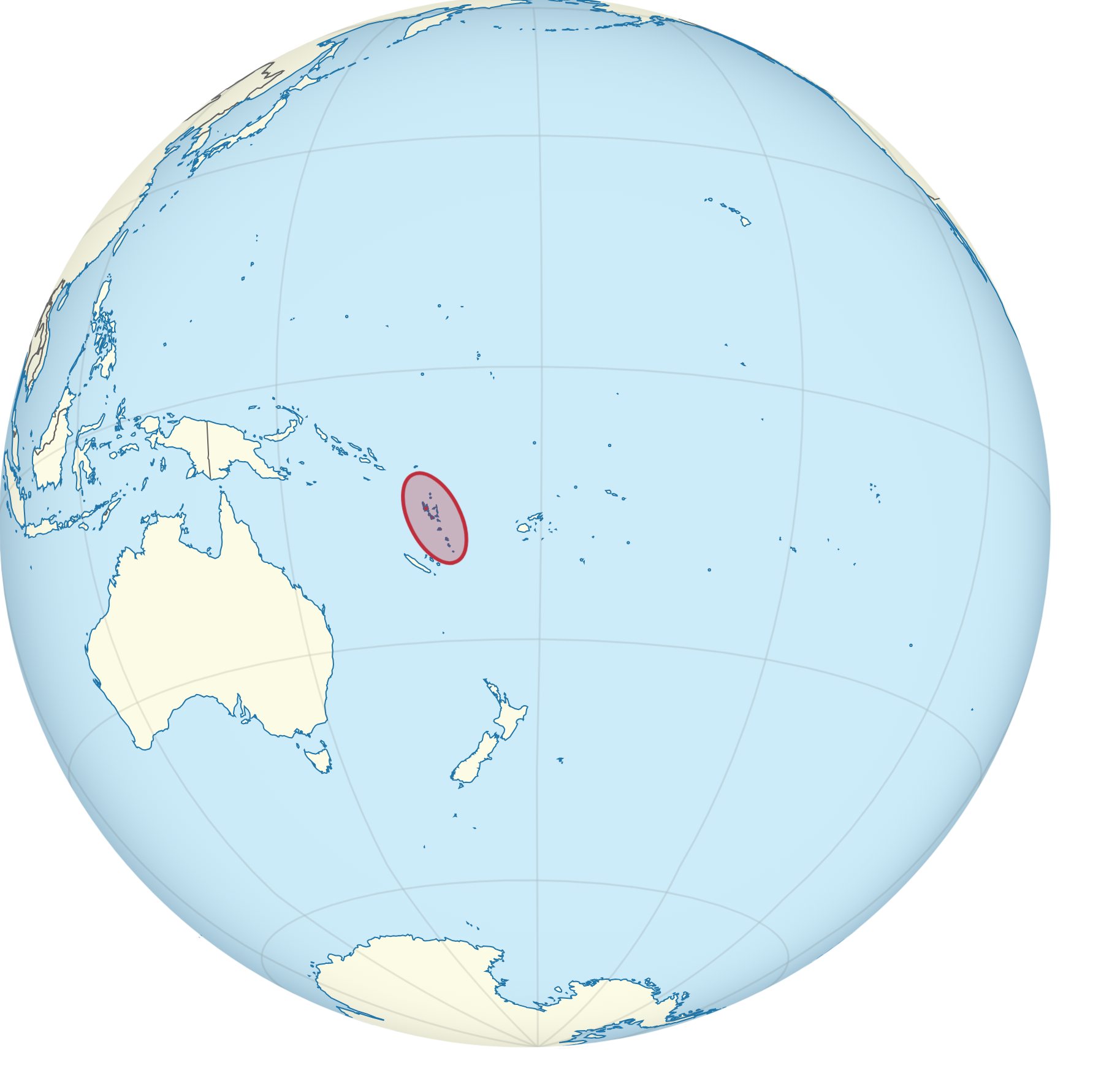
Vanuatu is not a single island but a long arc of around eighty volcanic and coral islands scattered between Fiji, the Solomon Islands and New Caledonia. An estimated 138 Indigenous languages are spoken there, giving the country the highest linguistic density in the world. In 1774, the British navigator James Cook named the archipelago the New Hebrides, after the Scottish islands nearly half a world away. It was a typically European act of naming: arrive in a land filled with Indigenous names, then rename it after something you left behind at home...
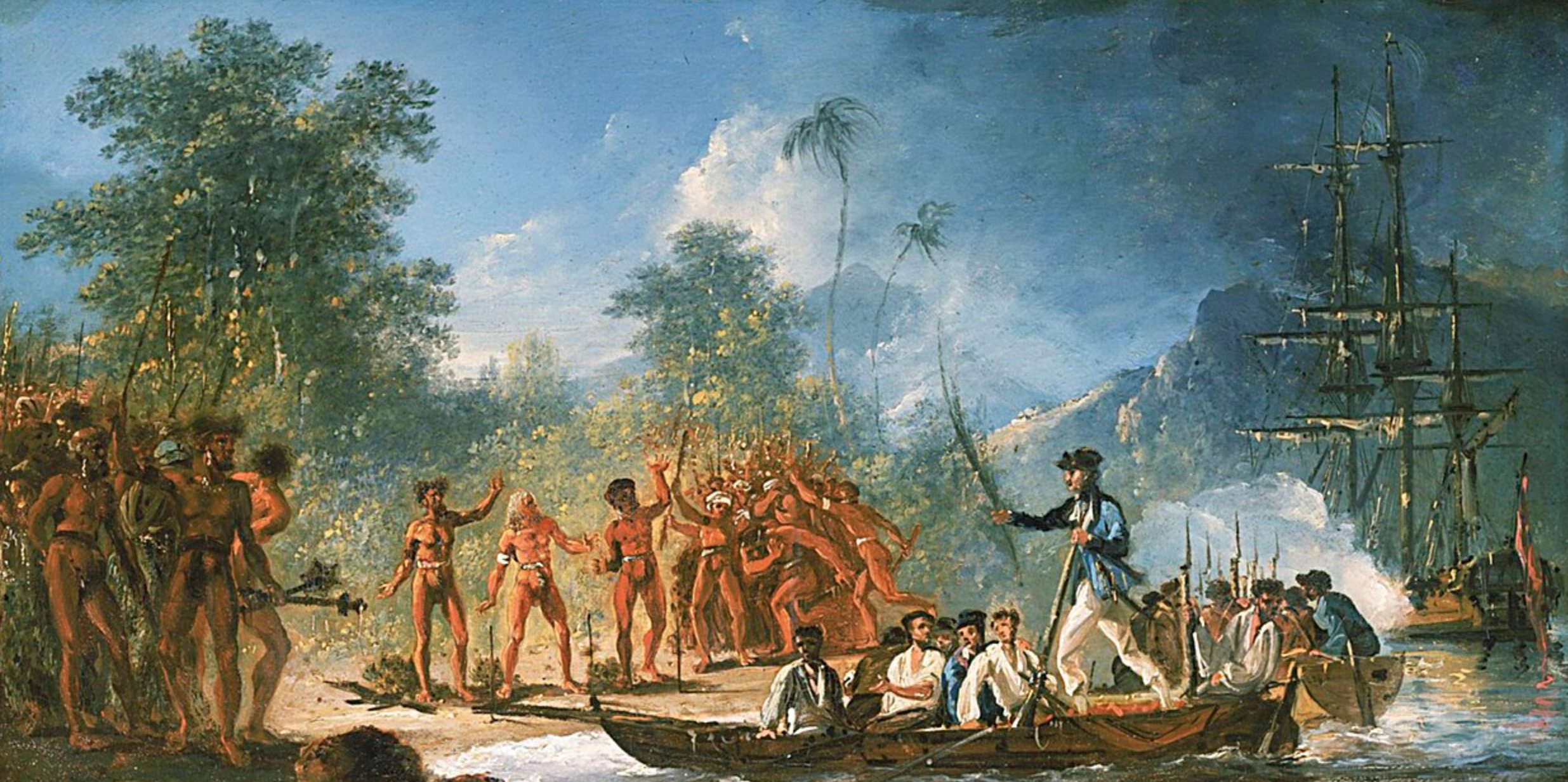
This diversity did not mean the islands were an empty political space. Their communities had their own rules, chiefs and systems of land ownership. They did not, however, form a single state that London or Paris could simply seize. During the nineteenth century, missionaries, traders and plantation owners began arriving in the archipelago. British interests mostly came through Australia, while French settlers expanded outward from neighbouring New Caledonia.
For the European powers, the problem was simple. Britain did not want the New Hebrides to become French, and France had no intention of allowing them to become British. The solution devised in 1906 was joint annexation. The condominium, as this form of government was known, was not a compromise between the islanders and foreign powers. It was a compromise between two colonisers who agreed enough to rule other people, but not enough to trust one another.
Each power retained its own resident commissioner and administration. British subjects lived under British law, French citizens under French law, while other Europeans could choose which colonial jurisdiction they preferred. Where separate administration was impossible, joint services were established. The result was not one state with two faces, but three administrations that occasionally met to work out why nothing functioned properly.
By 1928, no fewer than four legal regimes operated in the New Hebrides: British common law, French civil law, the joint regulations of the condominium, and a separate code and court system for the Indigenous population. The joint court had both a British and a French judge, while its neutral presiding judge was, for a time, appointed by the king of Spain.
The system produced scenes that visitors could easily mistake for comedy. There were two police structures, two kinds of schools, two prison systems and two currencies. Bureaucratic documents were translated from English into French and then back again, while everyday life unfolded in Bislama and dozens of local languages. Yet this colonial absurdity was no harmless operetta staged against a tropical backdrop. For Europeans, the dual administration could be an inconvenience, but also an opportunity to choose the more favourable court or law. For the local population, it was a system of legal subordination.
The condominium protocol explicitly stated that Indigenous inhabitants could not become subjects or citizens of either colonial power, nor enjoy their protection. A person could therefore live beneath two flags, answer to colonial courts and work on a European plantation, yet legally belong to no state at all. To travel outside the archipelago, they needed an identity document approved by both administrations. Empires often portrayed themselves as machines for spreading order. In the New Hebrides, that order became so sophisticated that it managed to turn the native population into foreigners in their own land.
Land therefore became the central issue in the struggle for independence. Since the beginning of European settlement, more than a third of the territory had been alienated, largely for plantations and commercial projects. For local communities, land was not simply property that could be measured and sold. It was a connection to their ancestors, a source of social authority and the foundation of belonging.
The most important figure in the independence movement was Walter Lini, an Anglican priest and leader of the Vanua’aku Pati. Lini was not merely seeking to replace European officials with local ones. His political vision combined Christianity, Melanesian custom, social solidarity and non-alignment. His party’s victory in the 1979 elections made independence virtually inevitable, and on 30 July 1980 Lini became the new republic’s first prime minister.
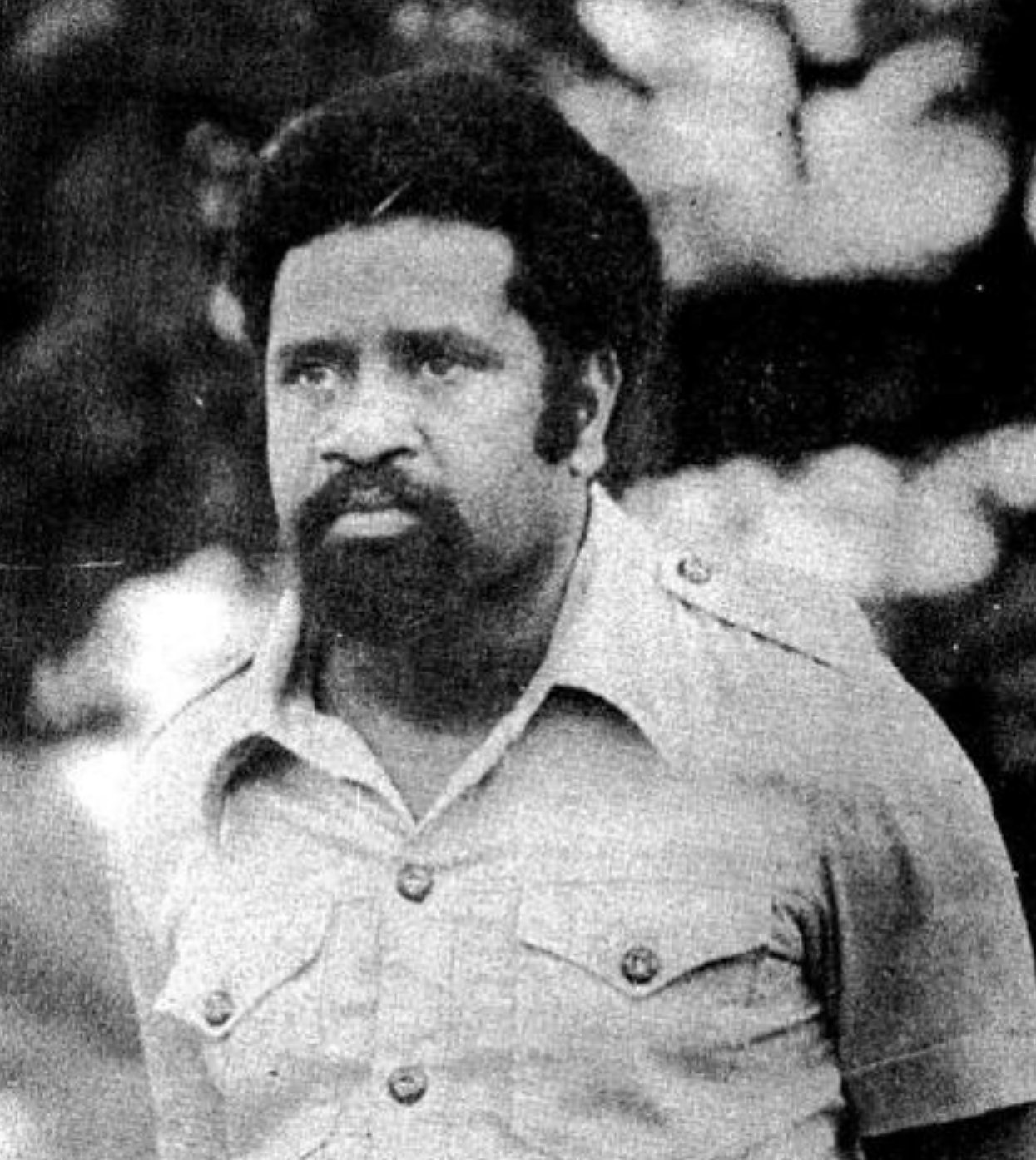
The constitution turned the colonial logic on its head. It declared that all land belonged to its Indigenous customary owners and their descendants. Bislama was proclaimed the national language, while Bislama, English and French became the official languages. The new state did not attempt to erase every trace of the colonial division—something that would have been impossible overnight. Instead, it placed those divisions within a domestic political framework. Even the new name carried a political message. "Vanuatu" is most commonly understood as a combination of "vanua," meaning land or home, and "tu," meaning to stand. In other words, the land that stands upright.
Not everyone, however, wanted to enter the new state on Lini’s terms. On Espiritu Santo, the Nagriamel movement was led by Jimmy "Moses" Stevens, a local political and religious leader. Nagriamel had originally emerged in opposition to European land seizures, but as independence approached it developed into a secessionist project. The state of Vemarana was proclaimed, and Lini’s supporters were driven from the island.
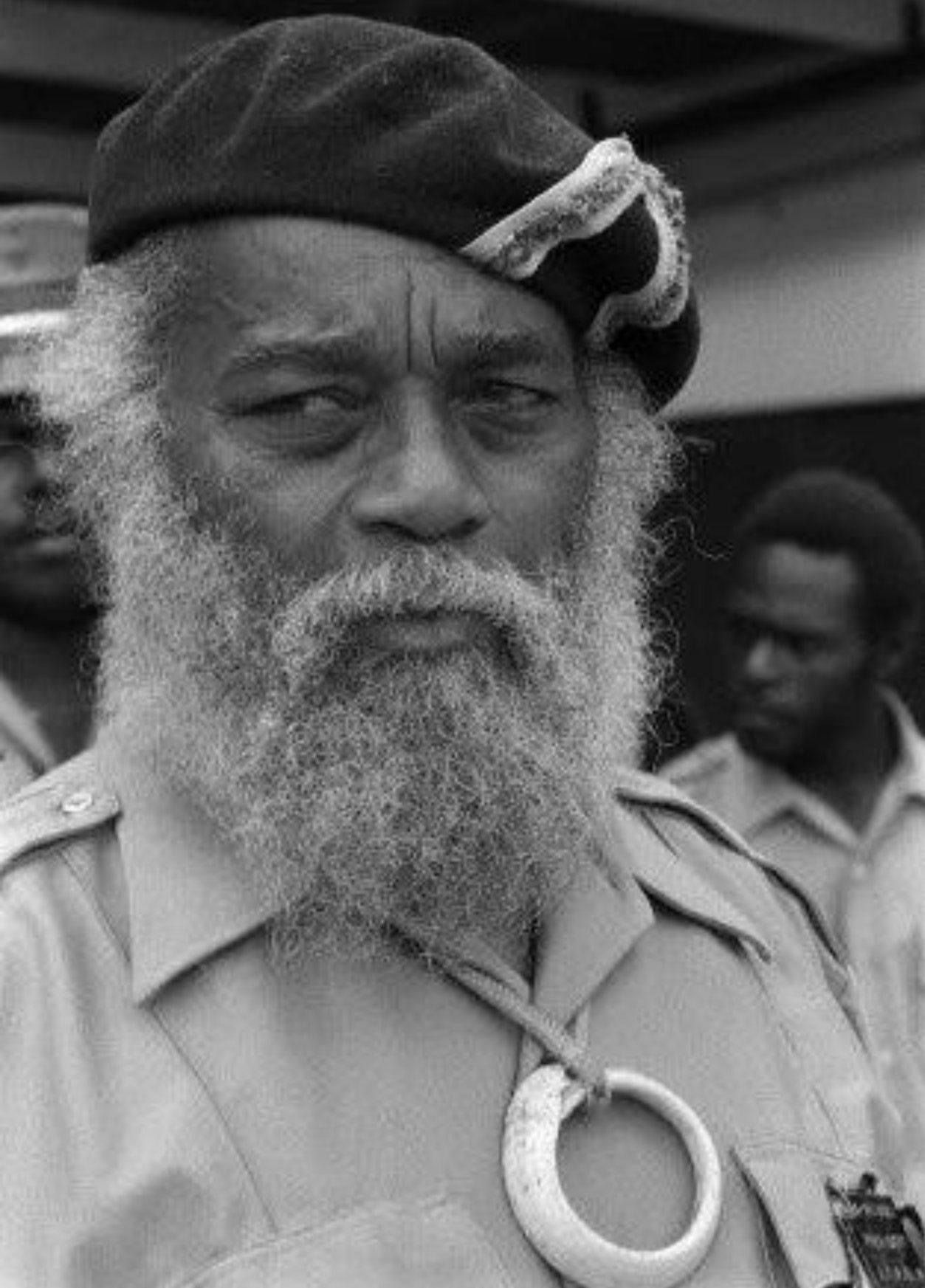
The rebellion brought together genuine local fears, Francophone opposition to Lini’s Anglophone party and some highly unusual foreign interests. The Phoenix Foundation, an American libertarian organisation obsessed with creating states free of taxation and strong central government, had supported Stevens’s movement for years. On the breakaway island of Santo, its members imagined a "Switzerland of the Pacific" in which the market would be free and the state reduced almost to a decorative role. Colonialism may have been nearing its end, but the market for political fantasies was still operating at full capacity.
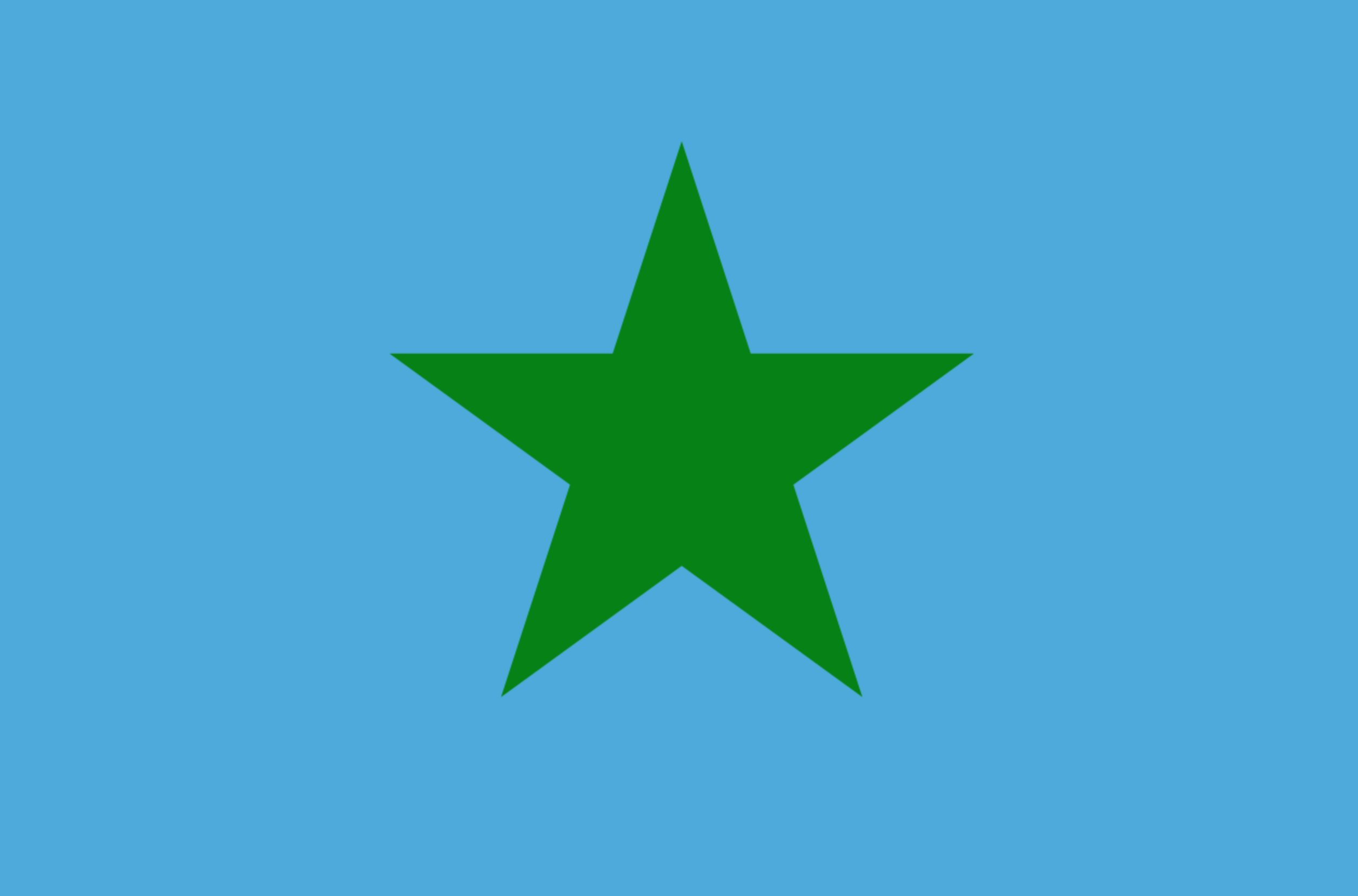
British and French forces failed to suppress the rebellion jointly before independence. Only after 30 July could Lini request assistance from Papua New Guinea. Its troops landed on Santo and crushed Vemarana in the brief "Coconut War". Stevens was arrested, and the central government established control over the entire archipelago. Vanuatu’s first great act of sovereignty was therefore carried out not with the help of its former European rulers, but with the assistance of another Melanesian state.
Lini’s foreign policy followed a similar logic. Vanuatu embraced non-alignment, opposed colonialism elsewhere in the Pacific and supported movements for self-determination. Its official formula today is "friends to all, enemies to none." It may sound idealistic, but for a small country positioned between larger powers, it is also a method of survival.
Million Dollar Point: Where Capitalism Ends Beneath the Sea
When the Second World War ended, the United States military left behind on Espiritu Santo a logistical world of almost unimaginable proportions. Base Buttons had served as an enormous supply depot and staging point for the Pacific theatre. It contained trucks, bulldozers and construction machinery. Its warehouses were filled with clothing, sheet metal, tools and crates of consumer goods. The war had moved northwards, and the industrial torrent that had followed it suddenly became surplus.Shipping the equipment back to the United States would have been too expensive, while releasing vast quantities of almost-new machinery onto the post-war market could have driven down the prices of American-made goods. According to the best-known version of the story, the Americans offered to sell the equipment to the colonial authorities for a fraction of its value. The British and French reportedly refused, assuming that they would receive everything free of charge once the military withdrew. They had underestimated the American ability to transform economic self-interest into a spectacle of destruction.
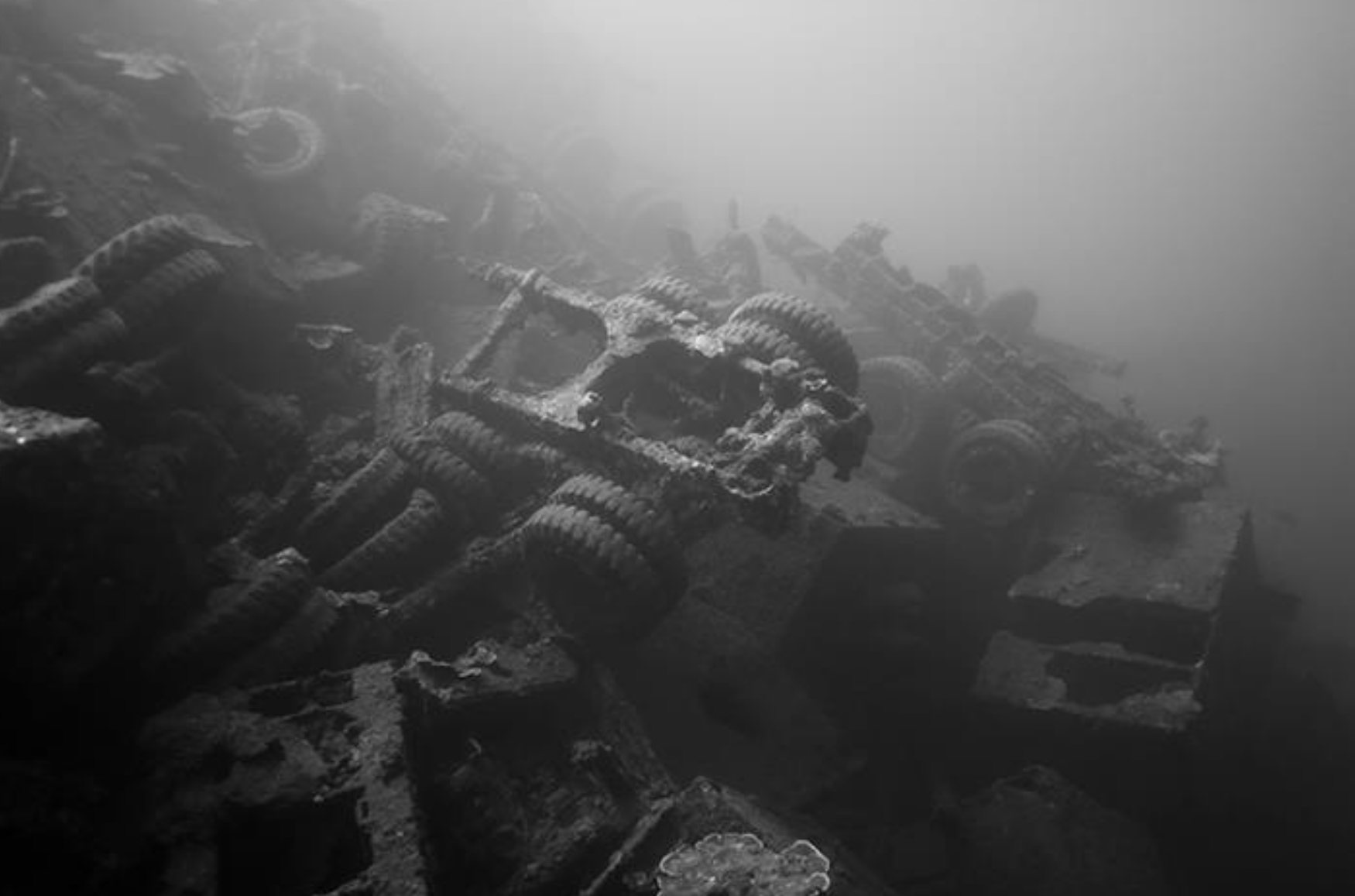
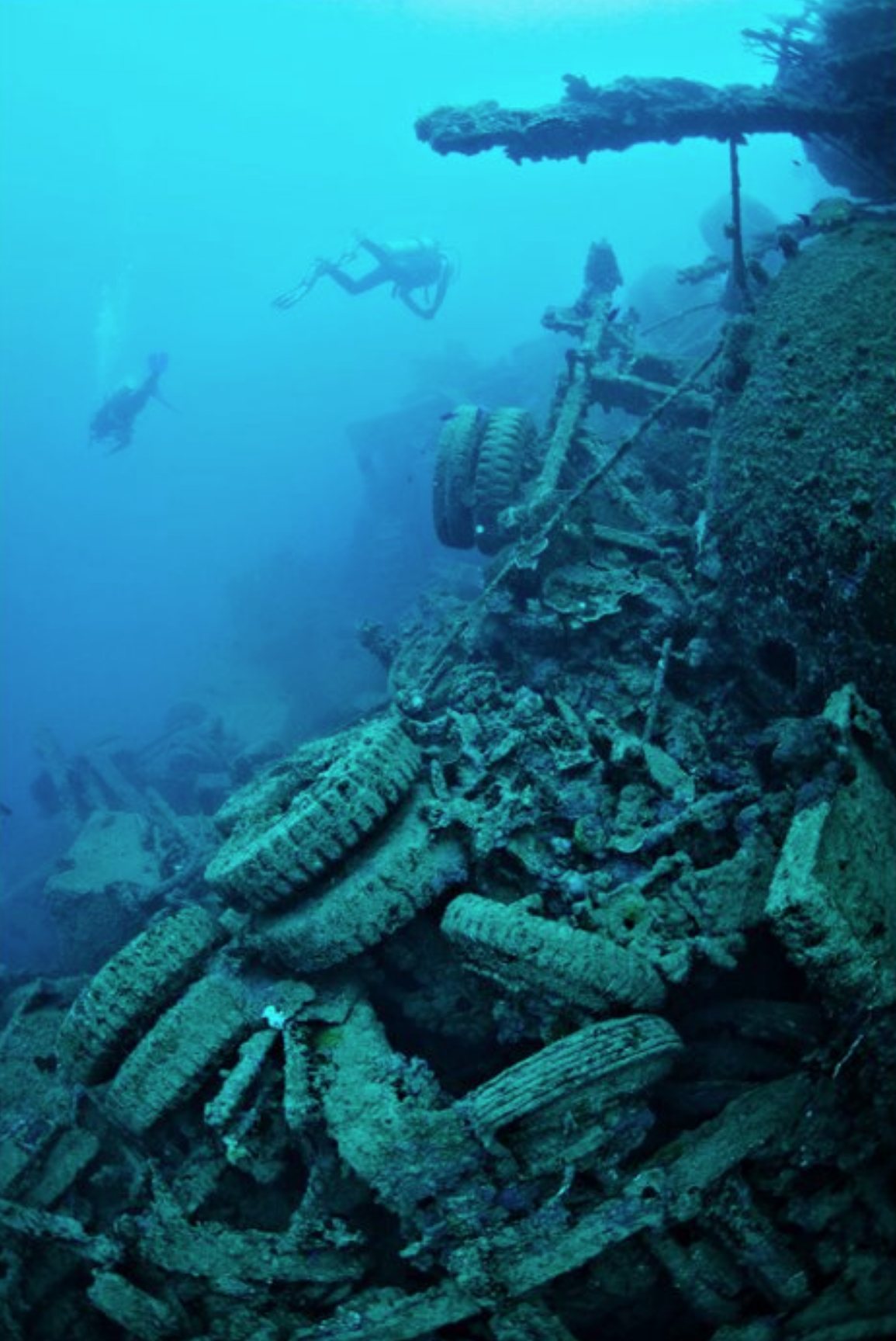
Military engineers built a ramp that ran directly into the sea. For days, trucks, ambulances and heavy machinery were driven over it. Drivers would lock the steering wheel, point the vehicle towards the ocean and jump out moments before it reached the edge. Engines disappeared beneath the water amid clouds of steam and the sound of breaking metal. Some American soldiers reportedly wept, while islanders watched objects that could have served their communities for decades sink before their eyes.
Today, Million Dollar Point is a popular diving destination. Beneath the surface lies a rusting mass of wheels, chassis and construction equipment, gradually being covered by coral. The site is often described as a monument to the futility of war, but it embodies something more precise than that. The goods were not destroyed because they had lost their practical value, but because they no longer possessed the desired market value. In the rust at the bottom of the Pacific, capitalism left behind one of its more honest self-portraits.
The Pacific is once again becoming an arena of strategic competition. In June 2026, Vanuatu signed the Nakamal Agreement with Australia, pledging not to permit foreign military bases on its territory. Canberra also gained the right to be consulted about the involvement of third countries in critical infrastructure such as ports, telecommunications and energy. China is not mentioned in the document, but the wider context of Beijing’s growing economic and political presence in the region is difficult to ignore. At the same time, Vanuatu’s government continues to negotiate development cooperation with China and insists that its relationship with no single power is exclusive.
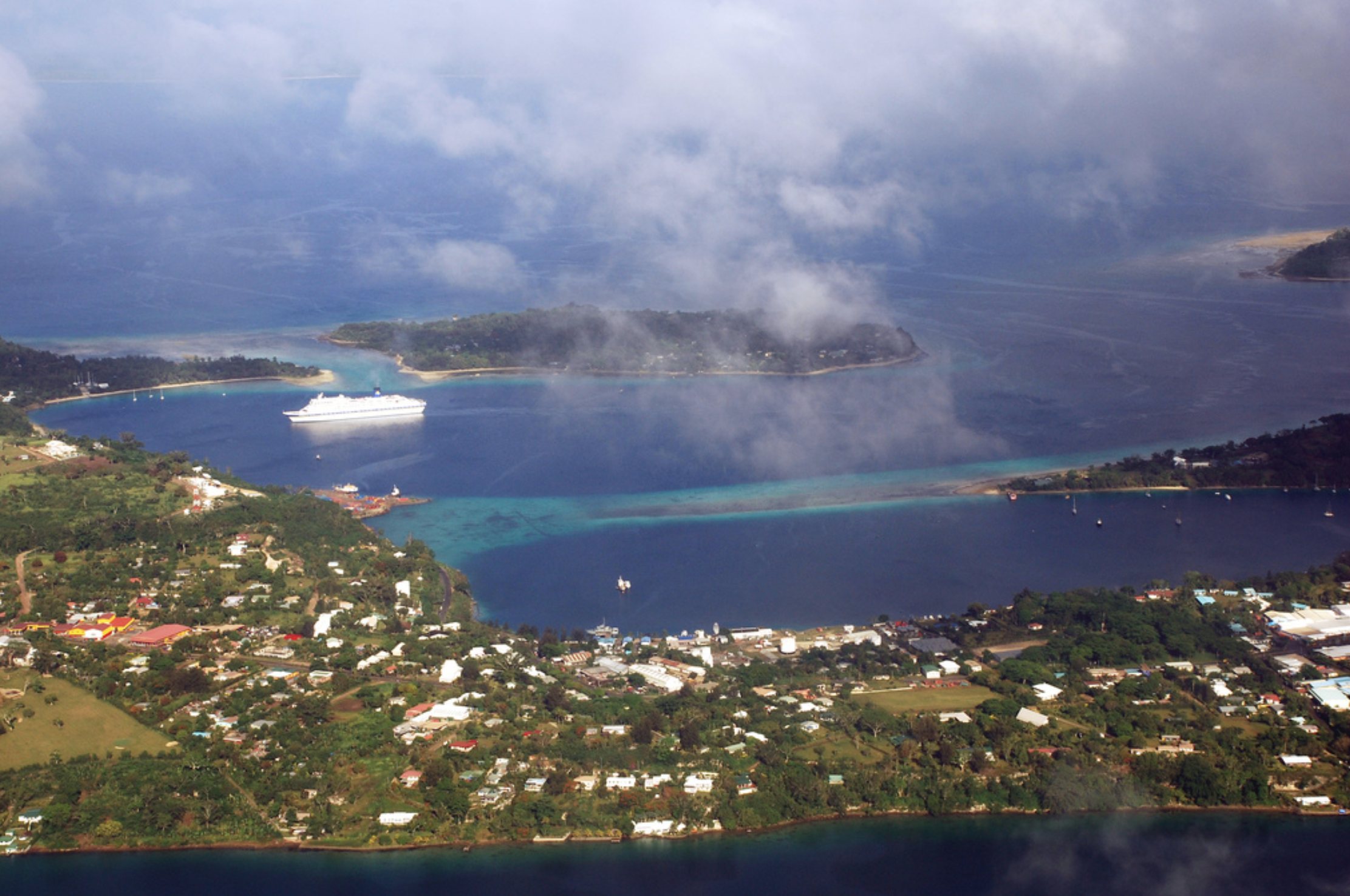
When great powers look at Vanuatu on a map, they see ports, communication cables and potential military positions. The people of Vanuatu are more likely to see cyclones, volcanoes and rising sea levels. Even the agreement with Australia describes climate change as an existential threat. Here lies the enduring difference between the imperial perspective and that of small island states: the former asks who controls the territory, while the latter asks whether that territory will remain habitable at all.
Vanuatu’s independence was therefore more than a moment when one flag was lowered and another raised. It was a revolt against the idea that a country could be governed as a compromise between distant capitals. On 30 July 1980, the people whose jurisdiction had been decided by two empires—neither of which had been willing to grant them citizenship—finally won the right to write their own sentence.
Sources
- Cambridge.org “The Law of the New Hebrides is the Protector of their Lawlessness”: Justice, Race and Colonial Rivalry in the Early Anglo-French Condominium | Law and History Review | Cambridge Core https://www.cambridge.org/core/journals/law-and-history-review/article/abs/law-of-the-new-hebrides-is-the-protector-of-their-lawlessness-justice-race-and-colonial-rivalry-in-the-early-anglofrench-condominium/50F06F0579BB724EA69399EF9961A7D6
- Api.parliament.uk NEW HEBRIDES https://api.parliament.uk/historic-hansard/commons/1980/jun/13/new-hebrides
- Press.anu.edu.au A Political Memoir of the Anglo-French Condominium of the New Hebrides https://press.anu.edu.au/publications/political-memoir-anglo-french-condominium-new-hebrides
- Newint.org Ashes To Ashes https://newint.org/features/1981/07/01/phoenix
- Parliament.gov.vu CONSTITUTION OF THE REPUBLIC OF VANUATU https://parliament.gov.vu/images/constitution.pdf
- Mfaicet.gov.vu NATIONAL FOREIGN POLICY “A Foreign Policy for Vanuatu & its People” https://mfaicet.gov.vu/images/documents/VANUATU_NATIONAL_FOREIGN_POLICY.pdf
Comments