
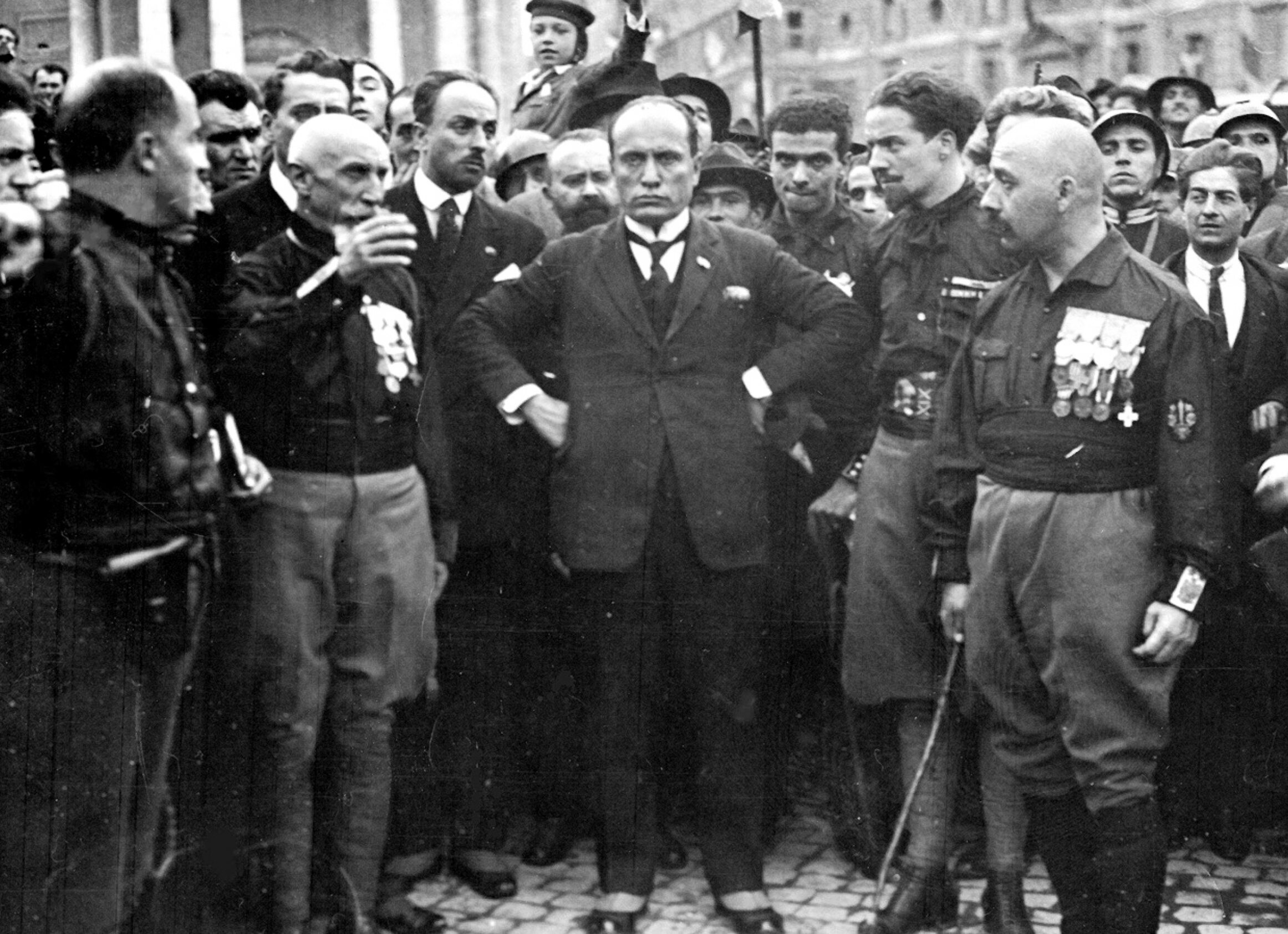
The Fascists did not defeat the state in battle. The elites let them in, convinced they could keep the violent movement under control afterward.
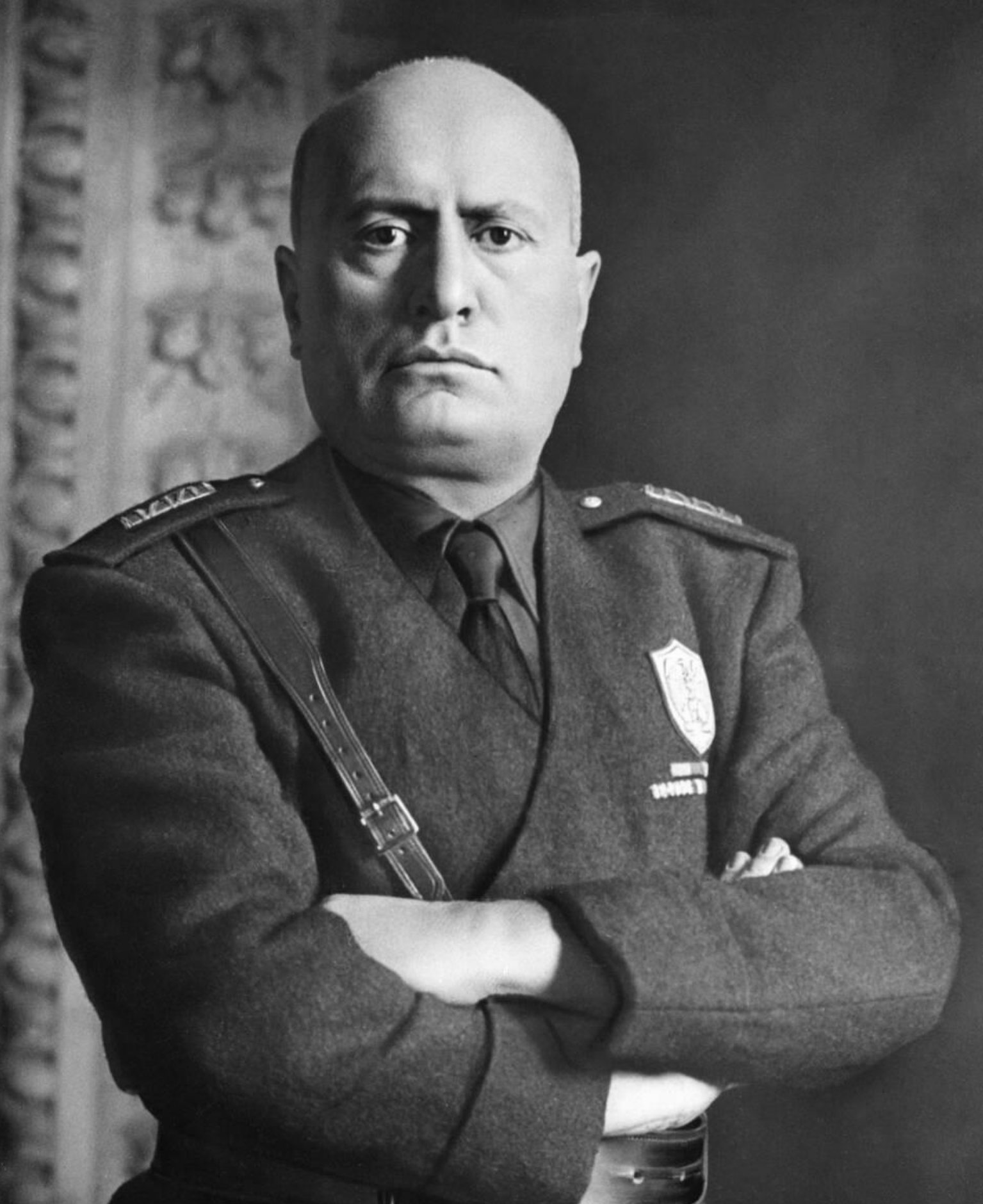
On October 28, 1922, Benito Mussolini was not leading an army at the gates of Rome. He was in Milan, more than 500 kilometers away, awaiting the outcome of political negotiations. He set out for Rome only after King Victor Emmanuel III invited him to form a government. The future dictator, later portrayed by propaganda as the conqueror of the capital, arrived by night train after his political victory had already been secured. The Fascist "revolution," in other words, did not buy its ticket until the royal invitation arrived.
That does not mean the March on Rome was a harmless piece of theater. The bluff lay in the claim that the Blackshirts could capture the capital by force. The threat behind it was very real. Over the previous two years, Fascist squads (Italian: squadre d’azione, action squads) had beaten and murdered political opponents, burned down trade union halls, and violently overthrown local governments. The state was not defeated in battle—it gradually surrendered the will to fight at all.
Italy emerged from the First World War on the winning side, but burdened by enormous debts, hundreds of thousands of dead, and a mass of veterans who could find no place in peacetime society. During the so-called Two Red Years, workers occupied factories and peasants seized land. The Russian Revolution was still fresh in people’s minds, and the fear of Bolshevism often exceeded the actual likelihood of an Italian revolution. Landowners and sections of the business elite began financing Fascist squads, while the police and local authorities often observed their attacks with a conveniently selective blindness.
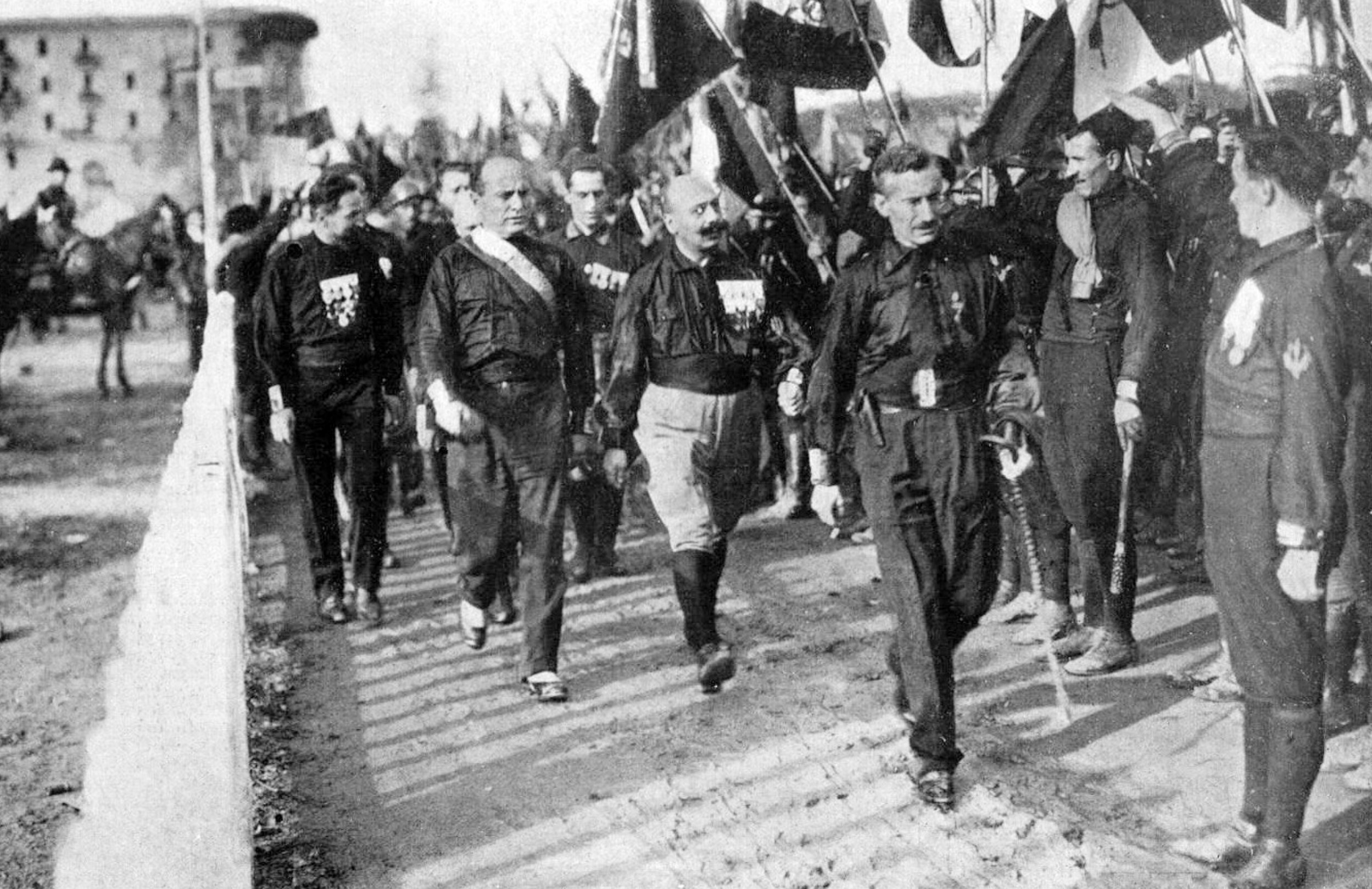
Mussolini could therefore sell "order" while his movement generated much of the disorder. The Fascists won only 35 seats in the 1921 election, but in the streets they commanded a private army and hundreds of thousands of members. Their strength came not from the ballot box, but from their willingness to use violence—and from the traditional elites’ belief that this violence could first be turned against the left and then somehow brought under control.
The Strike the Fascists Turned Into an Audition for Power
In early August 1922, the Labour Alliance called a general strike in defense of political and trade union freedoms and in opposition to Fascist violence. Its organizers called it a legality strike: the aim was not revolution, but to force the state to enforce its own laws once again. Mussolini recognized an opportunity more valuable than any election campaign. The Fascists announced that if the state failed to restore public services quickly, they would do it themselves.Fascist squads then moved into towns and cities, restarted tram services, guarded railway lines, and took over other work halted by the strike. At the same time, they attacked strikers, trade union offices, and left-wing municipal governments. A movement that had spent years systematically creating insecurity now presented itself as the only force capable of restoring order. The authorities largely allowed the Fascists to do the work that belonged to the police, and the strike collapsed within days.
It was a crucial political test just a few months before the March on Rome. The Fascists demonstrated that they could operate simultaneously as a private army and a substitute public administration, offering the traditional elites an alluring image of energy and resolve. Their audition for power succeeded precisely because no one asked who had created the disorder from which they now promised deliverance.
The Leader Who Waited at a Safe Distance
In October 1922, Mussolini was pursuing two tracks at once. In public, at a rally in Naples, he threatened to seize power, behind closed doors, he negotiated with liberal politicians, monarchists, and representatives of big business. He entrusted four associates with organizing the advance on Rome and returned to Milan himself. If the operation succeeded, he could claim the credit. If it failed, at least he would not be the first man arrested by the army.
During the night of October 28, Fascists seized railway stations, post offices, and prefectures in a number of cities. The columns approaching Rome were far less impressive. Poorly organized Blackshirts stood soaking in the rain on the outskirts of the capital, while disrupted railway links slowed their arrival. Against Rome’s properly mobilized garrison, they would have struggled to survive a conventional battle. Yet their real advantage had never been artillery. It was their calculation that parts of the state apparatus would rather refrain from firing on the Fascists than defend the system the Fascists were dismantling.
At dawn, Prime Minister Luigi Facta prepared a decree declaring a state of siege.
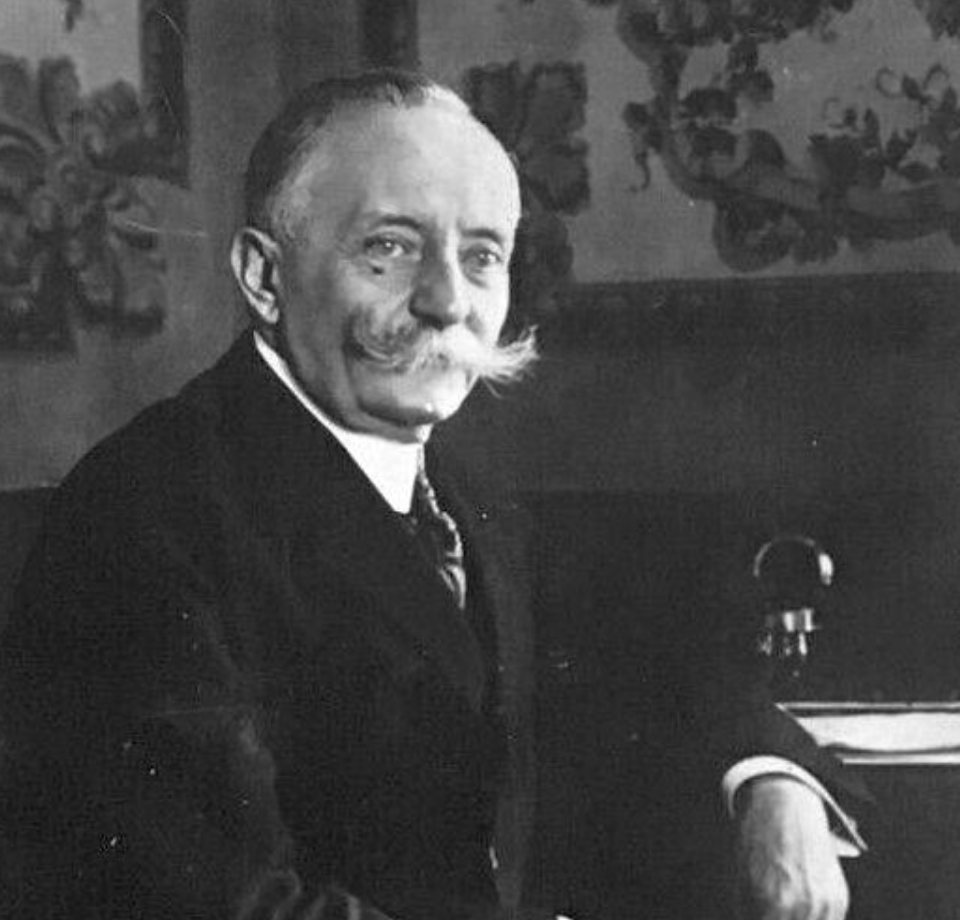
The army had already begun taking up key positions and was awaiting political authorization. The king, however, refused to sign the decree. His reasons have never been fully established. Perhaps he feared civil war and doubted the loyalty of every officer. He probably also believed that Mussolini could be tamed inside a coalition government. But the most important point is this: Victor Emmanuel was not without options. He chose not to put the state’s strength to the test.
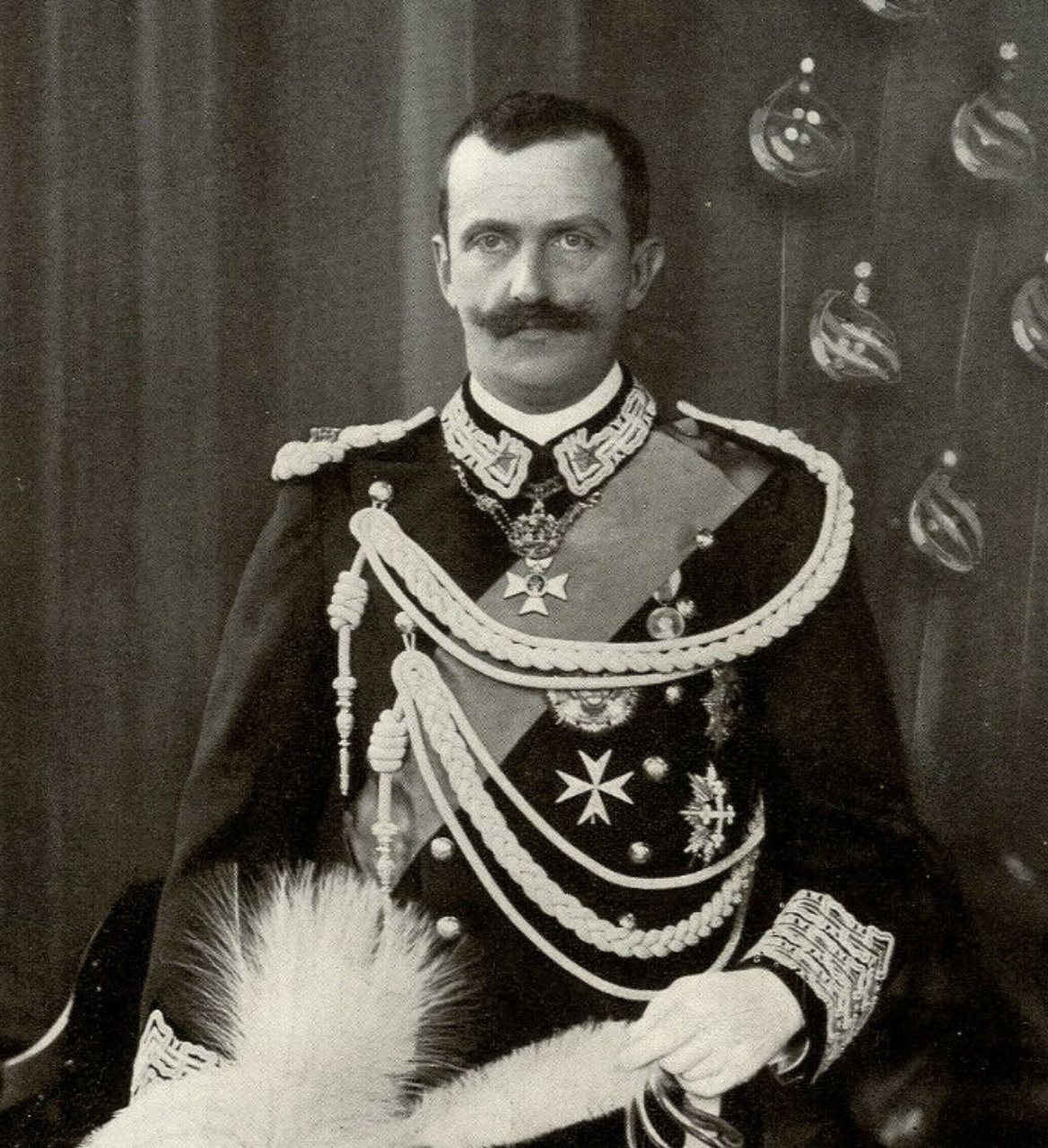
The royal court initially tried to form a government under the veteran liberal politician Antonio Salandra, with Fascist participation. Mussolini rejected a secondary role and demanded the premiership. The king yielded and summoned him to Rome on October 29. The Blackshirts, then, did not enter the capital and install their leader in power. Their leader was given power first, and only afterward were they allowed to enter the capital.
Legal Doors, Rifles in the Background
The new government was not exclusively Fascist. It included representatives of the old parties, nationalists, and prominent military commanders. Mussolini’s appointment was made under the royal powers permitted by the constitutional order of the time. But formal legality could hardly erase the rifles in the background. This was a transfer of power conducted according to the rules of the state, under pressure from a movement openly threatening to attack that state.
The old order’s willingness to participate in its own dismantling became clear a few weeks later. Speaking before parliament, Mussolini boasted that he could have turned the chamber into a military encampment for his squads, but that he had chosen not to do so—"at least for now." Despite the threat, his government won a vote of confidence by 306 votes to 116. The Fascists held only 35 seats of their own. The remaining votes came from men who believed the new prime minister would be restrained by institutions whose impotence had just been laid bare.
The Myth Began Marching After the Victory
Only after the political surrender did the image of a great revolution take shape. On October 31, thousands of Blackshirts paraded through Rome before the king and the new prime minister. The 1923 Fascist documentary A noi then rearranged the sequence of events through editing, portraying Mussolini as the on-the-ground leader of a march he had not attended. Over time, the myth became so valuable that by the mid-1930s a market had emerged in forged membership cards supposedly proving that their holders had been Fascists even before the historic march.
Italy did not become a full dictatorship overnight on October 28. Mussolini first acquired the office, then emergency powers, an electoral law engineered to guarantee a majority, and finally a state without effective opposition. Violence did not replace the law—the law became its packaging.
The Law That Turned a Minority Into a Two-Thirds Majority
Mussolini did not abolish elections immediately after taking power. Instead, he changed the mathematics behind them. The Acerbo Law of 1923, named after deputy Giacomo Acerbo, stipulated that the list receiving the most votes would automatically be awarded two-thirds of the seats in the Chamber of Deputies, provided it won at least 25 percent of the vote. The remaining third would be distributed proportionally among the other lists. A quarter of the vote could thus be transformed into a constitutional majority.The Fascists did not have enough deputies to impose such a rule on their own. The law passed with the support of nationalists, liberals, conservatives, and some Catholic deputies who believed that a large and stable majority would bring calm to the country. There was no need to abolish parliament. It was enough to persuade its members to vote for a reduction in the value of the electorate’s future votes.
In the April 1924 election, Mussolini’s National List won an overwhelming majority, but the campaign was marked by violence, intimidation, and the abuse of state power. Socialist deputy Giacomo Matteotti publicly challenged the legitimacy of the election. A few weeks later, the Fascists simply abducted and murdered him. The Acerbo Law was therefore more than a technical electoral reform. It was the bridge between a government that had formally come to power under the old rules and a regime that reshaped the new rules so that it could never lose power again.
That is why the March on Rome matters more as a political lesson than as a military episode. Apparently orderly democratic systems do not always collapse because an enemy defeats them from outside. Sometimes their own guardians unlock the doors, convinced that they can use a dangerous guest for a few months and then politely show him out. Mussolini did not conquer Rome in battle. The king handed him the keys, and Mussolini then changed the locks.
Sources
- Treccani Marcia su Roma https://www.treccani.it/enciclopedia/marcia-su-roma_(Dizionario-di-Storia)/
- Treccani 28 ottobre 1922: fu vera marcia? https://www.treccani.it/magazine/atlante/cultura/28_ottobre_1922.html
- United States Holocaust Memorial Museum Benito Mussolini https://encyclopedia.ushmm.org/content/en/article/benito-mussolini-1
- Encyclopedia.com Legalitarian Strike https://www.encyclopedia.com/history/encyclopedias-almanacs-transcripts-and-maps/legalitarian-strike
- Camera dei deputati Il periodo fascista https://conoscere.camera.it/norme-essenziali/il-sistema-elettorale/precedente-legislazione-elettorale/il-periodo-fascista
- Verfassungsblog Prize and Premiership https://verfassungsblog.de/prize-and-premiership/
- International Documentary Film Festival Amsterdam The March on Rome https://www.idfa.nl/en/film/51d2c1ab-a147-4095-b045-3ca9d6eb460b/the-march-on-rome/
- The Guardian Mussolini’s March on Rome was neither peaceful nor bloodless https://www.theguardian.com/world/2025/mar/04/mussolini-march-on-rome-was-neither-peaceful-nor-bloodless
Comments