
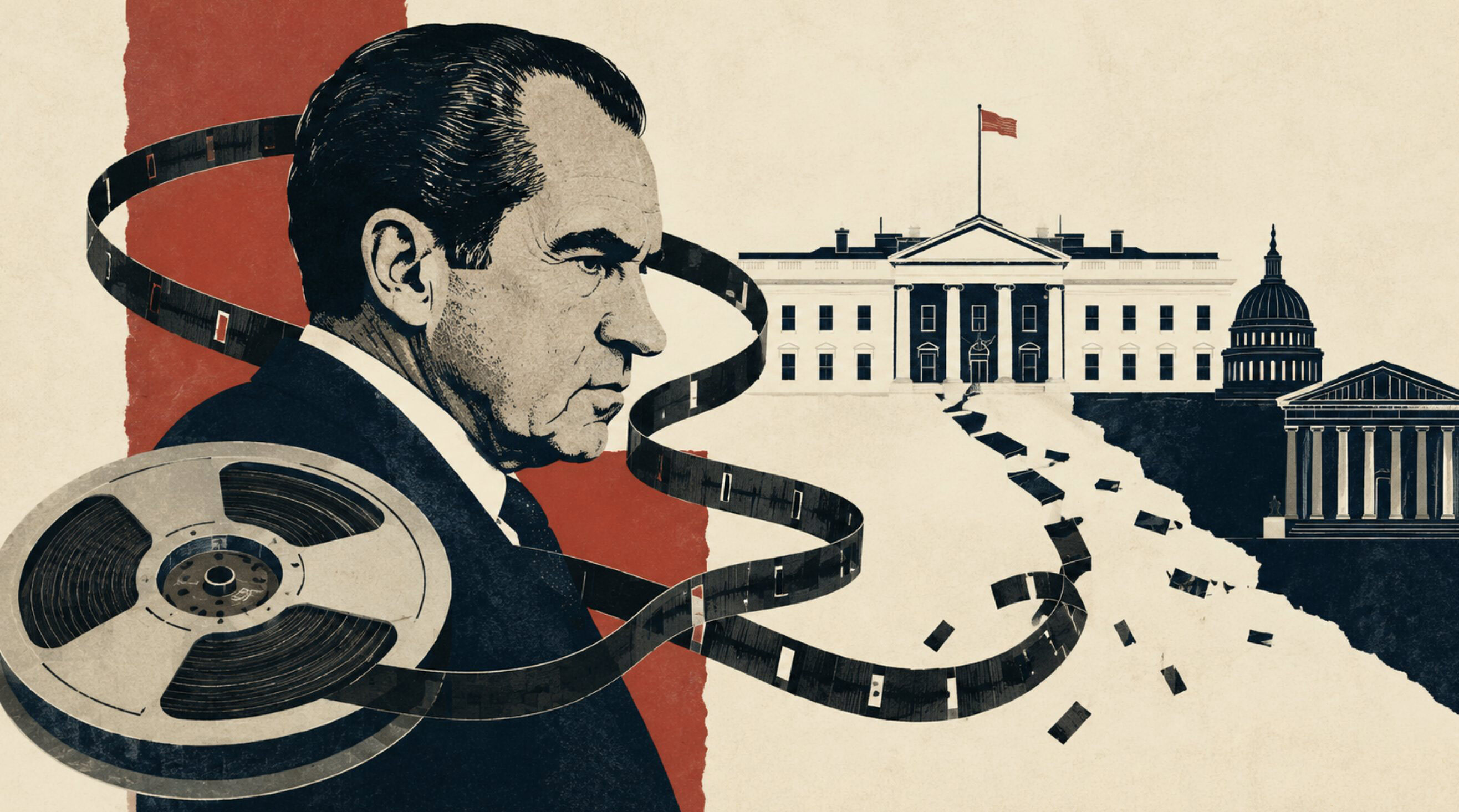
Richard Nixon was still living in the White House on July 27, 1974, commanding the most powerful military in the world and holding the codes to America’s nuclear arsenal. Yet by that day, he could no longer be certain that the machinery of the American state still stood behind him.
The House Judiciary Committee had approved the first article of impeachment, accusing the president of obstructing justice in the Watergate affair. The vote was 27 to 11. All 21 Democrats and six Republicans concluded that Nixon was no longer merely the other party’s political problem. He had become a threat to the rules that gave his office legitimacy. The president had not yet been brought down, but his protective network was beginning to tear from within.
Five burglars, wiretaps and a president’s fatal decision: what was Watergate really about?
Watergate was not originally the name of a scandal, an operation or a political doctrine. It was an upscale complex of hotels, apartments and office buildings overlooking the Potomac River in Washington. The sixth floor of one of those buildings housed the headquarters of the Democratic National Committee, the organisational centre of the party seeking to defeat Republican President Richard Nixon in the 1972 election.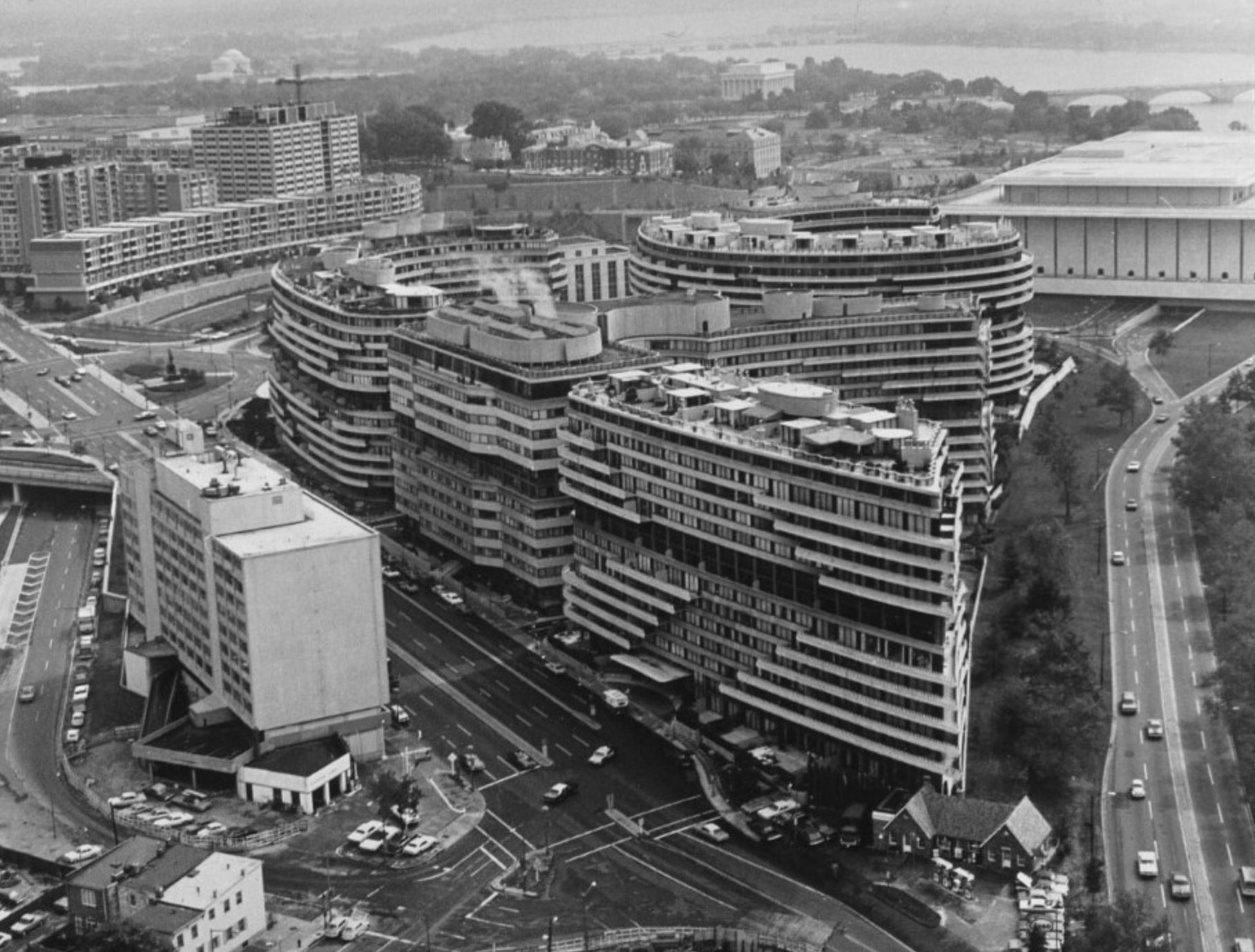
Police found five men inside the Democratic offices carrying cameras, film, burglary tools and electronic surveillance equipment. Among them was James McCord, a former CIA and FBI operative who served as security coordinator for Nixon’s campaign. The others were Bernard Barker, Eugenio Martínez and Virgilio González, all connected to Cuban exile and anti-Castro circles, and Frank Sturgis, an American anti-communist operative.
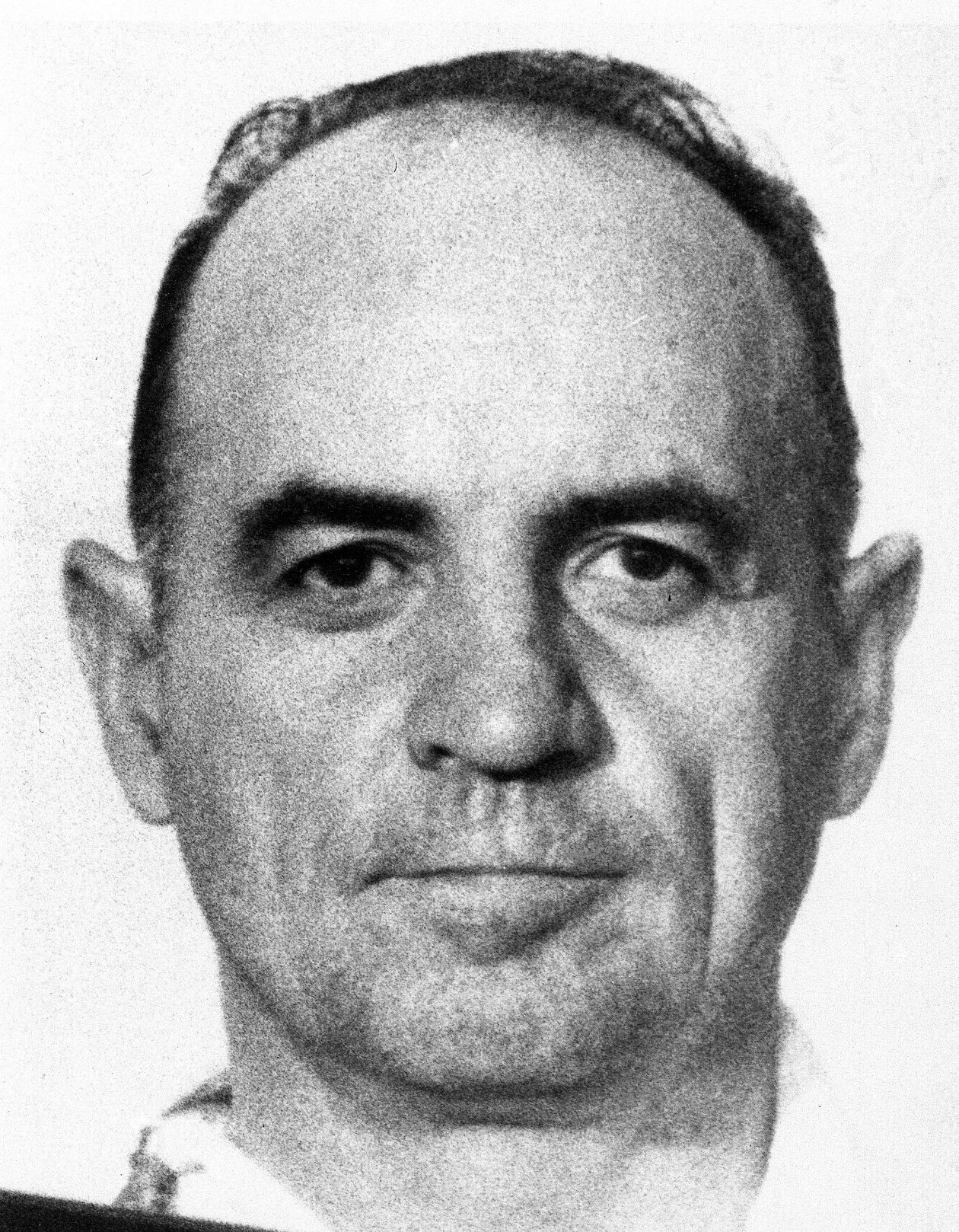
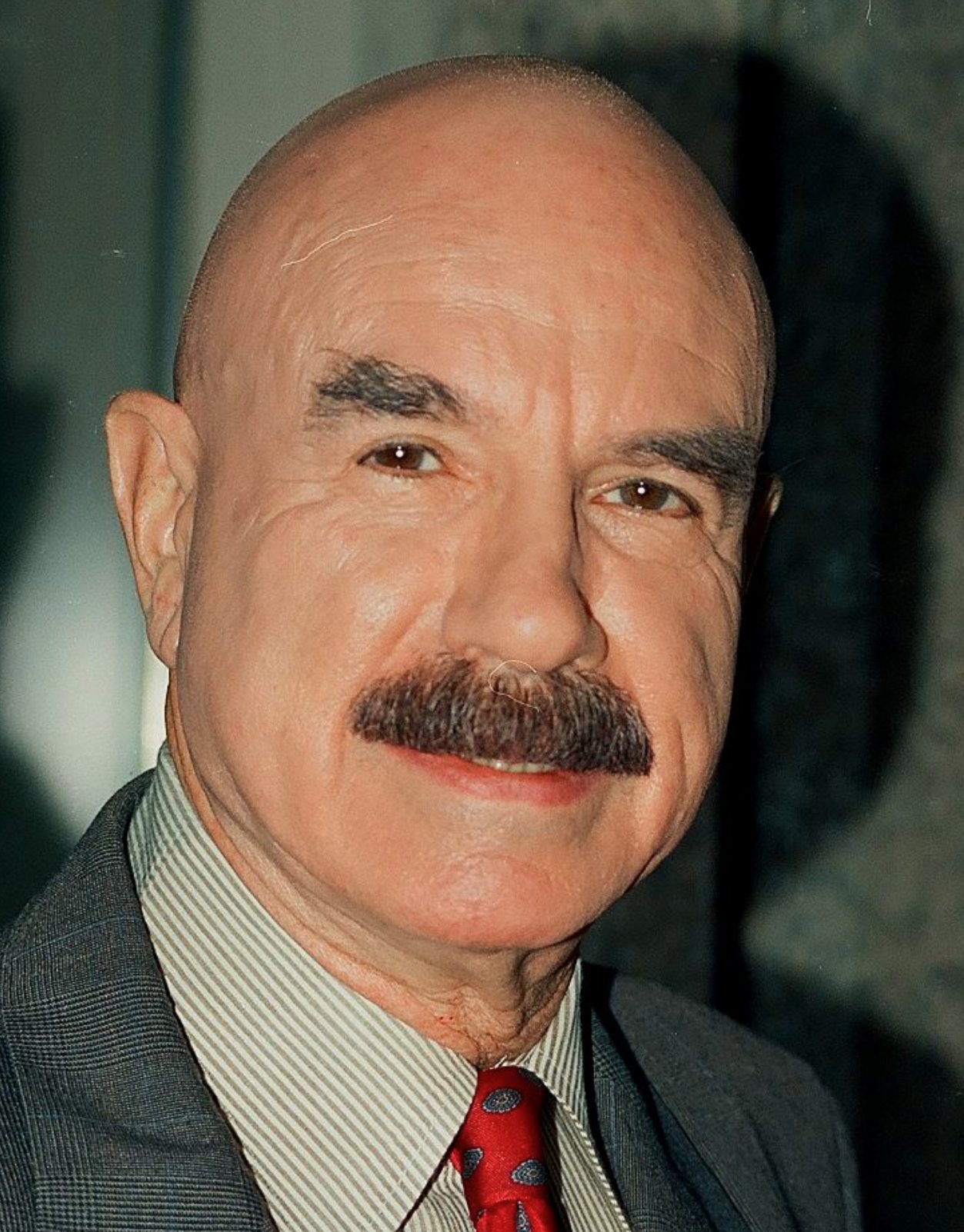
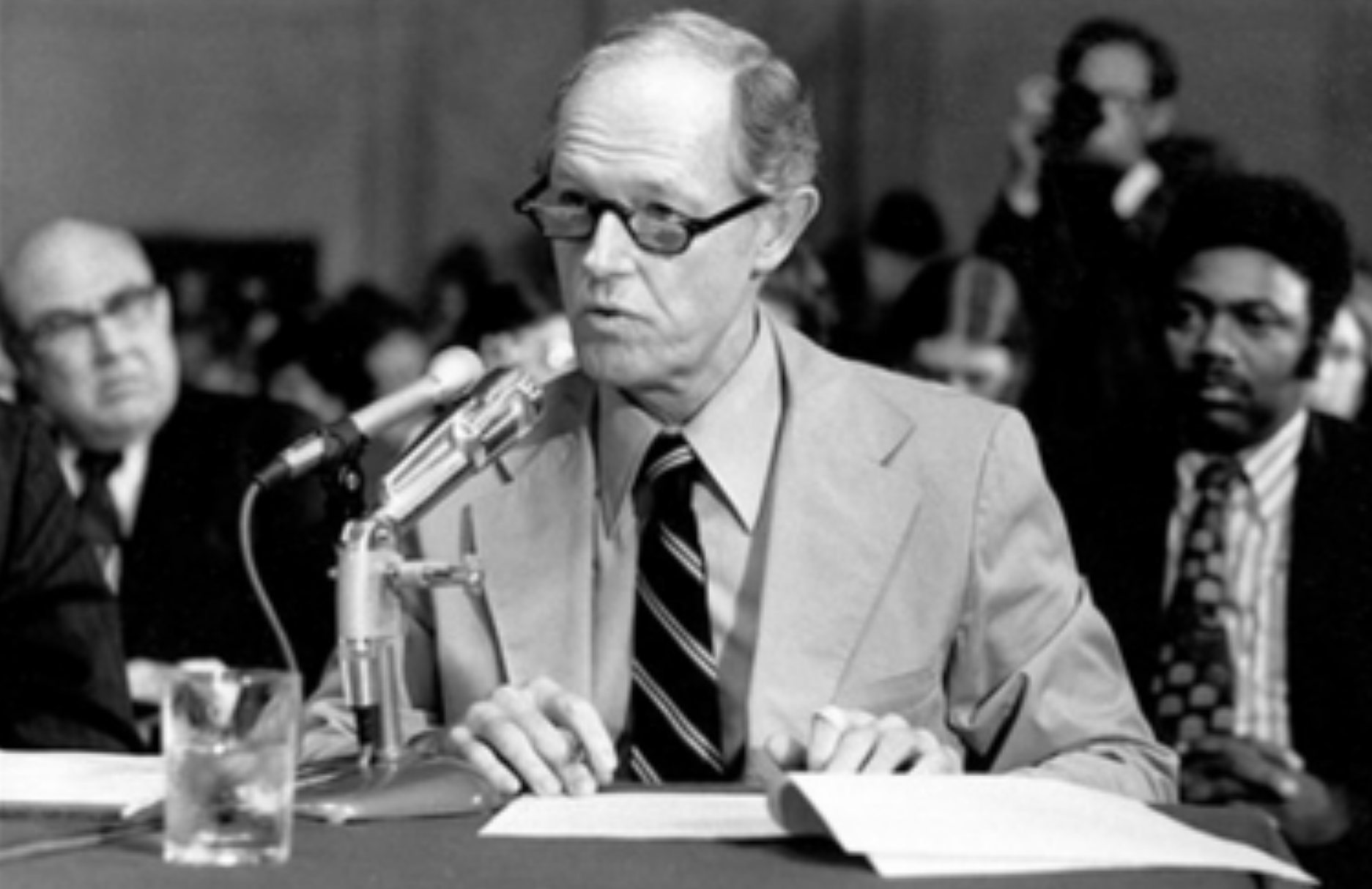
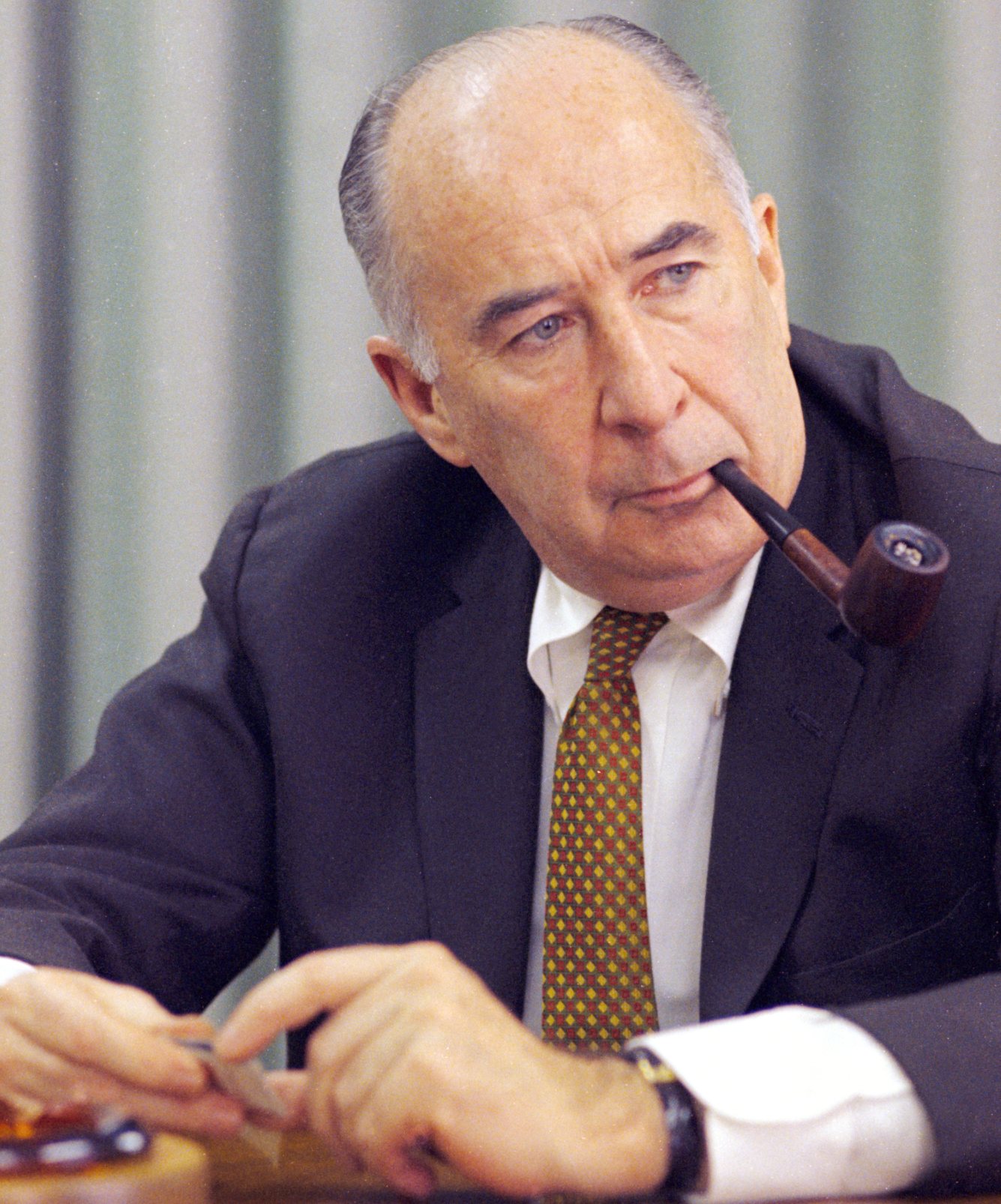
Exactly what they were looking for remained partly unclear even after years of investigation. Most likely, they wanted advance knowledge of the Democrats’ electoral strategy, financial plans and relationships with major donors. They were particularly interested in Lawrence O’Brien, chairman of the Democratic National Committee, whom Nixon’s circle believed possessed damaging information about the president’s political and financial connections. There were also theories that the burglars were searching for evidence of illegal financing or other compromising material. The one certainty is that they were not there to steal money from the office. This was political espionage organised for the benefit of the sitting president.
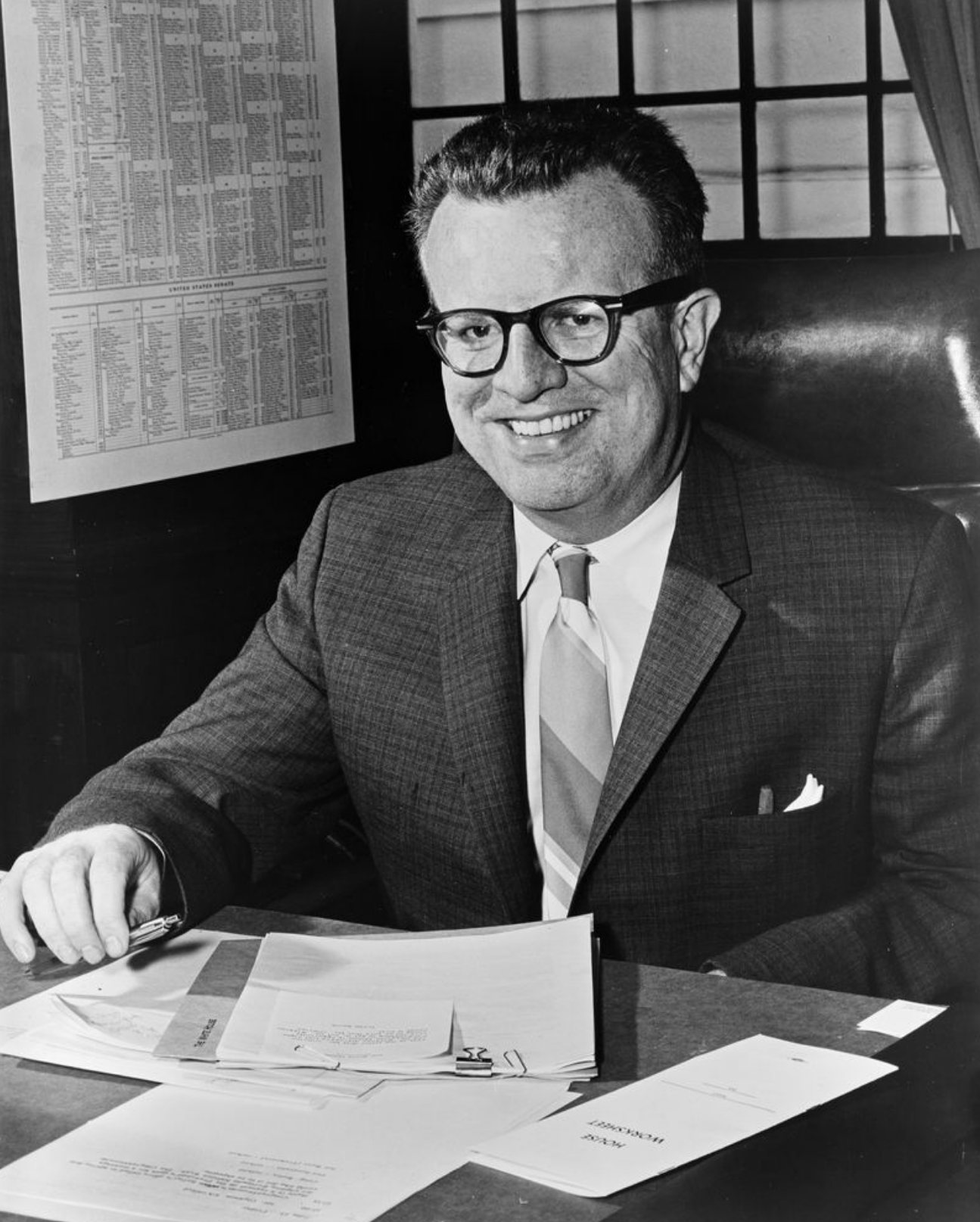
His paranoia did.
Nixon and his closest associates did not regard politics as competition within a shared system. They saw enemies, conspiracies, journalists working for their opponents and government officials whose loyalty was always suspect. The White House kept enemies lists, tried to use the tax authorities against its critics and organised covert operations against those it considered a threat. Watergate was not an isolated excess committed by a handful of overzealous aides. It was the product of a culture in which the president’s political survival had become indistinguishable from national security.
The connection to Nixon’s campaign emerged during the first police checks. McCord was not some unknown criminal but a paid campaign official. Money found on the burglars led back to accounts and donations linked to the Committee for the Re-Election of the President. Their notebooks contained contact details for people in the White House. From the beginning, the claim that this had been an independent operation by a few individuals looked remarkably weak.
Then began the process that transformed Watergate from an embarrassing burglary into a constitutional crisis. Nixon’s associates started destroying documents, coordinating false testimony and raising money to buy the silence of those who had been arrested. The White House tried to persuade the CIA to tell the FBI that continuing the investigation might endanger covert intelligence operations. Invoking “national security” was supposed to create a fog serious enough to stop investigators from following the money.
Nixon had compelling reasons to protect the burglars and the organisers, even assuming that he had not personally ordered the break-in. Their confessions would have exposed more than a single illegal operation. They might have opened the door to an entire world of secret funds, political sabotage, wiretapping and abuse of government institutions. Hunt and Liddy were also connected to an earlier break-in at the office of Daniel Ellsberg’s psychiatrist. Ellsberg was the man who had given the Pentagon Papers to the press. Watergate was a loose thread: if the FBI pulled hard enough, the entire fabric of Nixon’s presidency might unravel.
That was why the president agreed to take part in the cover-up.
The cover-up began to collapse in March 1973, when McCord sent a letter to Judge John Sirica revealing that the defendants had been pressured to remain silent and give false testimony. Former White House counsel John Dean then appeared before television cameras and described meetings at which the concealment had been discussed. Washington Post reporters Bob Woodward and Carl Bernstein followed the money and its connections to the campaign, while the FBI, prosecutors and Senate investigators gradually reconstructed the entire network.
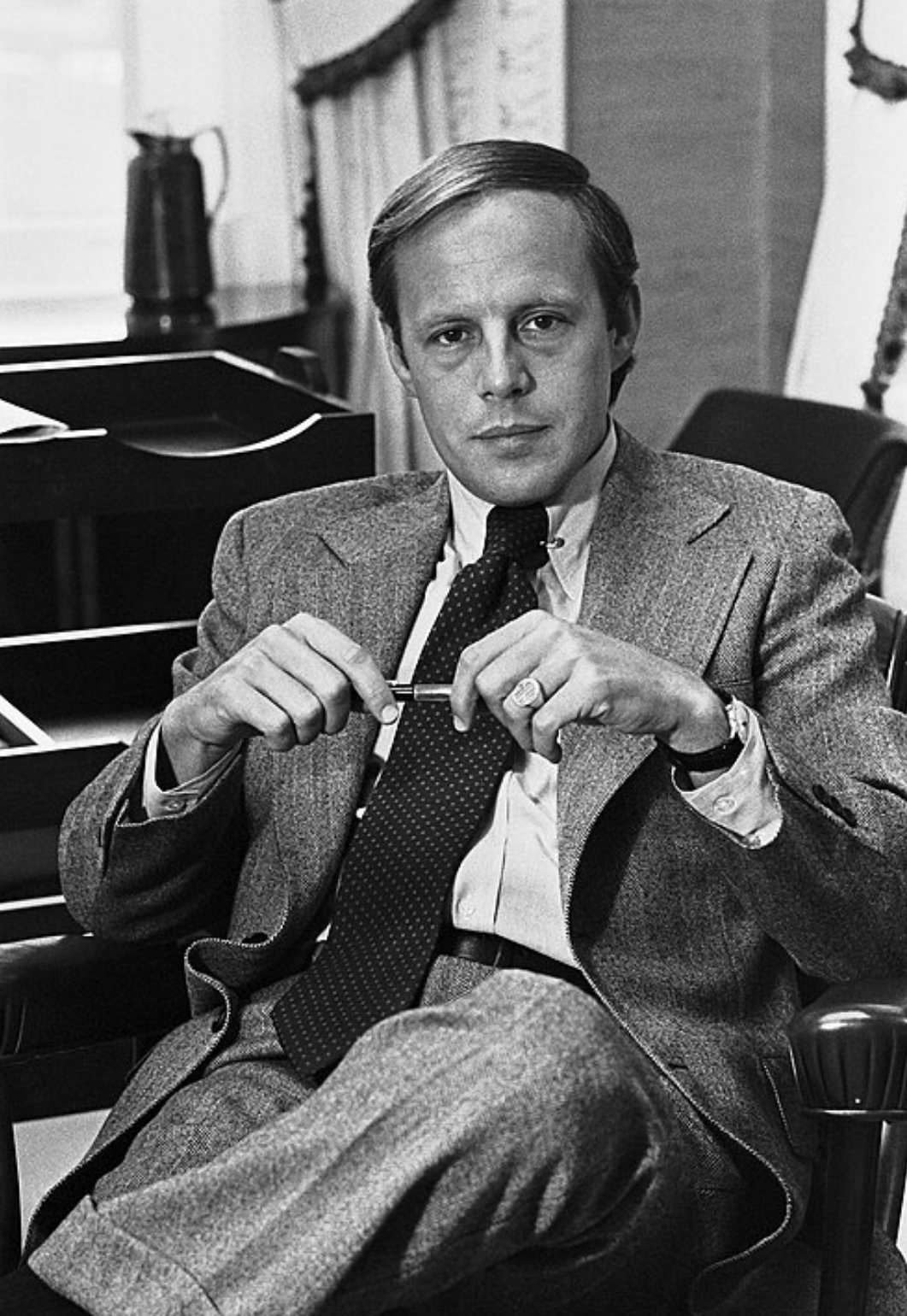
The five burglars were caught because of a few inches of adhesive tape. Richard Nixon was caught because of miles of recording tape that he himself had ordered installed.
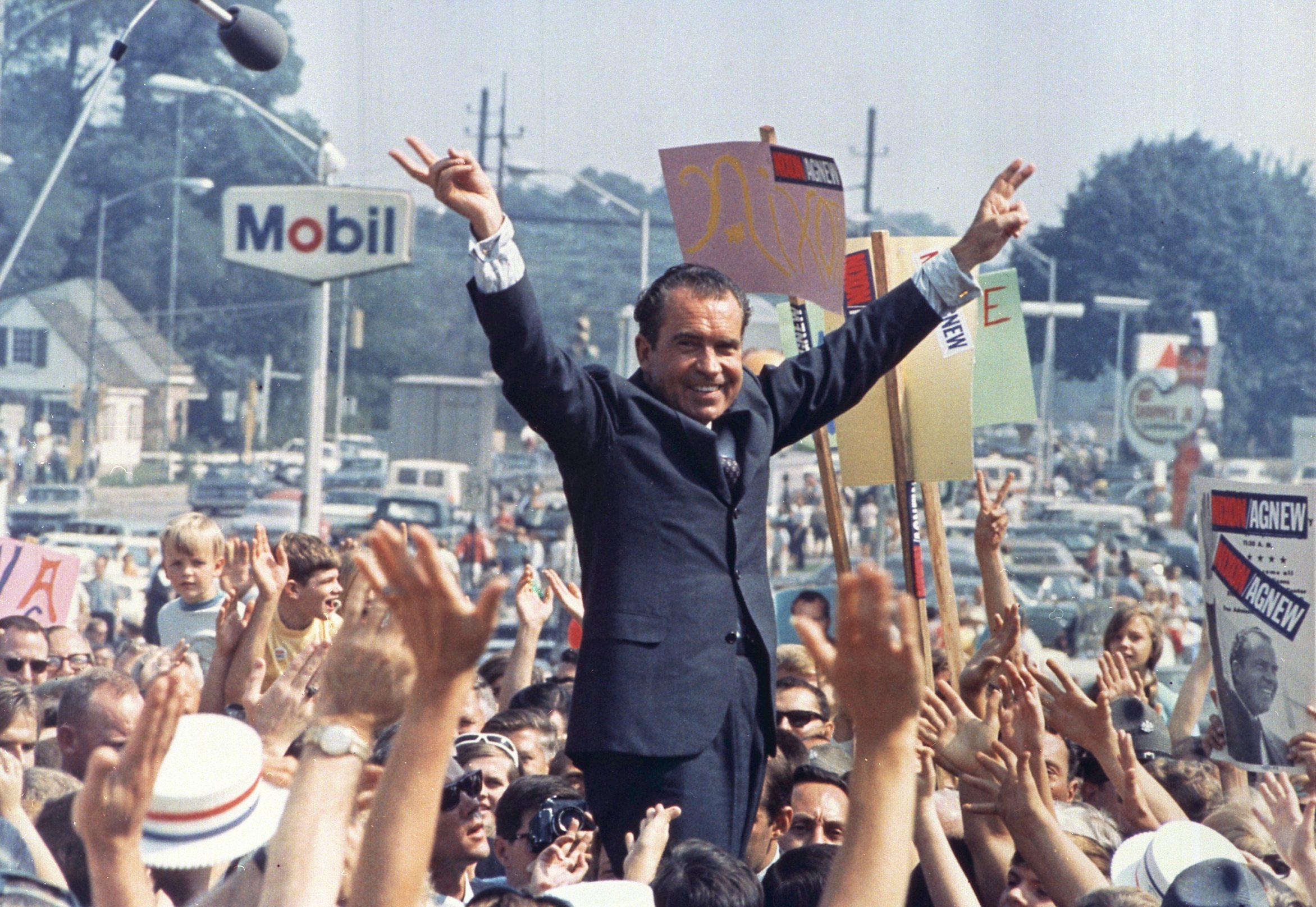
This was not the defeat of a weak president who had somehow wandered into the Oval Office by accident. Less than two years earlier, Nixon had won one of the most decisive electoral victories in American history. He carried 49 of the 50 states, received 520 electoral votes and won more than 60% of the popular vote. His Democratic opponent, George McGovern, had been almost entirely erased from the political map. Nixon did not look like a man who could be brought down by a few burglars caught inside a Washington office complex. He looked like a president capable of surviving almost anything.
That is the true significance of Watergate. The break-in at Democratic National Committee headquarters was a crime, but it did not, by itself, have to become a constitutional crisis. American history is full of electoral fraud, covert operations and dirty tricks that survived a few headlines before disappearing into the archives.
Nixon was not brought down by the crime alone. He was brought down by the attempt to turn presidential power into a machine for concealing it.
As early as June 23, 1972, only six days after the break-in, Nixon discussed with his chief of staff, H. R. Haldeman, using the CIA to tell the FBI to halt its investigation. National security was to be cited as the reason. In other words, the president was considering using one arm of the state to intimidate another, all to conceal a politically dangerous crime. A recording of that conversation would later become known as the “smoking gun”—the evidence that destroyed the last serious attempts to defend him.
The American state did not abandon Nixon all at once. It withdrew from him step by step.
Journalists refused to accept the story of an isolated group of burglars. Senate hearings exposed the existence of a much broader operation. Prosecutors began demanding recordings of conversations held in the White House. Nixon, obsessed with control and with shaping the historical record of his presidency, had previously ordered conversations in his offices to be recorded automatically. The tapes were supposed to provide material for his future version of history. Instead, they became material for the case against him.
In October 1973, Nixon ordered Attorney General Elliott Richardson to dismiss special prosecutor Archibald Cox, a Harvard law professor who was demanding the tapes. Richardson refused and resigned. His deputy, William Ruckelshaus, also refused to carry out the order. Only the third-ranking official in the department, Solicitor General Robert Bork, agreed to fire Cox. The episode became known as the “Saturday Night Massacre.” Nixon succeeded in removing the prosecutor, but lost something more important: the assumption that a presidential order automatically became the will of the state.
The courts then began to turn against him as well. On July 24, 1974, the Supreme Court unanimously rejected Nixon’s claim that executive privilege gave him an absolute right to withhold the tapes. The president was ordered to surrender them. Just three days later, the Judiciary Committee approved the first article of impeachment. Over the following days, it adopted additional articles charging him with abuse of power and contempt of Congress.
The wording of the first article was bureaucratic. Nixon, using the powers of his high office, had attempted to delay and obstruct the investigation, conceal evidence and protect those responsible. He was accused of trying to transform institutions created to enforce the law into personal instruments of defence.
The six Republicans who supported the article had not suddenly become political allies of the Democrats. They had simply recognised that defending the party was no longer the same as defending the president.
Nixon tried to hold on for a little longer. After the disputed tape was released on August 5, however, it became clear that he had spent months lying to the public and Congress about his role in the cover-up. Two days later, Republican senator Barry Goldwater, Senate Republican leader Hugh Scott and House Republican leader John Rhodes arrived at the White House. Their message was simple: support within the party had collapsed, and conviction in the Senate had become almost inevitable. Nixon announced his resignation on August 8, and it took effect the following day. The last institution to abandon him was his own party.
Watergate produced a comforting American myth that “the institutions worked.” It would be more accurate to say that the people inside them decided to make them work. The Constitution did not walk into the Oval Office and remove Nixon from power. Richardson could have obeyed the order. The justices could have accepted a broader interpretation of executive privilege. Republicans could have delayed until the political moment had passed.
At every stage, someone had to decide that their duty to the institution mattered more than their duty to the man who temporarily controlled it.
That is precisely why comparisons with present-day America are more than a convenient historical flourish. If a Watergate-style scandal engulfed Donald Trump today, it would be difficult to argue that “absolutely nothing” would happen, as some political commentators have suggested. There would be investigations and court battles. Television networks would become political trenches. Another impeachment process might even begin.
But the real question is not whether the institutions would respond. It is whether enough members of the president’s own party would be willing to abandon him.
Trump has already been impeached twice by the House of Representatives and acquitted by the Senate both times. Following the attack on the Capitol on January 6, 2021, 57 senators voted to convict him, including seven Republicans. That was ten votes short of the two-thirds majority required. Four years later, Trump returned to the White House as the 47th president of the United States.

In 2024, the Supreme Court further shielded the presidency from criminal prosecution by establishing absolute immunity for actions taken within the president’s exclusive constitutional authority and at least presumptive immunity for other official acts. Private conduct is not protected. The Nixon and Trump cases are not legally equivalent: the first concerned the surrender of evidence, while the second concerned the criminal prosecution of a former president. Even so, the protective shell surrounding official presidential conduct is thicker today than it was in the summer of 1974.
After returning to power, Trump pardoned almost everyone convicted in connection with the events of January 6 or commuted their sentences, while ordering the remaining cases to be dropped. He did not merely survive political condemnation. He was given the opportunity to reverse the practical consequences of an event that, for a time at least, had appeared to mark the end of his political career.
That may be the most important difference between 1974 and the America of today. Nixon’s Republican Party ultimately acknowledged that the president and the presidency were not the same thing. Today’s political identities are tied far more closely to an individual and to an electoral base that may interpret any concession to the opposing side as an act of betrayal.
Nixon fell when the institutions abandoned the president in order to preserve the presidency. The danger facing modern America is the reverse: that its institutions may begin abandoning themselves in order to preserve the man at the top.
Sources
- Nixonlibrary.gov Watergate Trial Tapes https://www.nixonlibrary.gov/watergate-trial-tapes
- Senate.gov Select Committee on Presidential Campaign Activities https://www.senate.gov/about/powers-procedures/investigations/watergate.htm
- Fbi.gov Watergate https://www.fbi.gov/history/cases-and-criminals/watergate
- Archives.gov Watergate and the Constitution https://www.archives.gov/education/lessons/watergate-constitution/chronology.html
- History.house.gov Whereas: Stories from the People’s House https://history.house.gov/Blog/2022/June/6-17-Education-Watergate/
- Millercenter.org Watergate | Miller Center https://millercenter.org/the-presidency/educational-resources/watergate
Comments