
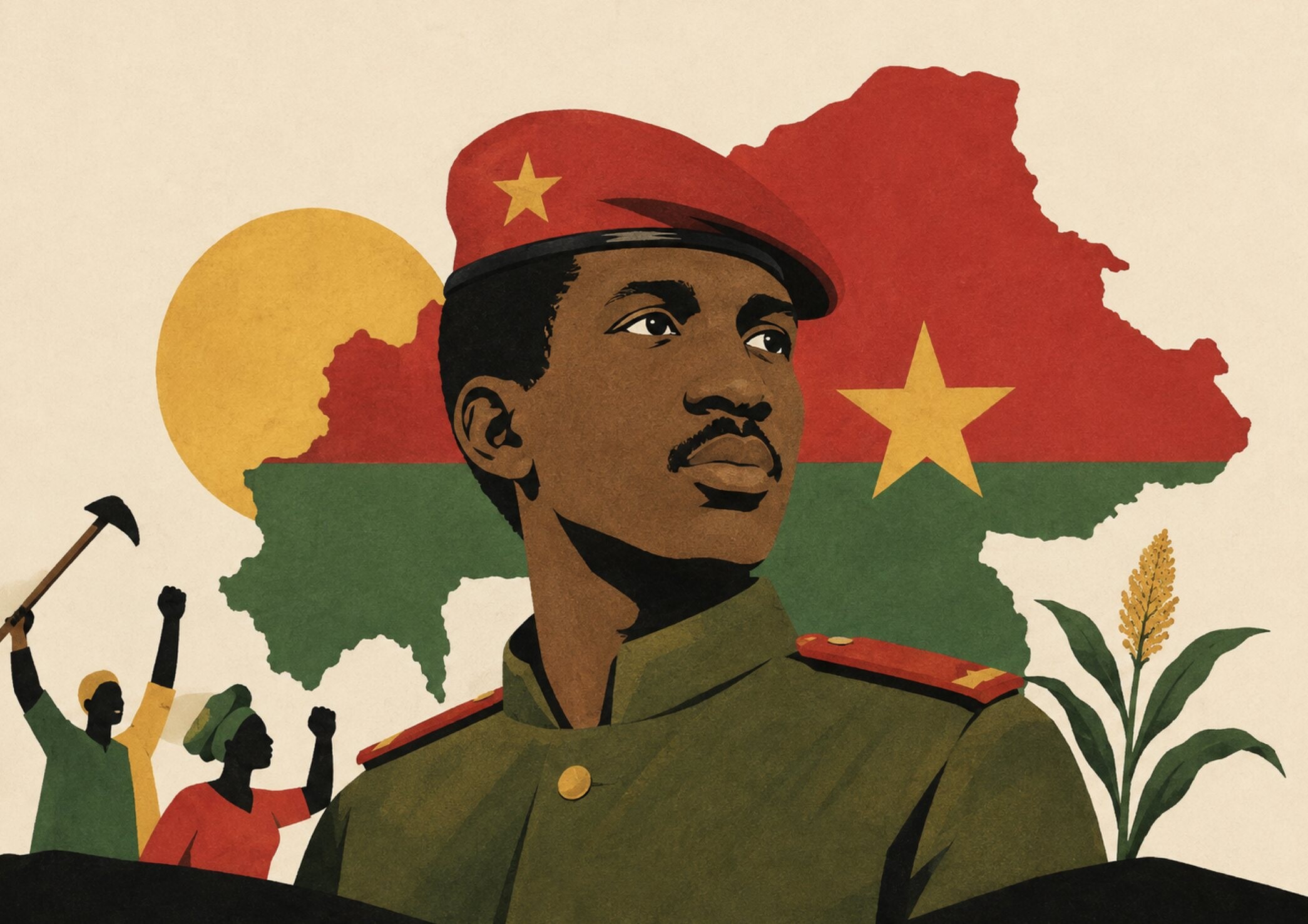
Upper Volta was a country named like a footnote on a colonial map. Its name said nothing about the people who lived there, their history or their ambitions. It merely described the territory around the upper reaches of the Volta River. When Captain Thomas Sankara, a Burkinabè revolutionary and pan-Africanist, renamed the country Burkina Faso on August 4, 1984, he was doing more than changing the symbols of statehood. He was building a political programme and a source of pride into its very name.
Burkina Faso translates roughly as "the land of upright people", and the name itself combines words from two of the country’s indigenous languages. The term for its inhabitants, Burkinabè, borrows its suffix from a third. It was a small linguistic federation transformed into the name of a nation. The "problem" with such a name was that it set an uncomfortable standard. The land of upright people could no longer quietly tolerate ministers in luxury cars, civil servants dressed exclusively in imported suits or development plans written by foreign creditors. Unlike many politicians who become intoxicated by their own slogans, Sankara appeared determined to live by his.
He had come to power one year earlier, on August 4, 1983, in a country that had formally gained independence from France in 1960 but remained trapped in a colonial division of labour. The French authorities had regarded Upper Volta primarily as a distant reservoir of manpower. In 1932, the colony was abolished altogether and divided among neighbouring territories, largely to make it easier to channel its inhabitants towards plantations and construction sites in Ivory Coast. It was reconstituted in 1947. That history left behind little infrastructure and even less sense of shared statehood. Independence arrived, but the capacity to make it real did not automatically arrive with it.
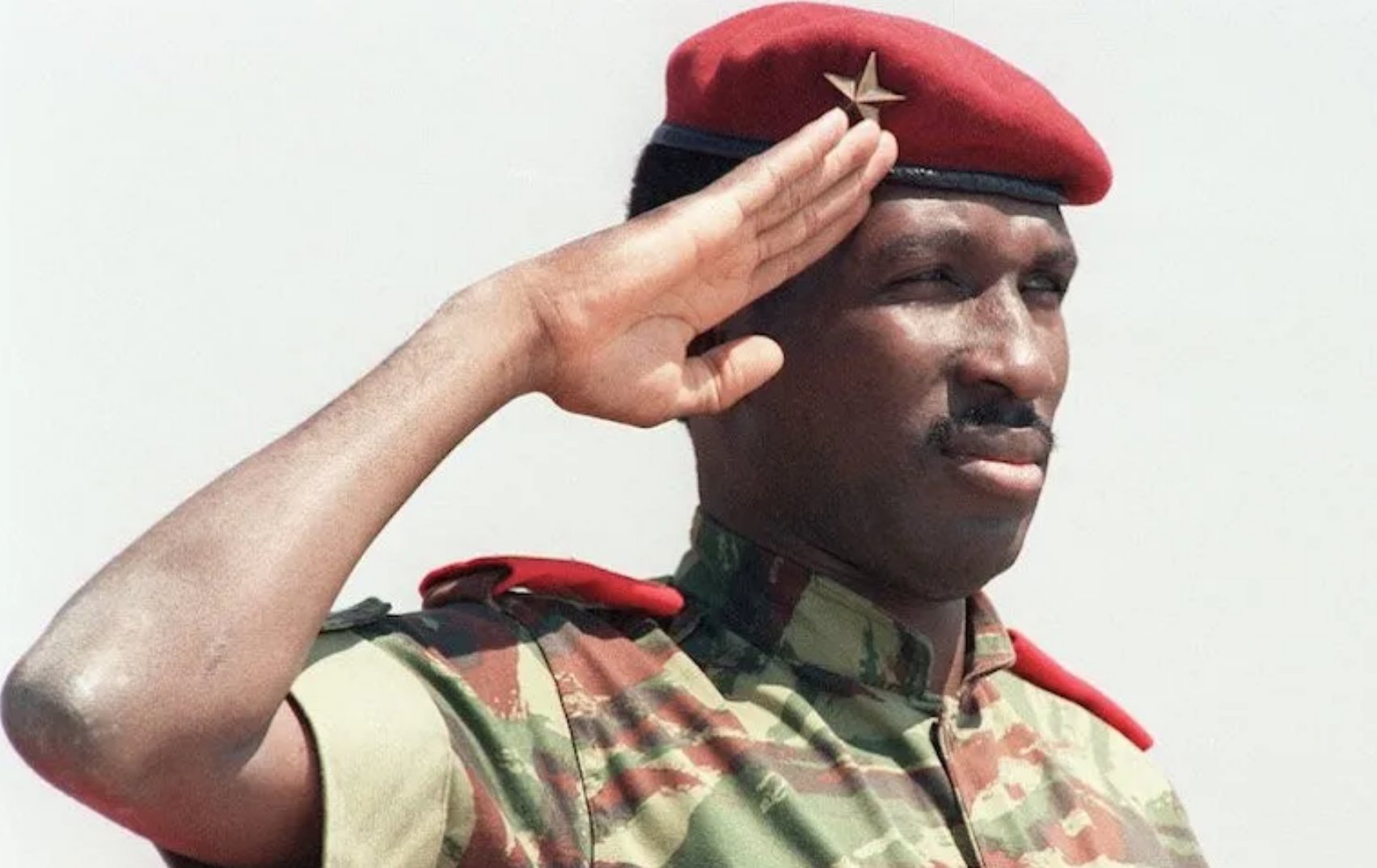
Even as a young officer, Sankara had earned a reputation for political disobedience. When he became minister of information in 1981, he encouraged the media to investigate corruption within the very government he served. After the regime turned towards repression, he resigned with a warning directed at those who were "silencing the people". Detention and house arrest followed. A new military government later appointed him prime minister in early 1983, only to dismiss and arrest him in May. His imprisonment triggered protests among students, workers and residents of the poorer districts of the capital, Ouagadougou.
At that point, a man entered the story without whom Sankara would probably never have become president, but because of whom he would be dead four years later. Blaise Compaoré, Sankara’s friend and fellow soldier, retained control of a paratrooper unit in the town of Pô. On August 4, he led some 250 soldiers towards the capital. With the support of civilian groups and other military units, they overthrew the government, and that same evening Sankara took to the radio to proclaim the beginning of the revolution. It was a coup with visible popular support, but a coup nonetheless. That contradiction would follow his entire project.
Sankara did not merely want to replace the people at the top. He argued that a new flag meant little if the country continued to import its food, its development priorities and the tastes of its elite. Contrary to the simplified legend that later grew around him, he did not reject all foreign aid. Aid remained broadly stable during his time in office. What he demanded was something both more radical and more practical: that donors should no longer be the ones deciding what the country considered important.
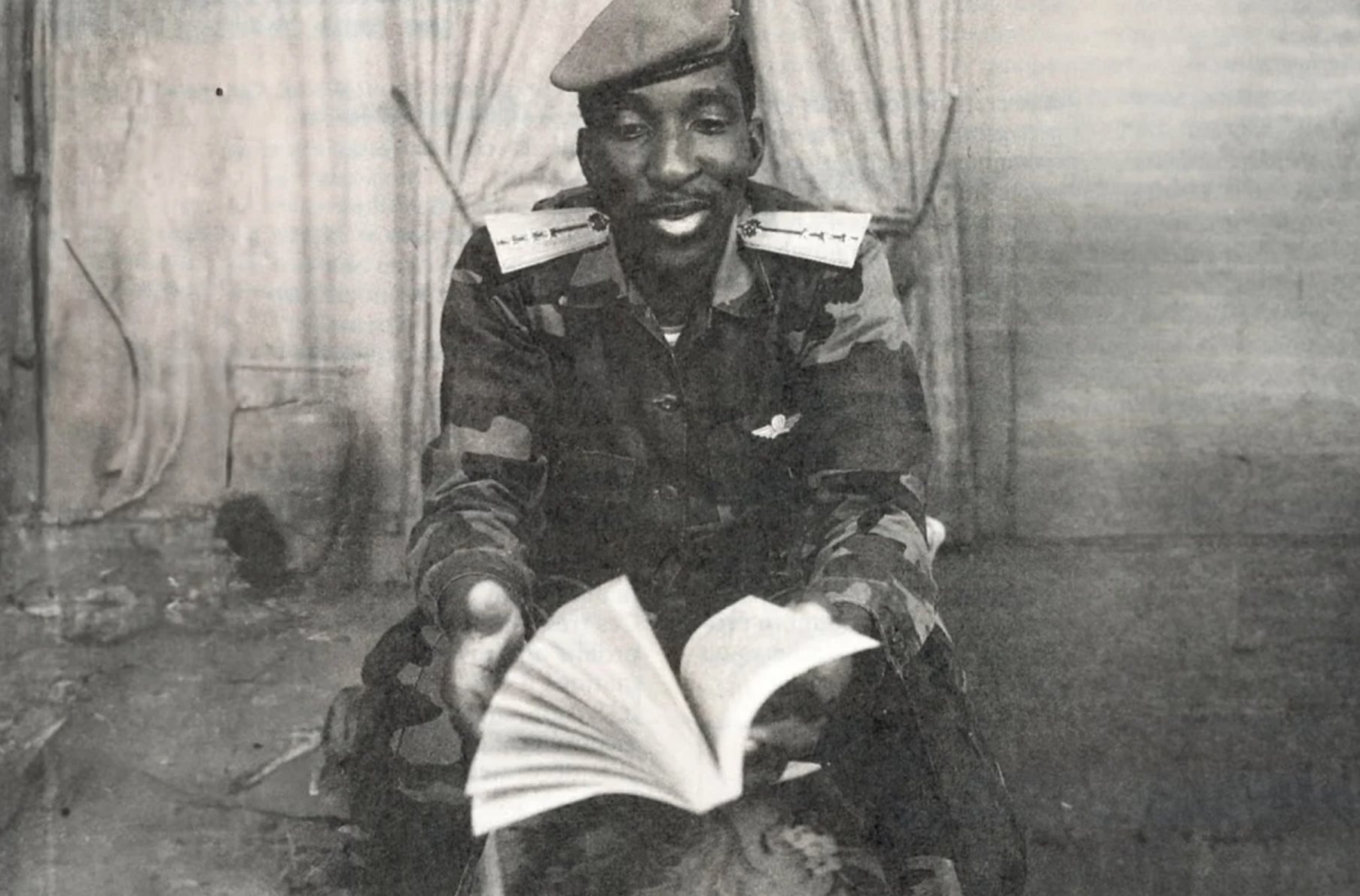
Public spending began to move away from the cities and towards the countryside. Under the development plan, as much as 71 per cent of investment in productive sectors was allocated to agriculture, livestock and related rural activities. Ministers lost their privileges, civil-service salaries were frozen and a larger share of the budget went to healthcare, education and infrastructure. Sankara believed that a poor country could not afford the luxury of behaving like a caricature of a rich one.
The most convincing achievement of his government was not a speech but a logistical operation. In late 1984, a campaign known as "Vaccination Commando" was launched. In just over two weeks, more than a million children were vaccinated against measles, yellow fever and meningitis. According to later studies, vaccination coverage rose from around 17 to 77 per cent. In a country long described as too poor and administratively too weak to carry out projects on such a scale, the speed of the campaign was itself a political message. The state had demonstrated that its powerlessness was not always a natural condition. Sometimes, it was simply a deeply ingrained habit.
The same logic lay behind Sankara’s seemingly theatrical gestures. Ministers drove small Renaults and Peugeots instead of expensive limousines. Government officials were encouraged to wear Faso dan fani, clothing woven from domestically grown cotton. Sankara sent his own children to public schools and refused to find government jobs for relatives who asked for them. Many postcolonial elites had become highly skilled at delivering anti-imperialist speeches from imported cars. Sankara believed that the car was part of the speech.
A Revolution That Believed in Film
Thomas Sankara did not establish FESPACO. The Pan-African Film and Television Festival of Ouagadougou had existed since 1969, when it began as a modest showcase for African filmmaking. Sankara was, however, one of the few statesmen who seriously understood that political independence remains incomplete for as long as a people continue to see themselves through someone else’s camera. A country may have its own flag, anthem and army yet remain a colony of the imagination—a place whose heroes, history and meaning are produced in Paris, London or Hollywood.For Sankara, film was therefore neither an extravagance for a poor country nor entertainment to be funded only after the "more important problems" had been solved. It was part of the struggle for sovereignty. His government supported Burkinabè filmmakers, film education and pan-African distribution networks. During his presidency, FESPACO acquired an explicitly political character. The theme of the 1985 festival was "Film and the Liberation of Peoples"; two years later, it was "Film and Cultural Identity". Sankara warned that whoever controlled distribution effectively controlled cinema. An African film could be made, but if African audiences had nowhere to watch it, the screen would still belong to someone else.
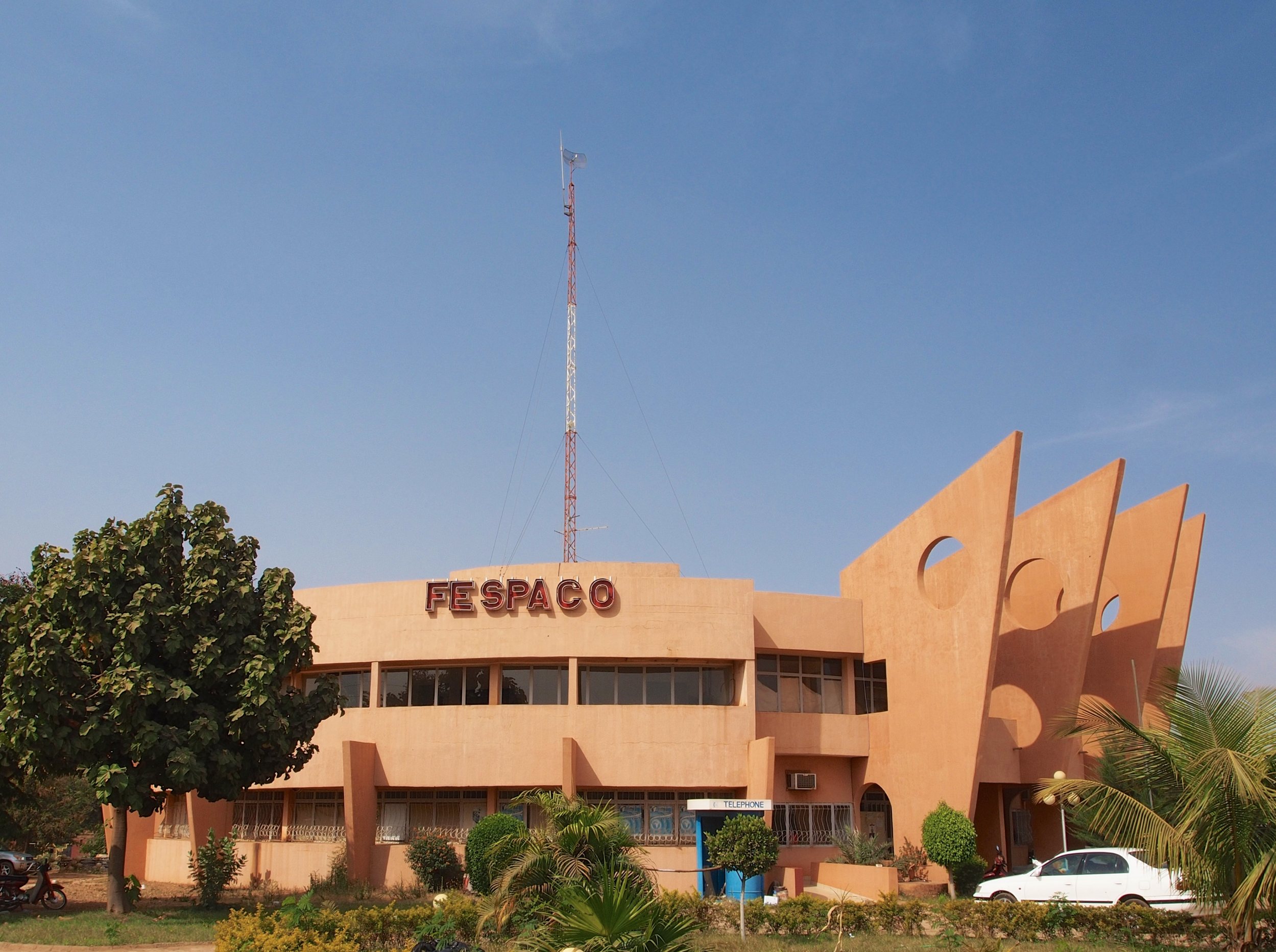
Sankara’s vision sometimes crossed the line between cultural emancipation and a revolutionary demand for politically useful art. A government that expects cinema to "serve the people" may easily begin deciding what the people are allowed to watch and what message art is required to convey. Even so, his underlying intuition remains powerful. Colonialism does not end when the last governor departs. It can continue to live in the images, language and stories through which a society imagines itself. Burkina Faso consequently became one of the symbolic centres of African cinema.
His approach to the position of women was especially unusual for its time. Women’s emancipation was placed among the revolution’s central objectives in his first major policy speech. A new family code established a minimum age for marriage, recognised divorce by mutual consent and granted widows the right to inherit. Campaigns were launched against female genital mutilation, forced marriage and polygamy. Women were appointed to ministerial posts, while on International Women’s Day men were encouraged to go to the market in place of their wives.
He believed that a revolution which failed to enter the kitchen, marriage and the division of everyday labour was probably little more than a change of flag above a government building. Progress, however, remained slow. The women’s organisation established by the government was not independent, and even within the revolutionary movement women were often confined to traditionally assigned roles. Sankara understood patriarchy better than most of his contemporaries, but he could not abolish it by decree.
His most famous international message came on July 29, 1987, at a meeting of the Organization of African Unity in Addis Ababa. He called upon African states to refuse collectively to repay debts that, in his view, represented the continuation of colonialism by financial means. He was not proposing that Burkina Faso should default alone. On the contrary, he warned that an isolated revolt would merely result in countries being punished one after another. He said that if Burkina Faso stood alone in rejecting the debt, he might not be present at the next conference. The room erupted in laughter.
Less than three months later, he was dead. The remark consequently acquired the status of prophecy. Suspicions that France, Ivory Coast or other foreign actors assisted the conspirators have never entirely disappeared, although the extent of any external role has never been conclusively established. What is certain is that Sankara understood the limits of his own experiment. A small, landlocked country could not dismantle the international financial order by itself. It could only refuse to pretend that the order was natural and politically neutral.
Sankara’s Orphans: The 600 Children Sent to Cuba to Build a Country That Fell Apart Before They Came Home
In 1986, Sankara’s government sent around 600 children and adolescents to study in Cuba. Many were orphans or came from extremely poor rural families, from regions where even completing primary school was a rare privilege. On Cuba’s Isle of Youth, they were expected to learn Spanish, finish their education and train for professions Burkina Faso desperately lacked. They were meant to become doctors, agronomists, engineers and technicians capable of building a country that would no longer depend on foreign experts, loans and imported development formulas.It was perhaps Sankara’s most literal attempt to create a new society. The revolution was planning not merely for the next harvest or vaccination campaign, but for the people who would one day run its hospitals, factories and agricultural institutes. The children became both an investment in the future and a living political project. They were expected not only to acquire knowledge but to return as a new elite—educated, disciplined and free from the habits of the old postcolonial state.
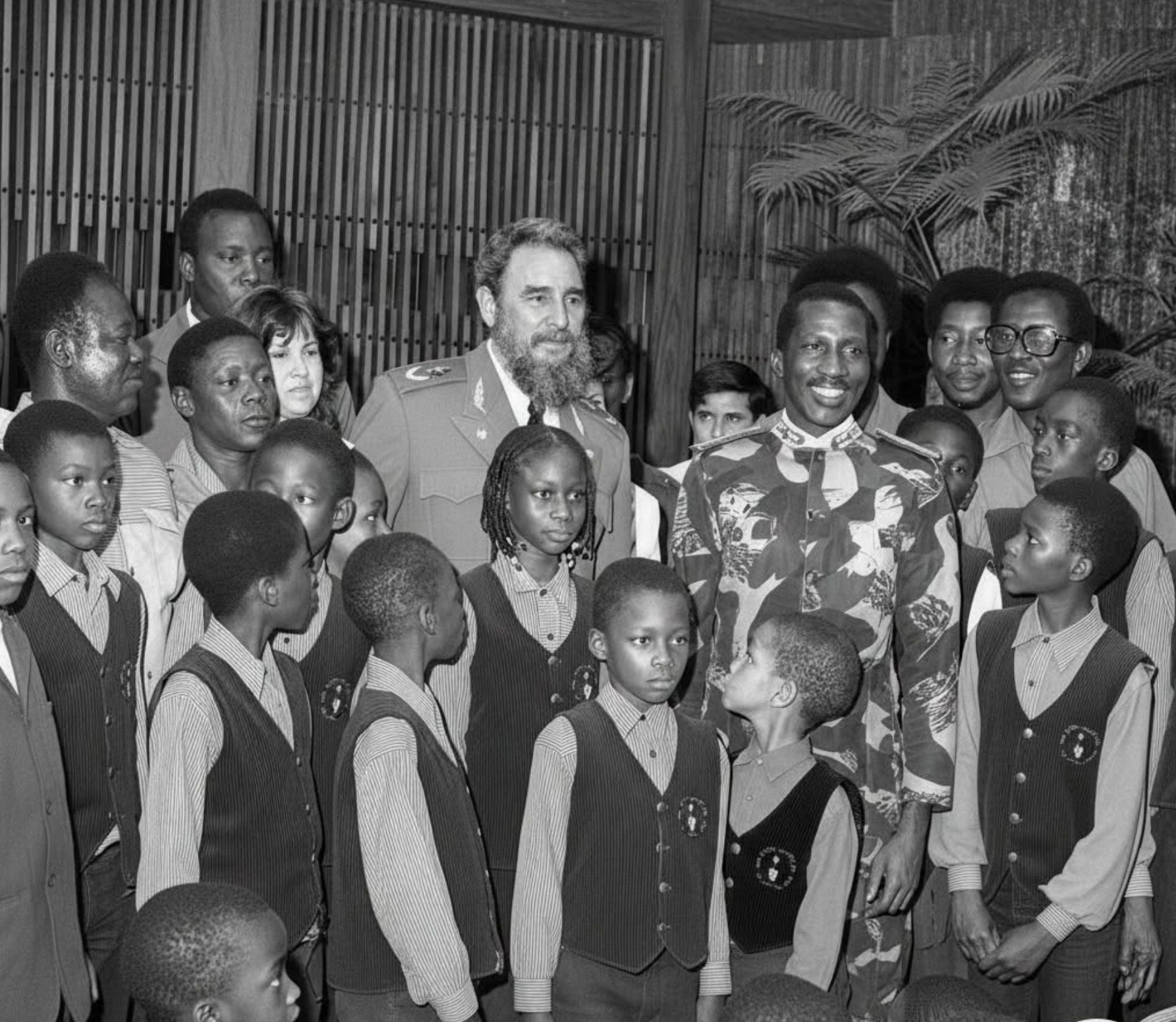
Their fate is an almost perfect miniature of Sankara’s entire experiment. The project was generous in its ambition and tragically interrupted before it had the chance to prove its worth.
The revolution’s domestic record was not innocent either. The Committees for the Defence of the Revolution brought many poor citizens into politics who had previously had no voice at all. In some places, local representatives were chosen at open public meetings. Yet the system remained strictly hierarchical at the top, and disobedient committees could be dissolved from above. Some armed activists turned themselves into local despots. Cases of extortion, burglary and personal score-settling were documented.
More serious still was the confrontation with independent trade unions. After a three-day strike in 1984, the government dismissed around 1,300 teachers. Political parties were banned, no national elections were planned, and revolutionary tribunals often blurred the line between fighting corruption and settling accounts with political opponents. Sankara later publicly condemned abuses committed by the committees and reinstated some of the dismissed teachers. This suggests that he recognised the problem, although some would argue that recognition did not absolve him of responsibility.
The Dinner Where a Former Colony Lectured France
When French President François Mitterrand arrived in Ouagadougou on November 17, 1986, he was greeted by all the familiar scenery of a state visit—protocol, dinner, speeches and toasts to the friendship between two nations. Thomas Sankara, however, had no intention of playing the grateful host from a former colony. In front of the cameras, diplomats and the French delegation, he decided to explain to Mitterrand what France had just done to its own moral reputation.Sankara attacked Paris for receiving P. W. Botha, the South African president and one of the guardians of apartheid, as well as Jonas Savimbi, the leader of the Angolan rebel movement UNITA. He called them murderers and bandits whose hands and feet were covered in blood. By allowing them to walk its streets, Sankara said, France had accepted a share of responsibility for their crimes. It was an extraordinary diplomatic scene: the president of one of the poorest countries in the world publicly calling to account the representative of its former colonial ruler, a major donor and a state capable of placing the Burkinabè budget in serious jeopardy with a single decision.
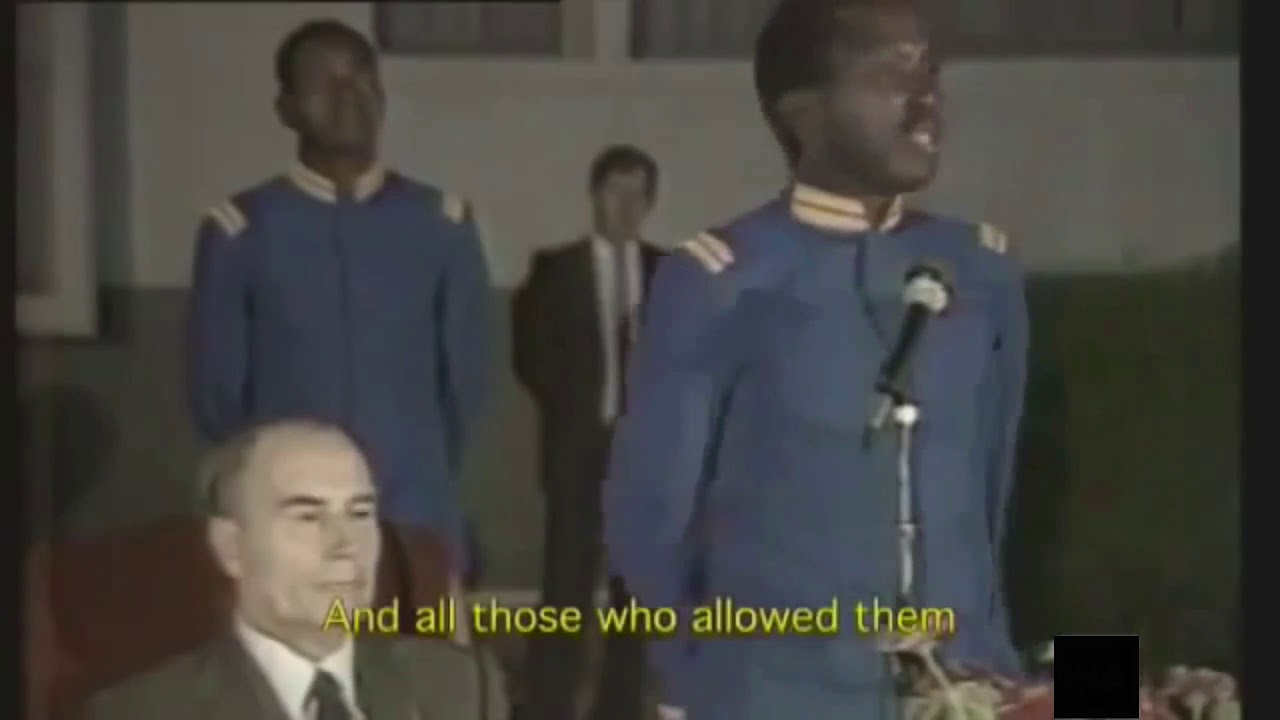
Burkina Faso could not force France to change its relations with South Africa or the Angolan rebels. It could, however, refuse the silence expected of it.
On October 15, 1987, Sankara was assassinated alongside twelve of his associates. He was 37 years old. Power was seized by Blaise Compaoré, the same officer who four years earlier had led the soldiers who brought Sankara to power. Compaoré began "correcting" Sankara’s revolution, which in practice meant gradually abandoning its central policies. He ruled for the next 27 years, until mass protests drove him from power in 2014. In 2022, a military court convicted him in absentia and sentenced him to life imprisonment for complicity in Sankara’s murder.
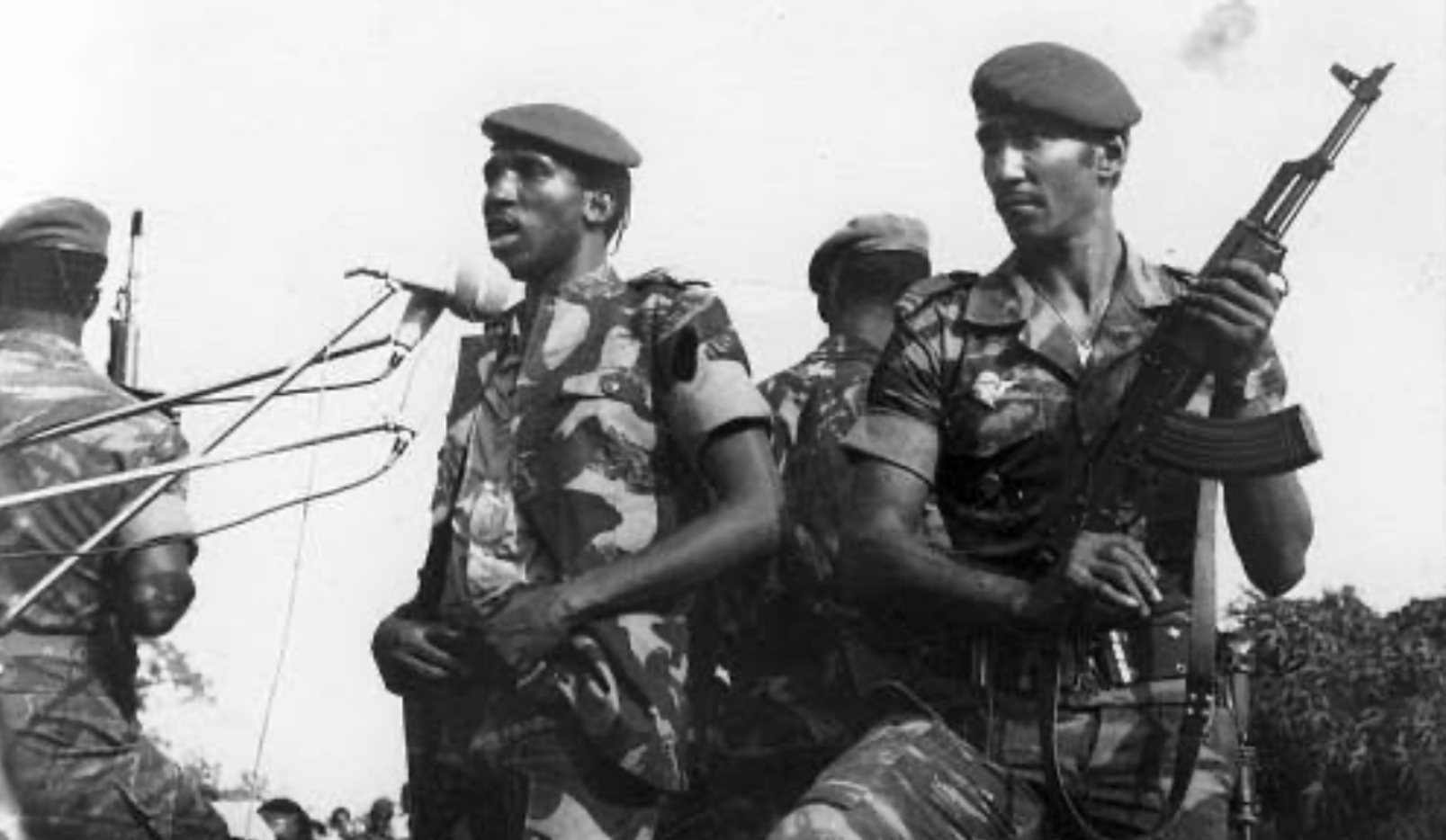
Sankara’s legacy does not prove that a poor country can escape the global system of dependency through willpower alone, nor did all his reforms succeed. His importance lies somewhere more demanding. He refused to accept that poverty automatically justified low political standards, lavish government privilege and obedience to creditors.
Most of his political project did not survive. The name did. Burkina Faso is still called the land of upright people, as though Sankara left the country with a demand it has yet to fulfil. Burkina Faso is still trying. In recent years, it has once again sought to stand upright and reject neocolonialism by forging stronger ties with Russia and China. Perhaps that is the true power of his unfinished experiment: a country need not free itself from every dependency before attempting to rise, but it must ensure that the government lifting it to its feet does not force it to kneel again.
Sources
- Oxfordre.com Women in Burkina Faso https://oxfordre.com/africanhistory/view/10.1093/acrefore/9780190277734.001.0001/acrefore-9780190277734-e-572
- Jstor.org The legacies of Thomas Sankara: a revolutionary experience in retrospect https://www.jstor.org/stable/42003347
- Documenta14.de A United Front Against the Debt By Thomas Sankara https://www.documenta14.de/en/south/37_a_united_front_against_the_debt
- The Guardian Trial opens in Burkina Faso over killing of revolutionary hero Thomas Sankara https://www.theguardian.com/world/2021/oct/11/thomas-sankara-trial-burkina-faso
- Reuters Burkina Faso's ex-president Compaore handed life sentence in absentia over Sankara murder https://www.reuters.com/world/africa/burkina-fasos-former-president-compaore-sentenced-life-prison-over-sankara-2022-04-06/
Comments