
Foreign Worker is Not an Enemy: The Forgotten Great Idea of the First International
While employers across borders were looking for strikebreakers, workers began building a network that would change the meaning of solidarity.
Published
A London employer could send an agent to recruit workers on the Continent before a local tailor could warn them they were being hired to break a strike. Capital was not yet global in the modern sense, but it already had railway timetables, steamship tickets and networks of intermediaries. Workers’ solidarity still needed an address.
The people who gathered at London’s St Martin’s Hall on 28 September 1864 did not agree on everything. They had simply realised that division was costing them more than disagreement. The most radical idea voiced that evening was not revolution, but the recognition that a French, German or Belgian worker was not a British worker’s natural enemy. What could turn them into enemies was a system that used the poverty of some to drive down the wages of others.
Industry already had an international network
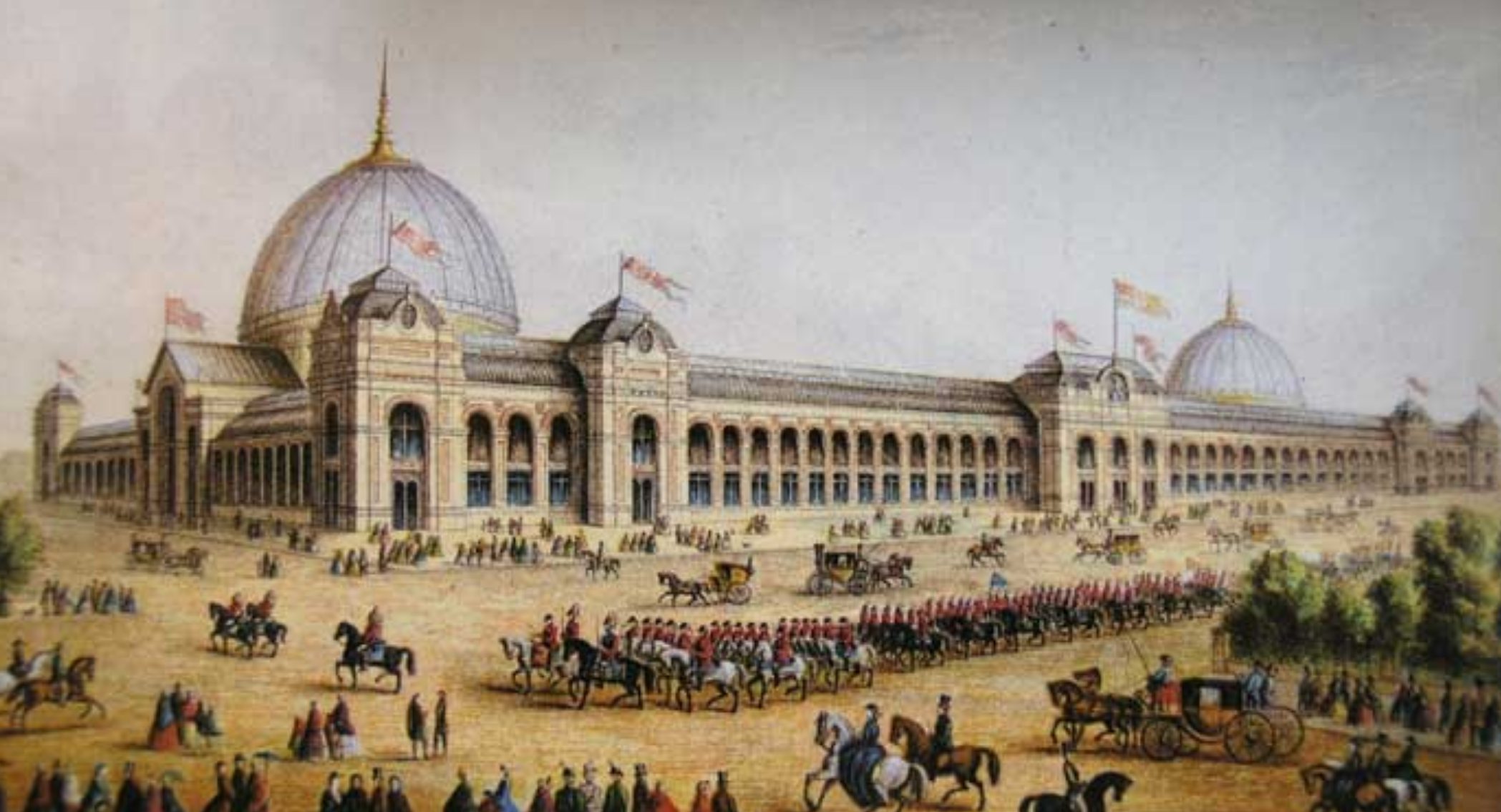
The meeting had its roots in events two years earlier, at London’s International Exhibition of 1862. This was a kind of cathedral to industrial progress, filled with machinery and manufactured goods intended to show how interconnected the world had become. It was there that British trade unionists met French workers’ delegates. A joint meeting in support of the Polish uprising against Russian rule in 1863 strengthened those ties. People who had previously concerned themselves chiefly with wages and working hours were beginning to realise that neither political freedom nor economic power could be understood within the borders of a single country.
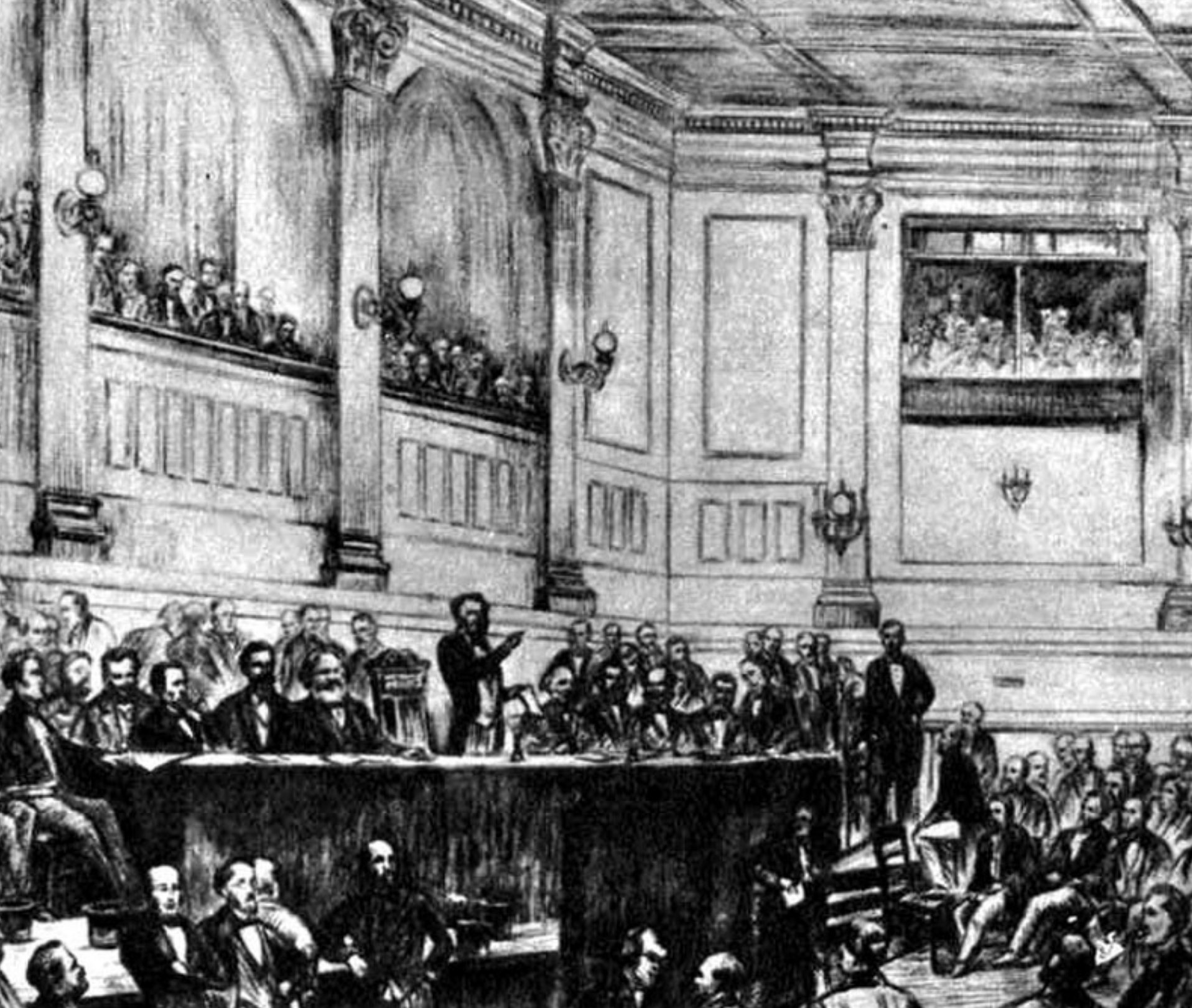
A year later, around two thousand people packed St Martin’s Hall. They founded the International Working Men’s Association, which history would come to know as the First International. For now, do not let the name mislead you. This was neither a worldwide party united by a single ideology nor a secret headquarters for the revolution to come. It was a network of trade unions, workers’ associations, cooperatives and political exiles trying to find common ground where none yet existed.
Nor did Karl Marx take the stage as the new organisation’s founding prophet. The German philosopher and political economist was one of several participants elected to a provisional committee. His decisive contribution came after the meeting, when he drafted the organisation’s Inaugural Address and Provisional Rules. Marx’s considerable political skill lay in devising a programme specific enough to give the International a purpose, yet broad enough to avoid alienating everyone who was not already a Marxist. At its heart was a simple principle: workers must win their own emancipation.
A message from workers to Abraham Lincoln
In late November 1864, just two months after the International was founded, its General Council sent Abraham Lincoln a message congratulating him on his re-election as president of the United States. Written by Karl Marx, it presented the American Civil War as a conflict whose outcome mattered far beyond one country’s borders: the abolition of slavery was bound up with the future of free labour on both sides of the Atlantic.The message stressed that European workers saw the slaveholding states’ rebellion as a threat to everything the labour movement had achieved. Their support for the Union was especially significant because cotton shortages had brought unemployment and hardship to British workers, while sections of Europe’s ruling classes sympathised with the Confederacy. The International therefore interpreted Lincoln’s re-election as an affirmation that the emancipation of enslaved people and that of the working class were inseparable.
The message reached Lincoln through Charles Francis Adams, the American ambassador in London. A reply sent on the president’s behalf declared that "the United States is encouraged by the sympathy of Europe’s workers". This brief exchange was one of the new International’s first public interventions, and a clear expression of its ambition to turn workers’ solidarity into a political force with international reach.
The remarkable thing was that they sat at the same table
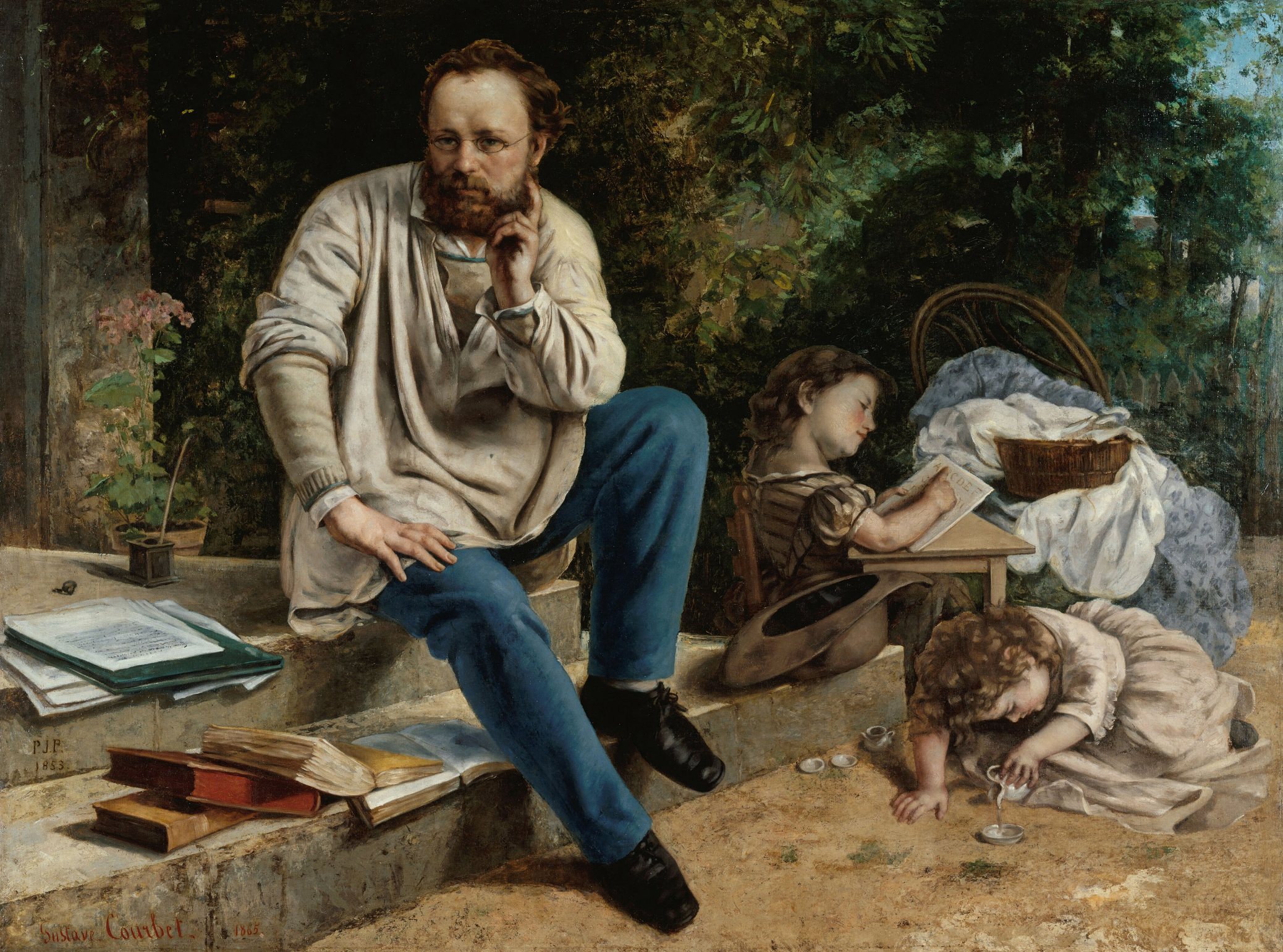
Today, the very word "International" can suggest something monolithic, almost military. The First International was close to the opposite. British trade unionists chiefly wanted higher wages, shorter hours and practical help during strikes. French mutualists—adherents of an economic theory and school of anarchist thought based on reciprocity, fair exchange and the free association of workers—drew inspiration from Pierre-Joseph Proudhon and placed greater faith in cooperatives and mutual credit than in the state.
Italian republicans linked social progress to national liberation, while German communists emphasised political power. A strong anarchist current associated with the Russian revolutionary Mikhail Bakunin would emerge later. Anyone even vaguely familiar with the hostility between anarchists and communists will appreciate the remarkable part of this story: not that they eventually fell out, but that they managed to sit at the same table for years. Admittedly, their positions had not yet become as sharply defined or as bitterly opposed as they would later.
Women in the First International
The First International formally admitted women as members, but its governing bodies and congresses remained overwhelmingly male. An important breakthrough came on 25 June 1867, when Harriet Law, a British secularist and advocate of women’s rights, was admitted to the General Council. As its only female member for years, she repeatedly confronted the debate over workers’ emancipation with a fundamental question: could it ever be complete while women remained politically and economically subordinate?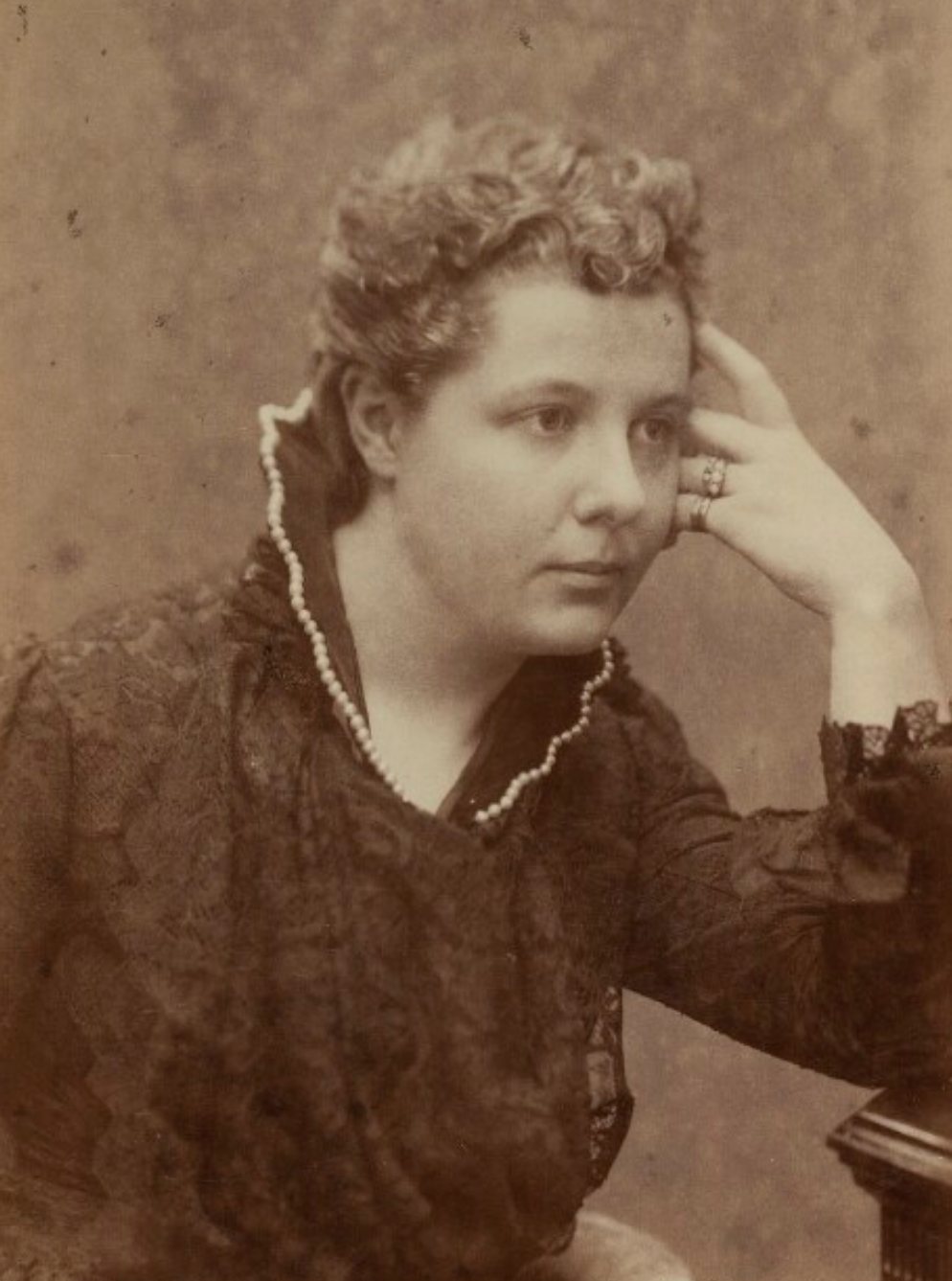
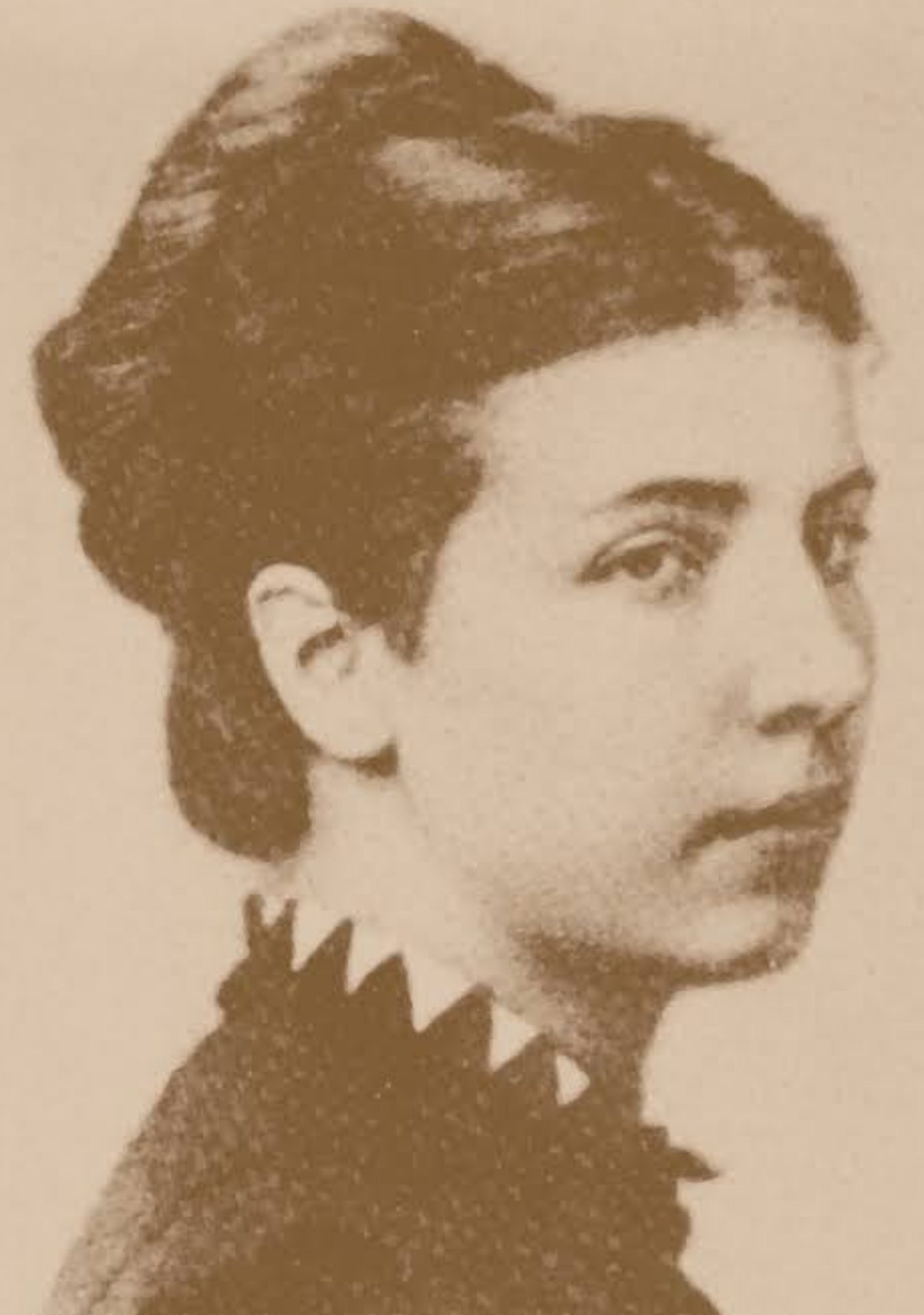
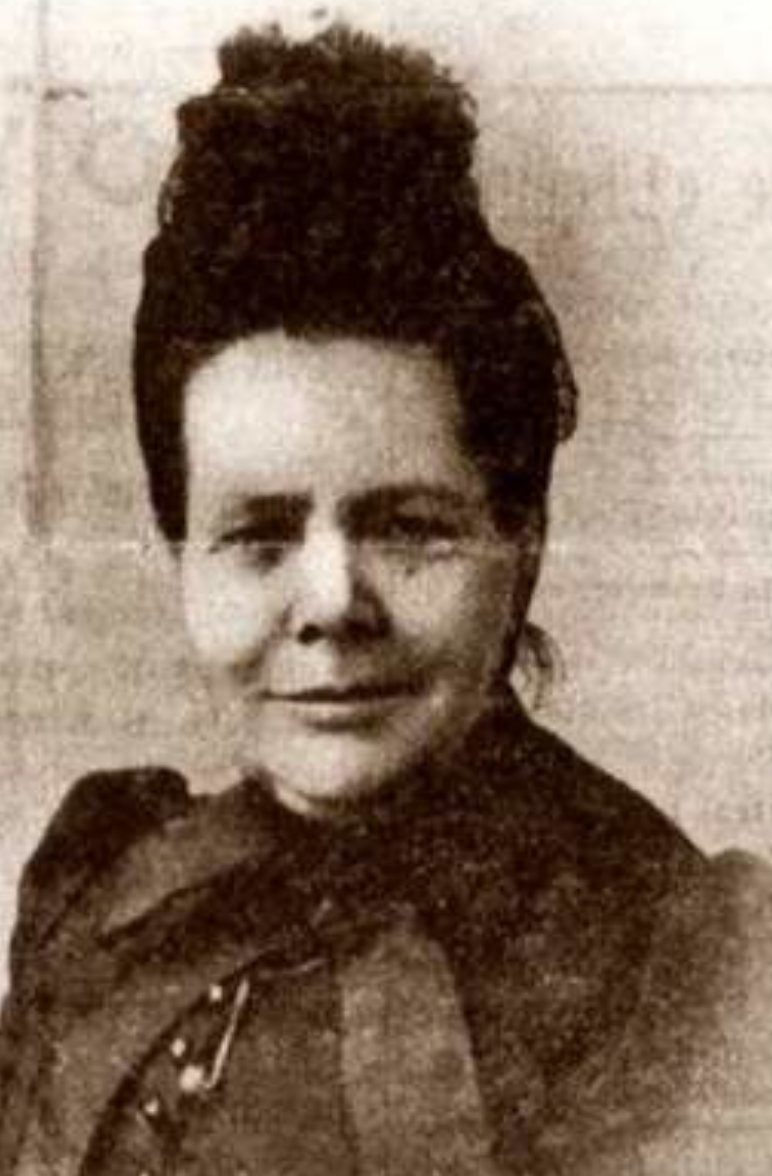
Few embodied the connection between women’s emancipation and that of the working class more directly than Élisabeth Dmitrieff, a member of the International’s Russian section whom the General Council sent to Paris in 1871.
Solidarity meant logistics, not just slogans
The International’s purpose is perhaps best illustrated by the tailors’ strikes in London and Edinburgh in 1866. Employers tried to bring in workers from Germany and Denmark to replace the strikers. The General Council responded by publishing warnings in the continental press and sending people who could speak to the arriving workers in their own languages. Those unwilling to act as strikebreakers were helped to find other jobs or return home. The International did not demand that the borders be closed to foreigners. It sought to prevent foreign workers from being used as a weapon against local ones.
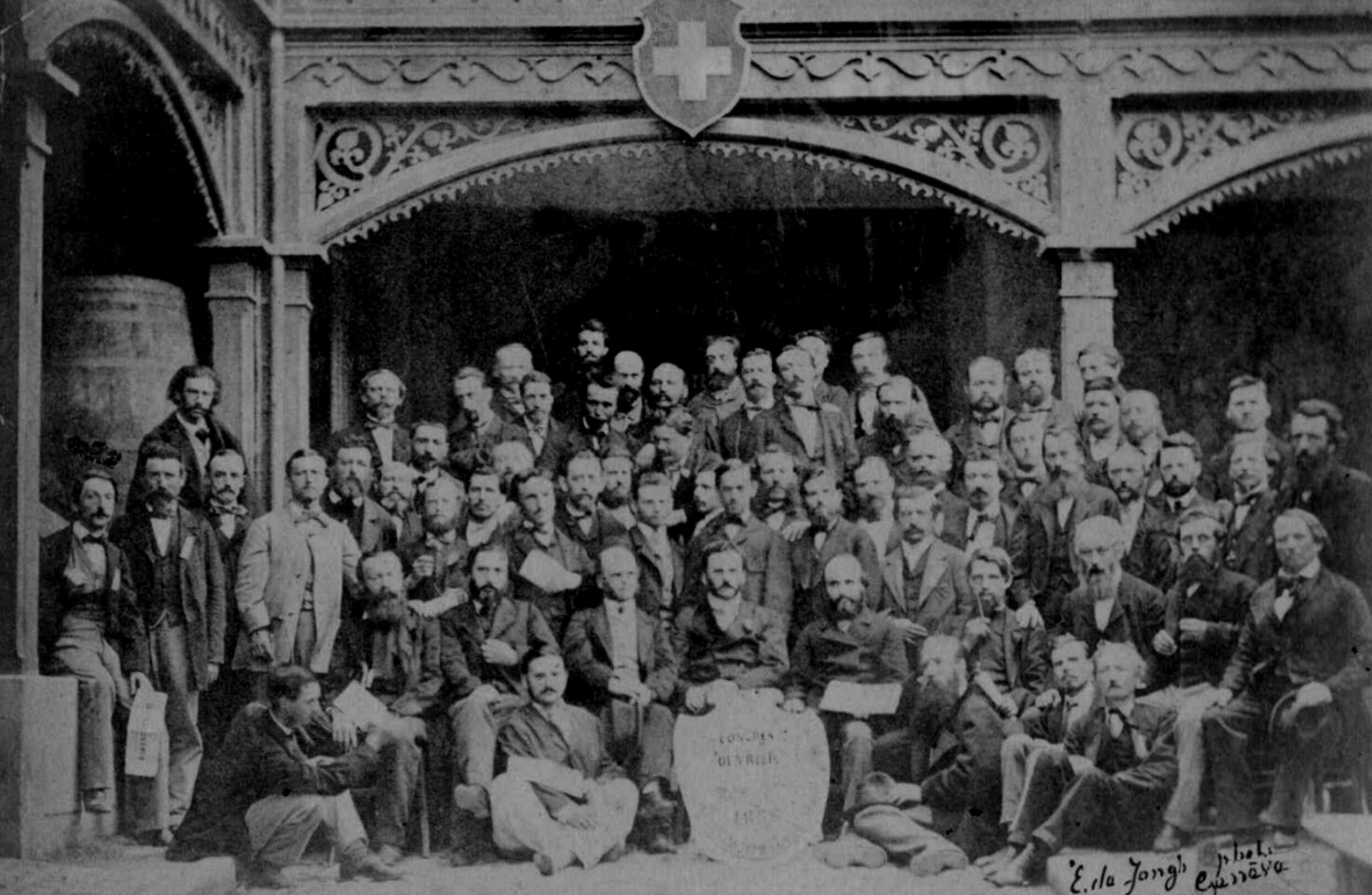
In other words, before it became a grand political idea, the International was a practical network built on trust. It raised money for strikers, circulated news and connected disputes that would otherwise have remained local and largely unnoticed. At its Geneva Congress in 1866 (shown in this article’s lead image), it adopted a statutory eight-hour working day as a common objective. This was about much more than making life a little easier. Someone who spends almost every waking hour at work has little time left for education, family or political participation. Shorter working hours were a condition of meaningful citizenship.
From a practical network to a spectre that frightened governments
The real International never possessed anything like the power its frightened opponents attributed to it. What it had was letters, meetings and a chronic shortage of money. Yet after the Paris Commune of 1871, European governments portrayed it as an almost supernaturally powerful conspiracy. Members of the International had taken part in the Commune, certainly, but the organisation had neither planned nor directed the uprising. After its bloody suppression, Marx wrote a passionate defence of the Commune, making the International an even more convenient target. When newspapers tried to link it even to the Great Chicago Fire, Marx mockingly wondered why they had not also blamed it for a hurricane in the West Indies.
Yet police repression and official bans were not the only forces that broke it apart. Within the organisation, a question emerged that confronts almost every movement for emancipation: how centralised must collective action be, and can political power be won without creating a new form of domination? Marx believed workers needed to establish political organisations of their own and fight for state power. Bakunin saw the seeds of renewed domination in any state, including a revolutionary one. At the Hague Congress in 1872, Bakunin was expelled and the General Council was moved to New York.
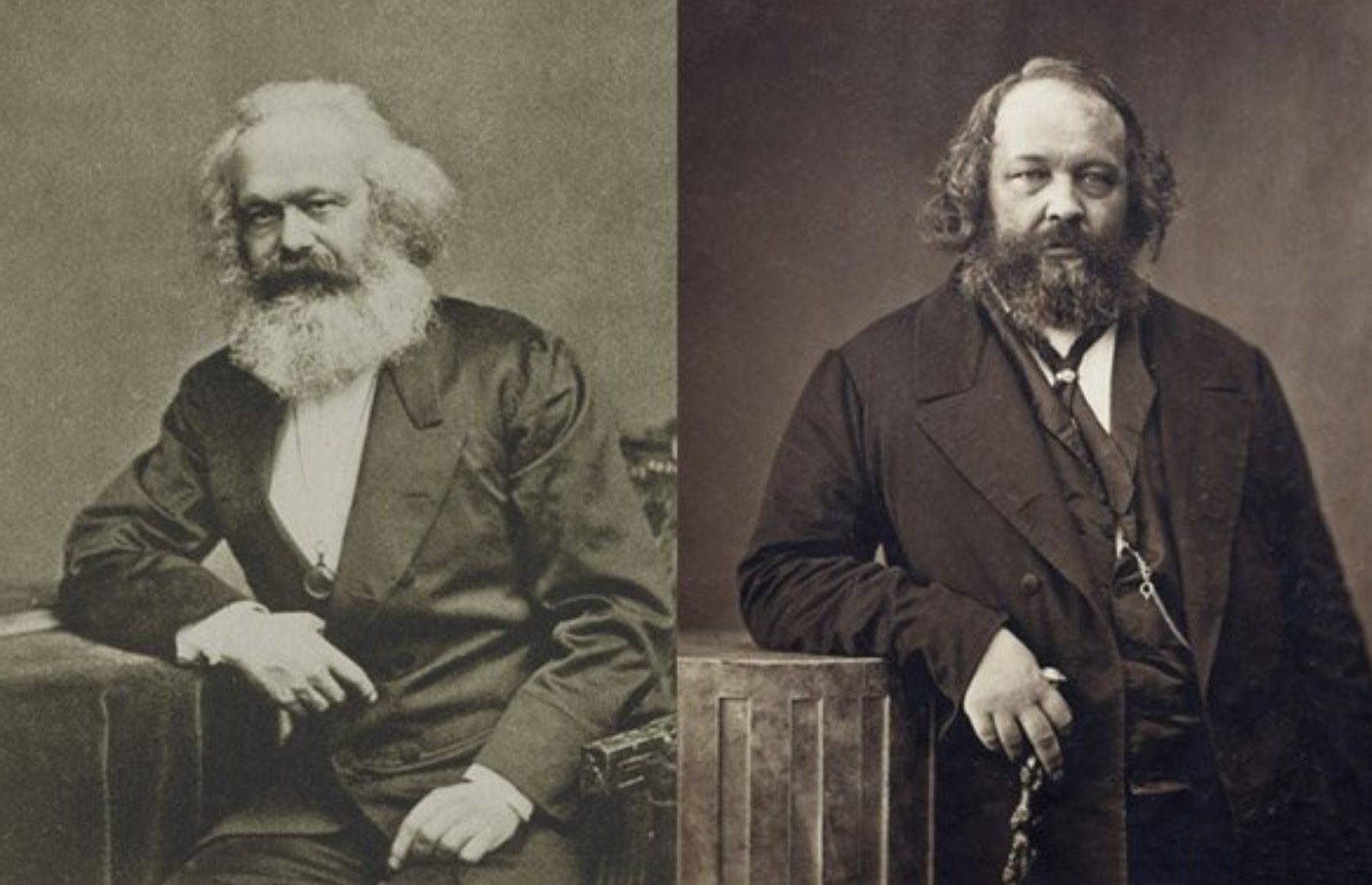
That effectively brought the International’s work in Europe to an end, although the anti-authoritarian federations continued independently. What remained of the organisation formally dissolved in Philadelphia in 1876.
Rights stayed national. Capital did not.
To call the International a failure simply because it was short-lived would be to judge history by a peculiarly narrow balance sheet. It demonstrated that workers who spoke different languages and held different political convictions could send one another money, refuse to break one another’s strikes and turn local demands into international causes. Many of its objectives were later achieved through national trade unions, political parties and legislation. Yet that success contained a paradox: rights remained largely national, while economic power continued to cross borders.
Today, money, data and supply chains move around the world almost instantaneously. An algorithm can compare workers on different continents in milliseconds, while a labour inspector’s authority stops at the national border. The First International matters less as a blueprint for an organisation we might rebuild than for its underlying moral and political insight: a foreign worker is not a threat, but someone whose vulnerability can be—and is—used to deepen your own.
Internationalism does not require nations, languages or identities to disappear. It asks only that we refuse to let our differences become weapons in someone else’s hands. The organisation is gone, but whenever people in different countries refuse to be used against one another, its most important idea comes to life again. Solidarity can cross borders too.
Sources
- EBSCO Research Starters First International Is Founded https://www.ebsco.com/research-starters/history/first-international-founded
- Marcello Musto The History and Legacy of the International Working Men’s Association https://marcellomusto.org/the-history-and-legacy/
- Marxists Internet Archive Inaugural Address of the International Working Men's Association https://www.marxists.org/archive/marx/works/1864/10/27.htm
- Marxists Internet Archive Marx's letter to Abraham Lincoln https://www.marxists.org/archive/marx/iwma/documents/1864/lincoln-letter.htm
- Cambridge University Press
- Wikisource
- Rosa Luxemburg Stiftung New York Office Élisabeth Dmitrieff: a passionate communard https://rosalux.nyc/elisabeth-dmitrieff-a-passionate-communard/
- Hrvatska enciklopedija Internacionala https://www.enciklopedija.hr/clanak/internacionala
Comments