
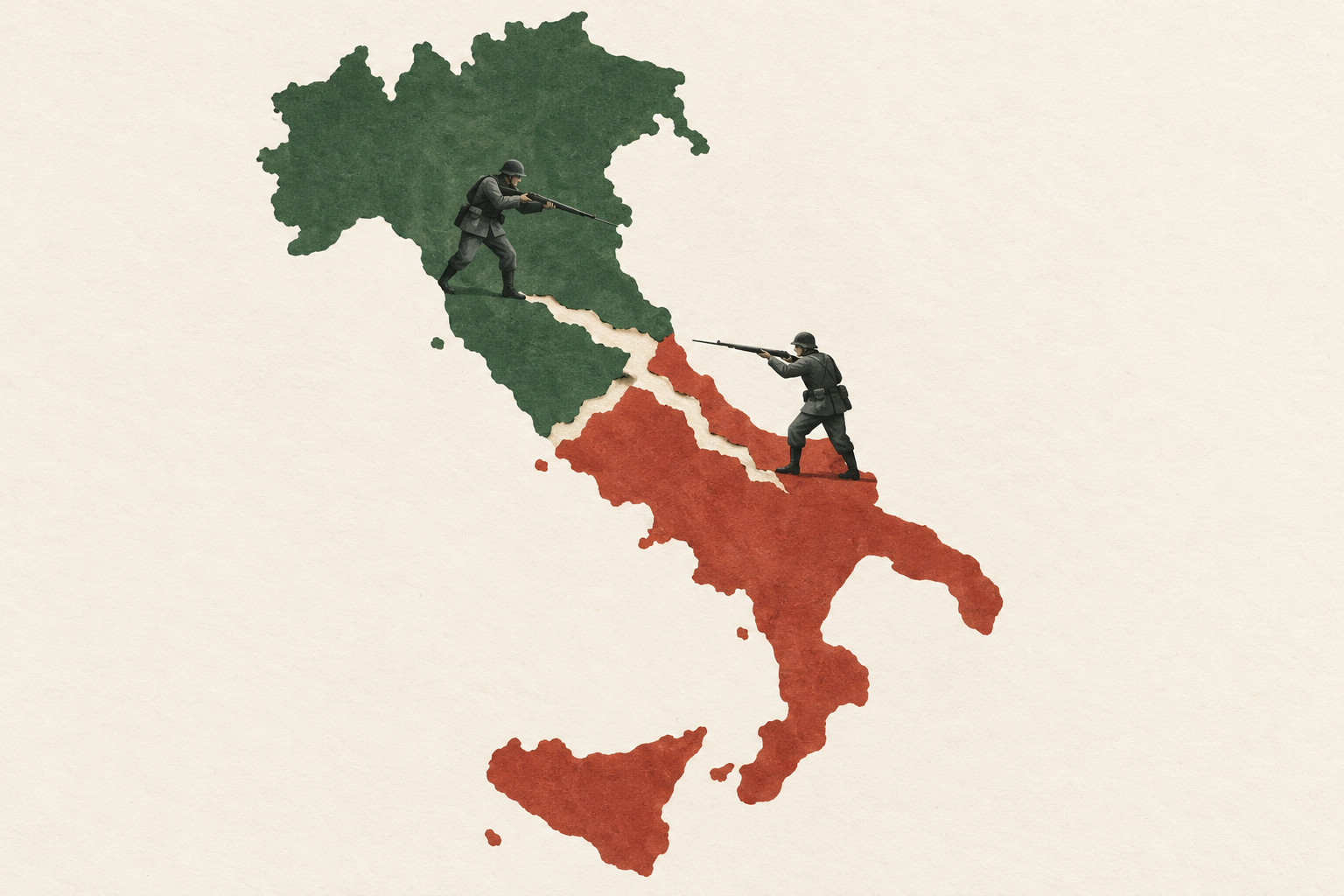
The declaration of war against Germany did not unite the country: it turned into political collapse, occupation, civil war, and a struggle for a new Italy.
At 3 p.m. Greenwich Mean Time on October 13, 1943, the Italian ambassador in Madrid handed his German counterpart a declaration of war. It was an oddly orderly diplomatic act for a country that had just collapsed. The royal government was in Brindisi, Rome was in German hands, and Benito Mussolini was once again ruling in the north. Just weeks earlier, Dwight Eisenhower had estimated that Pietro Badoglio exercised real authority over only five provinces, two million people, and roughly three divisions. In short, Italy had declared war on the army occupying its capital and most of its territory.
It would therefore be too simple to say that Italy switched sides. The country did not cross the front line—the front line passed through the country. One Italy, that of King Victor Emmanuel III and Marshal Pietro Badoglio, was now fighting alongside the Allies. Another, under Mussolini, continued to fight alongside Hitler. A third was only beginning to take shape on city barricades and within partisan units, with no clear answer yet to the question of what kind of country should emerge after fascism.
Forty-five days in a political waiting room
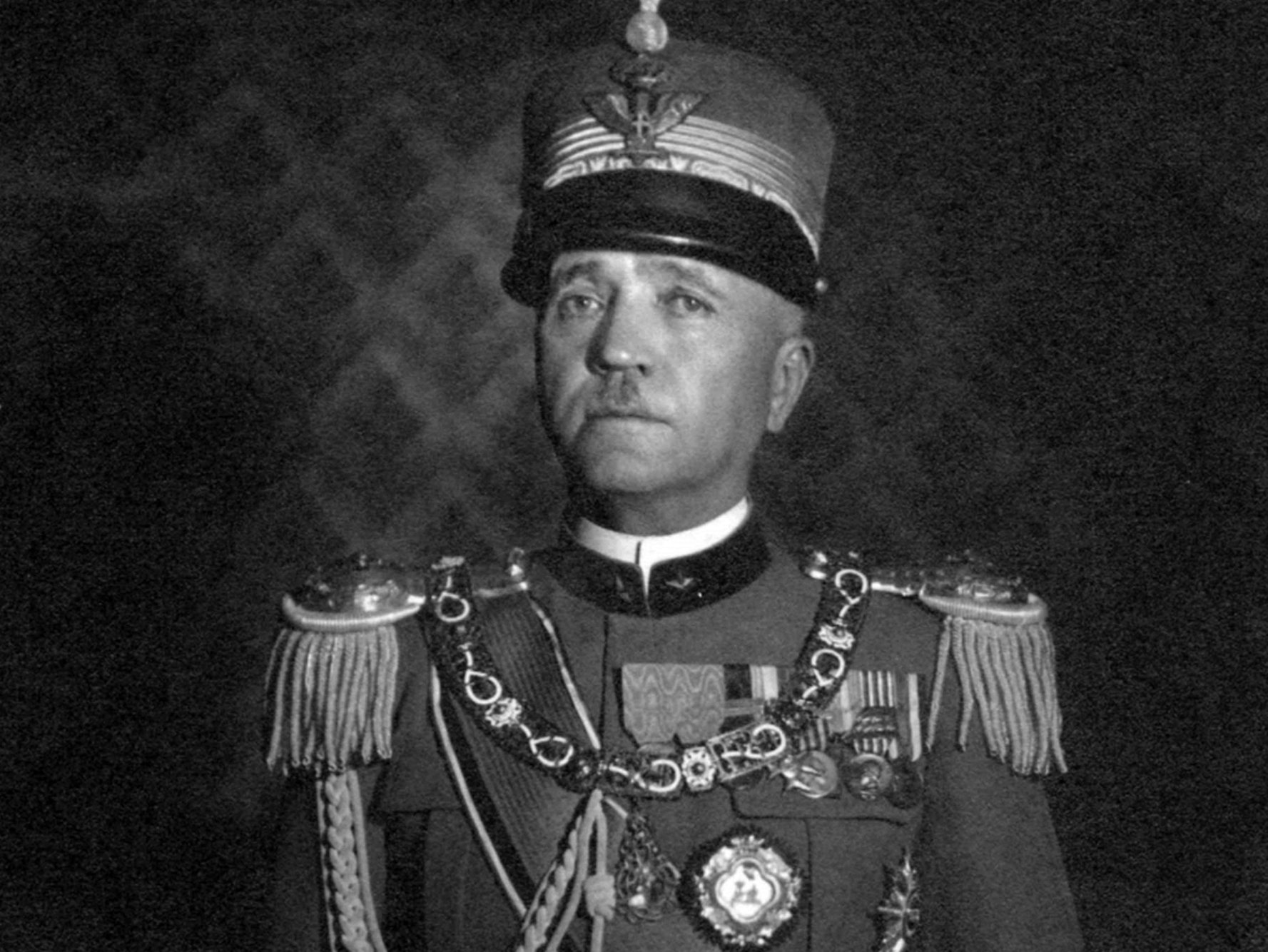
The collapse began with the Allied landings in Sicily on July 10. A regime that had spent years boasting of a new Roman Empire proved incapable of defending Italy itself. The Fascist Grand Council turned against Mussolini, and on July 25 the king dismissed him and had him arrested. In his place, he appointed Badoglio, an aging marshal who immediately announced that the war would continue while secretly opening negotiations with the Allies behind Germany’s back. Those forty-five days were not Italy’s democratic awakening, but a political waiting room in which everyone was trying to guess who would reach the exit first.
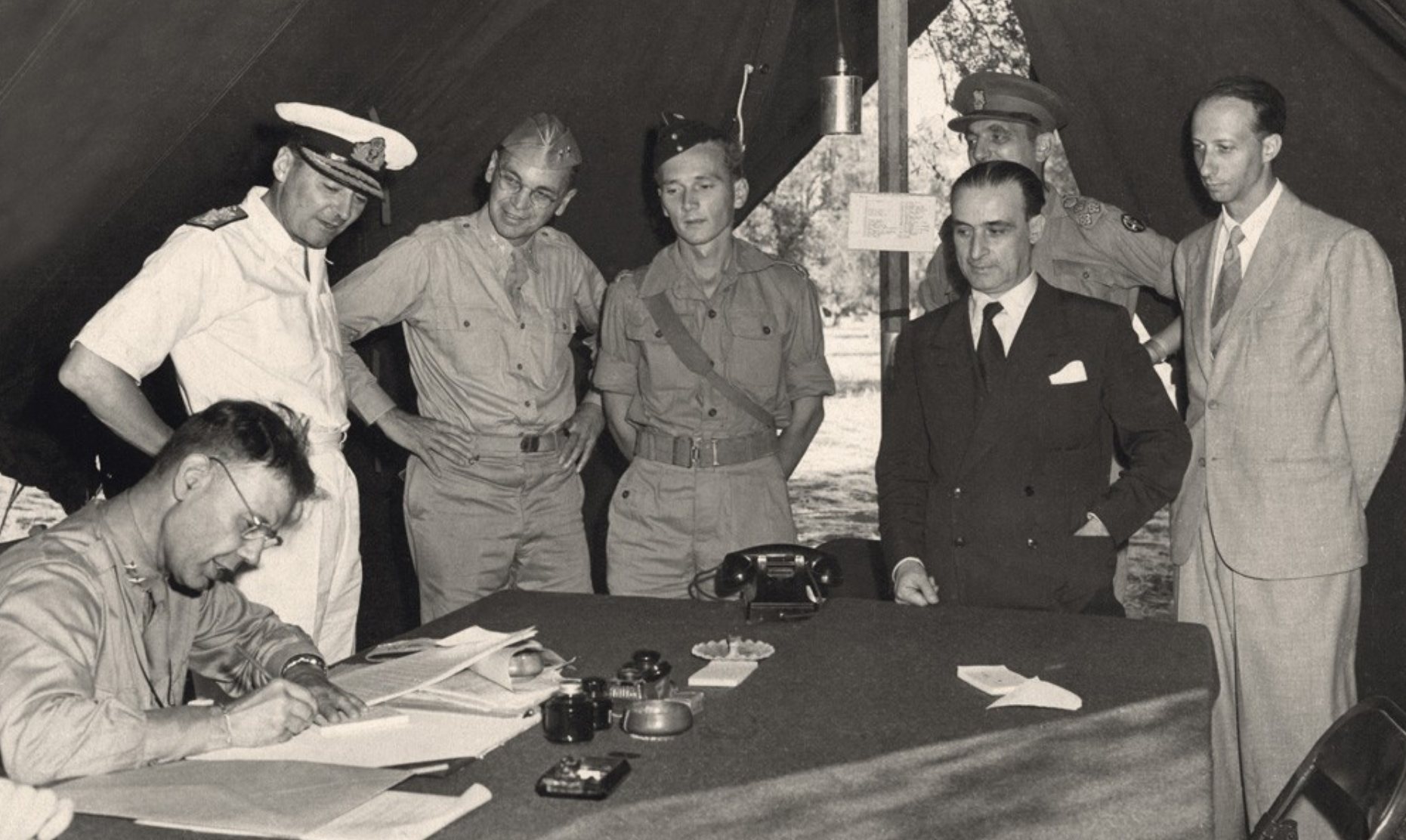
The armistice was signed at Cassibile on September 3 but was not announced publicly until five days later. It then became clear that the government had prepared a way out of the war, but not the state that would have to carry it through.
Military units received no clear operational orders. The king, Badoglio, and the military high command fled Rome at dawn on September 9 and sought refuge in the south. By doing so, they preserved the legal continuity of the monarchy—but left hundreds of thousands of soldiers to decide for themselves whether the Germans were still allies, new enemies, or simply men ordering them to lay down their weapons.
Roma: The fleet that never reached the Allies
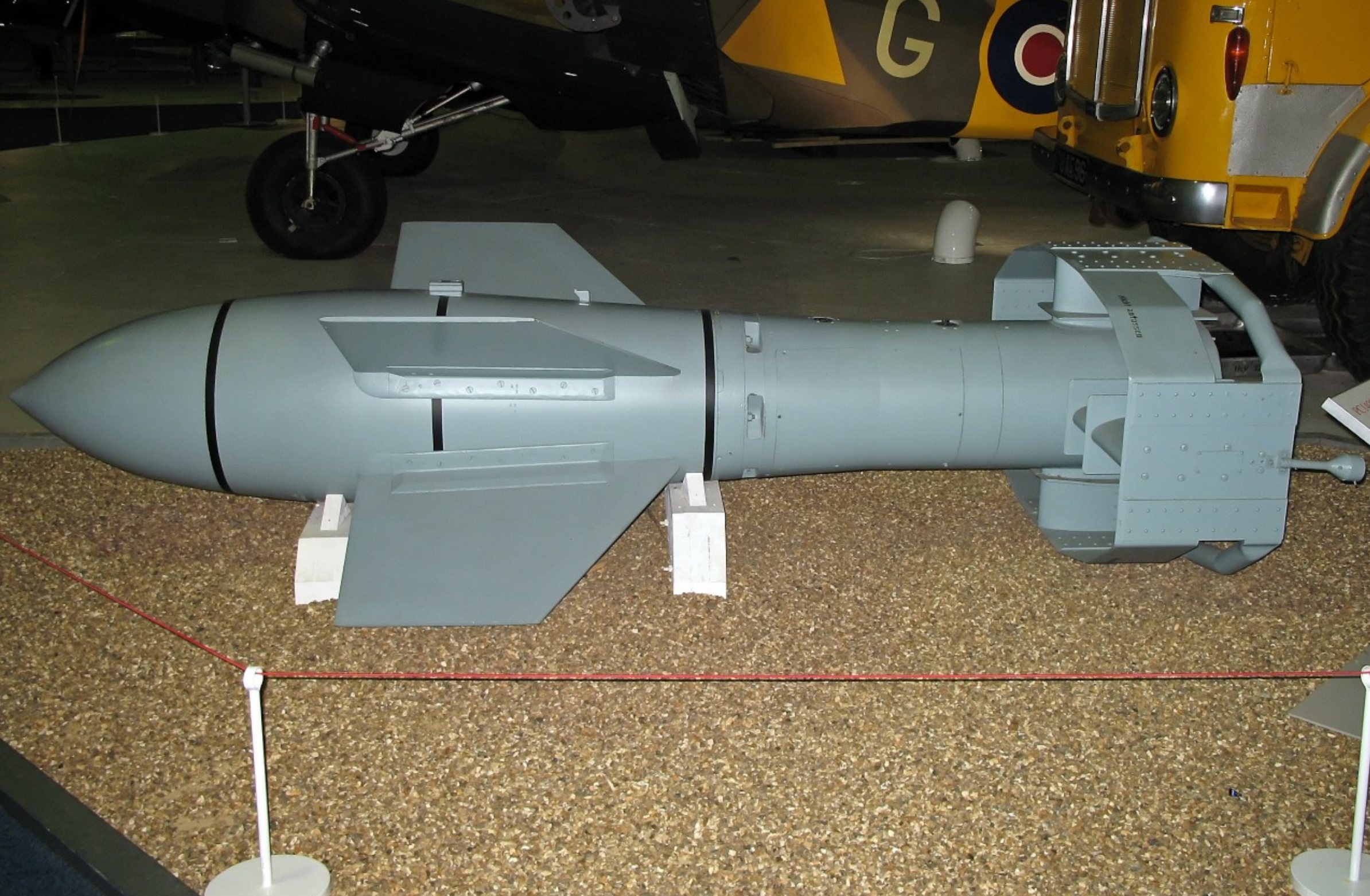
On the night after the armistice was announced, the main body of the Italian fleet sailed out of La Spezia. The sailors did not know whether they were heading into a final battle, sailing to surrender, or making for some port that still answered to the king. Their original destination was La Maddalena in Sardinia, but the Germans had already arrived there. The ships were therefore redirected toward North Africa, where they were to place themselves under Allied control.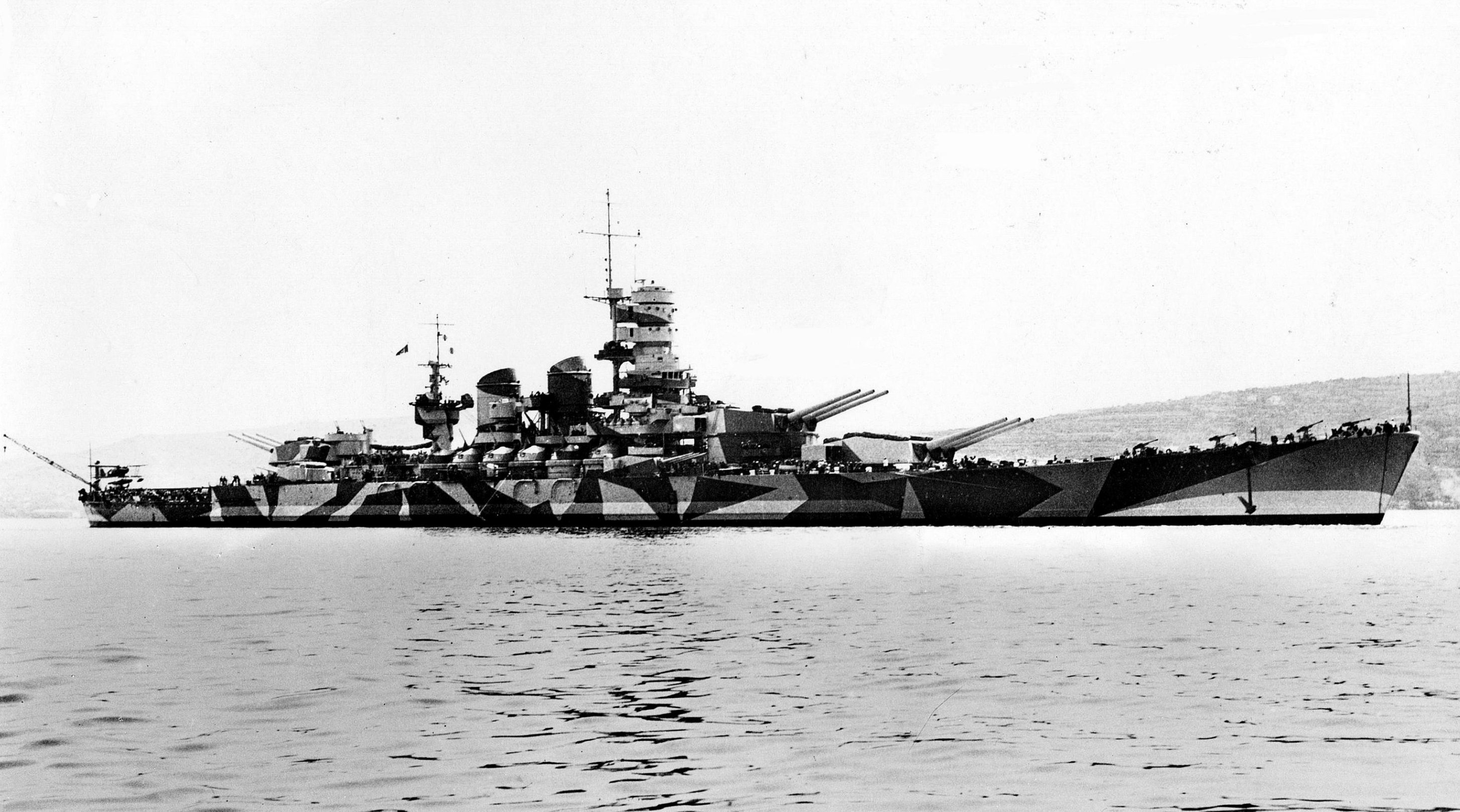
The king’s daughter, abandoned in occupied Rome
Among those left behind German lines by the king’s flight was his daughter, Mafalda of Savoy. When the armistice was announced, she was in Sofia attending the funeral of Bulgarian King Boris III. She returned to Rome to see her four children, who had taken refuge in the Vatican, even though her husband, Philipp of Hesse, was already in German custody. Soon afterward, she was summoned to collect what was said to be a message from him. Instead of a message, an arrest awaited her.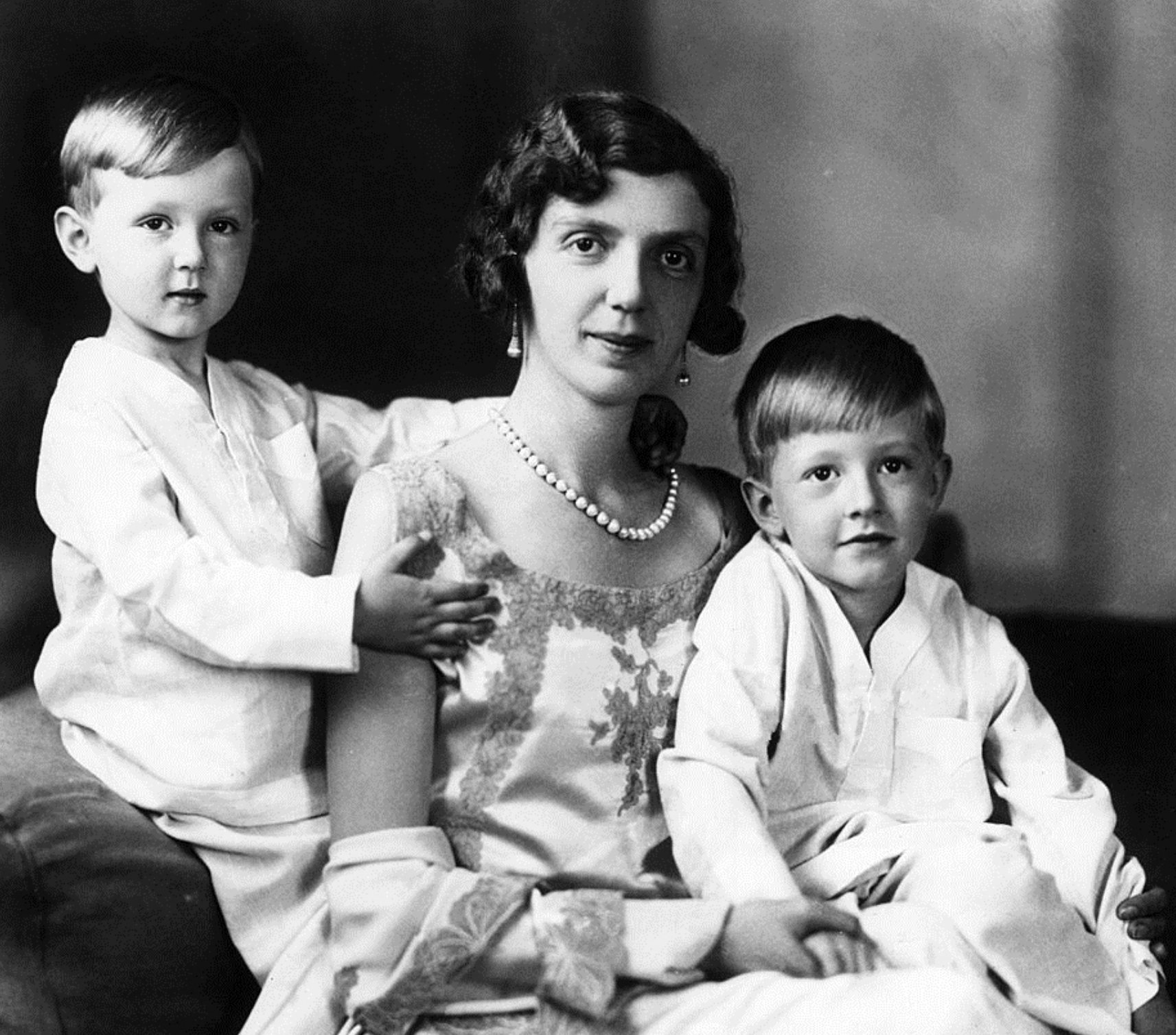
On August 24, 1944, American bombers attacked Buchenwald’s industrial complex. Mafalda was badly injured and burned beneath the rubble. Amid the chaos in the camp, she was not operated on until several days later. Her arm was amputated, and she died soon afterward from her injuries. The king’s escape may have preserved the institution of the monarchy, but it could not save even his own family. The collapse of the state had reached directly into the palace.
The war began before war was declared
Germany suffered from no such confusion. The Wehrmacht activated the prearranged Operation Achse, occupied central and northern Italy, and disarmed Italian units from France to the Balkans. Around 650,000 Italian soldiers ended up in German-controlled camps. Hitler refused to recognize them as prisoners of war, instead classifying them as "Italian military internees," a category devised to make it easier to use them as forced labor. Many endured two winters behind barbed wire in the summer uniforms they had been wearing when captured.
Yet the war between the former allies had begun long before it was officially declared. On the Greek island of Cephalonia, soldiers of Italy’s Acqui Division refused to surrender their weapons. After defeating them, German troops spent days executing Italian prisoners. In Naples, meanwhile, citizens rose against the German occupation in late September and forced the garrison to withdraw before Allied forces entered the city. In other words, Badoglio’s document of October 13 did not start the war—it merely allowed the law to catch up with the blood that had already been spilled.
Meanwhile, German commandos landed by glider at a mountain hotel on Gran Sasso and freed Mussolini. Hitler sent him back to Italy to lead the Italian Social Republic, better known as the Republic of Salò. It had ministers, flags, and Fascist militias, but very little genuine sovereignty. The German command made the crucial decisions as though the Italian authorities did not exist. Mussolini’s state existed primarily to recruit soldiers, persecute Jews, and wage war against the growing resistance movement.
A break with the past, signed by one of its marshals
In such a country, Badoglio informed Eisenhower that the declaration of war had "severed all ties with the dreadful past." It was an elegant sentence, but its author was inconvenient. Badoglio was not an opponent of fascism newly returned from exile. He had been Mussolini’s marshal, governor of Libya, and the commander who completed the conquest of Ethiopia. His attempt to close an entire chapter with a single diplomatic document was rather like a man emerging from a fire and solemnly declaring that he no longer had anything to do with matches.
Nor was the decision itself simply the result of a sudden moral awakening. Winston Churchill and Franklin Roosevelt had demanded that the royal government be pressed to declare war as quickly as possible. The Allies needed Italian ships, soldiers, and state institutions, but they had no intention of granting Italy historical absolution. They recognized it as a co-belligerent—a country fighting alongside them against a common enemy—but not as an equal ally. The terms of surrender remained in force. Italy was simultaneously a wartime partner and a defeated enemy state under the victors’ supervision.
Three wars for the future of one Italy
The declaration’s true significance therefore came not from the king or Badoglio, but from the people who turned it into something more than an attempt at political survival: the soldiers who refused to serve Hitler, the citizens of Naples, and the members of the resistance. Italian historian Claudio Pavone later described the period from 1943 to 1945 as three simultaneous wars—a patriotic war against the occupiers, a civil war between Italians, and a class war over the shape of the future society. All three emerged from a chaos in which it was no longer enough to ask who was issuing the orders. Every individual had to decide which Italy, for them, truly existed.
October 13, 1943, was therefore not the day a united Italy neatly switched sides. It was the day its disintegration acquired a diplomatic name. One Italy declared war on Germany, another continued killing on Germany’s behalf, and the question of which would become the real Italy could not be answered by Badoglio’s letter. The answer would be written over the nineteen long months that followed, in the mountains, camps, and shattered cities of a country that, to escape a fascist war, first had to go to war with itself.
Sources
- Office of the Historian, U.S. Department of State The Consul General at Algiers (Wiley) to the Secretary of State https://history.state.gov/historicaldocuments/frus1943v02/d355
- Office of the Historian, U.S. Department of State Press Release Issued by the White House, October 13, 1943 https://history.state.gov/historicaldocuments/frus1943v02/d357
- U.S. Army Center of Military History Italian Surrender and a Design for Maximum Returns With Minimum Responsibilities https://webdoc.sub.gwdg.de/ebook/p/2005/CMH_2/www.army.mil/cmh-pg/books/wwii/civaff/ch09.htm
- Naval History and Heritage Command H-021-1: Fritz X Guided Bomb https://www.history.navy.mil/about-us/leadership/director/directors-corner/h-grams/h-gram-021/h-021-1.html
- Buchenwald Memorial Mafalda of Hesse, Princess of Savoy — “... bombs fell very close to us ...” https://www.buchenwald.de/en/geschichte/biografien/bag-ausstellung/mafalda-savoyen
- Nazi Forced Labour Documentation Centre Italian Military Internees https://www.ns-zwangsarbeit.de/en/italian-military-internees
- Ministero della Difesa Le Quattro Giornate di Napoli: la città che si liberò da sola https://www.difesa.it/primopiano/le-quattro-giornate-di-napoli-la-citta-che-si-libero-da-sola/79972.html
- Treccani Resistenza https://www.treccani.it/enciclopedia/resistenza_res-99611658-9bc7-11e2-9d1b-00271042e8d9_(Enciclopedia-Italiana)/
Comments