
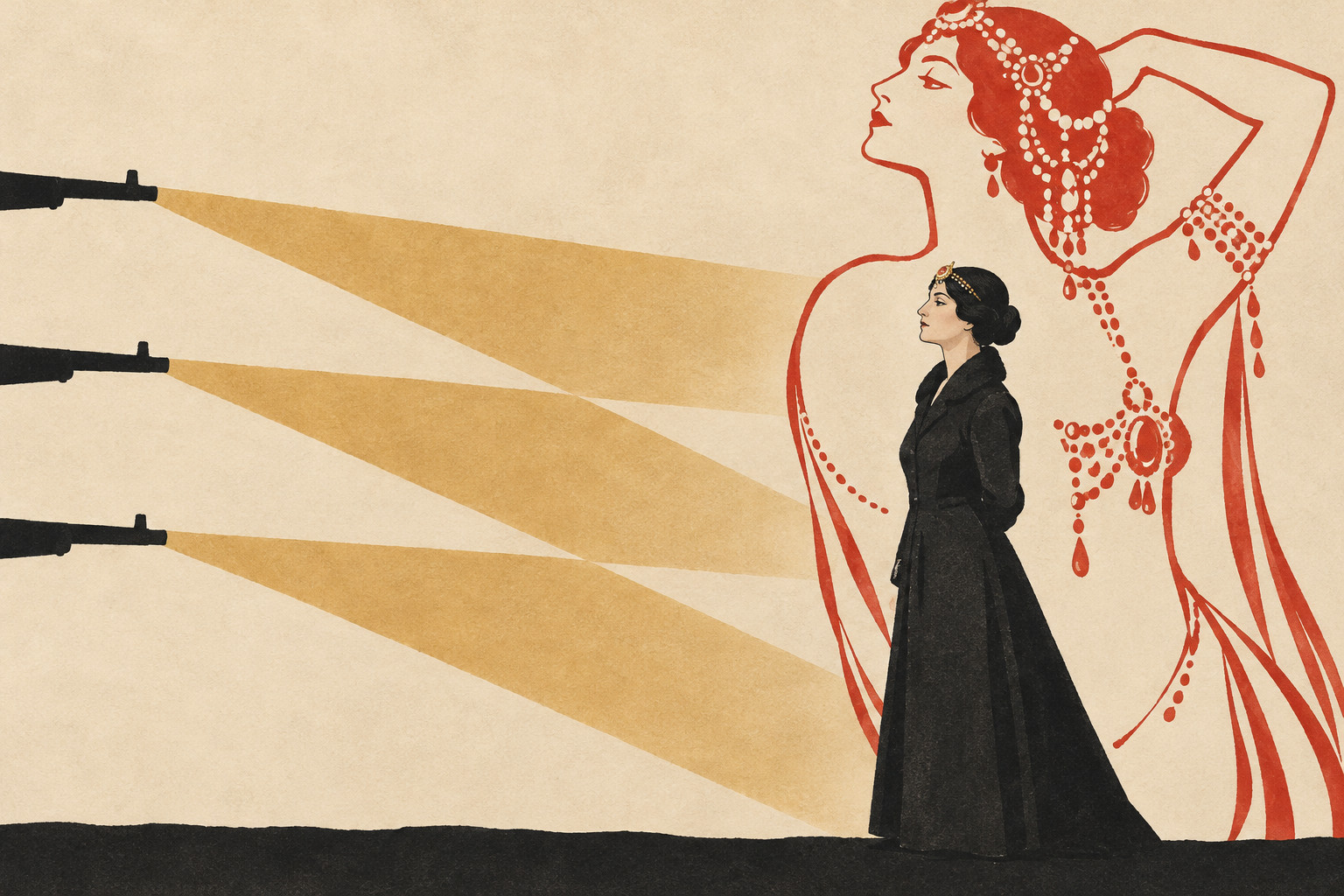
At dawn on October 15, 1917, at a military firing range in Vincennes, twelve French soldiers raised their rifles toward a woman who had refused a blindfold. She was 41 years old. Whether she really blew a final kiss to the firing squad, as legend would later claim, is uncertain. What happened after the volley is more firmly established: Margaretha Geertruida Zelle was dead, and Mata Hari had finally become immortal.
France announced that it had eliminated one of Germany’s most dangerous agents. In court, she was accused of causing the deaths of tens of thousands of soldiers, although not a single battle, military unit or secret was identified that could connect her actions to those casualties.
Therein lies the central paradox of the entire case. Mata Hari probably was a spy, at least in the broadest sense of the word. But she was almost certainly not a great spy — certainly not one capable of losing a war.
From Margaretha Zelle to the "Eye of the Day"
She was born in 1876 in Leeuwarden, the Netherlands, to a hat merchant whose prosperity collapsed along with his business. At eighteen, she answered a marriage advertisement placed by Rudolf MacLeod, an army officer nearly twice her age. Six days after they first met, they were engaged. The marriage took them to the Dutch East Indies, but brought no exotic happiness. MacLeod drank, accumulated debts and was violent. Their young son died in circumstances that were never fully explained, and after the divorce Margaretha also lost custody of the daughter she could not afford to support.
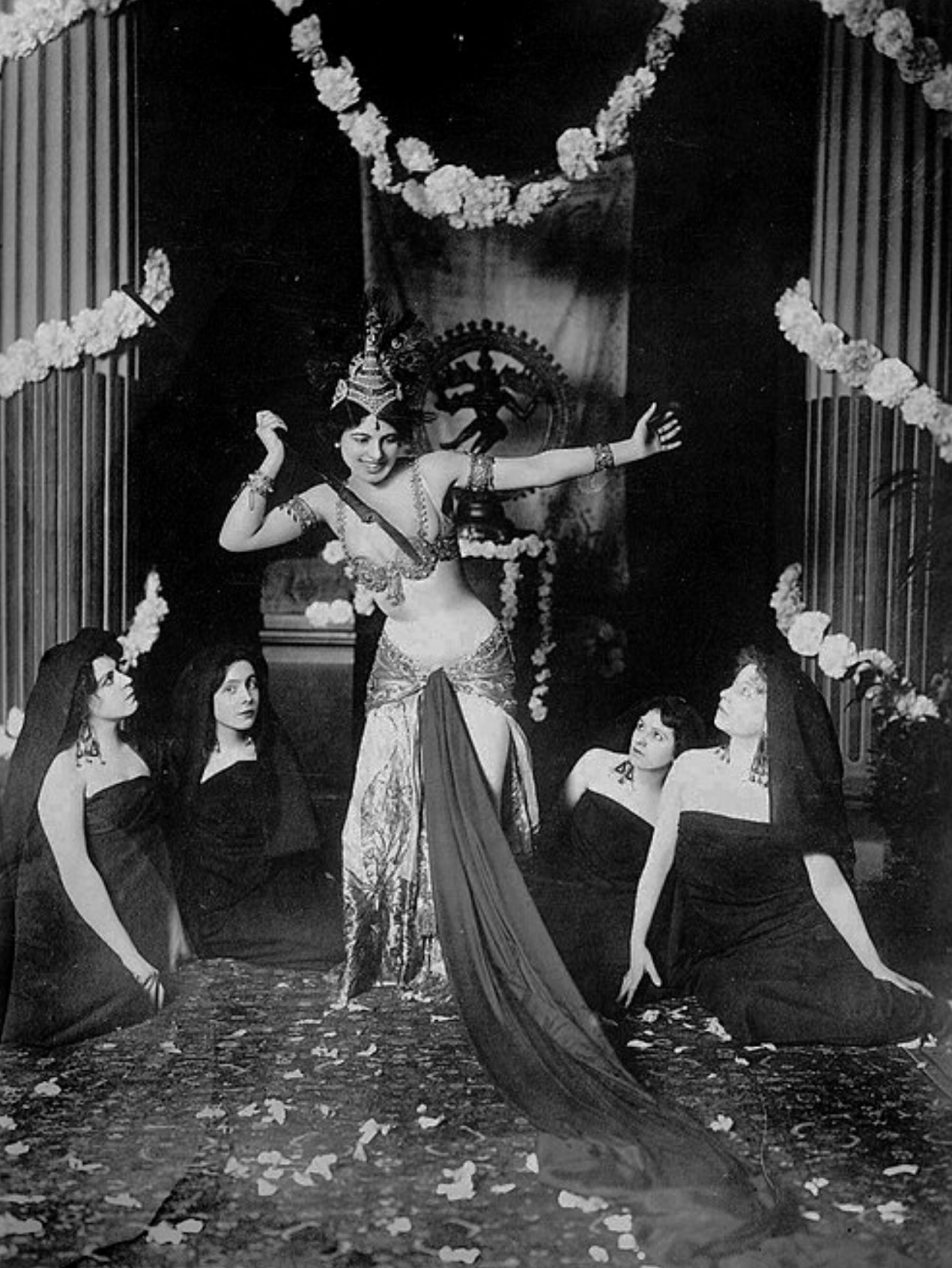
She arrived in Paris penniless but possessed of a rare talent for self-invention. Margaretha Zelle transformed herself into Mata Hari, a supposed Javanese dancer raised in an ancient temple. Her stage name means "sun" in Malay — literally, "the eye of the day." At the Musée Guimet in 1905, she performed a dance presented to Parisian audiences as a sacred Eastern ritual. Authenticity mattered to them about as much as fidelity to genuine Javanese tradition, but the performance was a sensation. Europe was not paying for the real Java. It was paying for its own fantasy of Java.
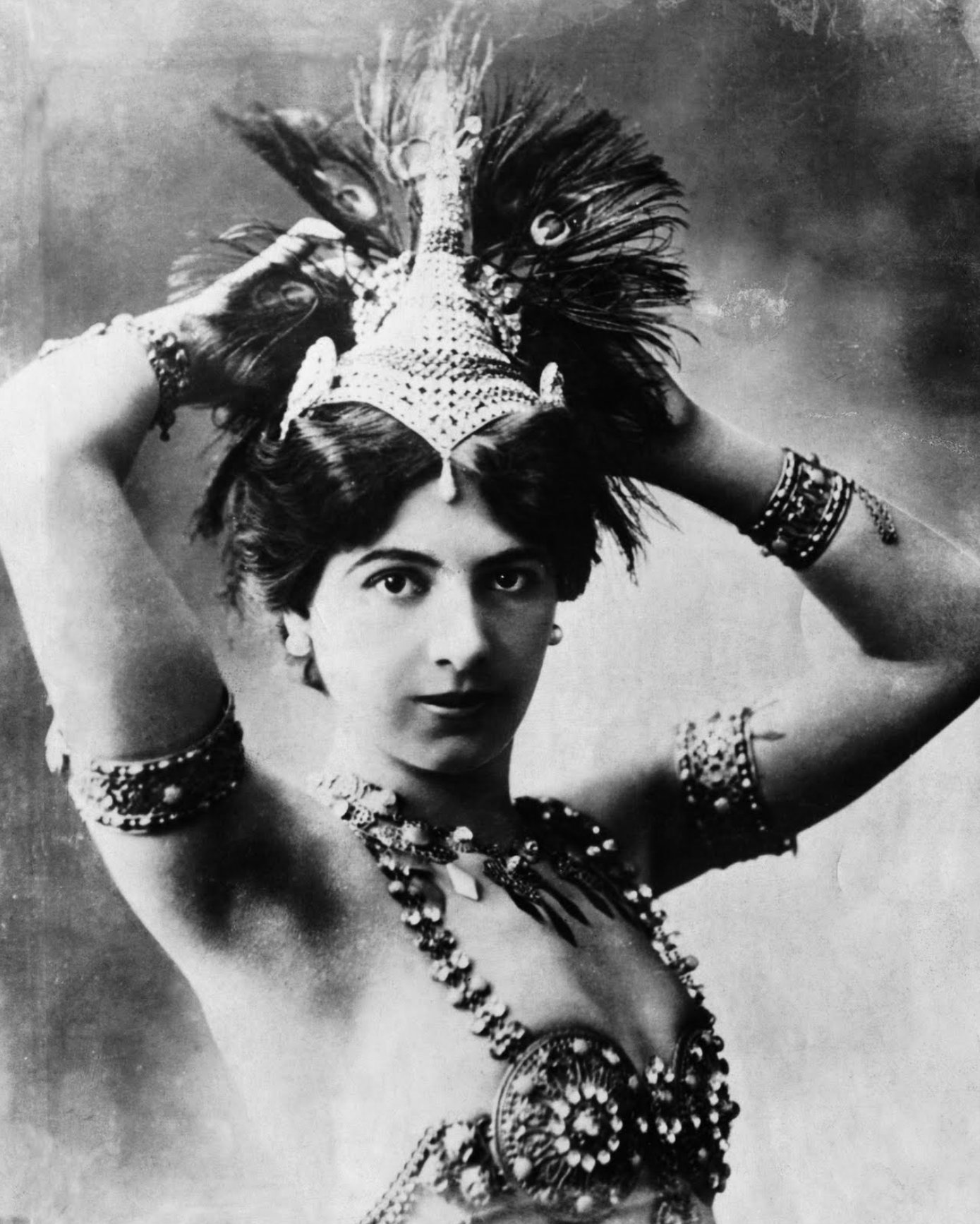
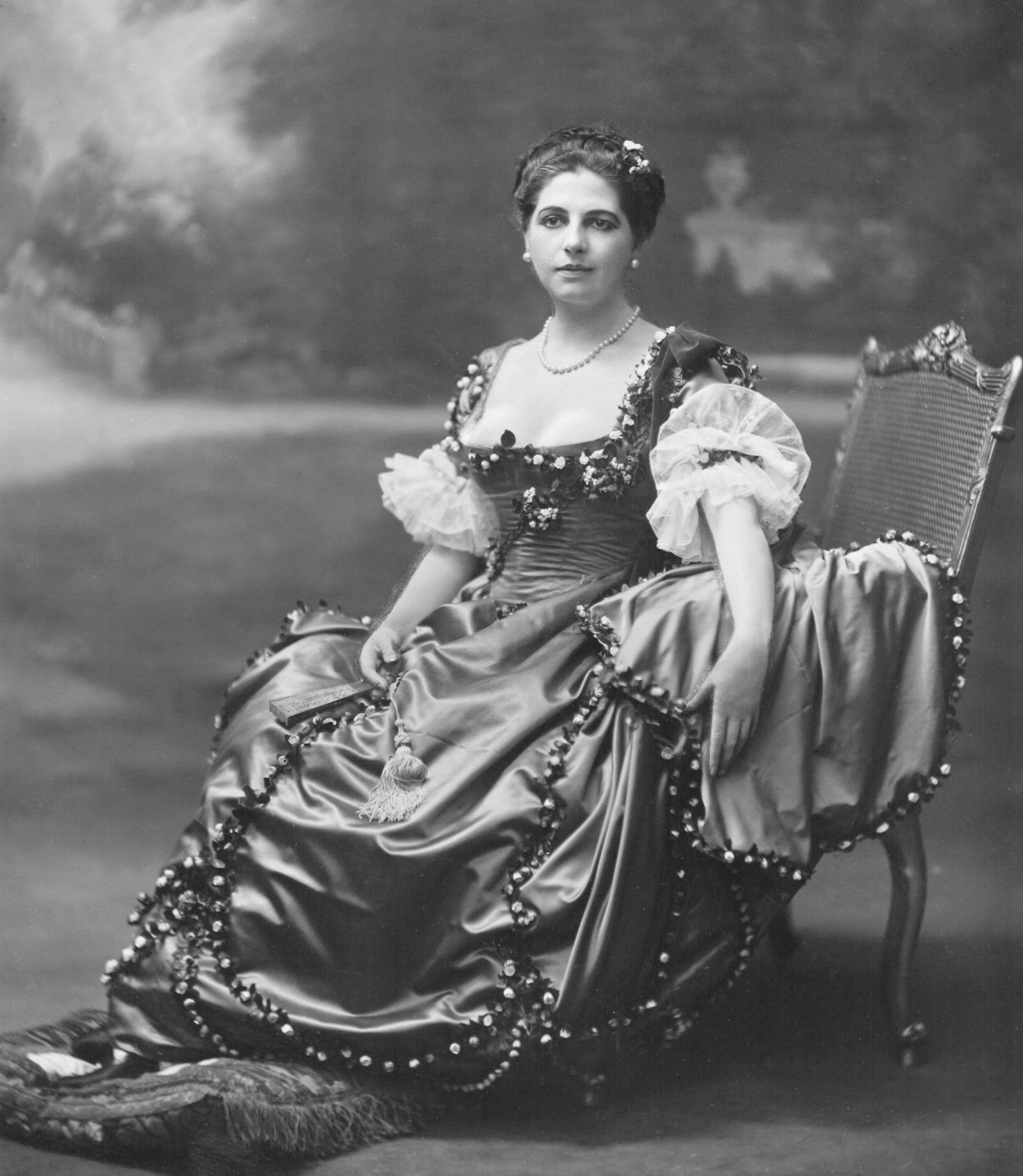
Mata Hari soon became one of the continent’s most famous exotic dancers. She performed in major European cities, appeared in magazines and had affairs with wealthy industrialists, diplomats and military officers. At times she lived lavishly, only to find herself penniless again. Her greatest art may not have been dancing, but persuading every new social circle to see exactly what it wanted to see.
The ideal agent — on paper
The First World War changed what such a life meant. Before 1914, a multilingual woman who crossed borders and knew generals was a cosmopolitan celebrity. In wartime, she became a security threat. The Netherlands remained neutral, allowing Mata Hari to move around Europe more freely than most. At the same time, her dancing career was fading while her expensive lifestyle remained just as expensive. On paper, she was the ideal agent. In reality, she lacked discipline, caution and any particular ability to distinguish valuable intelligence from drawing-room gossip.
In 1916, the German consul in The Hague offered her 20,000 francs to gather intelligence in France. She was given the code name H21 and accepted the money. She later claimed that she regarded it as compensation for furs and other property the Germans had confiscated at the beginning of the war. That explanation may sound ingenious, but it does not erase the fact that she agreed to be recruited. German assessments of her work, however, were damning. The information she supplied was largely irrelevant, outdated or no more useful than Parisian gossip.
The plot became almost farcical when French intelligence also took an interest in her. Mata Hari needed permission to visit Captain Vadim Maslov, her young Russian lover, who was recovering from his wounds in the Vittel military zone. That brought her into contact with Georges Ladoux, the head of French counterintelligence. Ladoux already regarded her with suspicion, yet at the same time offered her work as a French agent. She demanded one million francs if she managed to obtain sufficiently valuable intelligence. The request says much about her understanding of espionage. To Mata Hari, the secret war was simply another form of negotiation with wealthy men.
In Madrid, she tried to extract information from the German military attaché, Arnold Kalle, and then pass it on to the French. A surviving letter to Ladoux shows that she genuinely considered herself a French agent. But Kalle sent Berlin messages about Agent H21 containing enough detail for the French to identify her. He did so using a code the French already knew how to decipher. Whether he deliberately exposed her because she had become useless to him or was simply careless has never been established. Either way, Mata Hari was not brought down by a brilliant counterintelligence operation. She fell because the Germans discussed her over a channel the enemy was monitoring.
A two-day trial and the legend of 50,000 dead
She was arrested in Paris on February 13, 1917. After months of interrogation, she admitted that she had taken German money and had been assigned the designation H21, but denied giving the Germans anything of value.
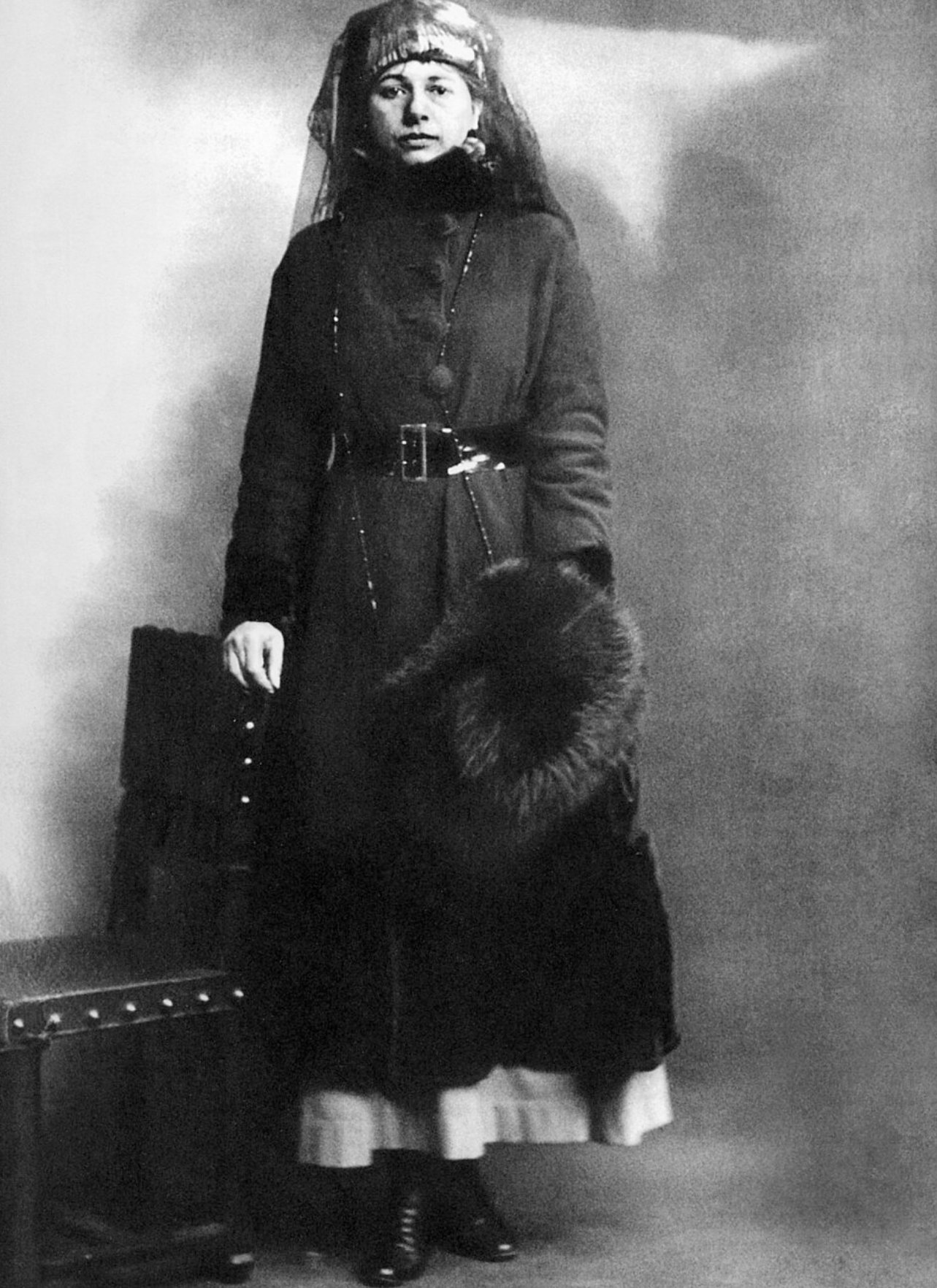
Her trial before seven military judges began on July 24 and lasted barely two days. It was held behind closed doors. The defense had very little room to maneuver, and instead of a clear chain of evidence, the court was presented with a portrait of a woman who lied about her origins, changed lovers and accepted money from foreign men.
The man who accused her was later arrested himself
Georges Ladoux occupied almost every possible position in the Mata Hari affair at once. He headed French counterintelligence, offered her work for France, monitored her movements, collected intercepted German messages and then helped build the case against the very woman he had tried to use. In court, her failure as a French agent became evidence that she had succeeded as a German one.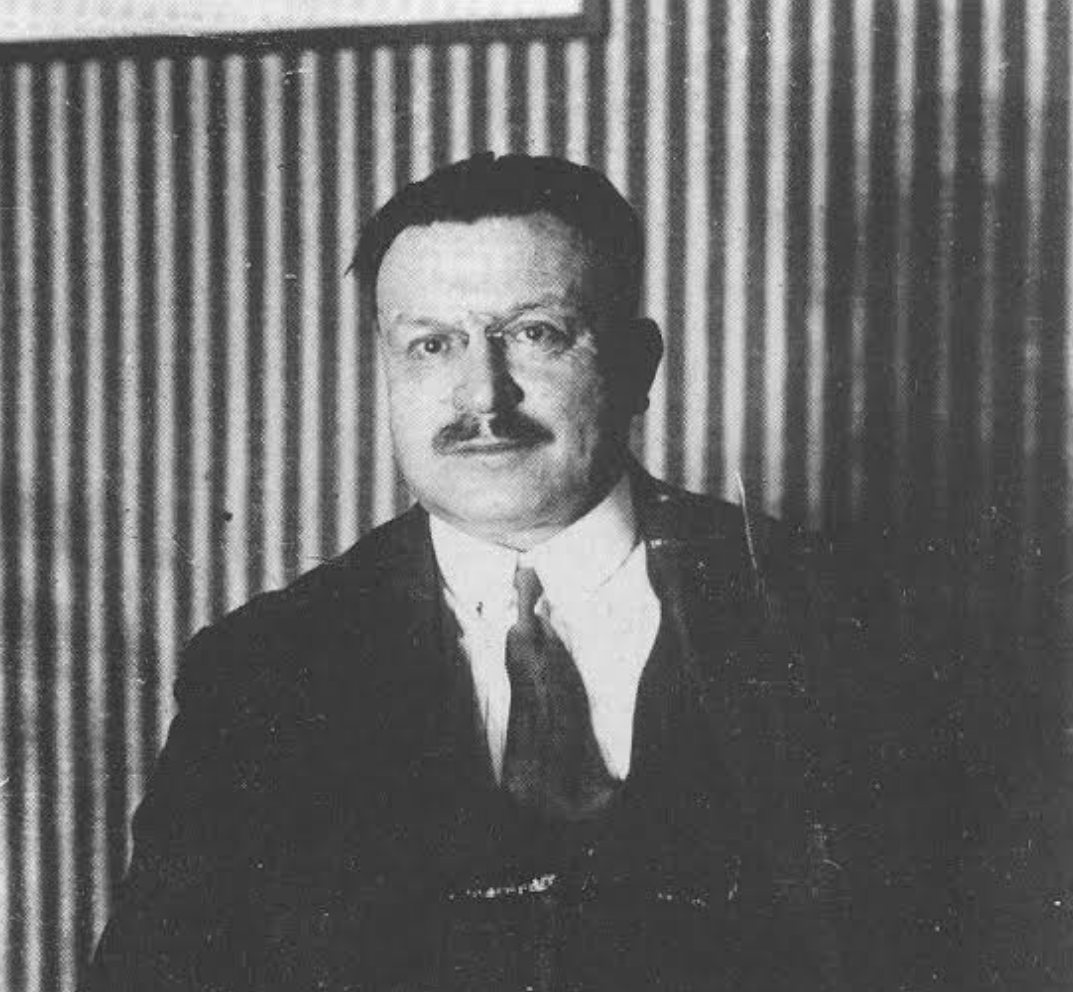
His acquittal does not prove that Mata Hari was innocent, just as his arrest does not prove that he was a German agent. It shows something else: the system that portrayed her as the center of a vast conspiracy could not draw a lasting distinction between contact, manipulation and treason even among its own professionals. Ladoux received a lengthy trial and an acquittal. His former agent received two days behind closed doors and a firing squad.
When the need for a scapegoat is more convincing than the generals
The timing of the trial also mattered. France had just endured the disastrous Chemin des Dames offensive. Tens of thousands of men had been killed or wounded, and mutinies had spread through much of the army. The country went looking for traitors because betrayal was easier to accept than the idea that its own generals had sent soldiers into machine-gun fire for nothing. Mata Hari had not been arrested because of that crisis, but she was tried at a moment when France desperately needed a visible enemy.
She was an almost perfect choice. She was a foreigner, a divorcée and a courtesan who made no apologies for her affairs. She had invented her own biography, allowing the court to present her theatrical deceptions as evidence of political treason. The men who may have revealed things to her remained respectable officers. The woman to whom they may have revealed them became a monster. In her case, sexual independence was not merely a moral offense, it was treated almost as evidence in itself.
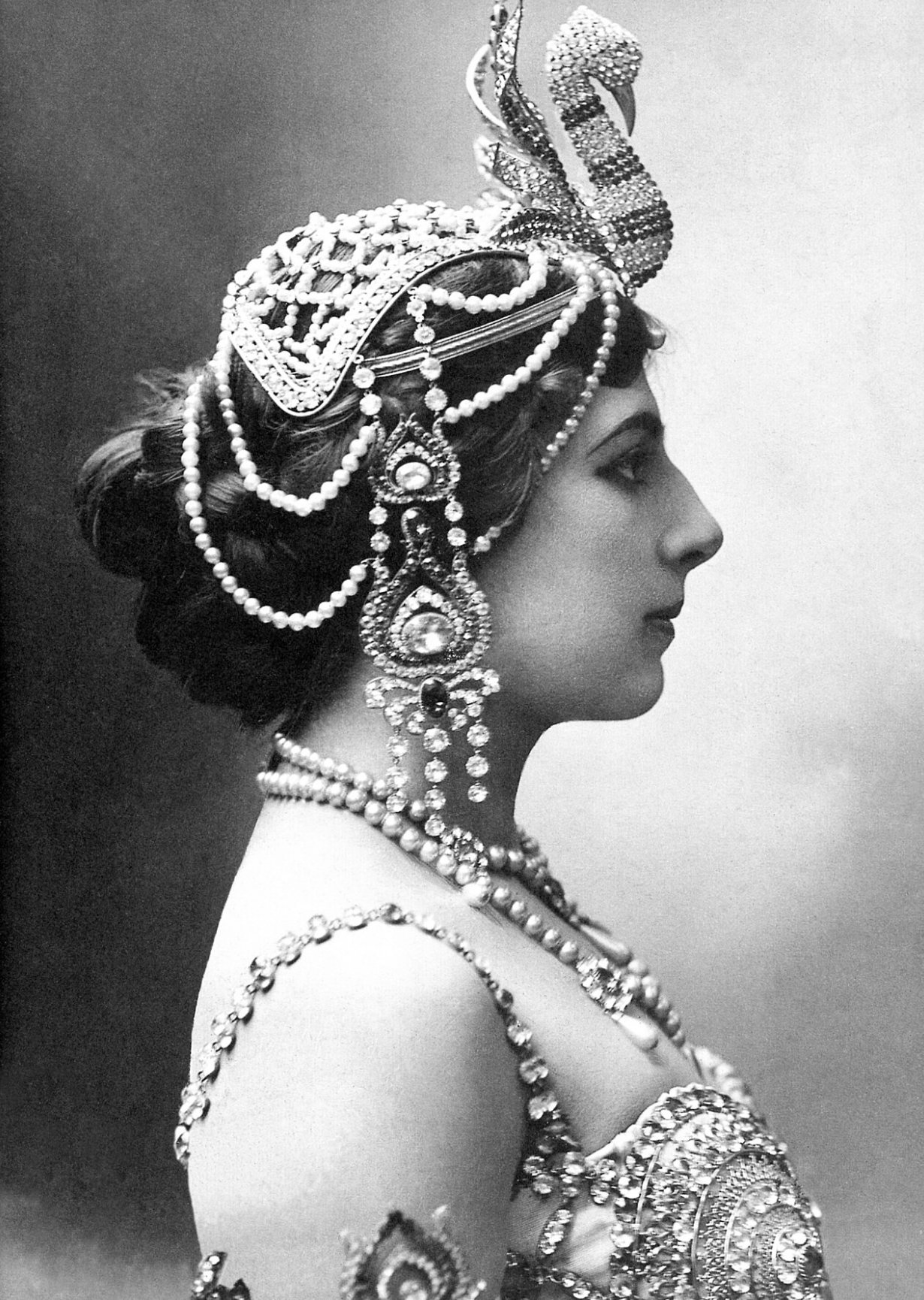
None of this means that Mata Hari was an entirely innocent victim. She accepted German money, told lies and tried to play both sides. She entered a dangerous game convinced that she could conquer this world through charm just as she had conquered the salons of Paris. But there was an enormous gulf between a reckless, financially desperate double agent and a woman responsible for the deaths of 50,000 soldiers. The French military court filled that gulf with wartime fear, moral outrage and the need for a scapegoat.
No one claimed her body after the execution, so it was donated to a medical school. All that remained was the persona she had created and the state had completed. Films turned her into a femme fatale who drew the secrets of empires from men’s beds. The real woman was less impressive and therefore more interesting: a failed agent who overestimated her talent for manipulation, and a state that overestimated her importance. In the end, the French firing squad accomplished what Mata Hari herself never could: it transformed a mediocre spy into the greatest espionage legend of the 20th century.
The missing head of the world’s most famous spy
The medical school did not preserve Mata Hari’s body intact. Her head was embalmed and entered into the collection of the Paris Museum of Anatomy, among specimens used for teaching and public display. An archival record from 1918 confirms that the institution also received the rest of her body. A woman who had spent her life carefully controlling how others saw her was transformed in death into a catalogued anatomical specimen.When museum staff inspected the collection in 2000, the head was gone. Curator Roger Saban estimated that it might have disappeared as early as 1954, when the museum relocated, but no evidence was found to show whether it had been lost, miscatalogued or stolen. The other remains listed in the old records could not be found either.
The disappearance is an almost indecently fitting ending to her story. The state executed the real Margaretha Zelle, medicine dismantled her body, and popular culture preserved a face that could no longer be found even in formaldehyde. The person left behind neither a grave nor an identifiable physical remnant, only the indestructible image of a woman with jewels across her forehead — the very mask she had once invented for herself.
Sources
- Service historique de la Défense Mata Hari https://www.servicehistorique.sga.defense.gouv.fr/en/node/373974
- Fries Museum The real story of Mata Hari https://www.friesmuseum.nl/en/collection/icons/mata-hari
- The National Archives KV 2/1 'Mata Hari' alias MCLEOD Margaretha Geertruida (Marguerite Gertrude) https://cdn.nationalarchives.gov.uk/documents/filesonfilm/mata-hari-alias-mcleod-margaretha-geertruida-marguerite-gertrude-kv-2-1.pdf
- City, University of London Mata Hari and the Creation of the Spy-Courtesan https://openaccess.city.ac.uk/id/eprint/13255/1/Mata%20Hari%20and%20the%20Creation%20of%20the%20Spy%20Courtesan.pdf
- Smithsonian Magazine Revisiting the Myth of Mata Hari, From Sultry Spy to Government Scapegoat https://www.smithsonianmag.com/smart-news/revisiting-myth-mata-hari-sultry-spy-government-scapegoat-180967013/
- TIME Mata Hari's True Story Remains a Mystery 100 Years After Her Death https://time.com/4977634/mata-hari-true-history/
- HISTORY Dancer and suspected spy Mata Hari sentenced to die https://www.history.com/this-day-in-history/july-25/mata-hari-sentenced-to-die
- New York Post Mata Hari heads off – femme fatale's skull swiped from museum https://nypost.com/2000/07/14/mata-hari-heads-off-femme-fatales-skull-swiped-from-museum/
Comments