
The Day Two Speculators Almost Privatized the American Dollar
The price of gold was rising by the minute, until a message from Washington crashed the market and revealed a network of power.
Published
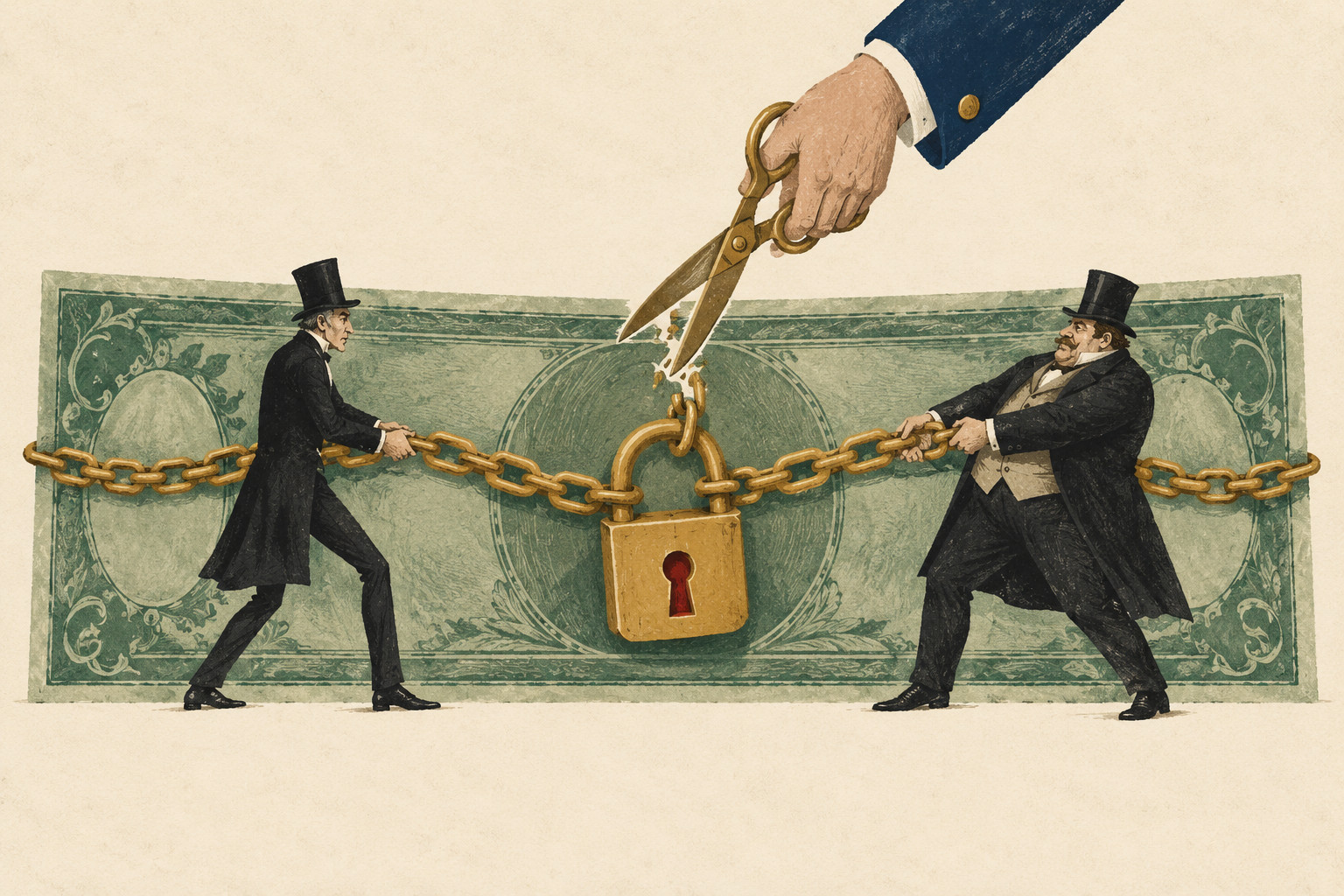
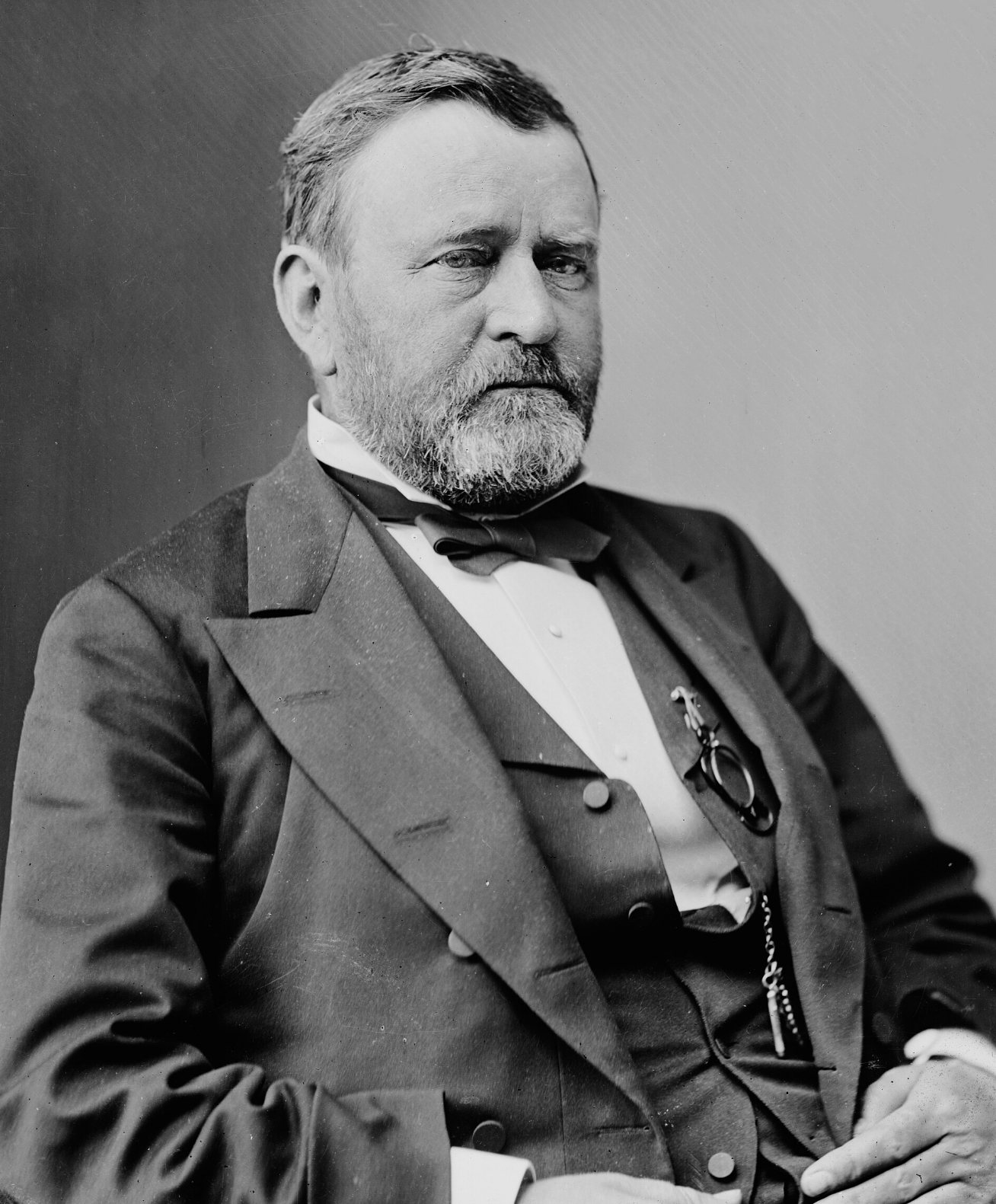
For several hours on Friday, September 24, 1869, the value of the American paper dollar came close to becoming the private decision of two railroad speculators. Jay Gould and Jim Fisk controlled neither the mines nor the U.S. Treasury. Instead, they had amassed something almost as useful: claims on vast quantities of gold traded in New York, an army of brokers operating on borrowed money, and a network of connections that reached all the way into the family of President Ulysses S. Grant. If the federal government stayed out of the market, everyone else would have to accept their price.
That morning, the numbers in New York’s Gold Room rose like a fever—around 144, then 150, then above 160. News then arrived from Washington that the government would put four million dollars’ worth of its own gold on the market. Within roughly fifteen minutes, the price plunged toward 133. People who had considered themselves wealthy moments earlier could no longer pay their debts. Long before Black Friday became synonymous with retail discounts, it meant a day of massive forced selling, bankruptcy, and financial panic. This is that story.
Two Dollars in the Same Country
To understand what Gould and Fisk were trying to do, we must forget the dollar as we know it today. In the aftermath of the American Civil War, the United States effectively had two kinds of money. Gold coins possessed intrinsic metal value, while the paper notes known as greenbacks had been issued to finance the war and could not be freely exchanged for gold. Customs duties had to be paid in gold, which also remained essential to international trade.
The Gold Room was therefore not merely a club for men obsessed with precious metal. It functioned as a kind of foreign-exchange market, setting the rate between the paper dollar and the gold dollar. A quotation of 160 did not mean that an ounce of gold cost 160 dollars, as the episode is sometimes mistakenly described. It meant that 100 dollars in gold coin cost 160 paper dollars. In other words, the higher the number climbed, the weaker the greenback became.
A Young Thomas Edison Beside the Gold Indicator
The Gold Room was not cut off from the rest of Wall Street. In the mid-1860s, inventor Samuel Spahr Laws developed the electrical Gold Indicator, a system that transmitted the latest gold price by telegraph to display instruments in brokerage offices. Subscribers could follow market movements almost in real time, without waiting for a messenger to bring the latest quotation from the trading floor.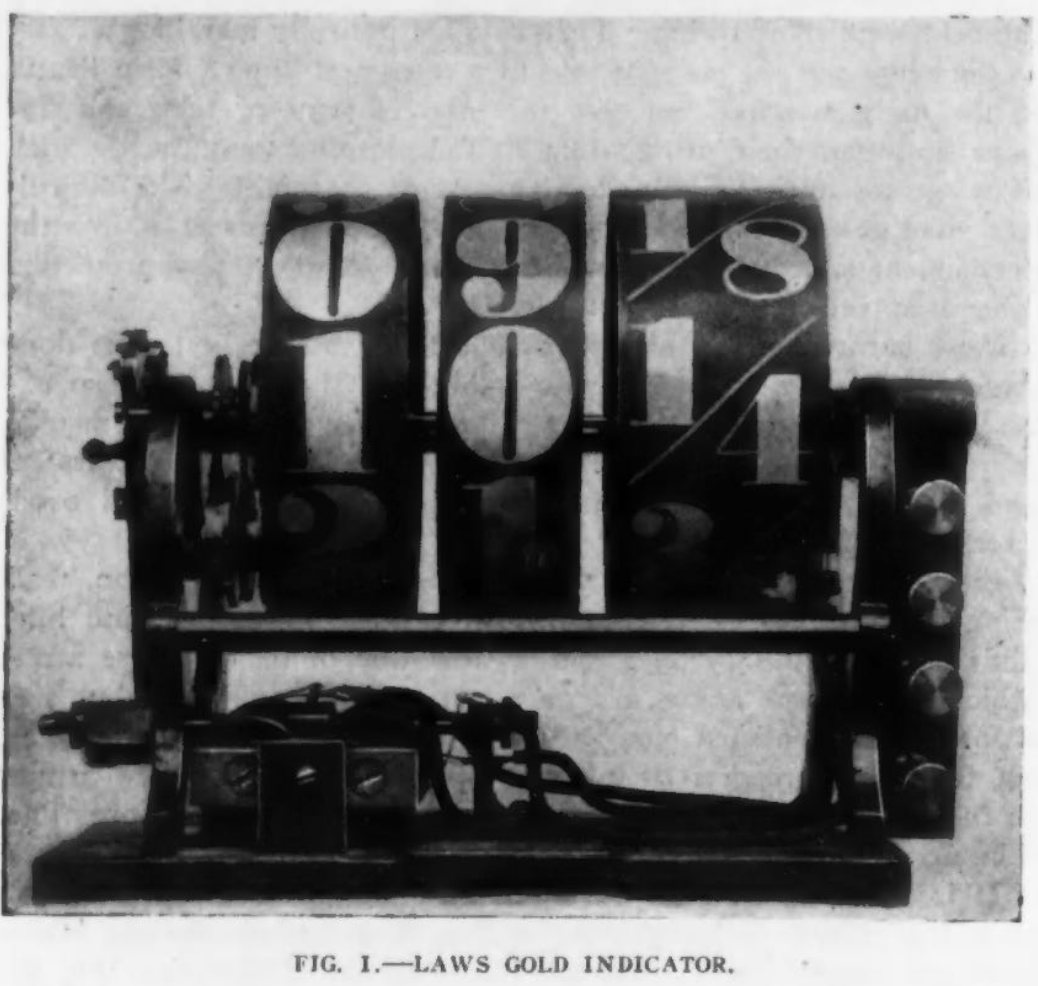
When the gold price soared and then collapsed on Black Friday, the same infrastructure flashed each new figure to brokers at extraordinary speed. The technology did not cause Gould and Fisk’s manipulation, but it synchronized the market’s reactions and intensified the sense of panic—an early ancestor of the screens on which today’s financial crashes unfold in seconds.
How to Corner a Market
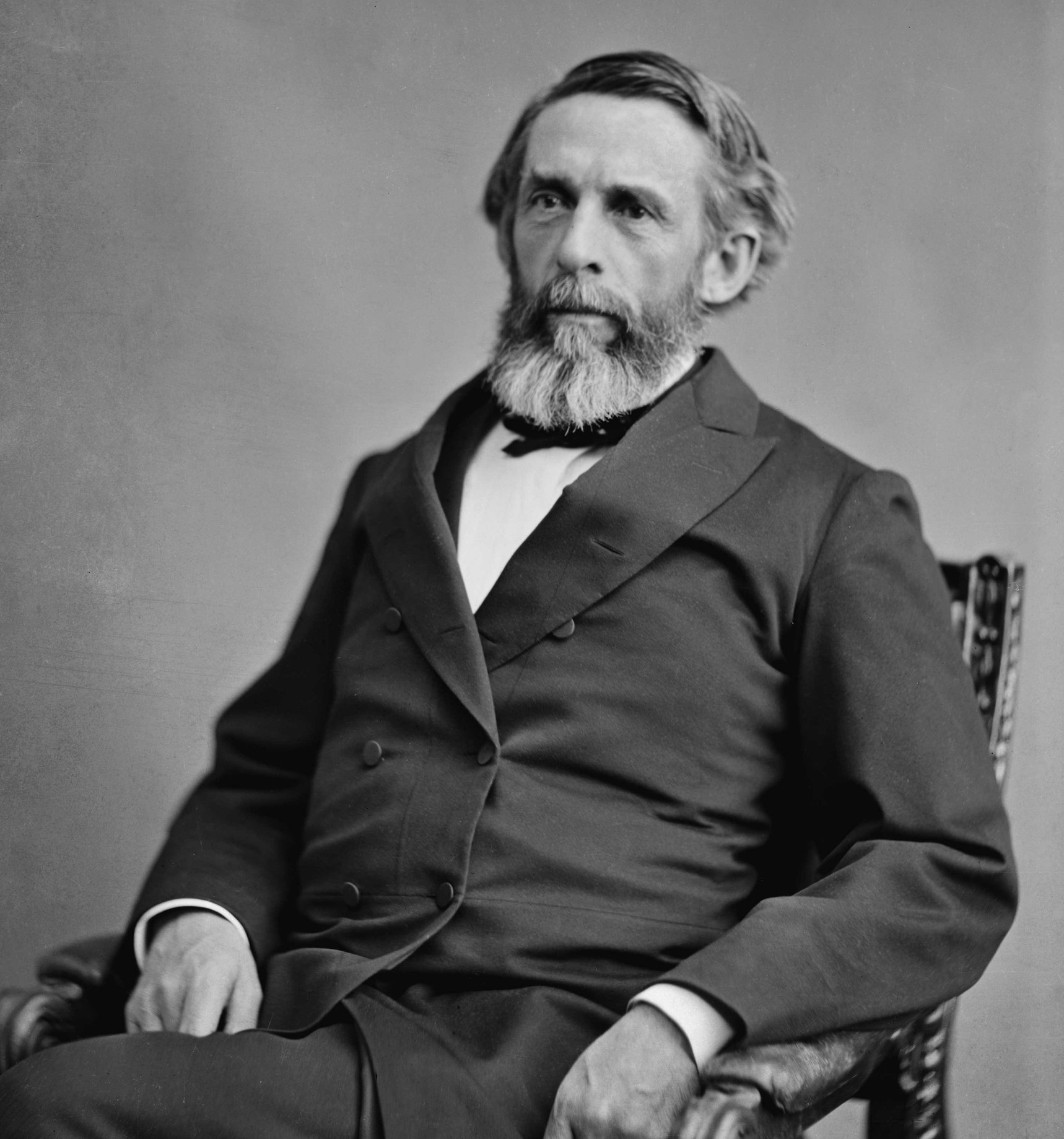
Under Secretary George S. Boutwell, the U.S. Treasury regularly sold part of the government’s gold reserves and used the proceeds to buy back bonds and reduce the wartime debt. In doing so, it also kept the price of gold under control.
So how did the operation begin? Jay Gould understood that he did not need to buy all the gold in the United States. He merely needed to control enough of the available supply in New York—and ensure that the only seller he could not overpower, the federal government, temporarily withdrew from the market.
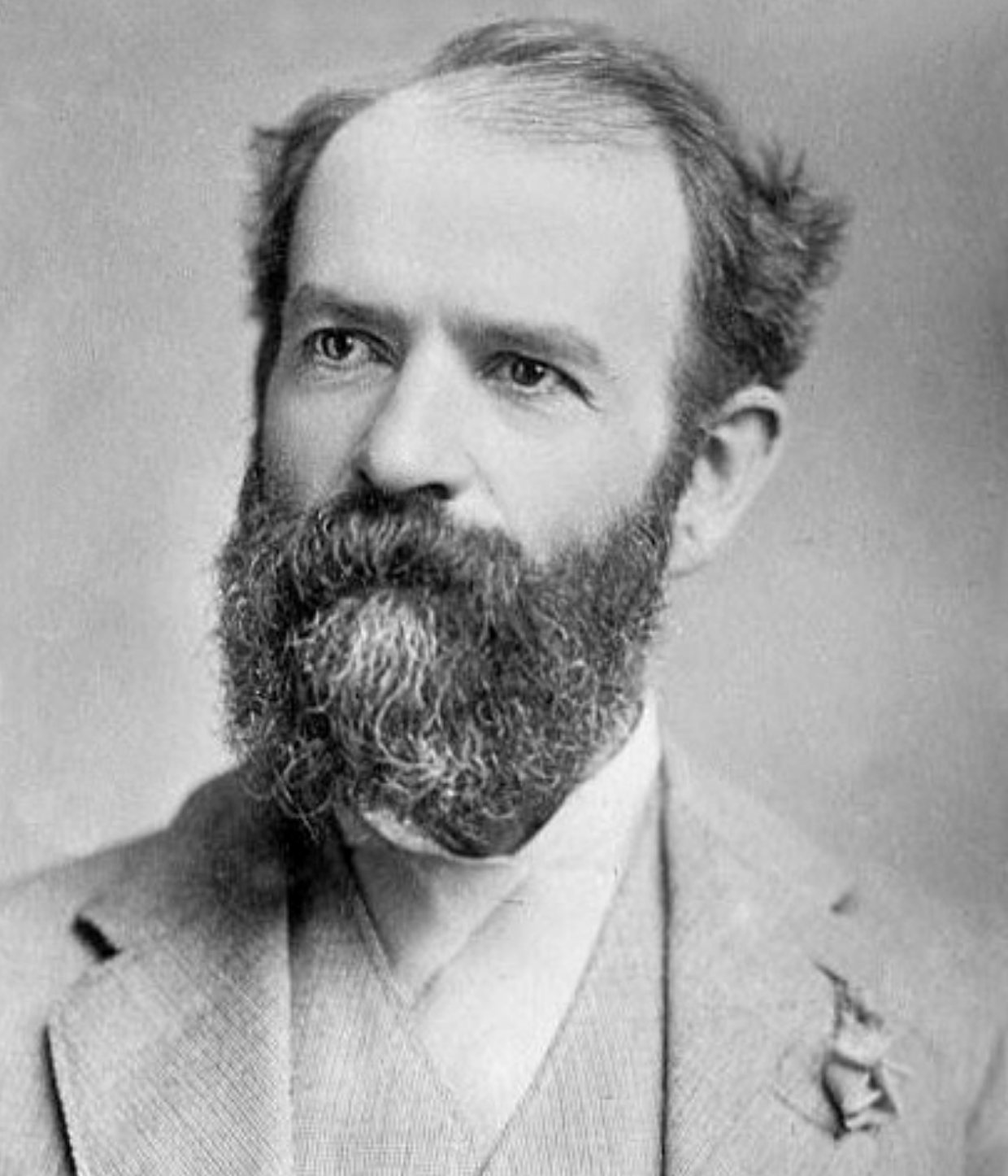
In the language of Wall Street, the plan was to "corner" the market. Anyone who controlled enough gold and enough contracts could squeeze those who had sold the metal without actually owning it. When the time came to deliver, those sellers would have nowhere to buy except from the man who had trapped them. At that point, the price would cease to be the market’s verdict and become his command.
Gould—whose name sounded almost suspiciously close to "gold"—was a quiet strategist. Fisk, known as "Jubilee Jim," was his loud and theatrical opposite. He loved public appearances, uniforms, and theater boxes.
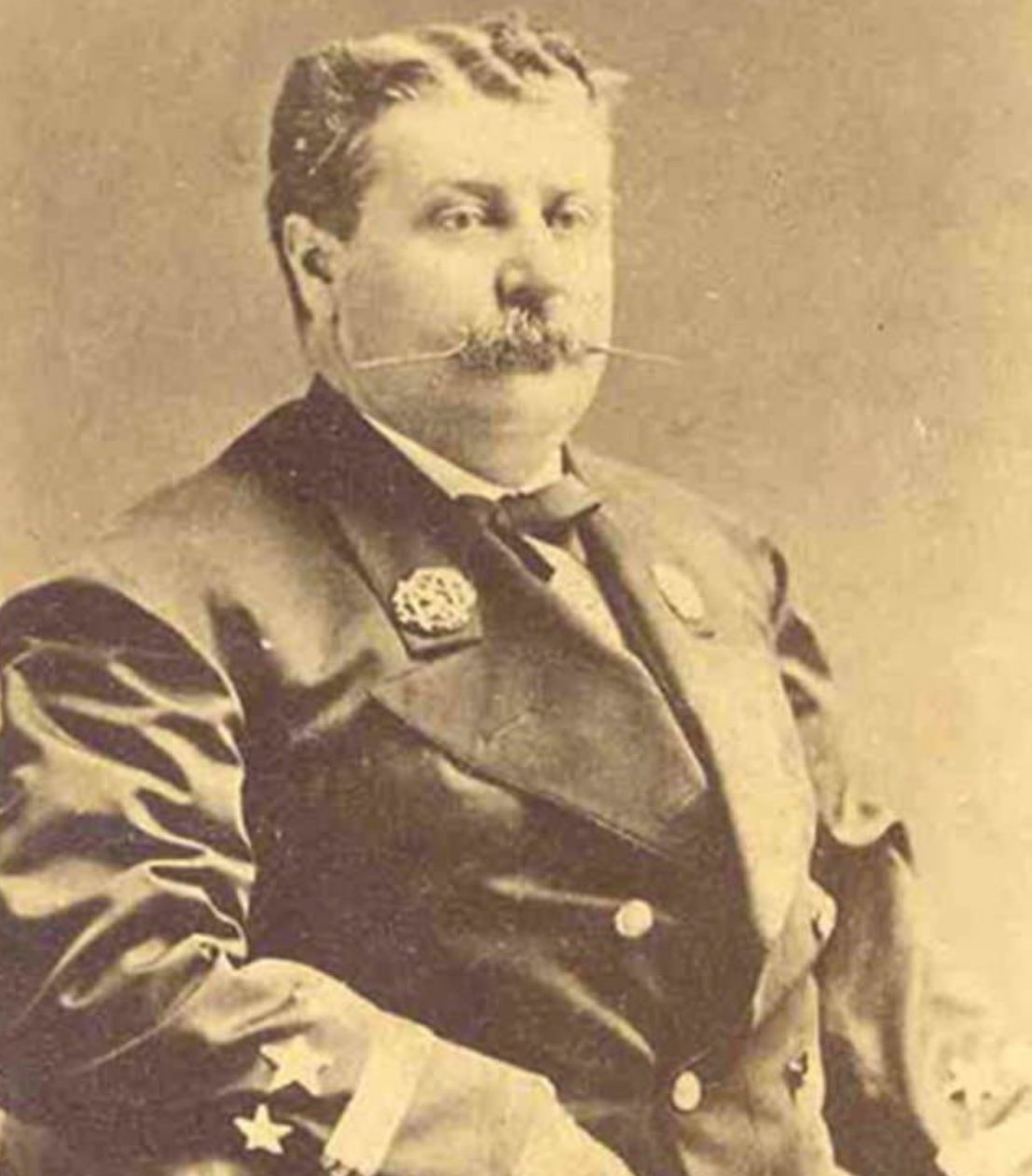
Together, they controlled the Erie Railroad and had already demonstrated in their battle with Cornelius Vanderbilt just how effectively shares, judges, and politicians could be used to wage war without firing a shot. In their business world, the line between market ingenuity and fraud largely depended on who knew the judge.
Turning Access to the President into a Market Asset
Their path to the president ran through Abel Corbin, a speculator married to Grant’s sister Virginia, known as Jennie.
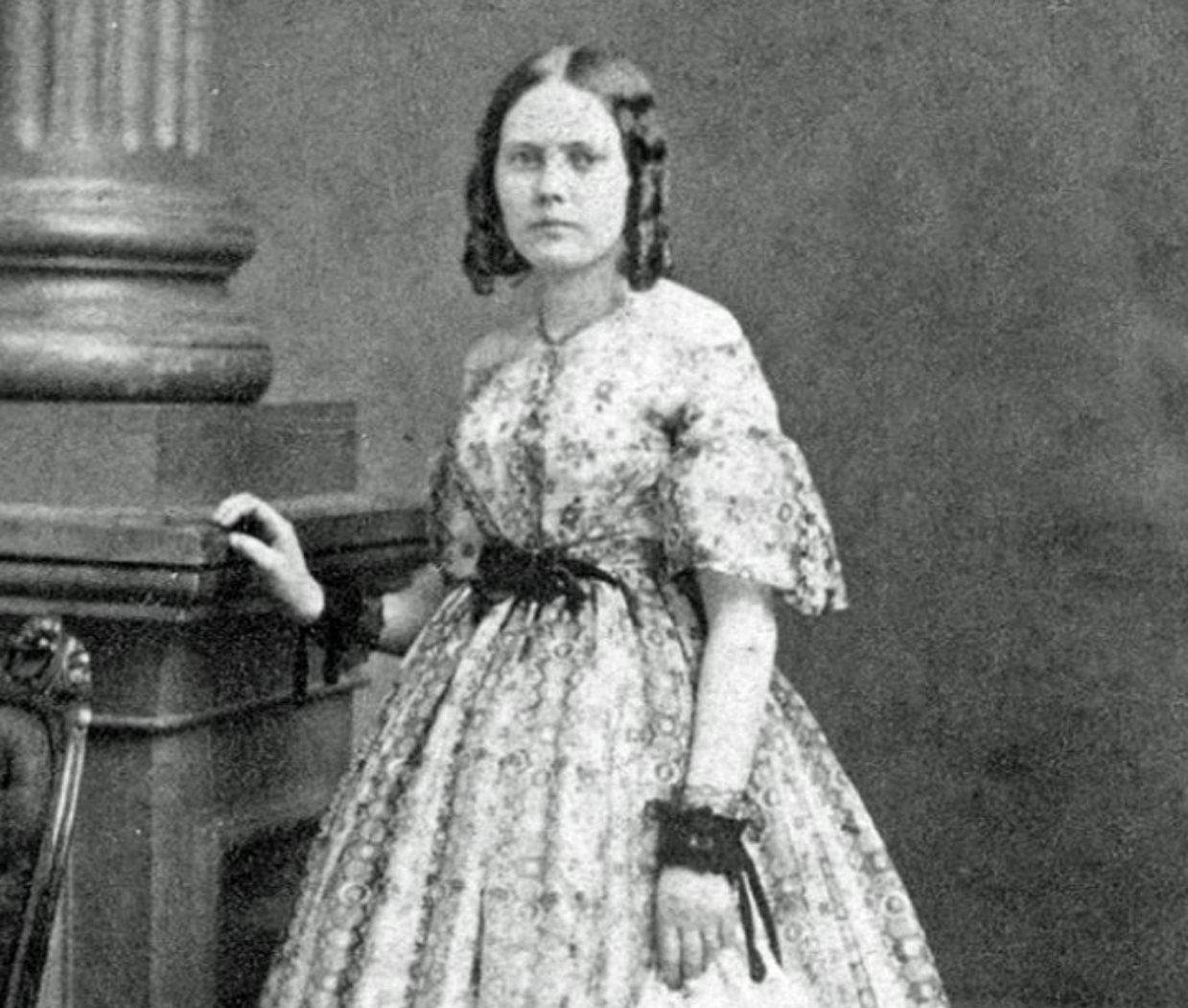
Through Corbin, Gould and Fisk gained access to social gatherings attended by the president, where they presented their ideas about gold.
Another man close to their circle was Daniel Butterfield, a former Union general appointed assistant treasurer of the United States in New York.
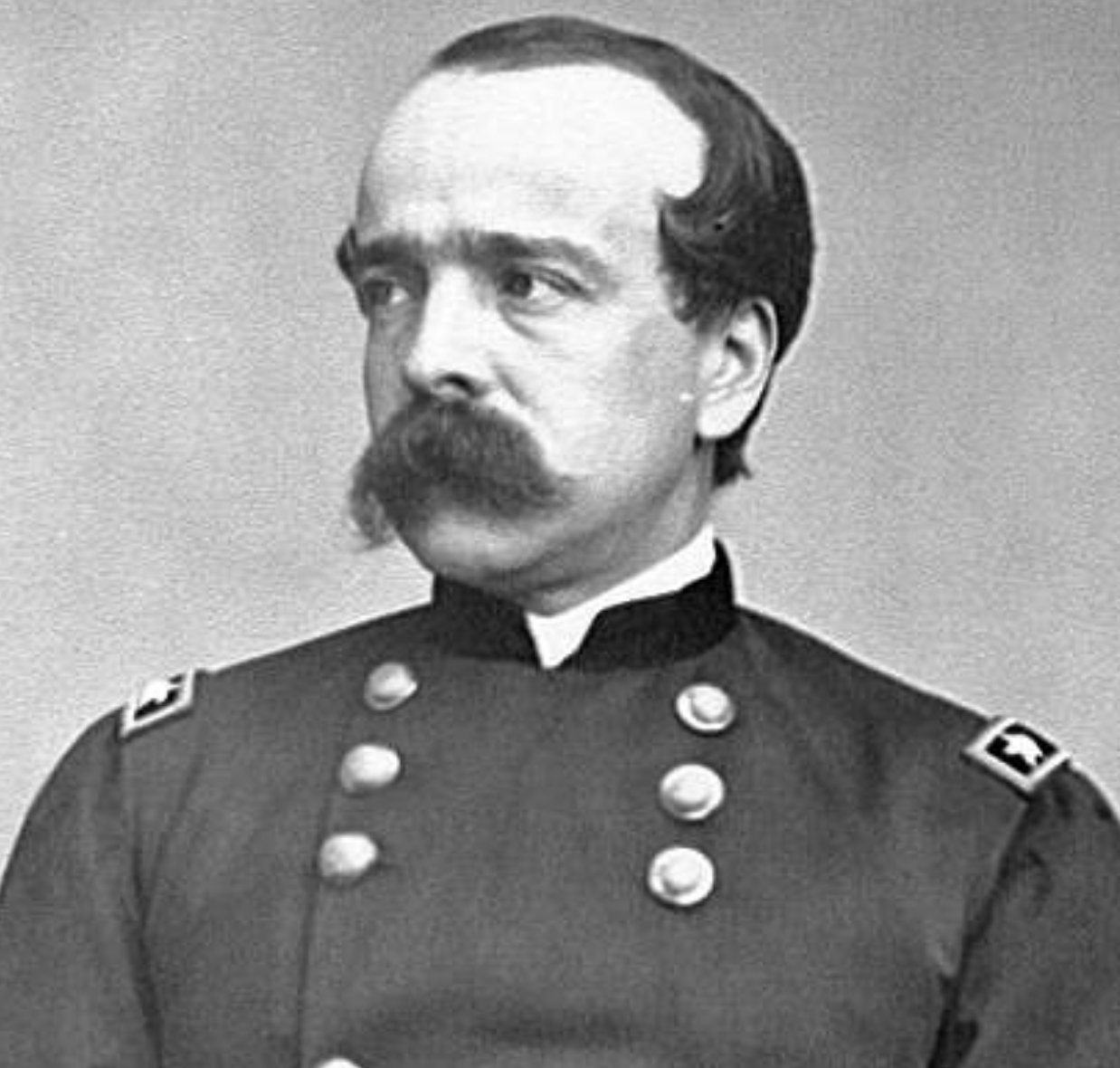
Gould gave him a check for $10,000, which Butterfield later described as an unsecured loan. Congress never proved that he had disclosed the decisive telegram to the conspirators, but it did establish that the official responsible for government gold sales had privately traded on his expectations of government intervention.
Naturally, they did not tell the president that they intended to corner the market. Gould offered him a more respectable economic theory. If gold rose in price, he argued, the greenback would weaken. American grain would become cheaper for foreign buyers, exports would increase, and Western farmers would find it easier to sell their crops.
The argument was not complete nonsense—which, of course, made it considerably more dangerous. Postwar deflation was weighing heavily on indebted farmers, and the American economy had entered a recession as early as June 1869. Gould neglected to mention, however, that rising grain exports would fill the freight cars of his own Erie Railroad. He said even less about the profit he would make from every further increase in the gold price. The economic diagnosis may have had merit, but the doctor just happened to own both the pharmacy and the road leading to it.
Grant did not join the conspiracy. He nevertheless took the argument seriously enough to express doubts to Boutwell about continuing the Treasury’s extraordinary gold sales. When those sales were temporarily suspended, Gould concluded that the way was clear for his attack. On Wall Street, what the president had actually promised mattered less than what others believed he had promised.
The speculation was further fueled by an almost unimaginable credit system. Reputable traders were sometimes required to put up no margin at all, while others needed only one or two percent. A deposit of $10,000 could support the purchase of contracts worth one million dollars. What accumulated in the market, therefore, was not physical bullion but "phantom gold"—layer upon layer of promises to deliver metal in the future, even though there was nowhere near enough of it to honor them all. The accessible New York gold market was estimated at roughly $15 million, while the nominal positions held by Gould, Fisk, and their circle grew to several times that amount.
Gould Escapes Behind Fisk’s Bluster
The scheme began to unravel when Corbin sent a special messenger seeking Grant’s assurance—another name that seemed strangely suited to the occasion—that the government would not intervene. The urgency of the request finally aroused the president’s suspicions. Grant’s wife, Julia, wrote to Jennie Corbin that the president was "very much distressed by their speculations" and that the positions should be closed as soon as possible.
Gould learned of the warning on September 23 and realized that the Treasury might intervene. He did not tell Fisk. While his agents continued buying and maintaining the illusion that the operation remained intact, Gould secretly began unloading his own positions. Fisk’s bluster thus became cover for Gould’s escape. Their partnership endured while the profits were shared. With catastrophe approaching, each man suddenly became, shall we say, an "independent entrepreneur."
The Gold Room was packed even before trading began on September 24. Fisk continued buying, and the quotation surged above 160. At 11:42 a.m., Boutwell sent an order from Washington announcing the sale of up to four million dollars in government gold—more than a quarter of the available market. The price plunged toward 133, and the attempt to seize control of the market disintegrated almost instantly.
There is an important detail here. The Treasury did not immediately dump four million dollars in gold onto the trading floor. It announced the sale and ultimately sold only two million because Boutwell feared that the price might fall too far. The market did not wait for the auction. It was enough to know that the government’s reserves stood behind the threat. Then as now, power in finance often does not need to be used, it merely needs to be shown convincingly.
When a Gold Panic Became a National Shock
The panic quickly spread beyond the gold market. Brokerage houses were unable to settle their trades, several collapsed, and the Gold Room remained paralyzed for days as clerks tried to determine who owed what to whom. Stock prices fell by roughly one-fifth over the following week. Credit and foreign trade were disrupted, while the pressure also spilled over into agricultural prices. The farmers who had served as the conspiracy’s moral justification ended up as its collateral damage.
Black Friday did not cause the American recession by itself—the downturn was already underway—nor did Gould and Fisk literally seize control of the entire economy. But they did manage to capture a narrow market that served as the link between currency, trade, public debt, and prices. In doing so, they turned stock-market manipulation into a national economic shock.
The congressional investigation led by Republican congressman and future president James A. Garfield found no evidence that Grant had participated in the conspiracy or profited from it.
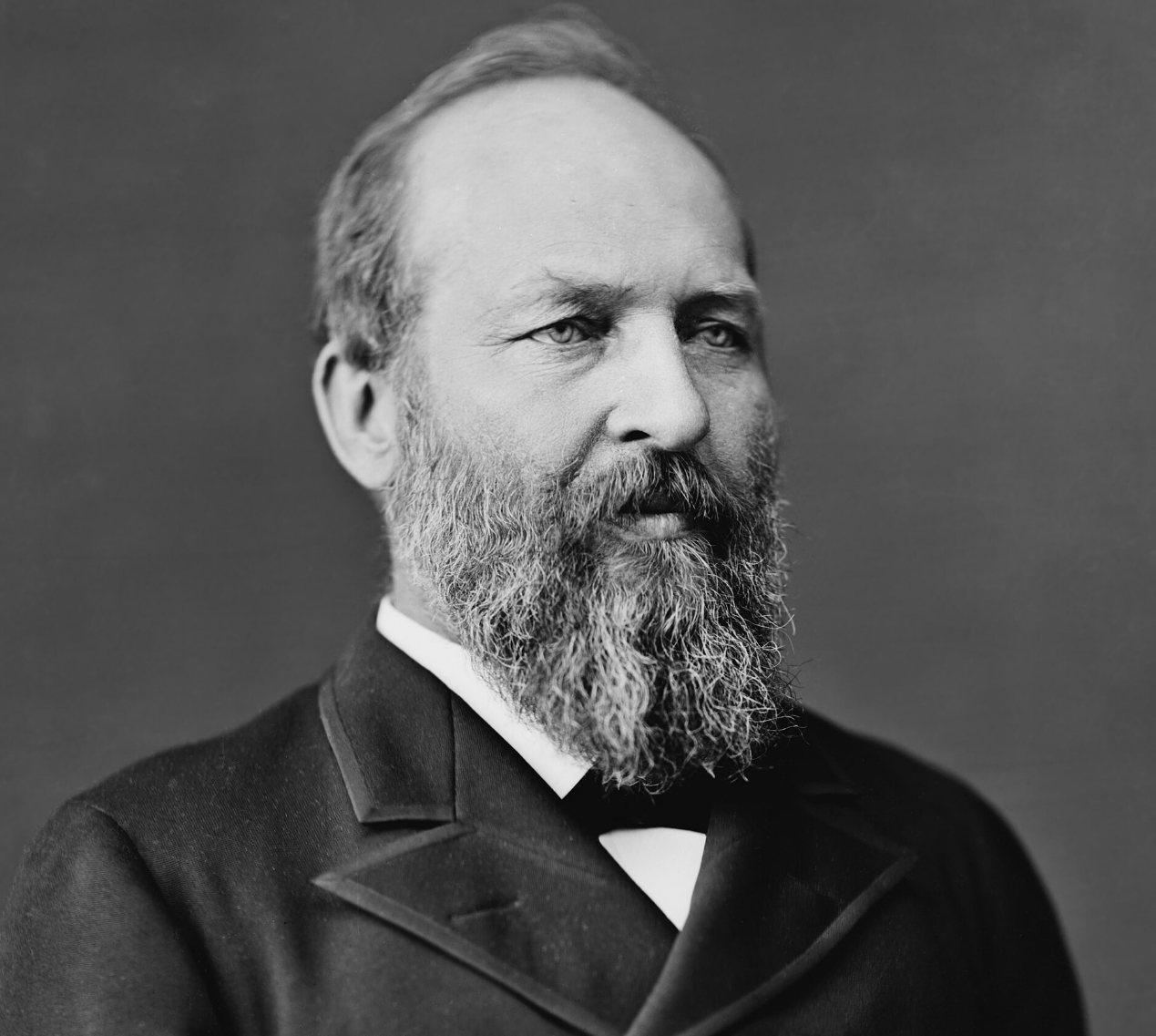
The Republican majority cleared him completely, while the minority pointed out that the president, the first lady, and his sister had not been called to testify, and that several important letters had been destroyed. The fairest conclusion was less dramatic than the accusation but hardly flattering: Grant was never shown to be corrupt, yet he proved politically naive in dealing with men who turned proximity to him into a marketable asset.
Gould and Fisk did not spend a single day in prison. Thanks to his secret selling, Gould escaped in far better shape than most of the participants. Fisk disputed his obligations, and both men relied on lawyers, political connections, and sympathetic judges. Gould later built an even larger railroad and telegraph empire. The more unruly Fisk met a different end in 1872, when he was shot dead by a business and romantic rival.
The Courts as a Weapon of the Erie Ring
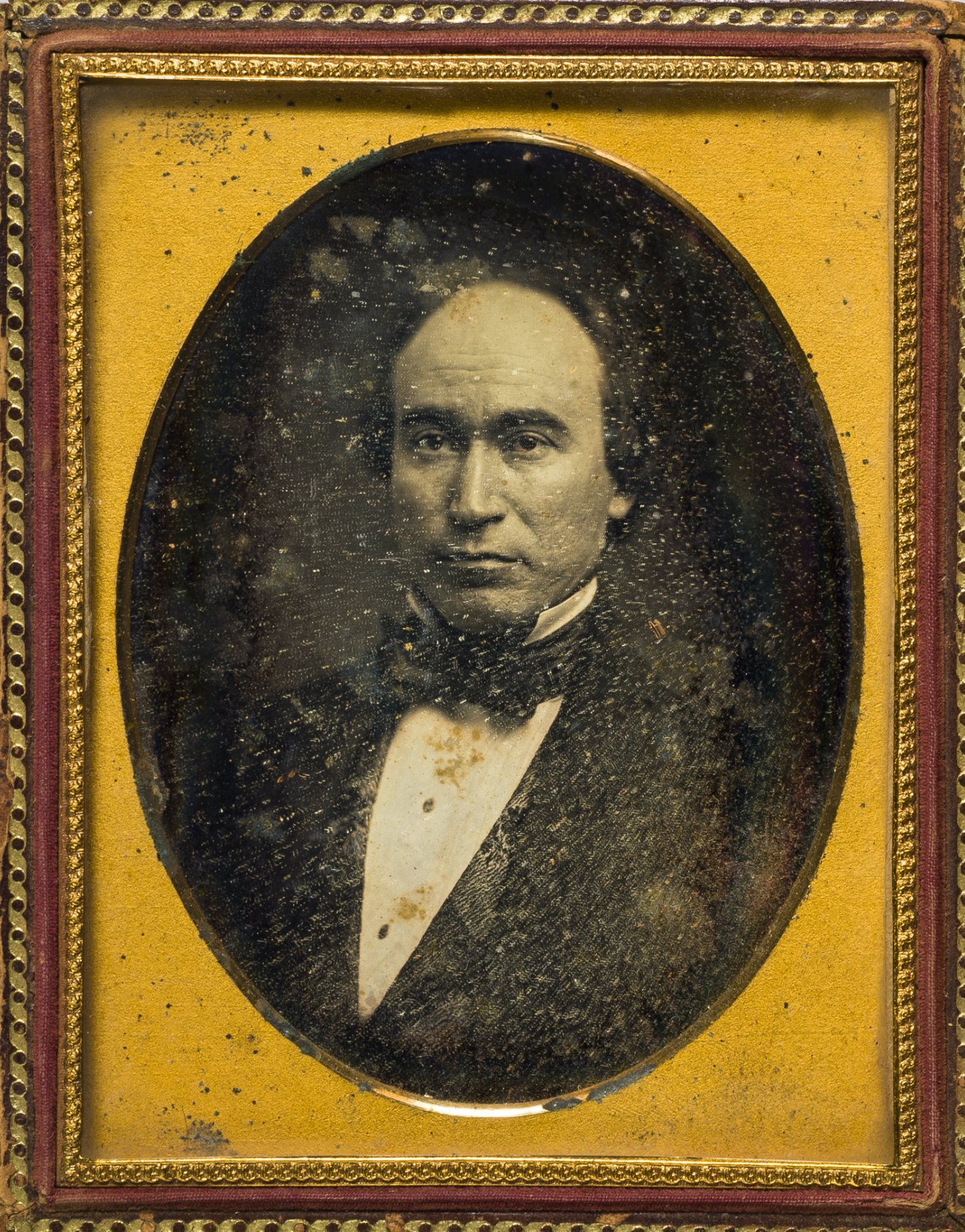
Gould and Fisk had learned to use the courts as a business weapon during their battle for control of the Erie Railroad. In their struggle with Cornelius Vanderbilt, their group sought injunctions, receivership appointments, and other orders from politically connected New York judges, while their opponents answered with legal maneuvers of their own. Conflicting rulings turned a commercial dispute into a demonstration of influence over the judiciary.The same pattern remained important after Black Friday. Judge Albert J. Cardozo was later accused of issuing biased rulings in Gould and Fisk’s favor in lawsuits arising from the gold conspiracy, helping them evade its financial consequences. A court order, a delay, or a favorable interpretation of a contract could be worth almost as much as a political connection in Washington.
Black Friday and the Price of Irresponsibility
Whatever all this may suggest, Wall Street in 1869 was not completely devoid of rules. But those rules were fragmented, enforcement was weak, and access to power could be monetized almost as easily as a share of stock. There was no central bank and no Securities and Exchange Commission, while banks extended credit on the strength of reputation, personal connections, and the belief that any problems could somehow be resolved later. Black Friday revealed just how expensive "later" could become.
The Black Friday of modern popular culture promises lower prices. The Black Friday of 1869 lowered something else: the cost of irresponsibility for those at the top. Gould and Fisk failed to privatize the American dollar, but they successfully passed much of the bill for the attempt on to everyone else. That remains the most enduring lesson of their scheme: when political access and privileged information become commodities, the market price is no longer set by the market alone. Have things changed between the nineteenth and twenty-first centuries? Perhaps, to some extent and in some places. But corruption still rides across the world, with similar schemes following close behind—only now often carrying an additional veneer of institutional legitimacy and normalization.
Sources
- Library of Congress The Gilded Age's Gold Crisis: September 1869's Black Friday https://guides.loc.gov/this-month-in-business-history/september/black-friday
- Federal Reserve Bank of New York Crisis Chronicles: The Gold Panic of 1869, America's First Black Friday https://libertystreeteconomics.newyorkfed.org/2016/01/crisis-chronicles-the-gold-panic-of-1869-americas-first-black-friday/
- Investopedia Black Friday 1869: How a Gold Market Scandal Triggered a Crash https://www.investopedia.com/black-friday-definition-stock-market-crash-5089369
- Library of Congress Life of Thomas Alva Edison https://www.loc.gov/static/collections/edison-company-motion-pictures-and-sound-recordings/articles-and-essays/biography/life-of-thomas-alva-edison.html
- Thomas A. Edison Papers, Rutgers University New York: 1869–1870 https://edison.rutgers.edu/life-of-edison/biographical-essays/education/new-york-1869-1870
- Historical Society of the New York Courts Albert J. Cardozo https://history.nycourts.gov/figure/albert-cardozo/
- New York City Bar Association About Us https://www.nycbar.org/about-us/
- Journal of Law and Religion / Cambridge University Press The First Judge Cardozo: Albert, Father of Benjamin https://www.cambridge.org/core/journals/journal-of-law-and-religion/article/first-judge-cardozo-albert-father-of-benjamin/C8016AE9F14F27D4BD6A77CAC1482ABC
Comments