
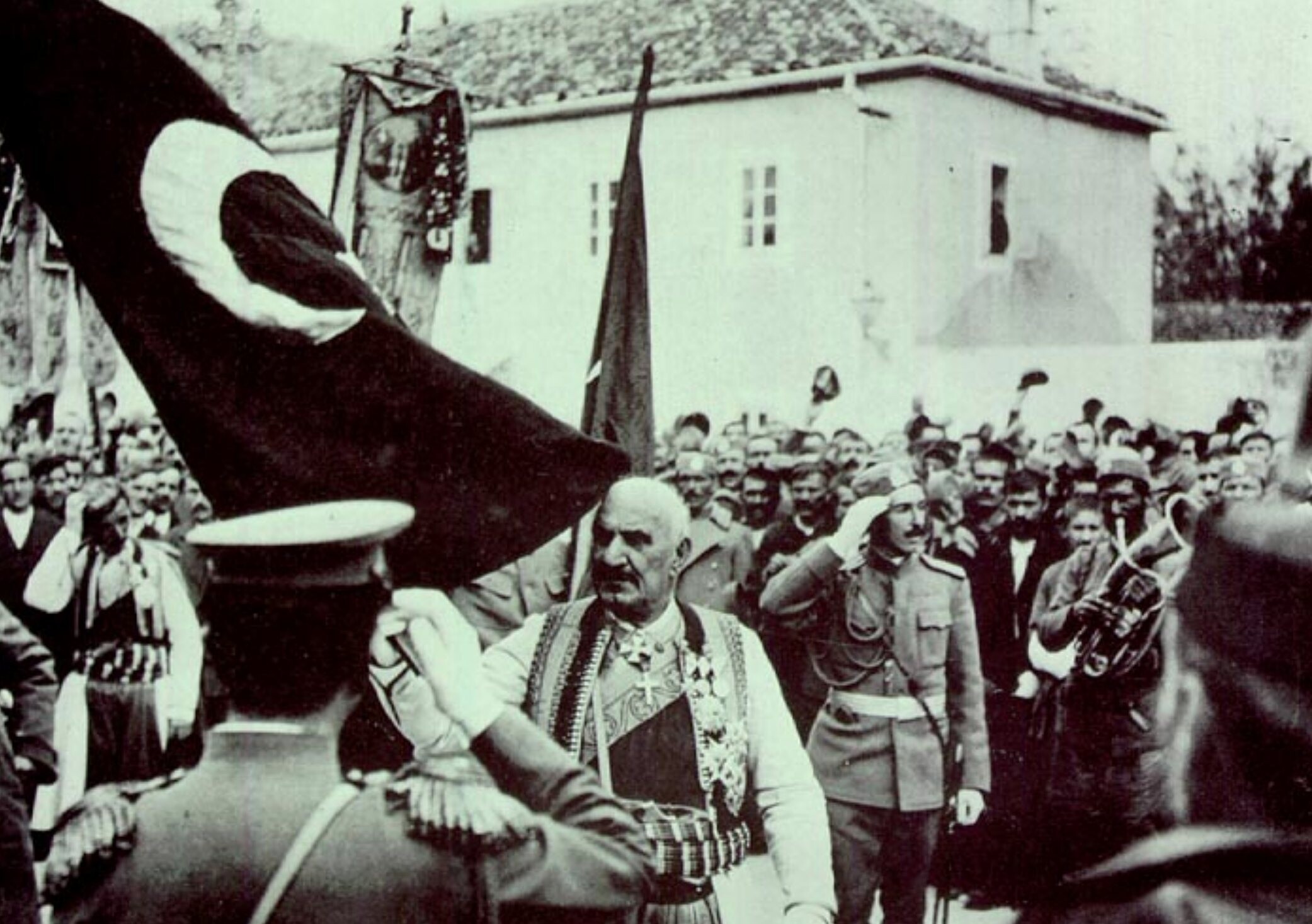
On 8 October 1912, Europe sent the Balkans one of those diplomatic messages that sound powerful until someone decides to ignore them. Austria-Hungary and Russia, speaking on behalf of the six Great Powers, warned the Balkan kingdoms that they would not permit any alteration of the Ottoman Empire’s borders, regardless of the outcome of a possible war. That same day, the smallest member of the Balkan League, Montenegro, declared war. The Great Powers demanded that the map remain unchanged. Cetinje replied that the map would be decided by cannon fire after all.
The following morning, the opening of hostilities was staged almost theatrically. According to contemporary reports, at eight o’clock, twenty-two-year-old Prince Peter Petrović-Njegoš, King Nicholas’s youngest son, fired the first shot at Ottoman positions on the approaches to Tuzi. A military band struck up the royal anthem, while newspapers claimed that the first Ottoman guns had been silenced in just 21 minutes. Some of that may have been wartime propaganda, but the symbolism was unmistakable: a poor kingdom of a quarter of a million people had just opened a war against an empire that still stretched across three continents.
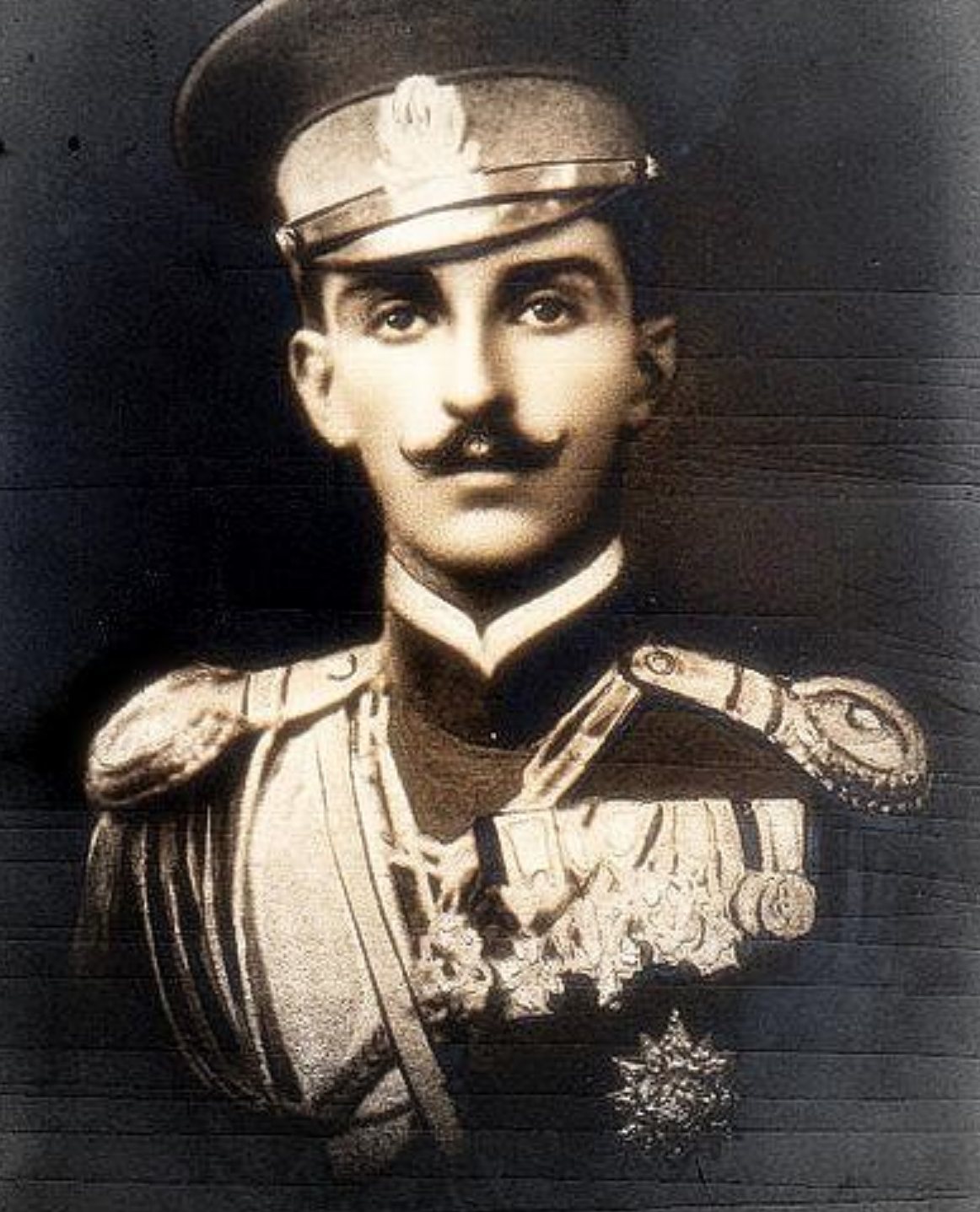
Yet this was not a sudden surge of Montenegrin heroism that dragged the other states into an adventure. Montenegro was the agreed fuse for an explosion that had already been prepared. In secret talks with Bulgaria, it had agreed to initiate the conflict in exchange for financial assistance and a promise that Bulgaria would later enter the war. King Nicholas ultimately found the arrangement convenient. He wanted Shkodër, the Sanjak and territorial expansion towards Metohija, but he also sought political prestige in his rivalry with Serbia. If the question was who would lead the Serbian national cause, the old Petrović dynasty had no intention of quietly surrendering the stage to the Karađorđevićs.
An empire fighting a war as it fell apart
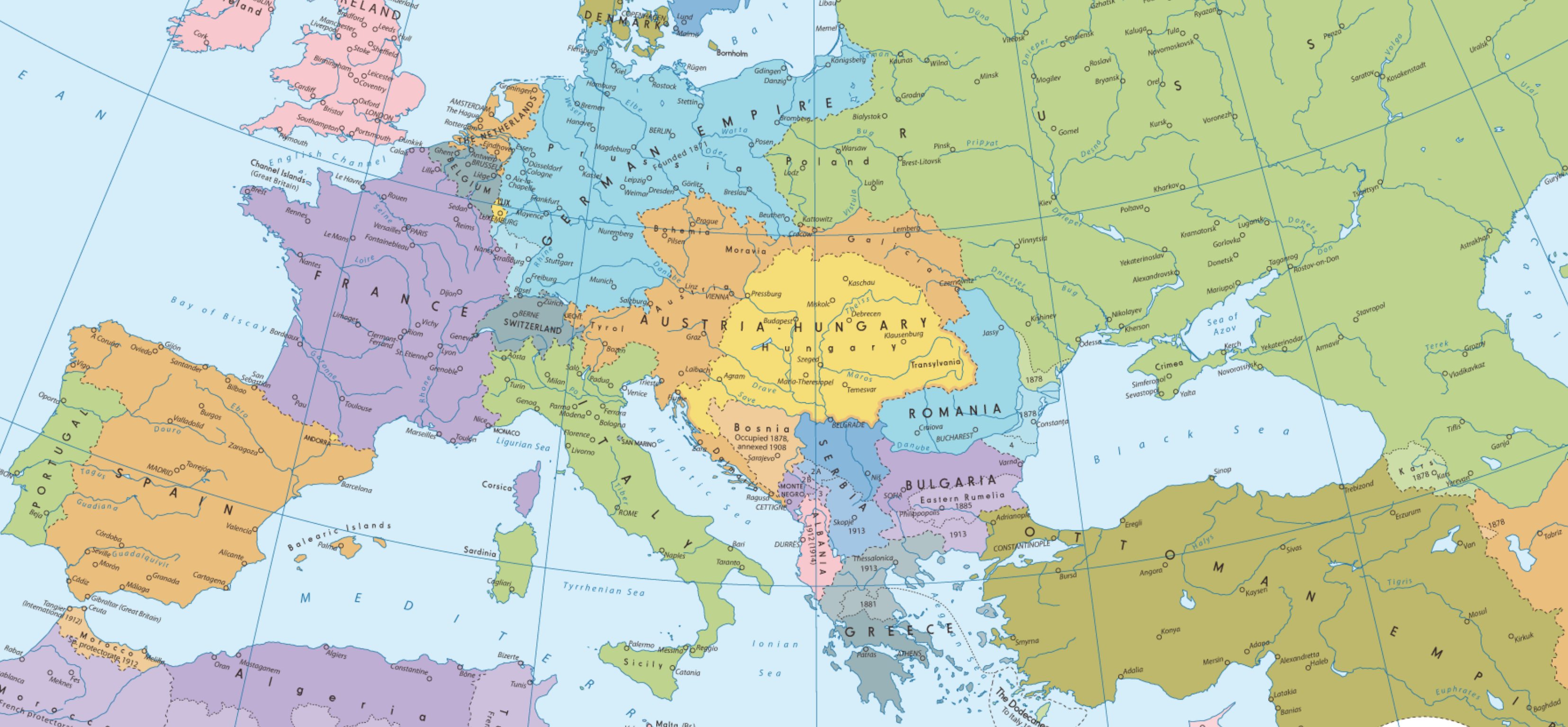
The war is most easily portrayed as the final act in the Ottoman Empire’s centuries-long retreat from Europe. That is partly true, but it does not explain why the war erupted precisely in 1912. Four years earlier, the Young Turk Revolution had restored the constitution and initially raised hopes that the Empire might become a shared state of equal citizens. Instead, it brought political infighting, greater centralisation and another uprising in Albania. In 1908, Austria-Hungary annexed Bosnia and Herzegovina, closing off Serbia’s main avenue of expansion to the west. Italy then attacked Ottoman Libya and occupied the Dodecanese (a Greek island group in the southeastern Aegean Sea, comprising twelve major islands and numerous smaller ones). The Empire was simultaneously fighting a war, reforming its military and trying to retain provinces whose inhabitants placed less and less faith in Constantinople.
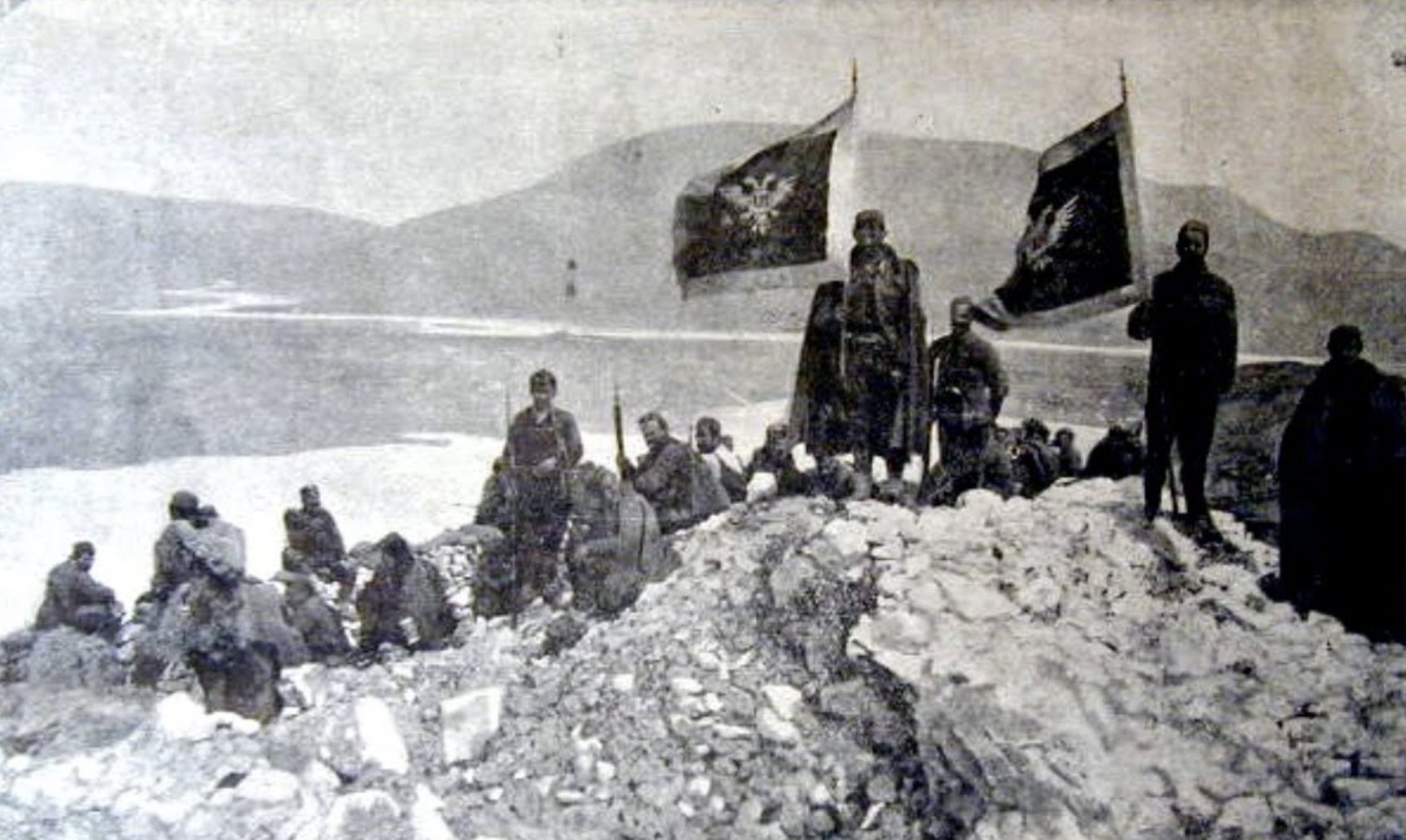
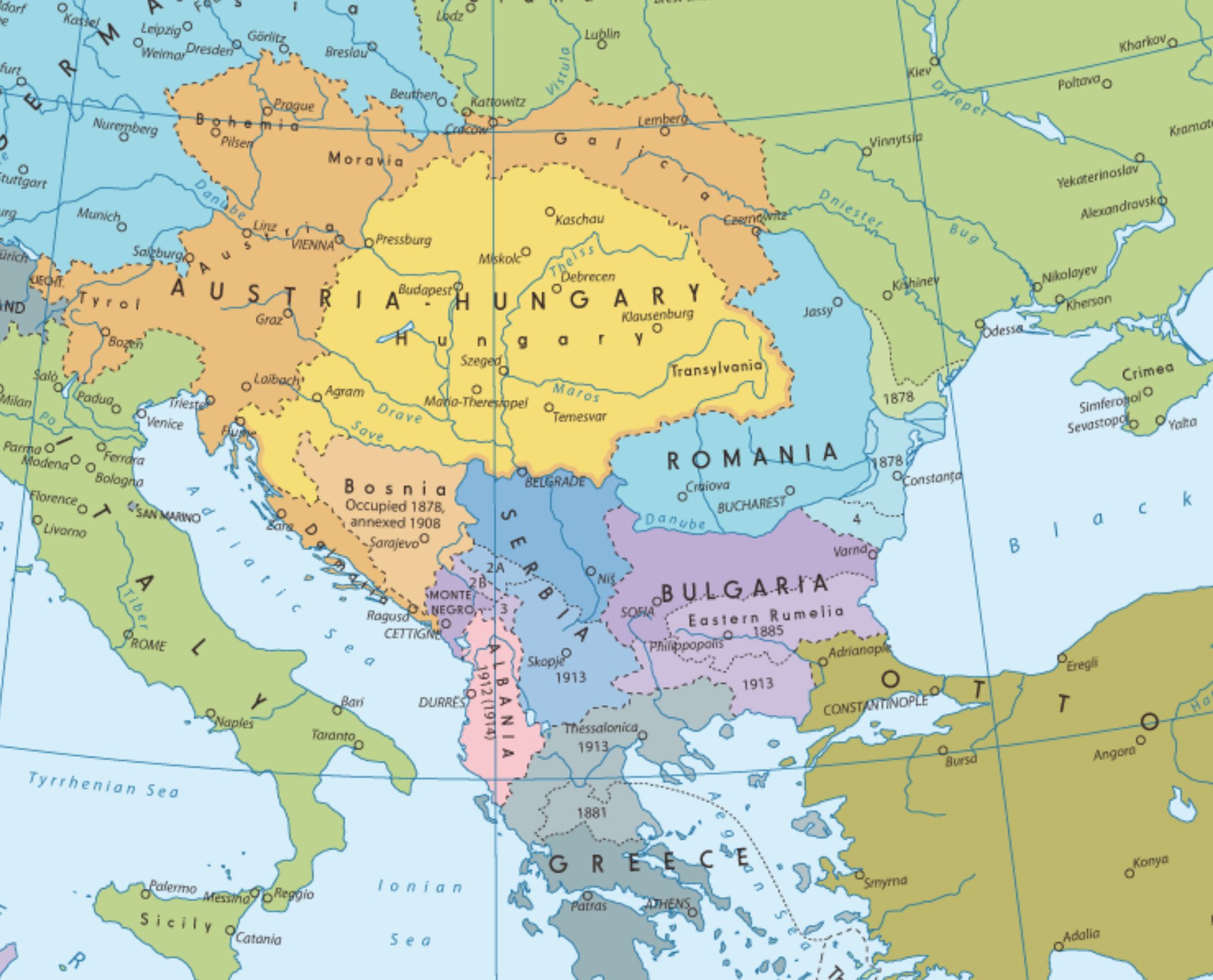
It was at this point that the Balkan League emerged, although the name suggests far more unity than actually existed. There was no single grand treaty, but rather a network of secret agreements. Russia helped bring Serbia and Bulgaria together, hoping to create a bloc capable of containing Austria-Hungary. The Balkan governments, however, had maps of their own. Serbia looked towards Kosovo, Macedonia and the Adriatic. Bulgaria’s greatest ambitions lay in Macedonia and Thrace. Greece wanted Thessaloniki and dominance of the Aegean. Montenegro had its sights set on Shkodër and the Sanjak. This was not a harmonious community of nations, but a temporary suspension of their mutual disputes for as long as they shared a common enemy.
The Allied advance already concealed the next war
Over the next ten days, Serbia, Bulgaria and Greece entered the war. The Ottoman command accepted battle before mobilisation had been completed. Its forces were scattered, transport links were poor and some of its most experienced units were still tied down by the war with Italy. Facing them were armies that were not technologically superior, but which fielded large numbers of men and pursued clearer operational objectives. The Greek navy also sealed off the Aegean, making it harder for the Ottomans to transfer reinforcements from Asia—an advantage easily overlooked on a map of the land campaign.
Bulgaria bore the brunt of the fighting in Thrace. After victories at Kirk Kilisse and Lüleburgaz, its forces reached Çatalca (today Istanbul’s largest district, situated on the European side), the final defensive line before Constantinople. At Kumanovo, Serbia defeated the Ottoman Vardar Army, then captured Skopje and Bitola before reaching the Albanian coast. The Greek army entered Thessaloniki just hours ahead of the Bulgarians, turning the common war into something that already resembled a race between future enemies. The Montenegrins captured Tuzi and advanced through the Sanjak, but committed most of their strength to the long siege of Shkodër.
By early December, Ottoman rule in Europe had been reduced to a handful of besieged cities, Gallipoli and a strip of eastern Thrace behind the Çatalca line. Edirne, Ioannina and Shkodër held out until the spring of 1913, but the strategic collapse had already taken place. In less than two months, the order that the Great Powers had declared immutable on 8 October had disappeared.
In Western European headlines, the war could still be presented as the final romantic uprising of small Christian nations against an ancient empire. On the battlefield, it already looked like the twentieth century. There were mass mobilisations, machine guns, trenches and aircraft conducting reconnaissance. At Çatalca, the Bulgarian advance was halted not only by Ottoman defences but also by exhaustion and cholera.
The first war with eyes in the sky
Just days after the war began, Lieutenants Radul Milkov and Prodan Tarakchiev took off in a German Albatros biplane from an airfield near what is now Svilengrad. On 16 October according to the Bulgarian calendar then in use—or 29 October under the Gregorian calendar—they flew over the Edirne area to reconnoitre Ottoman positions from the air. Milkov kept the fragile aircraft at an altitude of roughly 500 metres while the observer, Tarakchiev, recorded the disposition of the forces below. The aircraft returned riddled with bullet holes, but carrying information that no scout had previously been able to gather so quickly or from such a vantage point.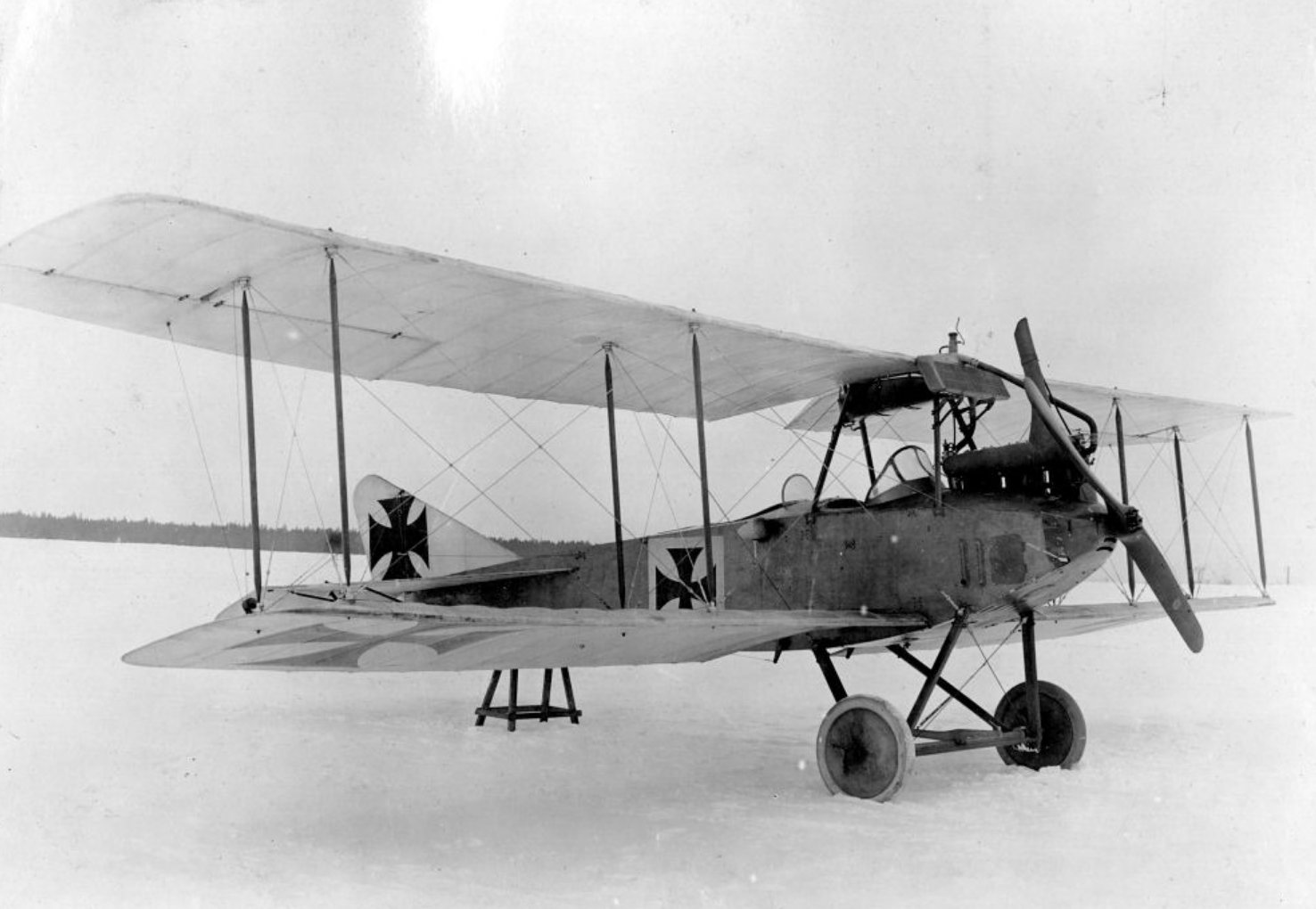
Bulgaria did not remain alone in this new theatre for long. Greece, Serbia and the Ottoman Empire also organised air detachments, primarily for reconnaissance and communications, and occasionally to drop bombs. The Balkan War thus became a kind of laboratory: the value of an aircraft was still measured by the quality of the sketches it could produce of enemy positions, but ground fire, aerial bombing and the struggle for a view from above had already appeared. Two years later, Europe’s armies would turn this experiment into an entirely new branch of industrial warfare.
When one people’s liberation becomes another’s terror
Nor did the word "liberation" mean the same thing to everyone. For many Christian communities, the end of Ottoman rule represented the fulfilment of a long-awaited national ideal. For much of the Muslim and Albanian population, the arrival of the victorious armies meant burned villages, persecution and flight from lands where their families had lived for generations. Atrocities were committed by various armies and irregular units. The subsequent Carnegie Commission documented a world in which the liberation of one’s own people could very easily become the removal of someone else’s.
Trotsky as a war correspondent
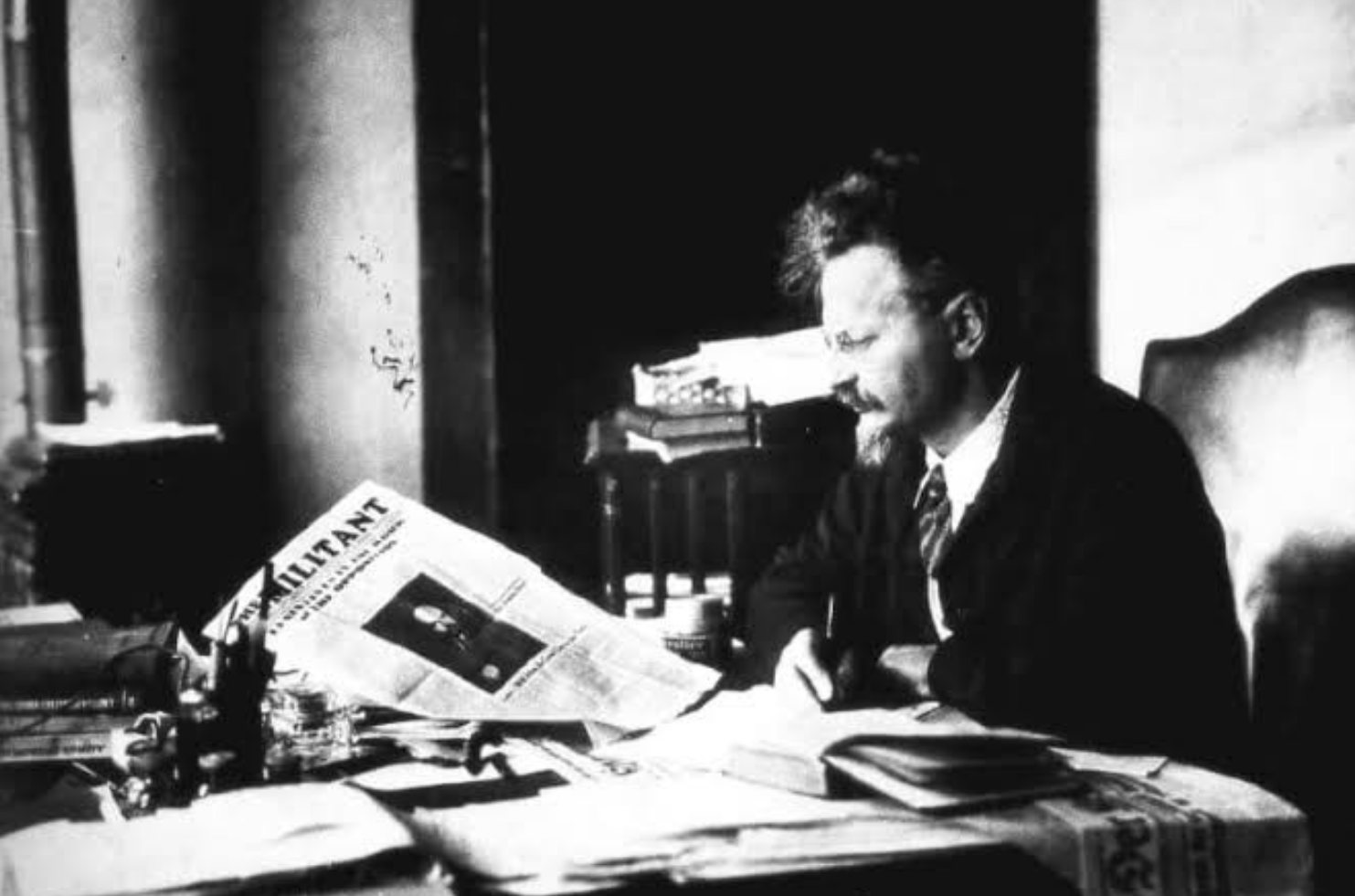
Long before he became one of the leaders of the October Revolution and the founder of the Red Army, Leon Trotsky arrived in the Balkans as a correspondent for the Kyiv newspaper Kievskaya Mysl. He travelled through Serbia, Bulgaria and Romania, speaking with politicians, officers, soldiers and people who had just returned from the battlefield. Military authorities did not always permit him to visit the places he wanted to see, so he also reconstructed the war from eyewitness accounts. That very distance from official headquarters allowed him to look beyond the triumphal communiqués for what wartime propaganda was trying to conceal.Trotsky rejected the Western and Russian portrayal of the Balkan armies as almost romantic liberators. He wrote about violence against Albanians in Macedonia and Kosovo, as well as the killing of wounded and captured Ottoman soldiers. He praised his own newspaper for having the courage to publish a report on Bulgarian atrocities despite the silence of much of the Russian press. His central accusation was simple: national liberation could not serve as a moral licence to loot, expel and murder civilians.
Victors who ran out of common enemies
Montenegro’s story ended with an irony worthy of the war’s opening. Shkodër fell in April 1913 after a siege lasting several months, but the Great Powers had already decided that it must belong to the newly created Albania. Their warships appeared off the Montenegrin coast, and King Nicholas was forced to relinquish the city for which he had sacrificed a large part of his army. The League’s smallest member could start a war and create facts on the ground, but it could not decide for itself which spoils Europe would allow it to keep.
Under the Treaty of London of 30 May, the Ottoman Empire surrendered almost all its remaining territory on the European mainland west of the Enos–Midia line. The victors, however, could not agree on how to divide Macedonia. Serbia had been denied its desired outlet to the Adriatic and consequently demanded greater compensation in the south. Bulgaria insisted that the earlier agreement be honoured, while Greece had no intention of relinquishing the Thessaloniki it had captured. Less than a month later, the former allies attacked one another in the Second Balkan War. The League survived its common enemy only long enough to reveal that this enemy had been the sole force holding it together.
Two years before Sarajevo, the Balkan Wars altered the balance between fear and self-confidence. Serbia emerged larger, more experienced militarily and more attractive to South Slav nationalists within Austria-Hungary. Vienna became increasingly convinced that time was working against it, while Russia grew less willing to retreat once again in the face of Austrian pressure. Prince Peter’s first shell did not travel in a straight line towards Sarajevo for two years—history rarely follows such tidy trajectories. But October 1912 demonstrated that borders could be changed faster than diplomats could draft a new note. In July 1914, Europe’s governments would attempt to apply the same logic to a much larger map.
Sources
- 1914-1918 Online Balkan Wars 1912-1913 https://encyclopedia.1914-1918-online.net/article/balkan-wars-1912-1913/
- EBSCO Research Starters Balkan Wars https://www.ebsco.com/research-starters/diplomacy-and-international-relations/balkan-wars/
- NewspaperSG / Singapore Free Press and Mercantile Advertiser Singapore Free Press And Mercantile Advertiser, 11 October 1912 https://eresources.nlb.gov.sg/newspapers/digitised/issue/singfreepressb19121011-1
- Office of the Historian, U.S. Department of State War between Turkey and Montenegro, Servia, Bulgaria, and Greece; treaty of peace signed at London on May 30, 1913 https://history.state.gov/historicaldocuments/frus1913/ch109
- Bulgarian News Agency (BTA) October 16, 1912: First Reconnaissance Flight in Bulgarian Aviation History https://www.bta.bg/en/news/762137-october-16-1912-first-reconnaissance-flight-in-bulgarian-aviation-history
- Carnegie Endowment for International Peace / Wikimedia Commons Report of the International Commission to Inquire into the Causes and Conduct of the Balkan Wars https://commons.wikimedia.org/wiki/File:Report_of_the_International_commission_to_inquire_into_the_causes_and_conduct_of_the_Balkan_wars_(IA_cu31924011526914).pdf
- Albanian History 1912 | Leo Trotsky: Behind the Curtains of the Balkan Wars https://www.albanianhistory.net/1912_Trotsky/index.html
- Hr?ak The realization of political and territorial objectives of Montenegro's on the eve of and during the First Balkan War: from short-term successes to tragic consequences https://hrcak.srce.hr/347384
Comments