
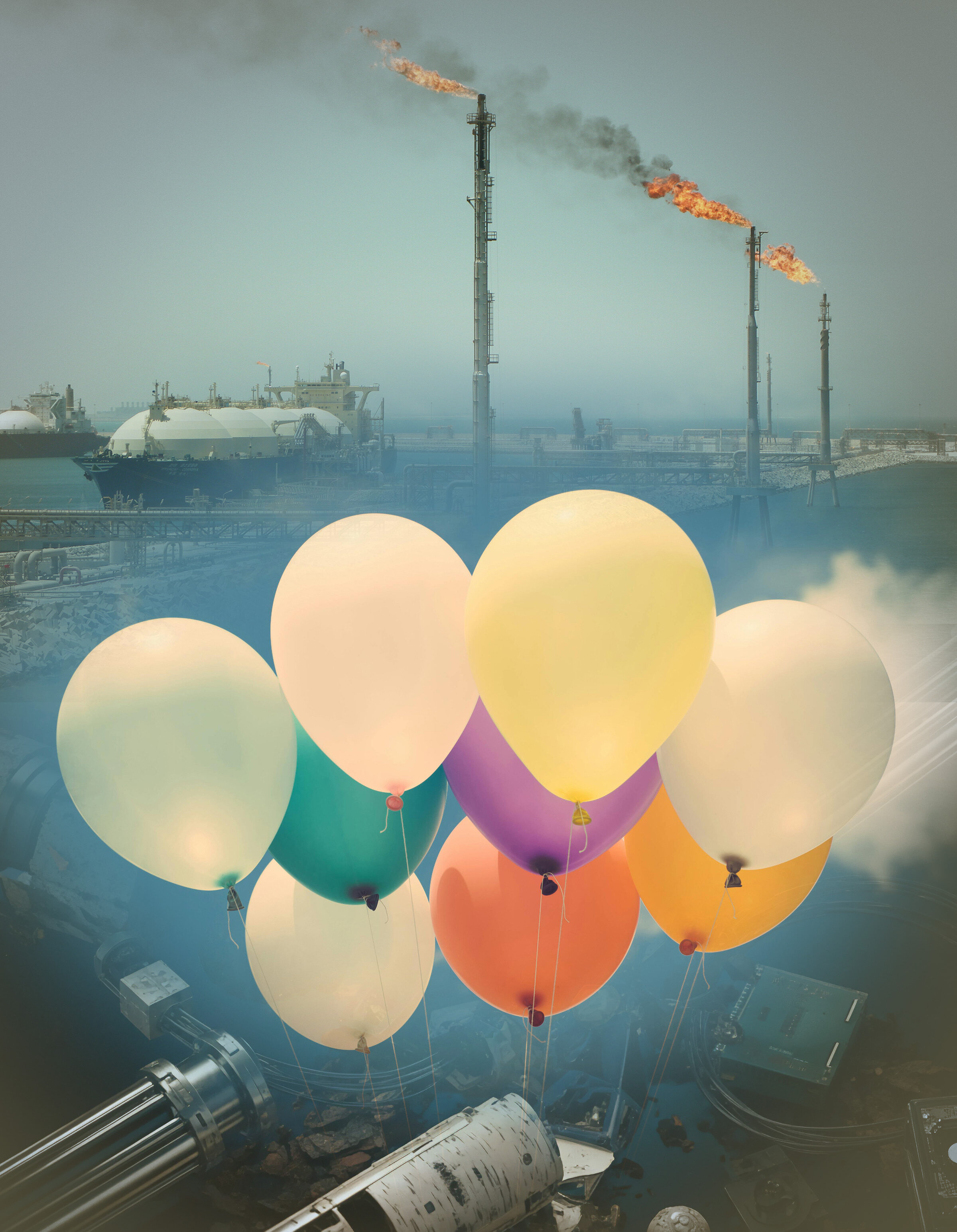
For weeks now, we have been talking about the blockade of Hormuz, and in that context the focus has primarily been on oil and the wild swings in its price. It is time to broaden this uncomfortable discussion. We need to talk about helium. Helium is a gas rarely mentioned in the media; most people associate it with colorful carnival balloons for children, but it is also a gas without which chip production slows down, laboratories cannot function, and a large part of modern medicine and advanced technology is kept running. Moreover, it is a raw material produced in only a small number of countries and transported along the very route we have been following every day since February 28.
The market is small, supply is concentrated, logistics are slow and technically demanding, and substitute sources are growing far more slowly than industry needs. Why is helium so indispensable? What happens when the helium crisis now inflating like a balloon is felt globally? Today we will try to address all these points, because perhaps as early as tomorrow we will be living them.
The Gas That Disappears in Silence
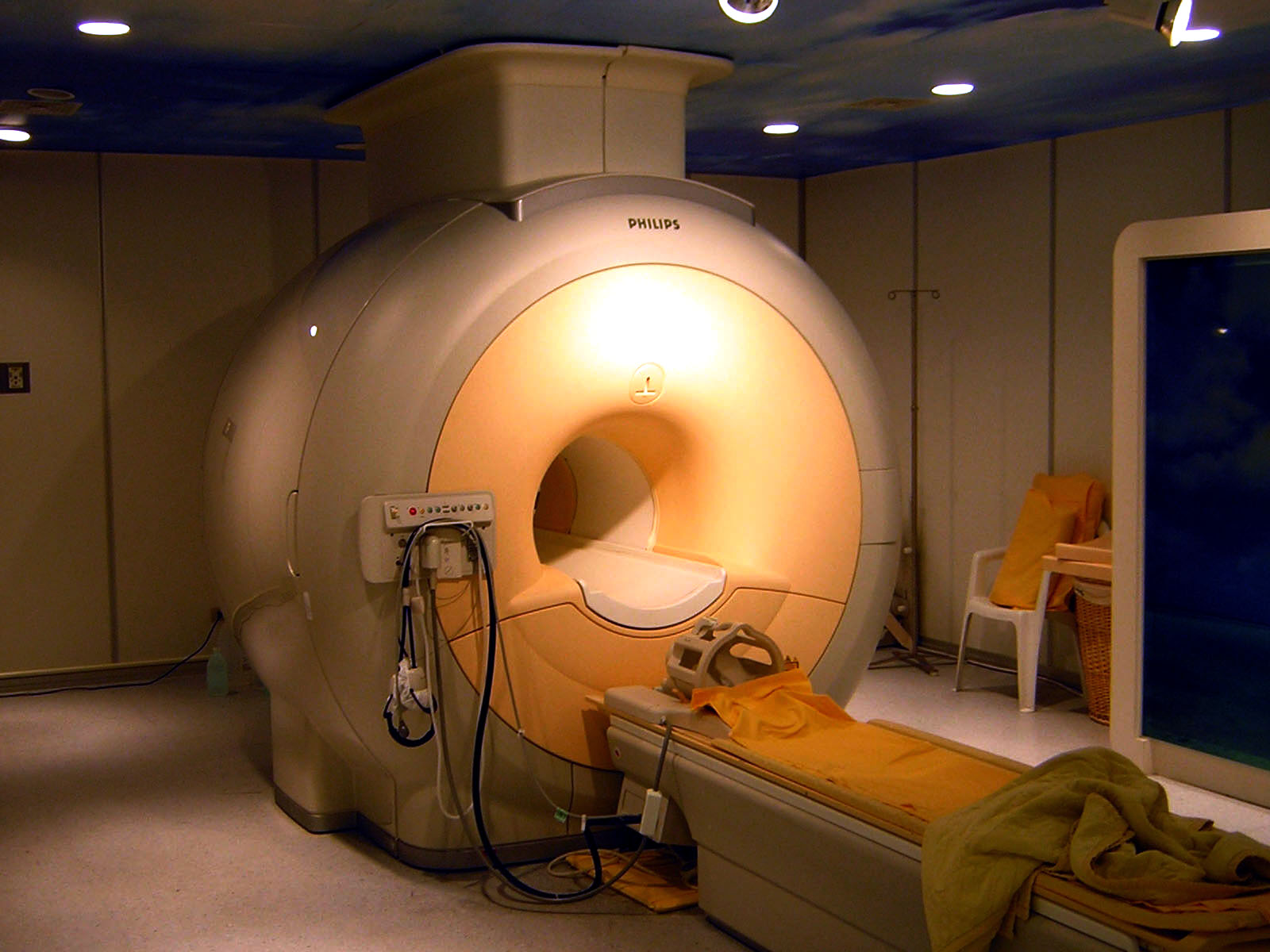
Its real importance lies deep in the heart of modern technology. It cools superconducting magnets in MRI machines, enables the operation of a range of cryogenic systems, participates in semiconductor production, helps detect microscopic leaks, and creates inert atmospheres where even the smallest chemical reaction can destroy an entire production process.
Its uniqueness begins in the nature of the element itself. On Earth, helium forms very slowly through the decay of radioactive elements in the crust, then becomes trapped over immense geological periods in certain gas reservoirs. Once it leaves that system, its path often leads into the atmosphere and then further into space. That is why helium behaves, on a human timescale, as a fairly limited resource. Every lost cubic meter raises the question of how much of such reserves remains underground and how quickly they can be brought to market.
Its physical properties give it strategic weight. Its boiling point is around -269 degrees Celsius, making it irreplaceable in low-temperature applications. That is where the real story of helium begins. Without it, there is no stable cooling for numerous uses, and modern industry has long lived as if this gas would always be available.
Ras Laffan and Qatar’s Factory of Cold
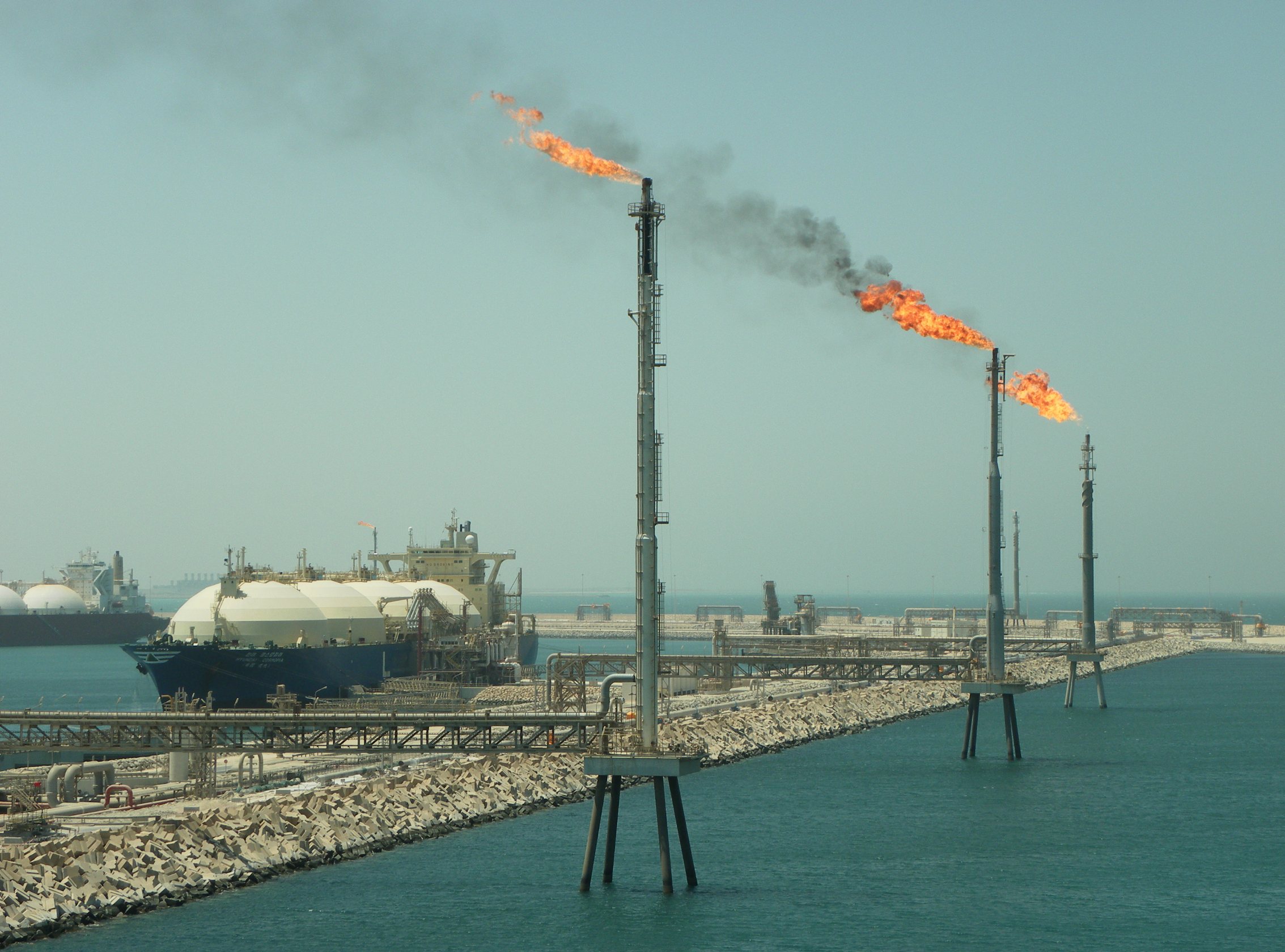
To understand why Hormuz matters so much for helium, we need to return once more to the Qatari coast and the industrial complex of Ras Laffan. There, helium emerges as a byproduct of a vast gas system. Its share in natural gas is small, just a trace within a large mass of hydrocarbons. And precisely because of that, enormous fields and huge facilities are needed for that "trace" to become commercially important. Qatar has them. Its gas fields and LNG infrastructure give it an important place among the world’s key helium suppliers.
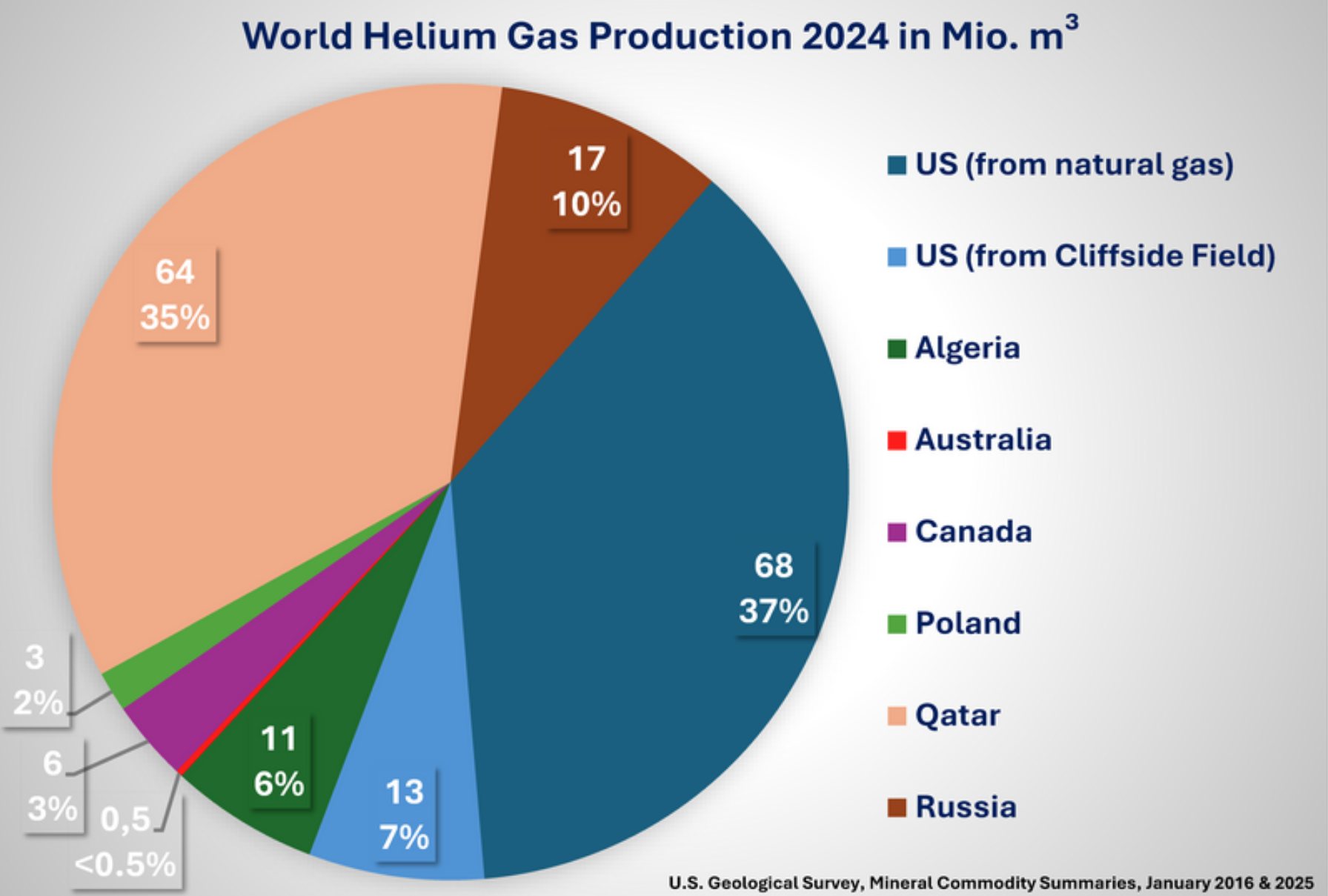
In 2025, Qatari production stood at around 63 million cubic meters, placing it very close to one third of global production by volume. That is a figure that changes the meaning of the term chokepoint.
The Qatari model carries another important feature that is immediately clear to everyone. When the gas process is running, helium is separated, purified and liquefied. When energy infrastructure is hit, helium is hit at the same time. In the current crisis, this connection has been exposed with full force. Damage to Qatari energy facilities has knocked out around 17% of LNG capacity, and with it helium exports have fallen as well, by an estimated 14%.
Hormuz as a Chokepoint for the Entire Planet
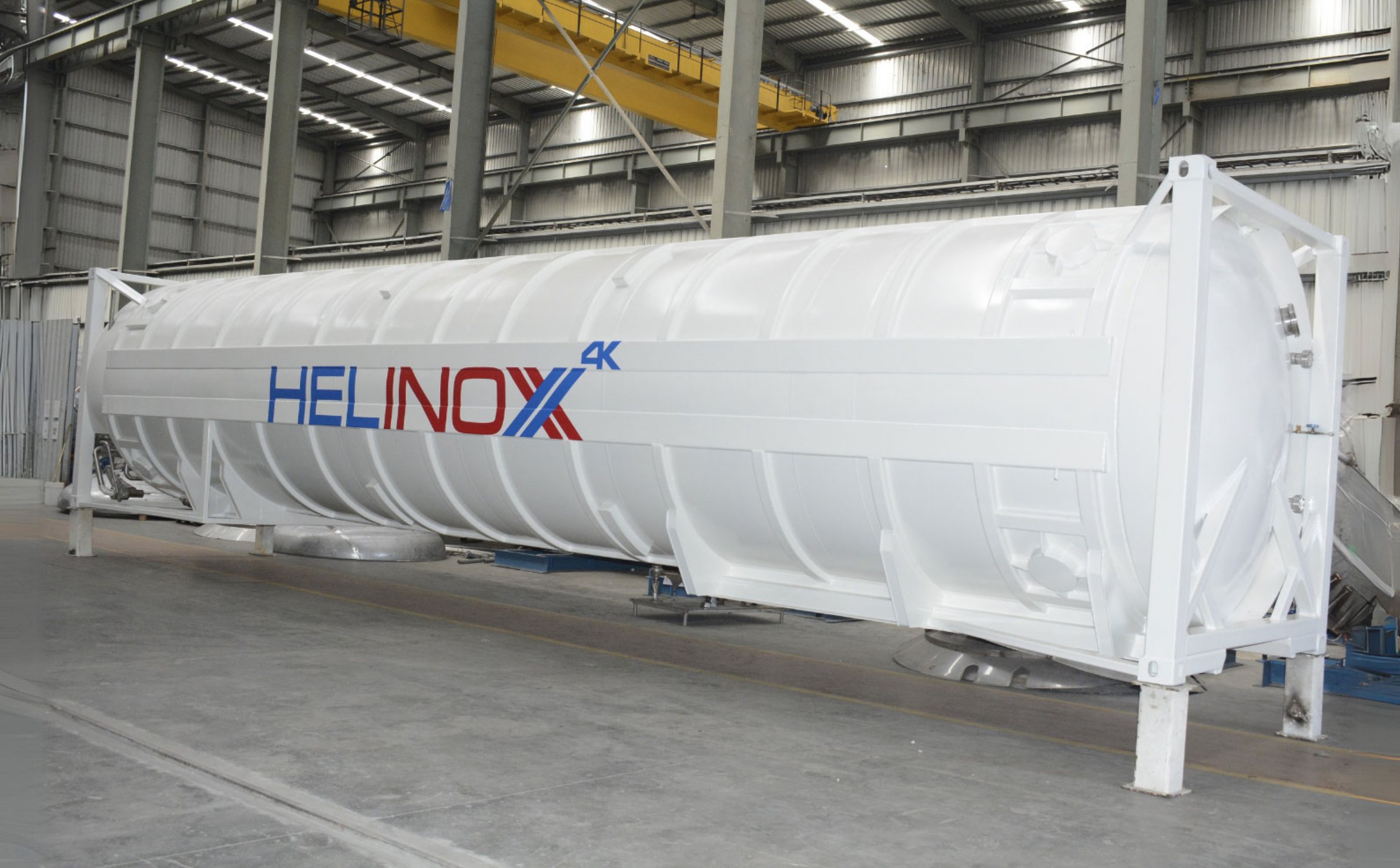
Qatari helium begins its journey to buyers in a specialized logistics chain that is far more sensitive than ordinary commodity flows. After separation and liquefaction, it is loaded into super-insulated ISO containers and sent toward transfill centers and major industrial customers. That journey requires precise temperatures, careful handling, a small number of available containers, and the orderly return of empty units back into the production system.
The Strait of Hormuz is the gate through which Qatari helium leaves the Persian Gulf for the world. This applies to deliveries to Asia, but also to European buyers reached through routes leading toward the Red Sea and the Suez Canal.
History has already offered a warning. During the Qatar crisis of 2017, helium plants were shut down and improvised bypass routes through Oman were used. Back then, regional logistics could still look for side routes. Today, of course, the problem lies at the very exit from the Gulf.
The very nature of the helium market gives the story additional weight. The oil world has large volumes, a wide network of producers and a much deeper market. Helium moves through a small number of sources, a small number of major distributors and a limited amount of specialized equipment. Long-term contracts dominate over spot trading, so every crisis immediately spills into prices, priorities and allocation much faster than the public expects. That is why several days of disruption in Hormuz matter more for helium than much longer periods of stress do for many other commodities, including oil.
Who Lives on Helium
The best way to explain helium’s strategic weight is through the people who use it every day and are rarely mentioned. A radiologist operating an MRI machine, an engineer in a semiconductor plant, a laboratory technician maintaining an NMR spectrometer and a specialist testing the tightness of high-vacuum equipment all share the same raw-material dependence. Their worlds seem distant from one another, but they are connected by the same colorless gas.
Healthcare stands high on that ladder of dependence. A large share of existing MRI equipment still relies on helium to keep magnets in a superconducting state. Newer machines with lower consumption and more closed systems offer a path toward greater resilience, but the huge installed base of older and conventional systems remains dependent on regular and secure supply. When prices rise and volumes tighten, hospitals feel it quickly, especially in countries without large strategic reserves.
Semiconductors form the second major block of demand. South Korea imports a significant share of its helium from Qatar, around 65% according to industry estimates. During this crisis, Samsung and SK Hynix have already been securing additional quantities and paying premiums to preserve supply security. In Taiwan, industrial gas suppliers have begun reallocating volumes to protect the most important customers in the chip sector, including the network that serves the giant TSMC.
Then there are the space industry, optical fibers, highly sensitive laboratories, specialized welding processes, diving and a whole range of niches that together form a complex technological ecosystem. When a shortage arrives, priorities are quickly arranged. Medicine and aerospace enter among the first protected categories. Less important and less critical uses are the first to lose access to volumes. Party balloons thus become the symbol of the first phase of cuts, while the real pressure slowly moves toward hospitals, factories and research centers.
What a World Running Out of Helium Looks Like
A world without helium looks like a long series of quiet failures. In the first weeks, everything on the surface still appears under control, while tension grows beneath in every segment of the chain.
If the crisis lasts for several months, the consequences move deeper into production and services. The price of helium rises, the market becomes nervous, and delivery times grow longer.
If the shortage were to last a year or longer, the matter becomes even more serious. In such a scenario, diagnostics and electronics become more expensive, research slows down, and pressure grows on countries already dependent on imports. An additional burden also comes from geopolitical decisions outside the Gulf. Russian export controls introduced this month are narrowing the room for maneuver in the global market.
In a major crisis, the world tries to build defenses. Closed helium recycling systems become important in hospitals and laboratories. MRI machines using smaller quantities of helium are being developed, and in some places concepts based on almost closed inventories are emerging. New facilities are opening or being developed in the United States, Canada and South Africa, while engineers are working on membrane and adsorption technologies that could increase recovery from smaller volumes. All of this helps, but the pace of adaptation is measured in years, while crises arrive in days.
The Geopolitics of an Invisible Resource
The Hormuz crisis over helium further opens the map of power in the 21st century. Strategic resources are no longer measured only in barrels and cubic meters of gas that heat homes. They are also measured in gases that sustain the precision of modern technology.
On that map, Qatar, the United States, Algeria and Russia form the core of supply, each with its own advantages and its own political burden. The United States still has a strong production and storage position, but an important change has taken place there as well. The federal helium system was sold to a private buyer in June 2024, meaning that part of the former public shock absorber has moved into market logic. Private storage and commercial contracts are taking on a greater share of the stabilization burden. In Texas, a major helium storage facility in Beaumont came online in 2025, one of only three such facilities in the world.
Helium thus becomes a powerful case study of a world in which technological power rests on narrow and often invisible supply pipes. We forget that software, artificial intelligence, quantum experiments and advanced medicine all depend on very material conditions. They need deeply drilled reservoirs, cryogenic plants, special containers, secure maritime passages and political stability at key geographical points.
Of course, this is one segment of a story that fits all the others: oil, gas, fertilizer... all of it requires passage through the Persian Gulf. And what does that tell us? That the crisis handed to us by Trump and Netanyahu will not be merely "energy-related". It is far broader than many perceive today. Once all the elements are connected, it strikes fully at "our way of life", often through processes we barely think about in practice.
Comments