

The word "cloud" is one of the great marketing victories of the digital age. It sounds light, clean, detached from the ground and liberated from material constraints. It carries no association with the noise of cooling systems, power lines, concrete halls, water consumption, or land that will one day be turned into an industrial zone and never return to its previous state. Language has played a crucial role in making the public perceive digital infrastructure almost metaphysically, as something floating above ordinary life.
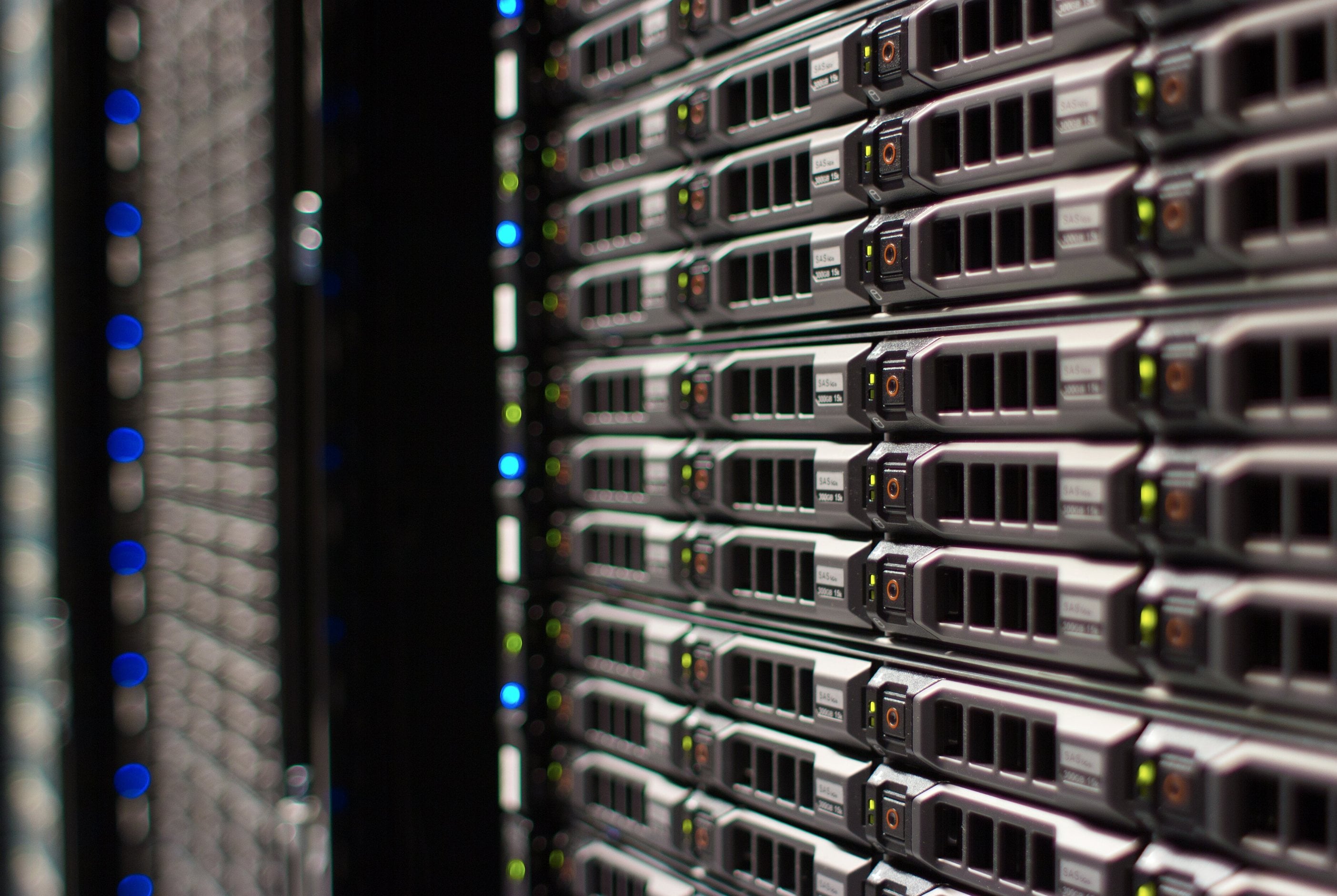
Reality, of course, is very different and much heavier. A data center - a term some people, by accident and because of rather distorted ideas, are only now encountering - is in practice a large industrial facility. It contains servers, battery systems, cooling equipment, electrical installations and backup generators. The larger the facility, the more aggressive its presence becomes in physical space. It connects to the power grid, requires water or other forms of cooling, demands security corridors, new roads, access systems and constant protection. Although public presentations often portray it as a symbol of technological progress, in physical terms it is really a combination of a power plant, a warehouse and a security complex.
Those who at least roughly know what a data center is probably also know that the development of artificial intelligence has dramatically changed the scale of the entire industry. Earlier data centers supported websites, applications, data storage and communication systems. The new wave of facilities built for AI computing requires far more powerful processors, larger servers, more serious cooling systems and - crucially, though not as the only problem - vastly greater amounts of electricity. Artificial intelligence models are trained and run on equipment that consumes enormous resources, while the major technology players have entered a race in which computing power itself is being turned into a strategic advantage (as we have already written about extensively: Computing power is the oil of the 21st century - an essential resource being accumulated while pushing late-moving states into unprecedented dependence).
In that race, local communities - which often means small states - are frequently cast in the role of passive hosts. They are presented with an investment figure, promised "technological prestige" and told that their country or region will be placed on the world's digital map. Far less often is the same clarity applied to total electricity consumption, connection costs, long-term pressure on the grid, the water balance, tax breaks, which are often unavoidable and indeed determine where the next data center will appear, the real number of jobs, and the end users of the infrastructure. The public hears stories about "the future", while behind the scenes megawatts and subsidies are already being calculated.
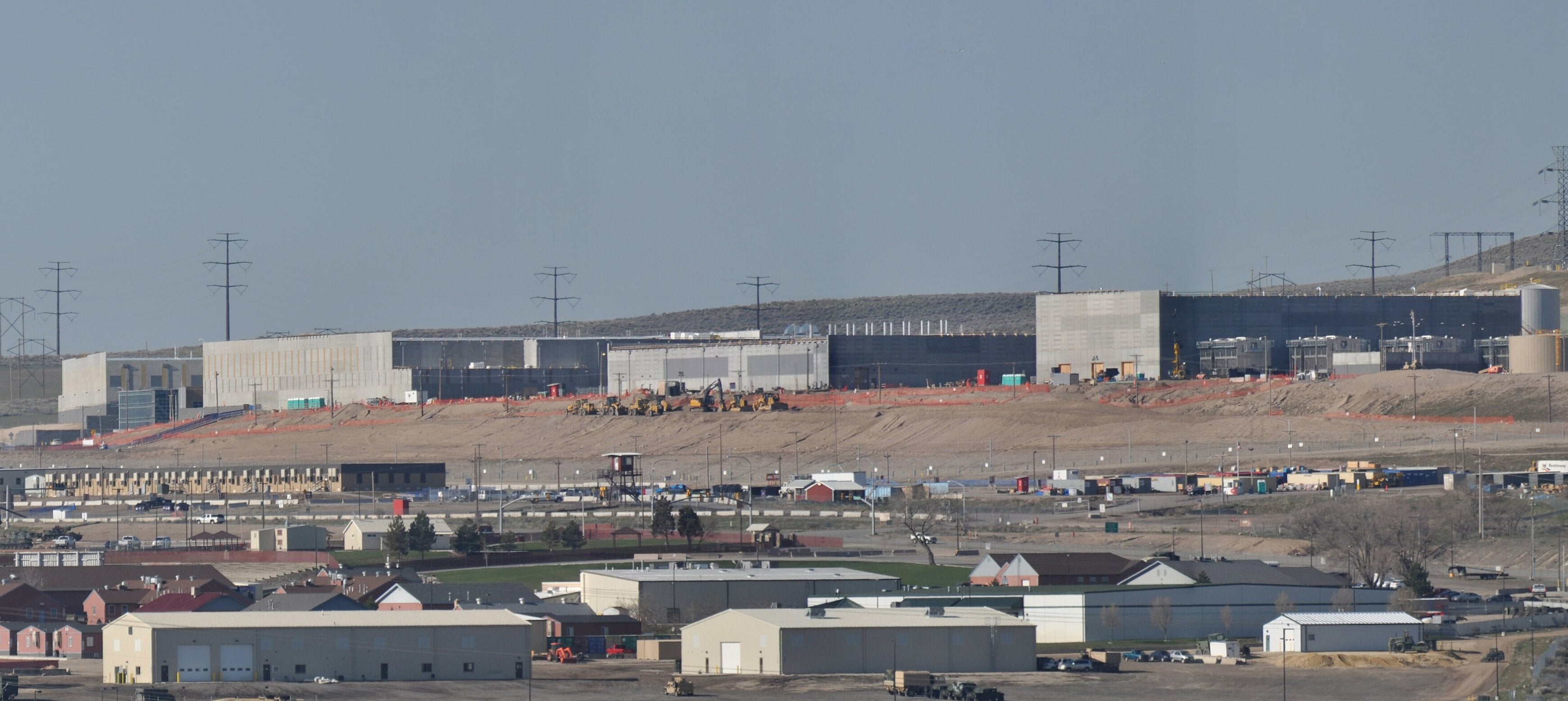
Data centers are one of the most important infrastructure issues of our time, while the public is, to put it conservatively, deeply uninformed about this new period. Local communities are being pulled into a global race whose meaning they often barely understand.
To be clear, digital infrastructure has real importance for modern society. Banks, hospitals, transport, public administration, communications and the economy depend on data systems. That fact is often used as an argument for every new expansion of the sector. And precisely because of that, the public urgently needs to understand what is what - because there is an enormous difference between the necessary infrastructure of society and megaprojects shaped primarily by the interests of the largest technology corporations, financial funds, the AI industry and state security systems.
An Investment Without the People
When a large data center is announced to a local community, the first sentence almost always concerns the investment. Without exception. The numbers are large, often spectacular. Hundreds of millions, often billions of euros or dollars. Politicians gladly stand before cameras beside investor representatives, speaking of "trust", innovation, new jobs and "entering the digital age". In such moments, the sheer size of the investment becomes a political argument. As a rule, the larger the amount, the less people discuss whom the investment actually serves. It is a political deception and, unfortunately, it works far too often.
Let us start with the facts. Data centers are capital-intensive infrastructure, but rather modest when it comes to labor. During construction they can create work for building companies, electricians, logistics firms and equipment suppliers. But that wave lasts for a limited time. Once construction is complete, what remains is a facility requiring a high level of technical supervision, but relatively few permanent employees in relation to its surface area, energy consumption and the value of the capital housed inside it. Compared with classic industrial production, the ratio between money invested and long-term jobs is often exceptionally unfavorable for the local community.
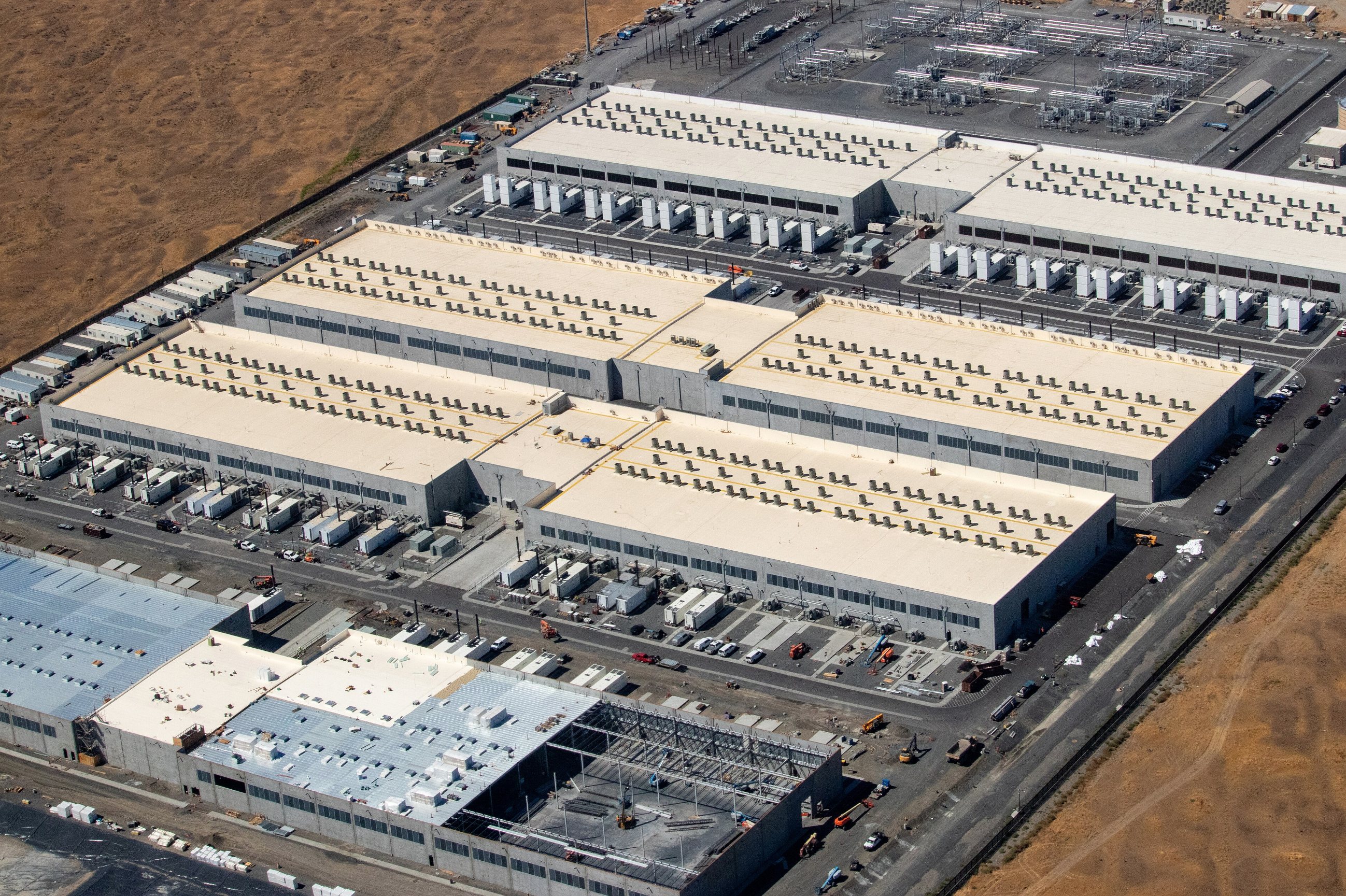
The U.S. state of Northern Virginia, the world's largest data center cluster, offers a clear example of this dynamic. The region has become a global hub of internet infrastructure, with a huge number of facilities and significant fiscal benefits for some local budgets. At the same time, local debates are increasingly marked by pressure on the power grid, unbearable noise, land use, rising land prices and the question of tax incentives. In the public balance sheet of this industry, one side displays billions in investment, while the other shows that lasting social benefit remains far smaller than the political promise.
Jobs function as the most common bait. Almost every large project comes with estimates of hundreds or thousands of positions, but those figures often include the temporary construction phase and indirect effects. Once the calculation is reduced to permanent, local and long-term jobs, everything suddenly becomes far more modest. A community that gives up land and natural resources may end up with a few dozen or a few hundred jobs, while most of the value is extracted through ownership structures, "cloud" services and global contracts.
Tax breaks further alter the equation. Many jurisdictions compete to attract data centers by exempting them from taxes on equipment, sales, real estate or energy. The official logic is that "without incentives, the investor will go elsewhere". In this way, local communities are literally pushed into a race to the bottom, where ever greater resources are offered on ever more favorable terms to capital. When the data is examined carefully, it often becomes clear that the public sector assumes a substantial share of indirect costs while private actors secure control over the most profitable segments of the digital economy.
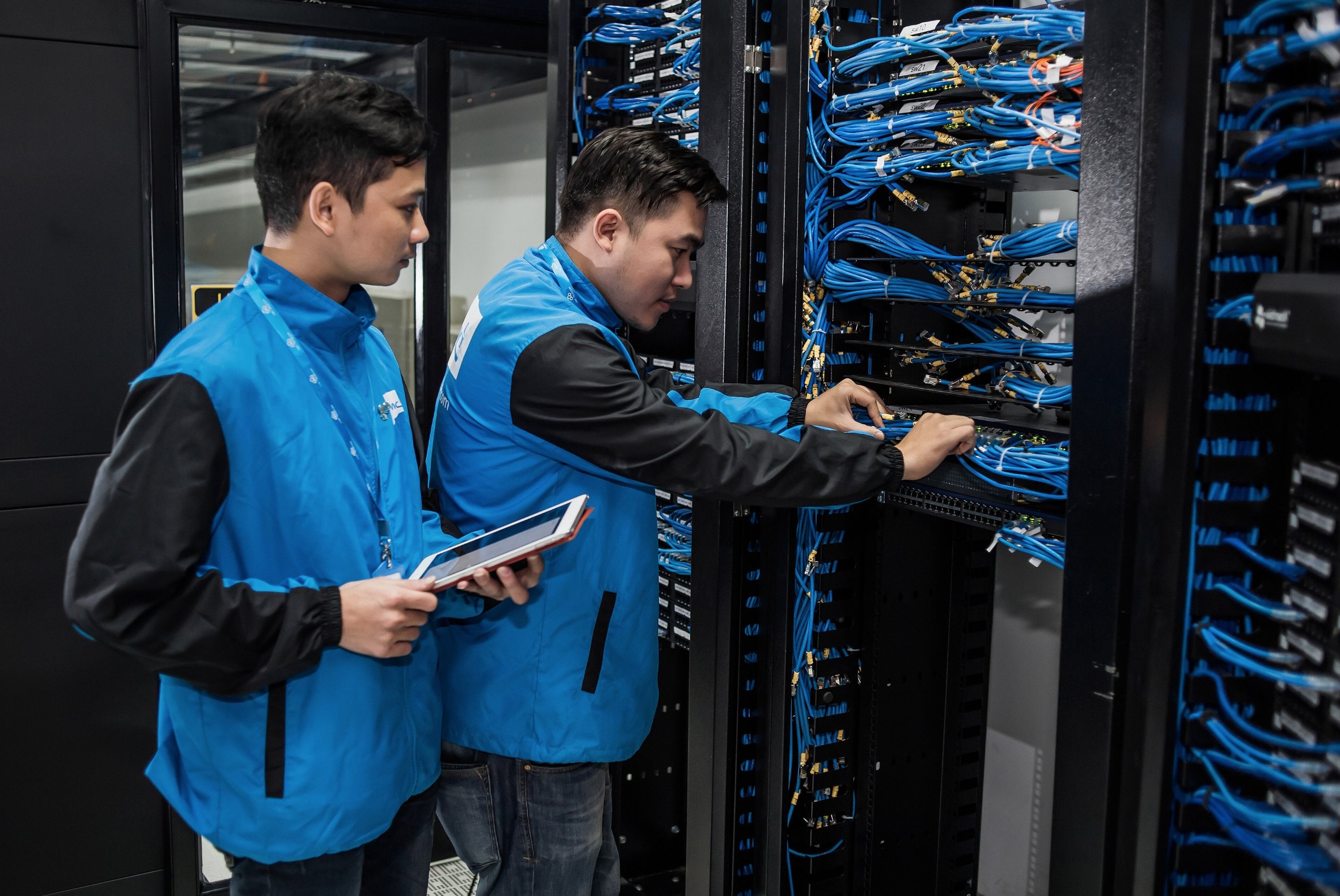
In that sense, the data center resembles a new version of an old industrial pattern. Once, communities were promised factories, mass employment and modernization. Today, they are promised a digital hub, an AI ecosystem and a place on the "map of the future". The difference is that digital infrastructure demands enormous resources while giving human labor only a limited role. The automated heart of the facility works for distant users, companies and centers of decision-making. In other words, precisely because of the development of AI, however many real people are employed today, that number may already be cut in half tomorrow.
The Bill That Lands on the Neighbors
The greatest material problem with data centers lies in electricity. A large facility can consume as much power as a small, or even a large, city. A cluster of several facilities can change the energy balance of an entire region. AI centers increase the pressure further because the machines that train or run large models require continuous and reliable energy supply.
The power grid is planned in advance according to the needs of the entire system. When a consumer the size of a major industrial complex enters that system, it requires reinforcements, substations, transmission lines, connections, backup capacity and load management. All of this has a price. The investor may pay part of the direct connection cost, but the broader systemic cost often spills over into grid tariffs, consumer bills or public investment. A household that will never receive any benefit whatsoever from a particular data center may still help finance the grid that this facility burdens.
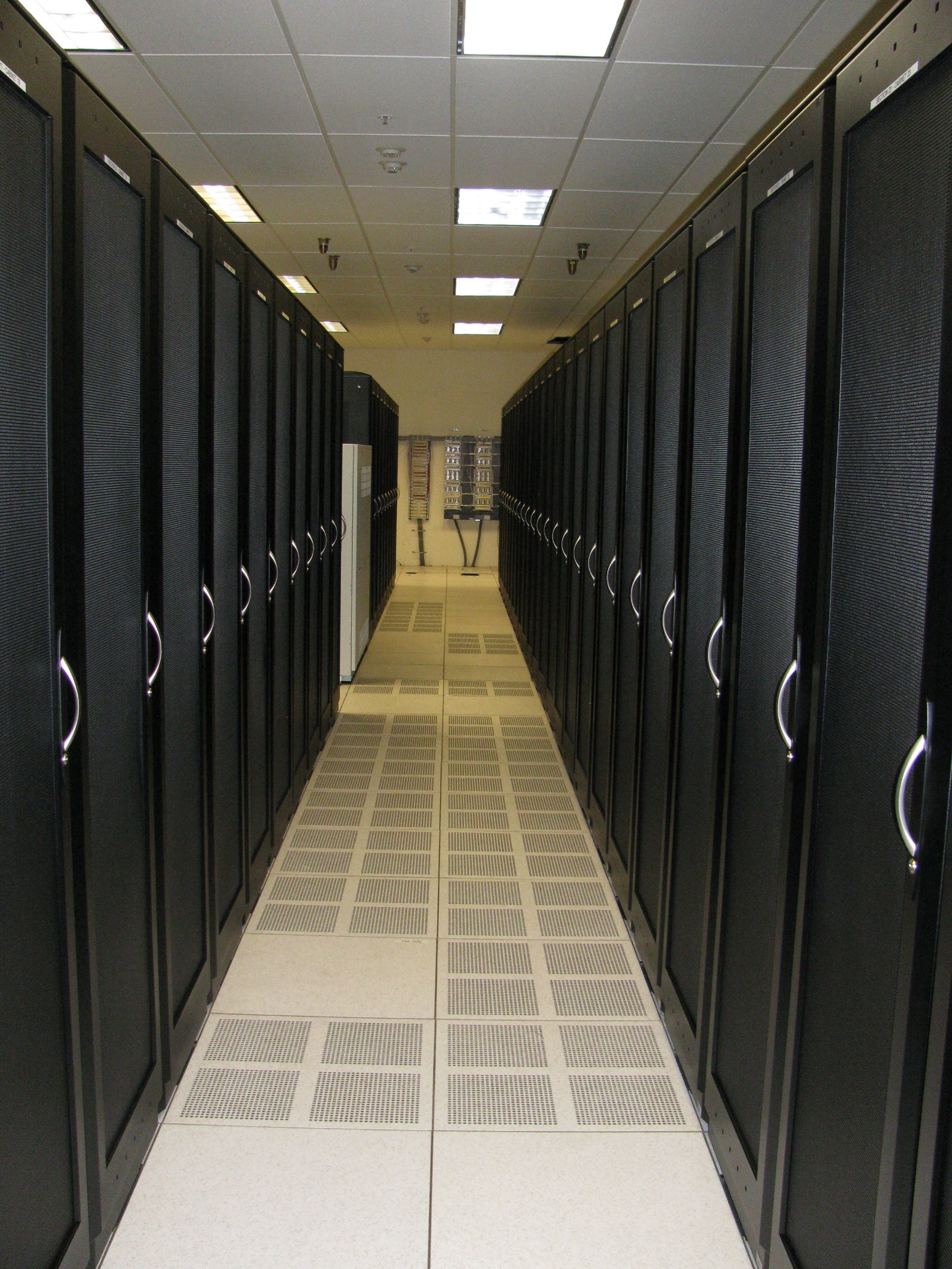
Ireland has become one of the best-known examples. Data centers there have grown to the point where they consume roughly one fifth of national electricity. In a small country, such a share has serious consequences for energy policy. Every new large connection raises questions about whether the grid can withstand it, whether additional capacity will have to be built, how climate targets will be met, or whether they will be abandoned in favor of capital, and who will pay for the stability of the system. The Irish experience shows exactly what happens when digital infrastructure moves from the category of sectoral development into the category of a national energy problem.
The American PJM region, one of the largest electricity markets in the world, also shows how growing demand from data centers affects capacity prices. When greater consumption and a greater need for reliable reserves are expected, the entire system becomes more expensive. This is later passed on to end consumers through their bills. A technology company may announce that it is buying renewable energy or signing a green power agreement, but the grid must still ensure physical stability every hour of every day, including at night, in winter, during heatwaves and in periods of weaker wind or solar production.
Particularly problematic is the way the term "green energy" is used in public presentations. Large technology companies often emphasize that their operations are "carbon neutral" or that they purchase renewable energy. Such claims may be based on certificates, power purchase agreements or offsets. Yet the local electricity system operates according to physical laws, not marketing spreadsheets. If a data center requires stable supply 24 hours a day, the grid must have the capacity to keep it running at every moment. When renewable sources are not enough, the system relies on gas, coal, nuclear power, imports or backup sources.
In other words, the growth of data centers can actually slow decarbonization because new large consumers absorb a significant share of the capacity that would otherwise serve to replace fossil sources for existing consumption. In practice, this creates the paradox of the digital transition. The public is told about a green future, while at the same time new demand sustains the need for thermal power plants, gas-fired plants, new transmission lines and larger grid investments. Even when renewable energy is built, it is increasingly directed toward serving the growth of digital needs instead of reducing the existing burden. In short, the public is being misled on several levels.
For small countries, this problem carries special weight. One megacenter can occupy a disproportionately large share of future energy space. A state struggling with electricity prices, energy imports, grid constraints and industrial needs would have to think very carefully before reserving enormous capacity for infrastructure that creates little local employment and primarily serves global users. Smart energy policy begins with the question of priorities. What follows from that? That the ideal destinations for new data centers are countries without smart energy policy, or countries where corruption is the unwritten law.
The Thirst of Digital Civilization
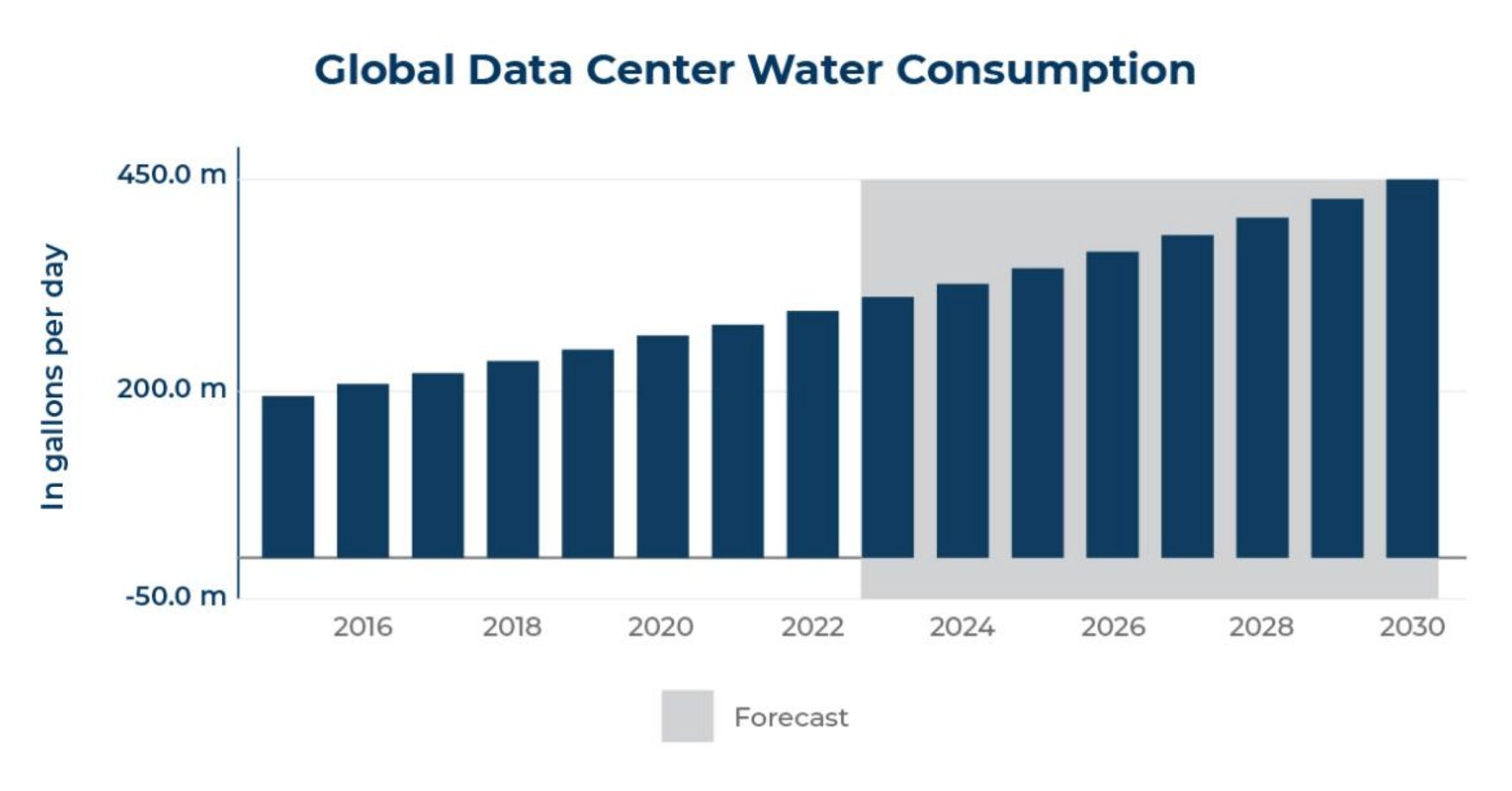
Electricity occupies the central place in this debate, but water is also a major problem. Data centers produce heat. Servers operate continuously, and cooling systems must maintain stable conditions. Depending on technology, location and climate, cooling can require significant amounts of water. In areas already suffering from drought, heatwaves or growing pressure from urbanization, using water for digital infrastructure becomes an almost absurd idea.
Microsoft's campus in Middenmeer in the Netherlands showed how deep the gap between public perception and real consumption can be. When data emerged showing that water use had been several times higher than previously communicated, the tone of the local debate changed abruptly. Water, of course, is more immediate in the public mind than electricity. People understand the necessity of water on a deep, evolutionary level. When a digital hall begins to compete with those needs, technological prestige quickly loses its shine.
The Disturbing Case of Hollands Kroon: When Servers Start Competing With Taps
One of Europe's most disturbing examples comes from several years ago in the Dutch municipality of Hollands Kroon, where Microsoft and Google data centers had already become the subject of serious political and public dispute. According to information leaked from internal documents, further expansion of data centers in the province of North Holland could threaten drinking water supplies during periods of unfavorable weather conditions. The formulation itself sounds almost unreal for a country such as the Netherlands: wealthy, organized and technically advanced. But that is exactly why the case is so powerful. If such warnings appear there, it is hard to believe that less prepared societies can enter similar projects without concern.According to published reports, the existing Microsoft and Google data centers in Hollands Kroon were estimated to consume 525 cubic meters of drinking water per hour, or around 4.6 million cubic meters per year. Internal documents warned that five new data centers could require an additional 10 million cubic meters of drinking water annually.
Particularly troubling is that the documents, according to the report, also referred to chemicals used to prevent bacteria and limescale in data center systems, along with concerns that there was no clear record of which chemicals were being used and in what quantities. This broadens the problem beyond water consumption itself. The question is no longer only how much water a data center takes, but what kind of water it returns to the environment, who monitors it, and how much the local community actually knows about the processes taking place behind closed doors.
Public administration professor Michiel de Vries, who took part in an internal webinar, described the information as disturbing and warned that permits were being issued almost with eyes closed. His most important objection concerned the fact that once data centers are built, it is difficult to apply new requirements to them retroactively. That is the key point of the whole story. Once a megastructure is in place, the community loses negotiating power. What looks before construction like a technical permitting issue becomes, after construction, an almost immovable fact on the ground.
The Dutch government reacted cautiously, but with concern. Then infrastructure minister Cora van Nieuwenhuizen said the information was "rather alarming" and that local authorities needed to "clarify the situation". The companies, as expected, stressed that they complied with all regulations and operated within their permits. Google emphasized that the water discharged into the canal was "in line with the permits issued", while Microsoft highlighted its use of direct air cooling for most of the year and limited use of evaporative cooling "only when necessary".
The industry later disputed some of the published figures. The Dutch Data Center Association claimed that the calculations were based on incorrect assumptions and cited much lower total shares of water consumption at the national level. The water company also tried to reassure the public by saying that residents of North Holland could count on a reliable supply of drinking water, including during heatwaves. But even if individual numbers were disputed, the lesson remains very clear. The public learned about the problem only when internal documents and local conflicts exposed what should have been debated before any major expansion began.
Similar pressures are appearing in Malaysia, particularly in Johor, where the sudden surge of interest in data centers has opened the question of water capacity. The region attracts investors because of its geographic position, energy connections and proximity to Singapore, but such growth has a price. Investments are piling up faster than water and energy infrastructure can keep pace. In such situations it becomes clear how the global digital economy transfers its physical demands into spaces that are politically and infrastructurally "open enough" - potentially disastrously so for local residents - to accept them.
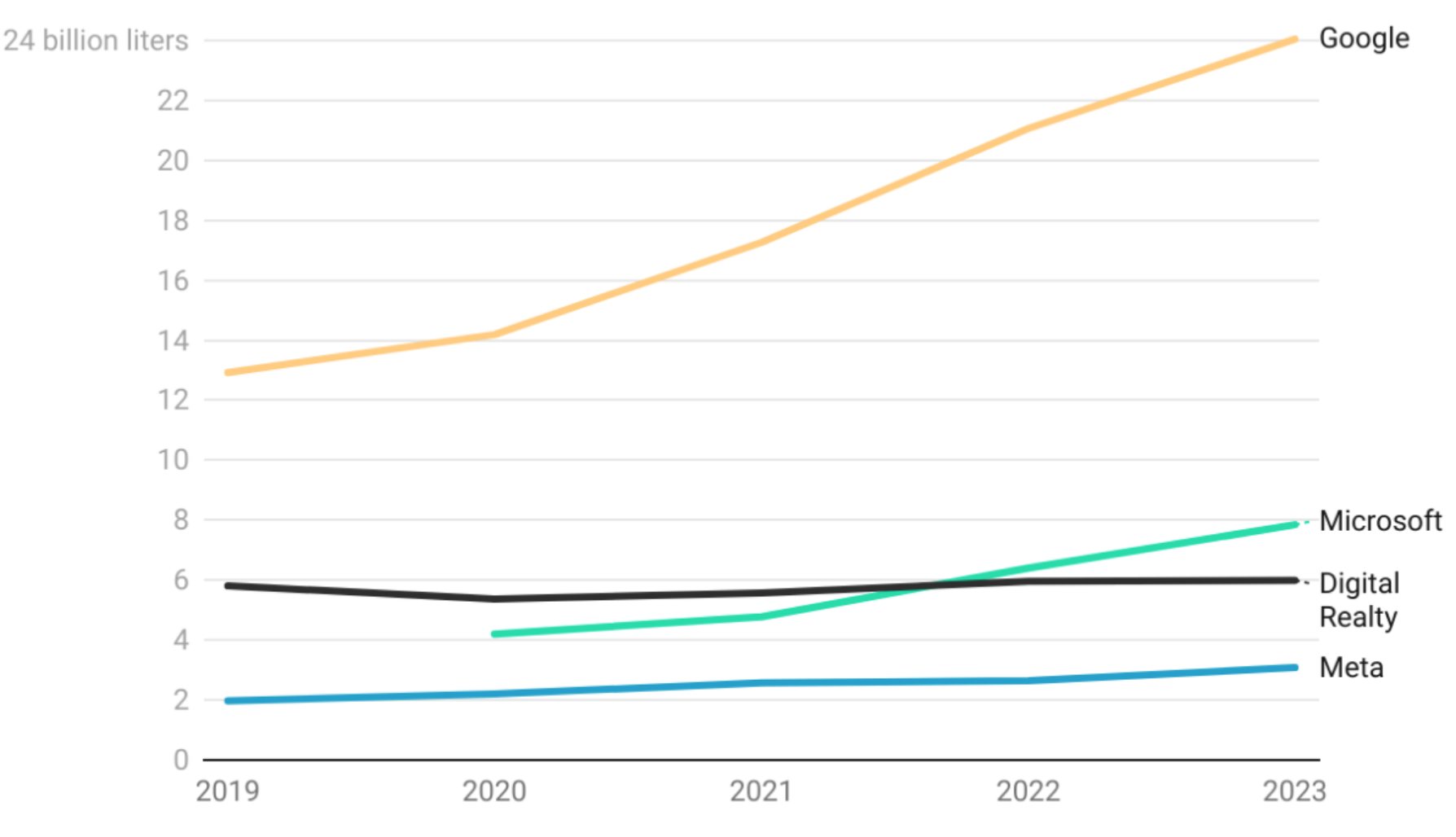
In the United States, growing debates over water accompany projects in arid states such as Arizona. There, digital infrastructure is expanding in a region where water resources are already a source of conflict among residents, agriculture, industry and climate change. An investor may claim to use "efficient cooling technologies" or recycled water, but the local community will quickly understand that these are only phrases.
Then there is noise. Data centers generate continuous acoustic pressure through cooling systems, fans, transformers and auxiliary equipment. Such noise may formally remain within permitted limits and still deeply disrupt everyday life. Low-frequency sound is not spectacular like an explosion or industrial pollution, but its constant presence creates psychological and physical fatigue. Residents living near large facilities often describe an uninterrupted hum, especially at night, when the surrounding environment falls silent.
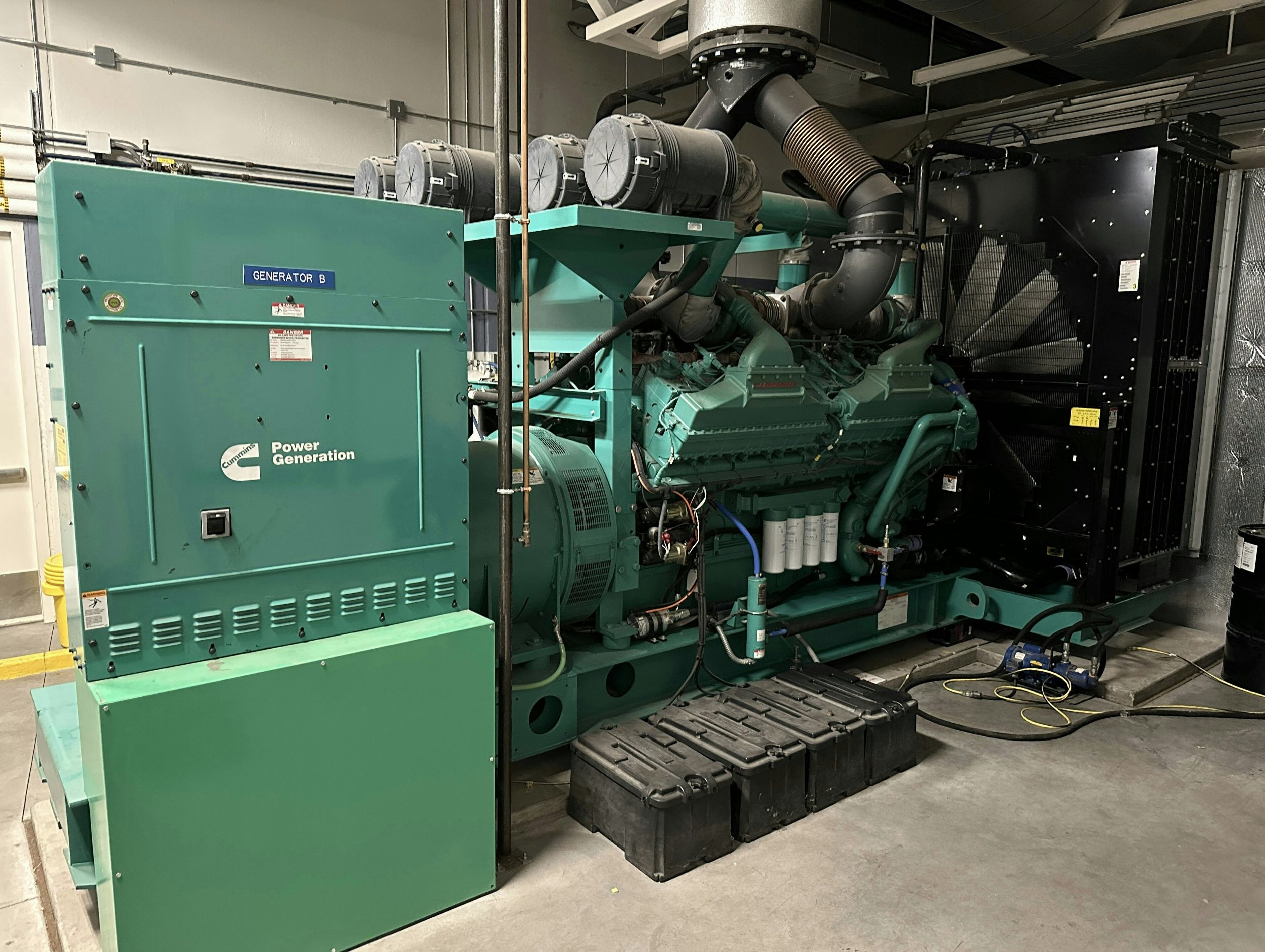
Diesel generators complicate the situation further. Data centers must have backup power because any interruption can mean enormous financial losses. That is why batteries and generators are installed, often with large fuel tanks. Under normal circumstances they remain idle or are tested, but their presence reveals the true nature of the facility. A data center requires a level of supply security that brings it close to critical infrastructure. When it is publicly presented as a "clean digital investment", this detail is rarely emphasized. In physical space, however, such generators mean additional emissions, risks, noise and an unmistakably industrial character.
Digital civilization has developed a special ability to hide the material consequences of its own convenience. Behind what the public sees and consumes on its screens lies a chain of mining, chip production, transport, land use and waste. The data center is one of the points where that chain finally becomes visible. That is precisely why resistance from local communities is growing. People are beginning to understand that "digital" does not mean immaterial. It is very material indeed; it has simply been skillfully moved out of the user's field of vision.
Democracy After the Permit
The most dangerous part of the data center story is often found in the decision-making process itself. The debate usually begins only after the project has already been shaped and the location selected.
Formally, there are public consultations, impact studies, local councils and procedural steps. But in substance, the balance of power has already been set. The investor has teams of lawyers, engineers, lobbyists and communications specialists. The local community has limited time, fragmented information and a feeling, often imposed on it, that it is opposing a "great opportunity". Political pressure grows further because opponents of the project can easily be portrayed as people rejecting development, technology and jobs.
Still, resistance is growing, from the Netherlands to South Africa. Researchers and activists warn of a lack of transparency regarding consumption and the conditions under which digital infrastructure is expanding. The phrase "clouds of secrecy" captures this wider global problem well. The public receives a promotional image, while the key numbers are available only to institutions, investors or regulators.
When an investor and the authorities "promise that the impact will be limited", citizens are expected to trust figures they cannot verify themselves. When it later turns out otherwise, it is already too late.
As already mentioned, the greatest weakness of public debate comes from the abstract nature of the concept itself. People know what a factory, power plant, mine or port is. A data center sounds technical, neutral and far removed from daily life. That ambiguity benefits investors. When the subject of debate is not fully understood, it is easier to wrap it in phrases about innovation.
A Civilian Facility With a Military Shadow
Data centers are most often presented to the public as civilian infrastructure. In that portrayal, they contain business data, internet services, applications and digital storage. But this is only part of reality. In the contemporary world, the "civilian cloud", state infrastructure, intelligence systems, military logistics, surveillance, AI and financial systems increasingly rely on the same technological foundations. The boundary between the commercial and security spheres is extremely blurred.
The U.S. Pentagon has for years been signing large cloud contracts with leading technology companies. Amazon, Microsoft, Google and Oracle are involved in developing infrastructure that supports military and state needs. This does not mean that every one of their facilities has a military function, but it does show the direction of travel. Military institutions no longer build everything themselves. They increasingly use commercial platforms, private data capacity, AI services and security systems.
This connection also has enormous consequences for local communities. A facility outwardly presented as a technology investment may be part of a chain supporting security, intelligence or military functions. Even when a specific data center has no direct military status, its network role may have one.
Why does that matter?
Look at the current war in the Middle East. Data centers are on target lists just like traditional military bases. In fact, one could go so far as to argue that they are, in a sense, the new version of bases, and therefore, in the event of conflict, they will be primary targets. In a world increasingly leaning toward larger confrontation, that is not a negligible factor.
Who Needs the Cloud, and Who Pays for the Sky?
At the center of the story lies the political economy of data centers. They are infrastructure of private accumulation that increasingly uses public resources. In return, they offer investment, some tax revenue, a limited number of jobs and symbolic membership in this "digital future". The exchange ratio is unfavorable for society. It is very simple mathematics.
Profit is concentrated among a narrow circle of actors: infrastructure owners, cloud companies, the AI industry, financial investors, chip suppliers, energy partners and others. The local population receives the burden on the grid, pressure on water, noise, a transformed landscape and long-term dependence on a decision made above their real level of information. It is a pattern familiar from many industrial stories, only now it is happening under the banner of digital modernization.
Big Tech today acts as a new infrastructure authority, often even as a supranational power. Its negotiating strength comes from money, technology, political connections and symbolic capital. Few local authorities want to be accused of rejecting "the future". And it is precisely that fear that creates space for bad contracts.
Smaller countries must look at such projects especially carefully. Their electricity grids, water systems and spatial capacities are not infinite. One megaproject can alter long-term development plans, especially if it is built at a moment when energy prices are rising, climate pressures are intensifying, and industry and households are already feeling the cost of infrastructure. A state that wants to be serious must first know what it is selling and for what purpose.
Concrete and fully transparent rules would not suffocate development. They would return development to the framework of the public interest. An investor that wants to use the vast resources of a community must also accept a vast level of transparency.
The blackmail of speed must be rejected in particular. Investors often appear with the message that the decision must be made quickly because "competing countries are waiting". This is a standard pressure tactic. Reality should be the opposite: the larger the project, the slower, deeper and more cautious the public debate must be. Speed suits capital. Deliberation suits society. If a local community is committing itself to decades of infrastructural consequences, several months or years of serious debate are not an obstacle to development. They are the minimum price of political maturity.
Data centers will continue to be built because the digital economy demands ever greater capacity. The key question is where they will be built, under what conditions, for whose needs and at whose expense. Societies that leave that question to investors will get infrastructure shaped by private profit. Societies that open it publicly may at least set limits.
The cloud has already fallen to earth, and its weight becomes visible only when the language that made it invisible is stripped away. A data center is not a fairy tale about the digital future. We can talk endlessly about the utopia of transparency, but we know we will not live to see it. We also know that chronic lack of information will be exploited to weaken local communities and place them in a long-term subordinate position. These processes are almost inevitable. The only real difference is who will become the target of such degradation: us first, or the neighbor next door. In the end, the one who "wins" the giant data center will be the one lagging behind reality, convinced that it has secured some kind of comparative advantage. Over time, in that process, it will realize that, both poetically and literally, it has been living in the clouds.
Sources
- Jlarc.virginia.gov JLARC | Data Centers in Virginia https://jlarc.virginia.gov/landing-2024-data-centers-in-virginia.asp
- Iea.org The transformative potential of AI depends on energy https://www.iea.org/reports/energy-and-ai/executive-summary
- Iea.org Data centre electricity use surged in 2025, even with tightening bottlenecks driving a scramble for solutions https://www.iea.org/news/data-centre-electricity-use-surged-in-2025-even-with-tightening-bottlenecks-driving-a-scramble-for-solutions
- War.gov Department of Defense Announces Joint Warfighting Cloud Capability Procurement https://www.war.gov/News/Releases/Release/Article/3239378/department-of-defense-announces-joint-warfighting-cloud-capability-procurement/
- Cru.ie New Electricity Connection Policy for Data Centres https://www.cru.ie/about-us/news/new-electricity-connection-policy-for-data-centre/
- Reuters US consumers face rising electricity prices despite clean power savings https://www.reuters.com/business/energy/us-consumers-face-rising-electricity-prices-despite-clean-power-savings--reeii-2026-04-28/
- Dailymaverick.co.za Why the clouds of secrecy over the impacts of SA data centre growth? https://www.dailymaverick.co.za/article/2026-02-11-why-the-clouds-of-secrecy-over-the-impacts-of-sa-data-centre-growth/
- Reuters Singapore allocates more land for green energy, data centre park https://www.reuters.com/sustainability/climate-energy/singapore-allocates-more-land-green-energy-data-centre-park-2025-10-27/
- Datacenterdynamics.com Microsoft and Google withhold Dutch data center energy data despite EU rules - report https://www.datacenterdynamics.com/en/news/microsoft-and-google-withhold-dutch-data-center-energy-data-despite-eu-rules-report/
- Datacenterdynamics.com Update: Hollands Kroon facing drinking water shortage if new data centers are built https://www.datacenterdynamics.com/en/news/hollands-kroon-facing-drinking-water-shortage-if-new-data-centers-are-built/
- Energy.ec.europa.eu Rating scheme for data centres in the EU – Commission launches call for feedback https://energy.ec.europa.eu/news/rating-scheme-data-centres-eu-commission-launches-call-feedback-2026-03-27_en
- Iiea.com Data Centres in Ireland: The State of Play https://www.iiea.com/blog/data-centres-in-ireland-the-state-of-play
- Tomshardware.com Nearly 7,000 of the world’s 8,808 data centers are built in the wrong climate https://www.tomshardware.com/tech-industry/nearly-7000-of-the-worlds-data-centers-are-built-in-the-wrong-climate
- Associated Press Virginia county approves data center project after 27-hour public hearing https://apnews.com/article/ea3d26b1746d251909dc1e9d5f9034d2
- Linkedin.com Malaysia sees 25 data centre projects, 1,429 jobs by 2025 | Media Selangor posted on the topic | LinkedIn https://www.linkedin.com/posts/mediaselangor_selangor-malaysia-activity-7355492209246302208-0Pii
- Reuters South Africa faces highest level power cuts as generation units fail https://www.reuters.com/world/africa/south-africa-faces-highest-level-power-cuts-generation-units-fail-2025-02-23/
- Greeneuropeanjournal.eu Dry Land for Thirsty Data https://www.greeneuropeanjournal.eu/dry-land-for-thirsty-data/
- Cruie-live-96ca64acab2247eca8a850a7e54b-5b34f62.divio-media.com Large Energy Users connection policy https://cruie-live-96ca64acab2247eca8a850a7e54b-5b34f62.divio-media.com/documents/CRU202504_LEU_connection_policy_proposed_decision.pdf
- Thejournal.ie How Big Tech wrote secrecy into EU law to hide data centres’ environmental toll https://www.thejournal.ie/investigates-data-centre-confidential-lobbying-7013368-Apr2026/
Comments