
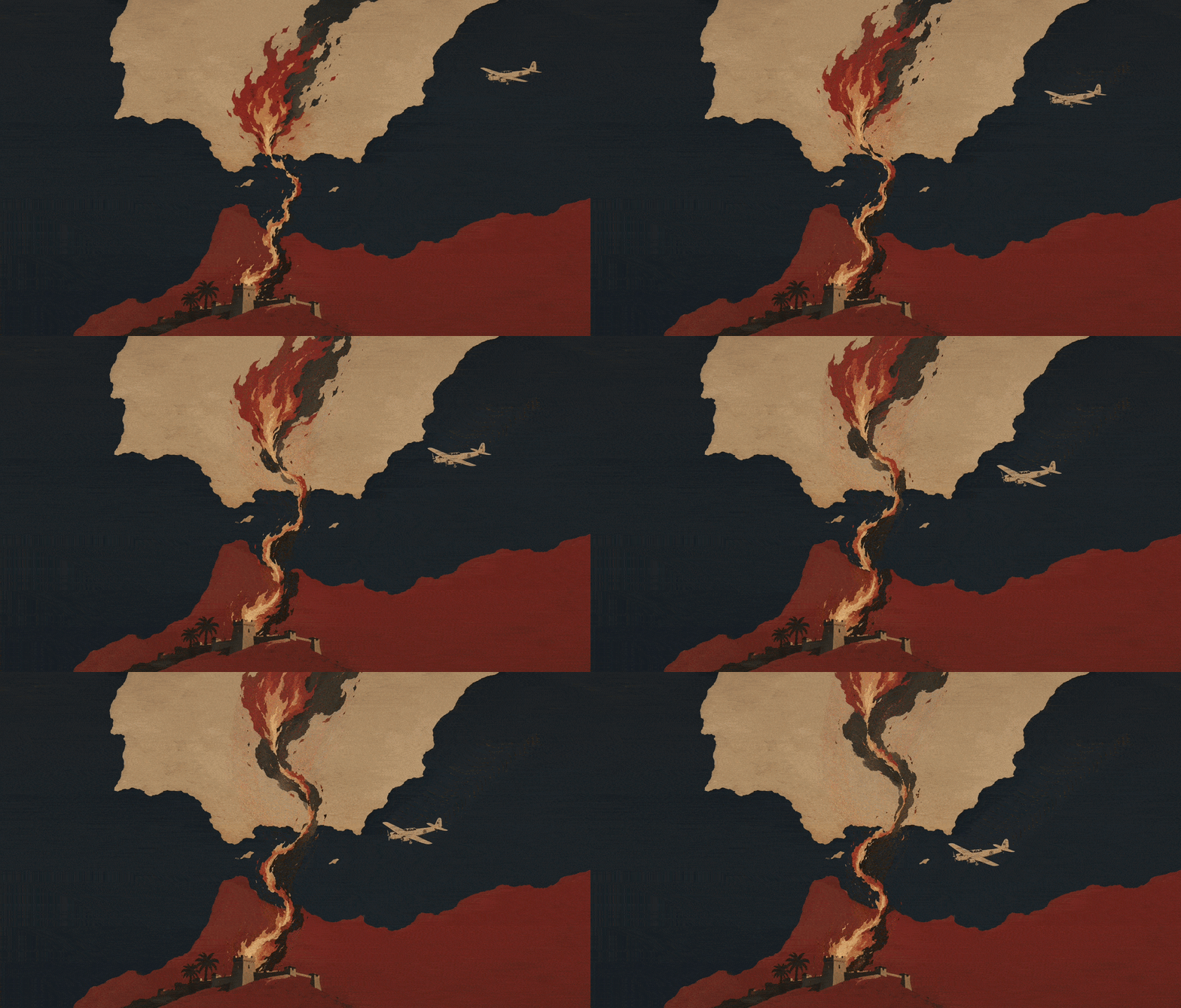
Europe later preferred to imagine that the Spanish catastrophe had been born from grand words: fascism, communism, republic, revolution. That is not wrong, but it is neat to the point of deception. On July 17, 1936, the war did not begin in the parliament in Madrid, in Barcelona’s union halls, or in some smoke-filled European cabinet room. It began in Spanish Morocco, in the colonial garrisons, where the imperial center had spent decades keeping violence far enough away that it did not have to recognize it as its own. It was a European war with an African fuse.
This is more than a geographical curiosity. The Spanish Civil War is often remembered as the dress rehearsal for the Second World War, with German aircraft over Guernica, Italian troops, Soviet advisers, and idealistic foreigners who came to die for a cause that was not theirs but whose moral stakes they understood—many of them from Yugoslavia. Yet before the war became a great European metaphor, it was a rebellion by an army accustomed to settling politics through commands.
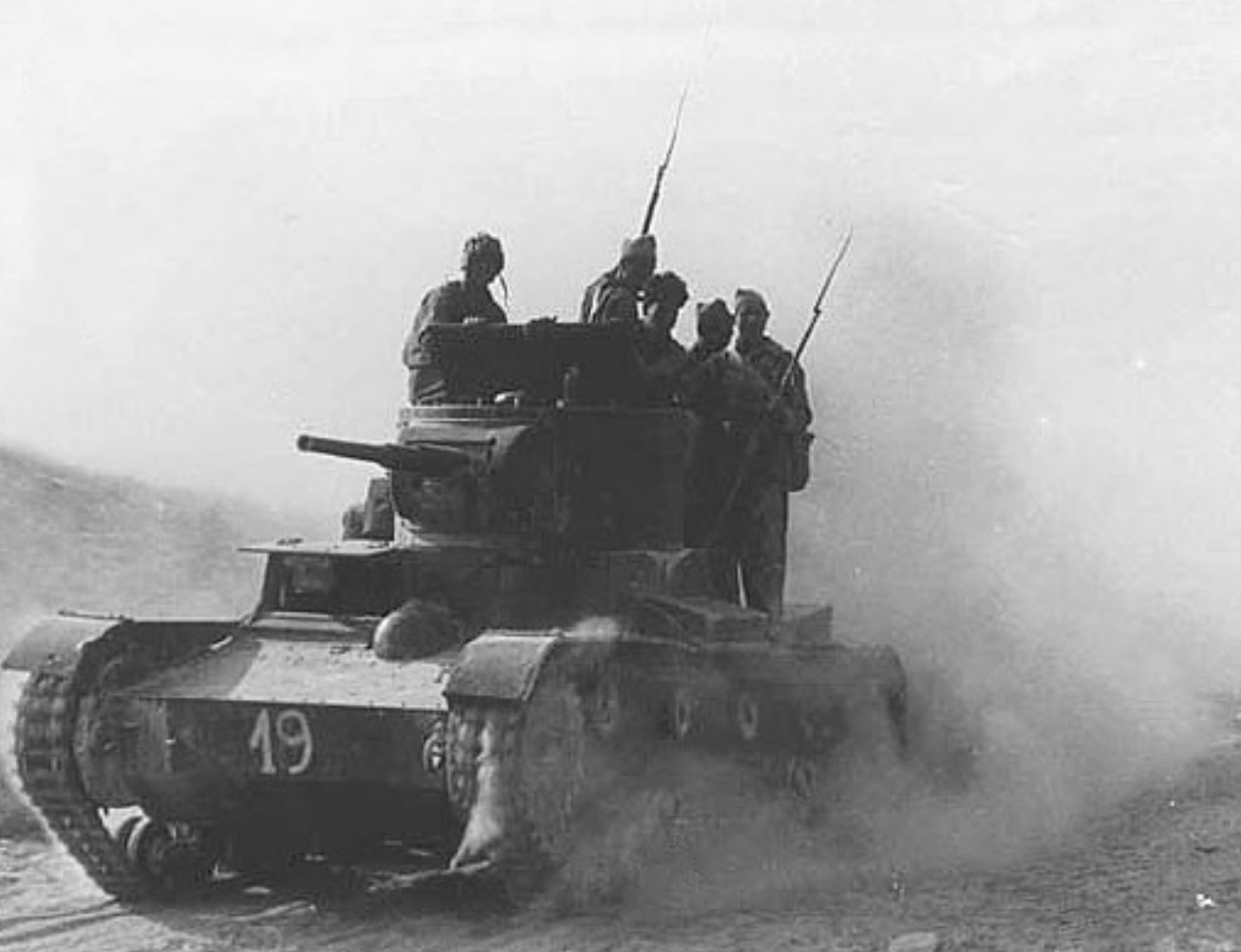
Before getting lost in the details that follow, however, we need to establish the broader context in which this drama unfolded. The Spanish Civil War was not simply a conflict between leftists and fascists, although that is precisely the international meaning it would eventually acquire. On the Republican side stood defenders of the existing state—socialists, communists, anarchists, labor unions, and supporters of Catalan and Basque autonomy. They were far from united. Some wanted to preserve parliamentary democracy, others sought a profound social revolution, while still others were primarily fighting for greater autonomy for their regions.
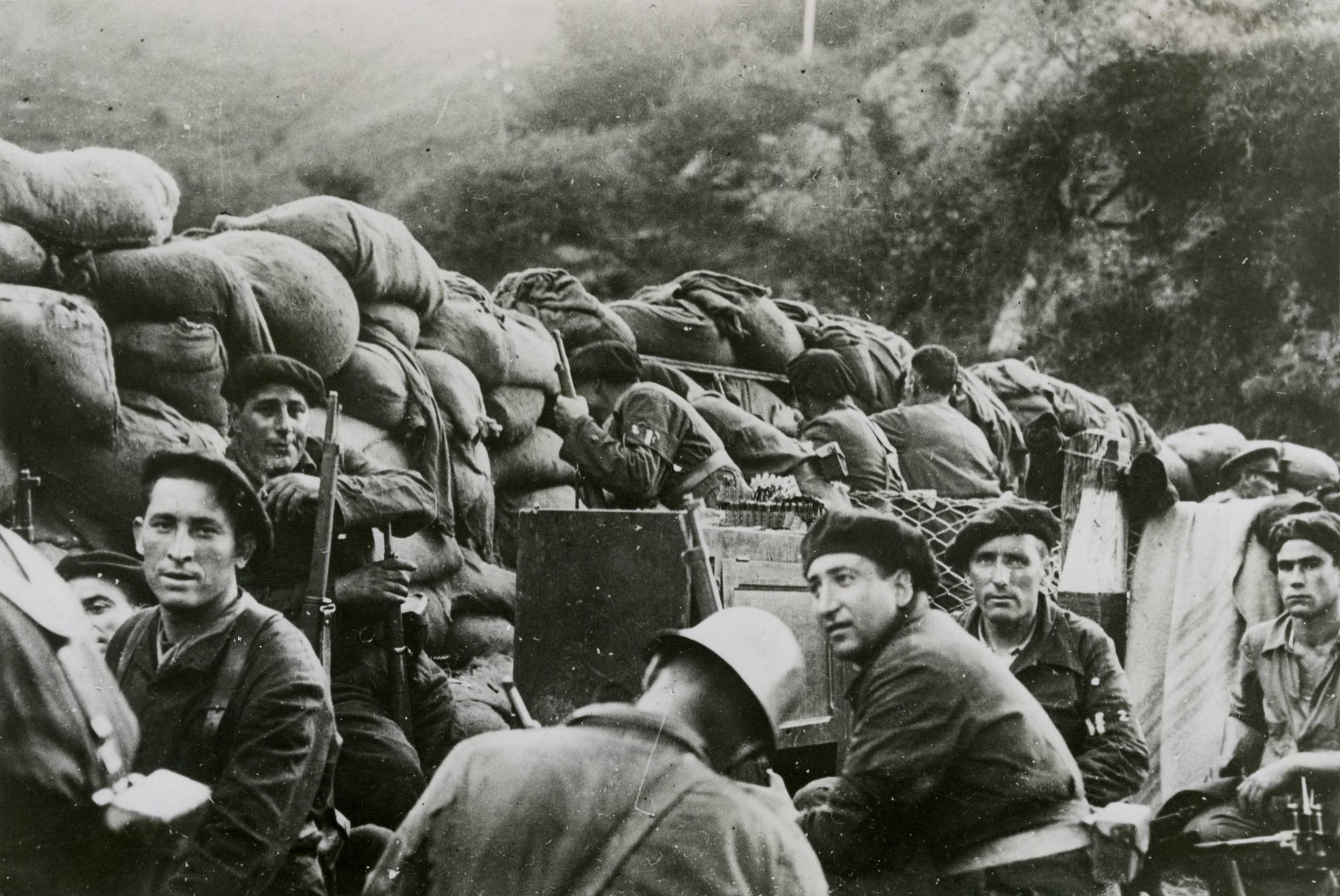
Opposing them was an equally diverse right-wing coalition of conservative generals, monarchists, Falangists—the members of Spain’s fascist party—Catholic traditionalists, major landowners, and a substantial part of the Church hierarchy. The label "Nationalists," which the rebels adopted for themselves, concealed the fact that they, too, lacked a shared vision of the future. What united them above all was the belief that the social order was collapsing and could no longer be saved through elections. Between these two camps stood a country scarred by poverty, grossly unequal land ownership, violent strikes, political assassinations, and a deep hatred of the opposing side. In other words, the war did not break out between two clearly defined Spains. It created them, forcing millions of people to choose sides in a conflict where neutrality soon ceased to offer safety.
Spain’s Second Republic, proclaimed in 1931 after the departure of King Alfonso XIII, attempted to modernize a country that had spent too long as a compromise between altar, barracks, and landed estate. Its reforms touched the military, the Church, education, and land ownership. The left regarded them as long overdue, the right as revolutionary, and much of the officer corps as a personal insult. After the Popular Front won the elections of February 1936, the conspiracy* no longer resembled the fantasy of nostalgic generals. It became a plan.
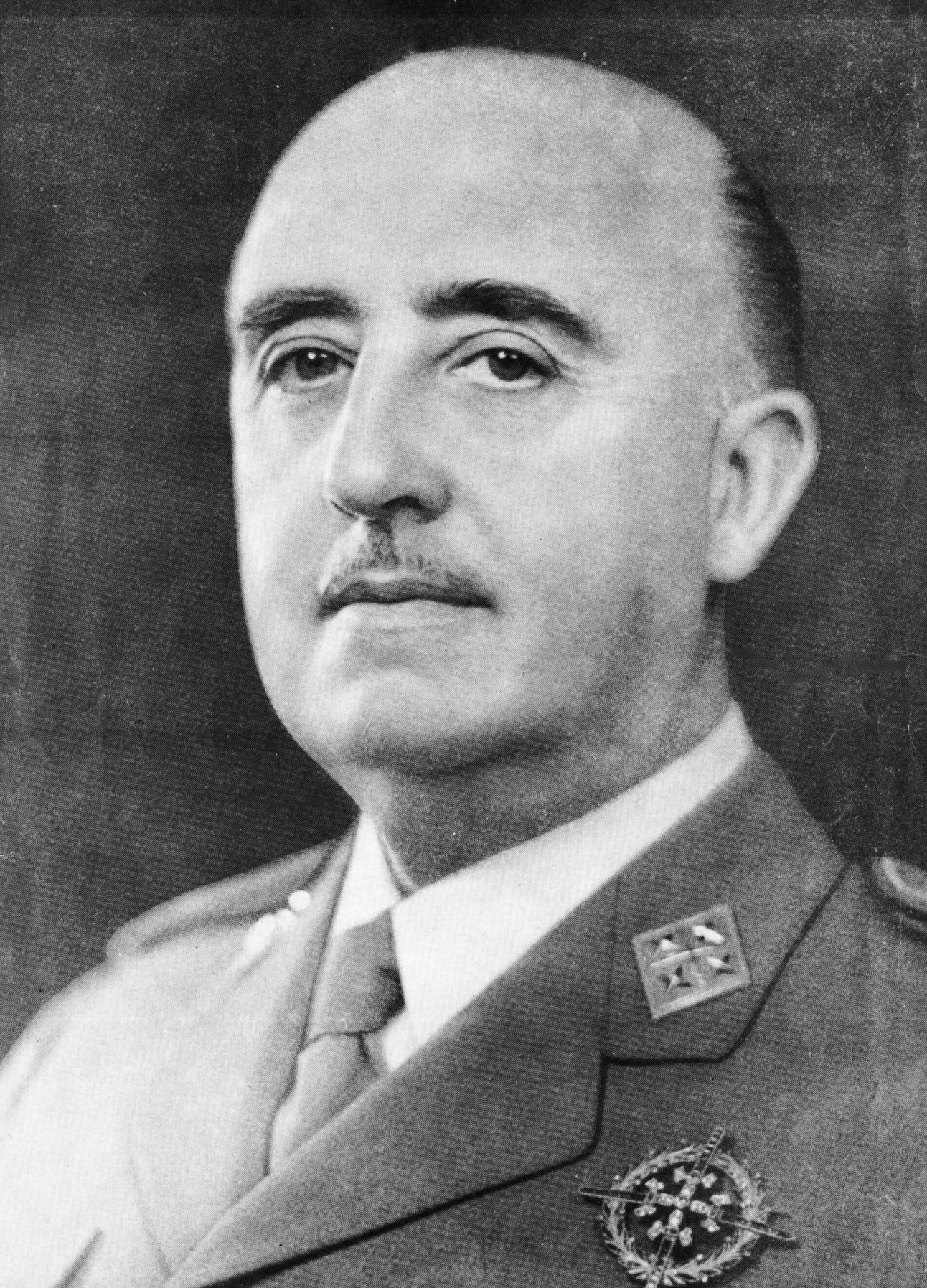
It is important not to begin the story with Franco as though he had been the inevitable Caudillo from the very first day. Francisco Franco, the Spanish general who had made his name in the Moroccan campaigns and in suppressing the 1934 Asturias uprising, was still a cautious participant in the conspiracy in the summer of 1936, stationed in the Canary Islands. The principal organizer was Emilio Mola, a Spanish general and the cold technician of the coup, while its symbolic leader was meant to be José Sanjurjo, a general living in exile.
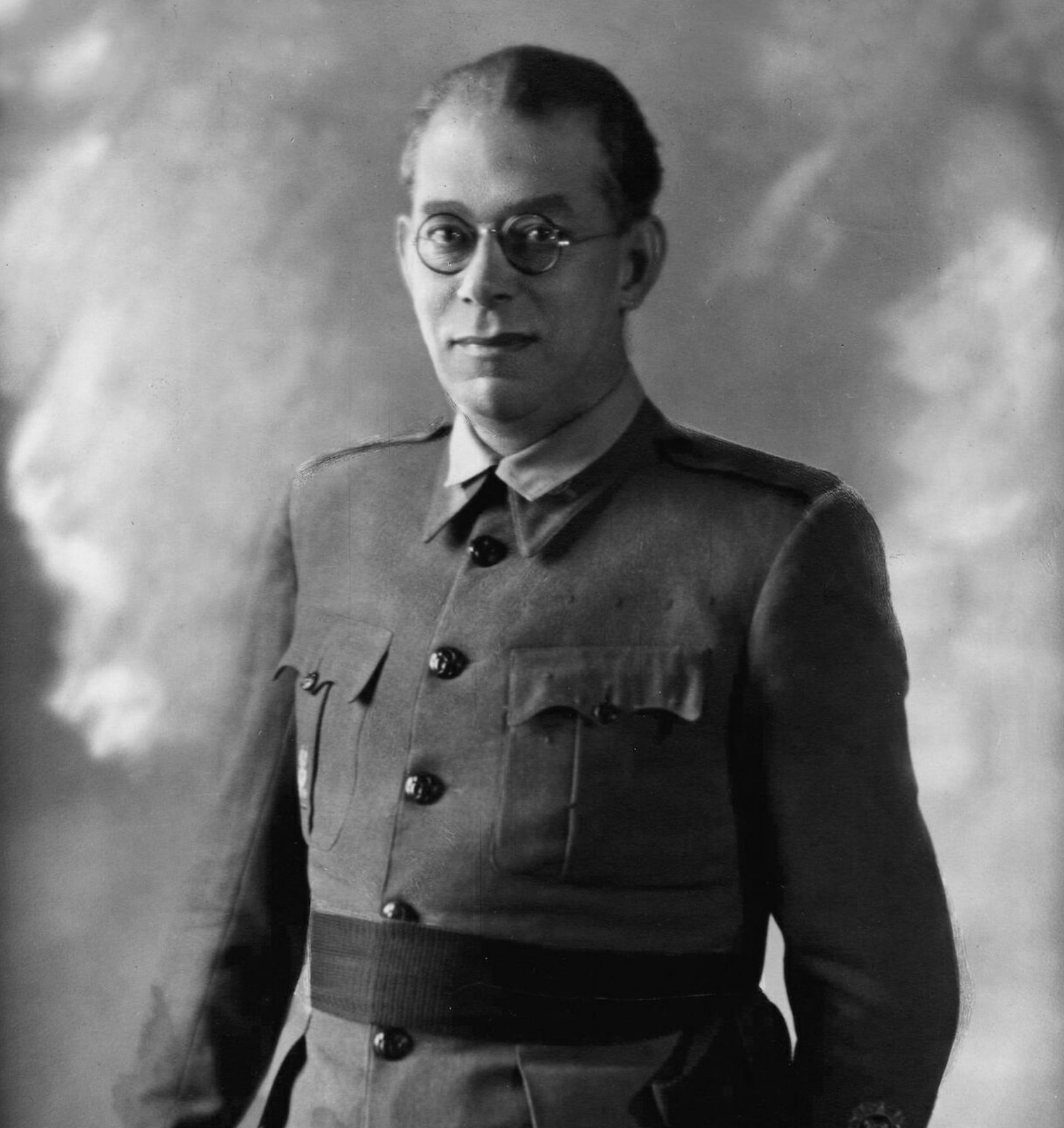
Franco would not arrive in Morocco until July 19, aboard the Dragon Rapide, an aircraft chartered as part of a conspiratorial operation organized with the help of monarchist circles and the banker Juan March. Sanjurjo died in a plane crash the following day. History, as we often say, occasionally has a sense of irony, but rarely one of good taste.
The General Whose Luggage Took Him Out of History
José Sanjurjo was supposed to become the face of the victorious rebellion. An experienced Spanish general, monarchist, and veteran of an earlier failed coup against the Republic, he was living in exile in Portugal, waiting for the moment of his return. While Emilio Mola organized the conspiracy, Sanjurjo’s rank and reputation had secured him the role of supreme leader. On July 20, 1936, only three days after the rebellion began in Morocco, he was due to fly from near Cascais to territory already held by the rebels. He never arrived.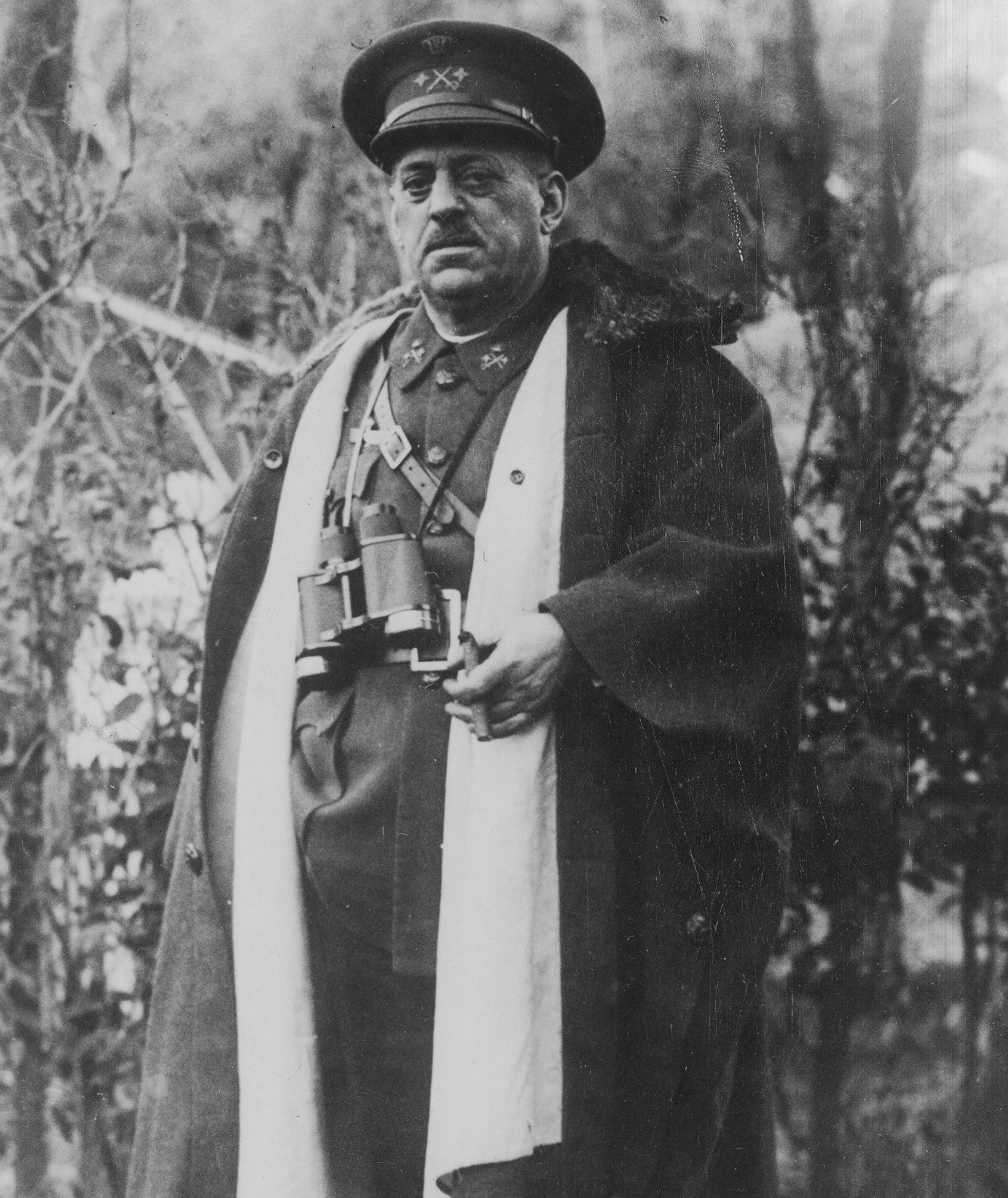
After takeoff, the aircraft failed to gain sufficient altitude. It struck the treetops, crashed, and caught fire. Ansaldo survived, although injured. Sanjurjo did not. The man who had expected a triumphant return to the country from which he had been exiled died moments after takeoff, together with the uniforms intended for his victory ceremony. History had acquired an almost perfect anecdote about vanity—a general who wanted to look like a ruler before he had taken power and lost his future beneath the weight of his imagined future image.
His death did not immediately make Franco the rebellion’s sole leader. Emilio Mola remained enormously important, and the generals had yet to agree fully on what kind of government should follow their victory. Nevertheless, the disappearance of the man intended to stand above them removed one of the greatest obstacles to Franco’s ascent. When Mola also died in a plane crash the following year, Franco was left without a serious rival among the rebel leadership. Dictatorships are sometimes built through political skill, terror, and military force. Franco’s was also helped by the remarkably poor aviation record of his competitors.
The Spanish protectorate was home to the Army of Africa, the Ejército de África, the most experienced and dangerous section of Spain’s armed forces. Its core consisted of the Spanish Foreign Legion and the Regulares, Moroccan units under Spanish command. These forces had been forged in the Rif Wars, in a brutal colonial environment where the enemy was regarded not as a political opponent but as an obstacle to be broken. Historians Sebastian Balfour and Pablo La Porte describe the "Africanist" culture of these officers as authoritarian and steeped in a right-wing mythology of patriotism. In other words, part of the Spanish army in Africa already possessed the ideological and psychological machinery for civil war before the civil war even had a name.
Why Did Moroccans Fight for Franco?
At first glance, it seems like one of the great paradoxes of the Spanish Civil War. Why would inhabitants of a colony die for a Spanish general who represented the very power that ruled their country as a protectorate? The answer is far less ideological than photographs of Moroccan soldiers entering Spanish cities under rebel banners might suggest. Most did not fight because they had embraced Falangism or Franco’s vision of a Catholic Spain. They fought because the colonial order had turned military service into one of the few available sources of regular income.Northern Morocco was desperately poor, and for decades the Spanish authorities had recruited local men into the Regulares. A soldier received food, wages, and the chance to send something home to his family—an offer that was difficult to refuse in times of hardship. Many already had combat experience, while service in the colonial army also brought a degree of social status. An estimated 80,000 Moroccans served on Franco’s side during the war. It would nevertheless be wrong to dismiss them simply as fascists in Moroccan uniforms. They were colonial subjects whose choices were shaped by poverty that the same colonial power had helped create.
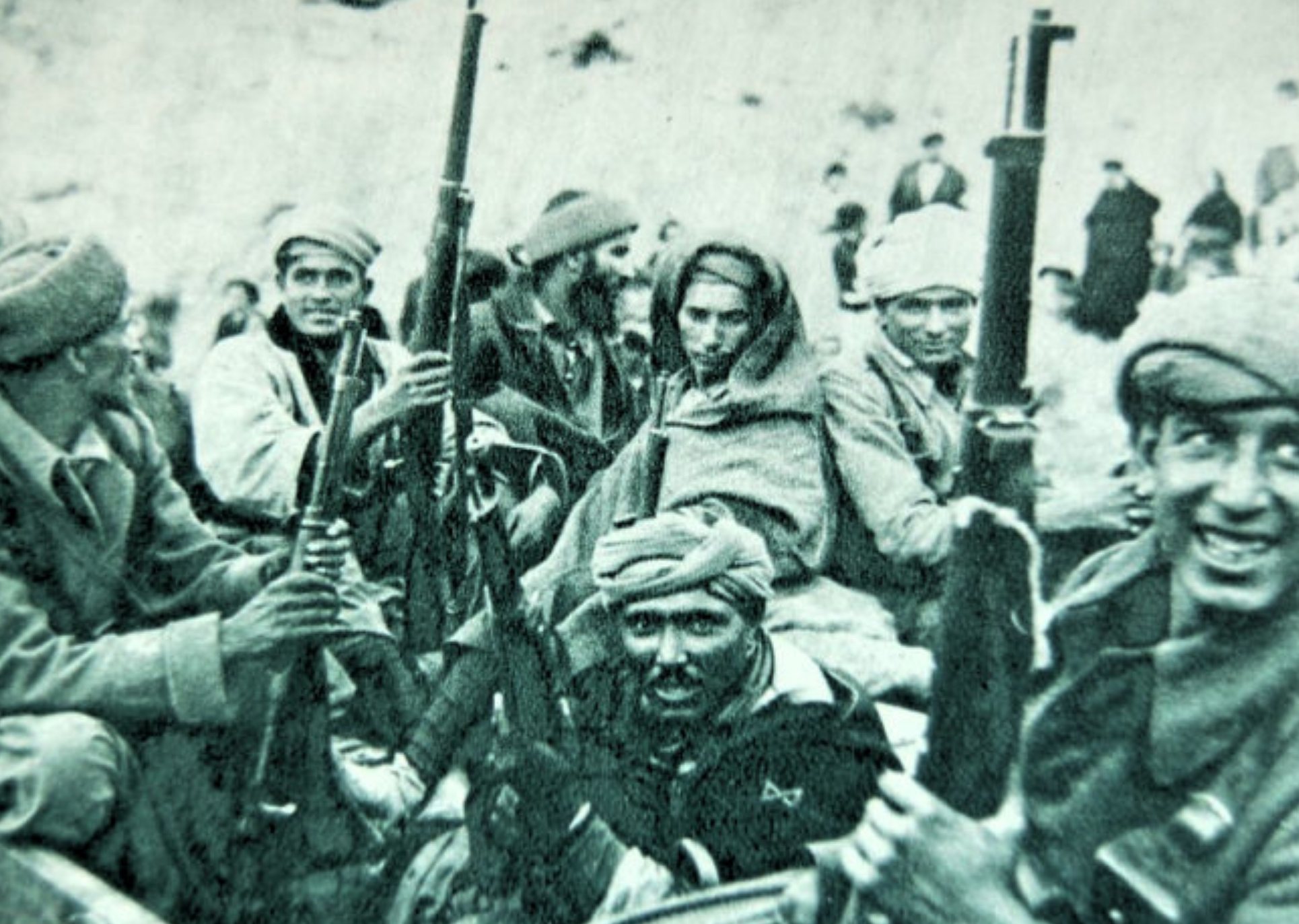
Moroccan units took part in brutal campaigns and committed real atrocities, but Republican propaganda frequently went beyond condemning specific crimes. It revived old Spanish images of the "Moors" as savage, sexually threatening invaders returning once again from Africa. Part of the anti-fascist camp thus began speaking the language of colonial racism. The Moroccan soldier was depicted as a monster, which was politically easier than admitting that he had been brought to Spain by a combination of poverty, colonial policy, and Europe’s refusal to take the question of Moroccan freedom seriously.
The conspirators had planned a swift coup, a classic pronunciamiento, after which the country would awaken to a fait accompli. Instead, the coup, so to speak, succeeded too much to fail and failed too much to succeed. The rebellion spread from Morocco to mainland Spain, but Madrid, Barcelona, and other major centers did not fall. In some cities, the uprising was stopped by loyal officers, workers’ militias, and political organizations that understood they were no longer defending only a government, but the very possibility that power might be decided by something other than a rifle. The attempted short coup thus produced a long war.
The rebels’ greatest problem was the strait. Their elite units were in Morocco, while the war had to be won in the mother country. The Republican navy initially made it difficult to transport them across the Strait of Gibraltar, leaving Franco and his allies dependent on outside assistance. Hitler’s Germany and Mussolini’s Italy soon provided an airlift that carried members of the Army of Africa into Andalusia. The entire logic of the war was already contained within that operation: Europe’s fascist powers officially spoke of non-intervention while using Spain to test aircraft, tactics, and the limits of other people’s suffering.
Operation Magic Fire: The Airlift That Saved the Rebellion
In the opening days of the war, Franco commanded the best soldiers but could not bring them to where they were needed. The Army of Africa, as noted, was in Morocco, separated from mainland Spain by the Strait of Gibraltar. Most naval crews remained loyal to the Republic and blocked the rebels’ sea route to Andalusia. The coup thus faced an almost absurd problem: its strongest weapon was trapped on the wrong continent.Franco therefore appealed to Adolf Hitler and Benito Mussolini. Hitler approved the request on the night of July 25–26, after which the German intervention received the codename Feuerzauber, or "Magic Fire." The name was borrowed from Wagner, lending the operation an almost mythical resonance even though its actual purpose was entirely practical. German Junkers Ju 52 transport aircraft, together with Italian Savoia-Marchetti SM.81 planes, were to carry Spanish legionaries and Moroccan Regulares across the stretch of water that the rebels could not safely cross by ship.
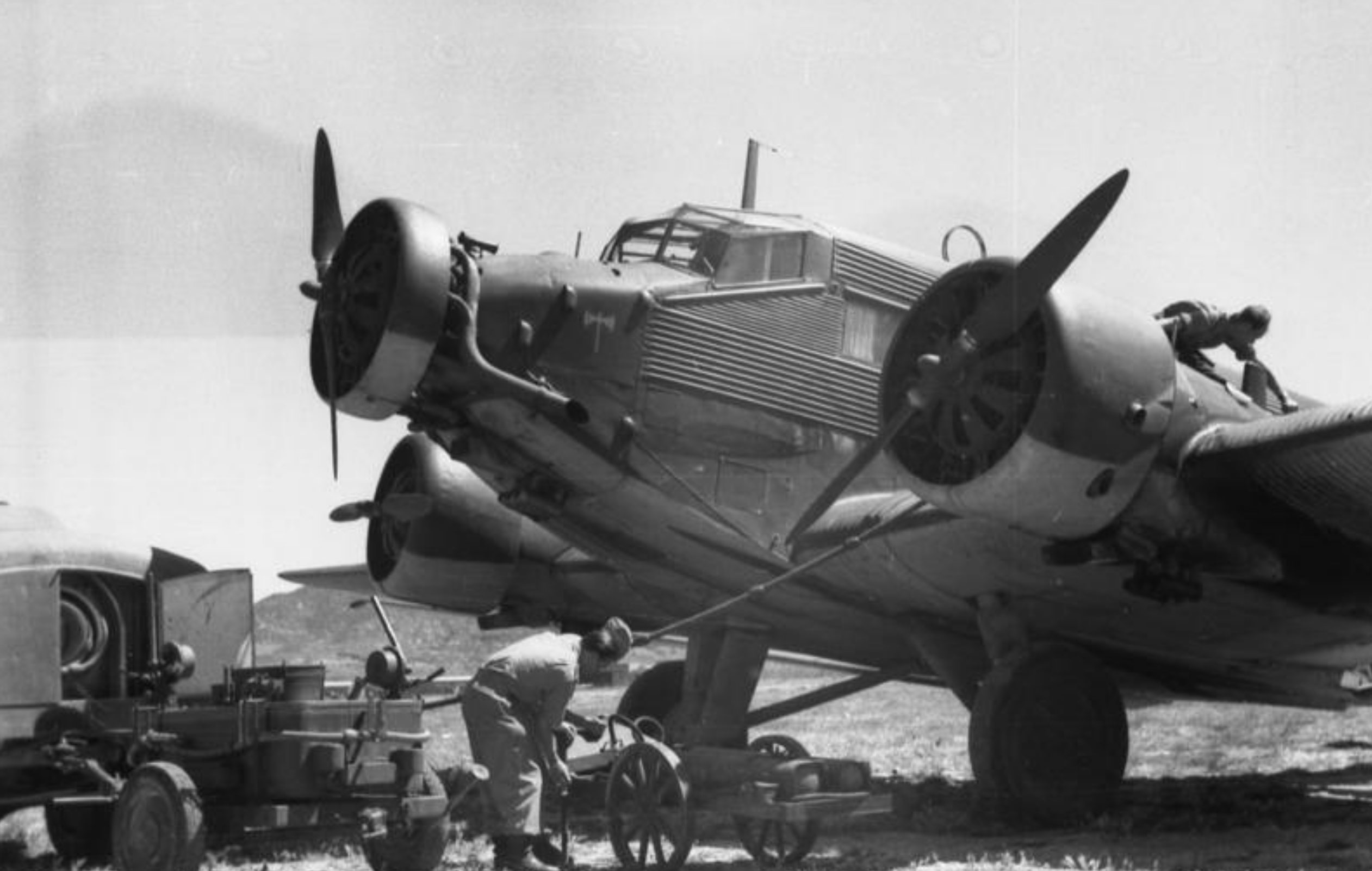
Over the following weeks, tens of thousands of men were carried across the strait, along with weapons and equipment. Estimates of the total number of troops transported vary, but the operation is regarded as the first major military airlift in history. It did not win the war by itself, but at the most critical moment it allowed the rebels to deploy their most experienced forces in Andalusia and continue their advance north. Without that assistance, the coup might have remained divided between an African colony and a series of disconnected rebel strongholds in Spain.
Operation "Magic Fire" marked the moment when Hitler and Mussolini helped turn a failed military coup into a prolonged civil war. The aircraft carrying Franco’s troops out of Morocco transported more than men. Across the Strait of Gibraltar, they also carried a European conflict that would soon spill beyond Spain’s borders.
July 17, 1936, is therefore more than the date on which the Spanish Civil War began. It was the moment the colonial method came home. What a European state had once done on the margins of its empire, it now began doing to itself. Spain became a battlefield of ideologies, but also of an older continuity: the habit of exporting violence and then forgetting who had produced it.
The war would last nearly three years. It would become the bloodiest conflict in Western Europe since the First World War, marked by mass atrocities, reprisals, and columns of refugees that foreshadowed Europe’s new century of exile. In 1939, around half a million Spanish Republicans would flee to France, where many were interned in camps and some later deported to Nazi concentration camps. Europe, naturally, claimed to be surprised. The history of July 17 suggests something more uncomfortable: the fire had been burning at the margins; Europe had merely spent a long time pretending that it did not illuminate the center. If this sounds uncomfortably familiar, you are not mistaken. Fires are burning again, this time in the east. We can only hope that the dynamics of history do not repeat themselves literally.
The Allies Defeated Nazism and Fascism—Why Did They Not Come for Franco?
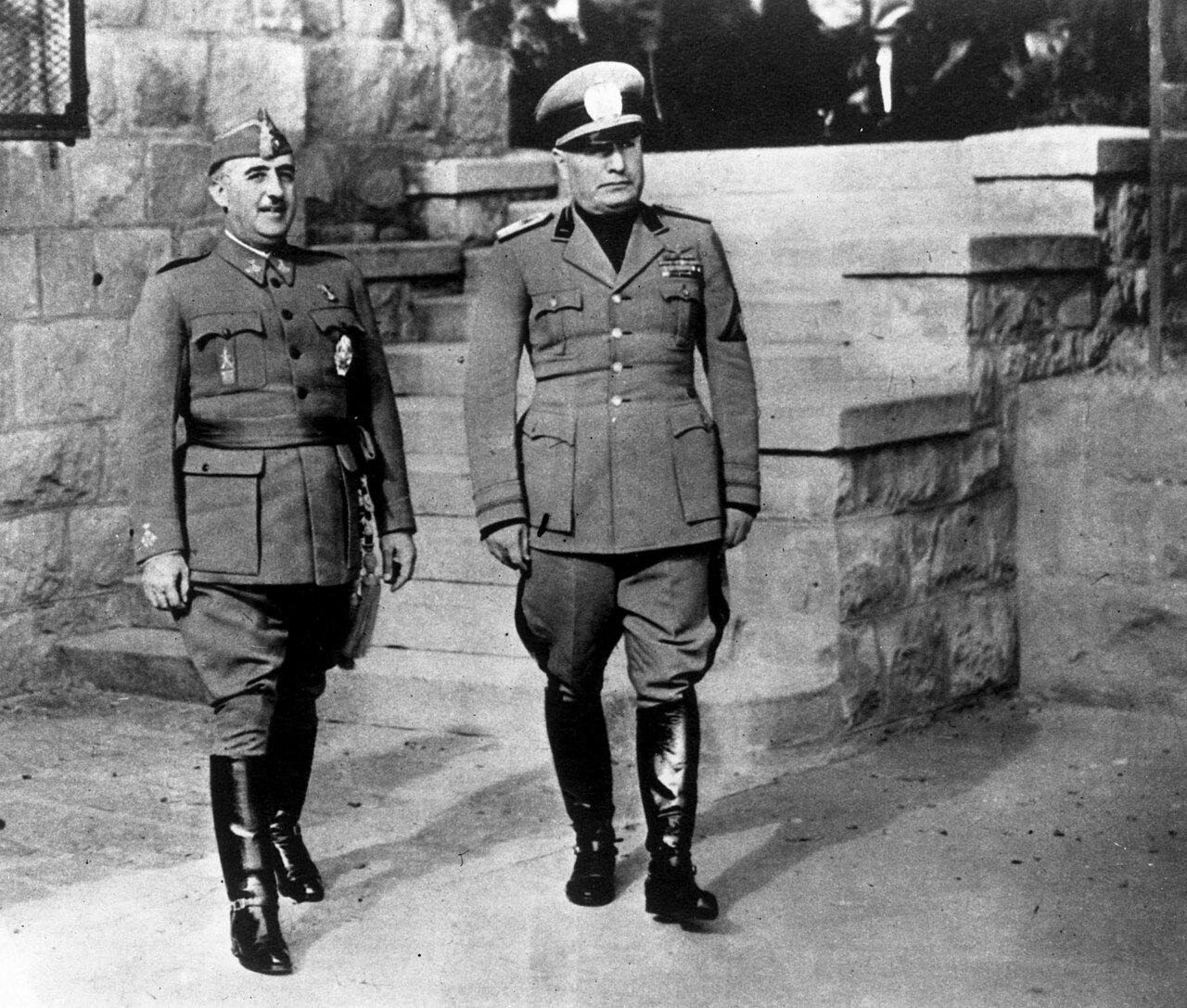
When the Second World War ended in 1945, Francisco Franco looked like a man who had somehow survived on the wrong side of history. Hitler was dead, Mussolini had been executed, and Nazi leaders were awaiting trial at Nuremberg. Franco’s regime had been established with crucial assistance from Germany and Italy, adopted much of their political imagery, and openly sympathized with the Axis powers for years. Spain’s Blue Division even fought alongside the German army against the Soviet Union. Yet Allied tanks never advanced on Madrid and its clerical-fascist regime. Why?The first reason was uncomfortably simple: Spain had not formally entered the war. Franco assisted Hitler through intelligence cooperation, economic support, and the dispatch of volunteers to the Eastern Front, but he was cautious enough to avoid declaring war on Britain and the United States. Spain was exhausted after the civil war, dependent on imported food and fuel, and incapable of sustaining another major conflict. Franco was ideologically sympathetic to the Axis, but he was not prepared to sink his own regime along with it. Once it became clear that Germany was losing, he again emphasized Spanish neutrality and began presenting his regime as less fascist and more Catholic and anti-communist—the latter quality, naturally, proving immediately attractive to certain figures in London and Washington.
The Allies did attempt to isolate him after the war. Franco’s Spain was not invited to join the founding members of the United Nations, and in 1946 the UN General Assembly recommended that member states withdraw their ambassadors from Madrid. The regime was excluded from Europe’s main reconstruction programs and spent several years as a political outcast. But condemnation is not the same as invasion. Removing Franco would have required launching another war, occupying a large country, and assuming responsibility for whatever came next. After six years of global bloodshed, few Western governments wanted another military campaign—especially one that might reopen the Spanish Civil War.
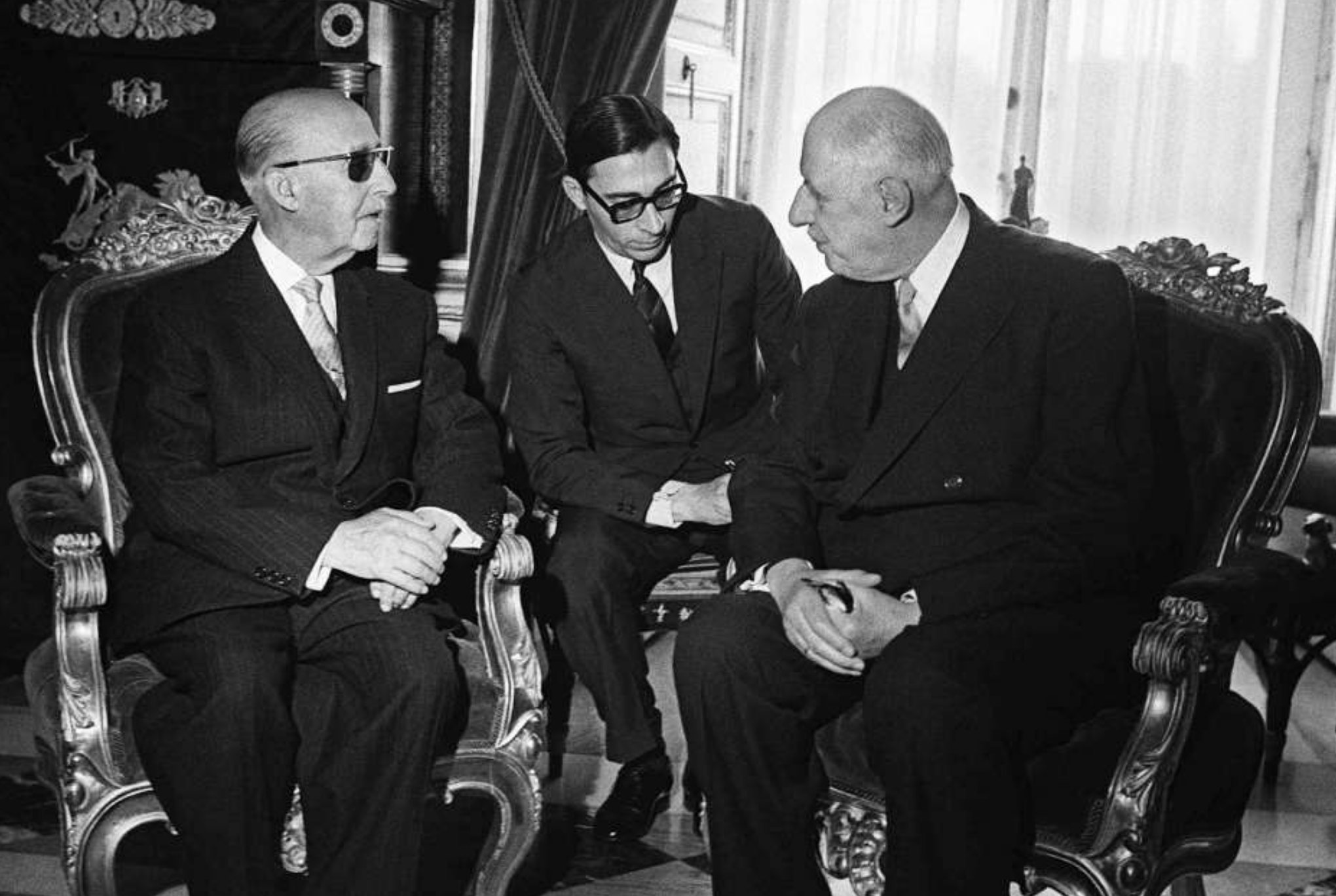
The Cold War ultimately rescued Franco from international isolation. Spain occupied a strategically important position between the Atlantic and the Mediterranean, close to Gibraltar and North Africa. The United States needed military bases, and Franco could offer both territory and reliable anti-communism. Under the 1953 Pact of Madrid, Washington received the right to use Spanish military facilities, while the regime obtained economic and military assistance in return. Two years later, Spain was admitted to the United Nations.
Sources
- Encyclopedia.ushmm.org Spanish Civil War | Holocaust Encyclopedia https://encyclopedia.ushmm.org/content/en/article/spanish-civil-war
- History.com Spanish Civil War breaks out | July 17, 1936 | HISTORY https://www.history.com/this-day-in-history/july-17/spanish-civil-war-breaks-out
- Vscw.ca Morocco | Virtual Spanish Civil War https://www.vscw.ca/en/node/408
- Vscw.ca Dragon Rapide airplane | Virtual Spanish Civil War https://www.vscw.ca/en/node/52
- Cambridge.org Franco's Moroccans https://www.cambridge.org/core/services/aop-cambridge-core/content/view/D8D4C6918FB19C9E4283C06165104468/S0960777320000284a.pdf/francos-moroccans.pdf
- Works.swarthmore.edu The Importance of Morocco in the Spanish Civil War https://works.swarthmore.edu/cgi/viewcontent.cgi?article=1031&context=suhj
- Ora.ox.ac.uk The Crescent and the Dagger: Representations of the Moorish Other during the Spanish Civil War https://ora.ox.ac.uk/objects/uuid%3Ade9bcf87-4c8c-46c7-8ddc-673b4e80094d/files/mb0e59493a2c16c52fdfbcb2443a058ac
- Direct.mit.edu Spain and the Early Cold War: The “Isolation Paradigm” Revisited Unavailable https://direct.mit.edu/jcws/article/24/3/43/112898/Spain-and-the-Early-Cold-WarThe-Isolation-Paradigm
Comments