
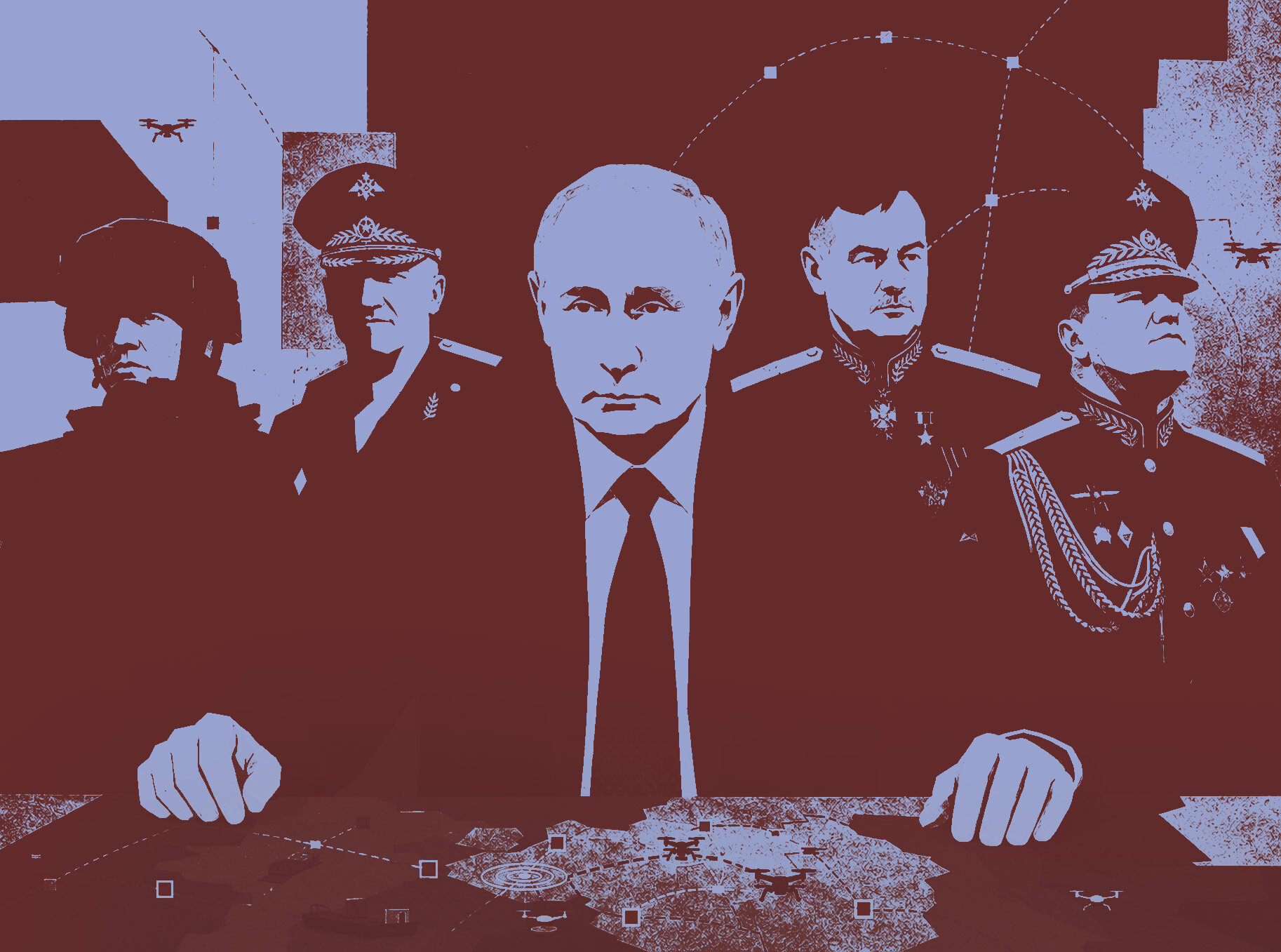
Russia has embarked on a major military overhaul, as some had expected—or at least suggested it might. One remark Putin made while announcing the changes reveals a great deal. "Managing logistics is also a combat mission," the Russian president said as he moved an experienced battlefield commander deeper into the military system. What does that actually mean? It means the war has changed, and Moscow has now formally acknowledged it. Warehouses, railways, trucks—none of these belong safely to "the rear" any longer. They are targets. Putin’s statement was therefore both an admission and a call to action, because Russia now faces a stark reality: there is no longer any safe space behind the front line.
The changes come only weeks after upheaval within Ukraine’s military and political leadership (see: Ukraine Reshuffles Its Command—and Russia May Have to Do the Same) and amid a campaign of strikes reaching ever deeper into Russian territory. On paper, this is a reshuffle involving four Russian generals. In reality, the very architecture of Russia’s war machine may be changing.
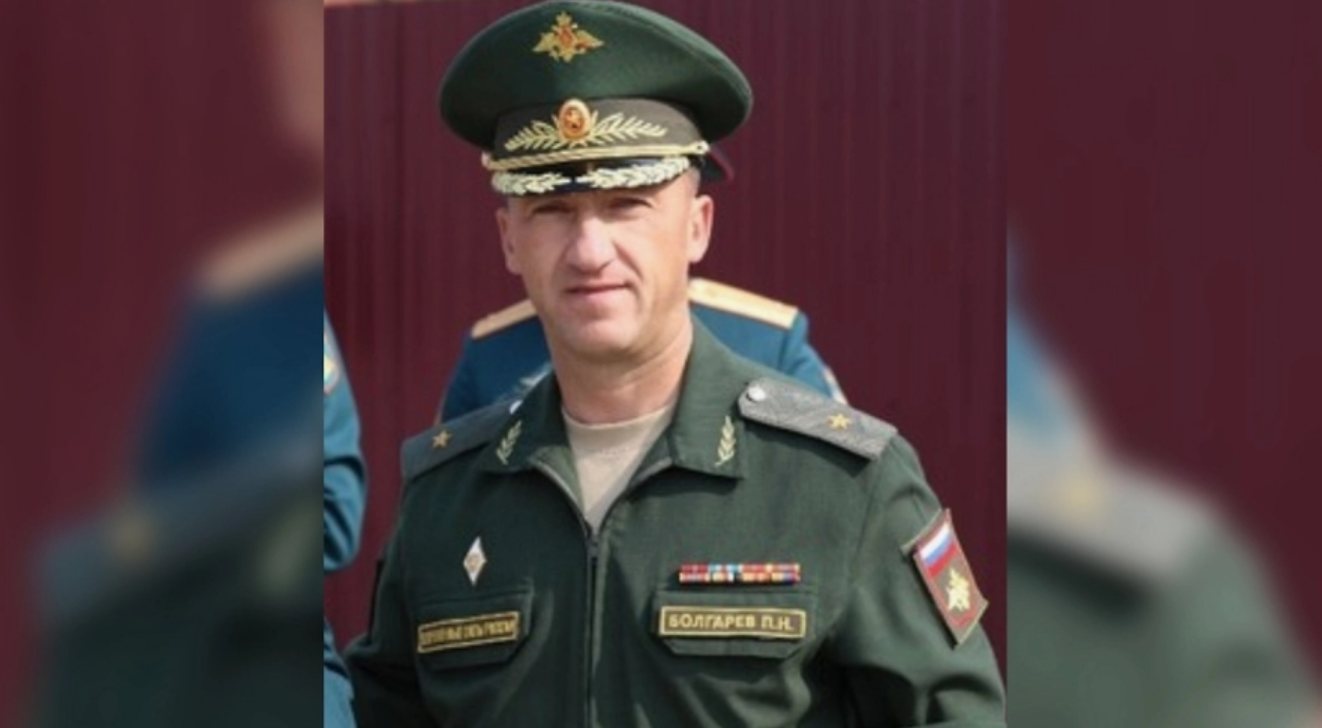
Vladimir Putin has appointed Valery Solodchuk deputy defence minister in charge of military logistics and rear services. He will be replaced as commander of the Center Group of Forces by Andrei Ivanayev, previously commander of the East Group of Forces. Ivanayev’s former chief of staff, Pyotr Bolgarev, will take over in an acting capacity, while Denis Lyamin has been appointed to command the newly created Unmanned Systems Forces. Taken together, these four appointments form a complete chain—the rear, the main Donbas axis, the eastern sector and drones as the new essence of military power—perhaps of every military?
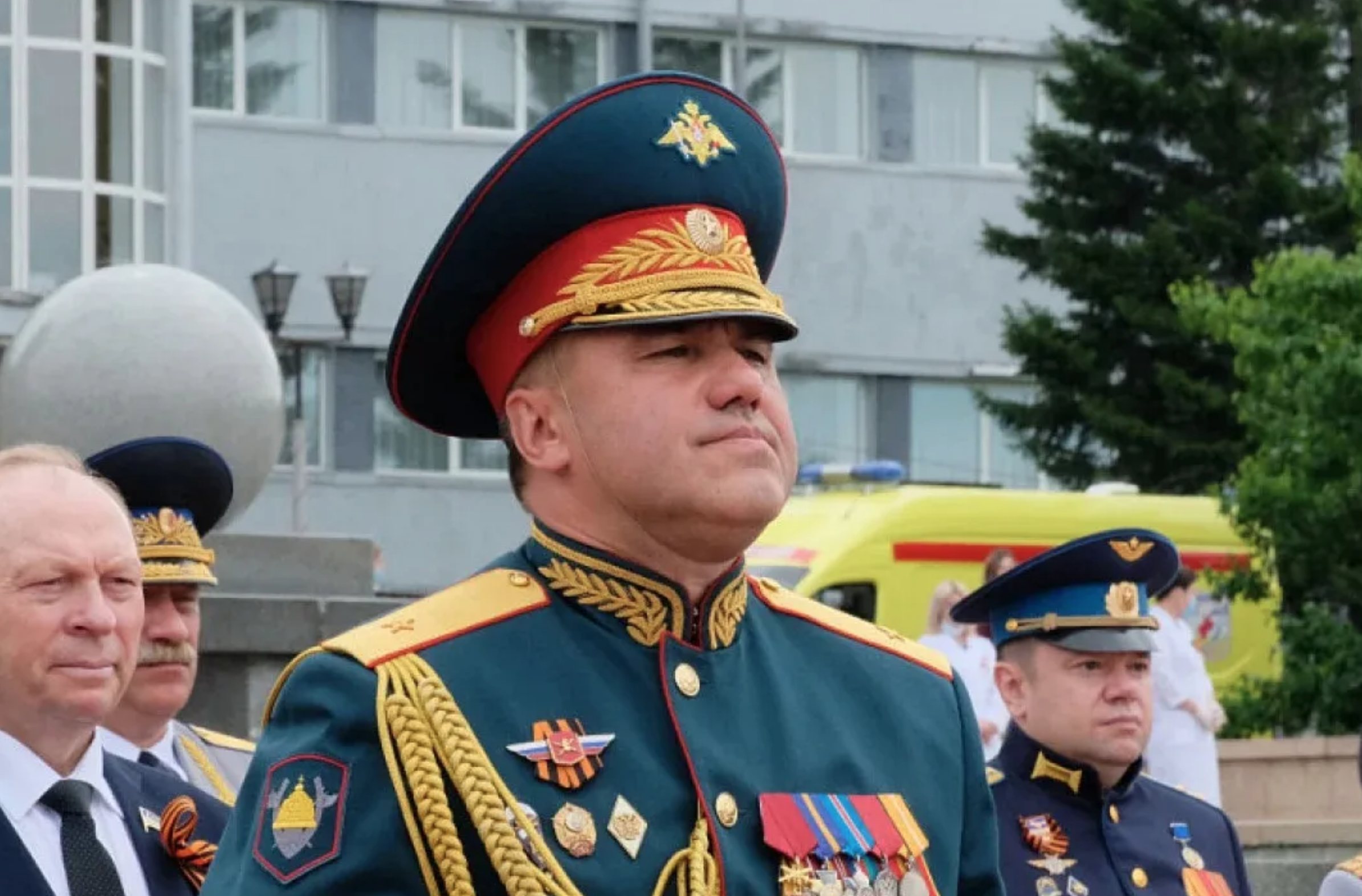
The most unusual appointment is Solodchuk’s. Responsibility for logistics has not been handed to a civilian manager or a traditional quartermaster, but to a paratrooper and combined-arms commander with experience in Kursk and on one of the most difficult sectors of the Ukrainian front. His career has taken him from the airborne forces and divisional command to the 36th Combined Arms Army, the General Staff and the Center Group of Forces. He also holds the title Hero of Russia. This is not a battlefield commander being retired to an office. It is an attempt to give operational authority to an area the Kremlin now considers just as important as the offensive itself. Once again, the statement highlighted at the beginning may be the most important line in this entire story.
In the traditional image of warfare, logistics follows the general’s decision: fuel, ammunition, food and troops must be delivered to wherever the battle is taking place. In this war, that sequence has broken down. A drone can watch a road for hours before striking a single vehicle. A long-range aircraft can hit a warehouse hundreds of kilometres from the front. A missile can shut down a port, while electronic warfare can disable an entire communications chain. Logistics no longer merely supports an operation. It determines whether the operation can happen at all.
It is therefore difficult not to see Solodchuk’s appointment as a response to Ukraine’s deep-strike strategy. In recent months, Kyiv has attacked Russian radar systems, air defences, transport hubs, fuel depots, refineries, ports and industrial facilities with increasing regularity. In July, it also created a dedicated Long-Range Strike Command, giving a more unified structure to operations that had previously often depended on improvisation.
Russia has triumphantly declared Ukraine’s heavily promoted forty-day campaign largely unsuccessful, while Ukraine presents the attacks as proof that Russia’s strategic depth is no longer untouchable—a fact that has already been evident for months. Both claims should be tempered. The campaign certainly did not break the Russian war economy, halt its ground advances or force Moscow to seek peace. As we have argued before, Russia will actively adapt under pressure, and spectacular attacks will gradually become less spectacular, at least in terms of their consequences. But the campaign was not meaningless either. The mere fact that Putin has placed a prominent field commander in charge of logistics suggests that the problem is not being dismissed as a propaganda nuisance. Russia’s new command structure may be the clearest acknowledgement yet that Ukrainian strikes have found a vulnerable point, even if they have not achieved their political objective.
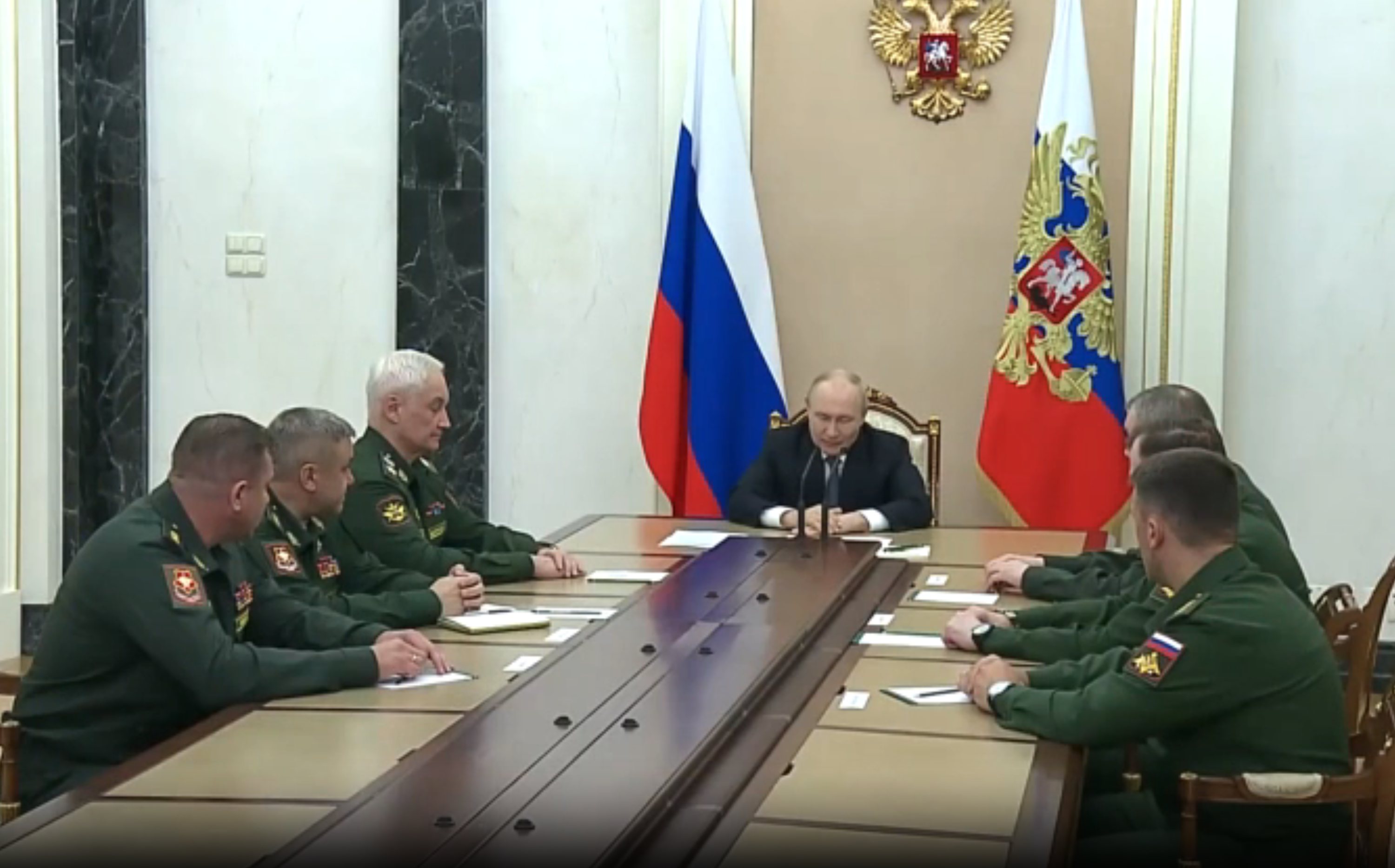
Centralisation under Solodchuk is intended to shorten the chain connecting factories, warehouses, railways, repair facilities and frontline units. A single vertical chain of command can move supplies more quickly, disperse depots, organise repairs and replace destroyed routes. It fits into Defence Minister Andrei Belousov’s broader project. An economist, Belousov was brought in to make the military apparatus more efficient, technologically responsive and less vulnerable to corruption. Yet concentrating so much responsibility also creates an old Russian danger: a single centre can accelerate decisions, but it can also become a massive bottleneck through which bad news travels upward far too slowly.
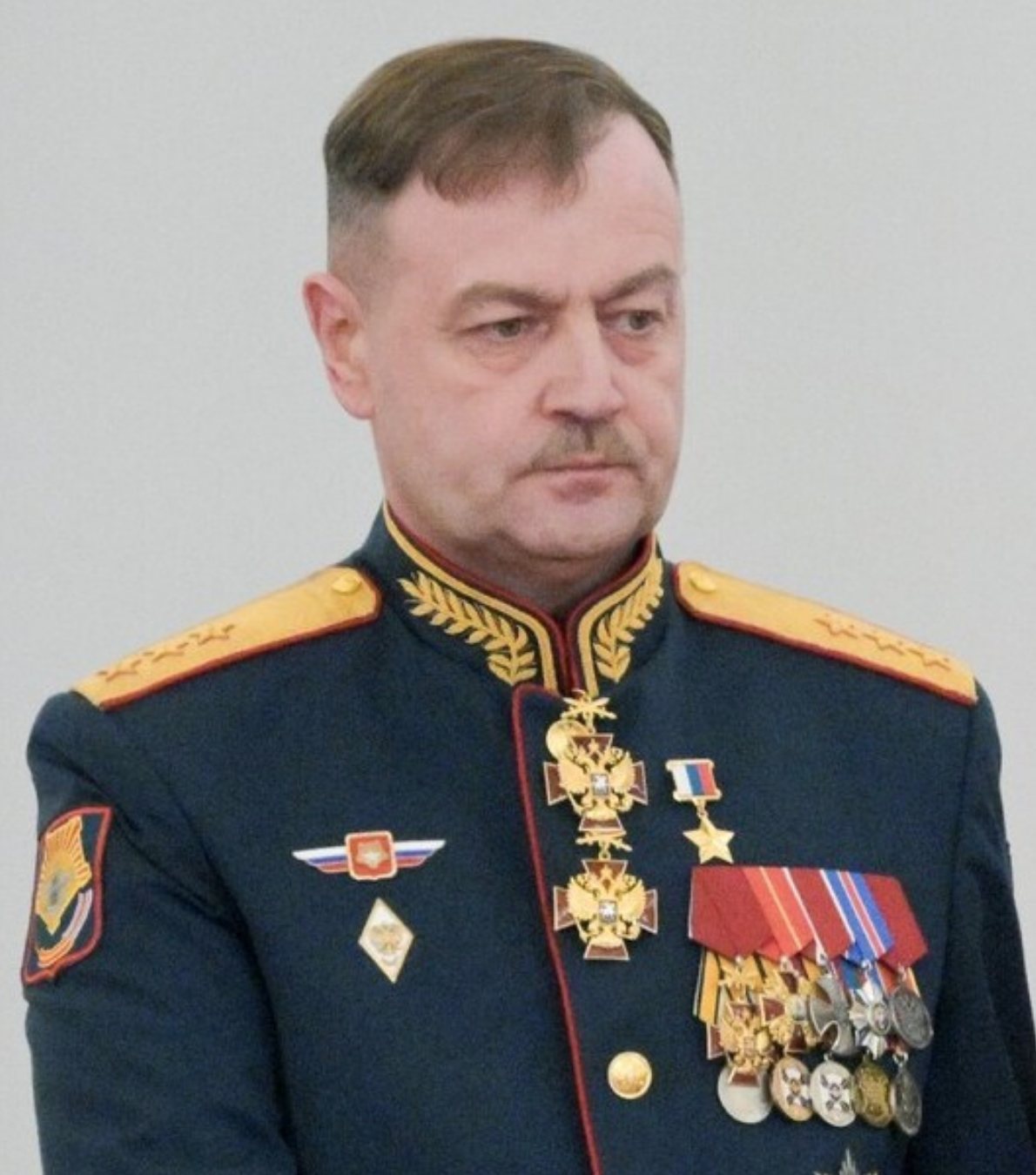
Ivanayev’s transfer to the Center Group of Forces reveals where improved logistics will first be expected to produce territorial gains. A tank officer and combined-arms commander, Ivanayev previously led Russia’s force grouping on the Euphrates in Syria, later commanded an army in the Western Military District and, from late 2024, headed the East Group of Forces. His record does not suggest a commander chosen for a dramatic experiment. He is, above all, a commander suited to slow, complex and materially demanding advances.
The Center Group of Forces is central to Russian pressure in the Donetsk region, particularly along the Ukrainian belt of fortified cities stretching from Kostiantynivka and Druzhkivka to Kramatorsk and Sloviansk. Every kilometre there will cost more than the last. That is now clear to absolutely everyone, as is the fact that territory described as "captured" or "liberated" may remain so one day and be lost the next. Quite simply, this part of Donetsk is the hardest possible terrain on which to fight this war.
With large armoured columns exposed to drones, mines and precision artillery, the fighting has become a combination of small assault groups, glide bombs and attempts to sever the enemy’s supply lines. Ivanayev has therefore probably not been brought in to launch one enormous breakthrough, but to increase the pressure until Ukraine’s defensive system begins to crack in several places at once. As events repeatedly confirm, Russia has no intention of abandoning this strategy. It sees victory in it regardless of the cost or consequences.
Bolgarev’s promotion to command the East Group of Forces, meanwhile, suggests continuity rather than punishment. As its former chief of staff, he already knows its personnel, plans and logistical routes, allowing operations to continue without a lengthy period of adjustment. Moscow is not transferring Ivanayev because it intends to stop in the east. It is leaving his command structure intact there while sending him to the more politically important axis.
Denis Lyamin has been given a task whose consequences may outlast all the other changes. At first glance, it may seem unusual for a new branch of the armed forces dedicated to unmanned systems to be led by an officer who began his career in armoured units. But that is precisely the point. Lyamin has not been appointed to treat drones as a technological novelty detached from the rest of the military. His job is to integrate them into conventional operations. He commanded the 58th Combined Arms Army during Ukraine’s 2023 counteroffensive, later served as chief of staff of the Center Group of Forces and saw at close range how drones were transforming the relationship between infantry, artillery, armour and electronic warfare.
Russia announced the creation of the Unmanned Systems Forces in 2025 and later declared that they had been formally established. Yet Putin’s current instruction to Lyamin to "complete their formation" exposes the gap between creating a military branch administratively and making it function in practice. Training must be standardised. Someone must be made responsible for purchasing and testing different platforms. Manufacturers must be connected directly to military units. Supply chains for spare parts and radio frequencies must be organised. Counter-drone systems must be developed, and the line of authority between ground commanders and the new branch must be defined. The Defence Ministry claims that around eight thousand specialists were trained during the first half of 2026, but a large number of operators is not the same thing as a coherent doctrine.
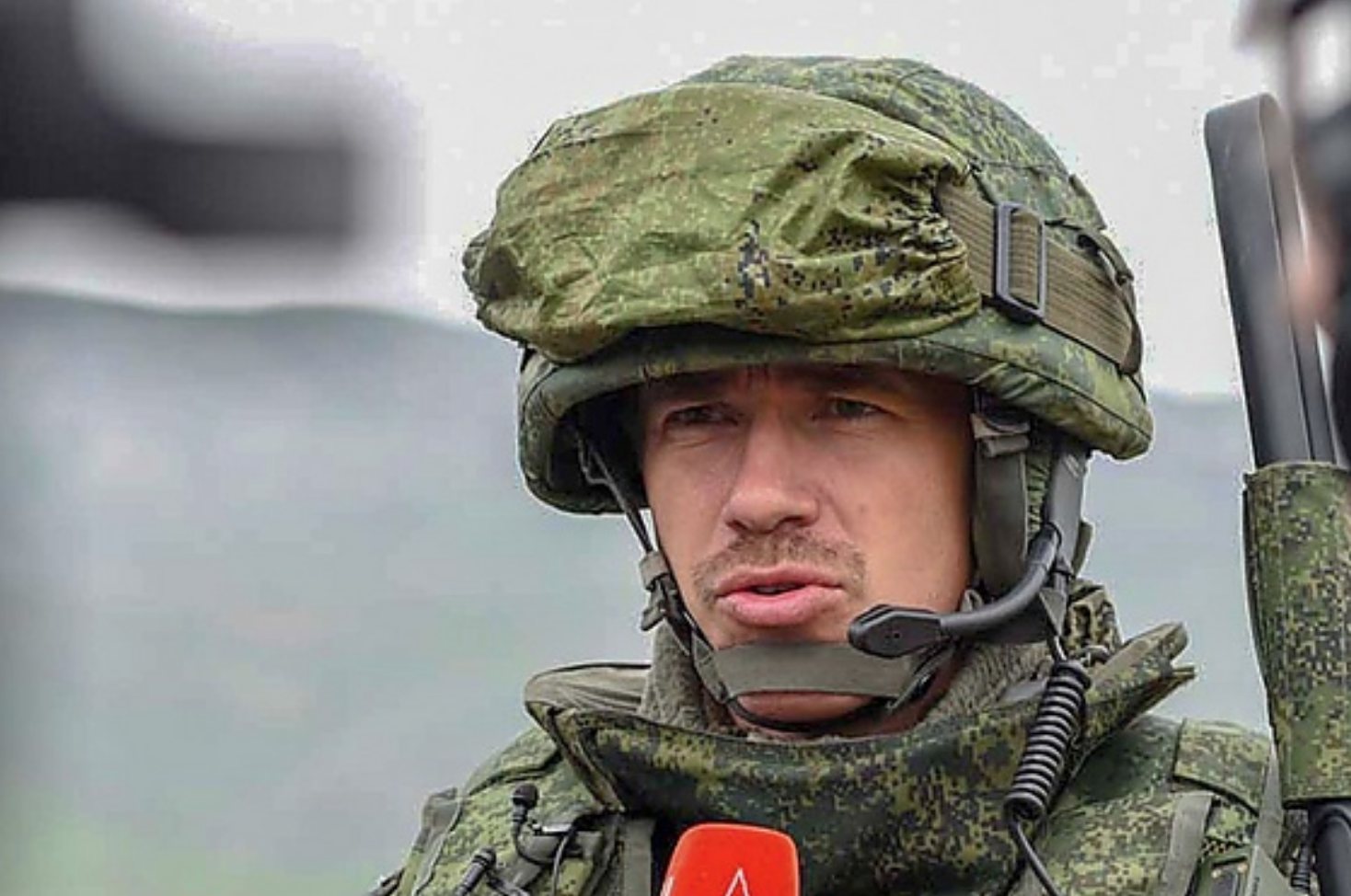
As we have written many times before, today’s drone is no longer merely a flying camera carrying explosives. It locates targets, transmits coordinates to artillery, lays mines, delivers food to isolated troops, intercepts other drones, serves as a communications relay or attacks a warehouse hundreds of kilometres away. On some sectors of the front, a zone tens of kilometres deep has emerged in which almost any movement can be detected and attacked. Whoever connects the sensor, the decision-maker and the weapon fastest gains an advantage of several minutes—often the difference between hitting an empty house and destroying an entire column. Lyamin’s task will be to turn this improvised lethality into an industrial system.
Ukraine is undergoing its own version of the same transformation. The removal of Defence Minister Mykhailo Fedorov triggered protests and opened a conflict within the country’s political and military leadership, while Commander-in-Chief Oleksandr Syrskyi was soon replaced by Mykhailo Drapatyi. At the same time, the restructuring of the General Staff continues, alongside the development of long- and medium-range strike programmes. Moscow and Kyiv, one might say, are increasingly beginning to resemble one another. Both are creating dedicated commands for technologies that were initially developed through semi-improvised structures. Both are centralising supply systems and trying to compensate for shortages of manpower with machines.
Some will ask whether Putin’s move signals further escalation or a turn towards negotiations. The creation of a new military branch, the centralisation of logistics and the transfer of a senior commander to the main Donbas axis are not the actions of a state expecting the war to end within weeks. Russia is launching increasingly large waves of missile and drone attacks, while Ukraine strikes Russian industry, energy infrastructure and transport links. Both sides are behaving as though the war will continue—and as though its next form will be deeper, more automated and increasingly detached from the physical front line.
But escalation and negotiation have long since ceased to be opposites in this conflict. Moscow clearly wants to enter any future diplomatic round controlling as much of the Donetsk region as possible, with a more secure rear and proof that it can outlast its opponent. Kyiv wants to demonstrate that Russian territory will not remain protected even if Ukraine cannot recapture large areas on the ground. Putin’s restructuring therefore looks more like escalation in the service of negotiations that still have neither a date nor a sufficiently powerful mediator. As for Trump, were he not so deeply entangled in the conflict himself, he could almost be forgotten.
Should Solodchuk and Lyamin succeed, the Russian military may not look dramatically different, but it will become more resilient against the kind of warfare Ukraine has used to slow it down.
That is also where the darkest meaning of these changes lies, at least from a human perspective. A more efficient military in a conflict like this will not end the war sooner, but it will be capable of fighting it longer. Ukraine and Russia are simultaneously eliminating the weaknesses that once forced them to pause, improvise and exercise caution. Every lesson learned reduces the likelihood of rapid collapse, but increases the number of people and cities the system can continue to consume. Behind the tactics lies a terrible, rolling tragedy: two military machines competing to survive their own losses long enough for politicians to declare whatever remains a victory.
That day will come, but the winner will be whoever has managed to remain most insulated from the war. It will be neither Russia nor Ukraine, and it will not be the United States either if Washington becomes trapped in a vast conflict in the Middle East. Trump still has no way out. Europe, meanwhile, resembles the Ukrainian defence itself—it holds until it no longer can, and the day may come when it collapses like a row of dominoes. That leaves China, perhaps, until someone finds a way to drag it too into the catastrophe spreading outward in concentric circles.
Sources
- Reuters Putin names head of new Russian drone forces in military reshuffle https://www.reuters.com/world/europe/putin-names-head-new-russian-drone-forces-military-reshuffle-2026-08-05/
- Meduza.io Путин произвел масштабные перестановки в военном командовании https://meduza.io/feature/2026/08/05/putin-proizvel-masshtabnye-perestanovki-v-voennom-komandovanii-glavoy-voysk-bespilotnyh-sistem-okazyvaetsya-vse-esche-ne-sozdannyh-stanet-general-denis-lyamin
- Understandingwar.org Russian Offensive Campaign Assessment, July 17, 2026 https://understandingwar.org/research/russia-ukraine/russian-offensive-campaign-assessment-july-17-2026/
- Kommersant.ru Биографии новых командующих в Вооруженных силах РФ https://www.kommersant.ru/doc/8863084
- President.gov.ua I Signed a Decree Establishing a Special Command within the Armed Forces https://www.president.gov.ua/en/news/pidpisav-ukaz-pro-stvorennya-u-skladi-zbrojnih-sil-specialno-105389
- Associated Press Ukrainian midrange drones reshape the battlefield by targeting Russian supply lines https://apnews.com/article/russia-ukraine-midrange-drones-war-c0909dbcc38d597142d1c662979c8406
- Jamestown.org Russia’s Unmanned Systems Forces Become Wildcard in Moscow’s Military Modernization https://jamestown.org/russias-unmanned-systems-forces-become-wildcard-in-moscows-military-modernization/
- Acleddata.com Ukraine’s drone campaign is dismantling Russia’s military supply network in the occupied south https://acleddata.com/report/ukraines-drone-campaign-dismantling-russias-military-supply-network-occupied-south
Comments