
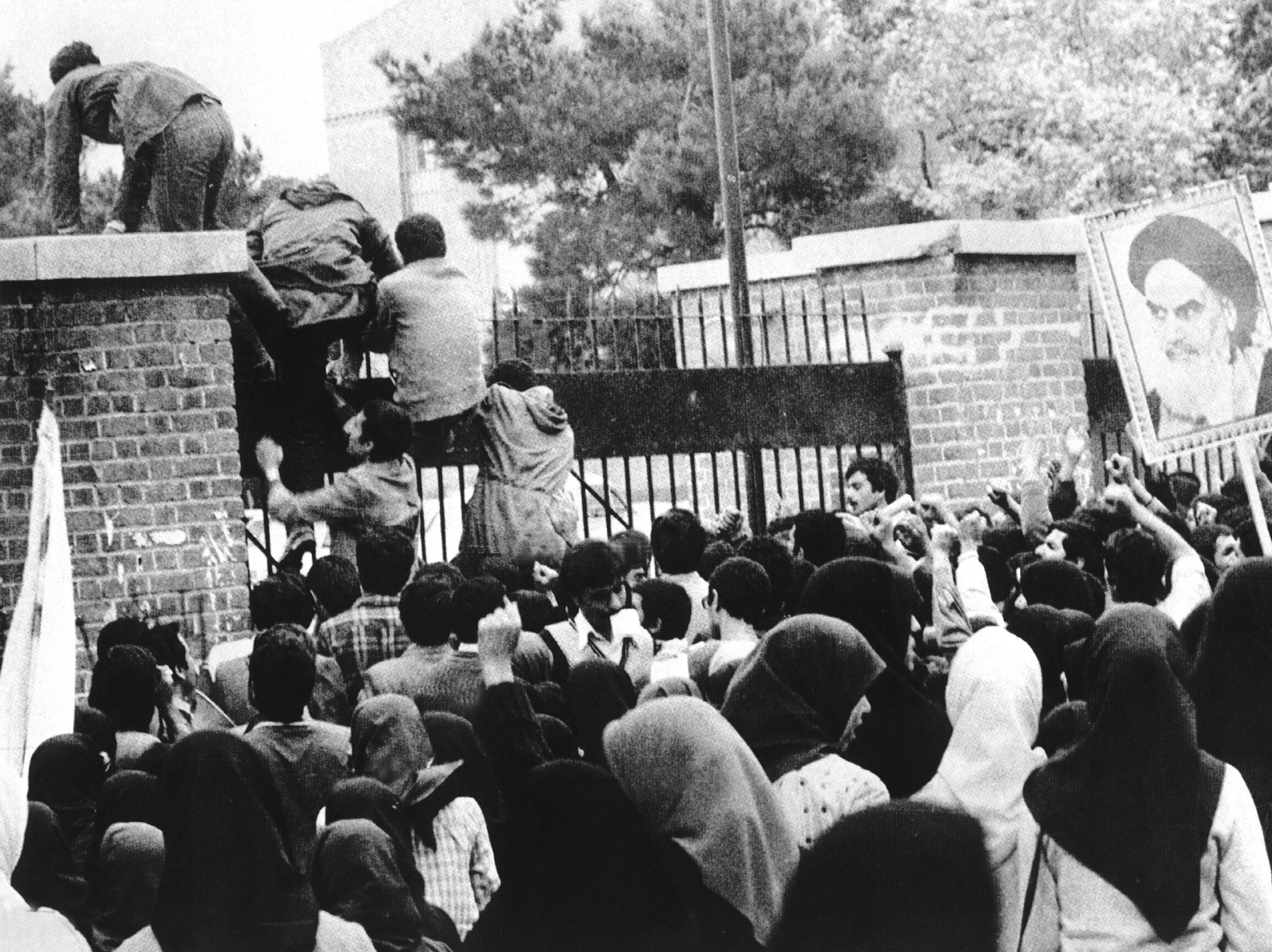
The student protest was supposed to last a few days, but it became a weapon in the struggle for Iran and a symbol of American helplessness before the world.
The women had hidden bolt cutters beneath their chadors. On the rainy morning of Sunday, November 4, 1979, several hundred young people gathered outside the US embassy in Tehran. The police at the entrance did nothing to stop them. The chain was cut, some climbed over the wall, and protesters poured into the sprawling compound. The first report national security adviser Zbigniew Brzezinski sent to President Jimmy Carter put the crowd at as many as 3,000. Amid the confusion of those first few hours, no one knew how many were actually inside or how long they intended to stay.
Even the organizers had not expected a prolonged occupation. In later accounts, they described planning a symbolic protest lasting a few days. They had brought enough supplies for that. They would seize the embassy, denounce American protection of the deposed shah before the world's cameras, and then leave. It was radical political theater, but there was no plan for a crisis that would last well over a year.
They certainly got the world's attention. The problem was that the students could no longer simply walk away. Ayatollah Ruhollah Khomeini, the leader of the revolution, endorsed their action, giving it a significance its organizers could no longer control. By the time the last 52 hostages were finally released, the shah was dead, Iran was at war with Iraq, and Carter had just left the White House. A "temporary protest" had become a 444-day geopolitical crisis.
An embassy haunted by 1953
For Iran's revolutionaries, the US embassy in Tehran was no ordinary diplomatic building. Its walls evoked the memory of 1953, when the CIA and British intelligence had helped overthrow Prime Minister Mohammad Mossadegh after his confrontation with the West over Iran's nationalized oil industry. Shah Mohammad Reza Pahlavi subsequently consolidated his authoritarian rule with strong American backing. Washington saw him as a valuable Cold War ally. Many Iranians saw a repressive ruler kept in power by a foreign state.
That was why the Carter administration's decision to admit the gravely ill shah to the United States for medical treatment on October 22, 1979, provoked more than anger. The revolutionaries wondered whether Washington was preparing another operation like the one in 1953. The students, who called themselves the Muslim Student Followers of the Imam's Line, demanded that the shah be extradited to stand trial in Iran. In their eyes, seizing the embassy was a preemptive strike against a possible coup.
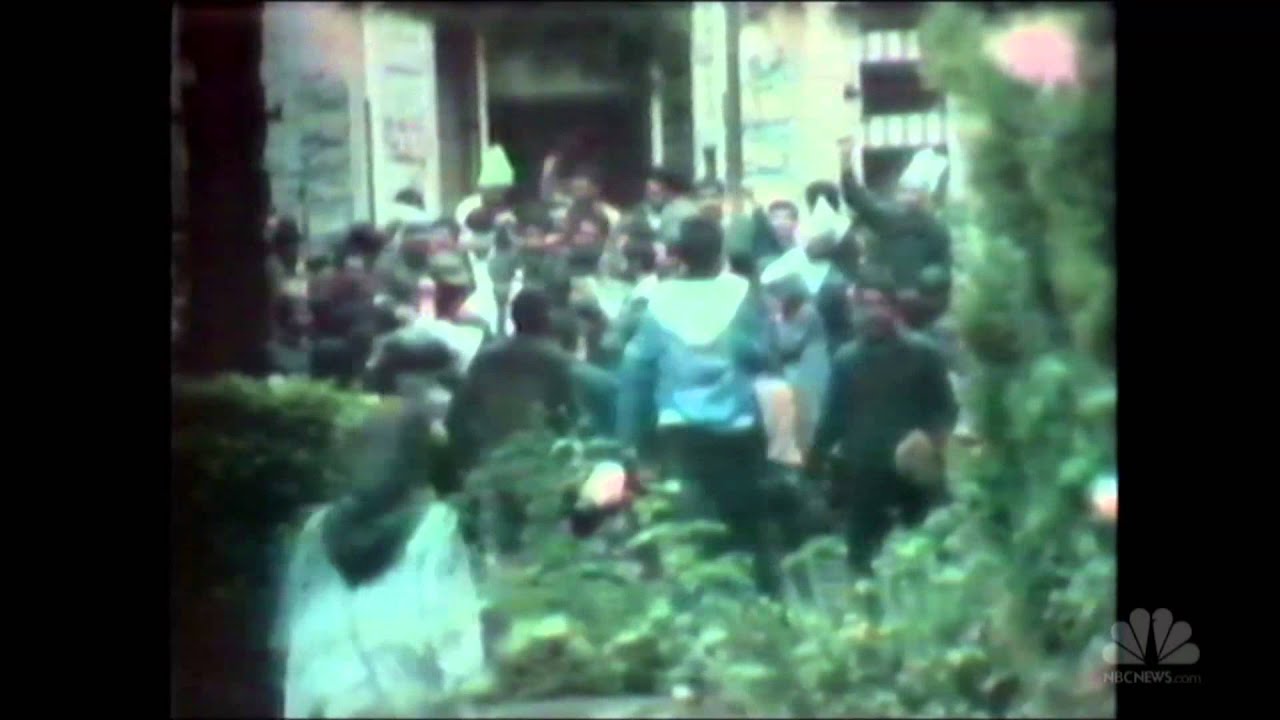
The embassy had already been attacked once that year, in February. On that occasion, Khomeini's forces had intervened, freed the staff, and returned the compound to the Americans within hours. On November 4, the diplomats hoped for a similar outcome. This time, however, the Iranian authorities did not come to rescue the embassy. They came to claim its seizure as a political victory.
An improvised protest becomes state policy
Whether Khomeini knew about the students' plan in advance remains disputed. What he did afterward matters far more. On the first day, he stayed silent and watched the response. Once it became clear that the action was popular, he publicly endorsed it, declaring the embassy seizure a "second revolution," greater than the first. What the students had improvised was now a matter of national interest, and any call to release the hostages began to sound like opposition to the revolution itself.
The moderate prime minister, Mehdi Bazargan, understood what was happening. Since the fall of the monarchy, his provisional government had been trying to keep the state functioning and preserve at least a basic relationship with the West. Bazargan condemned the embassy seizure but lacked the power to end it. He resigned on November 6. Just two days after the students entered the embassy, the most prominent representative of the revolution's moderate wing had effectively been forced out of government.
The revolution that had overthrown the shah was still unfinished. Clerical Islamists, liberals, nationalists, and various groups on the left had all taken part. They all wanted the monarchy gone, but they had very different ideas about what should replace it. The hostage crisis gave Khomeini's camp a way to reduce that complicated struggle to a much simpler divide. The debate was no longer just about the constitution, clerical authority, or civil liberties. It became a question of who stood with the revolution and who stood with America.
In December, a referendum approved a new constitution that vested supreme authority in an Islamic jurist. The hostage crisis did not write that constitution, but it created ideal conditions for its adoption. Opponents of concentrated clerical power could now be portrayed as weak, naive, or aligned with a foreign enemy. The hostages were a weapon against the United States, but an even more effective one against Khomeini's rivals inside Iran.
Documents found in the embassy played a particular role in this struggle. American staff had tried to destroy sensitive files before the students reached the secure rooms. The students later painstakingly pieced the thin strips of shredded paper back together like an enormous jigsaw puzzle. They published the reconstructed documents in books that were initially sold even from a stall outside the occupied compound.
The documents were supposed to prove that the embassy had been a "den of spies." Some did reveal the routine intelligence work of a major power, but their selective publication also served a clear domestic political purpose. Contacts between Iranian moderates and American diplomats could be presented as treason. An ordinary conversation became a conspiracy, knowing an American was almost an admission of guilt. The shredded paper became a weapon against people who were not even being held inside the embassy.
Geopolitics with a blindfold on
For the hostages themselves, grand political strategy meant the daily reality of captivity. Sixty-six Americans were initially taken prisoner. Thirteen were released in November, mostly women and African Americans whom the captors sought to portray as victims of American society. Another hostage was freed the following summer because of a serious illness. The remaining 52 endured isolation, interrogation, blindfolding, and transfers between locations. Some were also subjected to mock executions.
Six diplomats and a fake film called Argo
Six American diplomats managed to escape, though not all together. As the students forced their way into the embassy's main building and rounded up its staff on November 4, 1979, five employees from the consular section slipped out of the compound unnoticed in the confusion.They first went to their colleague Robert Anders's apartment, then spent several days moving between private apartments and an empty house.
A sixth diplomat, agricultural attaché Lee Schatz, made his own way through the crowd and found refuge with Swedish diplomats. The first group secretly came under Canadian protection on November 10, Schatz joined them about ten days later.
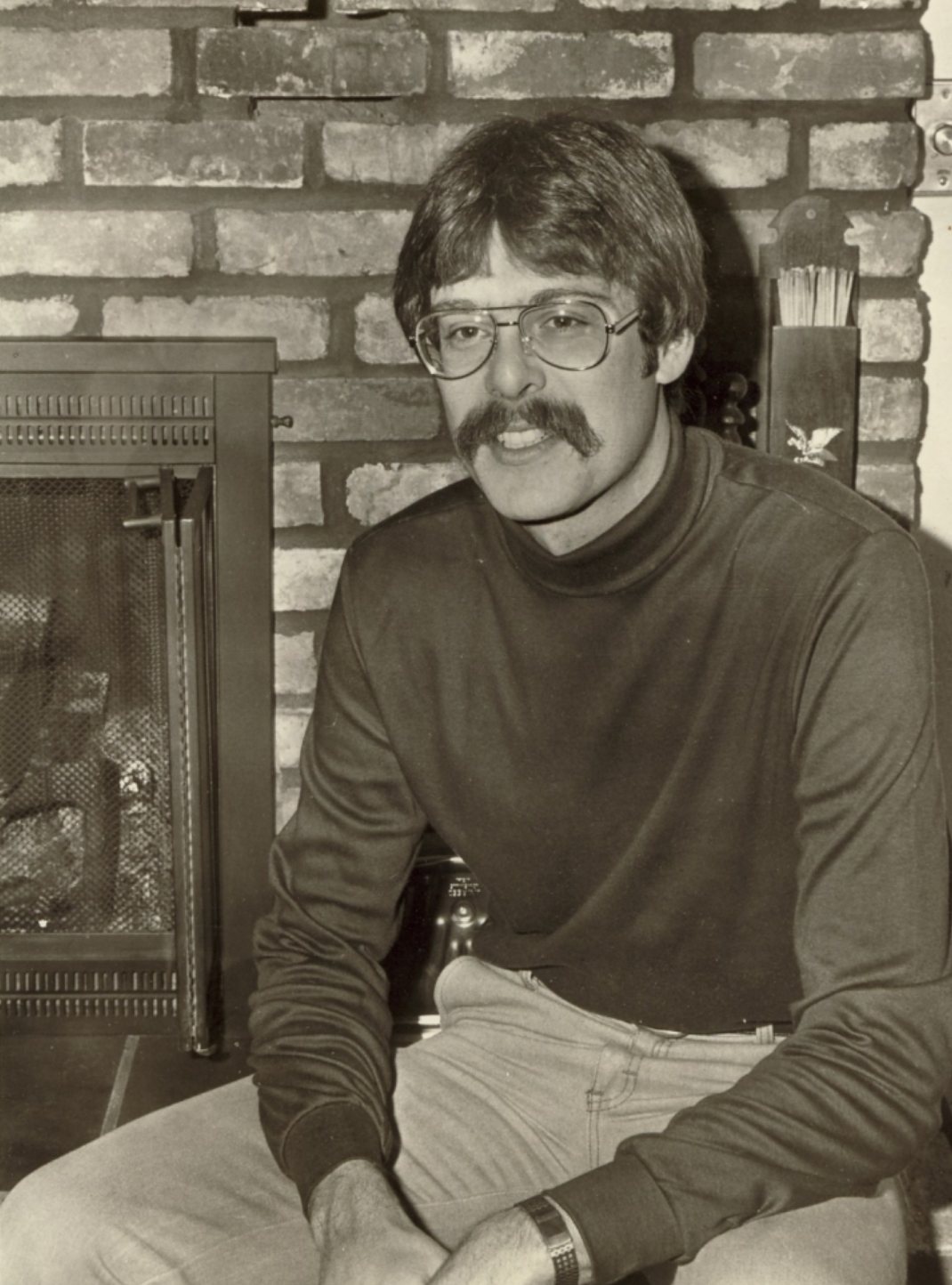
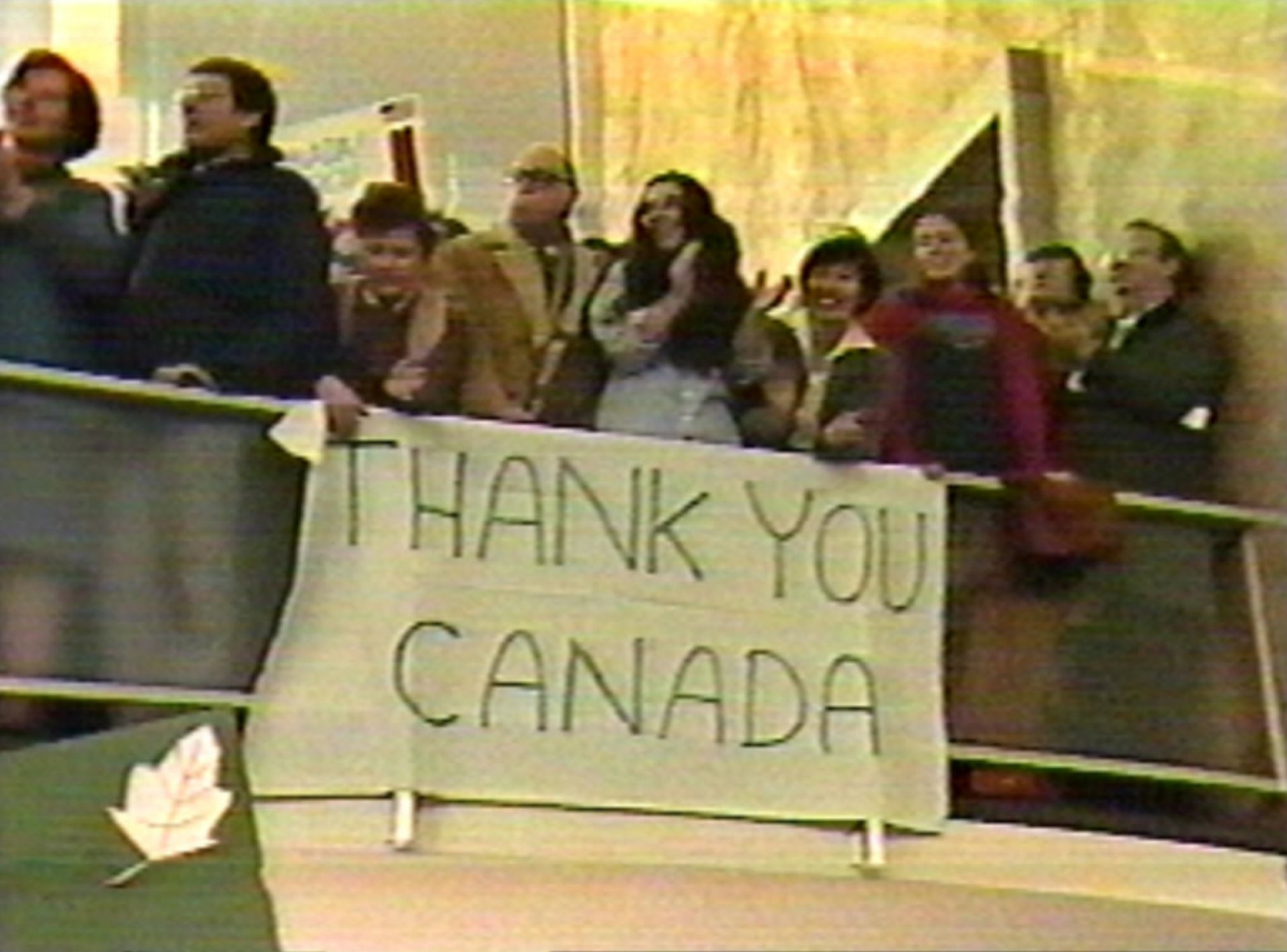
The six Americans spent almost three months as the secret "guests" of Canadian ambassador Ken Taylor and diplomat John Sheardown, knowing that discovery would also endanger the people sheltering them. Canada eventually issued them passports, but they still needed a convincing story to get through Iranian exit controls.
CIA disguise specialist Tony Mendez proposed that the six Americans pose as a Canadian film crew scouting locations in Iran for a science-fiction movie called Argo. The cover story went far beyond forged credentials. A fictitious company, Studio Six Productions, was set up in Hollywood, complete with an office that could answer phone calls, and the project was advertised in the film industry press. The imaginary movie needed enough of a real-world paper trail to withstand scrutiny.
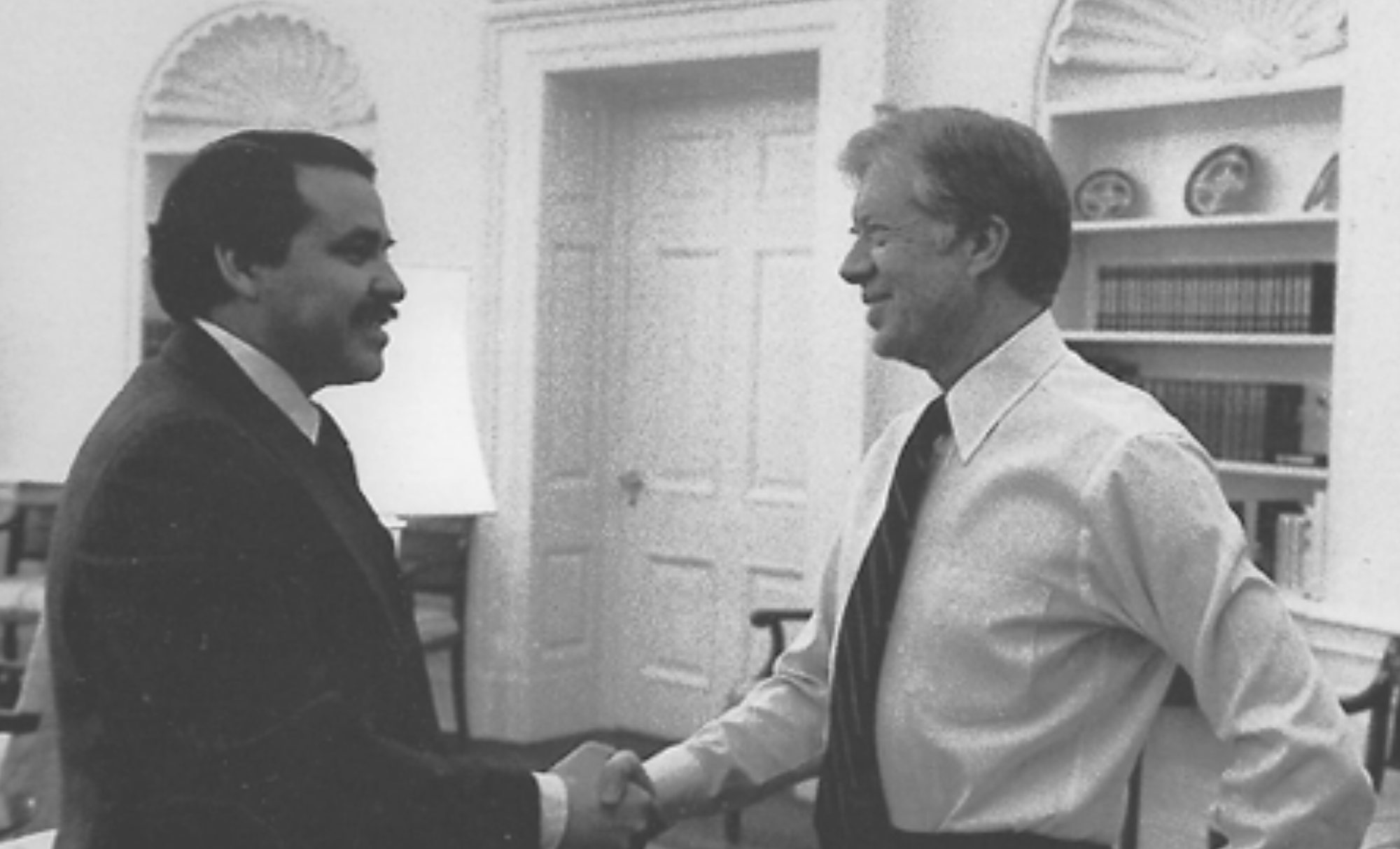
A superpower struggling to reach its hostages
Carter froze Iranian assets, imposed sanctions, and spent months seeking a solution through intermediaries. American television programs counted off each new day of captivity. The crisis became a national ritual of helplessness. The United States could destroy much of Iran's military infrastructure, but freeing people hidden in a city of several million was another matter. That imbalance was precisely what gave the captors their power.
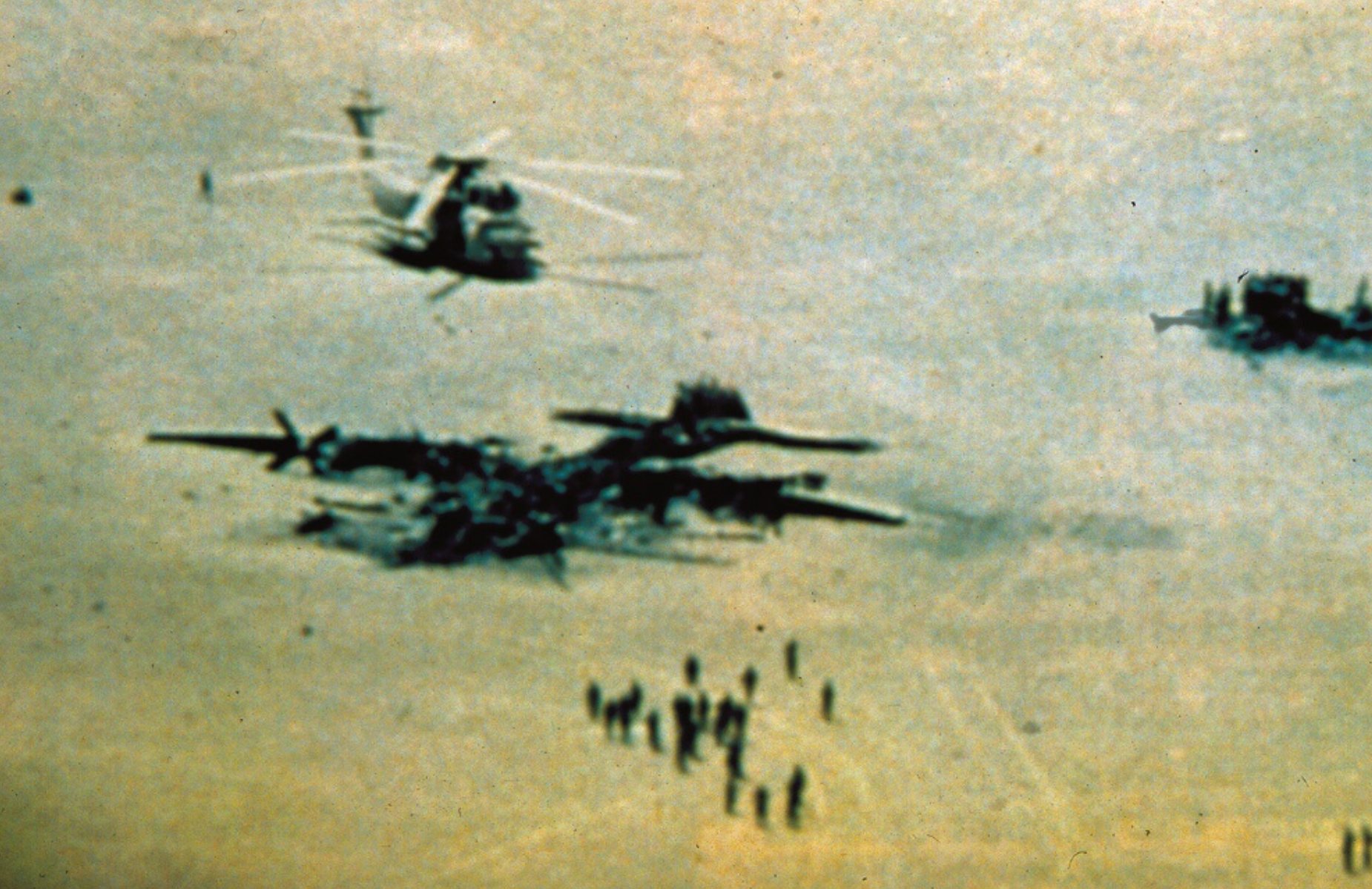
In April 1980, Carter authorized Operation Eagle Claw, a secret attempt to rescue the hostages. The plan required American aircraft and helicopters to cover a vast distance undetected, rendezvous in the Iranian desert, and then continue toward Tehran. A sandstorm and mechanical failures left too few operational helicopters, forcing the mission to be aborted before it even reached the city. During the withdrawal, a helicopter collided with a transport aircraft. Eight American servicemen were killed, and images of the burned wreckage became material for Iranian propaganda and a symbol of American humiliation.
How failure changed the US military
The disaster in the desert exposed problems that went beyond sand and faulty helicopters. The operation had hastily assembled personnel and equipment from several branches of the military without a permanent joint command or sufficient training together. The crews tasked with an exceptionally complex nighttime infiltration did not belong to a single, established organization. The chain of command and communications were as fragile as the plan's technical execution.Admiral James Holloway's investigation recommended a permanent counterterrorism organization with personnel and forces assigned in advance. The Joint Special Operations Command and Task Force 160, a helicopter unit specifically trained for covert night missions, were established soon afterward. Task Force 160 later developed into the 160th Special Operations Aviation Regiment, known as the Night Stalkers.
The transformation did not happen overnight. Further problems during the 1983 US invasion of Grenada again exposed how poorly the military branches worked together. Eagle Claw nevertheless became the starting point for a reform process that led to the creation of the unified US Special Operations Command in 1987. A mission that never reached Tehran thus left a lasting mark on how America organizes its most sensitive military operations.
A crisis that outlived its original cause
By the summer, even the original reason for the crisis had disappeared. The shah had left the United States and then died in Egypt in July 1980. He could no longer be extradited, yet the hostages remained in captivity.
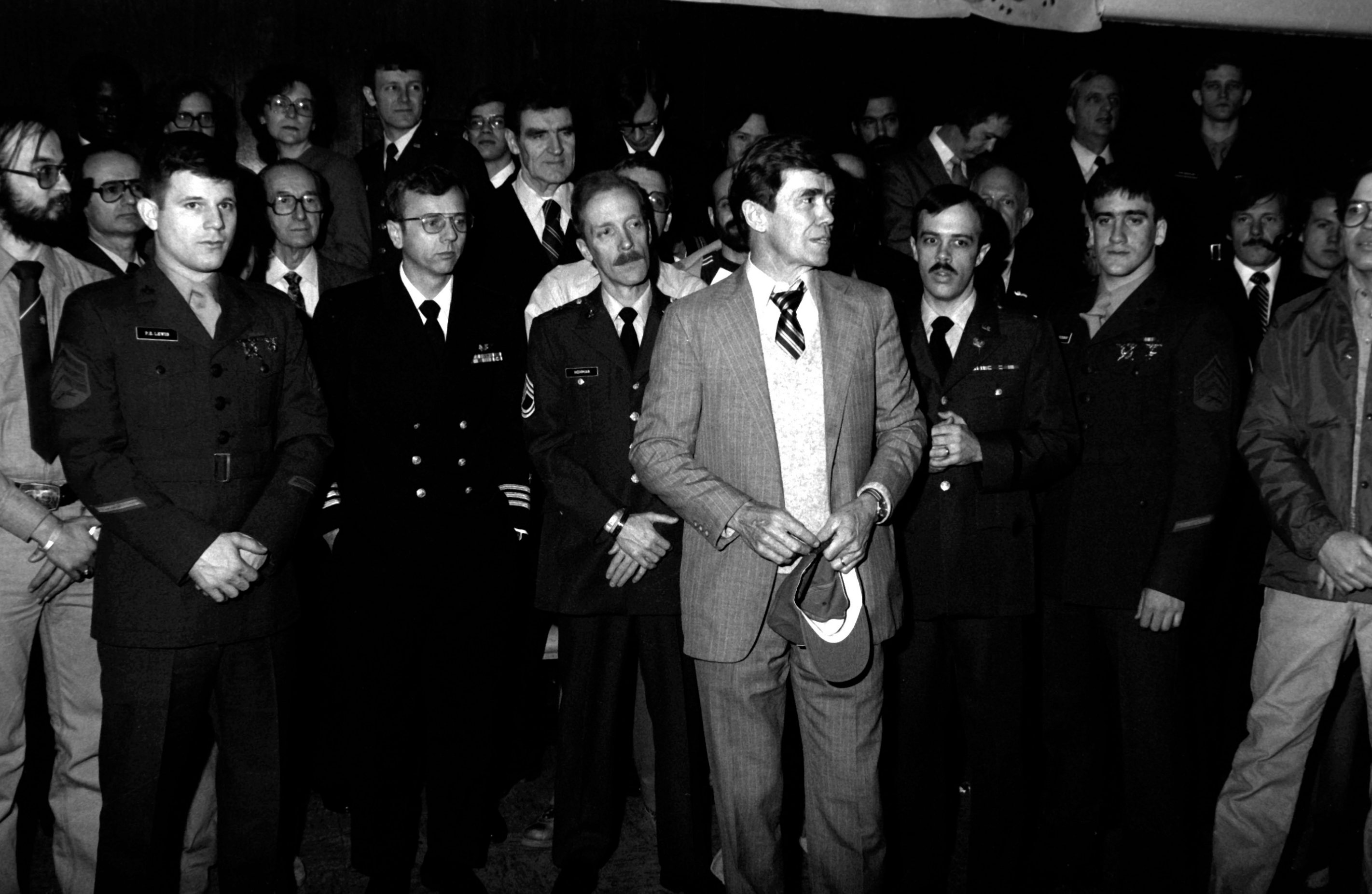
A final agreement was reached through Algerian mediation. On January 20, 1981, the hostages were released, minutes after Ronald Reagan took the presidential oath of office. Carter's administration had negotiated the deal, but the televised ending belonged to his successor. By the time Carter greeted the hostages in West Germany, he was a former president.
The students really had intended to occupy a building for a few days. Instead, they helped consolidate clerical rule and make hostility toward America one of the foundations of the new system. The crisis lasted 444 days not because anyone had planned it so precisely, but because it grew more useful with every passing day. They entered the embassy to change American policy and ended up changing the Iranian revolution itself.
Sources
- Office of the Historian, U.S. Department of State Memorandum From the President’s Assistant for National Security Affairs (Brzezinski) to President Carter: Takeover of Embassy Tehran https://history.state.gov/historicaldocuments/frus1977-80v11p1/d1
- Encyclopaedia Iranica HOSTAGE CRISIS https://www.iranicaonline.org/articles/hostage-crisis/
- U.S. National Archives and Records Administration 444 Days: Selected Records Concerning the Iran Hostage Crisis 1979-1981 https://www.archives.gov/research/foreign-policy/iran-hostage-crisis
- National Security Archive Iran 1953: State Department Finally Releases Updated Official History of Mosaddeq Coup https://nsarchive.gwu.edu/briefing-book/iran/2017-06-15/iran-1953-state-department-finally-releases-updated-official-history
- Central Intelligence Agency Argo: The Ingenious Exfiltration of the "Canadian Six" https://www.cia.gov/stories/story/argo-the-ingenious-exfiltration-of-the-canadian-six
- U.S. Army Operation Eagle Claw remembered 40 years later https://www.army.mil/article-amp/235436
- U.S. Army Special Operations Command 160th SOAR- Plus or minus 30 seconds https://www.army.mil/article-amp/29322
- Office of the Historian, U.S. Department of State An End to the Hostage Crisis https://history.state.gov/departmenthistory/short-history/hostageend
Comments