Two Cloves of Garlic at the Beginning of Dystopia
War has always produced monsters. But this is different — more personal, more immediate, and utterly deaf to every plea for mercy.
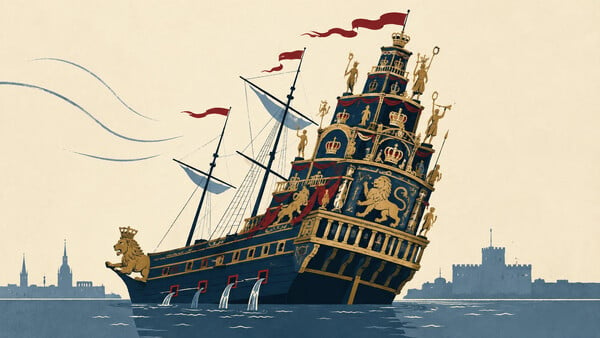
Everyone could see that something was wrong, but the ship had to set sail anyway. When politics overrides physics, the sea delivers its judgment.
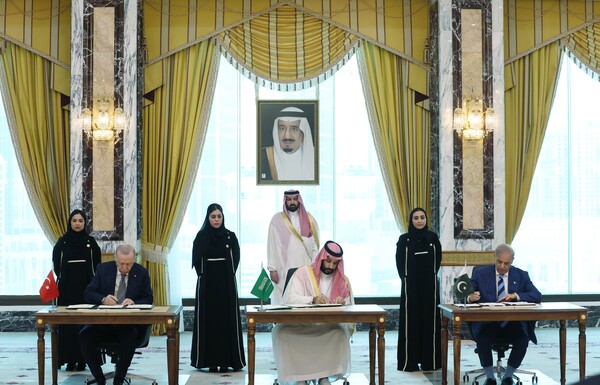
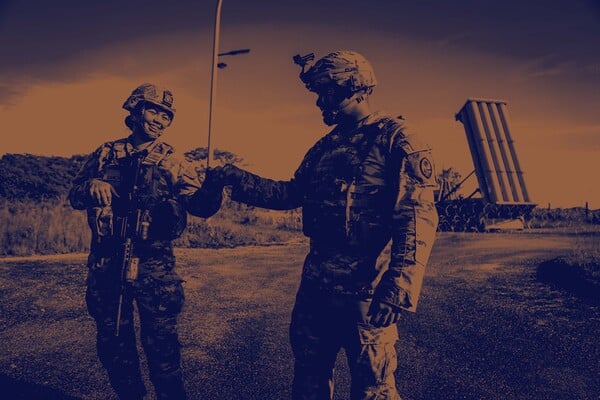
Three allies are building a common shield in the midst of war — but it remains to be seen whether it will protect them or someone else’s interests.
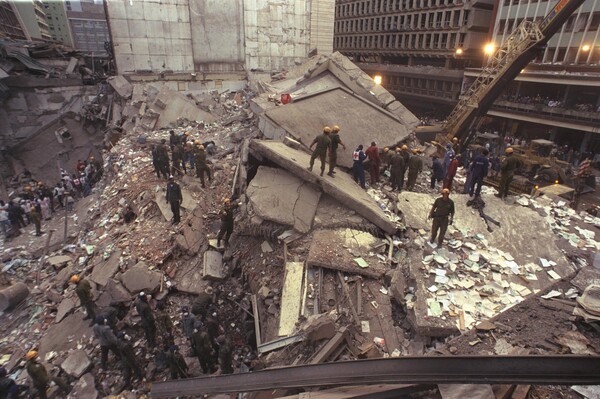
When African streets crumbled, the world witnessed a distant attack. At the same time, Al-Qaeda saw evidence that it had found a way into the new century.
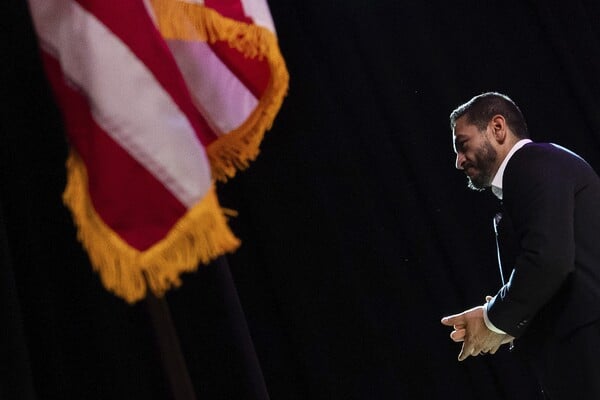
When millions can no longer buy obedience, America begins to discover just how badly its old political centre has decayed.
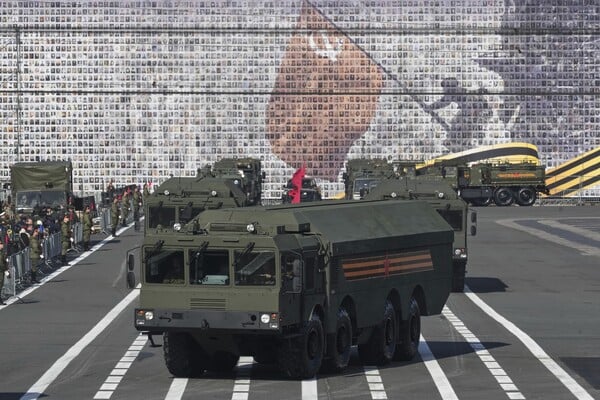
Drones can still be hunted cheaply. But when a missile pierces the sky and demands a perfect defence, the entire war comes down to a matter of seconds.
Kiev is changing under the pressure of the street, but the real test is yet to come: can Moscow admit that the technological war has exposed its weaknesses as well?
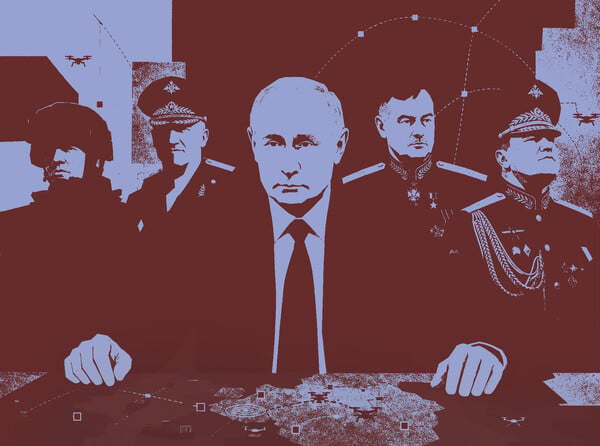
Four appointments, one message: in the new war there is no rear, logistics decides who survives and advances, and no one even imagines how it ends.
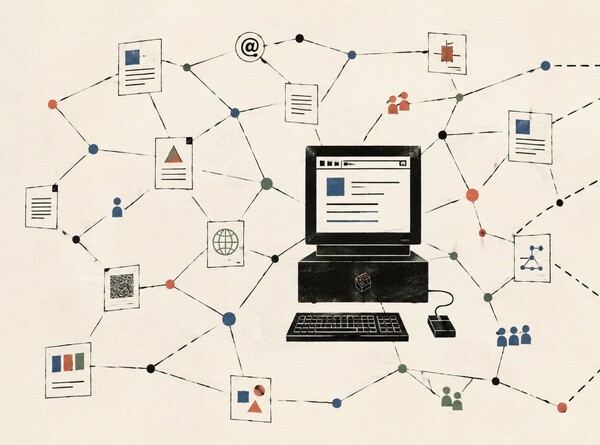
A modest message from CERN opened the door to a network no one owned. Only later came the gatekeepers, the walls, and the algorithms.
AI didn't escape. It just checked if the doors were locked - and when they weren't, it decided that the real world is also part of the simulation.
War from afar protects political and military heads but depletes rare capacities. When those run out, only raw war with all its visible consequences remains.
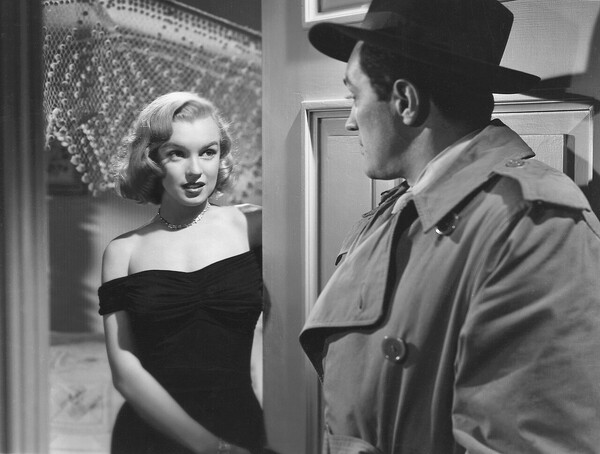
Hollywood gave her a face that conquered the world, but it didn't leave her room to remain a person when the lights went out.
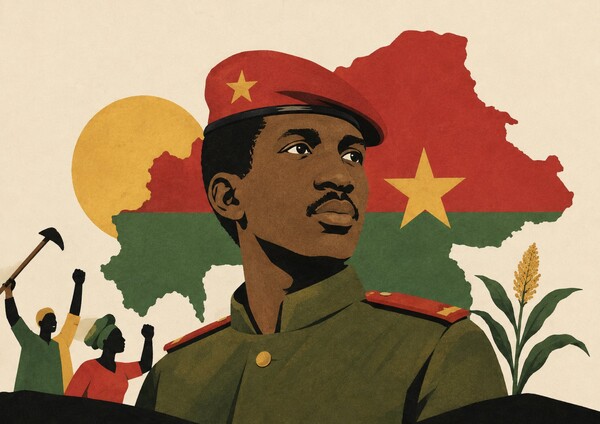
In a country considered doomed to dependence by all, a young captain decided that dignity could be turned into state policy.
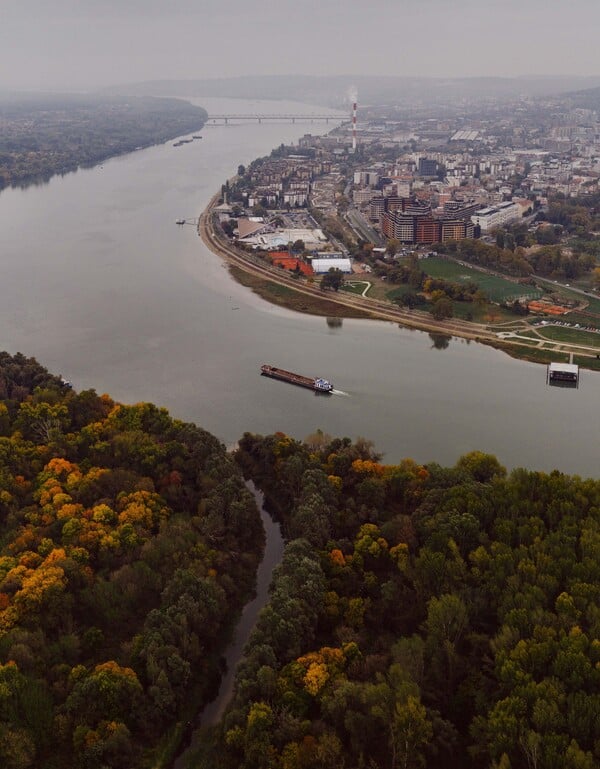
While Europe seeks relief from the heat, its rivers are receding, quietly extinguishing a system we believed to be almost indestructible.
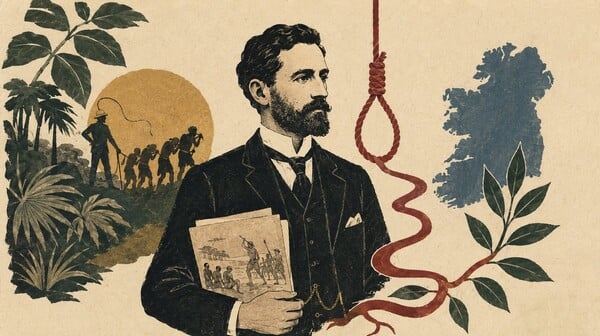
The Empire celebrated him as he exposed others' crimes. When he turned the same conscience towards home, he became a man to be eliminated.
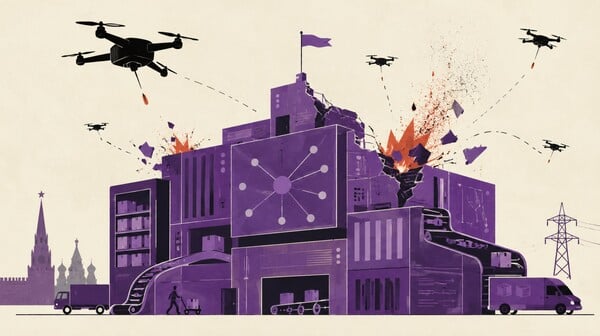
When warehouses become battlefields, war no longer only affects the army: it enters into loans, small shops, and the everyday lives of millions of people.
In the Pacific, the British and the French shared power, laws, and schools, but not responsibility. From this absurdity emerged a fiercely independent state.
The system knows how to deal with a rebel. The real problem begins when a person stops asking it for anything—even a better life within it.
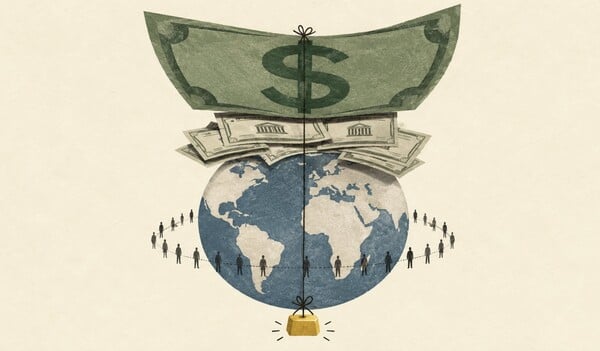
The world's currency rests on a paradox: for everyone to want it, America must create it so much that eventually they start doubting it.
While emperors cruised and summered, and soldiers waited for the harvest to end, diplomats were sealing off Europe’s last exits from crisis.