Iran as the Road to Stalin: The Forgotten Occupation of 1941
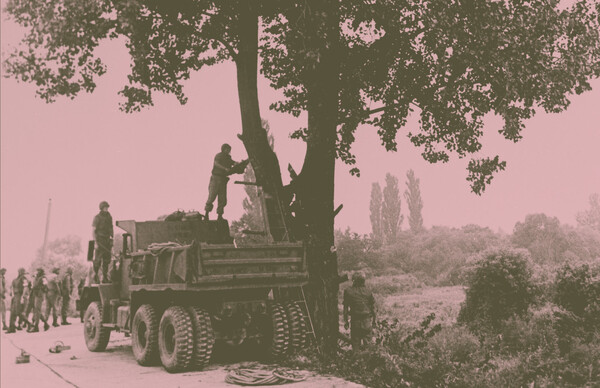
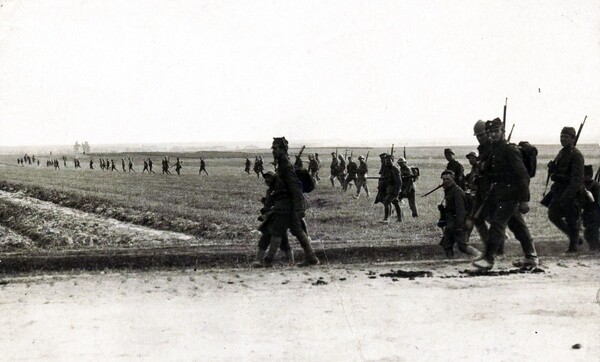
One morning in 1941, Iran woke up between two armies. It was not an enemy, not an ally — it was a necessity.
If there are good-cop, bad-cop games being played in the corridors of the Kremlin, Europe is watching the wrong images. Taking Schröder by the arm would be wise, if it is not already too late.
Why do the heads of AI companies speak as if they are selling catastrophe? Isn’t that counterproductive? Unless existential panic has become part of the business model.
Once, in a beautiful Connecticut suburb, one could swim through the private seas of the middle class. But each one led deeper into an uncomfortable truth.
In the great game, the most dangerous moment is not when the opponent threatens, but when one’s own advantage begins to look more secure than it really is.
Do we even know what the first Industrial Revolution was, or is it only now, on the threshold of a new one, that we hear the grinding of its machines through the hum of our own?
We listened to stories about parties at the firehouse. We never lived them. And what we did have is now disappearing before our eyes.
The world’s chokepoints are not merely decisive energy lines. Sometimes they are doors through which a great power enters as a master - and leaves as a memory.
Economies sometimes do not crack with a bang, but through hidden accumulation on the balance sheet. The most dangerous moment is when everyone still behaves as if nothing has changed.
The crisis handed to us by Trump and Netanyahu extends far beyond its energy dimension — the helium shortage makes it all-encompassing.
At one narrow passage, the world order could break. In the shadow of war, an idea is taking shape that could forever change the flow of global power.
Plans that seemed bizarre until yesterday would once have been dismissed as radical theory, but today they are taking shape — and even receiving confirmation from the very top.
Behind the noise about security and values lies a deep panic – the moment when an empire no longer controls its own fate.
As the war escalates, a divide is growing within Christianity: Catholics are leading calls for peace, while evangelicals increasingly provide moral cover for violence.
The clash between sea and land, the great geopolitical confrontation that has endured since the 19th century, is now returning as the central battle of our time.
Behind the language of innovation lies an infrastructure that is reshaping bills, landscapes, energy systems, and security before the public grasps what is really at stake.
In Yakutsk, engines are rarely switched off, fur coats are almost never removed, and waiting for the morning bus in −40°C is part of daily life. Yet despite the brutal cold, the warmth of the people remains unmistakable.
Computing power is becoming the new global resource: an invisible force dividing nations into those that think for themselves and those that rent someone else’s mind.