Synchronicity: Coincidence that Knows Too Much
Sometimes a coincidence happens so precisely that even when reason can explain it, it's still hard to believe that everything was purely accidental.
Its owners dug a secret subway, the state burned their copies, and in between, the magazine observed the birth of the modern world.
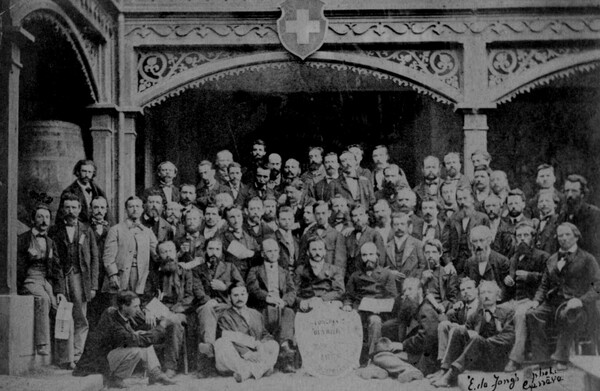
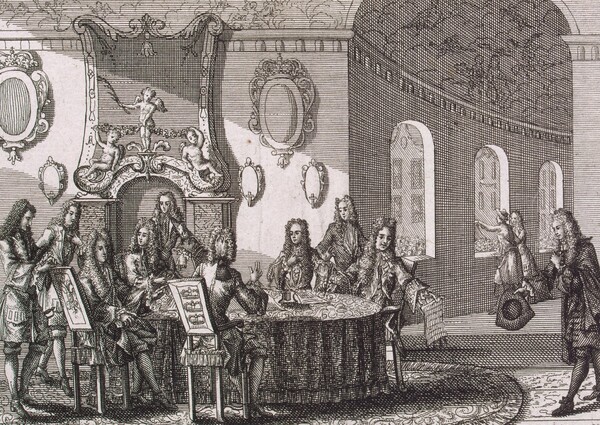
War was declared unacceptable. States signed, diplomats toasted, and history was already preparing a very unpleasant rebuttal.
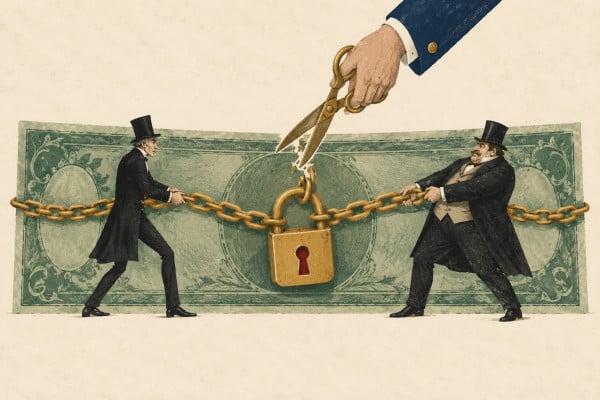
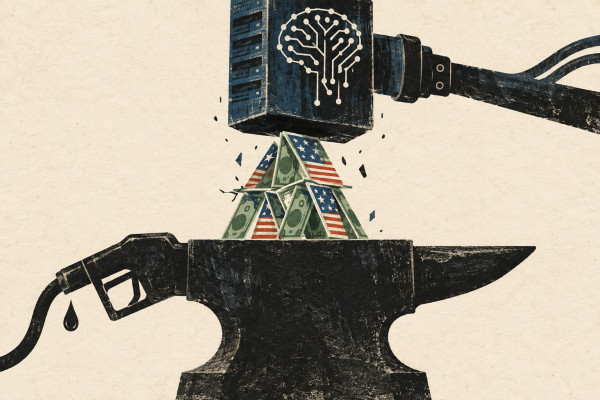
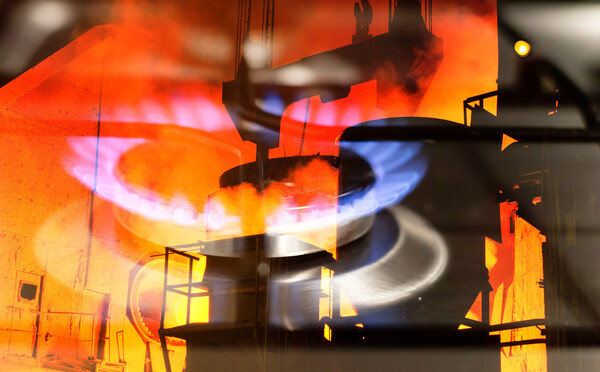
Most of the time, all dollars look the same. In a crisis, however, we discover that some exist only as a promise, and only one system can guarantee the end of the chain.
Perhaps history does not open with new doors, but with old eyes. The path to a new Renaissance begins as soon as knowledge becomes mature enough.
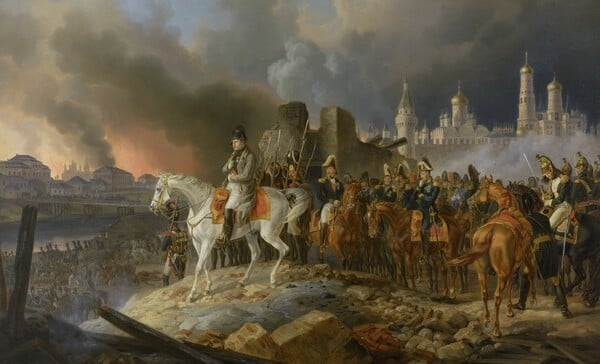
The Russian headquarters was losing its own army, the German one was reading its messages, and from the military victory, a political legend began to emerge.
While the generals were looking towards the Rhine, in Paris it was decided who would rule France after the Germans - and who would be allowed to sign the victory.
As the government fled, the American state reality ended up on shaky wagons - and almost fell apart on the road before reaching safety.
Switzerland may not formally abandon neutrality, but it will do something even worse - hollow it out to such an extent that it no longer means anything.
The most dangerous therapist may no longer be a bad person, but a good algorithm that convincingly explains why everyone is against you at two in the morning.
Before it was stolen, it was a masterpiece. After the theft, it became a legend - because sometimes nothing captures the world's attention like something suddenly missing.
The most dangerous moment is not when a person loses, but when after enough defeats, they stop believing that their next move makes any sense.
The American fiscal doomsday has an unusual habit: it's always urgent, it's always historic, and it almost always ends with another vote in Congress.
Saddam counted on a broken enemy. Instead, he opened a war that would swallow up hundreds of thousands of lives and change the entire region.
When war becomes a system, replacing the man at the top is no longer just politics: armies, capital, technology and future power all move with him.
Major powers like wars fought far from their homes. The problem starts when the opponent decides that distance will no longer be a protection.
On a French beach, the Allies discovered in a few hours how little they knew about the war they would have to win two years later.
Is every outside help betrayal? Is every repression a defense of the state? Yabloko opens an uncomfortable question that Russia no longer wants to hear.
One wrong assessment could have turned a few minutes of violence into a new Korean war — and that's why this story still feels surreal today.
In Peenemünde, the decisions were not only about the war against Britain, but also about who would first master the technology of the future.