
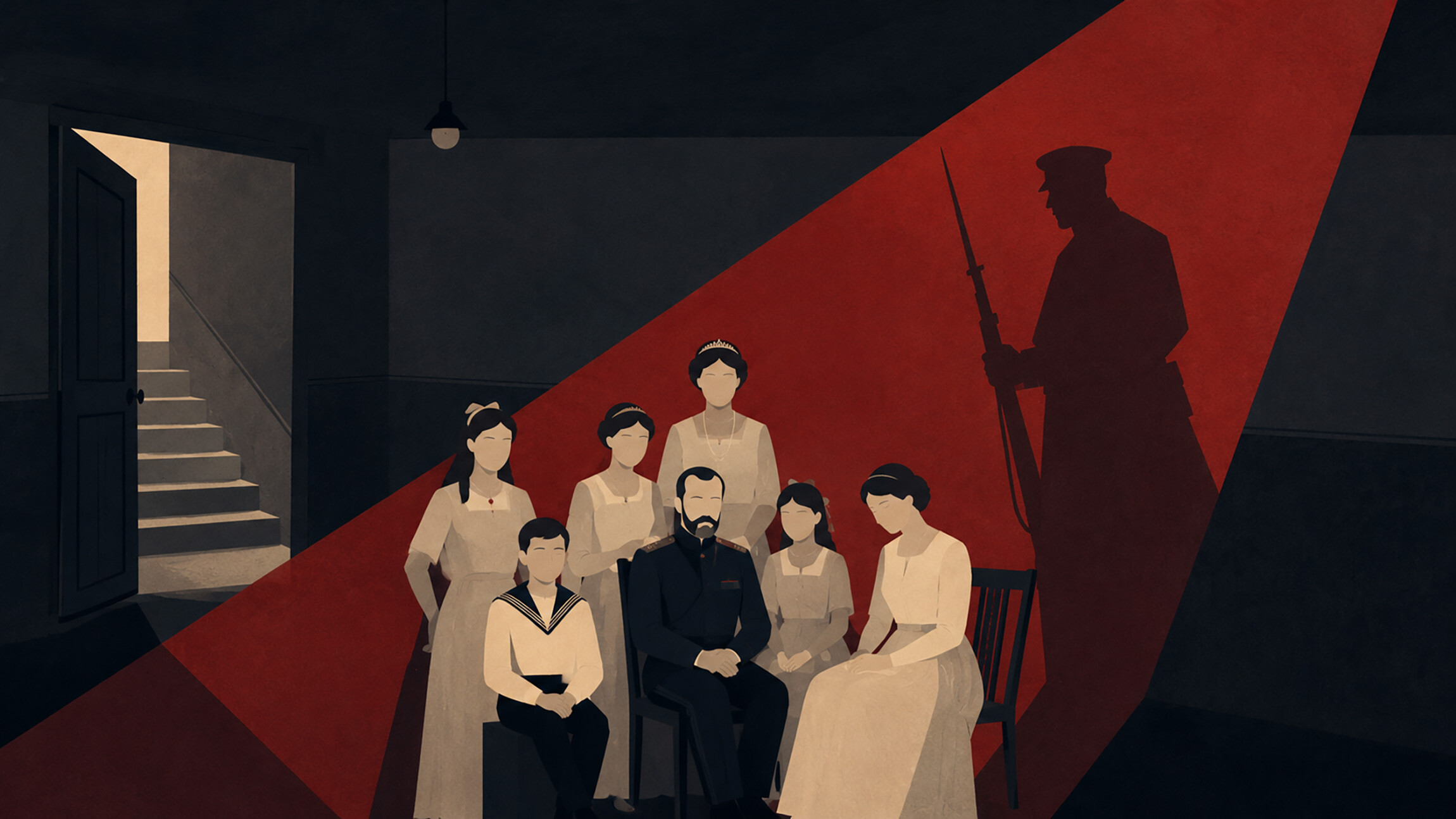
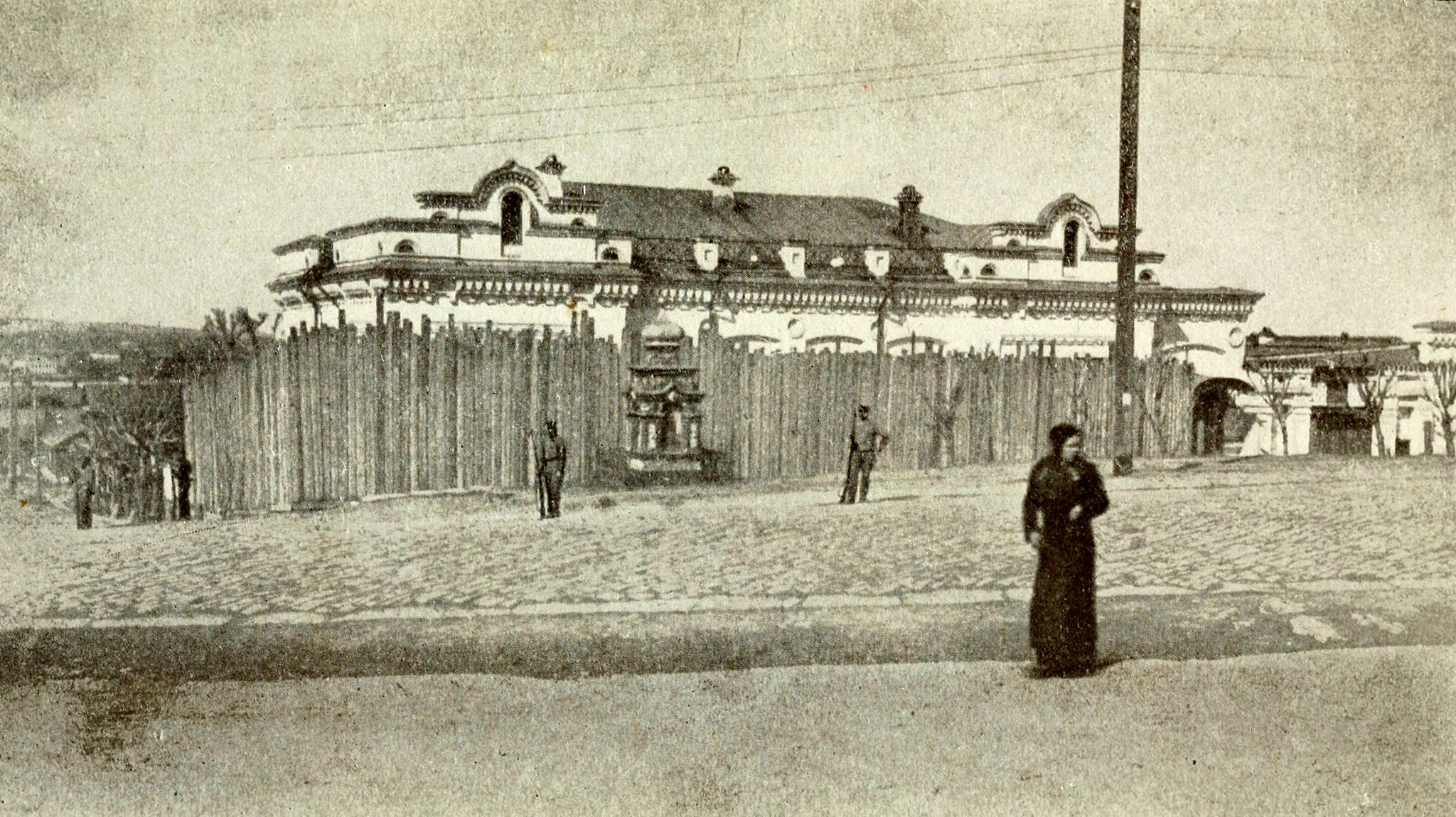
There are rooms larger than the walls that contain them. The basement of the Ipatiev House in Yekaterinburg was such a room—a low, airless space where a revolution decided that the past had reached its end. On the night of July 16–17, 1918, it was not only Nicholas II, the last Russian tsar, who was killed there, along with his wife, Empress Alexandra, their five children and four members of their household. Above all, what was killed was the possibility that someone, somewhere, might invoke their family name in an attempt to reassemble the Russia that was disappearing.
The sentimental version of this story still calls for sorrow and silence. There is good reason for that: children were among the victims. But the political—and perhaps even darker—version begins with a different question. Why was a family that no longer ruled still considered dangerous enough to be eliminated? Civil wars do not kill out of vengeance alone.
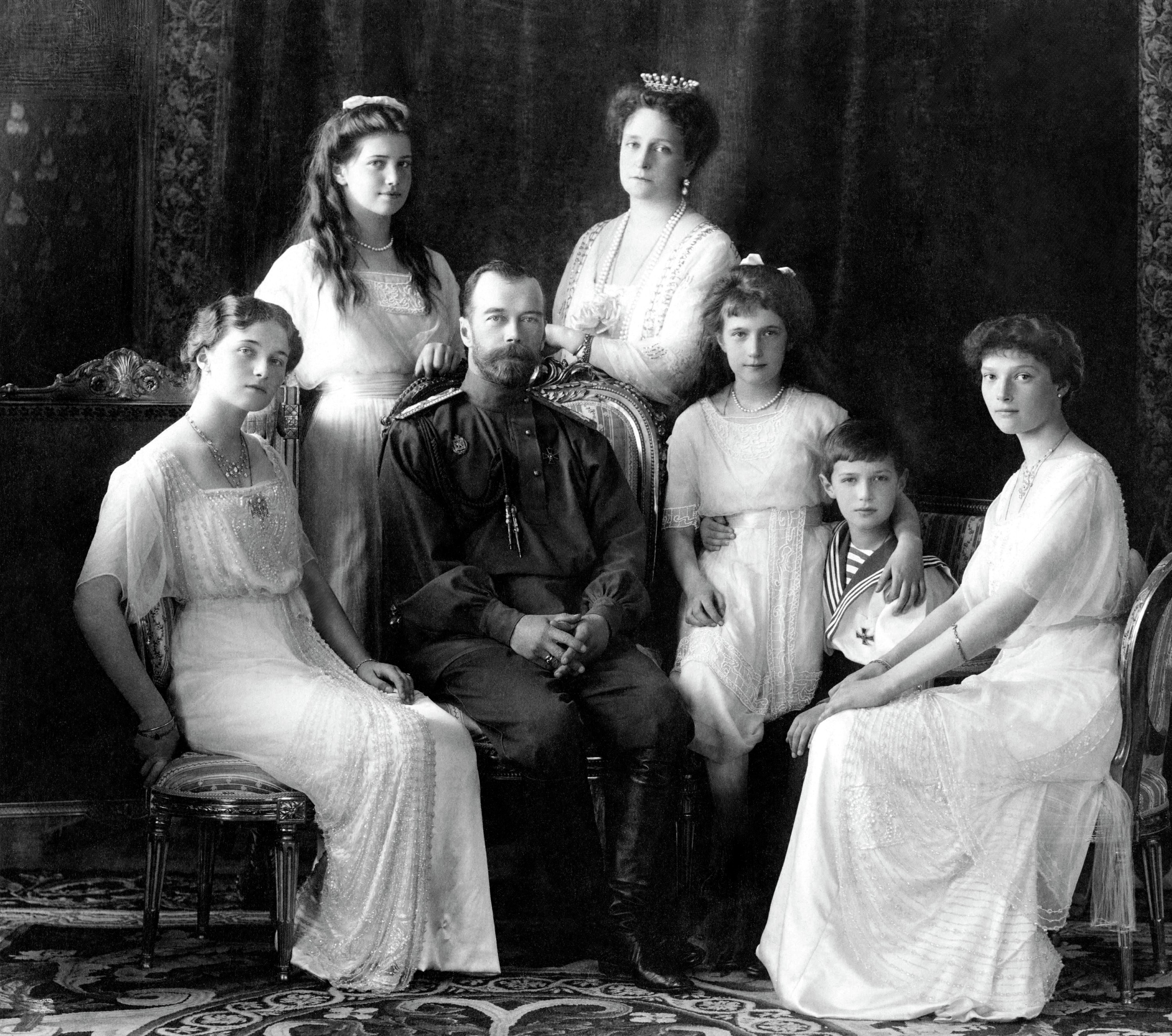
Nicholas II had been deposed in March 1917, following the February Revolution. In November, the Bolsheviks seized power under Vladimir Lenin, the Russian revolutionary and leader of the Bolshevik Party. The Romanovs were first held at the Alexander Palace outside Petrograd, then in Tobolsk and finally in Yekaterinburg. The boundaries of their world kept closing in.
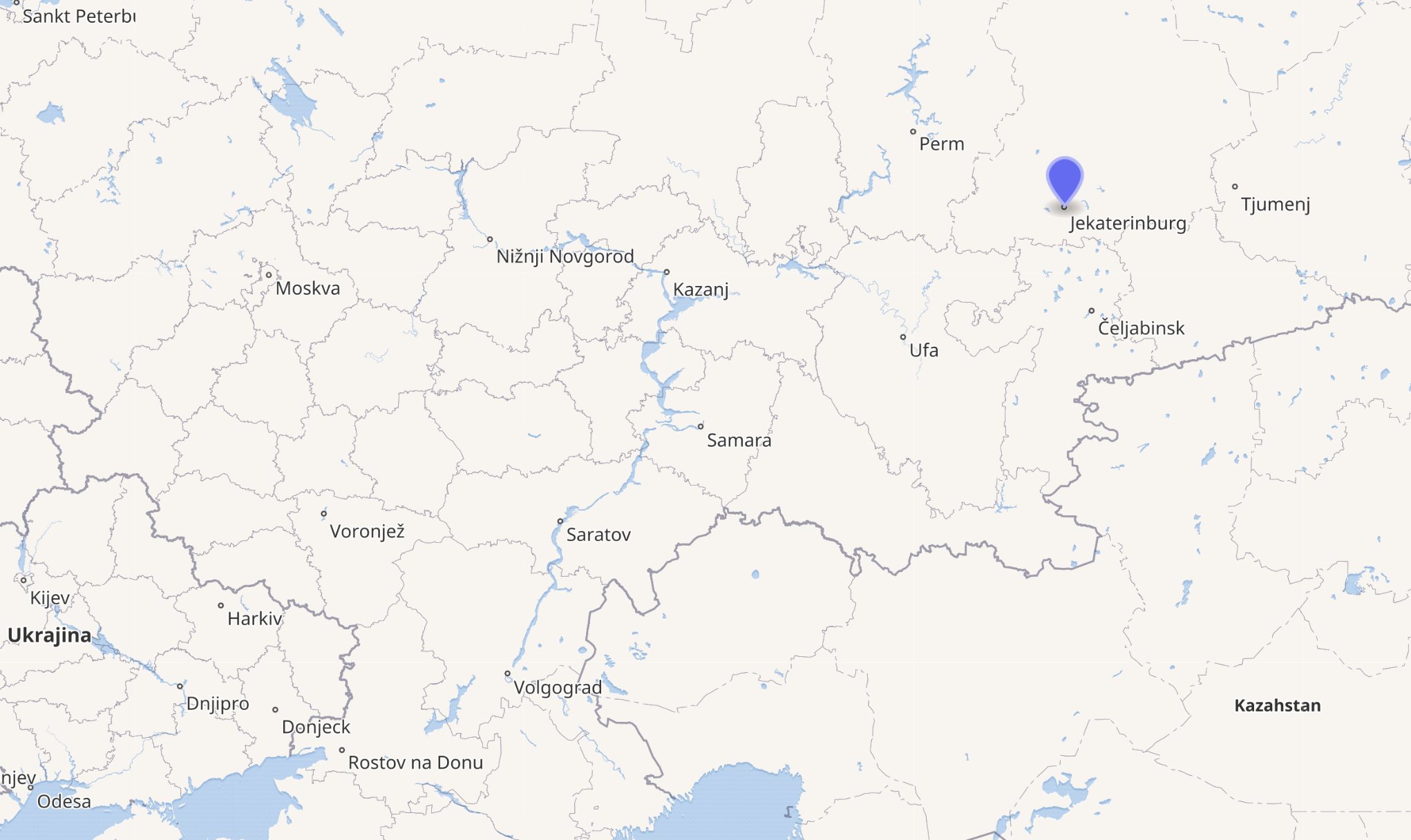
By the summer of 1918, Russia was already coming apart. The Bolsheviks had power, but they did not have peace. Fighting against them were the Whites—a far from unified movement that included monarchists, army officers, conservatives, liberal opponents of Bolshevism and ordinary people who simply wanted the state to stop collapsing beneath their feet.
Foreign powers watched Russia’s chaos with intensely practical interests of their own. The First World War was still raging, and Russia’s withdrawal had disrupted calculations across Europe. They were, of course, doing rather more than merely “watching”: they were actively supporting the White forces.
By July, anti-Bolshevik troops were advancing towards Yekaterinburg. The local revolutionary authorities understood what the liberation of the tsar could mean, even if Nicholas himself was no longer a man capable of shaping history.
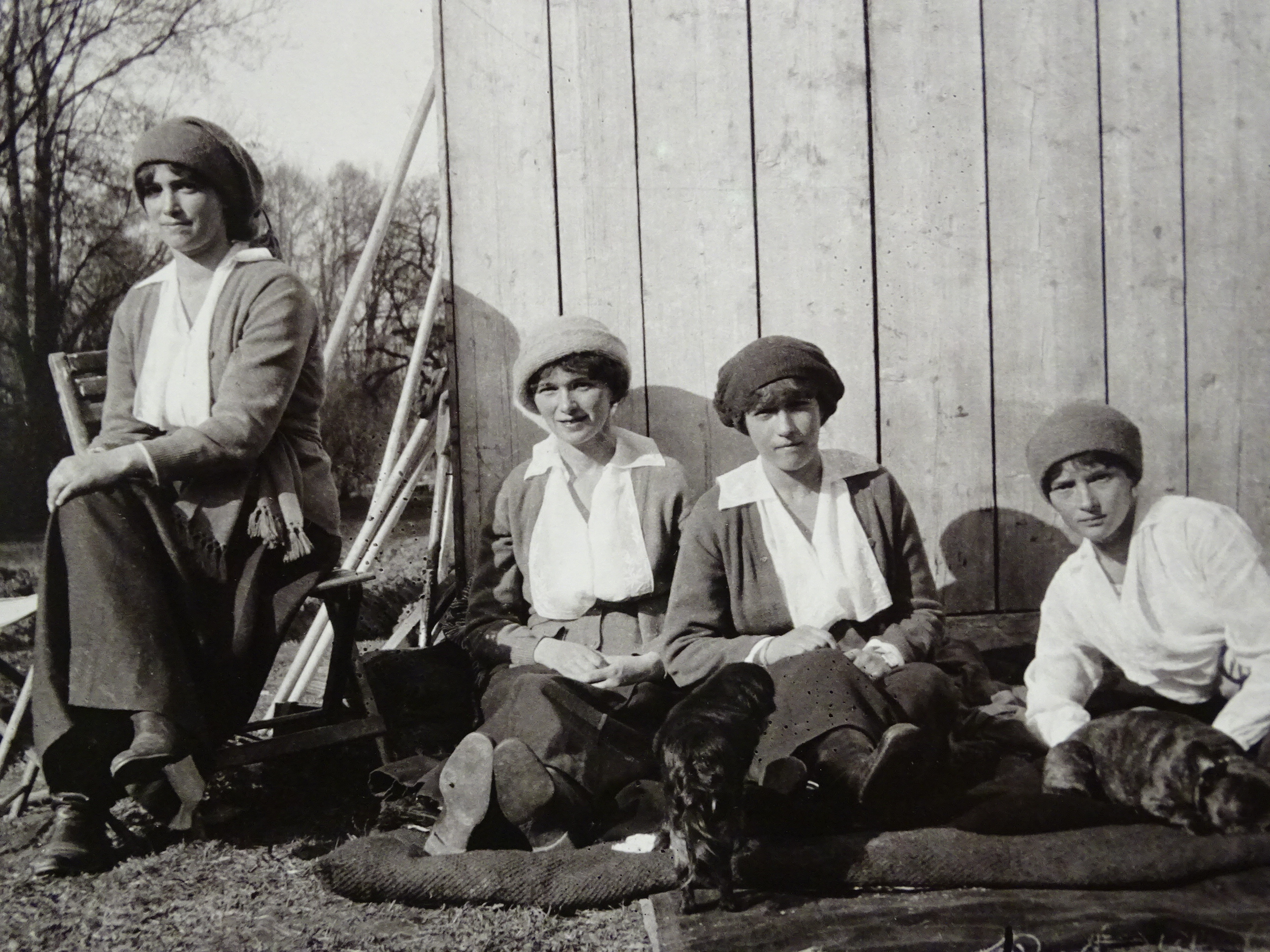
The Bolsheviks did not kill a brilliant statesman, because Nicholas II was no such thing. Nor were they eliminating a military genius. He was even less of that. They were eliminating a symbol and a banner.
The former tsar may have been weak, indecisive and politically exhausted, but none of that prevented others from turning him into a source of legitimacy. In a civil war, a symbol does not need to have anything important to say. It merely needs to exist.
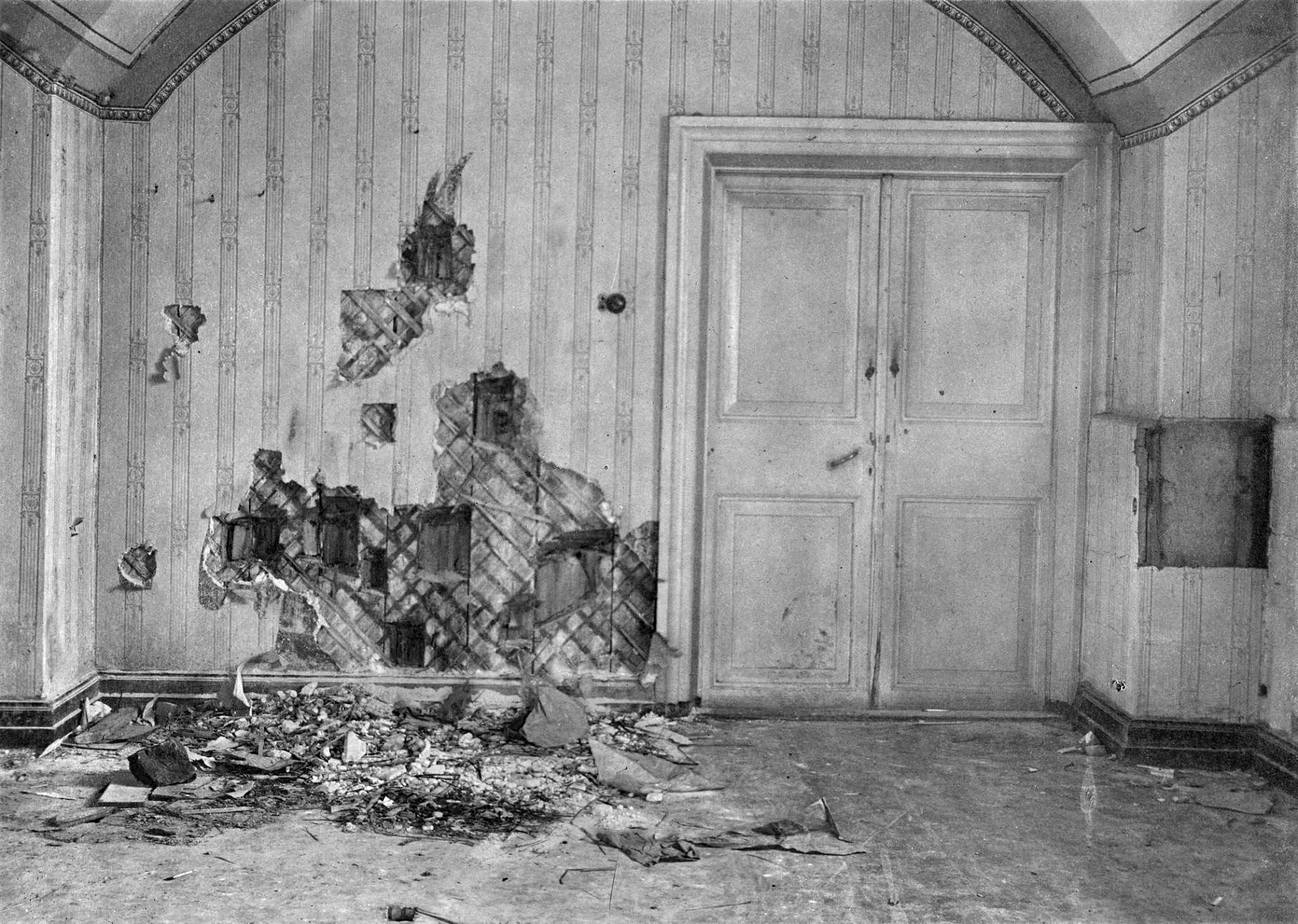
That is why the basement in Yekaterinburg was more than the site of an execution. It was an improvised office for managing the possible. If the Whites captured the city and found the tsar alive, they could claim that Russia had not simply changed regimes, but that its legitimate order had been stolen. If they found him dead, they would at least have a martyr. A dead symbol can inspire. A living one can sign proclamations, bestow blessings and serve as an empty vessel into which everyone pours their own vision of restoration.
The Whites arrived eight days too late
When the Bolsheviks took the Romanovs into the basement of the Ipatiev House on the night of July 16–17, 1918, the enemy was no longer a distant possibility. The Czechoslovak Legion, a large and well-organised military formation composed mainly of former Austro-Hungarian prisoners of war of Czech and Slovak origin, was advancing along the Trans-Siberian Railway. Russian anti-Bolshevik forces were moving with it. Yekaterinburg lay in their path, and the local Soviet authorities knew they might not be able to hold the city much longer.Eight days after the murder of the imperial family, on July 25, anti-Bolshevik forces captured Yekaterinburg. They arrived soon enough to confirm that the Bolsheviks’ fears had been entirely concrete, but too late to find the Romanovs alive. Inside the Ipatiev House, they discovered traces of a hastily conducted execution. The investigation subsequently launched by the Whites gradually reconstructed the prisoners’ final days, although the bodies had not yet been found.
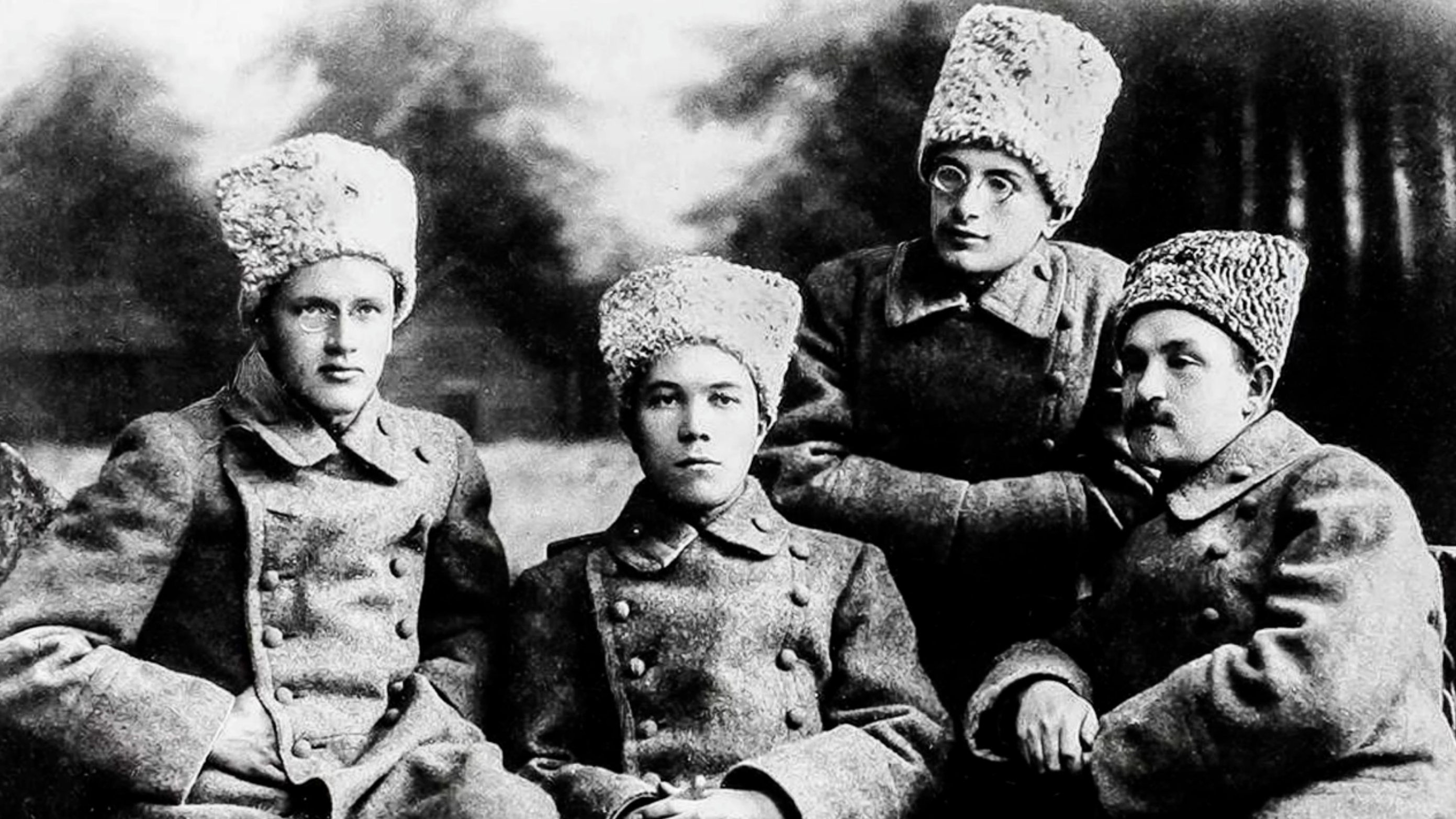
Historians and investigators have debated the precise chain of command for decades. The Soviet version pushed responsibility downwards, towards the local authorities in the Urals, while many writers argued that Moscow must at least have known what was being prepared. In 2011, Russian investigators said they had found no document proving that Lenin or Yakov Sverdlov, a senior Bolshevik official, had directly ordered the shooting. Political logic, however, does not always depend on a neatly archived command. Revolutions—especially those fond of speaking in the name of history—often make their most important decisions in ways that leave as little paper behind as possible.
The execution was overseen by Yakov Yurovsky, a Bolshevik commissar and member of the Cheka, the political police force that was already learning that a state of fear could be built faster than a state of law. The Romanovs were awakened on the pretext that they had to be moved because of the danger in the city. They were accompanied into the basement by their physician, Yevgeny Botkin; the maid Anna Demidova; the cook Ivan Kharitonov; and the valet Alexei Trupp.
From Ipatiev to Ipatiev: The Romanov dynasty comes full circle
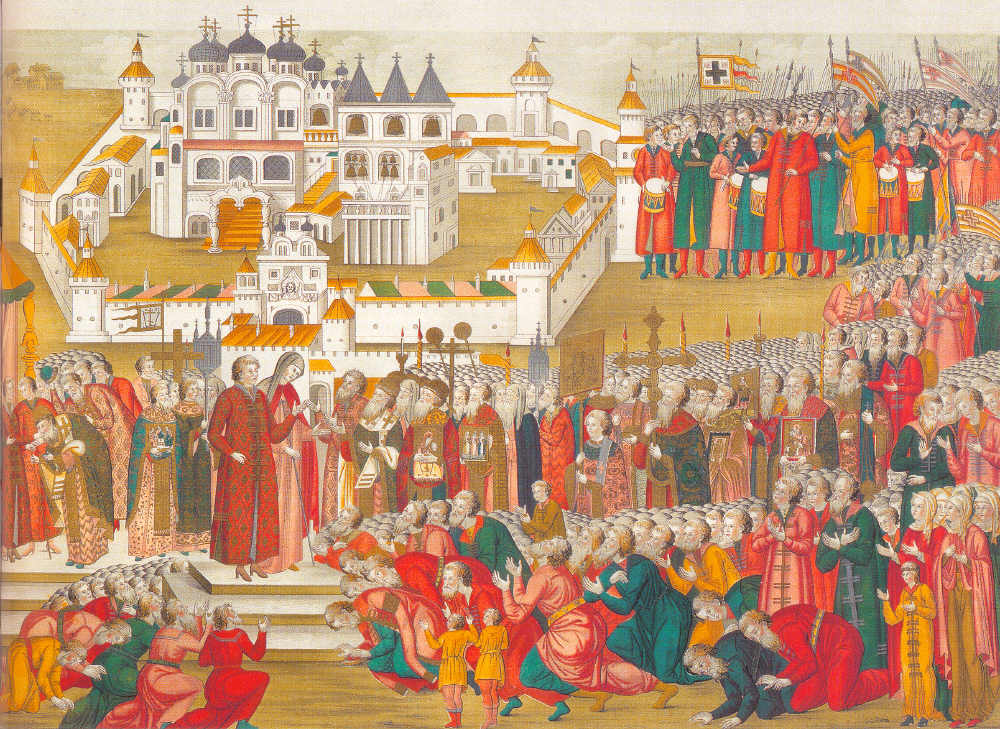
The Russian Romanov dynasty possessed a rare historical privilege, if privilege is the right word: its beginning and its end bore the same name. In the spring of 1613, after years of civil war, famine and struggles for the throne during the period known as the Time of Troubles, delegates from the Zemsky Sobor arrived at the Ipatiev Monastery near Kostroma. Sheltering there with his mother was the 16-year-old Michael Romanov, a descendant of an old Muscovite noble family. The delegates informed him that he had been chosen as tsar and urged him to accept a throne that had brought his predecessors more danger than comfort. His acceptance marked the beginning of a dynasty that would rule Russia for just over three centuries.In the summer of 1918, the last members of the imperial family were imprisoned in a house that also bore the name Ipatiev. There was no deliberate connection to the monastery near Kostroma. The house was named after its owner, the Russian military engineer Nikolai Ipatiev, who had purchased it in 1908. Ten years later, the Bolsheviks forced him to leave and converted the building into the heavily guarded “House of Special Purpose.” The historical coincidence was accidental, but so exact that any serious novelist would probably have dismissed it as too obvious.
The murders were followed by an effort to conceal the evidence. The bodies were taken beyond the city, towards the forests and abandoned mine shafts, and for decades the fate of the remains sustained rumours, false Anastasias and an entire industry of romantic half-truths.
Diamonds offered protection, but not salvation
When the Romanovs were transferred to Yekaterinburg, Empress Alexandra and her daughters concealed some of the family jewels in their clothing. Diamonds and other precious stones were sewn into corsets and undergarments, while other valuables were hidden inside pillows. In a world where the imperial family had lost its throne, property and freedom almost overnight, the jewellery represented the last reserve of wealth that might still be carried into escape or exile.No one could have imagined that this improvised treasury would become a kind of armour in the basement of the Ipatiev House. When the firing squad opened fire, the densely sewn jewels stopped or deflected some of the bullets aimed at the imperial daughters. In a room filled with smoke, noise and dust, the executioners initially could not understand why some of their victims were still showing signs of life. An execution intended to be swift descended into chaotic violence and lasted far longer than Yakov Yurovsky had planned.
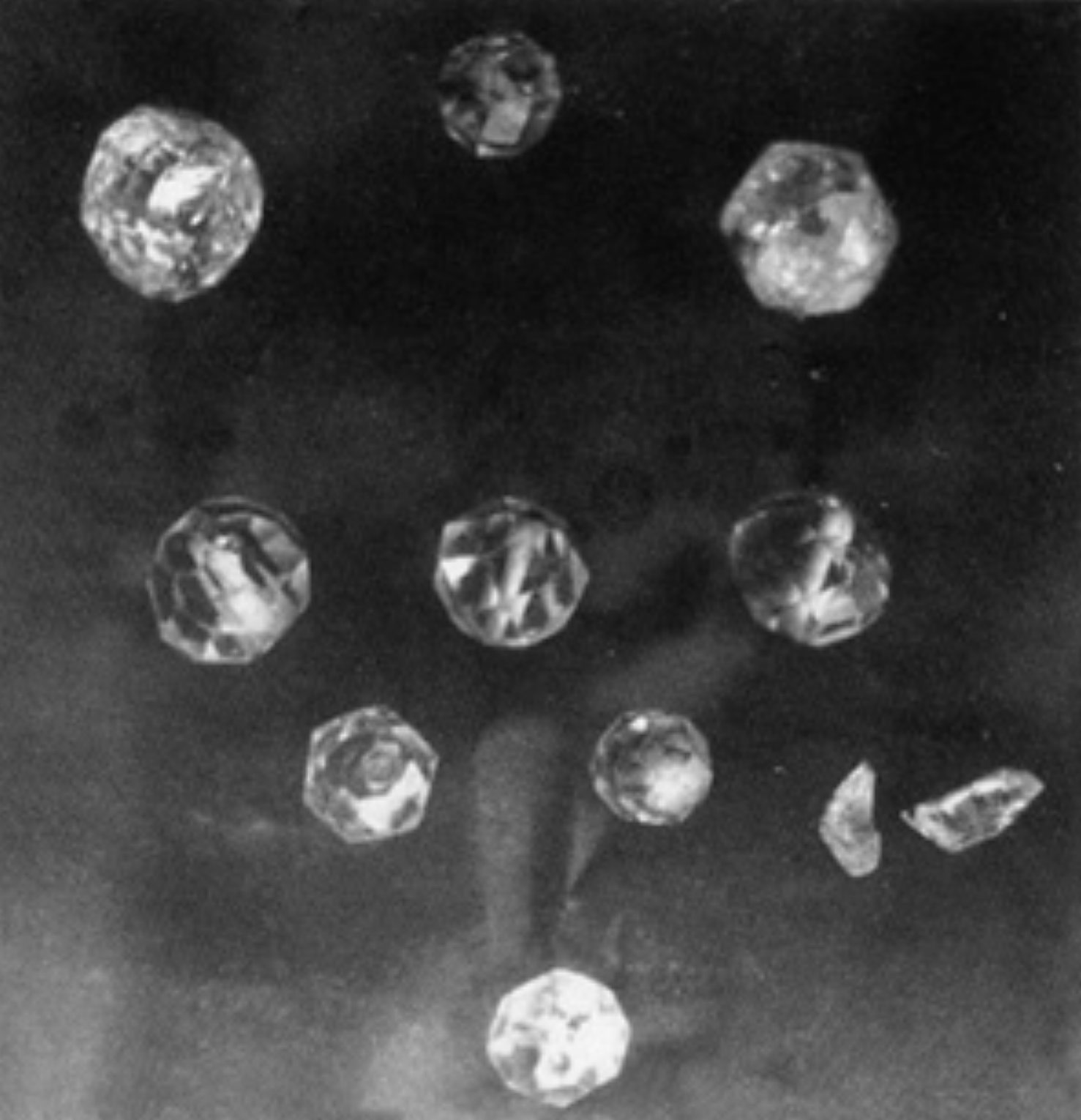
It is difficult to imagine a crueler irony in the final moments of the Romanovs. Objects that had represented the dynasty’s wealth for generations became its only physical protection at the very end. But they brought no salvation. Wealth that had once opened palaces and borders now merely prolonged the agony.
The Ipatiev House later became dangerous in a different way. In 1977, while Boris Yeltsin was the local party chief in Sverdlovsk, the house was demolished on orders from the Politburo. The Soviet state, which boasted of having brought history under control, did not trust even a building.
The bodies were found only sixty years later
The Bolsheviks did not merely hide the bodies of the Romanovs. They also tried to erase the place where they had been buried. The remains were taken into the forest outside Yekaterinburg, partially burned and doused with acid before being placed in unmarked graves. Remarkably, the main burial site was discovered in 1979 by the Russian geologist Alexander Avdonin and the screenwriter Geli Ryabov. They kept their discovery secret for years, knowing that the Soviet authorities did not look kindly upon people who investigated the tsar’s final resting place too closely.The grave was not officially opened until 1991. Forensic and genetic analysis established that the nine bodies found there included Nicholas II, Empress Alexandra, three of their daughters and four members of their household. Their remains were buried on July 17, 1998, exactly eighty years after the murders, in the Cathedral of Saints Peter and Paul in St Petersburg, the traditional resting place of Russia’s tsars.
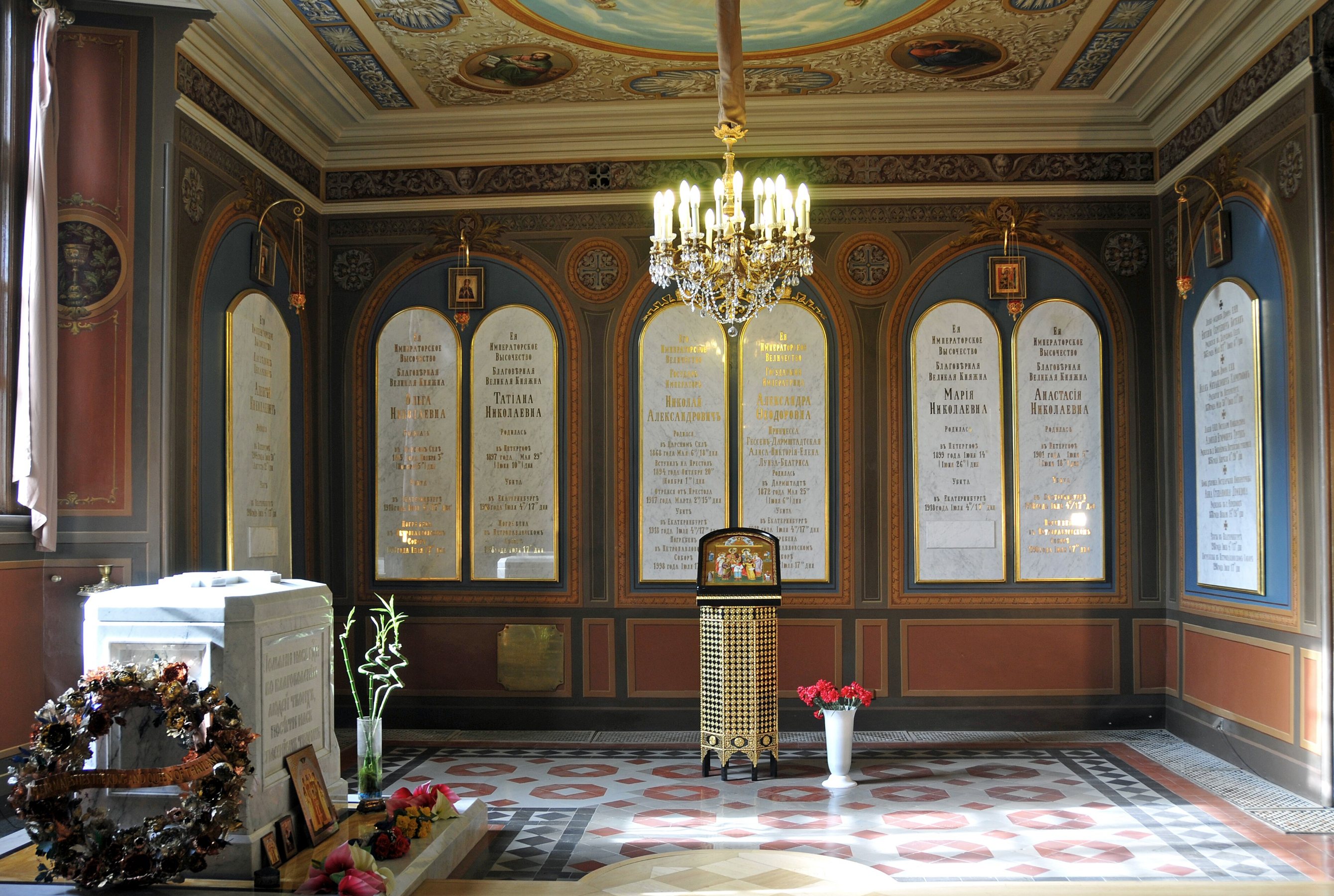
The evening of July 16, on the eve of the massacre, can also be remembered as the moment when the revolution confessed its own fear. It did not fear a person so much as what a person might become when history is sufficiently bloody and the future sufficiently uncertain. A family was killed in Yekaterinburg. More precisely, however, the possibility of organising a return around that family was killed with them.
Were the Bolsheviks successful? That remains a question for history, and perhaps even for the future. Post-Soviet Russia is still not a fully defined country and perhaps never will be, but the Romanovs as a symbol—the symbol of empire—have not faded away. The Soviet Union, one might say, simply did not last long enough for that to happen. Modern Russia cannot turn its back on Soviet history either, because that history was victorious—most obviously in the Second World War—but, viewed from Moscow, it was also imperial. Its sphere of influence was immense, and the restoration of such influence remains desirable even today.
At the same time, Russian nationalism is increasingly returning to conservative foundations. Along that path, it will encounter the Romanovs again and again—and each time it will have to decide what they mean.
Sources
- Smithsonianmag.com Resurrecting the Czar | Travel| Smithsonian Magazine https://www.smithsonianmag.com/travel/resurrecting-the-czar-64545030/
- Bl.uk Victims and pretenders: the murder of the Romanovs https://www.bl.uk/stories/blogs/posts/victims-and-pretenders-the-murder-of-the-romanovs
- Historynewsnetwork.org No proof Lenin ordered last Tsar's murder https://www.historynewsnetwork.org/article/no-proof-lenin-ordered-last-tsars-murder
- History.com Romanov family executed, ending a 300-year imperial dynasty | July 16, 1918 | HISTORY https://www.history.com/this-day-in-history/july-16/romanov-family-executed
- Smithsonianmag.com DNA Analysis Confirms Authenticity of Romanovs' Remains | Smithsonian https://www.smithsonianmag.com/smart-news/dna-analysis-confirms-authenticity-remains-attributed-romanovs-180969674/
Comments