
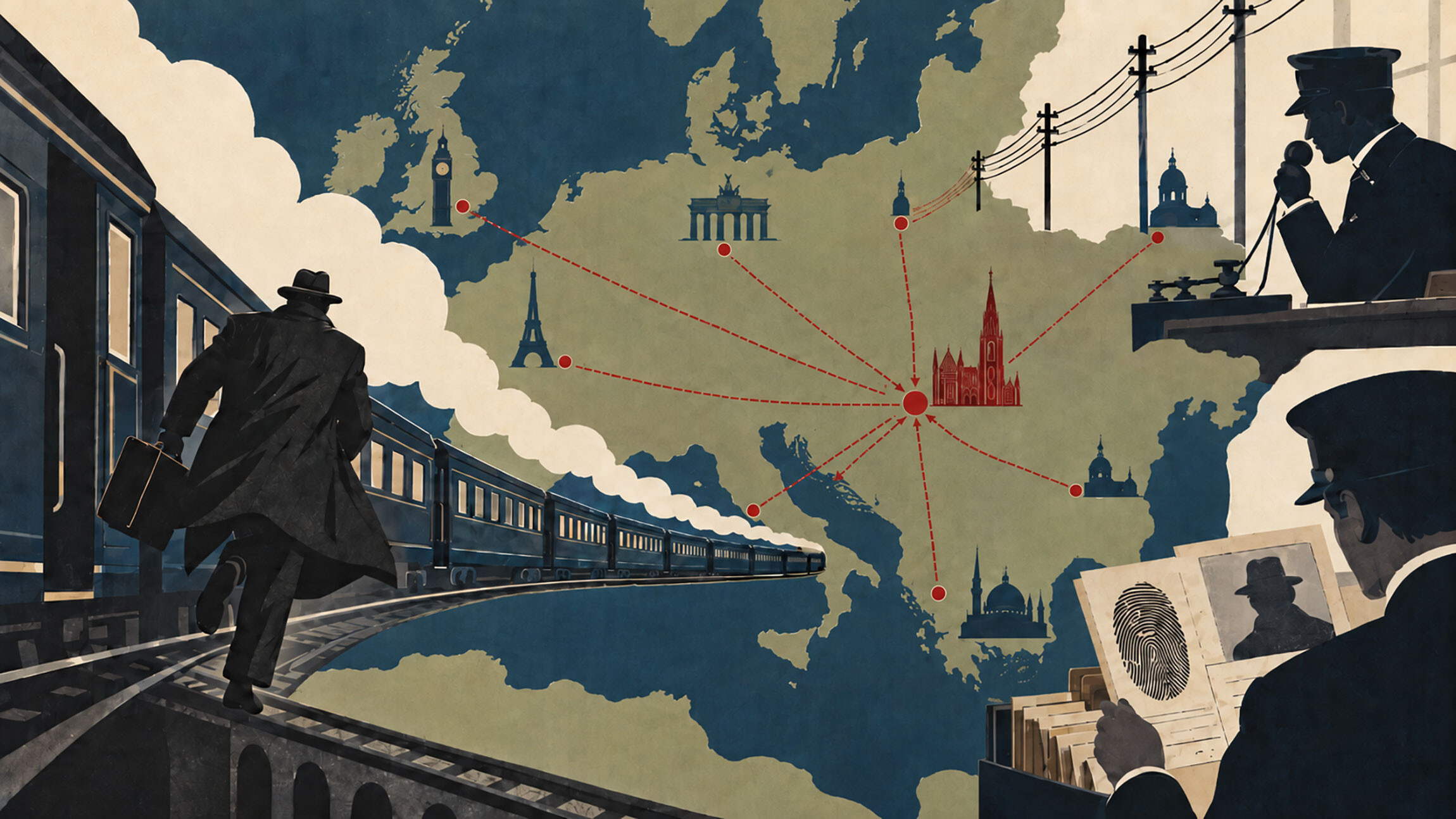
Europe’s most modern man in 1923 did not have to be an industrialist, diplomat or aviator. He could just as easily have been a forger who boarded a train in Vienna, presented a convincing passport at the border and stepped off several hours later in a country whose police did not even know his real name. The train was faster than the wanted notice, and a fresh stamp was often more useful than a new face.
Criminals did not wait for anyone to invent globalization. They understood its basic rule very early: goods, money and people could cross borders, while police files usually remained behind. That is why something quiet and bureaucratic, yet revolutionary in the long run, happened in Vienna on September 7, 1923. Representatives of twenty countries did not create a world police force. They created a network that meant a criminal could no longer necessarily become someone else’s problem simply by crossing a border.
A Europe in which the passport was a new technology
The world of the 1920s was not as closed as we tend to imagine. Historians even describe the prewar era as the first age of globalization. Railways, steamships and the telegraph were shrinking distances, even as the political map grew increasingly fragmented.
Great empires had vanished, replaced by new countries, borders and currencies. In 1920, the League of Nations attempted to standardize the passport, a document that had gone from an exception to an almost universal requirement during the war. The Austrian writer Joseph Roth later captured this transformation with the image of a chestnut seller who could no longer transport even his humble goods without a visa. States drew their borders with tremendous confidence, criminals studied them as though they were railway timetables.
The idea did not begin in Vienna. In April 1914, Prince Albert I of Monaco brought together legal experts and police officials from around twenty countries. They discussed the identification and extradition of fugitives. The next congress was scheduled for 1916 in Bucharest, but only a few months after the Monaco meeting, Europe went to war. The police forces that had wanted to exchange fingerprints found themselves serving states that were exchanging artillery fire instead. The war halted the project, but made the underlying problem even greater.
Twenty countries against a single false name
The project was revived by Johannes Schober, an Austrian lawyer, head of the Vienna police and former chancellor. The former capital of a multinational empire possessed a highly respected tradition of criminal investigation. A city that had lost its political power could become the centre for exchanging something that would prove almost equally important in the 20th century: information.
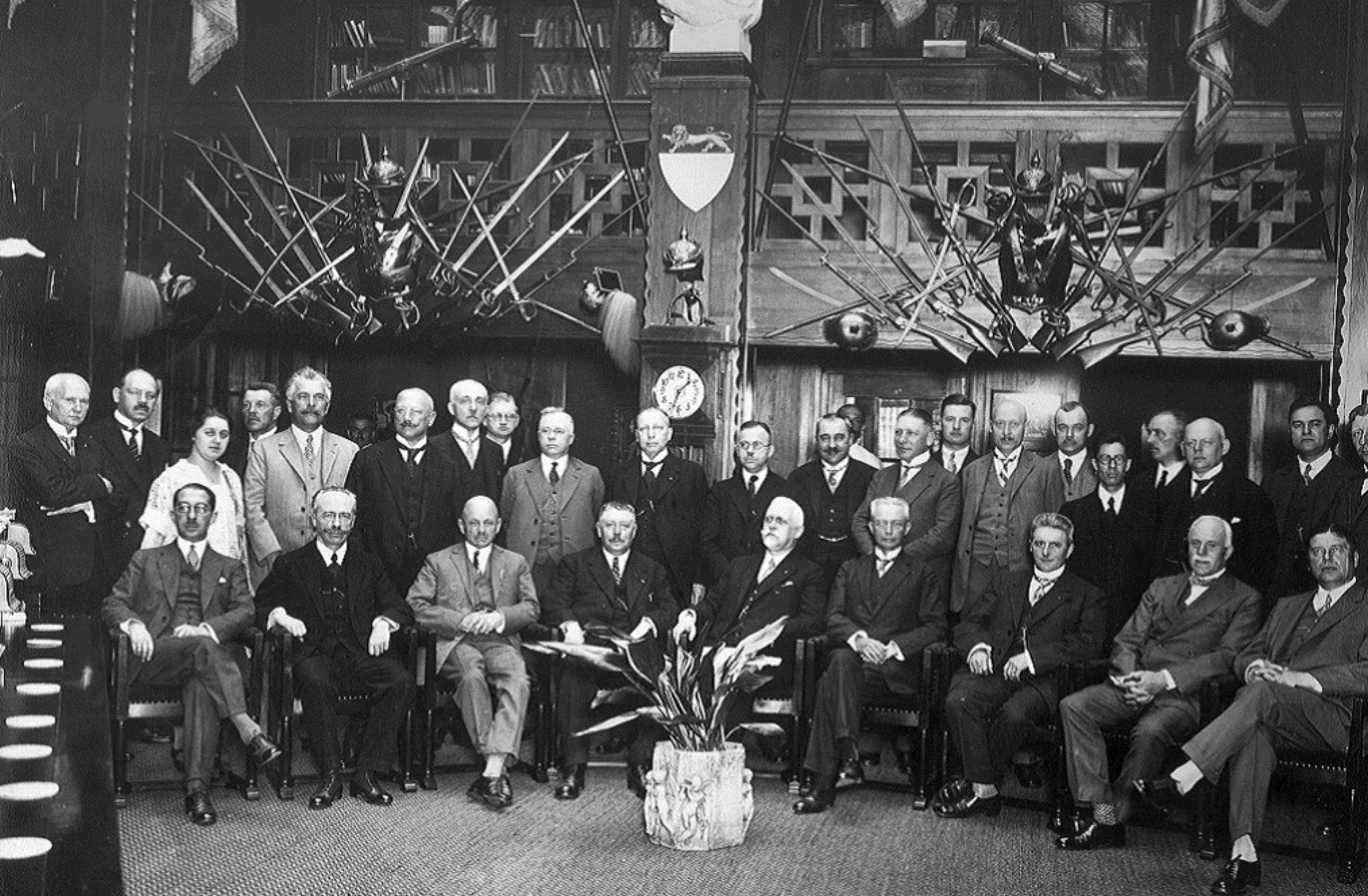
From September 3 to 7, 1923, more than 130 delegates from twenty countries and political entities gathered at the police headquarters on Vienna’s Schottenring. One detail is especially intriguing for readers from the former Yugoslavia. Both the Kingdom of Serbs, Croats and Slovenes and the Free State of Fiume were represented separately, even though the latter would disappear the following year. The new political map of the Adriatic thus had two seats at the same police table.
On the final day of the congress, the International Criminal Police Commission, known by the initials ICPC, was established. It was not created by an international treaty. Police officials founded it through a series of resolutions, forming a network that allowed direct contact without forcing every request to make the slow journey through diplomatic channels. Police forces were beginning to connect as an international professional community.
Cooperation was to take place within the laws of each member state and was limited to what was described as ordinary crime. The Commission could not send its own officers across borders, conduct investigations independently or order arrests. National sovereignty remained untouched.
When fingerprints travelled by telegraph
The delegates agreed to establish offices for combating currency and passport forgery, as well as systems for the international exchange of photographs and fingerprints. They even considered adopting Esperanto as a common police language. Particularly ambitious was a system devised by the Danish expert Hakon Jørgensen, which converted fingerprint characteristics into a numerical code that could be sent by telegraph.
Popular culture portrays Interpol as an international FBI, but no such police force actually exists. What the organization acquired was less cinematic but often more useful: a directory, an archive and an agreement that someone on the other end would answer. Even a Red Notice is not an international arrest warrant. It is a request for countries to locate a person and, where appropriate, detain them pending extradition.
At first, however, everything still depended on paper. Beginning in 1925, the Commission published a multilingual bulletin containing wanted notices, and that same year one such notice led to the arrest of a hotel thief in Danzig. By 1933, the central records office contained more than 3,200 names. A suspect’s identity had become information that needed to travel at least as fast as the person did.
The first time the telegraph arrived before a murderer
On New Year’s Day 1845, John Tawell boarded a train from Slough to London’s Paddington station. Behind him he left Sarah Hart, his former lover and the mother of their two children, dying from hydrocyanic acid poisoning. Tawell had chosen the fastest means of escape then available. In the 19th century, the train was more than a form of transport. For a criminal, it could become a machine for disappearing—fast enough to outrun news of the crime before it reached the next town.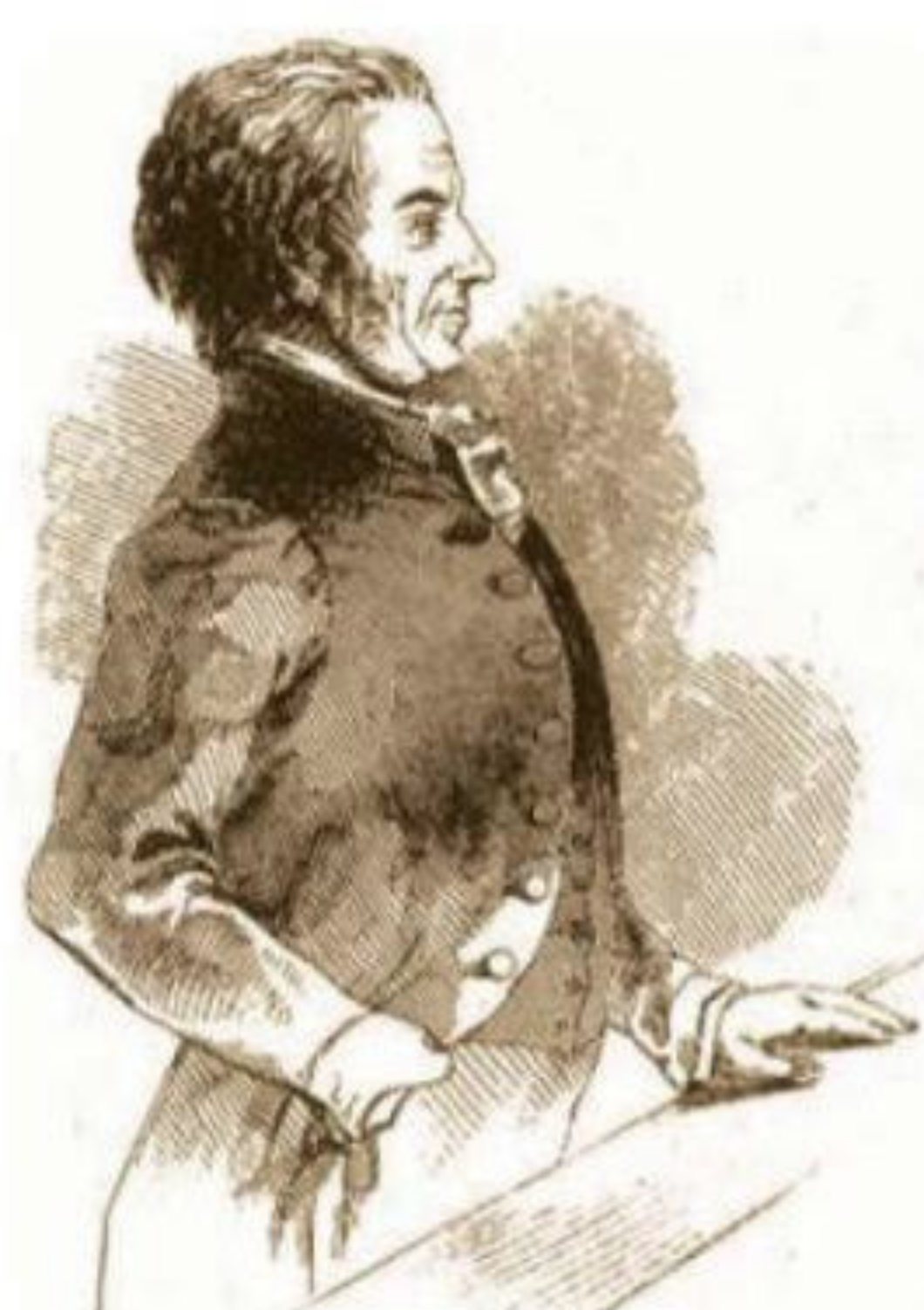
At Paddington, railway policeman William Williams identified Tawell, put on a civilian coat and began following him. On an omnibus, Tawell even mistook him for the conductor and handed him sixpence for the fare. Williams tracked him to a coffee house and then to his lodgings. The following morning, he returned with a Metropolitan Police inspector and arrested him. It was the first known case in which telecommunications technology enabled the capture of a suspect.
That Victorian case offered a small preview of the logic on which Interpol would be founded almost eighty years later. The criminal had exploited the speed of the railway, but the police discovered that they did not need to be faster than the train. His description merely had to reach the destination before he did.
When the Nazis seized the files
Yet that efficiency concealed a danger. A network of information is not inherently just. Recent research shows that even before the Nazi takeover, the ICPC was not harmlessly neutral. By the early 1930s, it was already developing systems of international surveillance targeting Roma and Sinti communities, treating entire populations as security threats.
After Germany annexed Austria in 1938, the Nazis seized control of the Commission and forced its president, Michael Skubl, to step down. The organization was subsequently led by SS officials, including Reinhard Heydrich, head of the Reich Security Main Office and one of the principal architects of the Holocaust. The police network had fallen under the control of a regime that was turning the state into a machine of mass murder.
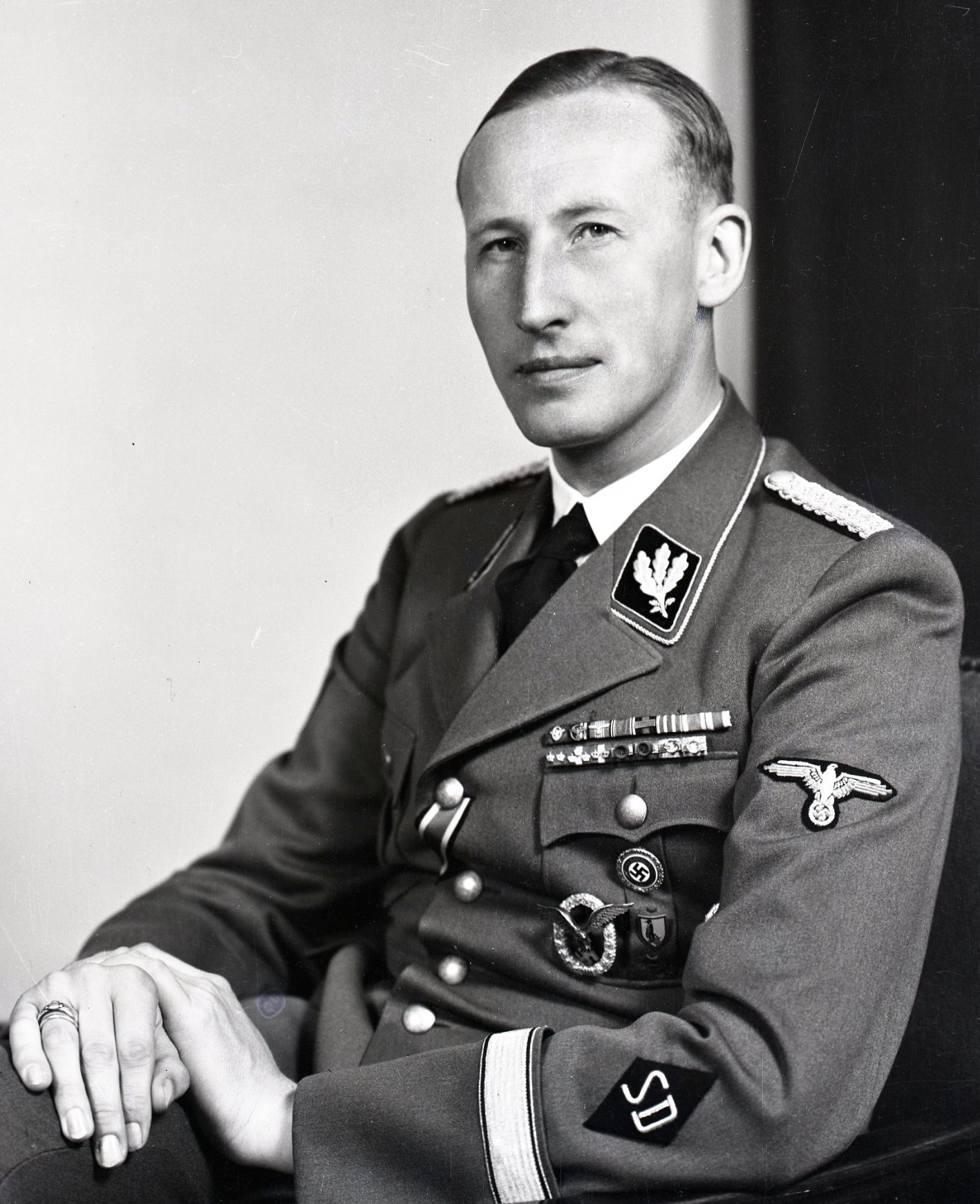
The transfer of the headquarters from Vienna to Berlin was an astonishingly brazen abuse of procedure. Police officials were sent a request with a short deadline, and silence was treated as consent. The Commission was incorporated into Heydrich’s security apparatus and moved to Wannsee in Berlin in 1941.
The Commission did not become an all-powerful "global Gestapo," but neither was it an empty shell. Its channels and publications remained in use, and wanted-person forms even acquired a field marked "race." It is impossible to determine precisely how much its files directly contributed to Nazi persecution.
A name invented as a telegraphic address
The organization was re-established at a conference in Brussels in 1946. Its headquarters were moved to Paris, and INTERPOL—a contraction of "international police"—was chosen as its telegraphic address. It was not until 1956 that the organization received its present formal name: the International Criminal Police Organization, or ICPO–INTERPOL.

Its new constitution prohibited the organization from undertaking activities of a political, military, religious or racial nature. It was a belated answer to a question history had already asked: what happens when a police network falls into the hands of a government that declares its political opponents—or an entire people—to be criminals?
The congress that created Interpol also banned hypnosis in police investigations
Among the resolutions adopted in Vienna in 1923 was one that now seems to have wandered in from a detective novel. After discussing extradition, fingerprints, forged passports and international criminals, the congress adopted a ninth resolution consisting of a single sentence: "The Congress declares the use of hypnosis as a means of investigation to be inadmissible."This was not an international legal ban, since the congress had no authority to dictate criminal procedure to individual states. It was a collective statement by police representatives that hypnotizing suspects or witnesses did not belong among acceptable investigative methods. The resolution offers no explanation of why hypnosis appeared on the agenda in the first place. Yet in the early 20th century, hypnosis was more than a parlour diversion. Doctors, psychologists and legal scholars took an interest in it, while many were tempted by the idea that a hypnotized person might recover forgotten memories, reveal a hidden truth or speak without being able to lie.
The problem was that hypnosis did not open a reliable path to the truth. It opened the door to suggestion. The way an investigator phrased a question could shape the answer, while a hypnotized person might produce a convincing account of something that had never actually been remembered—or had never happened at all. In other words, a method that promised to eliminate lies could instead manufacture false confessions and false memories, while surrounding them with a dangerous aura of scientific credibility.
This detail reveals the unexpected modernity of the Vienna congress. Its participants were willing to embrace fingerprints, the telegraph, international records and new identification systems, but they also drew a line between genuine evidence and a technique that merely appeared scientific.
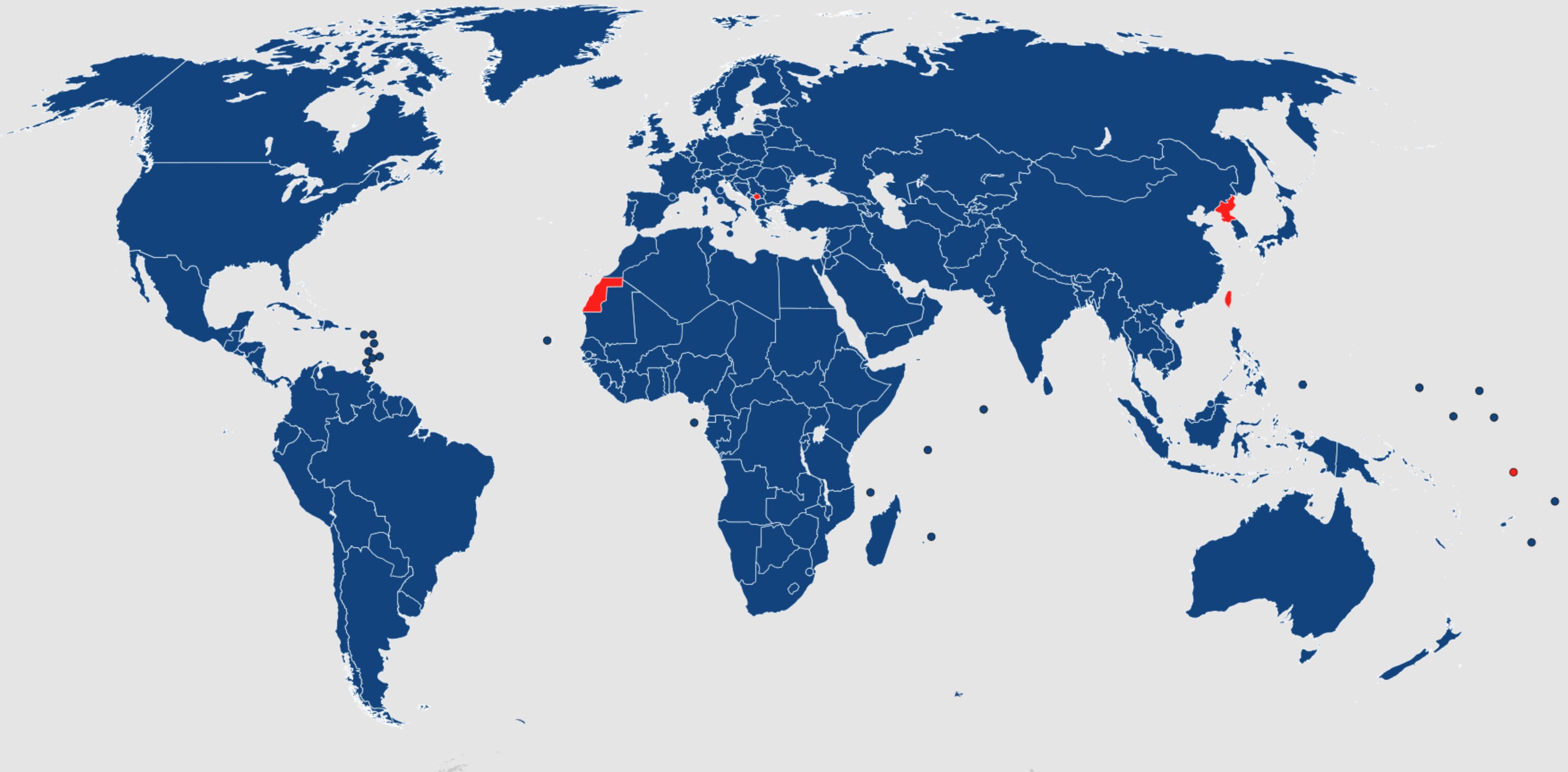
Today, Interpol connects 196 countries, but its underlying logic remains the one established in Vienna. It is not a police force above all other police forces, but a system for exchanging information. The Vienna delegates did not remove borders. They taught borders to communicate with one another, because criminals had already demonstrated that they could cross them on their own.
The technology has changed, but the race has not. Crime still discovers new routes first, while the law often follows behind, carrying a form that still needs to be translated and sent to the right address.
Sources
- Interpol.int Our history https://www.interpol.int/en/Who-we-are/Our-history
- Cambridge.org The Evolution of International Policing against “Gypsies” in Central Europe: 1870–1945 | Central European History | Cambridge Core https://www.cambridge.org/core/journals/central-european-history/article/evolution-of-international-policing-against-gypsies-in-central-europe-18701945/1EC4E480D0B6AEB51C4E9CD57D03E9C4
- Bmi.gv.at 100 Jahre Interpol (2) https://www.bmi.gv.at/magazin/2023_07_08/18_100_jahre_interpol.html
- Journals.sagepub.com The Logic of Nazification: The Case of the International Criminal Police Commission("Interpol") https://journals.sagepub.com/doi/10.1177/002071520204300102
- Btp.police.uk The murder of Sarah Hart, 1845 https://www.btp.police.uk/police-forces/british-transport-police/areas/about-us/about-us/our-history/crime-history/murder-of-sarah-hart/
- Nvlpubs.nist.gov A Semi-automated Single Fingerprint Identification System https://nvlpubs.nist.gov/nistpubs/Legacy/TN/nbstechnicalnote481.pdf
- Ojp.gov INTERPOL - 50th anniversary https://www.ojp.gov/pdffiles1/Digitization/40713NCJRS.pdf
Comments