
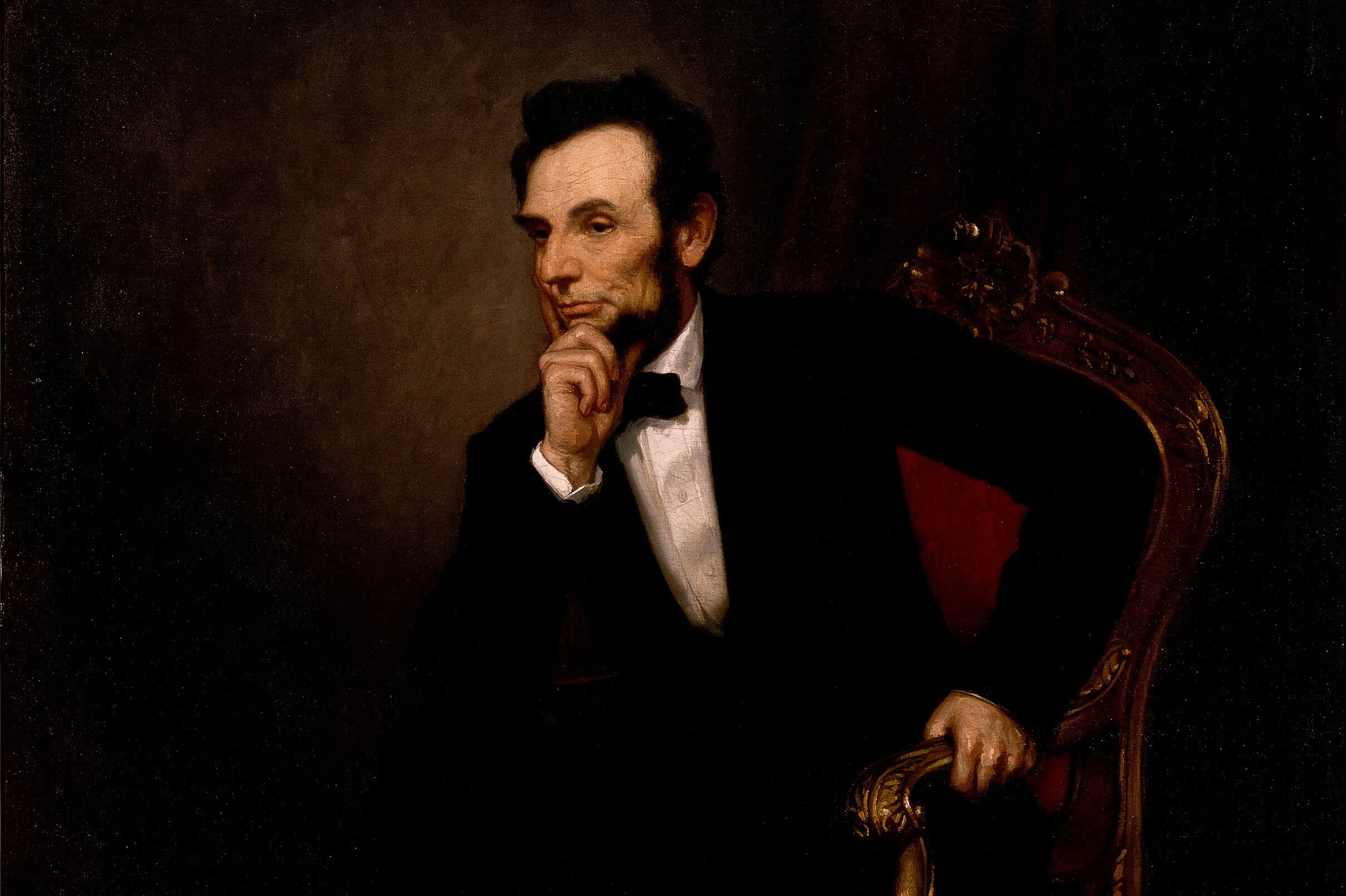
On September 22, 1862, Abraham Lincoln did not declare that every enslaved person in the United States was free. Instead, he gave the Confederacy a hundred-day deadline. If the rebellious states returned to the Union by January 1, slavery there could still survive. If they continued the war, the people they held in bondage would be "then, thenceforward, and forever free." One of history’s most famous documents of human freedom thus entered the world as a wartime ultimatum.
Nor did that ultimatum immediately free anyone on September 22, or promise to abolish slavery throughout the country. Freedom was tied to the military map, to whether a state remained in rebellion, and to the Union’s eventual victory. Yet it was precisely this limited, carefully crafted decision that transformed the meaning of the war. Until then, Washington could claim that it was fighting only to restore the old Union. After the proclamation, the war could no longer end with a simple return to the way things had been.
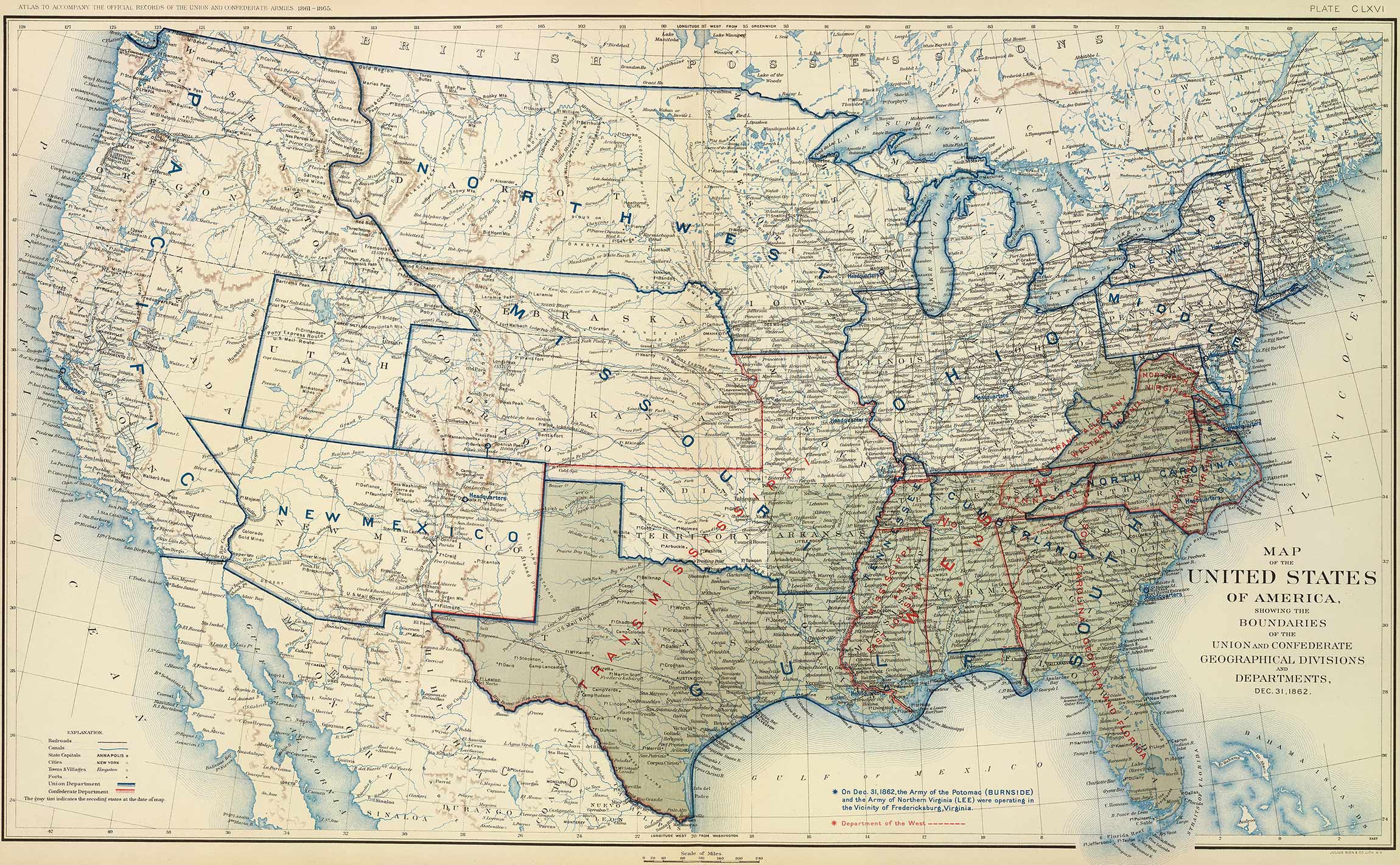
How did the United States become two Americas at war?
Before continuing the story, we need to step back and look at the broader historical context. The name United States was not merely a historical flourish. The country had been founded as a federation of member states, each with its own government, legislature and laws, while matters such as foreign policy and defence were entrusted to the federal government in Washington. The great unresolved question was this: had the states created a union from which they could withdraw at will, or had the Constitution established a permanent Union that no member could dissolve unilaterally?Beneath that constitutional dispute lay a far more concrete issue: slavery. By 1860, nearly four million people were enslaved in the United States. The economy of the Southern states rested on cotton plantations and forced labour, while the North was more populous, more industrialised and more dependent on free wage labour. That did not make the North a realm of racial equality. Its banks, insurers, merchants and textile mills had profited from slavery for decades. Nevertheless, the political balance was gradually shifting against the slaveholding South.
When the Republican candidate Abraham Lincoln won the presidential election of 1860, he was not calling for the immediate emancipation of every enslaved person. His central demand was that slavery should not be allowed to spread into the new western territories. For the Southern elite, even that was dangerous enough. If new states entered the Union as free states, the slaveholding South would gradually lose influence in Congress, while slavery would be confined to a shrinking political space in which it might not survive in the long term.
In December 1860, South Carolina therefore declared that it was leaving the United States. Other Southern states followed. Eleven in all formed the Confederate States of America, elected Jefferson Davis as their president and eventually established their capital in Richmond. The Confederacy claimed that this was the lawful secession of sovereign states. Lincoln’s government rejected that argument. To Washington, the Confederacy was never a new country, but a collection of American states in rebellion against the legitimate federal government.
The war began in April 1861, when Confederate forces opened fire on the federal garrison at Fort Sumter in Charleston Harbor. From then on, the term Union referred to the federal government and the states that remained loyal to it. This was not simply another name for "the North." Four slaveholding states — Delaware, Maryland, Kentucky and Missouri — remained in the Union. Their populations were deeply divided, but their governments stayed with Washington. Lincoln therefore could not simply equate the defence of the Union with the abolition of slavery at the beginning of the war. Doing so might have driven those states into the Confederacy as well.
Conversely, the later claim that the South seceded solely over the abstract principle of "states’ rights" is false. Southern declarations of secession and speeches by Southern politicians make it abundantly clear that the central right they sought to protect was the right to own other human beings. The Confederate Constitution further entrenched the protection of slavery. The dispute over federal and state authority was real, but it revolved above all around whether the slaveholding order could survive and continue to expand.
Europe, meanwhile, was not a single, unified actor, and no major European power formally recognised the Confederacy. Nevertheless, officials in London and Paris seriously considered recognition, mediation or pressure on Washington to accept the country’s partition. Britain granted the Confederacy belligerent status. This fell short of recognising it as an independent state, but it gave the South certain rights in international trade and warfare. Confederate agents in Europe purchased weapons, raised loans and commissioned ships such as the notorious Alabama, which was built in a British shipyard.
The South’s greatest advantage was cotton. British and French textile mills depended on it, leading Confederate leaders to believe that "King Cotton" would compel Europe to break the Union naval blockade. The resulting shortage of raw material did indeed close factories and leave workers unemployed. Over time, however, Europe found alternative suppliers, particularly in Egypt and India. Britain also depended on grain from the North and had no desire to go to war with the US Navy, challenge the blockade and simultaneously defend Canada against possible retaliation.
There were broader geopolitical reasons for sympathy toward the Confederacy as well. A divided and weakened United States would pose less of a threat to British interests in North America. For the French emperor Napoleon III, the American Civil War provided an opportunity to intervene in Mexico and install Maximilian of Habsburg as emperor. A strong and united America would have been far less likely to tolerate such a venture. Some European aristocrats also felt a cultural affinity with the Southern planter elite, while regarding the democratic and economically ambitious Union as an unwelcome future rival.
European governments, however, also had to reckon with public opinion at home. The British Empire had abolished slavery decades earlier, and the abolitionist movement carried immense moral weight. Many British workers, including those suffering because of the cotton shortage, refused to support a state founded to preserve slavery. As long as Lincoln claimed to be fighting only to restore the Union, the Confederacy could still present itself in Europe as a movement for national independence. The Emancipation Proclamation began to destroy that image. After its issuance, recognising the Confederacy no longer meant merely supporting the South’s right to secede. It meant siding with slavery in a war that was increasingly becoming a war for freedom.
That is why 1862 was such a decisive year. At the beginning of the conflict, the Union was fighting to recover the rebellious states. After Lincoln’s decision, it also had to defeat the social order upon which their rebellion rested. The Confederacy was fighting for an independence that would preserve slavery. The Union had entered the war to save the country, but could no longer finish it without profoundly transforming that country.
A president caught between slavery, the Constitution and the survival of the Union
Lincoln did not enter the White House as an advocate of immediate abolition. He regarded slavery as a moral evil and opposed its expansion, but long maintained that the federal government had no constitutional authority to abolish it in states where it already existed. His political coalition included abolitionists, conservative Unionists and slaveholding states that had not joined the Confederacy. Losing Maryland would have endangered Washington itself, while Kentucky was crucial to controlling the rivers and overland routes leading into the South.
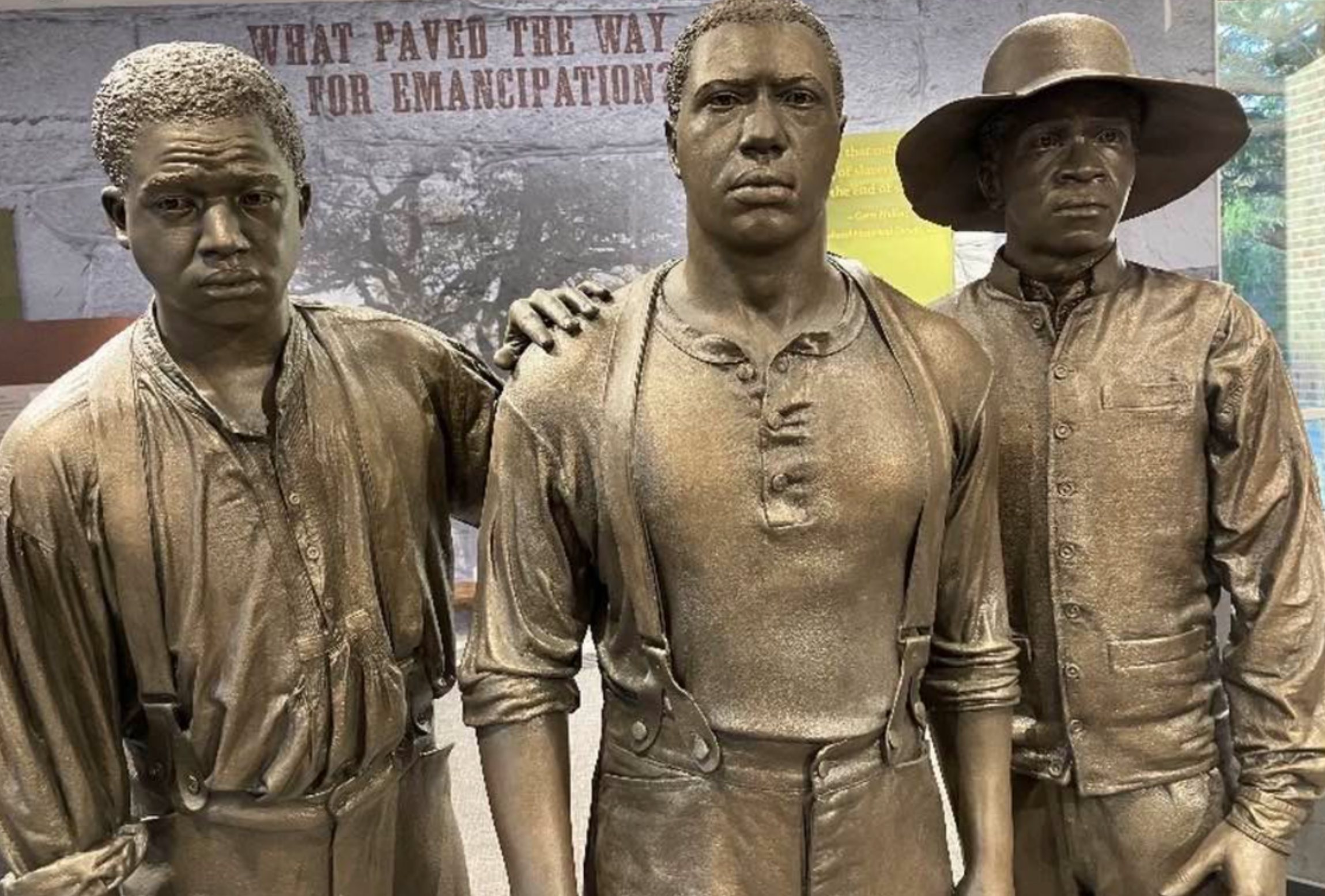
Enslaved people, however, did not wait for Lincoln to resolve his constitutional dilemma. Thousands fled towards Union lines, forcing commanders to decide whether to return them to their enslavers or receive them as free people. Congress prohibited the military from returning fugitives, while the Second Confiscation Act freed some of those who came under federal control. Even before the presidential proclamation, emancipation had begun from below, driven by people whose own flight was transforming the war into a struggle against slavery.
The three fugitives who changed the war
On the night of May 23, 1861, Sheppard Mallory, Frank Baker and James Townsend took a boat across the waters of Hampton Roads to Fort Monroe, one of the Union’s few secure strongholds in Virginia. Their enslaver, Colonel Charles Mallory, had sent them to build Confederate artillery positions opposite the fort. The three men were not merely escaping slavery. They also brought military intelligence that they were about to be moved beyond the reach of Union forces.The following day, a Confederate representative demanded that General Benjamin Butler return them under the Fugitive Slave Act. Butler spotted a contradiction in the demand. If Virginia claimed that it was no longer part of the United States, its officials could hardly invoke the protection of federal law. And if enslaved people were being used to construct enemy fortifications, their labour could be seized as "contraband of war." Butler did not recognise the men as citizens or declare them fully free. He simply refused to surrender them to their enslaver.
Antietam and the moment to announce the decision
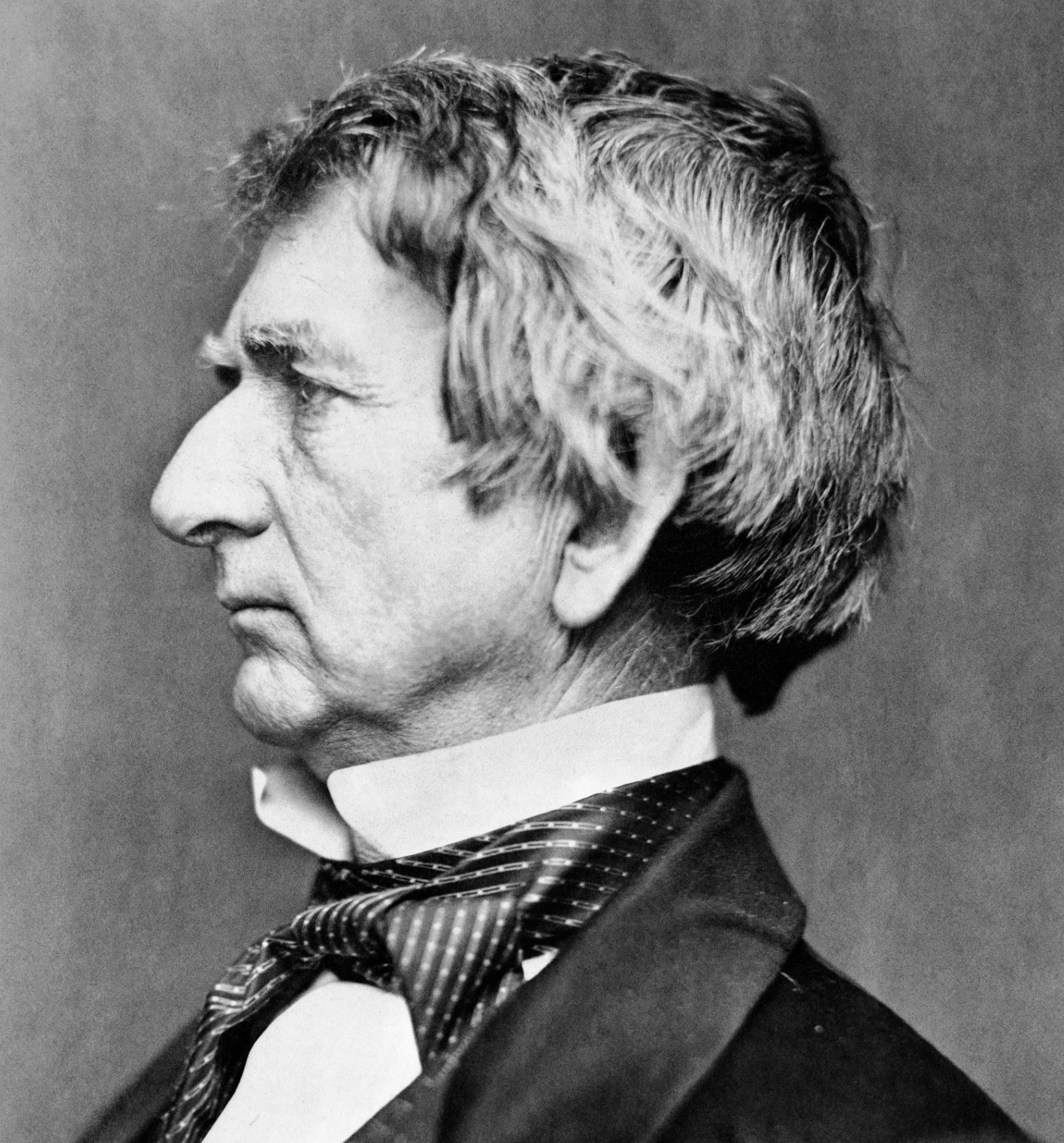
Lincoln first read a draft of the proclamation to his cabinet on July 22, 1862. Secretary of State William Seward supported the decision itself, but warned that after a series of defeats it might look like the last desperate act of an exhausted government. Lincoln therefore waited for a military success. He got one at Antietam on September 17, the bloodiest single day in American military history. The battle was not a clear-cut victory, but Robert E. Lee withdrew from Maryland. Five days later, Lincoln issued the preliminary Emancipation Proclamation.
A month earlier, in a public letter to the influential editor Horace Greeley, Lincoln had written that his overriding objective was to save the Union. If he could save it by freeing every enslaved person, he would do so. If he could save it without freeing anyone, he would do that as well. Those lines are often presented as evidence of his moral indifference. Yet the draft proclamation already existed by then. The letter was also an attempt to prepare the white public for a decision Lincoln intended to present as necessary for victory. He concluded by adding that his personal wish was for all people everywhere to be free.
The document itself reveals how incomplete that transition still was. It begins by stating that the war is being waged to restore the constitutional relationship between the states and the Union. Lincoln then renews his offer of federal financial assistance to slaveholding states willing to accept immediate or gradual abolition. Loyal owners are also promised the possibility of compensation for wartime losses, "including the loss of slaves." Within the same document, two Americas stand almost side by side — people who would be forever free and owners who might be paid for losing them.
Even more unsettling was the proposal to continue colonising African Americans outside the United States, formally with their consent. Only five weeks earlier, Lincoln had advocated racial separation and resettlement in Central America during a meeting with a delegation of free Black men. This does not make the proclamation a fraud, but it does reveal the limits of Lincoln’s vision at the time. He could regard slavery as a "monstrous injustice" without yet fully embracing the future of a shared and equal multiracial republic.
The failed colony on Île-à-Vache
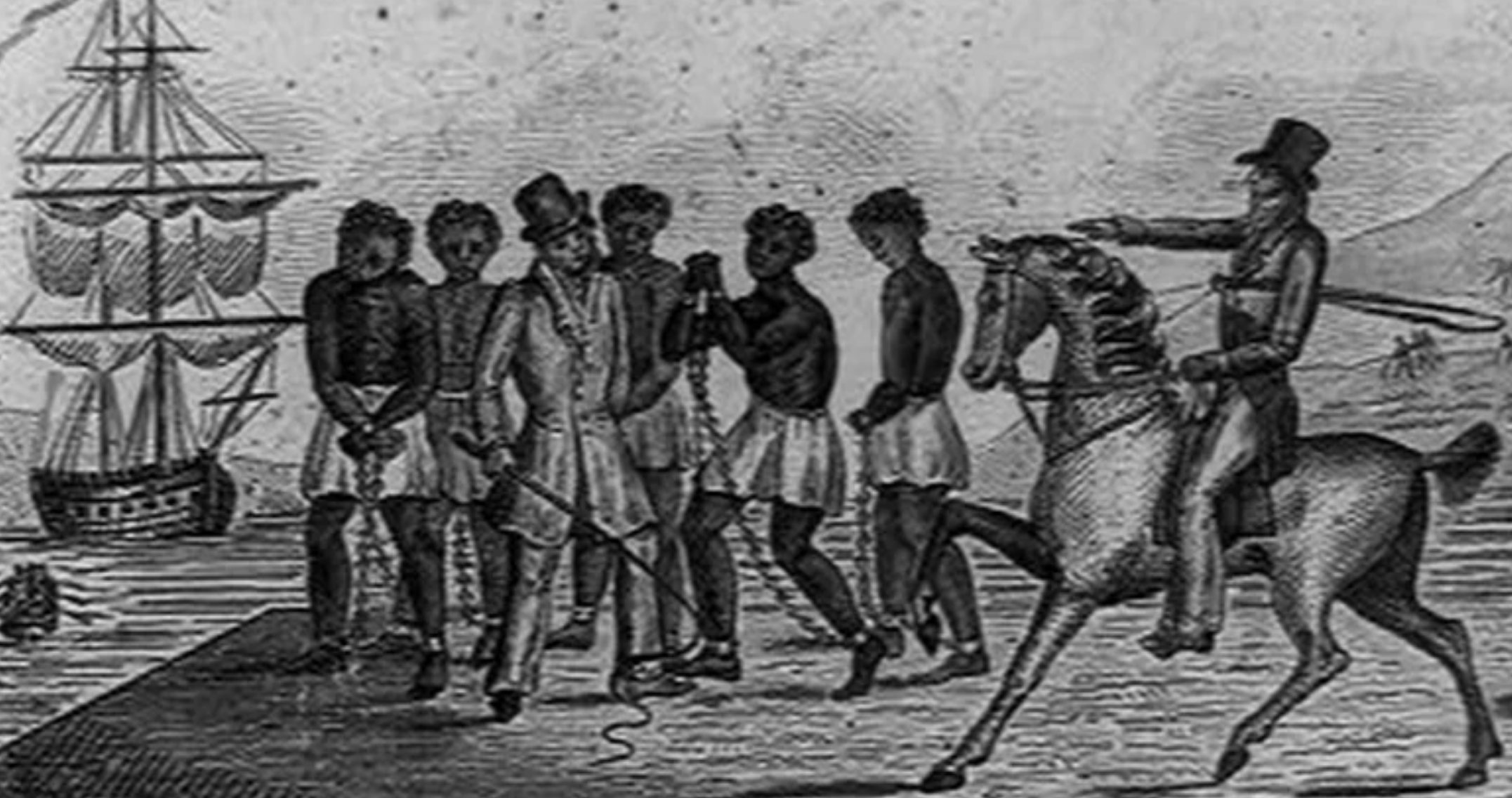
Four months after the preliminary proclamation — and more than three months after the final version — the ship Ocean Ranger sailed from Virginia for the small Haitian island of Île-à-Vache. On board were 453 African Americans, most of them men from the area around Fort Monroe. A private entrepreneur named Bernard Kock had convinced the Lincoln administration that he could establish a self-sustaining colony there: the settlers would work, earn money and build a community outside the United States.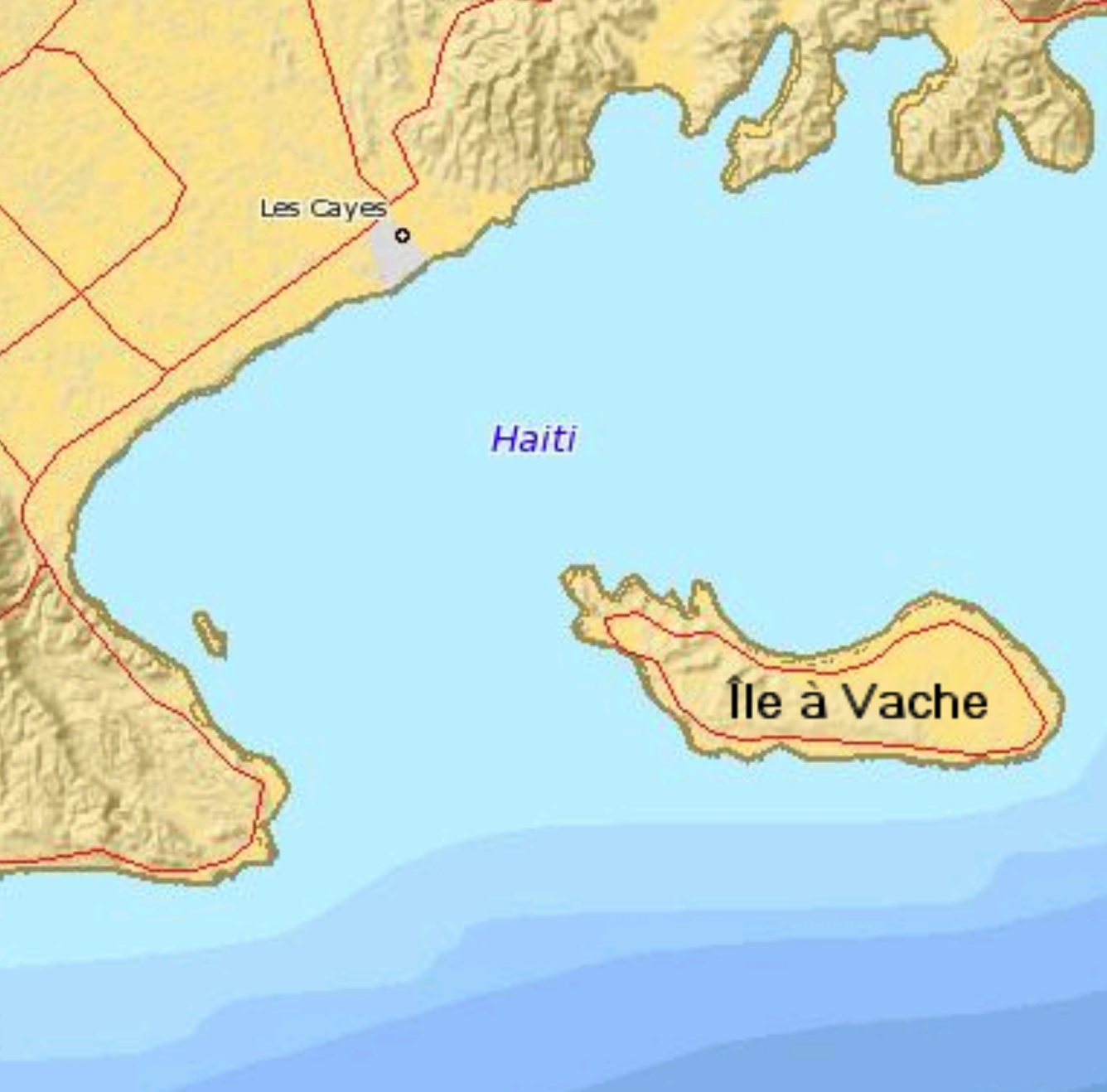
Freedom bounded by the military map
The hundred-day deadline served a very practical purpose. Any state that restored credible representation in Congress could demonstrate that it was no longer in rebellion and thereby escape the proclamation’s reach. When the final version was issued on January 1, 1863, it did not apply to the slaveholding states of Delaware, Maryland, Kentucky and Missouri, which had remained in the Union. Tennessee and parts of Louisiana and Virginia already under federal control were also exempted.
Hence the famous criticism that Lincoln freed enslaved people where he had no authority, while leaving them in bondage where he did. The paradox was real, but it was not an accidental loophole in the document. Lincoln invoked his powers as commander-in-chief to attack the enemy’s wartime system during a rebellion. He did not claim that, as president, he could simply abolish slavery in loyal states. Freedom therefore advanced with the army, while complete abolition required the Thirteenth Amendment, which was ultimately ratified and proclaimed in December 1865.
Slavery, moreover, was far more than a Southern social institution. Enslaved people cultivated the land, built fortifications and maintained supply lines, freeing white men to serve in the Confederate army. Depriving the South of that labour meant striking at its capacity to wage war. The preliminary proclamation committed the army and navy to recognising and preserving freedom, and to refrain from obstructing enslaved people who sought to secure it in practice. The final proclamation also opened the door to their enlistment. By the end of the war, nearly 200,000 Black soldiers and sailors had fought for the Union.
The document was also a diplomatic weapon. Britain and France had considered mediation or recognition of the Confederacy. After the proclamation, such a move would increasingly have meant siding with a state fighting to preserve slavery. Emancipation did not single-handedly prevent European intervention, but in countries with powerful antislavery movements it dramatically raised the political cost.
When justice and the Union’s interests finally aligned
The final version of January 1 no longer mentioned colonisation or compensation. It called emancipation "an act of justice" warranted by the Constitution and military necessity. Those two justifications did not cancel each other out. A moral objective did not become less moral simply because it also weakened the enemy. On the contrary, its greatest strength lay precisely in the fact that justice and the interests of the Union had finally aligned.
The image of the solitary Great Emancipator is therefore exactly that: a myth. The proclamation was made possible by enslaved people who fled bondage, abolitionists who pressured the government, a mounting military crisis and Lincoln’s eventual decision to wield presidential power. The document issued on September 22 was neither a purely moral declaration nor a cold tactical manoeuvre. It was the moment when destroying slavery became a condition of victory. Its ultimate greatness lay in carrying the war across a threshold beyond which there could be no return to the old Union.
Sources
- National Archives Emancipation Proclamation (1863) https://www.archives.gov/milestone-documents/emancipation-proclamation
- Library of Congress Abraham Lincoln to Horace Greeley, Friday, August 22, 1862 https://www.loc.gov/item/mal4233400/
- National Park Service The Contraband Decision https://www.nps.gov/articles/000/the-contraband-decision.htm
- American Battlefield Trust The Emancipation Proclamation and the Battle of Antietam https://www.battlefields.org/learn/articles/emancipation-proclamation-and-battle-antietam
- The Americas / Cambridge University Press
- Congress.gov - Constitution Annotated U.S. Constitution - Thirteenth Amendment https://constitution.congress.gov/constitution/amendment-13/
- Associated Press Today in History: September 22, Lincoln issues preliminary Emancipation Proclamation https://apnews.com/article/11cebe3e67ca463a24c05ec8cf5926fc
- History When Abraham Lincoln Tried to Resettle Free Black Americans to Haiti https://www.history.com/articles/abraham-lincoln-black-resettlement-haiti
Comments