
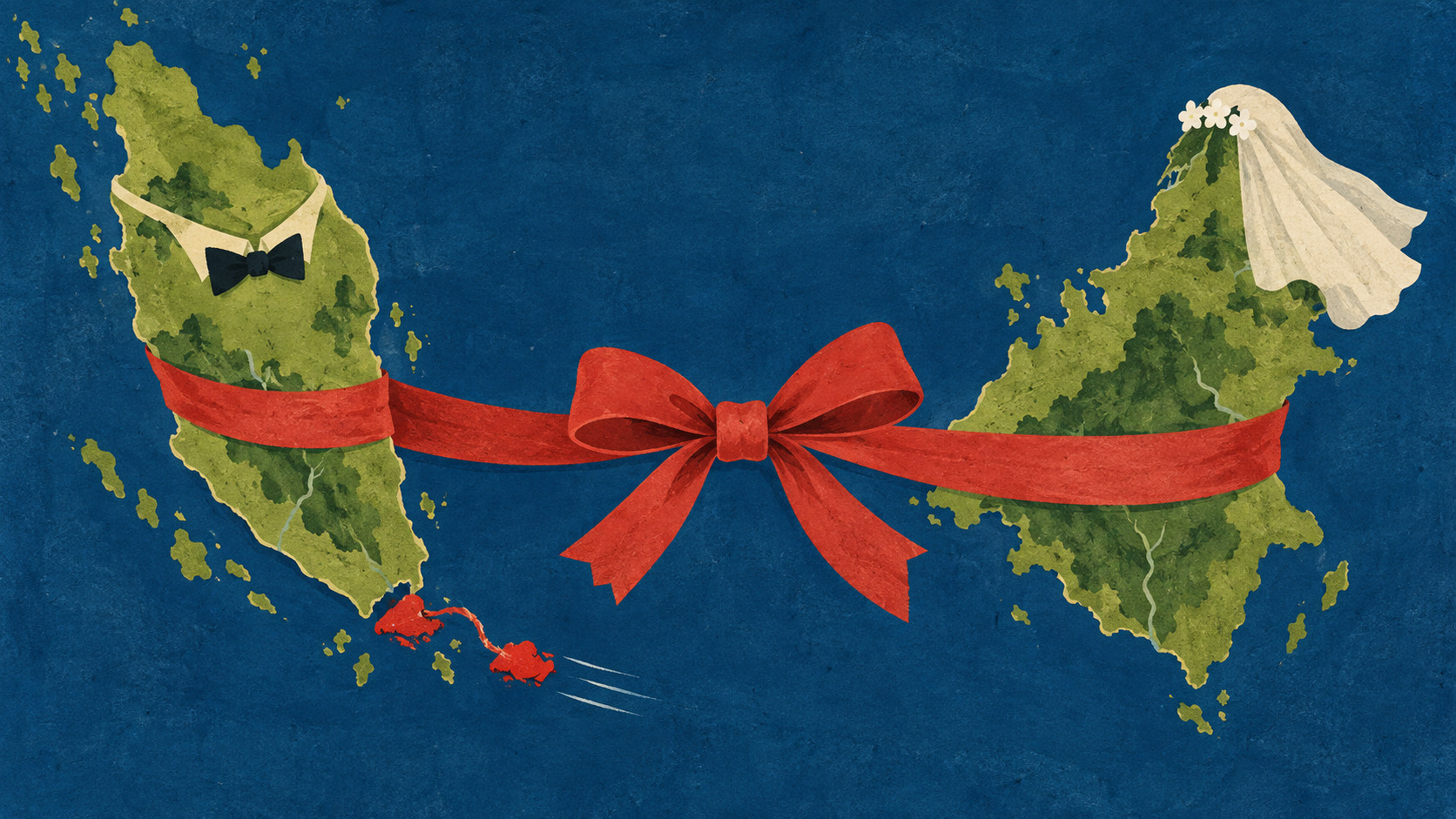
Britain was leaving, communism was advancing, and borders had to be quickly arranged. One member of the federation lasted only 693 days.
Even a glance at the map of Malaysia reveals that the country was not created simply by drawing a line around a single, compact territory. The Malay Peninsula and northern Borneo are separated by the South China Sea, while the original arrangement also included Singapore – an island small in area but more populous than any of the Malay states. Brunei was supposed to join as well. The whole thing looked less like a natural homeland than a political solution to an extremely urgent problem...
British prime minister Harold Macmillan privately called the entire project a shotgun wedding – a marriage hastily arranged under pressure. It was a fairly accurate diagnosis. When Malayan prime minister Tunku Abdul Rahman proclaimed Malaysia at Kuala Lumpur’s Merdeka Stadium on 16 September 1963, an independent federation was being born, but so was a security architecture. The British Empire was lowering its flag, yet it had no intention of abandoning its military base or leaving the region to forces that might take its place.
Malaya had been independent since 1957, but it had only just emerged from a twelve-year insurgency waged by the Communist Party of Malaya. The state of emergency officially ended only in 1960. Singapore, meanwhile, was a vast port, a British military base and a city in which roughly three-quarters of the population was Chinese. It had powerful trade unions and an even more powerful left, which the British, Malayan and Singaporean authorities regarded – with considerable justification – as pro-communist.
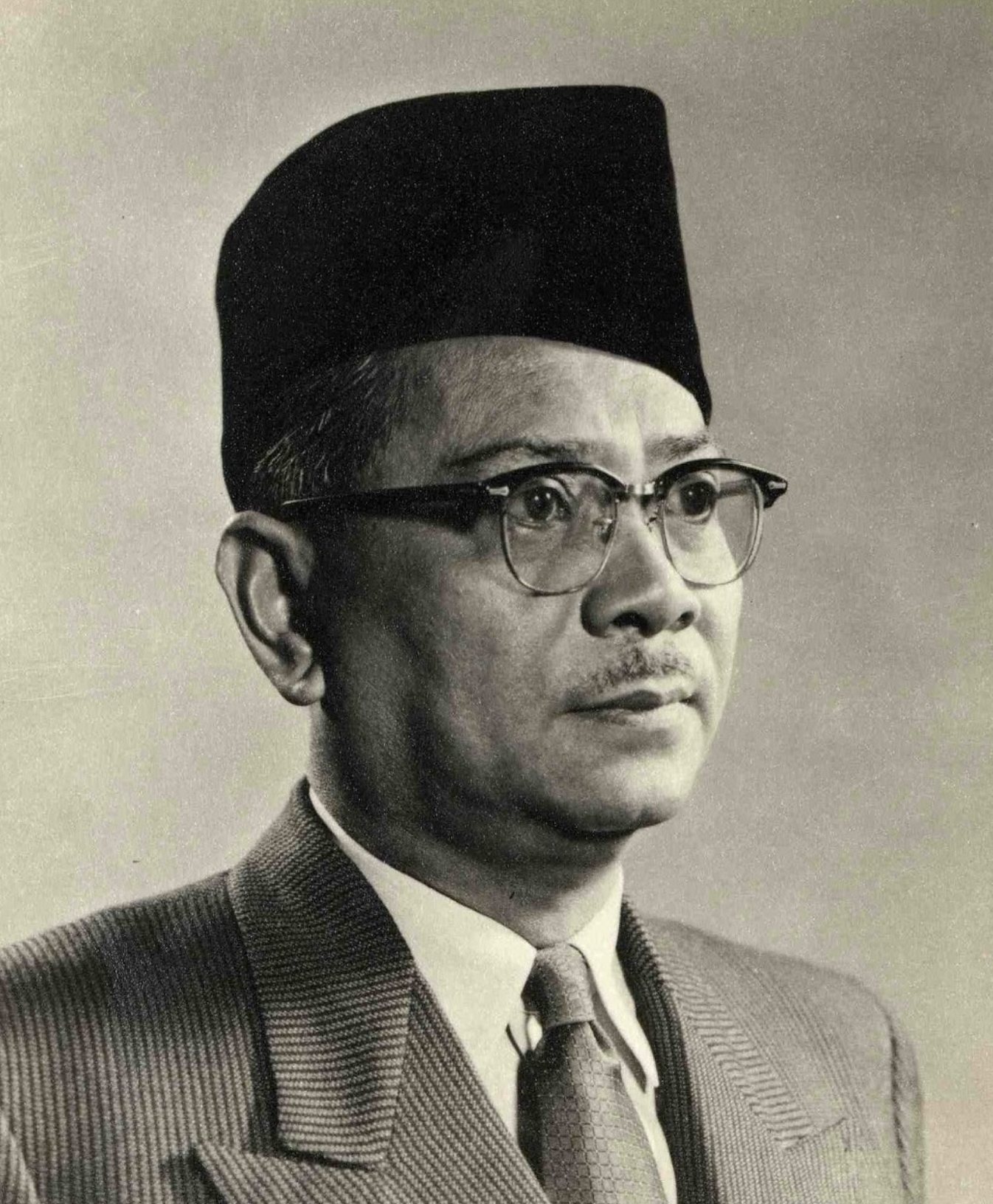
A US intelligence assessment from February 1963 described what public speeches generally sought to obscure. London and Kuala Lumpur were promoting the concept of Malaysia primarily to contain the communist threat in Singapore, preserve the British base and find an acceptable way out of the colonial situation in northern Borneo. In other words, this was decolonisation according to a Cold War blueprint – sovereignty would be transferred, but the strategic architecture was meant to remain in place.
The political arithmetic of a federation
Tunku Abdul Rahman, Malaysia’s first prime minister, had long opposed a straightforward merger between Malaya and Singapore. Bringing in 1.7 million people, most of them of Chinese descent, could upset the delicate ethnic and electoral balance on which his coalition’s power depended. Including Sabah and Sarawak, with their numerous indigenous peoples – the Iban, Kadazan-Dusun and many others – diluted Singapore’s demographic weight. Borneo was therefore not some remote appendage to the project, but an essential part of its political arithmetic.
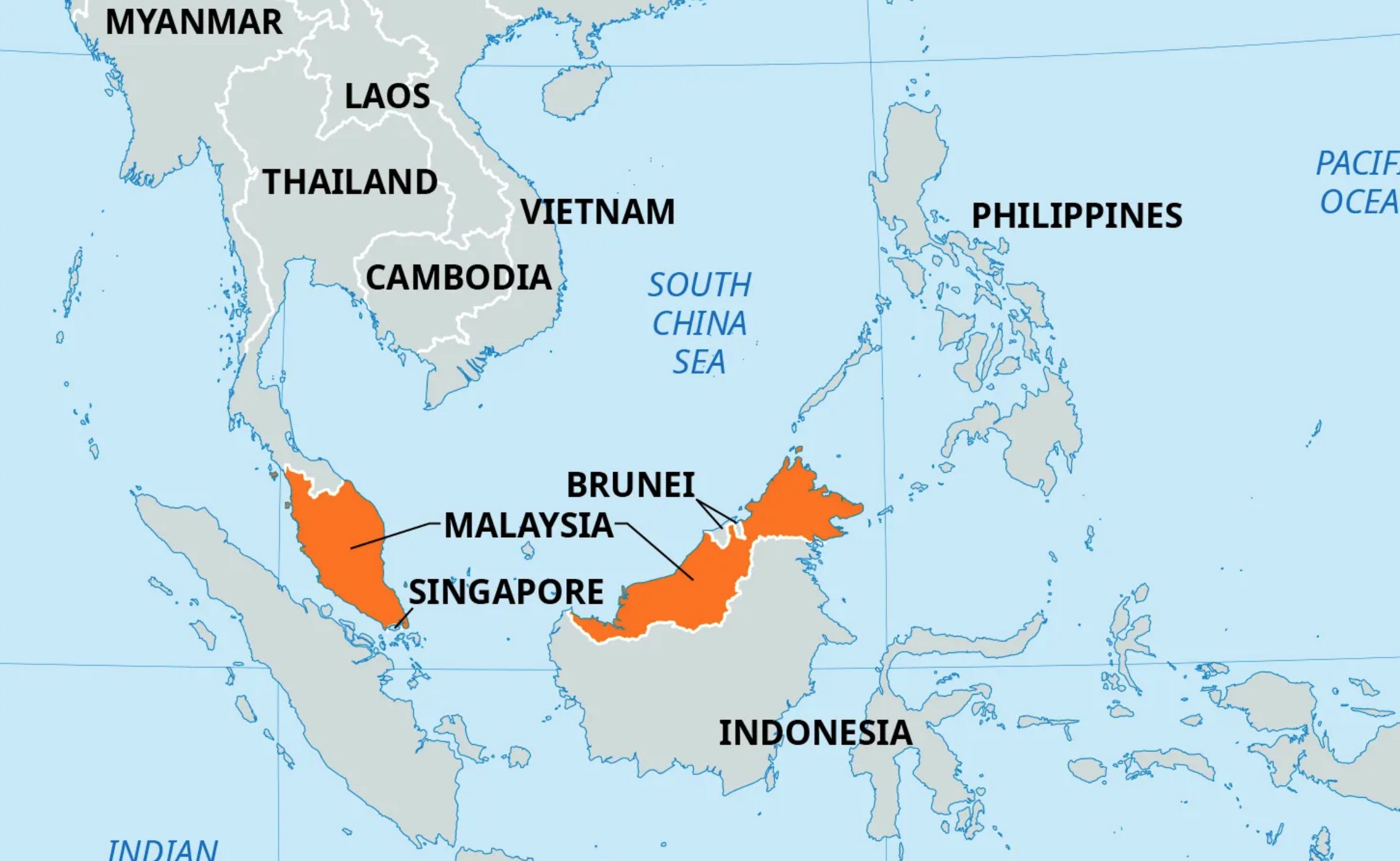
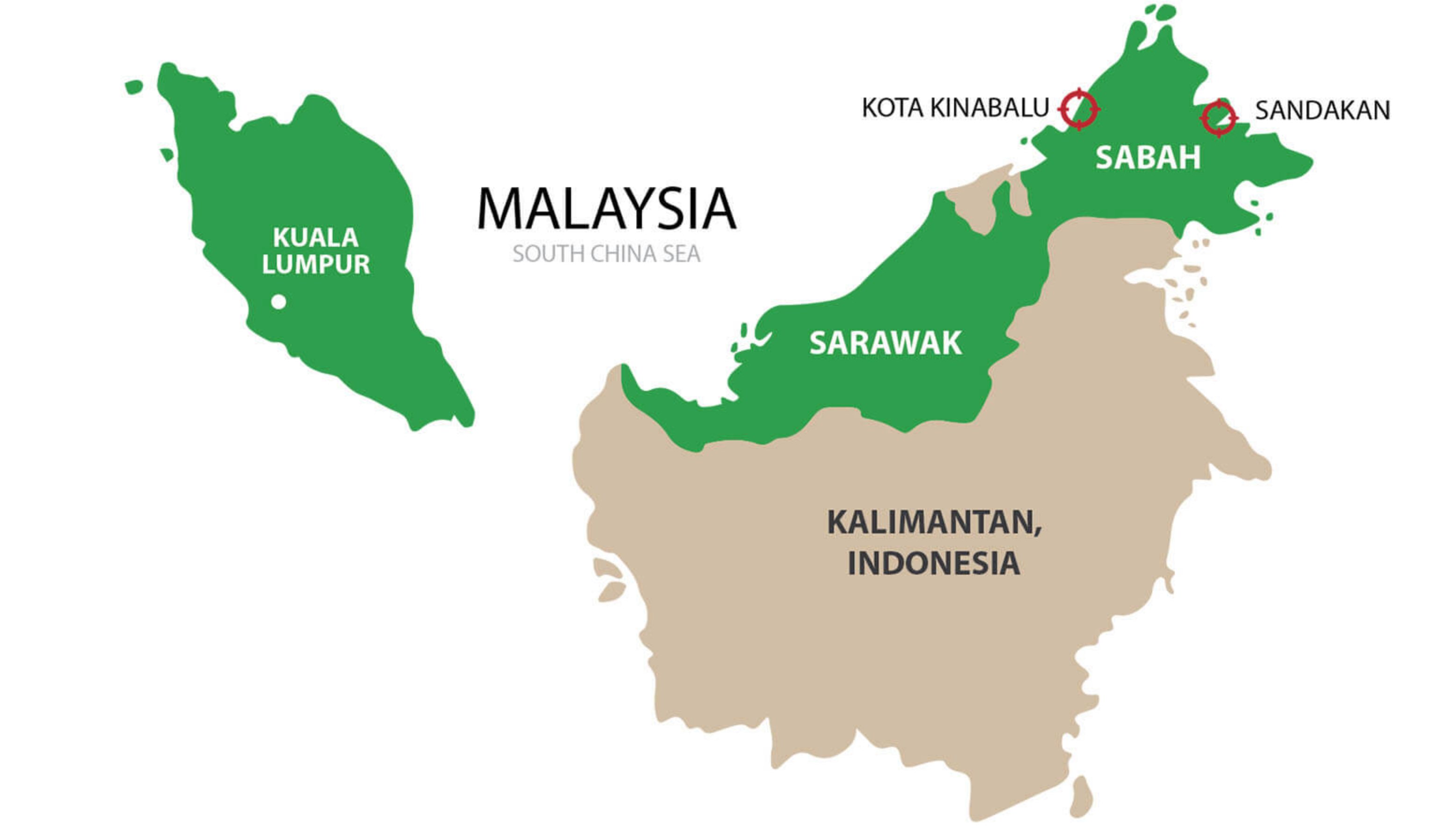
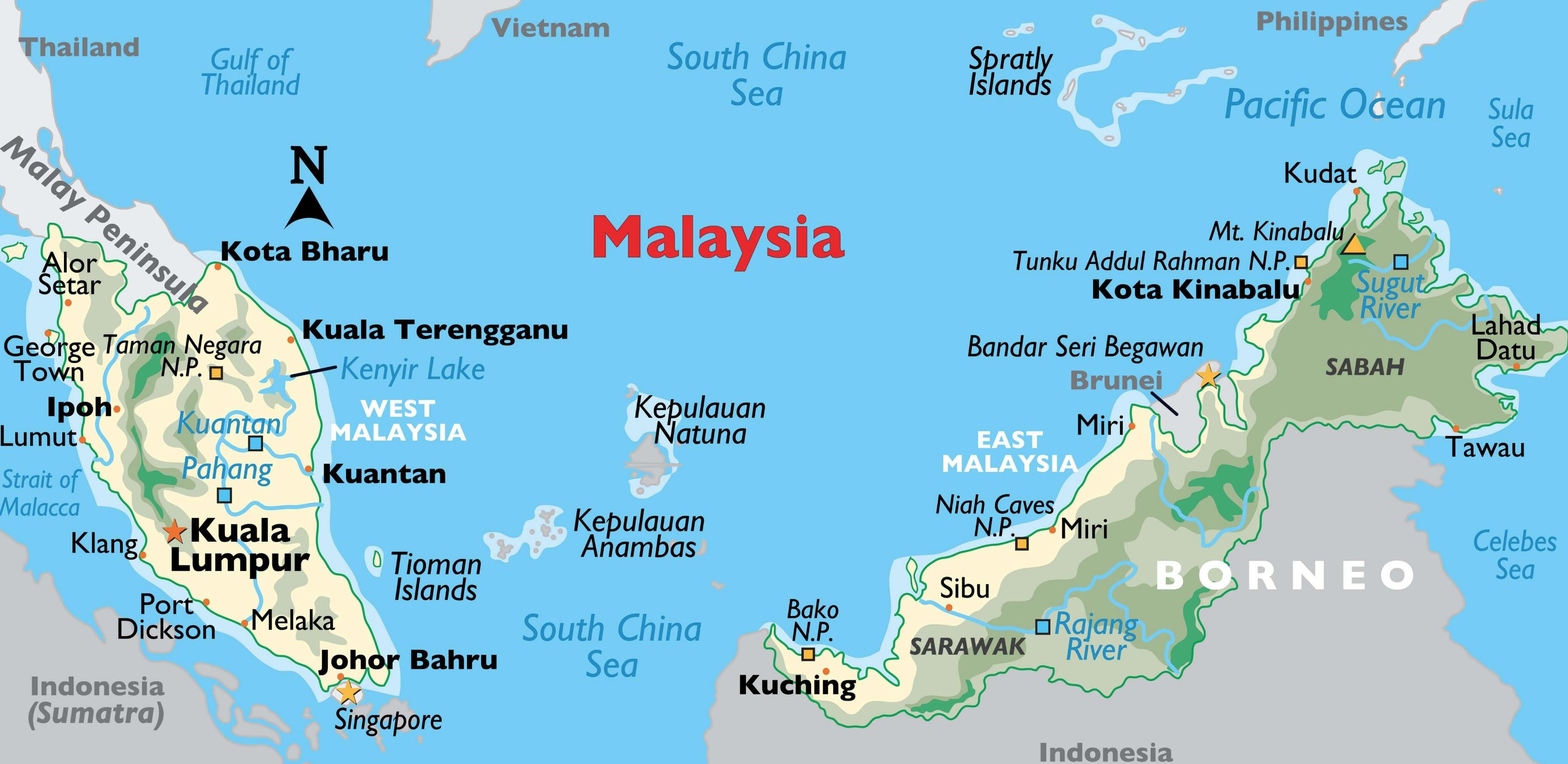
That arithmetic extended even to the distribution of parliamentary seats. Although Singapore had a larger population than Sabah and Sarawak combined, it received only 15 seats in the federal parliament. The two Bornean states received 40. The island was important enough that it had to be brought into the federation, but evidently dangerous enough that its political weight had to be limited in advance.
Singaporean prime minister Lee Kuan Yew had calculations of his own. Merger offered full independence from Britain, access to a common market and Kuala Lumpur’s assistance in confronting the powerful Barisan Sosialis, a left-wing party formed after a split in his own People’s Action Party.
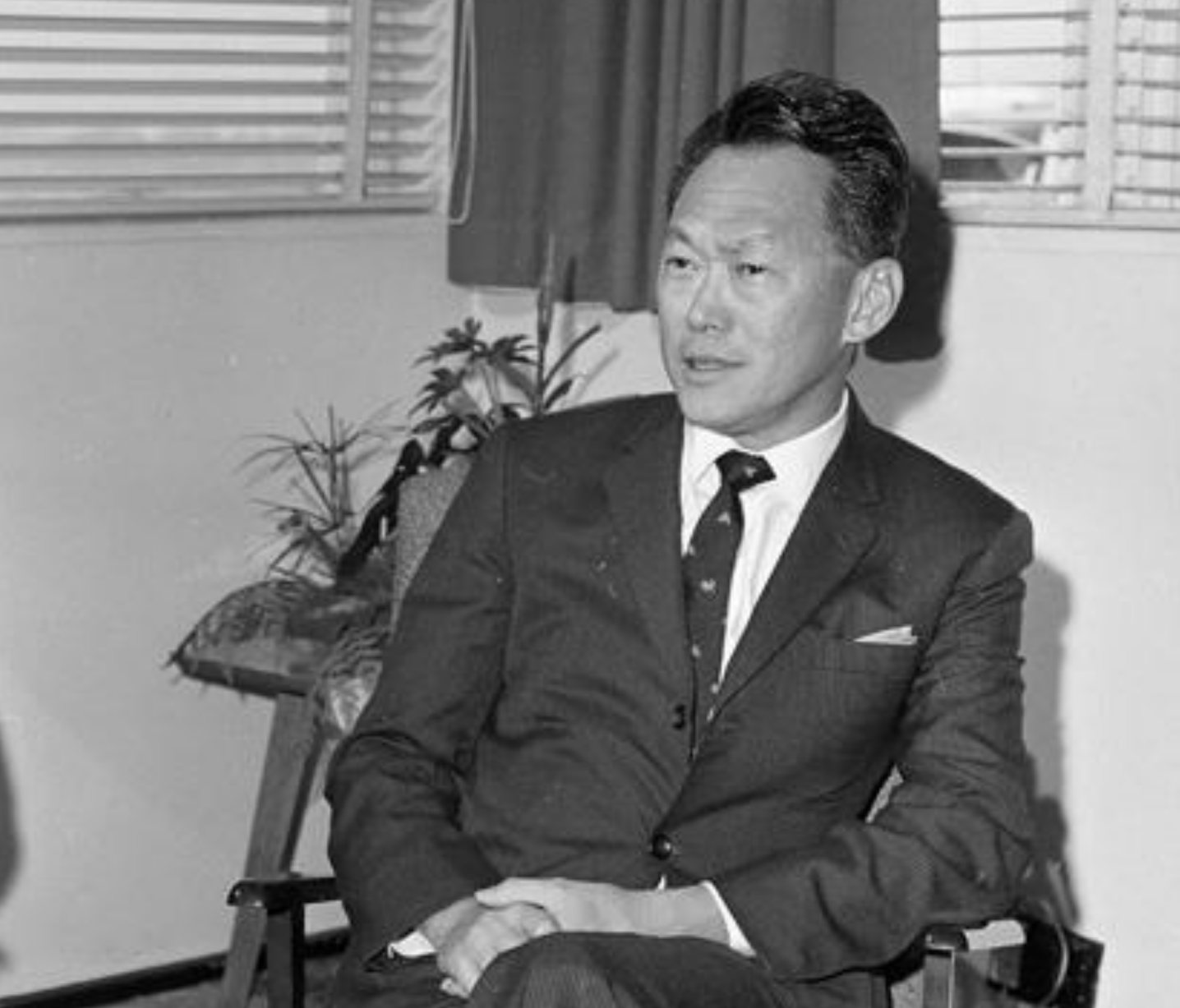
At dawn on 2 February 1963, more than a hundred politicians, trade unionists and activists were detained during Operation Coldstore, including much of the Barisan leadership. The authorities claimed they were preventing communist subversion, while critics saw the operation as an attempt to eliminate the most dangerous legal opposition just months before the federation was formed. Both claims may have contained some truth – the communist threat was real enough to reshape national borders, but also flexible enough to be used against a wide range of opponents.
A border that is not international, but not entirely internal either
Sabah and Sarawak, however, were not blank spaces on a map that London and Kuala Lumpur could simply colour in. The Cobbold Commission toured the territories in 1962 and concluded that roughly one-third of the population strongly supported Malaysia. Another third was prepared to accept it only with firm guarantees, while the remainder was divided between outright opposition, a desire for independence before joining and support for continued British rule. This was not a referendum but a consultation held in colonies where many inhabitants still did not fully understand what the new federation would mean.
The negotiations nevertheless produced important guarantees concerning land, religion, indigenous rights and public administration. Sabah and Sarawak were also given control over their own immigration systems. That unusual legacy of the 1963 agreement survives to this day – a Malaysian from the peninsula must pass through immigration control when entering East Malaysia, while still remaining inside their own country. The border is not international, but neither is it an ordinary domestic boundary.
Brunei, meanwhile, revealed the limits of the project. Sultan Omar Ali Saifuddien initially found the idea of Malaysia attractive, but his country had a powerful movement demanding independence of its own.
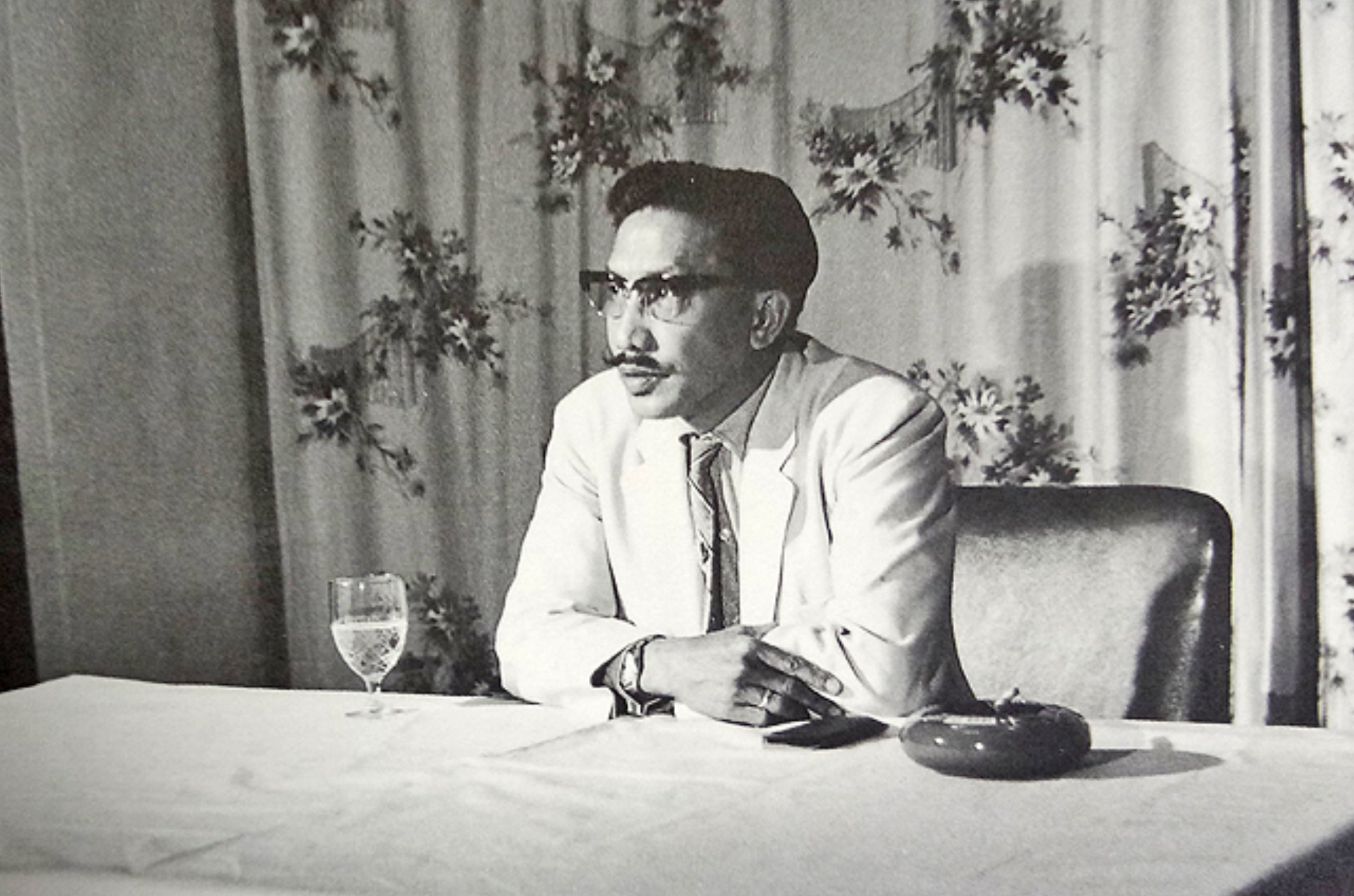
A rebellion broke out in December 1962, during which insurgents seized oil facilities in Seria and attempted to capture the sultan. British troops flown in from Singapore crushed the revolt within days, but negotiations continued. They ultimately collapsed over a combination of domestic opposition, the sultan’s status within the new federation and the question of who would control Brunei’s oil revenues. Oil gave the tiny sultanate something Sabah and Sarawak did not have – a genuine ability to say no.
Malaysia was originally supposed to come into being on 31 August, the sixth anniversary of Malayan independence. The date was postponed by sixteen days to allow the United Nations to assess public opinion in Sabah and Sarawak following objections from Indonesia and the Philippines. Manila claimed Sabah on the basis of the historic rights of the Sultanate of Sulu, while Indonesian president Sukarno denounced the federation as a British neocolonial creation.
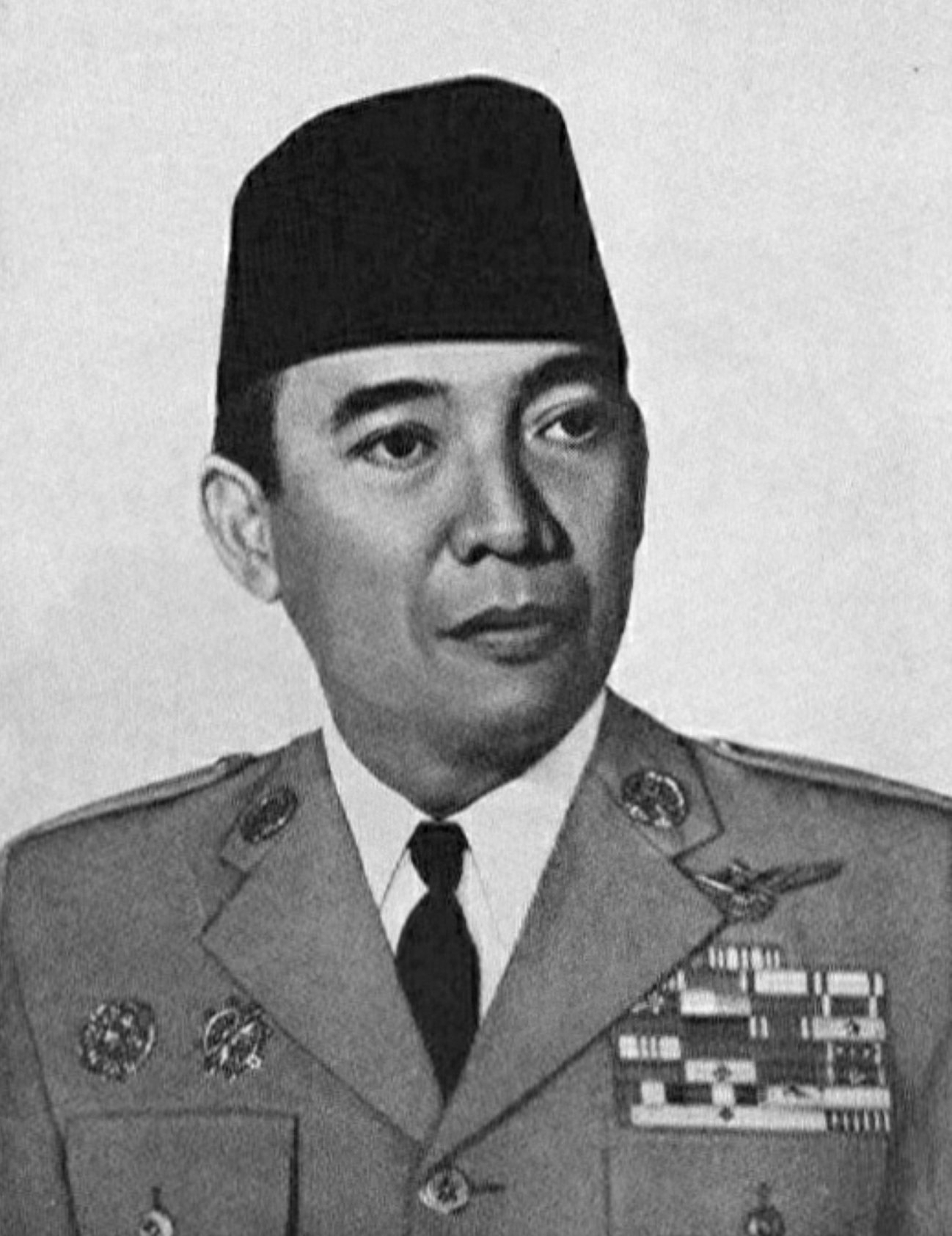
His policy of Konfrontasi soon brought cross-border incursions into Borneo, sabotage and bomb attacks. Just two days after Malaysia was proclaimed, a mob in Jakarta burned down the British embassy. The new country entered the world while an undeclared war was already being fought around its borders.
The secret war across the border
Britain publicly defended the new Malaysia within its borders, while secretly waging war on the other side of the line. In July 1964, London authorised a series of operations under the codename Claret, in which British and allied units crossed from Sarawak and Sabah into Indonesian Kalimantan. Reconnaissance teams searched for Indonesian bases and routes of advance, while infantry patrols staged ambushes designed to force the enemy onto the defensive inside its own territory.Every incursion was governed by the so-called "Golden Rules": it had to be authorised by the most senior commanders in Borneo, only experienced units could take part, no risk to civilian lives was permitted, and weeks were devoted to planning and concealment. Soldiers wore no identification tags and were forbidden from leaving behind anything that could prove a British or allied presence inside Indonesia. Because aircraft and helicopters were not allowed to cross the border except in the most extreme circumstances, the wounded and the dead first had to be carried back into Malaysia.
The logic was cold and effective: Indonesian forces could no longer prepare their incursions undisturbed, but had to devote men and time to defending their own positions and approaches. At the same time, the operation had to remain plausibly deniable, so that Sukarno would have neither proof that British "neocolonialists" were openly attacking Indonesia nor a pretext for widening the war. For decades, Konfrontasi therefore appeared to be a succession of Indonesian incursions into Malaysian territory, while the Allies’ most aggressive response remained hidden in the jungle and buried in classified archives.
What did Tito make of it all?
To Indonesian president Sukarno, Malaysia was not a new neighbouring state but a British military fortress draped in the flag of independence. Josip Broz Tito largely understood that interpretation. The two men were among the key figures of the Non-Aligned Movement, but they did not share the same vision of non-alignment – Sukarno leaned towards revolutionary confrontation with the "new forms of colonialism", while Tito increasingly insisted on negotiation and peaceful coexistence.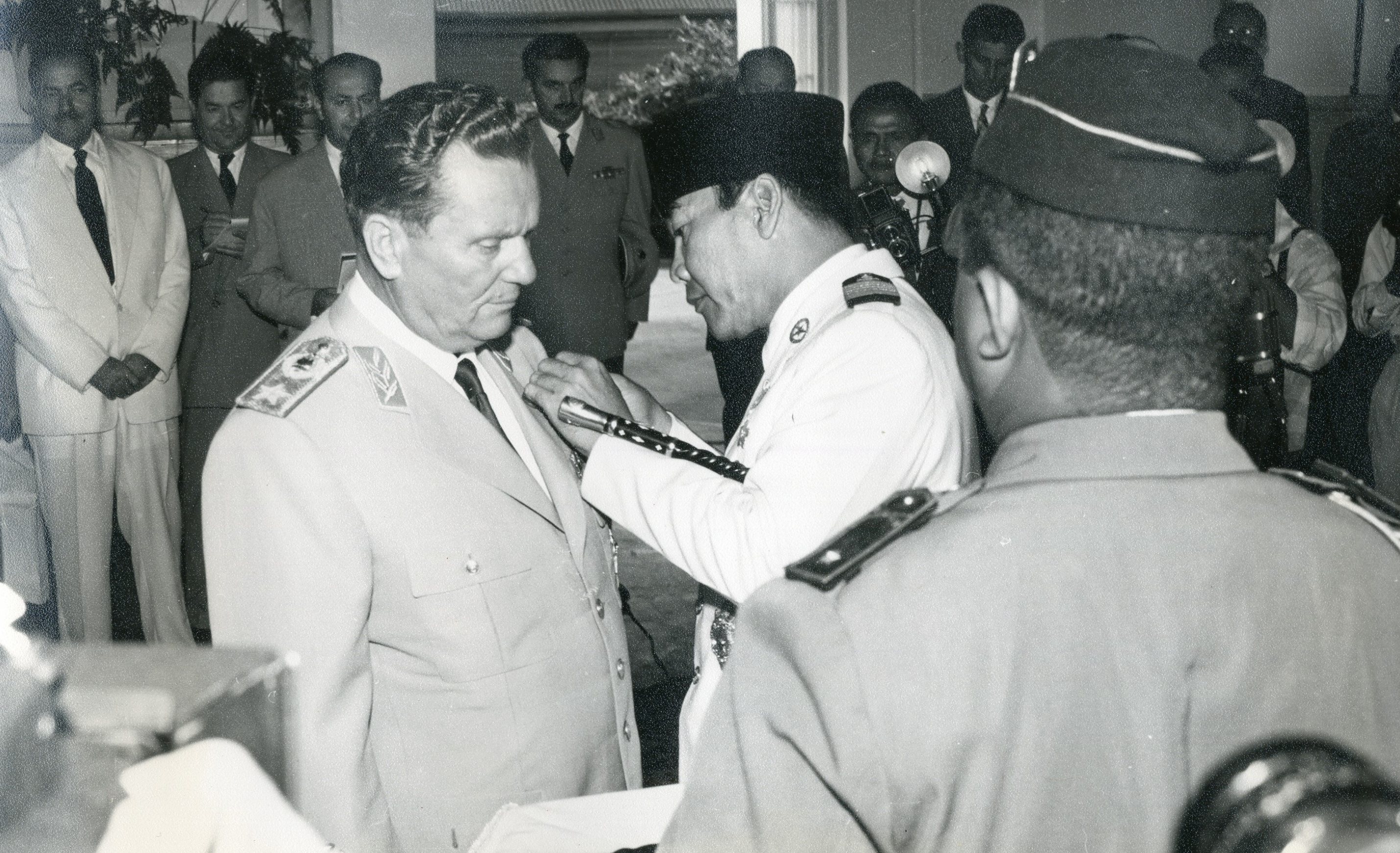
There was also tangible military cooperation, although it should not be portrayed as direct Yugoslav participation in the war against Malaysia. Between 1954 and 1957, Yugoslavia supplied Indonesia with military equipment worth approximately $2.4 million, including ammunition, mines, amphibious vehicles and combat boats. Tito later offered assistance with the construction of ammunition and 105-millimetre artillery factories, and in 1963 agreed to train members of Sukarno’s security detail and presidential guard in Yugoslavia. However, published archival material on Yugoslav-Indonesian relations contains no evidence that Belgrade sent troops, financed guerrillas in Borneo or supplied the Konfrontasi operations with dedicated arms shipments.
Tito supported Indonesia’s contention that Britain was using Malaysia to preserve its strategic position, but he did not approve of every method Sukarno employed. When an Indonesian envoy spoke to him in 1964 about British ships and "volunteers" crossing into Malaysia, Tito pointedly asked why Jakarta had then admitted before the UN Security Council that it had sent paratroopers to the Malay Peninsula. He warned that escalation threatened peace and gave the great powers precisely the pretext they needed to expand their military presence.
The difference became particularly visible at the 1964 Non-Aligned Conference in Cairo. Sukarno argued that peaceful coexistence with Malaysia in its existing form was impossible, while Tito replied that colonialism had to be dismantled without turning every dispute into an open war. In one internal note, he even observed that Sukarno viewed international affairs "too simplistically". In other words, Tito sided with Indonesia when the question was why Malaysia had been created, but not when Sukarno concluded that the answer entitled him to try to destroy it by force.
The federation that could not survive its own competing definitions
The weakest point, however, lay not in the jungles of Borneo but on the causeway between Malaya and Singapore. Lee expected a common market, which was materialising far too slowly, while Kuala Lumpur believed that Singapore was turning its economic strength into political expansion. The PAP began campaigning on the peninsula and advocating a Malaysian Malaysia – a state founded on common citizenship rather than a permanent division of political rights along ethnic lines. UMNO, the United Malays National Organisation, saw this as an attack on the special position of the Malays and on its entire model of government. The dispute was no longer administrative. Two fundamentally different definitions of the same country had collided.
After campaigns filled with ethnic accusations, Chinese-Malay riots erupted in Singapore in July and September 1964. Thirty-six people were killed and hundreds injured. Tunku concluded that preserving the union could end in even greater bloodshed. More recent Singaporean records show that the separation was not entirely sudden – under an ultimatum from Tunku, a small circle within the two governments negotiated it in secret. Formally, however, Singapore was expelled by a vote of the federal parliament.
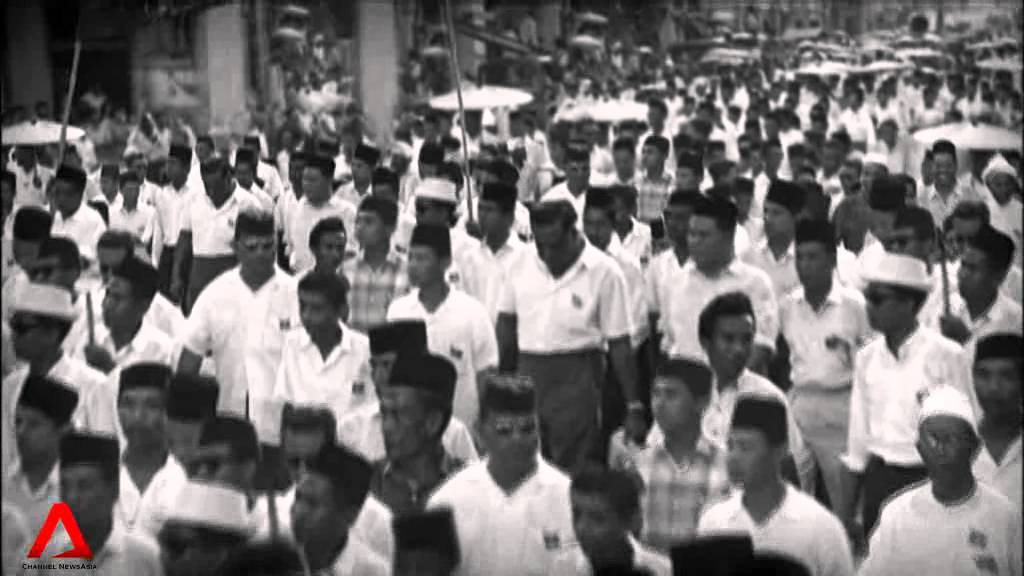
On 9 August 1965, after just 693 days as part of Malaysia, Singapore became an independent state. Lee Kuan Yew wept before television cameras as he explained that the idea to which he had devoted much of his political life had failed. Few countries in modern history have gained independence because the rest of their federation voted that they no longer wanted them!
Divorced, but still sharing the same money
Singapore ceased to be part of Malaysia overnight in 1965, but its money did not seem to realise that the country had broken apart. The island, Malaysia and Brunei continued to use the Malaya and British Borneo dollar, issued by a common institution inherited from the colonial era. Even after the political separation, a traveller could cross the causeway between Singapore and Johor without entering a new monetary world.Only on 12 June 1967 did the three countries put their own banknotes into circulation: the Malaysian, Singapore and Brunei dollars. Yet under a currency interchangeability agreement, they undertook to accept one another’s currencies at par and without charge, returning collected banknotes to the country that had issued them. The politically divorced states thus created a monetary arrangement in which one dollar was administratively worth exactly as much as the other two.
Malaysia ended this arrangement on 8 May 1973, during the collapse of the post-war system of fixed exchange rates, and Brunei soon abolished the interchangeability of its currency with Malaysia’s. Singapore and Brunei, however, did not abandon the agreement: their monetary authorities still exchange one another’s banknotes and coins at face value, without charge. Of the four territories envisioned as part of the original Malaysia, it was Singapore and Brunei – one expelled from the federation and the other never having joined – that preserved the most enduring remnant of their common currency.
Here lies the almost perfect historical irony of the Malaysian project. Singapore was brought into the federation because it was too strategically important and politically dangerous to be left on its own. It was expelled because it was too powerful and politically different to remain. Malaysia survived the Cold War, but not in the form imagined by its architects – a country whose borders still preserve the fossilised memory of communism, British withdrawal and a marriage that had too many prenuptial agreements from the very beginning.
Sources
- U.S. Department of State, Office of the Historian 330. Special National Intelligence Estimate: Prospects for Malaysia https://history.state.gov/historicaldocuments/frus1961-63v23/d330
- American Historical Association Wm. Roger Louis – AHA Presidential Address https://www.historians.org/presidential-address/wm-roger-louis/
- Commission of Enquiry, North Borneo and Sarawak Report of the Commission of Enquiry, North Borneo and Sarawak, 1962 https://krisispraxis.com/Cobbold%20Commission%201962.pdf
- Australian Government Department of Veterans' Affairs Claret operations https://anzacportal.dva.gov.au/wars-and-missions/indonesian-confrontation-1962-1966/australian-operations-borneo/claret-operations
- New Mandala An annotated bibliography of Operation Coldstore https://www.newmandala.org/the-history-writes-itself-an-annotated-bibliography-of-operation-coldstore/
- National Heritage Board Singapore 45-65: Liberation, Unrest... A New Nation https://www.roots.gov.sg/stories-landing/stories/liberation-unrest-a-new-nation/story
- Monetary Authority of Singapore Brunei-Singapore Currency Interchangeability Agreement https://www.mas.gov.sg/currency/brunei-singapore-currency-interchangeability-agreement
- National Library Board Singapore Federation of Malaysia https://www.nlb.gov.sg/main/article-detail?cmsuuid=139cd6b7-7672-4163-9640-db47447e9399
Comments