
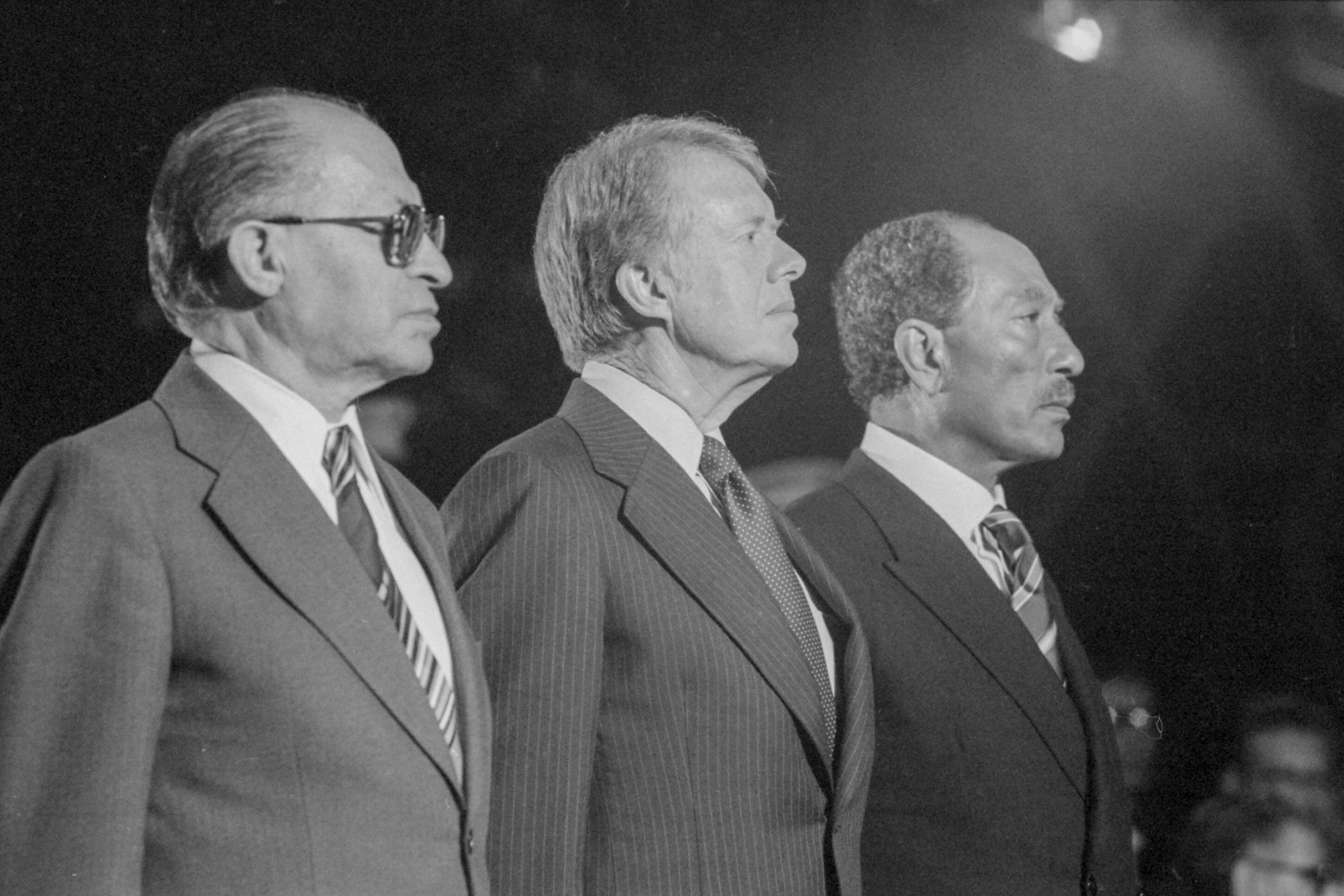
In Maryland’s Catoctin Mountains, there was everything a president needed for a retreat—but almost nothing that would allow two enemies to make a graceful escape. Reporters were kept behind the gates, the delegations were cut off from the political noise back home, and within the first few days Egyptian President Anwar Sadat and Israeli Prime Minister Menachem Begin could no longer tolerate meeting face to face. Their cabins stood barely ninety meters apart, yet for the final ten days it was US President Jimmy Carter who walked between them, carrying ever-newer versions of the same document. The journey between the two negotiating rooms was shorter than a playing field, the distance between their positions was wider than the entire Sinai Peninsula.
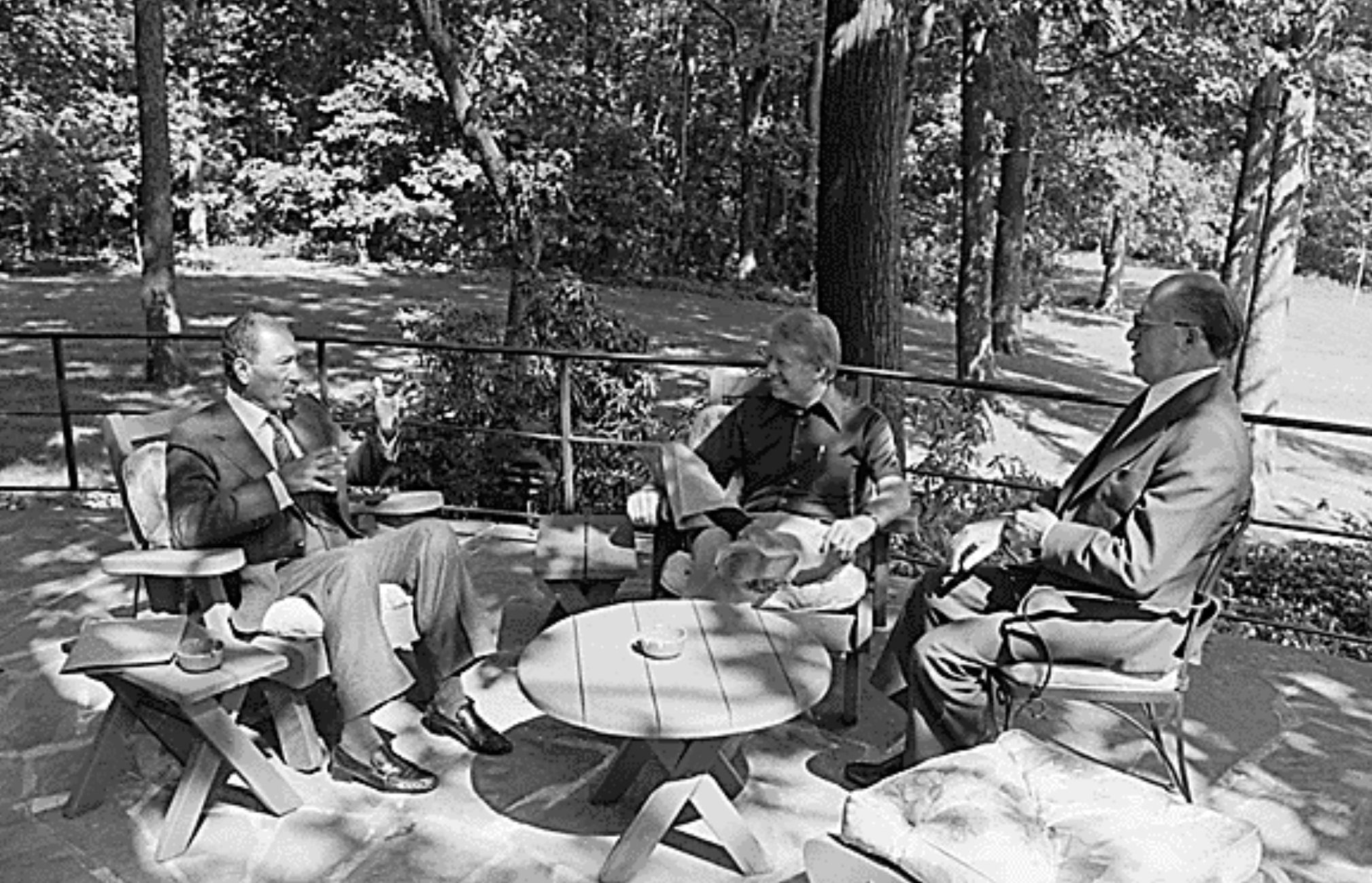
No one, of course, had physically locked them in. Camp David was designed more cleverly than that: there was a way out, but leaving carried a political price. When Sadat and Begin headed for the door on the third day, Carter literally stood in their way and persuaded them to stay for one more. By September 15, Sadat had packed his bags and requested a helicopter. In a tense conversation, Carter warned him that by leaving he would bear responsibility for the summit’s collapse and might destroy Egypt’s newly forged relationship with the United States. Sadat stayed. Two days later, the three leaders arrived at the White House with a document that was not yet peace, but was precise enough to produce it.
The Keys to Sinai Were in Washington
Sadat came to Maryland first and foremost to recover Sinai. Egypt had lost the peninsula in the 1967 Six-Day War, while the crossing of the Suez Canal in 1973 restored the Egyptian army’s pride—but not the whole of Sinai. Sadat understood that another war might shift the front line once again, but it could hardly revive an exhausted country. Egypt’s economy was in deep trouble, subsidy cuts had triggered major riots in 1977, and Soviet patronage no longer offered a solution. In Sadat’s assessment, Washington now held the keys to Sinai.
That was why, in November 1977, he did something that had previously seemed inconceivable: he traveled to Jerusalem and addressed the Israeli Knesset. The move broke a psychological barrier, but it also fractured the united Arab front. Sadat was no longer negotiating as a representative of the Arab world. He was acting as the president of Egypt, having decided that his country would no longer wait for everyone else.
The Secret Passage Through Morocco
Sadat’s road to Jerusalem did not begin before television cameras, but at a clandestine meeting in Morocco. On September 16, 1977, Israeli Foreign Minister Moshe Dayan and Sadat’s close associate, Deputy Prime Minister Hassan Tuhami, met under the discreet auspices of King Hassan II. For two countries that formally had no relations, the mere possibility of senior officials sitting together in the same room was politically explosive.Tuhami conveyed Egypt’s demand for a complete Israeli withdrawal from Sinai, while Dayan sought to establish whether Sadat’s signals reflected a genuine willingness to make peace directly. The conversation produced no agreement, but it removed a more dangerous uncertainty: each side now had evidence that the other was not merely sending a propaganda message. Dayan briefed Begin upon his return, and the secret channel allowed both governments to consider their next move without risking public humiliation if it failed.
When Sadat announced two months later that he was prepared to go as far as addressing the Israeli parliament, the gesture remained an enormous risk—but it was no longer a leap into a complete void. Morocco appears in this story as history’s quiet waiting room: an Arab monarchy made possible the first direct test between Cairo and Jerusalem, then withdrew from view before the television cameras arrived.
Peace Was Sought in a Thesaurus Too
Begin was not a peacemaker who had turned moderate overnight. A former commander of Irgun, the Zionist underground organization, and the leader of the right-wing Likud party, he was a hard-line ideologue who distinguished between territory that could be negotiated away and land he regarded as part of the Jewish people’s historical inheritance. Sinai was strategically important to him, but the West Bank was Judea and Samaria. He could return Sinai in exchange for recognition of Israel and the removal of the largest Arab army from any future southern front. He had no desire to discuss a Palestinian state.
During the summit, the American team produced 23 successive proposals. Carter’s and Begin’s aides kept a dictionary and a thesaurus close at hand—a reference book that groups words and concepts according to meaning, similarity and hierarchy—as they searched for distinctions between English terms such as autonomy and self-rule, or ensure and guarantee. Where they could not agree on the future of the Middle East, they tried at least to agree on the grammar. Carter drafted new formulations by hand on a yellow legal pad spread across maps of Sinai, then carried them from one side to the other.
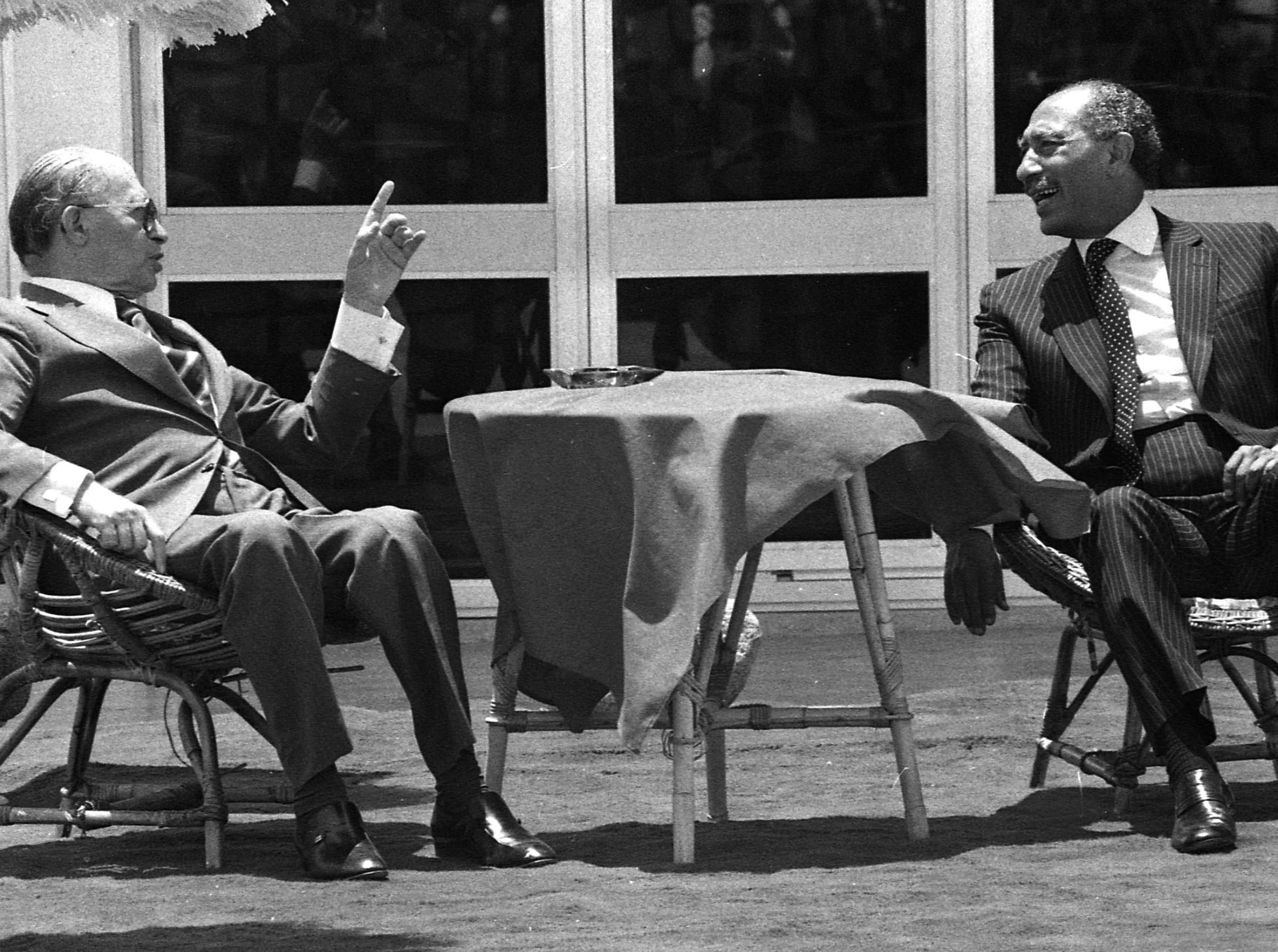
The summit’s most famous closing episode sounds almost too perfect not to be retold. Begin asked for eight signed photographs, one for each of his grandchildren. Carter obtained their names and personally dedicated each picture to a different child. Begin read the inscriptions aloud, his eyes filled with tears, and for a moment the conversation shifted away from territory and toward children who might grow up without another war. The photographs did not produce the final signature by themselves—Begin continued to reject certain formulations afterward—but they restored a measure of human connection just as it was about to disappear entirely. At the same time, Sadat’s foreign minister, Muhammad Ibrahim Kamel, resigned because he believed Egypt had already conceded too much.
Egypt Received a Timetable, the Palestinians Received "Someday"
On September 17, two framework agreements were signed in the East Room of the White House. One charted a path toward an Egyptian-Israeli peace treaty, a complete Israeli withdrawal and normal diplomatic relations. The other promised a transitional form of Palestinian self-government in the West Bank and Gaza Strip, followed by negotiations on their final status over a five-year period.
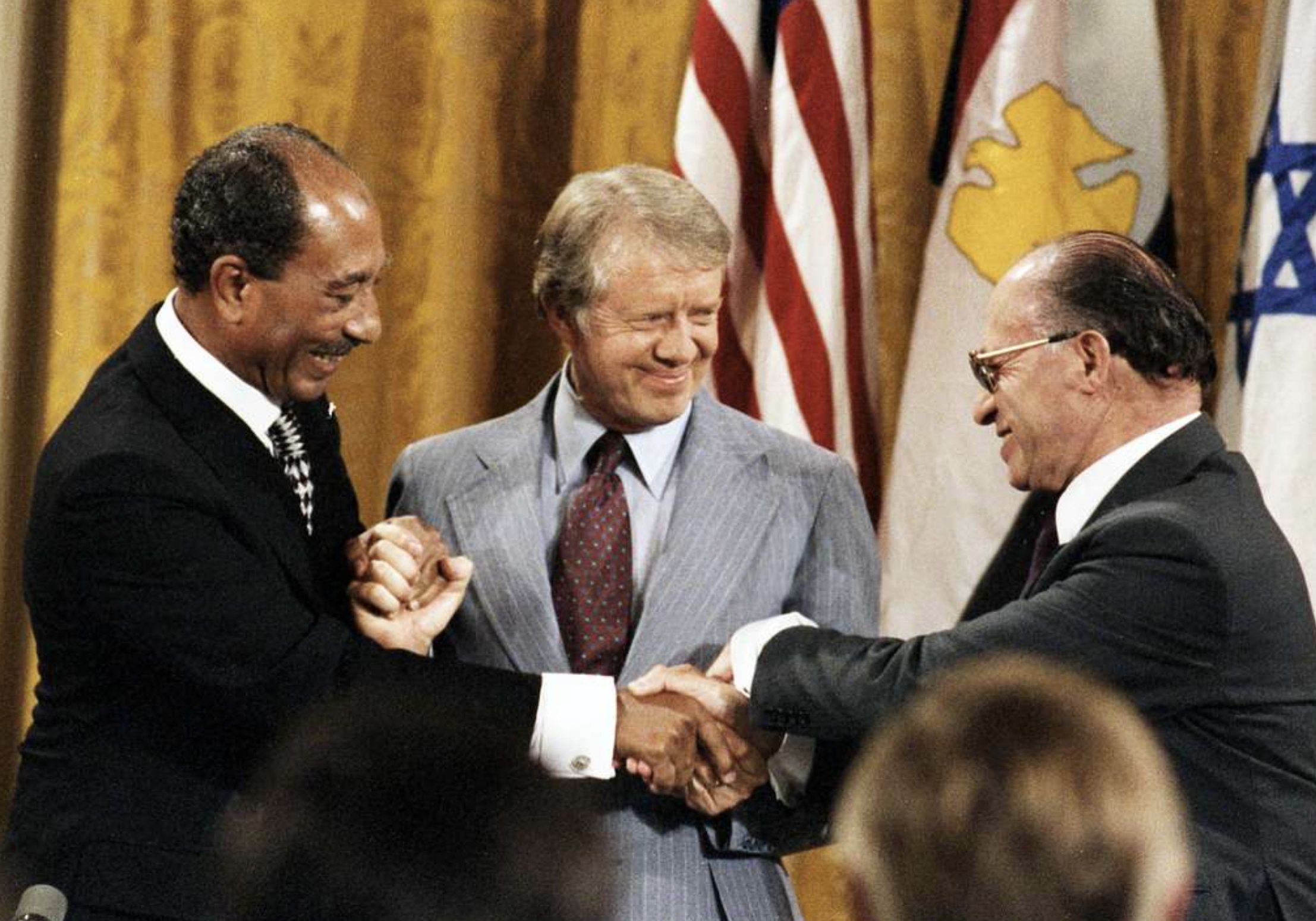
The difference between the two documents proved decisive. For Sinai, there was a defined territory, a sequence of stages and a set of deadlines. The Palestinians were not promised a state, Jerusalem remained unresolved, and the question of Israeli settlements was left open. The Palestine Liberation Organization did not even participate in the negotiations. In other words, Egypt received a timetable, while the Palestinians received "sometime in the future." The first agreement was implemented, the second disappeared into an endless series of negotiations about negotiations.
The formal peace treaty was signed on March 26, 1979. Israel gradually withdrew its troops and civilians, dismantled its settlements and returned most of Sinai to Egypt in April 1982. The final disputed territory, Taba, was not handed back until after arbitration in 1989. A system of zones with limits on military deployments was established across the peninsula and placed under the supervision of the special Multinational Force and Observers mission. Washington supported the agreement with a three-year, $4.8 billion package for Israel and Egypt, after which US military assistance to Cairo became a permanent pillar of the new order. Peace was signed in ink, but it was also sustained through budget allocations.
The City Israel Demolished
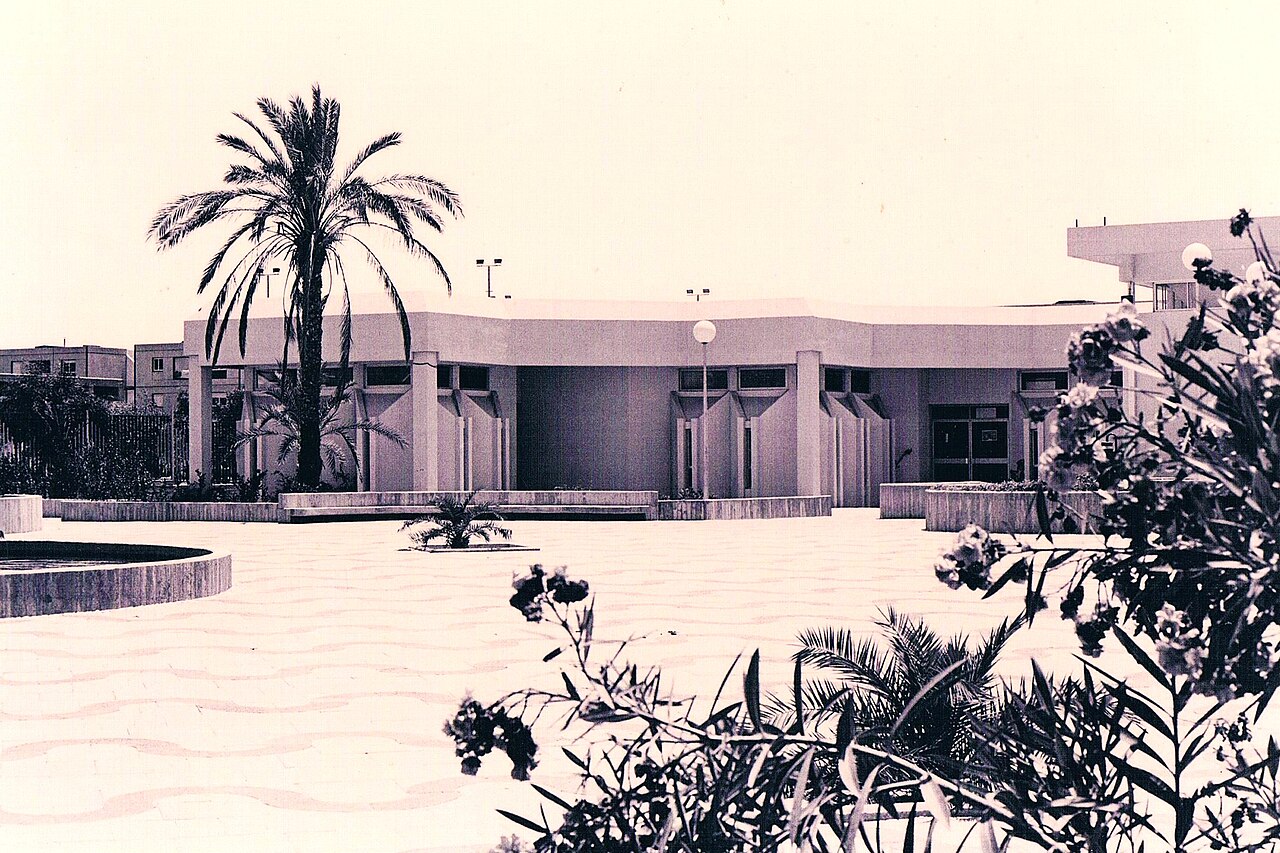
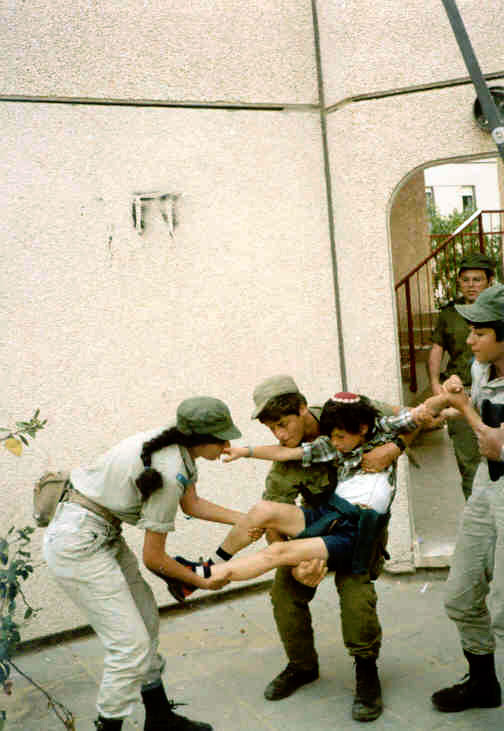
At the end of Israel’s withdrawal from Sinai, peace produced a spectacle that looked like an internal civil conflict. Yamit, an Israeli town built in northern Sinai in the mid-1970s, had around 2,500 residents and ambitions far greater than its actual size. Most inhabitants accepted compensation and left, but the remaining opponents of withdrawal were joined by nationalist activists from other parts of Israel.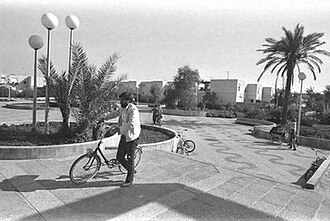
Evicted From Its Own Pan-Arab Home
Egypt’s gain could be seen on a geographical map: it recovered Sinai. Israel’s gain was visible on the maps of every future war: the largest Arab army would no longer be waiting on its southern front. That was precisely why the rest of the Arab world saw Camp David as far more than a bilateral agreement. Sadat had not merely made peace, he had altered the strategic balance without the consent of Syria, Jordan or the Palestinians.
Arab states first condemned Camp David at a summit in Baghdad, then adopted a broad package of sanctions after the treaty was signed in March 1979. Egypt was suspended from the Arab League, numerous diplomatic and financial relationships were severed, and the League’s headquarters moved from Cairo to Tunis. For the country in which the organization had been founded in 1945, it amounted almost to an eviction from its own Pan-Arab home.
The isolation was never entirely airtight. Oman welcomed the return of Sinai, Saudi Arabia restrained calls for even more radical punishment, and Egyptian workers continued to migrate to the Gulf states. But the political message was clear. Sadat was accused of trading the Palestinian cause for the recovery of his own territory and American patronage.
That accusation was not merely propaganda. The separate peace removed the most powerful Arab army from the confrontation before any concrete solution for the Palestinians existed, weakening the Arabs’ collective negotiating position. But Sadat’s calculation was not irrational either. Egypt had already sacrificed tens of thousands of lives in wars fought in the name of a broader Arab cause. Now it was being asked to risk the country once again to preserve a unity that had often existed more in speeches than in reality.
War Gave Him Peace, Peace Signed His Death Warrant
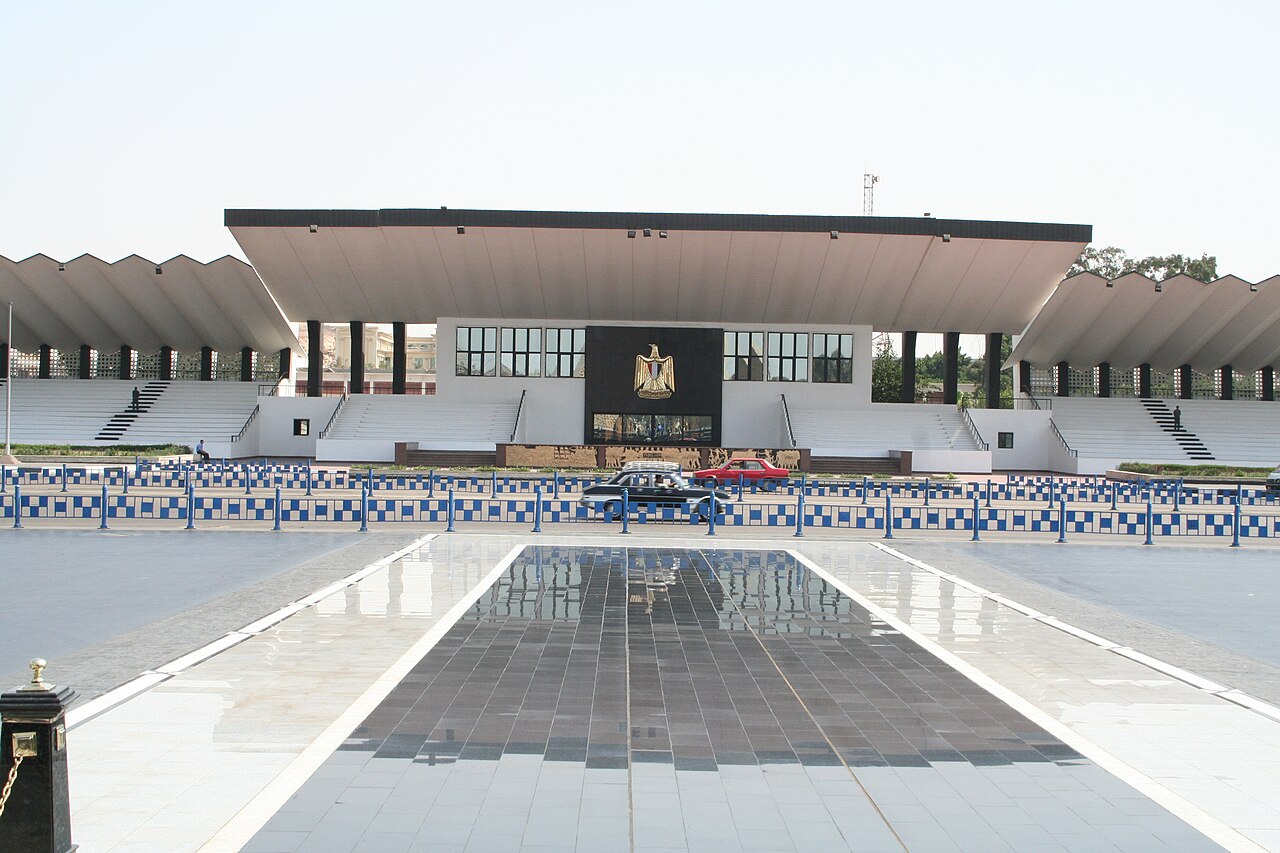
On October 6, 1981, Sadat sat on the reviewing stand at a military parade commemorating the 1973 crossing of the Suez Canal. A group of Islamist officers led by Lieutenant Khalid al-Islambuli emerged from a military vehicle in front of the platform and opened fire. The symmetry was brutal: Sadat was assassinated at a celebration of the war that had given him the political capital he needed to make peace.
For the assassins, Camp David was the central piece of evidence in the case for Sadat’s "betrayal," but it was not the only cause of his murder. Radical Islamists sought to overthrow the secular regime, while only weeks before the assassination Sadat had ordered the arrest of nearly 1,600 opponents from across the political and religious spectrum. Peace became the most powerful charge against him, while authoritarian repression and a broader Islamist insurgency supplied the men prepared to carry out the sentence. Sadat did not live to see Israel complete its withdrawal from Sinai.
His successor, Hosni Mubarak, nevertheless did not revoke the treaty. Egypt was readmitted to the Arab League in 1989, and the organization’s headquarters returned to Cairo. In the end, the Arab world took Egypt back without Egypt abandoning the peace.
Camp David did not reconcile two peoples, nor did it resolve the Palestinian question. It produced a cold, mistrustful and extraordinarily durable peace between two states that had previously fought four wars. That is both its greatness and its enduring moral shadow. The assassins succeeded in killing the man who signed the agreement, but in the end they failed to kill his signature.
Sources
- U.S. Department of State, Office of the Historian Camp David Accords and the Arab-Israeli Peace Process https://history.state.gov/milestones/1977-1980/camp-david
- Boundary Stones / WETA The Human Moments That Made the Camp David Accords Possible https://boundarystones.weta.org/2025/01/09/human-moments-made-camp-david-accords-possible
- Center for Israel Education Moshe Dayan-Hassan Tuhami Secret Morocco Meeting about Direct Israeli-Egyptian Negotiations https://israeled.org/moshe-dayan-hassan-tuhami-secret-morocco-meeting-about-direct-israeli-egyptian-negotiations/
- United Nations Treaty Collection
- Multinational Force and Observers MFO Origins https://www.mfo.org/origins
- The Washington Institute for Near East Policy Learning from Past Experience: Sinai to Gaza https://www.washingtoninstitute.org/policy-analysis/learning-past-experience-sinai-gaza
- Jewish Virtual Library The Arab League: Background & Overview https://www.jewishvirtuallibrary.org/background-and-overview-of-the-arab-league
- Brookings Institution Anwar Sadat’s Murder: 40 Years of Middle East Impact https://www.brookings.edu/articles/anwar-sadats-murder-40-years-of-middle-east-impact/
Comments