
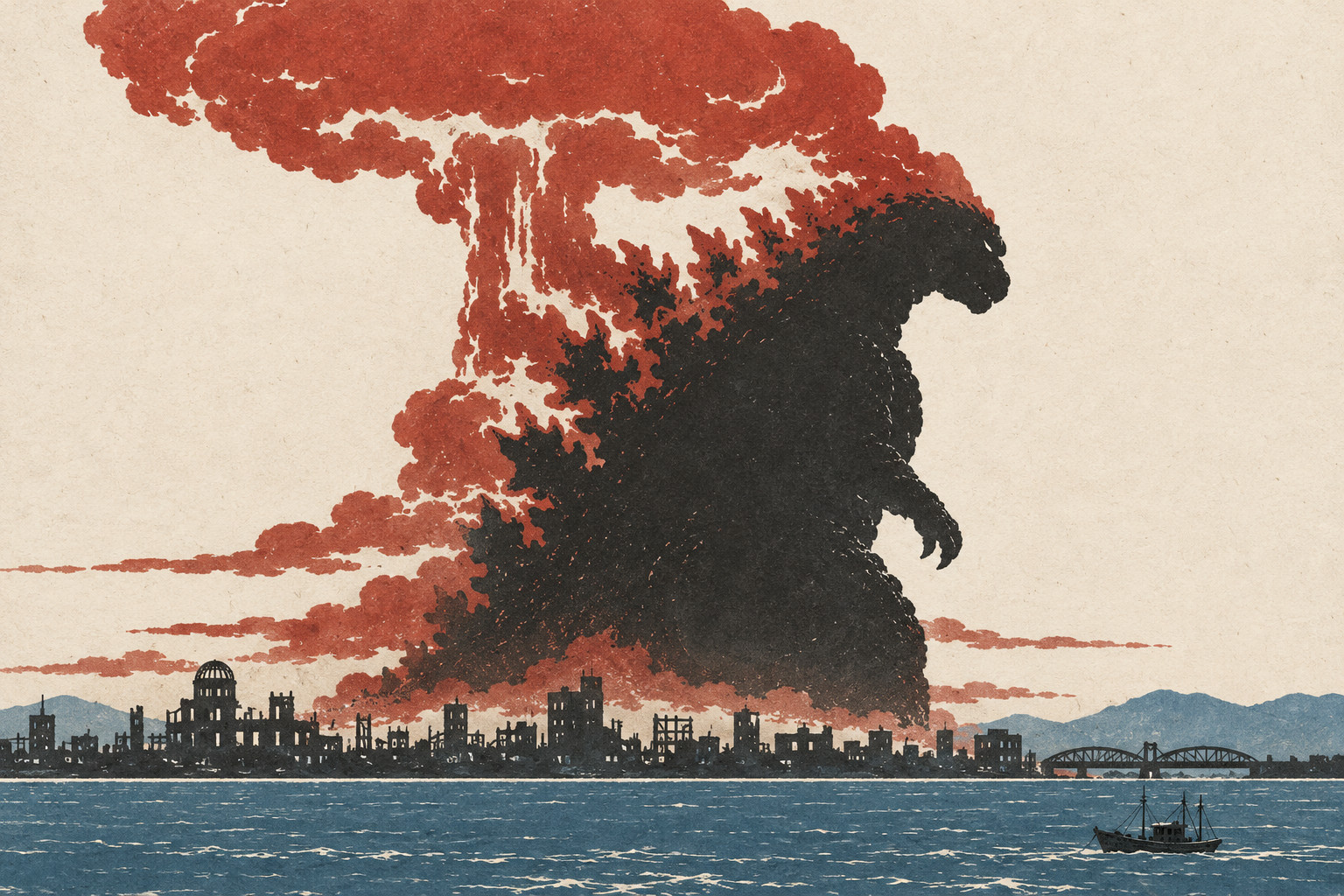
The Lucky Dragon, a Tokyo reduced to rubble and the fear of a new weapon shaped a film in which the monster is not an outside threat, but a consequence of human actions.
Japanese audiences in 1954 did not have to wait long for the monster to announce itself. In the opening minutes of Gojira, a ship sails across a calm sea. A sailor plays the guitar, the crew relaxes, and then a strange flash and a terrible rumbling rise from the depths. The ship vanishes in flames. The monster has yet to appear on screen, but the audience already knows what kind of story this is.
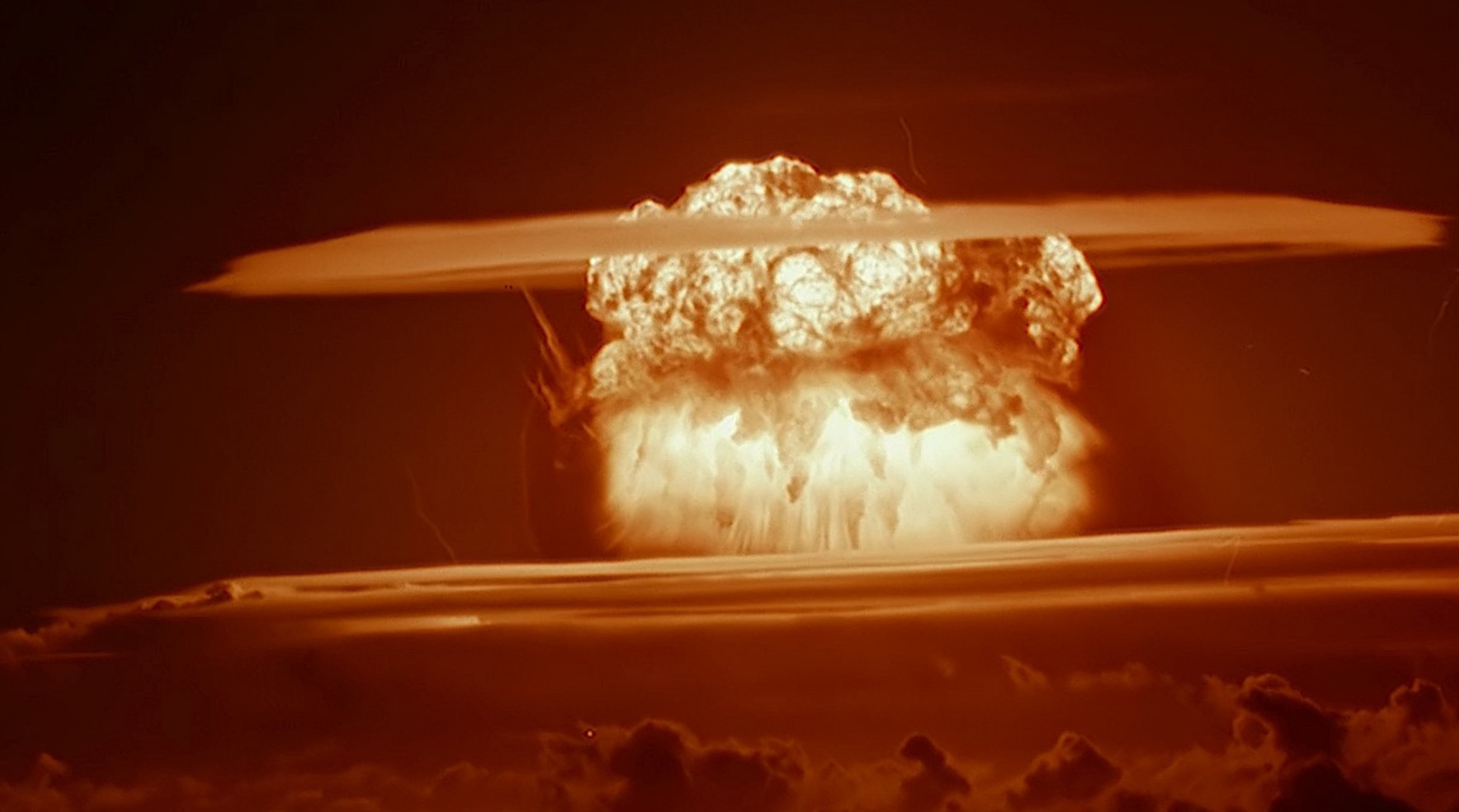
This was no ordinary scene from a fantasy film. Just eight months earlier, the American Castle Bravo hydrogen bomb test had showered the Japanese fishing boat Daigo Fukuryu Maru, known as Lucky Dragon No. 5, with fine white dust from radioactive coral. All 23 crew members were exposed to radiation. Radio operator Aikichi Kuboyama died in September after months of treatment, while the contaminated tuna the boat brought home triggered nationwide fears of "atomic fish." Castle Bravo had a yield of 15 megatons, far exceeding American estimates. The Lucky Dragon was roughly 160 kilometers from the blast, outside the declared "danger zone." The fishermen had not recklessly sailed into a test site. The test site had reached them, in the form of a radioactive cloud. Nine years after Hiroshima and Nagasaki, the atomic age had found its way back into everyday life in Japan through fish markets, hospitals and dinner plates.
Gojira or Godzilla: why does the monster have two names?
The original Japanese name is written ゴジラ, or Gojira. It combines gorira, the Japanese word for gorilla, with kujira, meaning whale. The name was meant to suggest a creature combining a gorilla’s immense strength with a whale’s size, although the monster that eventually appeared on screen looked reptilian. Godzilla is neither a translation of the name nor a word that originally meant "divine lizard." It is an anglicized rendering adopted by Toho itself for overseas markets. The spelling Godzilla already appeared in documents offering the film to American distributors, so the 1956 American version did not invent it. It simply made the name recognizable around the world. Gojira is the Japanese name, Godzilla is its international counterpart.Another often-repeated story holds that Gojira was originally the nickname of an unusually large Toho employee, who supposedly reminded his colleagues of both a gorilla and a whale. No one has ever reliably established the man’s identity, so film historians generally treat the anecdote as an entertaining piece of studio folklore.
A monster born of fresh trauma
When Gojira opened across Japan on November 3, 1954, less than six weeks had passed since Kuboyama’s death. Ishiro Honda’s film was no allegory devised long after the horrors it evoked. It was an almost immediate artistic response to a story audiences were still following every day. Few of cinema’s great myths have emerged so soon after the events that inspired them.
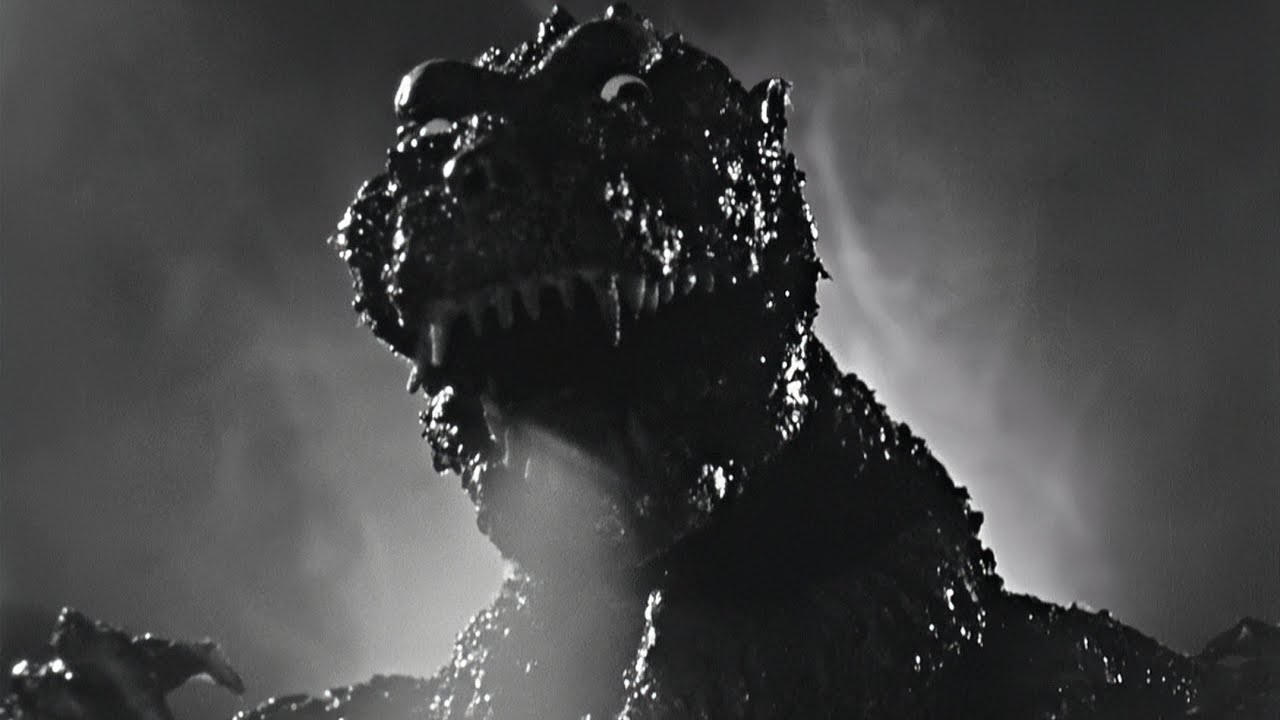
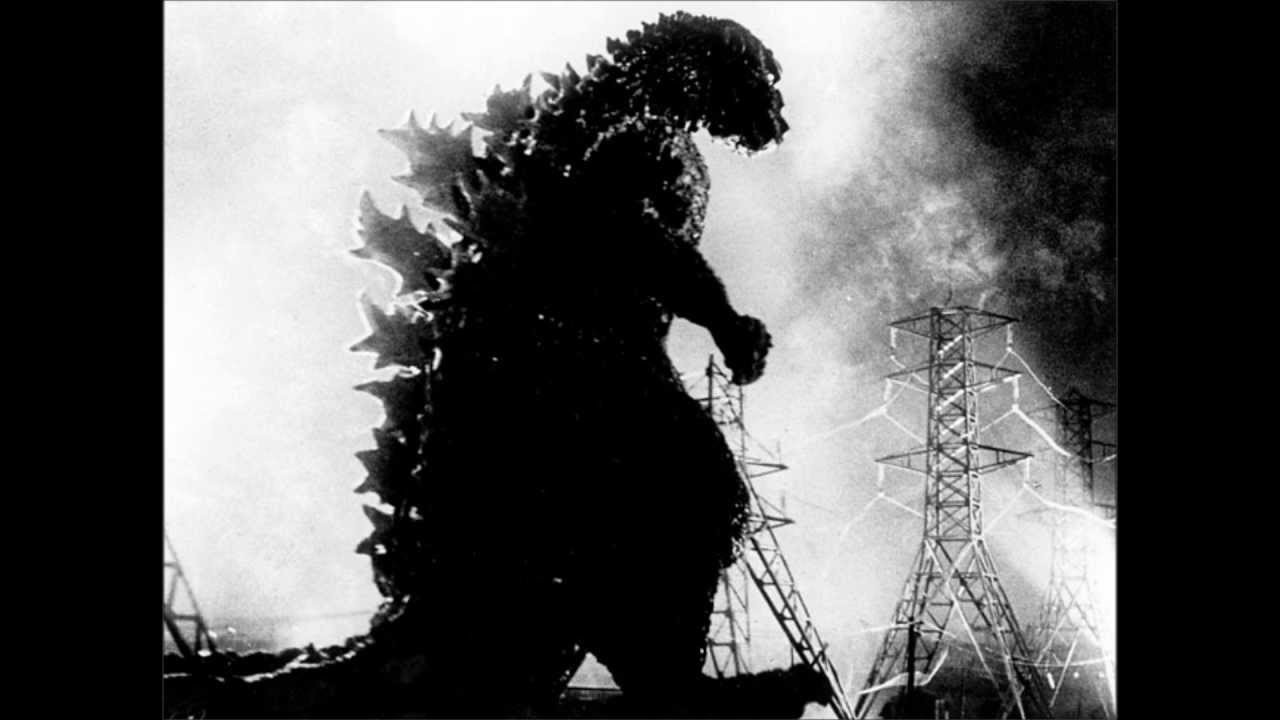
In the film itself, Godzilla is neither an invader from outer space nor a demonic creature that has come ashore out of sheer malice. He is an ancient animal awakened, injured and transformed by hydrogen bomb tests. His skin looks burned, and he exhales a blast of radiation. The monster is both a victim of nuclear weapons and their walking embodiment. Nature comes back to haunt us in the form we have given it.
Tokyo already knew the rhythm of destruction
No atomic bomb had ever been dropped on Tokyo, but the sight of a city in flames was all too familiar to Japanese audiences. American firebombing had reduced large parts of the capital to ashes in 1945. Honda brought those memories together with Hiroshima, Nagasaki and the new fear of radioactive fallout. As Godzilla moves through Tokyo, power lines snap, buildings burn, and people once again flee to shelters. History is not repeating itself exactly, but the survivors know its rhythm all too well.
Ishiro Honda’s experience of war
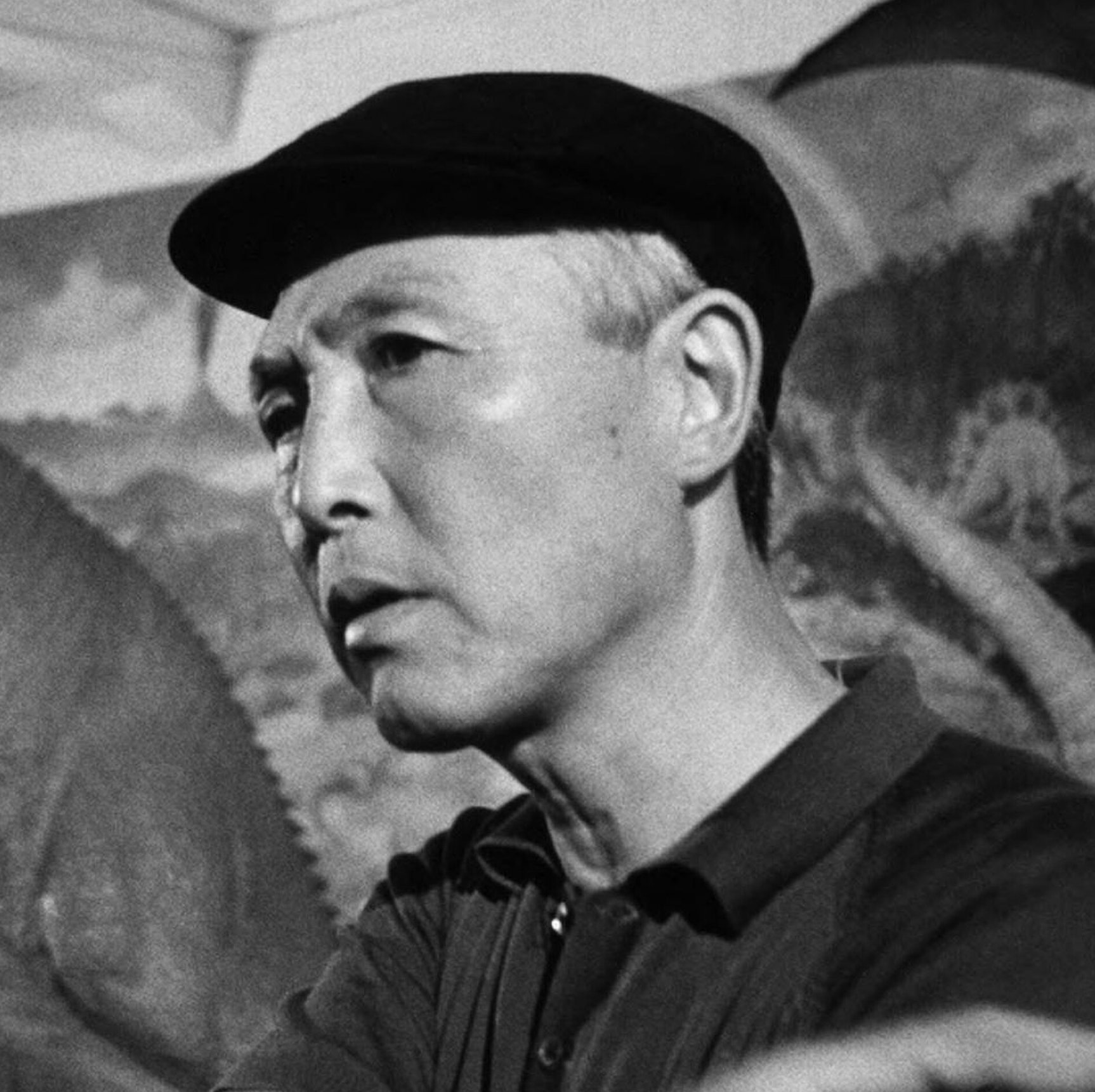
Ishiro Honda did not learn about war from newsreels. Having already begun work at P.C.L., the studio that would become Toho, he was called up three times and spent years serving in China. He endured combat, prolonged separations from his family and captivity at the end of the war. He returned to filmmaking only after a decade that had almost cost him his career.On his return to Japan, he passed through the ruins of Hiroshima. A city destroyed by a weapon unlike any seen before was no abstract political issue to him. He had seen it for himself. Years later, he spoke of how deeply the experience had affected him. That is why Gojira takes no triumphant pleasure in the destruction, however impressive its special effects may be.
Honda saw war from the uncomfortable dual perspective of a man who had worn Imperial Japan’s uniform and an artist who had returned to its burned-out cities. That position helps explain the film’s restraint. His camera does not look for a heroic national response. It follows evacuations, hospital wards and ordinary people trapped between military force and a catastrophe they cannot stop.
The film’s most harrowing moments are not the shots of miniature buildings collapsing. After the attack, the camera enters a hospital filled with civilians suffering from burns and radiation exposure. A Geiger counter crackles beside a child. In the ruins, a mother clutches her children to her, trying to comfort them with the thought that they will soon be reunited with their dead father. Honda follows the spectacle of destruction through to its consequences. The monster leaves, the people remain, counting the dead and measuring radiation.
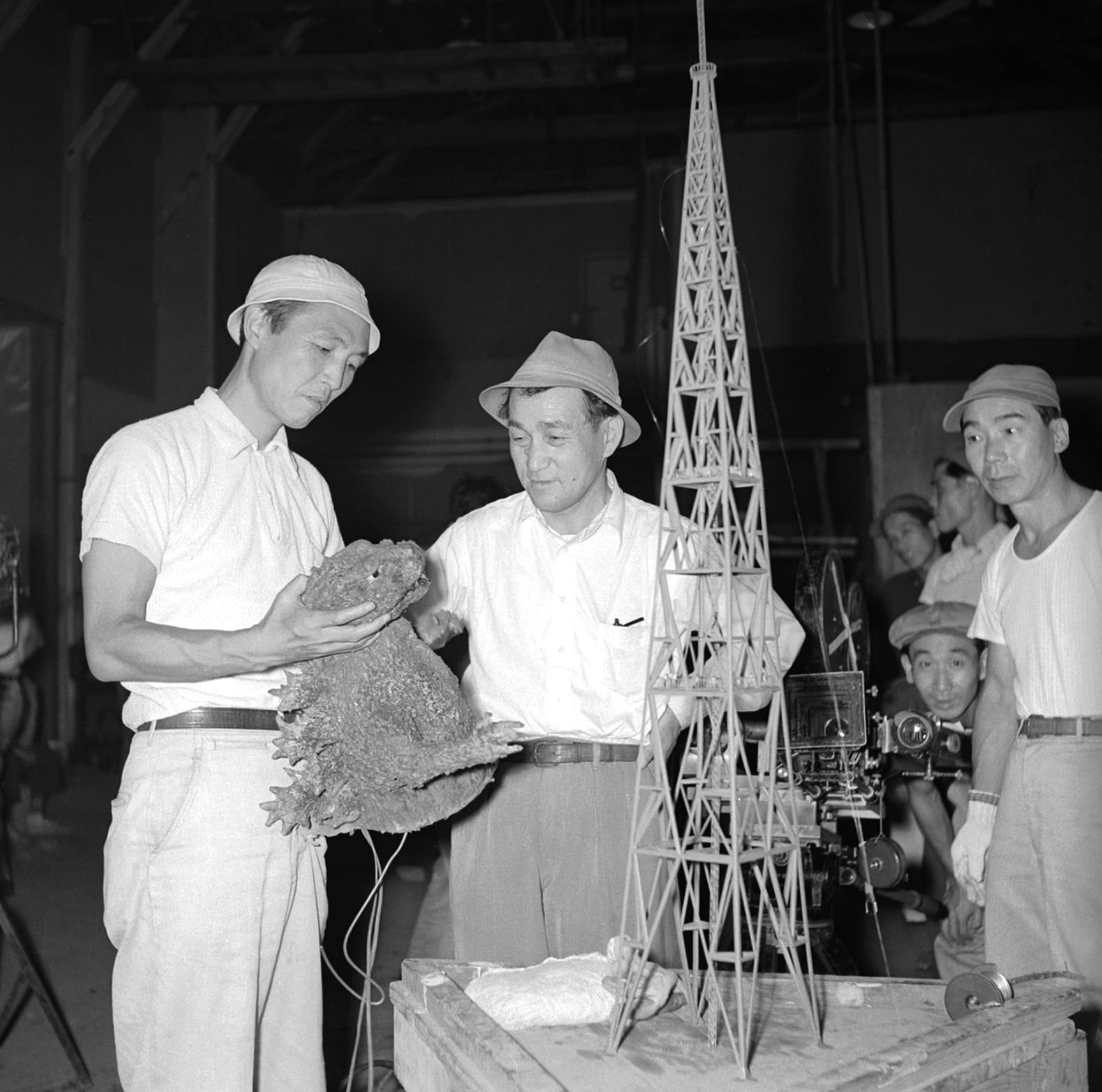
Today, the idea of a man in a rubber suit stomping on model buildings can easily sound comical. For precisely that reason, Honda insisted that his crew take the material entirely seriously. Special effects master Eiji Tsuburaya built a miniature Tokyo, while actor Haruo Nakajima studied the movements of elephants and bears to give the monster a convincing sense of weight. The suit was so heavy and stifling that simply staying upright became a physical feat. The effects’ very imperfections ultimately gave the film an unusual physical presence. Godzilla does not glide digitally through the city. He labors with every step, as though carrying the weight of history.
How Godzilla’s roar was created
Godzilla’s voice was not created by blending recordings of lions, elephants or other large animals. The crew experimented with animal sounds, but composer Akira Ifukube felt that you could always recognize the bird or mammal behind them. A monster of the atomic age needed a voice that belonged to nothing in nature.He found the answer in a double bass. A leather glove coated in rosin was dragged along its loosened low strings, and the recording was then slowed down and further processed. The friction between metal and leather became a roar that sounded both animal and mechanical, as if an ancient creature were trying to cry out through an industrial machine.
A weapon that must die with its maker
The film’s real intellectual center, however, is not Godzilla but the reclusive scientist Daisuke Serizawa. He has developed the "Oxygen Destroyer," a device capable of killing the monster by destroying the oxygen in water. The problem is that Serizawa understands all too well the people who would get their hands on such an invention. Politicians and generals would demand a new weapon, other countries would try to copy it, and a scientific discovery would set off yet another race toward destruction.
Serizawa therefore burns his notes, takes the device underwater and cuts his own lifeline after activating it. Godzilla dies, but so does the only man who knows how to make the weapon that killed him. Humanity saves itself by inventing another ultimate weapon, then has to rely on its inventor’s suicide to ensure it is never used again. It is hard to imagine a more bitter verdict on the idea of technological progress!
How trauma became a franchise
When the film was reworked for American audiences in 1956, long stretches of the original footage were cut or replaced with scenes featuring Raymond Burr as an American reporter. References to Nagasaki, radioactive rain, contaminated food and bomb shelters were toned down. Godzilla thus reached a global audience in a version stripped of part of its historical memory. Later films gradually turned him into an opponent of other monsters, a protector of Japan and a hero for younger audiences. Sometimes the easiest way to live with a monster is to learn to cheer for it.
Yet the original Gojira ends with a warning from paleontologist Kyohei Yamane. If nuclear testing continues, he says, another Godzilla could appear somewhere in the world. Today, the line almost sounds like a promise of endless sequels. In 1954, it made a much darker point: a world capable of producing Castle Bravo would always give its monsters a reason to return. Godzilla can be sent to the bottom of the sea. The atomic age that created him has proved much harder to kill.
Sources
- Daigo Fukuryu Maru Exhibition Hall 第五福竜丸とは https://d5f.org/about
- U.S. Department of Energy Chapter 12: The Marshallese https://ehss.energy.gov/ohre/roadmap/achre/chap12_3.html
- British Film Institute Ozu vs Godzilla https://www.bfi.org.uk/features/ozu-vs-godzilla
- The Criterion Collection Godzilla’s Conscience: The Monstrous Humanism of Ishiro Honda https://www.criterion.com/current/posts/6648-godzilla-s-conscience-the-monstrous-humanism-of-ishiro-honda
- National Archives of Japan 昭和20年1月~3月 日本本土空襲と硫黄島の戦い https://www.archives.go.jp/exhibition/digital/s20/contents/2_03.html
- Ishir? Honda Official Website ゴジラ / Godzilla https://ishirohonda.com/godzilla/
- Nippon.com Being Godzilla: An Interview with Nakajima Haruo, the Man Inside the Suit https://www.nippon.com/en/articles/-/12541?page=2
- Cinescores Center A Conversation with Akira Ifukube https://cinescores.dudaone.com/a-conversation-with-akira-ifukube
Comments