
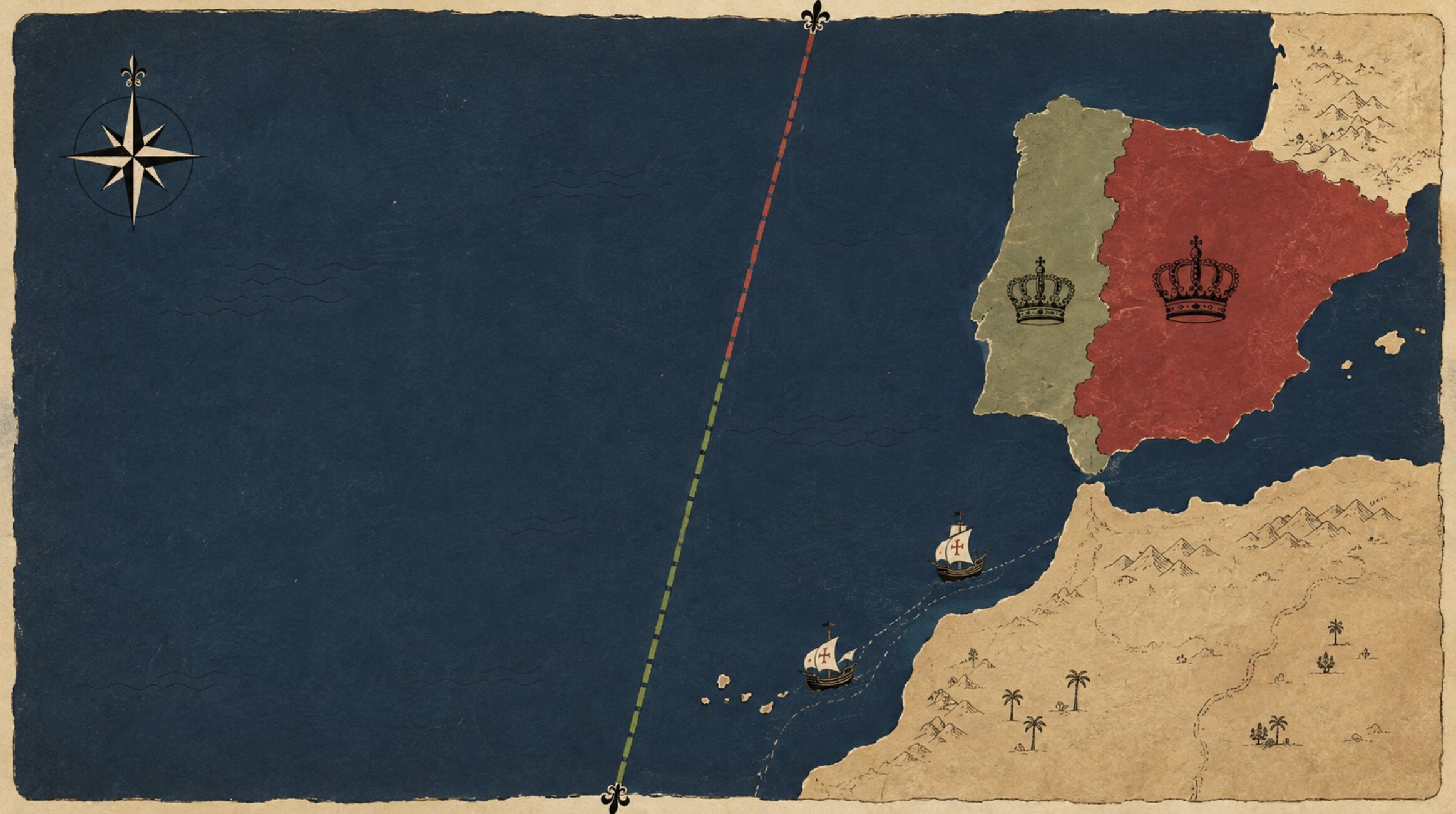
Thirteen years before the Genoese navigator Christopher Columbus sighted land to the west, two European crowns had already tried to decide who would own whatever might exist there. They did not know how vast the Atlantic was. They did not know where Africa ended, and they had no idea the American continents existed. Yet on September 4, 1479, in the Portuguese town of Alcáçovas, their representatives began dividing up rights to islands, coastlines and discoveries still to come. Their ignorance was immense. Their confidence even greater.
That is why the Treaty of Alcáçovas was more than a little-known prelude to the famous Treaty of Tordesillas. It was an early blueprint for an imperial idea in which a map could still be blank and somehow already divided. There was no coastline yet, but there could already be a monopoly. There were no reliable coordinates, but there was legal language covering lands already discovered and those still waiting to be found. The Age of Discovery, in other words, did not begin only with sailors. It also began with notaries who managed to reach the horizon without ever leaving the room.
A war for a throne fought off the coast of Guinea
The treaty emerged from a war that had formally begun as a family dispute with armies. When Henry IV, king of Castile, died in 1474, he left behind no heir whose legitimacy everyone was prepared to accept.
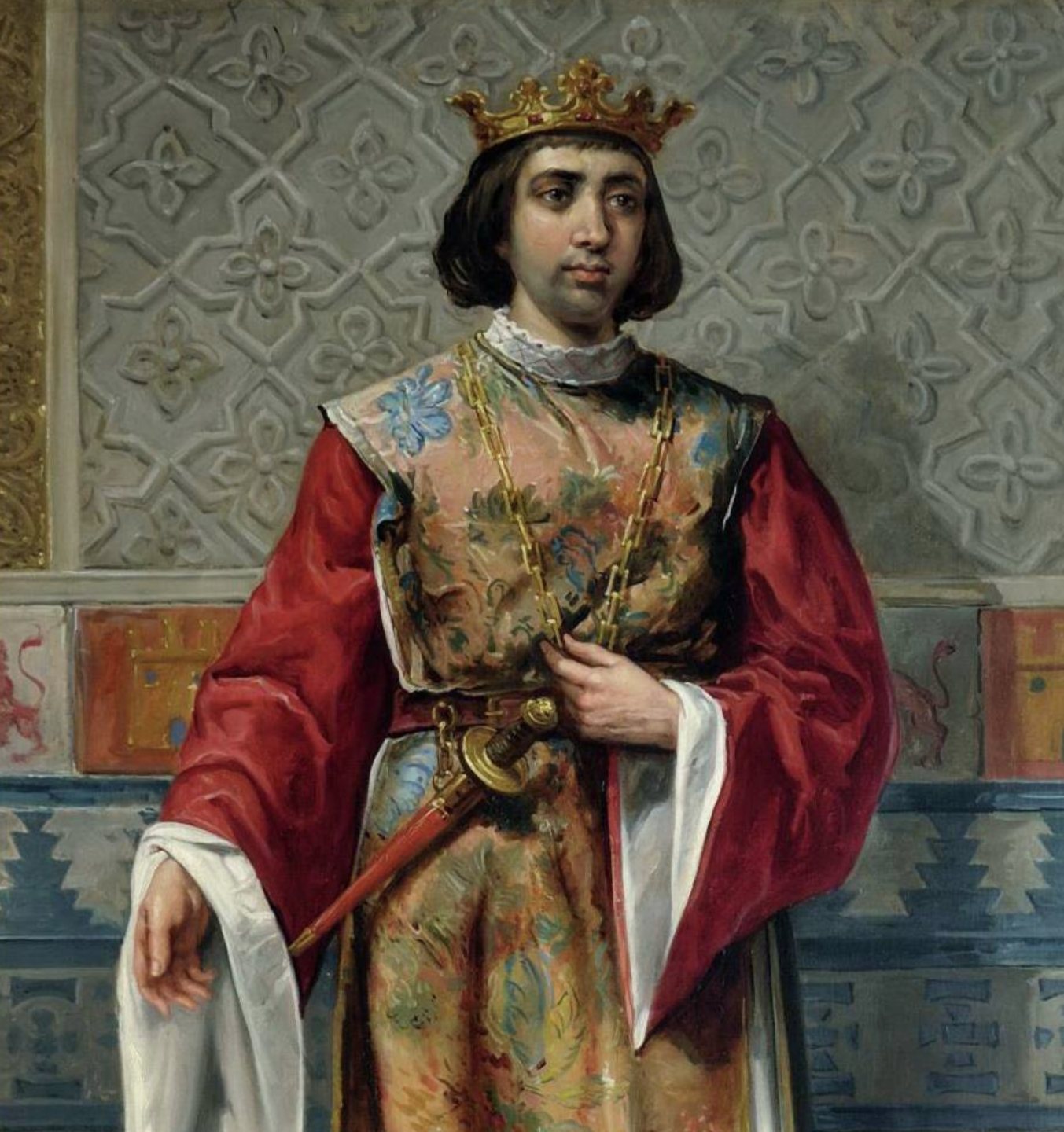
The crown was contested by his half-sister Isabella, who was married to Ferdinand, heir to the Crown of Aragon, and his daughter Juana.
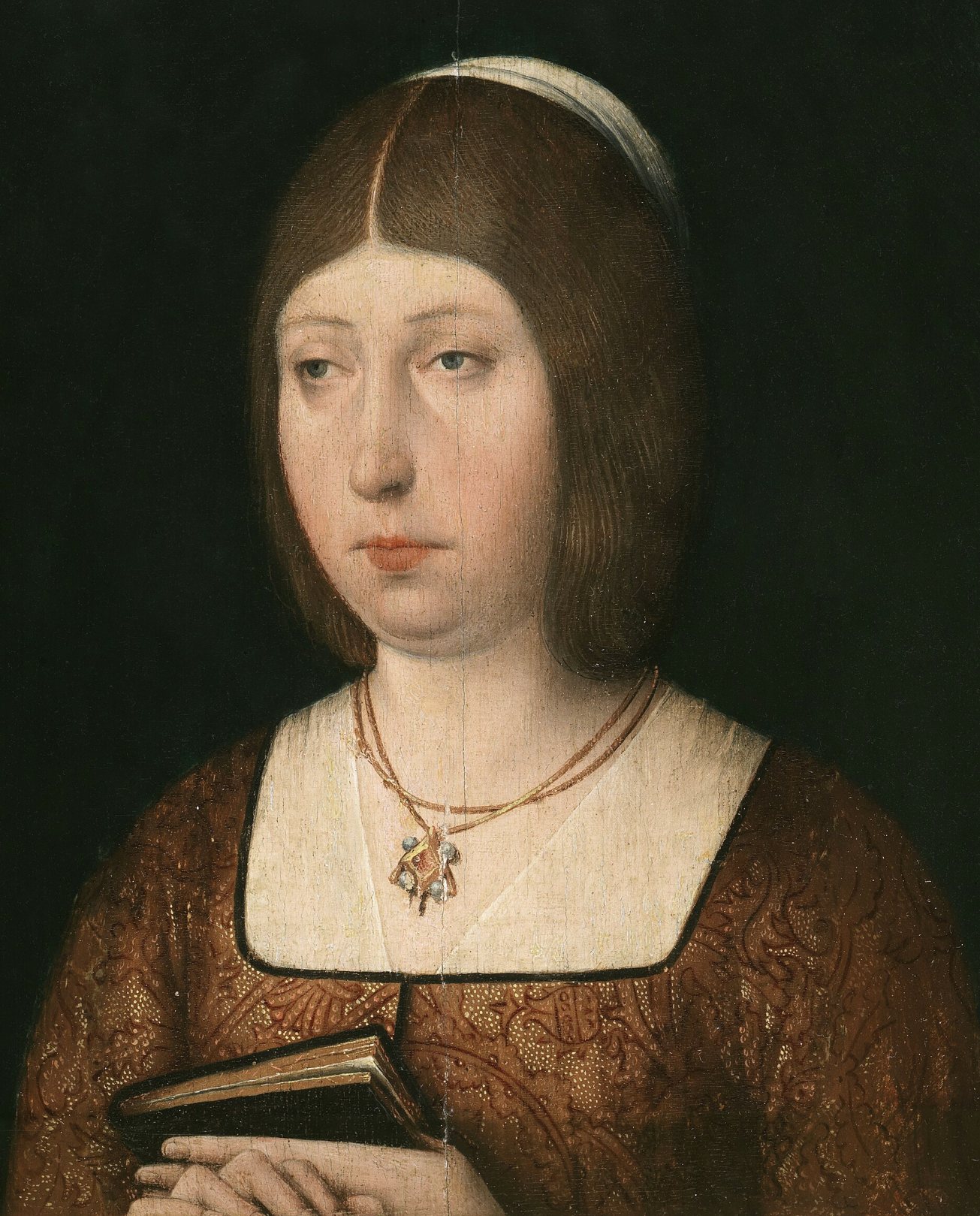
Isabella's supporters mockingly called Juana "la Beltraneja", after the court nobleman Beltrán de la Cueva, whom they claimed was her real father. In the 15th century, once doubts about paternity took hold, court gossip could acquire cavalry remarkably quickly.
Historical context: Europe at the edge of one world
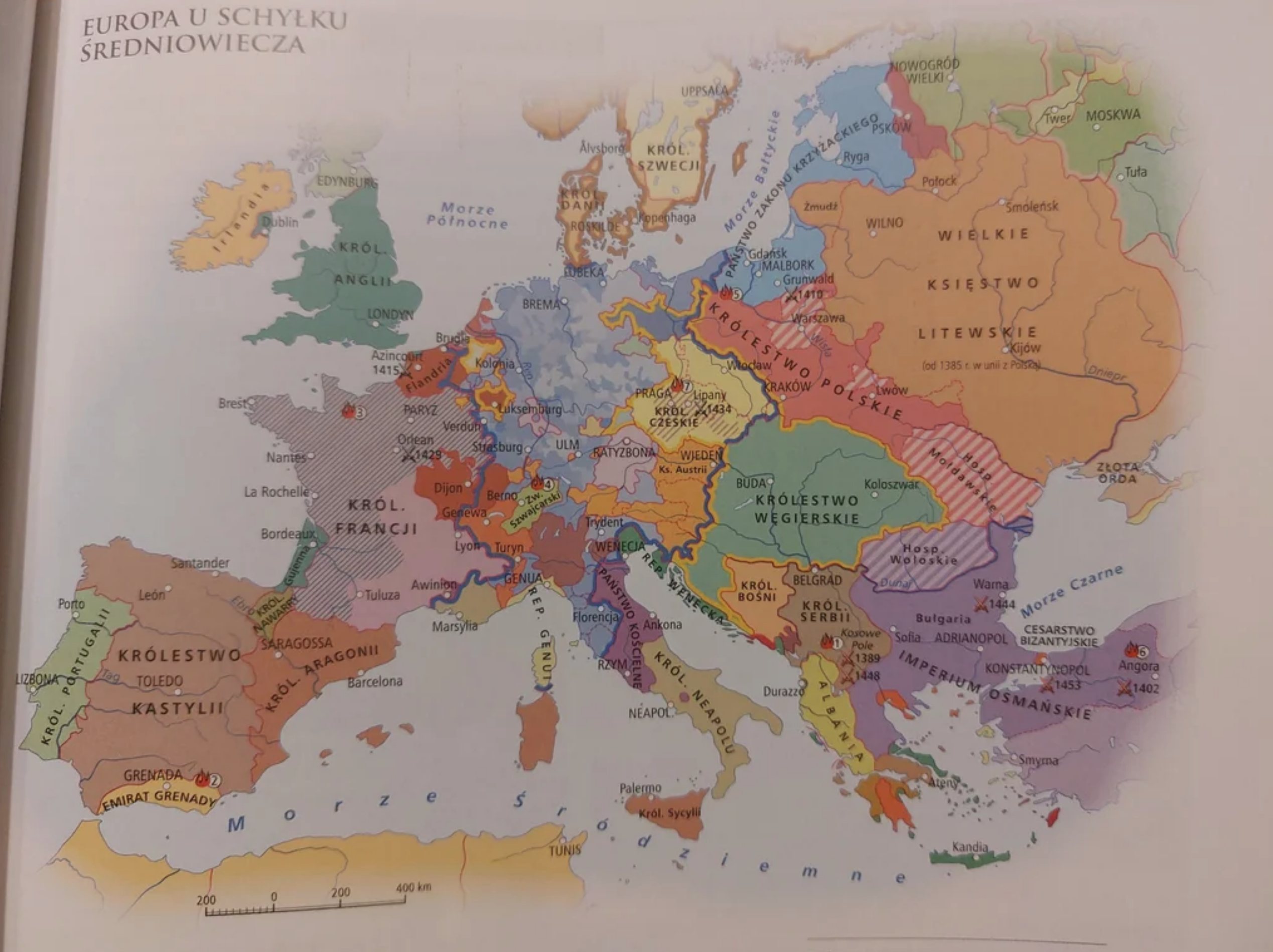
The year 1479 belongs to one of those strange moments in history when the Middle Ages were still very much alive, yet the future was already pounding at the door. Constantinople had fallen to the Ottomans only 26 years earlier. Gutenberg's printing press had already begun transforming the way information travelled across Europe. Renaissance artists, bankers and merchants were active in Italy, while the overwhelming majority of Europeans still lived from the land in a world where distance was measured in days on horseback. Knights had not yet become museum pieces, fortresses still mattered, and a dynastic marriage could be a more important geopolitical event than a major battle. It was roughly in this world that Portugal and Castile sat down to establish rules for an ocean whose geography they barely understood.Nor did "Spain," as we imagine it today, really exist yet. The Iberian Peninsula consisted of several states. The largest was the Crown of Castile, formed from the union of the kingdoms of Castile and León and occupying most of the centre and west of the peninsula. To the east lay the Crown of Aragon, an unusual composite monarchy encompassing the Kingdom of Aragon, the Principality of Catalonia and the Kingdom of Valencia, along with Mediterranean possessions. Independent Navarre still existed in the north, while in the far south stood the Muslim Emirate of Granada, the last remnant of what had once been vast Islamic rule on the Iberian Peninsula. Portugal was a separate kingdom whose borders had already been relatively stable for a long time.
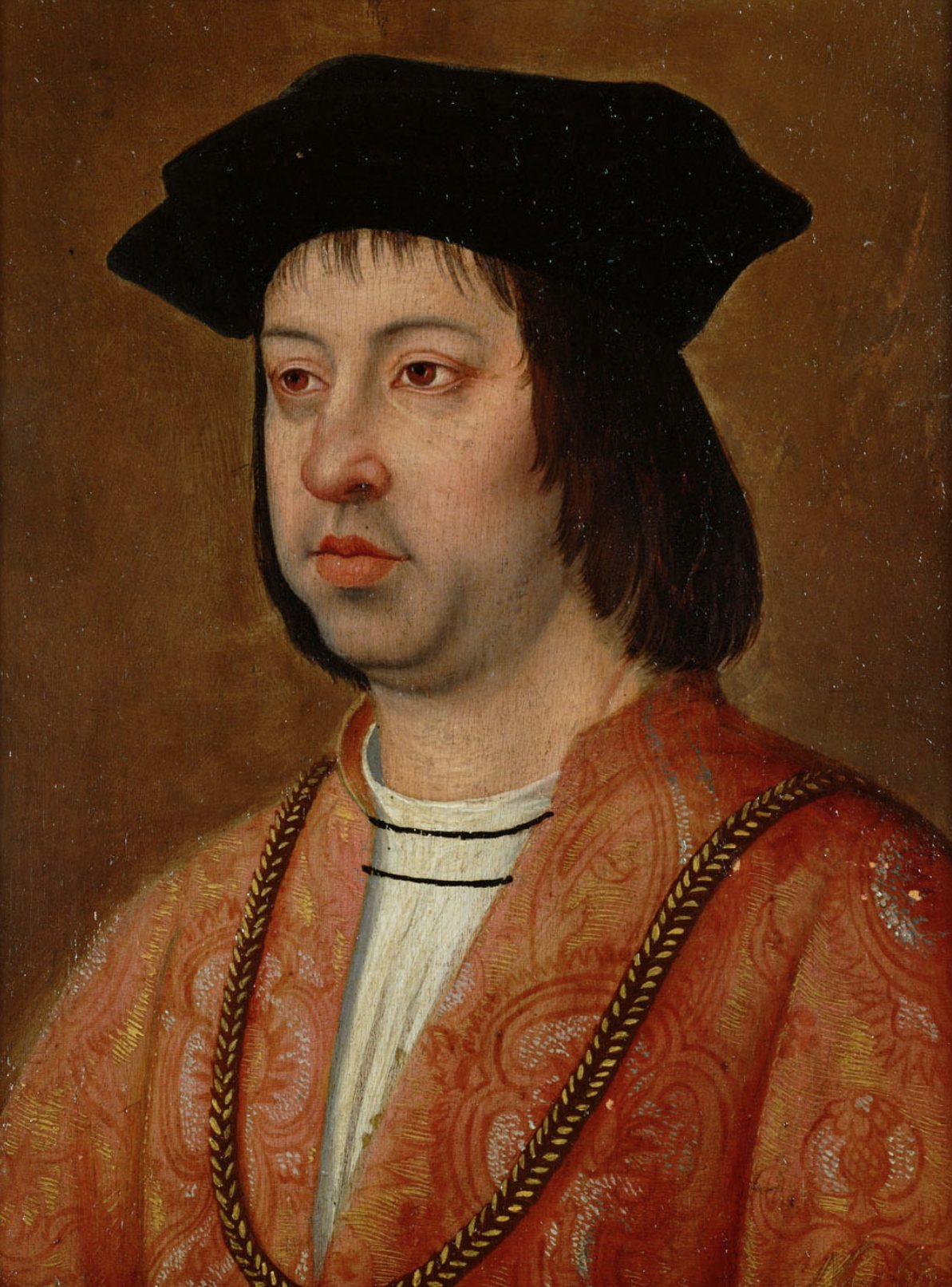
Her husband Ferdinand of Aragon inherited the Aragonese crown that same year, 1479. Their marriage would therefore become the foundation of what would eventually develop into Spain, but it would be wrong to imagine that two states suddenly became one at the press of some medieval button. Castile and Aragon retained their own laws, institutions and political traditions. Ferdinand and Isabella ruled as a royal couple, but their crowns continued for a long time to function as separate political worlds. Even the later American empire would primarily be a Castilian project rather than simply a "Spanish" one.
The balance of power between Castile and Portugal was therefore more interesting than the map alone would suggest. Castile was the larger power, but Portugal was the more advanced Atlantic power. Lisbon possessed navigational experience, maritime networks and an increasingly detailed knowledge of the African coast that its much larger neighbour could not simply compensate for with numbers. That is why Alcáçovas ended in such an unusual compromise: Castile won the political contest on the peninsula and retained the Canary Islands, while Portugal protected what may have mattered even more to it — its route south.
Most of the rest of Europe, meanwhile, was still looking elsewhere. France was only beginning to recover from the end of the Hundred Years' War. England was still being shaken by the Wars of the Roses. The Italian cities and principalities were among the richest and most culturally dynamic places on the continent, but their commercial attention remained focused primarily on the Mediterranean. To the southeast, the Ottoman Empire was expanding into a major power that, after the conquest of Constantinople, had become impossible to ignore in European politics.
By comparison, the Atlantic still looked like an enormous periphery. Within a few decades, that would change dramatically. The centre of gravity of European power would begin shifting toward its shores, and Portugal and Castile would find themselves in an extraordinary position: among the first states to understand that the ocean was not merely an obstacle, but a space that could be turned into a trade route, a military advantage and an empire. Alcáçovas emerged at precisely the moment before that explosion — when medieval Europe still had no idea that its western fringe was about to become the centre of the world.
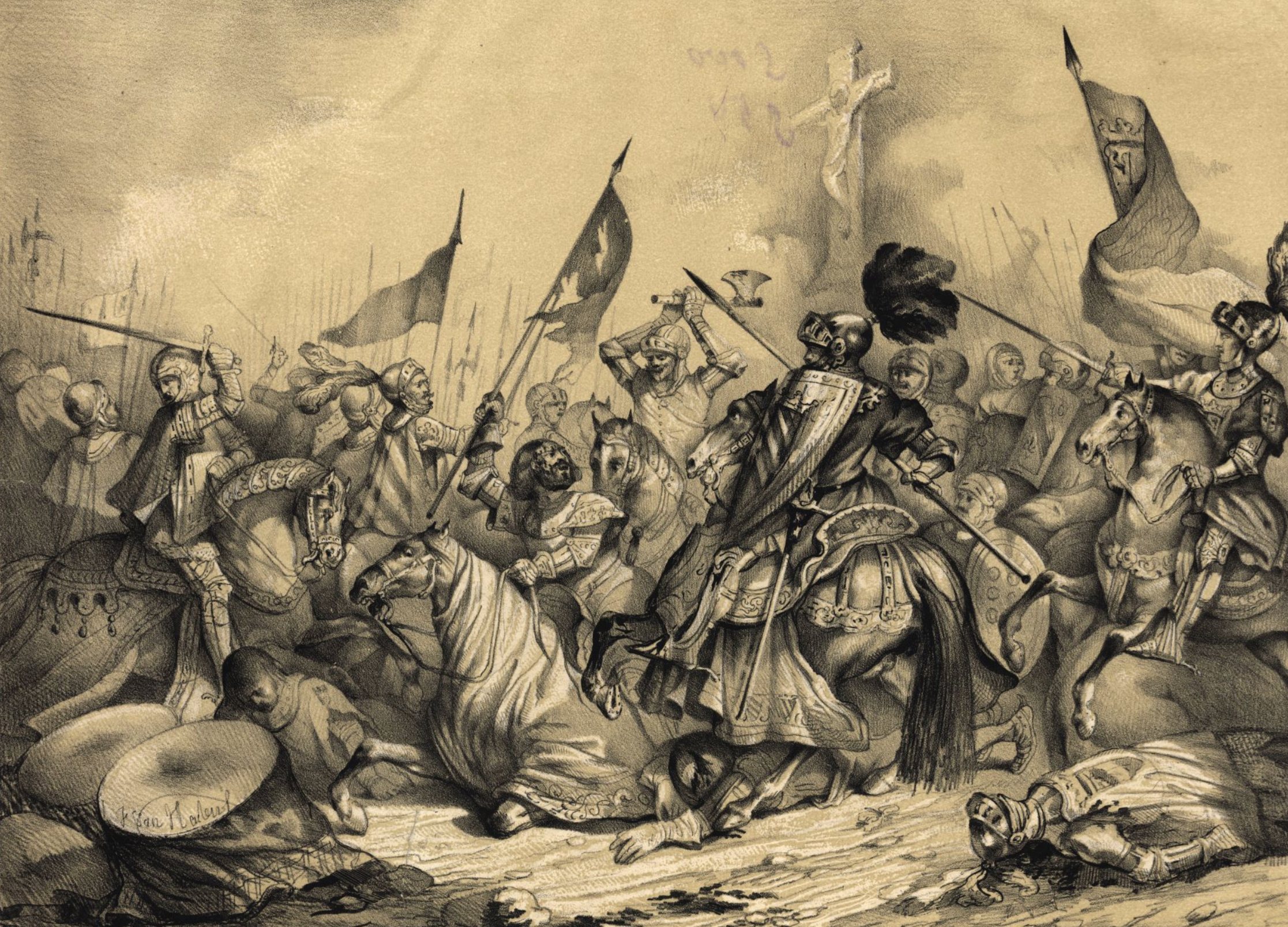
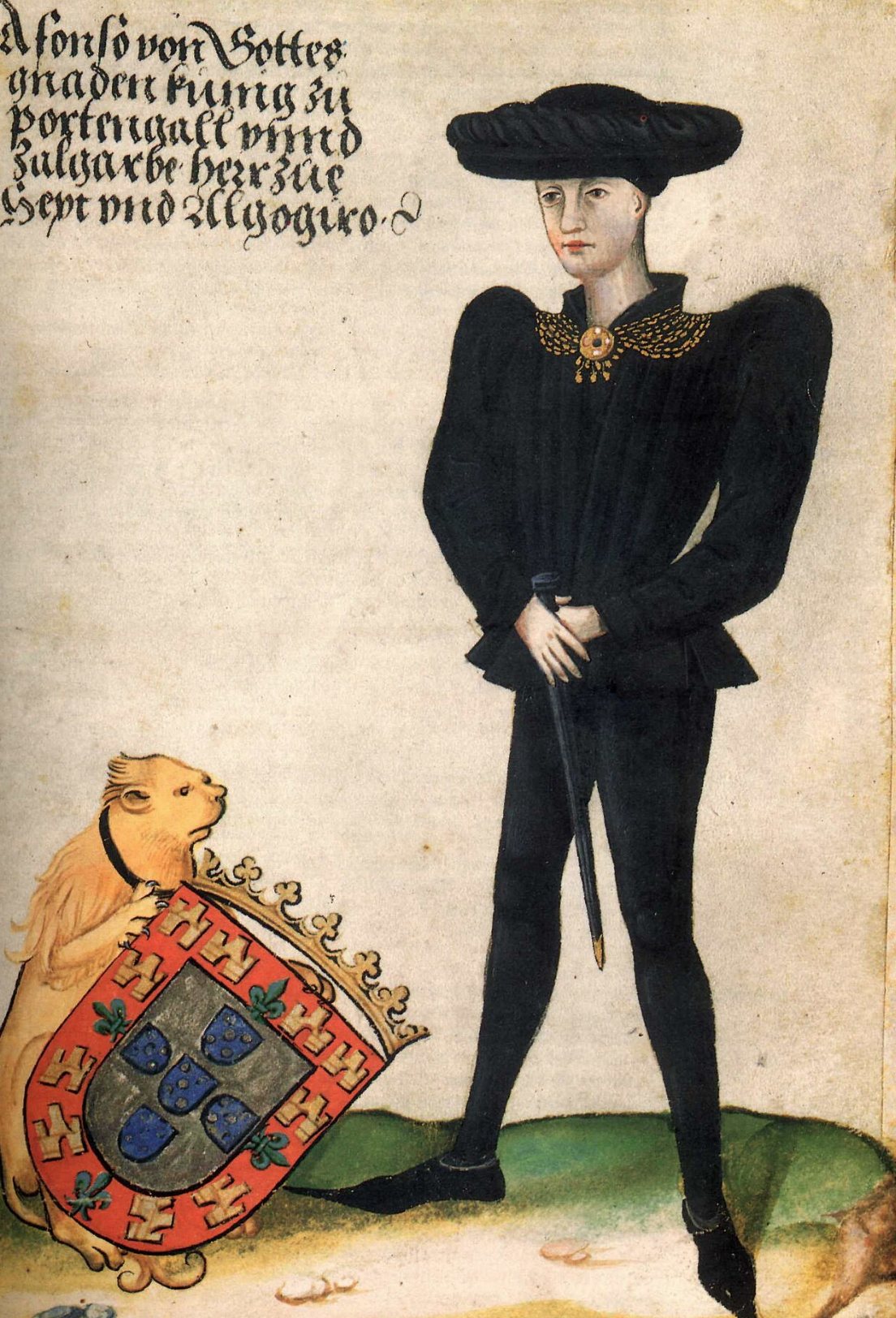
Afonso V, king of Portugal, backed his niece Juana, married her and invaded Castile in 1475. The Battle of Toro the following year ended inconclusively enough for both sides to claim victory, one of the more reliable constants of military history. Isabella and Ferdinand, however, made better political use of the result. They consolidated their rule in Castile, while the Portuguese attempt to seize the crown gradually collapsed.
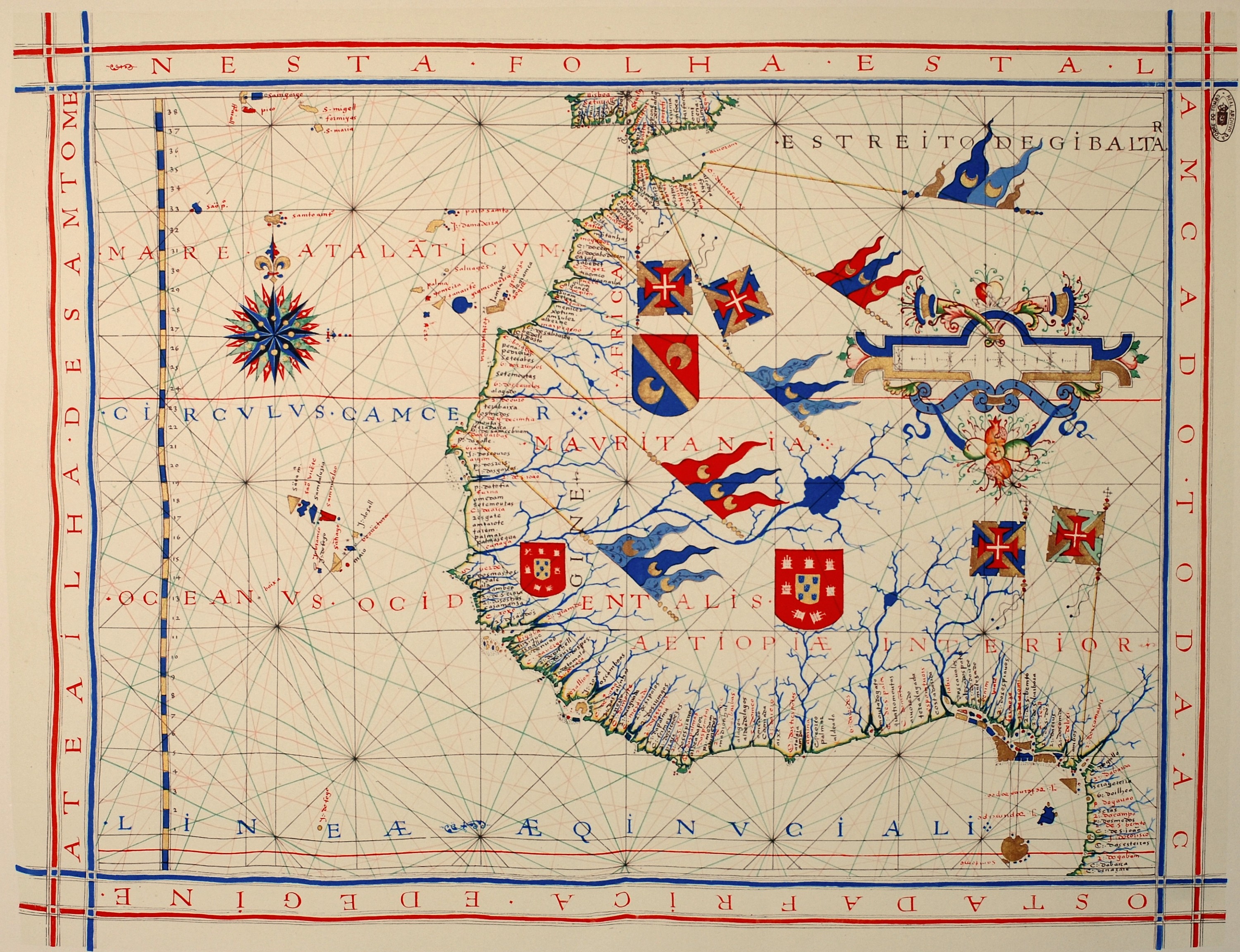
But the war was not fought only over cities and dynastic claims. At the same time, Portuguese and Castilian ships were fighting in the Atlantic, particularly over access to Guinea.
For decades, Portugal had been turning its knowledge of winds and coastlines there into a royal monopoly. Gold was arriving from Africa, malagueta pepper was traded, and enslaved people were already becoming an important part of the system. Castile tried to force its way into this trade, but in 1478 a Portuguese squadron defeated a Castilian fleet near Elmina. The peace settlement therefore reflected a curious outcome: Castile had won on land, Portugal at sea.
A clause for lands not yet on the map
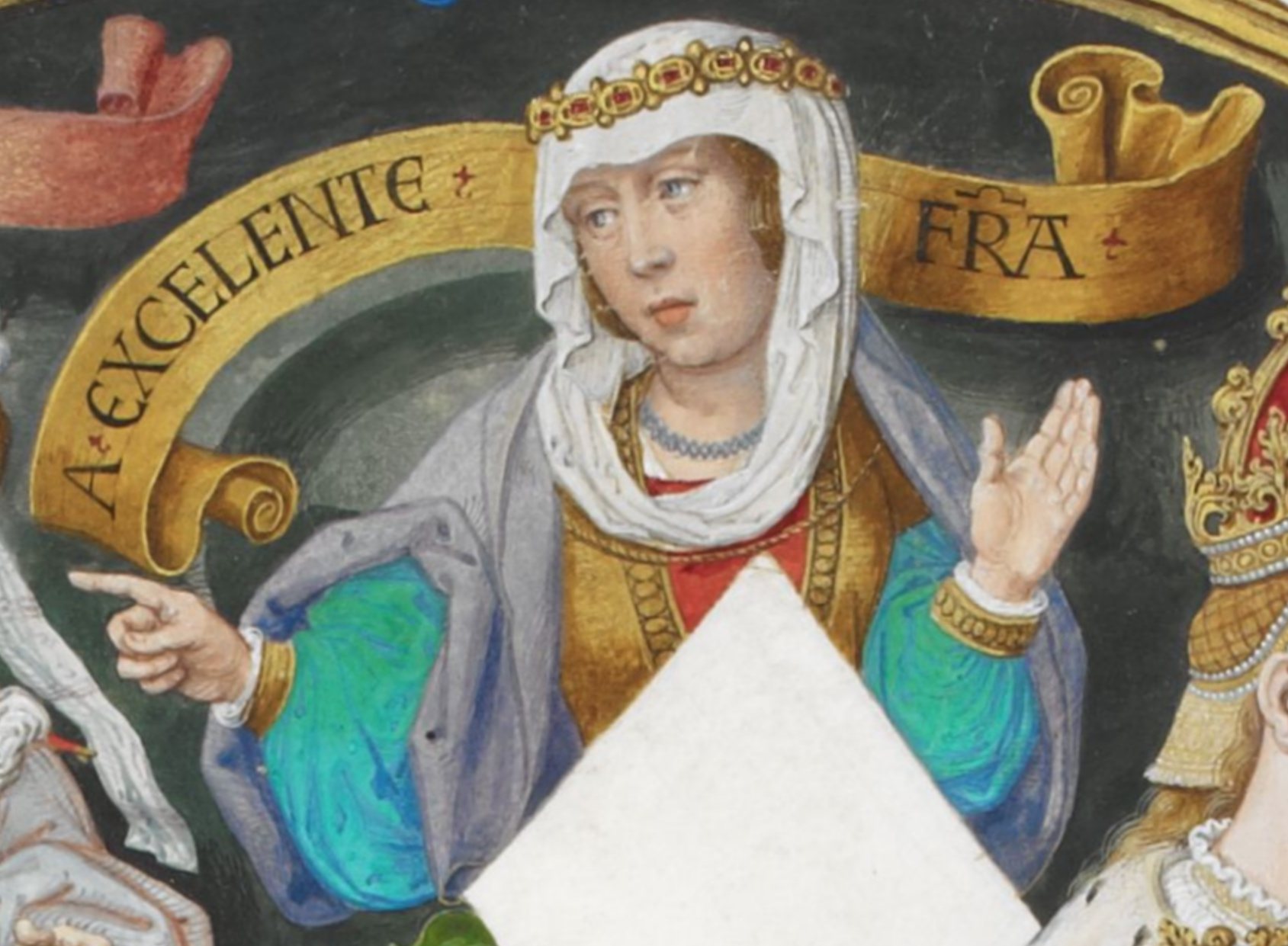
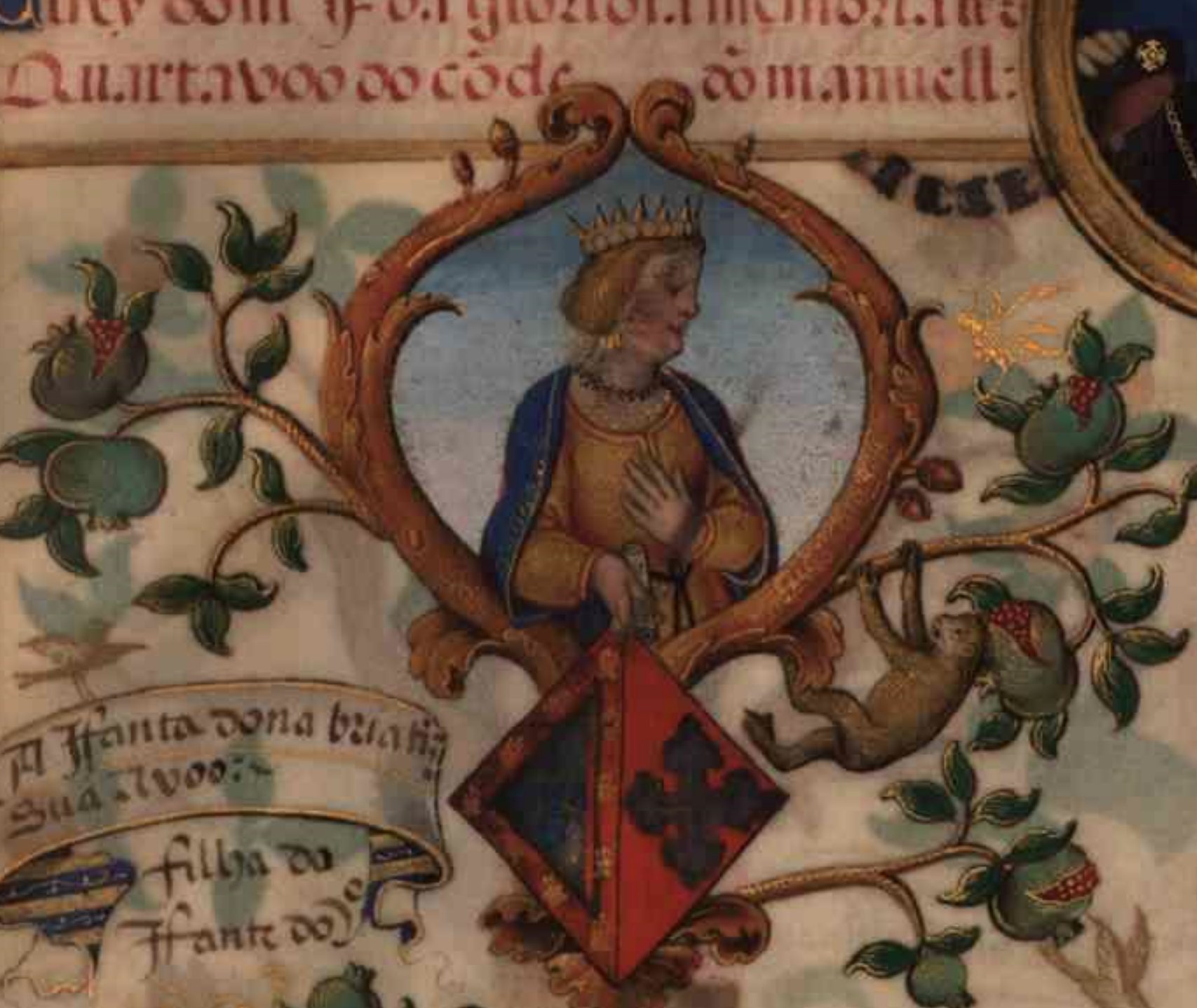
The foundations of peace were not laid by admirals and kings alone. In March 1479, the Portuguese infanta Beatriz — a female title given to a monarch's daughter who was not the heir to the throne — Duchess of Viseu, a member of the Portuguese royal house and aunt of the Castilian queen Isabella I, secretly met Isabella herself in Alcántara. The two women talked for a week and shaped the basis of an agreement. When the final peace instrument was signed in Alcáçovas on September 4, it was done in the very houses where Beatriz was staying. The great Atlantic settlement, in other words, had been prepared by an aunt and her niece while the kings were still dealing with the consequences of their war.
What we now call the Treaty of Alcáçovas was actually a package of related agreements. One settled the Castilian succession in Isabella's favour. Another restored peace between the two crowns and regulated their rivalry at sea. Portugal renounced its claims to the Canary Islands. Castile recognised Portuguese rights to Madeira, the Azores and Cape Verde, as well as Guinea, the trade at Elmina and future discoveries farther south. Portugal was also recognised as having the right to continue pursuing the conquest of the Kingdom of Fez in Morocco.
What mattered most, however, was not what already appeared on maps. The text recognised Portugal's rights not only to what had already been found, but also to what might yet be discovered or conquered in the region stretching from the Canaries toward Guinea. Alcáçovas did not draw a neat pole-to-pole line like the later Treaty of Tordesillas. Nor did it simply award Castile everything north or west of some imaginary boundary. It did something more practical: it protected the Portuguese southern corridor and effectively turned it into a closed economic zone.
The provisions were surprisingly specific. Castilian subjects were forbidden from trading in Guinea without Portuguese permission. The same applied to foreigners whose ships were equipped or supplied in Castilian ports. The Castilian Crown pledged to prevent and punish such attempts. The geography, then, remained hazy. The rules of commerce were remarkably clear.
A treaty over an unknown world even came with a penalty clause
When two monarchies begin dividing up rights to lands that have not even been discovered yet, it is useful to decide in advance what happens if one side changes its mind. The negotiators at Alcáçovas did exactly that. The agreement contained a penalty clause requiring any party that broke the peace to pay the other 300,000 gold doblas (medieval Iberian gold coins). This was not a symbolic threat but a sum intended to make violating the agreement prohibitively expensive.Even more interesting was the way the clause was written. The party violating the treaty was required to pay the penalty as soon as the breach occurred, without waiting for a court judgment. But paying the 300,000 doblas did not mean the treaty could simply be bought out. The text explicitly stated that the agreement remained in force regardless of whether the penalty was paid, waived or never collected at all. In other words, there was no option to say: we'll pay and do whatever we want.
Castile undertook to stop its subjects from trading in Portuguese Guinea without Lisbon's permission, while port authorities were required to publicly announce and enforce the prohibition. The ocean was still almost blank on European maps, yet the regulations governing it were already becoming surprisingly detailed. Europeans did not yet know what lay beyond the horizon, but they already knew exactly how much it would cost if they quarrelled over it.
There was, of course, one problem that did not particularly trouble European diplomats. The "undiscovered" world was not uninhabited. The Canary Islands had indigenous communities, and the Castilian conquest of the entire archipelago would not be completed until 1496. The process involved enslavement, deportation, disease and organised violence. The treaty therefore did not divide empty space. It divided European claims to lands and peoples who had never been invited to the negotiating table — a practice that would become one of the most successful and darkest diplomatic habits of the centuries that followed.
Columbus sails into an ocean already burdened with ownership claims
Pope Sixtus IV confirmed the treaty's maritime provisions in 1481 with the bull "Aeterni regis". The Portuguese monopoly now had a papal seal as well. Alcáçovas did not itself send Columbus westward, but it did make his proposal more politically attractive to Castile. The route south along Africa was a Portuguese project and a Portuguese protected zone. The west looked like a geopolitical gap in the fence.
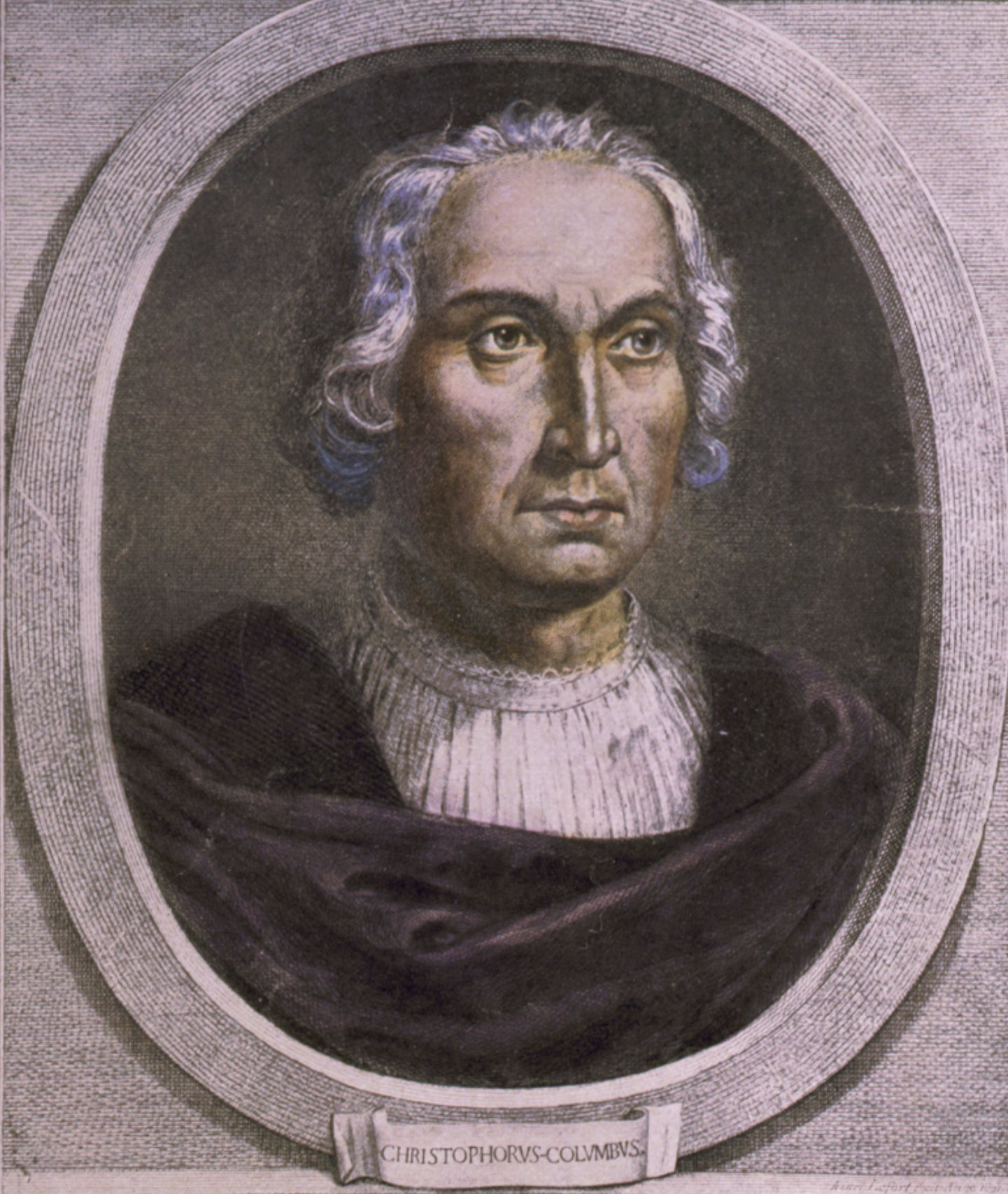
When Columbus returned from his first voyage in 1493, he found himself in Portugal, where he was received by João II, king of Portugal. João concluded that the newly discovered islands might belong to Portugal under the terms of Alcáçovas. Isabella and Ferdinand replied that the old treaty applied to the African sphere, not to lands discovered far to the west. Exactly what one might expect from an agreement governing the unknown had happened: as soon as the unknown became real, both sides interpreted it in their own favour.
The dispute led to papal bulls, new threats and finally the Treaty of Tordesillas in 1494. This time, the much more famous boundary was drawn: a pole-to-pole meridian 370 leagues (a contemporary unit of distance) west of the Cape Verde Islands. Territory east of the line fell within the Portuguese sphere, while territory to the west was assigned to Castile. That adjustment would later help place the eastern part of South America — modern-day Brazil — within the Portuguese zone.
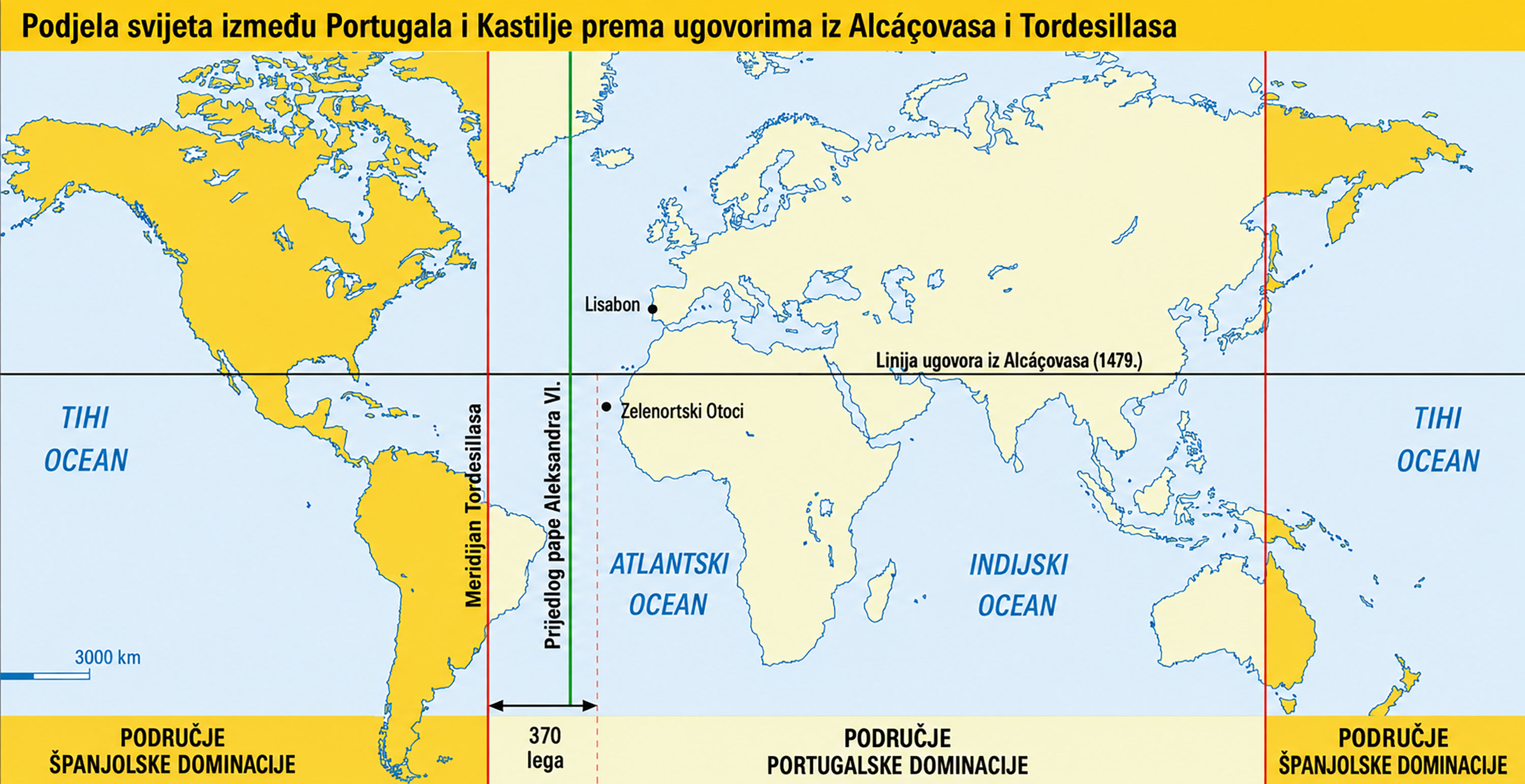
Tordesillas is remembered because it is easy to draw in a school atlas. Alcáçovas is messier, and perhaps more interesting for precisely that reason. It divided not so much continents as rights to sail, trade, conquer and acquire future knowledge. It shows that the Atlantic was becoming a political space before Europeans had even begun to understand its geography.
When Columbus sailed in 1492, he did not enter a legal vacuum. The ocean was already burdened with treaties, papal bulls, prohibitions and monopolies. On September 4, 1479, the Age of Discovery revealed its less romantic face: this was never just a story of courageous sailors, but also of states claiming ownership over the future. The sailors still had to find the shores. The notaries had already divided them.
Sources
- Eve.fcsh.unl.pt The Tordesilla Treaty | Encyclopaedia of Portuguese Expansion https://eve.fcsh.unl.pt/en/politics/tordesilla-treaty
- Avalon.law.yale.edu The Avalon Project : Treaty Between Spain and Portugal concluded at Tordesillas; June 7, 1494 https://avalon.law.yale.edu/15th_century/mod001.asp
- Cambridge.org Portuguese settlement, 1500–1580 https://www.cambridge.org/core/books/abs/colonial-brazil/portuguese-settlement-15001580/FC806C3693A5B6570D835FA828EDDA15
- Cambridge.org The African Adoption of the Portuguese Crusade during the Fifteenth and Sixteenth Centuries https://www.cambridge.org/core/journals/historical-journal/article/african-adoption-of-the-portuguese-crusade-during-the-fifteenth-and-sixteenth-centuries/AF453862570D4A97C125DA663230C856
- Cambridge.org Portuguese expansion (Chapter 1) - The New Cambridge Modern History https://www.cambridge.org/core/books/abs/new-cambridge-modern-history/portuguese-expansion/DC1C4A4D61323380EEFDA24CE2AEE011
- Eve.fcsh.unl.pt Treaty of Alcáçovas-Toledo | Encyclopaedia of Portuguese Expansion https://eve.fcsh.unl.pt/index.php/en/politics/treaty-alcacovas-toledo
- Avalon.law.yale.edu The Avalon Project : Treaty Between Spain and Portugal, Concluded at Alcacovas, September 4, 1479 https://avalon.law.yale.edu/15th_century/sppo01.asp
- Cambridge.org The French Conquest of the Canary Islands, 1402-1405 (Le Canarien) https://www.cambridge.org/core/books/the-french-conquest-of-the-canary-islands-1402-1405-le-canarien/4DEFB9398332C49B140F16C85F5537EC
- Worldhistory.org Caravel https://www.worldhistory.org/Caravel/
- Unesco.org Treaty of Tordesillas https://www.unesco.org/en/memory-world/treaty-tordesillas
Comments