
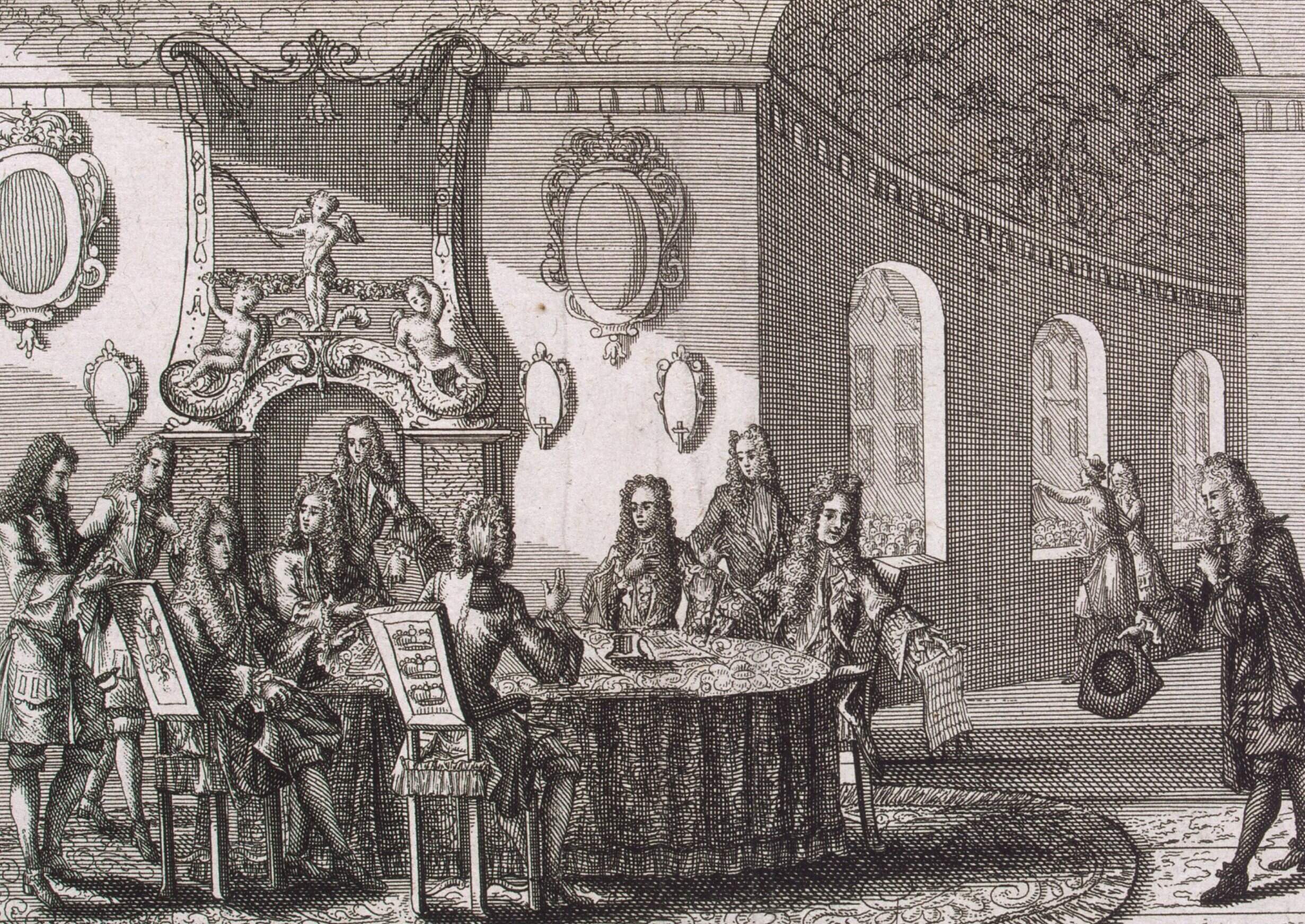
In war-ravaged Nystad, in what is now Finland, there was not even a building worthy of the negotiations that would reshape Europe. Most of the inhabitants had fled the Russian occupation, and the small town had spent nearly seven years as a fortified military camp. A manor house was therefore dismantled in a nearby village, transported piece by piece, and reassembled on the town square. The Russians entered its central chamber from the east, the Swedes from the west.
From the western side came representatives of a state whose armies had inspired fear across Europe for decades. From the east came envoys of a country Sweden had crushed with near-contemptuous ease at the beginning of the war. When they emerged from that house on September 10, 1721, the sea itself remained unchanged, but the center of power around it had shifted decisively. Nystad did more than redraw a handful of borders. It wrote the ending of one empire and issued another its entry ticket to Europe.
To understand the scale of that reversal, one must forget the map of today. Seventeenth-century Sweden was not merely a Scandinavian kingdom, but a vast, scattered Baltic empire. It controlled Finland, northern parts of present-day Estonia, Livonia, Ingria, and important territories in northern Germany. The Baltic was not its periphery, but its commercial and economic connective tissue. Following its successes in the Thirty Years' War, Stockholm belonged to the small circle of European capitals whose decisions had to be taken seriously.
That power was impressive but, as events would soon show, not indestructible. Sweden possessed an exceptionally well-organized army and a state apparatus capable of extracting taxes, soldiers, and weapons from a relatively small population. Yet its territories were scattered around the sea, and its neighbors were merely waiting for a moment of weakness. When a coalition of Denmark-Norway, Russia, and the Saxony of Augustus II the Strong rose against it in 1700, the timing appeared perfect. On the Swedish throne sat the very young Charles XII, a king with no experience of war.
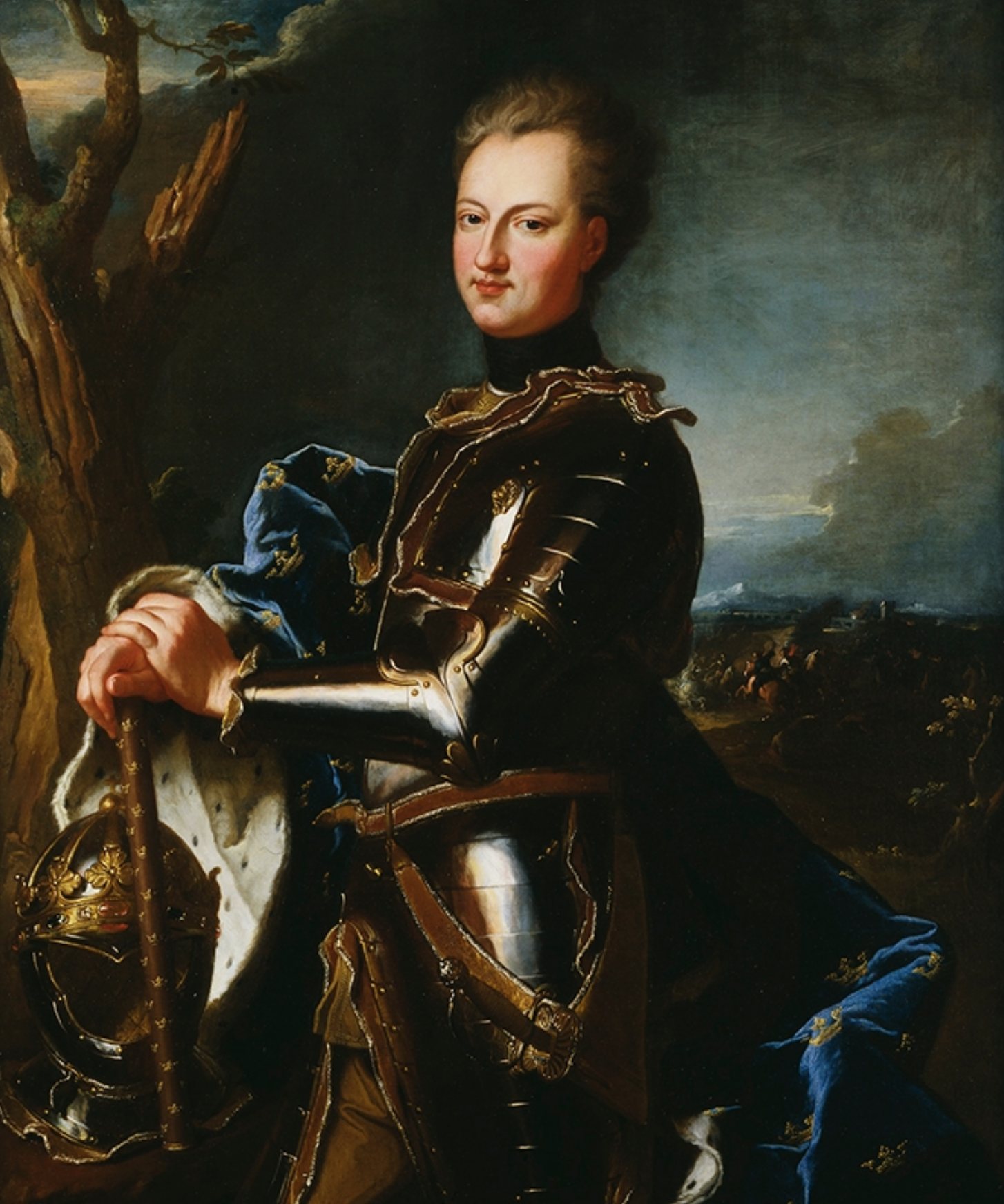
The allies soon discovered that they had badly underestimated him. Charles swiftly forced Denmark out of the war, then crushed a much larger Russian army at Narva in November 1700. He pursued Augustus through Poland and Saxony and compelled him to renounce the Polish crown. Europe had acquired a new military genius. The problem was that Charles took his victories as proof that he could defeat anyone, while Peter I, Russia's tsar and tireless reformer, took defeat as proof that almost everything had to change.
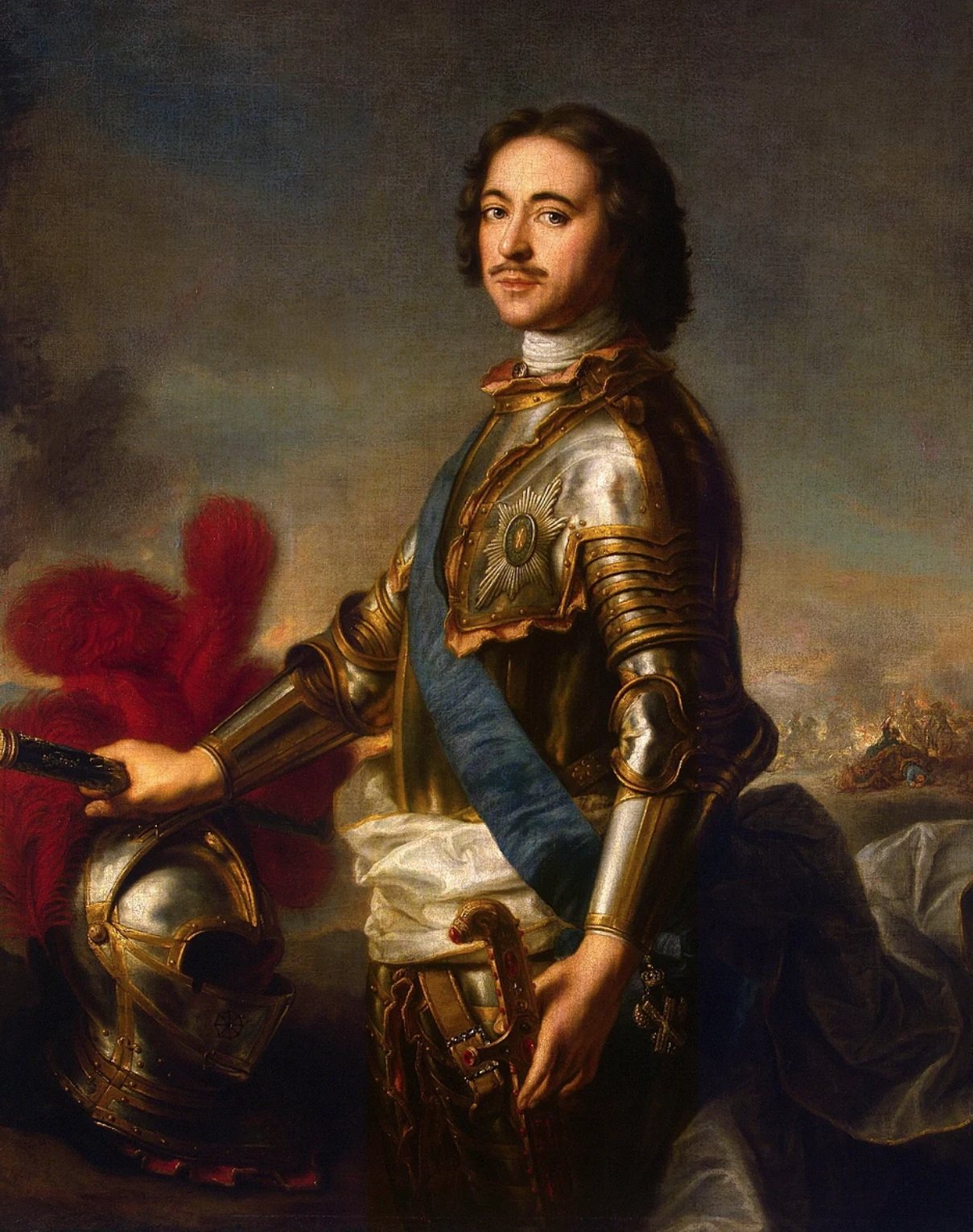
While the Swedish king spent years campaigning in the west, Peter rebuilt his army, expanded artillery production, and constructed a navy. In 1703, he founded Saint Petersburg at the mouth of the Neva, on land that under international law still belonged to Sweden. Nine years later, he moved his capital there. It was an act of geopolitical audacity built from stone, mud, and forced labor. Peter did not wait for peace before opening Russia's window onto Europe. He smashed it open first, then asked the diplomats to formalize his ownership afterward.
Charles finally led his army into Russia in 1708. The campaign was ruined by shortages, scorched earth, and an exceptionally bitter winter. The Swedes turned toward Ukraine, where they were joined by the Cossack hetman Ivan Mazepa, who had broken with Peter. At Poltava in 1709, however, the main Swedish army suffered a catastrophe. Charles and Mazepa fled to the Ottoman Empire, while the myth of Swedish invincibility remained behind on the Ukrainian battlefield.
Poltava did not end the war. Sweden continued resisting for another twelve years, a measure of how formidable its military machine remained. Russia, meanwhile, captured Vyborg, Riga, and Reval, now Tallinn. It also occupied most of Finland and developed a fleet capable of threatening the Swedish coast itself. Charles XII was killed in 1718 during a campaign in Norway, struck by a bullet while inspecting the trenches. The military verdict had already been delivered, but diplomacy needed several more years to put it into writing.
Negotiations opened in Nystad in the spring of 1721. Russia was represented by Jacob Bruce, a Scottish-born general and naturalist, and Andrey Osterman, a diplomat born Heinrich Johann Friedrich Ostermann in the German region of Westphalia. They were an almost perfect embodiment of Peter's new Russia: the empire approached Europe through the European experts it had drawn into its service. While the diplomats debated, Russian galleys continued ravaging the Swedish coast. The negotiating argument required no translation.
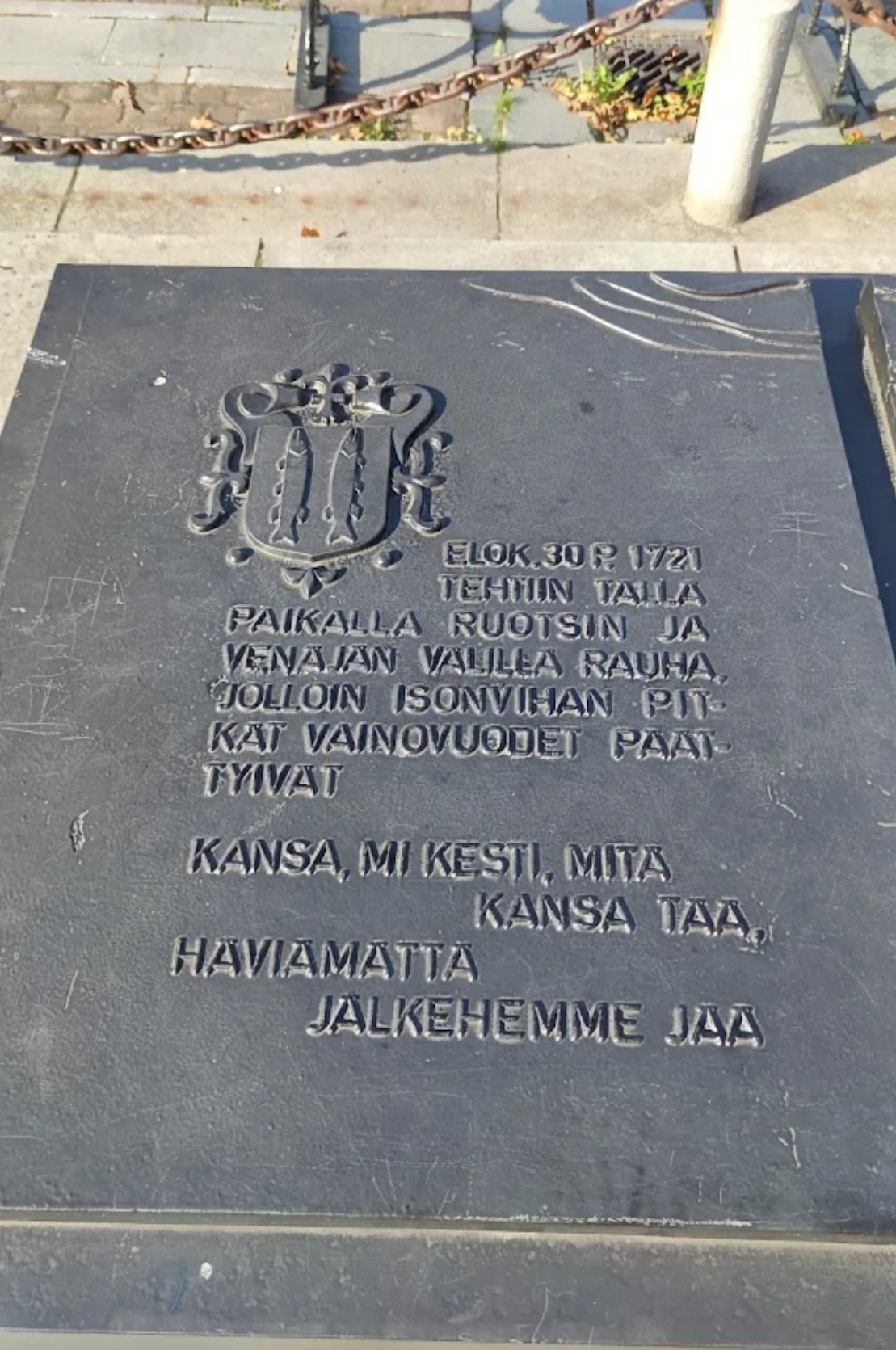
The treaty was signed on September 10 under the Gregorian calendar, or August 30 under the Julian calendar then used by both states. It proclaimed a "perpetual and inviolable peace", a phrase diplomacy loves almost as much as history loves disproving it. Another Russo-Swedish war broke out as early as 1741. So much for perpetuity.
Sweden permanently ceded Ingria, the historic provinces of Estonia and Livonia, and part of Karelia, including Vyborg and Kexholm. Important Baltic islands were also handed over, among them present-day Saaremaa and Hiiumaa. These names do not correspond neatly to modern state borders. Livonia encompassed southern Estonia and northern Latvia, while Courland and Latgale were not part of the Swedish concessions.
Peter the Great's Border Returned After 219 Years
Borders on maps tend to look permanent until someone draws them again. One of the strangest legacies of the Treaty of Nystad emerged only in 1940, after the Winter War between Finland and the Soviet Union. At Moscow's insistence, the line drawn in 1721, known in Finland as "Peter the Great's border," was used as the basis for the new frontier. Two hundred and nineteen years had passed, and both the Swedish and Russian Empires had disappeared, yet the old line was pulled back out of history.The strategic logic had barely changed. Peter wanted to push Sweden away from his new city of Saint Petersburg. Joseph Stalin sought to move back the Finnish border, which before the Winter War lay barely thirty kilometers from the same city, by then known as Leningrad. Under the Moscow Peace Treaty, Finland lost Vyborg, the Karelian Isthmus, and territories around Lake Ladoga. The new border did not replicate the Nystad line everywhere, but across much of southeastern Finland it once again drew close to it.
Sections of Peter's border, with modifications made after the Second World War, still form part of the Finnish-Russian frontier today. Boundary stones erected in 1722 can still be found in the forests, some only a kilometer from the modern border. They bear both the Swedish crown and the Russian cross, traces of an order that was supposed to belong to the distant past. Nystad is a reminder that history may not always bring back the same rulers, but it returns with astonishing frequency for the same pieces of land.
Yet this was not an unconditional surrender. Russia returned most of occupied Finland to Sweden and agreed to pay two million silver thalers. The great victory came with a bill, but Peter received something more valuable than money in return: irrevocable international recognition of his conquests. Stockholm also secured the right to purchase grain each year in Riga, Reval, and Arensburg, duty-free up to a specified value. Even as an empire unraveled, after all, someone still had to think about the price of bread.
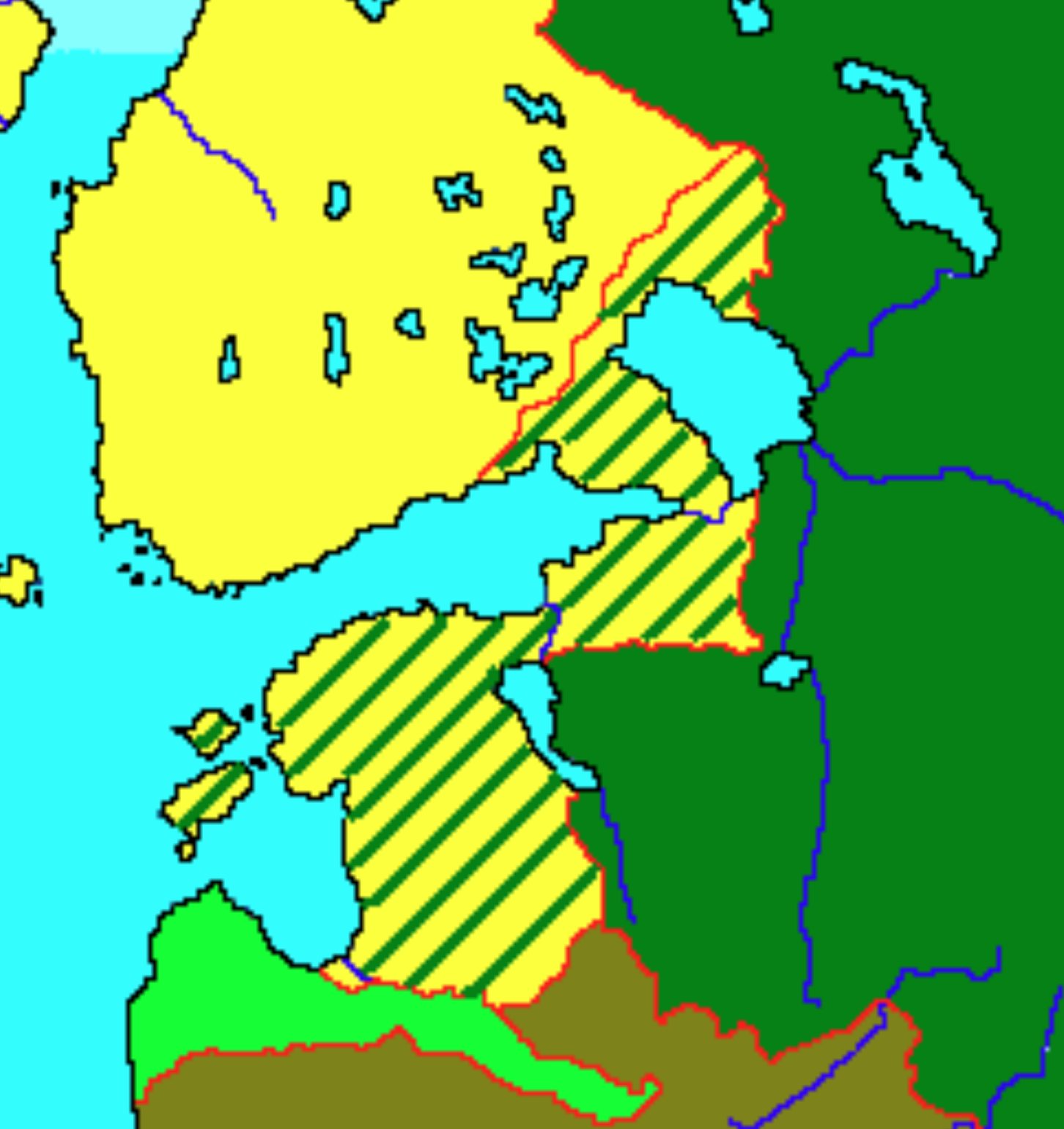
Peter did not immediately impose complete uniformity on the conquered provinces. The treaty guaranteed the existing rights of towns and estates, the Lutheran faith, and the privileges of the Baltic German nobility. It was a practical imperial compromise. The local elite retained enough power to have little reason to rebel against its new ruler. For most Estonian and Latvian peasants, the supreme sovereign changed, but the social order that kept them at the bottom did not.
Several weeks after the victorious peace, the Russian Senate and Holy Synod offered Peter the titles "the Great,""Father of the Fatherland," and "Emperor of All Russia." Nystad did not create a new great power in a single day, but it allowed that power to change its own name. Peter ordered thousands of copies of the ratified treaty to be printed and read aloud in cities and military units. Europe accepted the imperial title gradually and reluctantly. The new reality was already in place, protocol simply needed time to swallow it.
The Emperor Who Disguised Himself as a Drummer at His Victory Celebration
Peter the Great described the Great Northern War as a school that had lasted twenty-one years instead of the customary seven. When he finally received his "diploma," he had no intention of celebrating quietly. Saint Petersburg and Moscow erupted in fireworks, cannon fire, banquets, and masquerades, while the anniversary of the Treaty of Nystad was to be celebrated every year thereafter.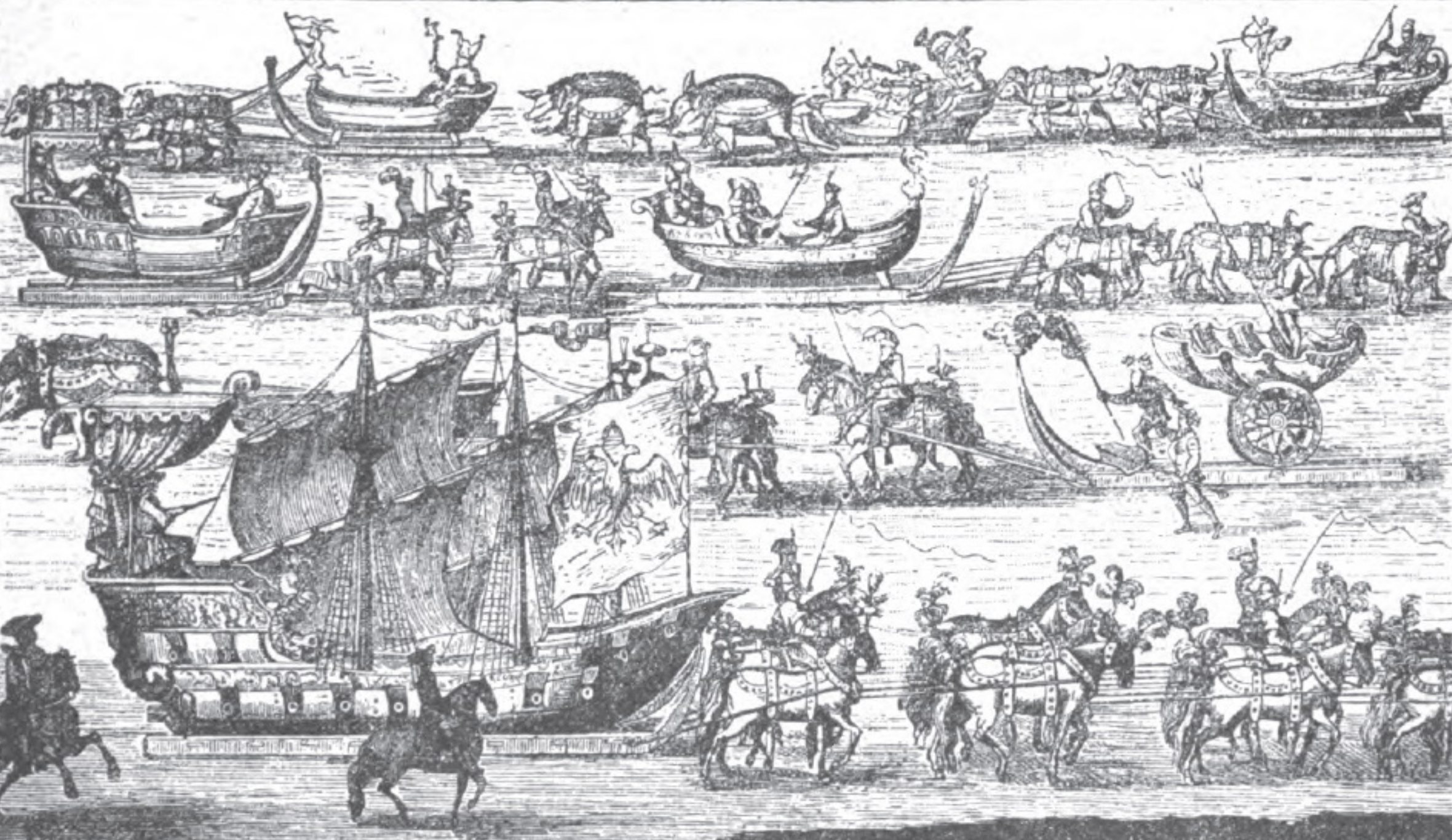
On the first day, the procession circled a triumphal pyramid before boarding ships. Peter personally raised the sail aboard the small boat Saint Nicholas, known as the "grandfather of the Russian fleet," while cannon fire thundered from the fortress. This was more than imperial revelry. It was a carefully staged performance of the new Russia: maritime, European, and victorious. The ruler who had spent twenty-one years teaching Russia how to march toward the Baltic was now, at least symbolically, beating out the rhythm of the new empire himself.
Defeat did not mean Sweden's disappearance. It remained a serious regional power, but its "Age of Greatness" was over. The crown was weakened, parliament grew stronger, and the period known as the Age of Liberty began. Nor did Russia literally become the owner of the entire Baltic. Sweden and Britain still possessed powerful navies, while Denmark controlled access through the straits. The "new master" therefore enjoyed no maritime monopoly. Rather, from 1721 onward, no order in northeastern Europe could be built against Russia's wishes without a formidable power willing to protect it.
Three centuries later, the map looks almost inverted. Estonia, Latvia, and Lithuania are NATO members. Finland joined the alliance in 2023, followed by Sweden in 2024. Every country on the Baltic coast except Russia now belongs to the same military alliance. Russia retains Saint Petersburg and Kaliningrad, its fleet, and the ability to threaten maritime routes in the event of escalation. That is why the popular description of the Baltic as a "NATO lake" is every bit as seductive as the old notion of a Swedish lake. A sea ringed by allies is not the same as a sea without a rival.
Today's Baltic is not a stage on which monarchs can exchange entire provinces together with the people who live in them. Estonia and Latvia are now sovereign states. Yet the same ports, islands, narrow passages, and Gulf of Finland remain. Political languages and flags have changed, but geography still rewards whoever can bring ships, armies, and allies.
Nystad Today
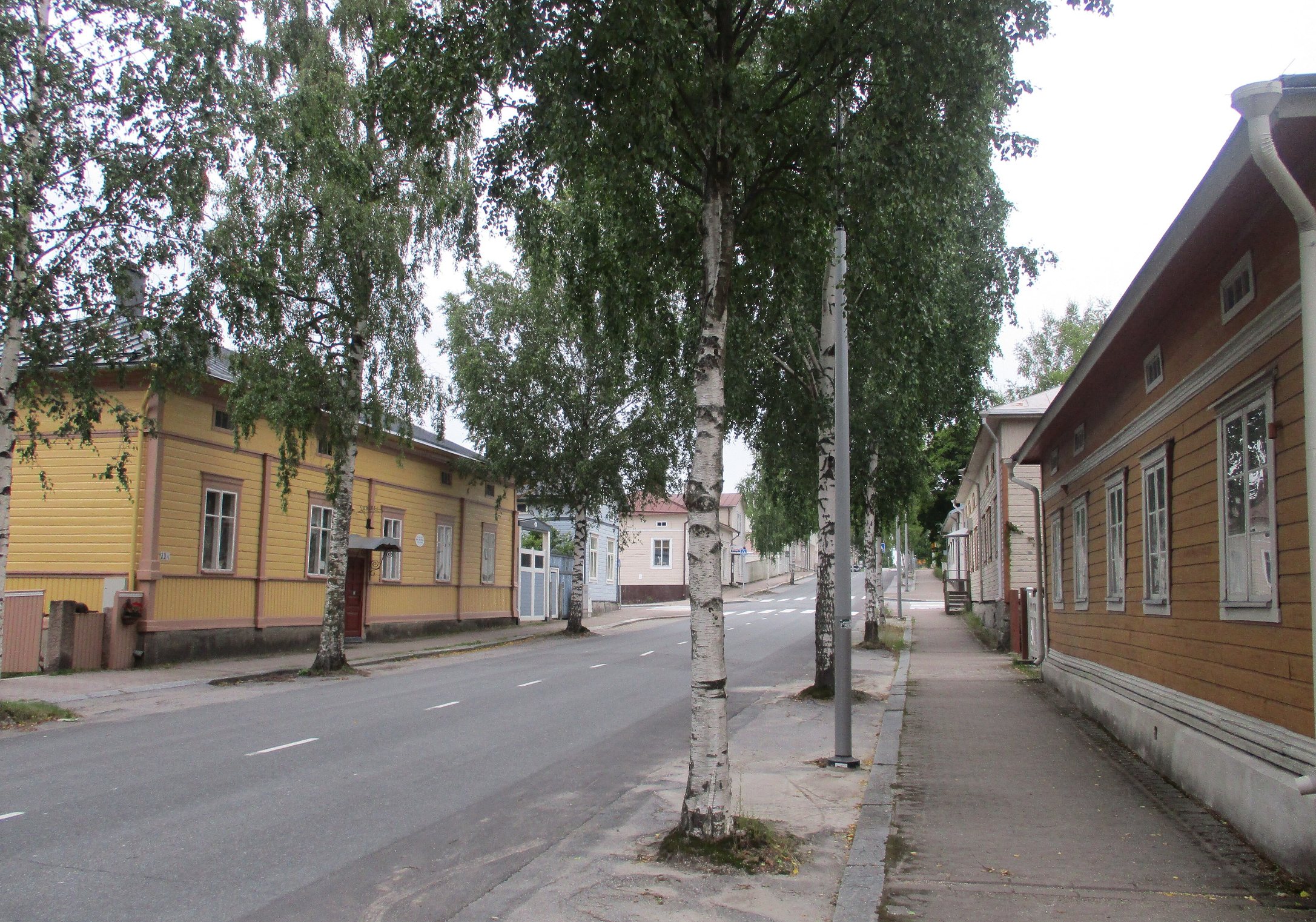
Nystad has not vanished from the map. A modern traveler simply will not find it under that name. The town is now called Uusikaupunki and lies on Finland's southwestern coast, beside the intricate archipelago of the Bothnian Sea. In fact, its name has remained the same: both the Swedish Nystad and the Finnish Uusikaupunki literally mean "New Town."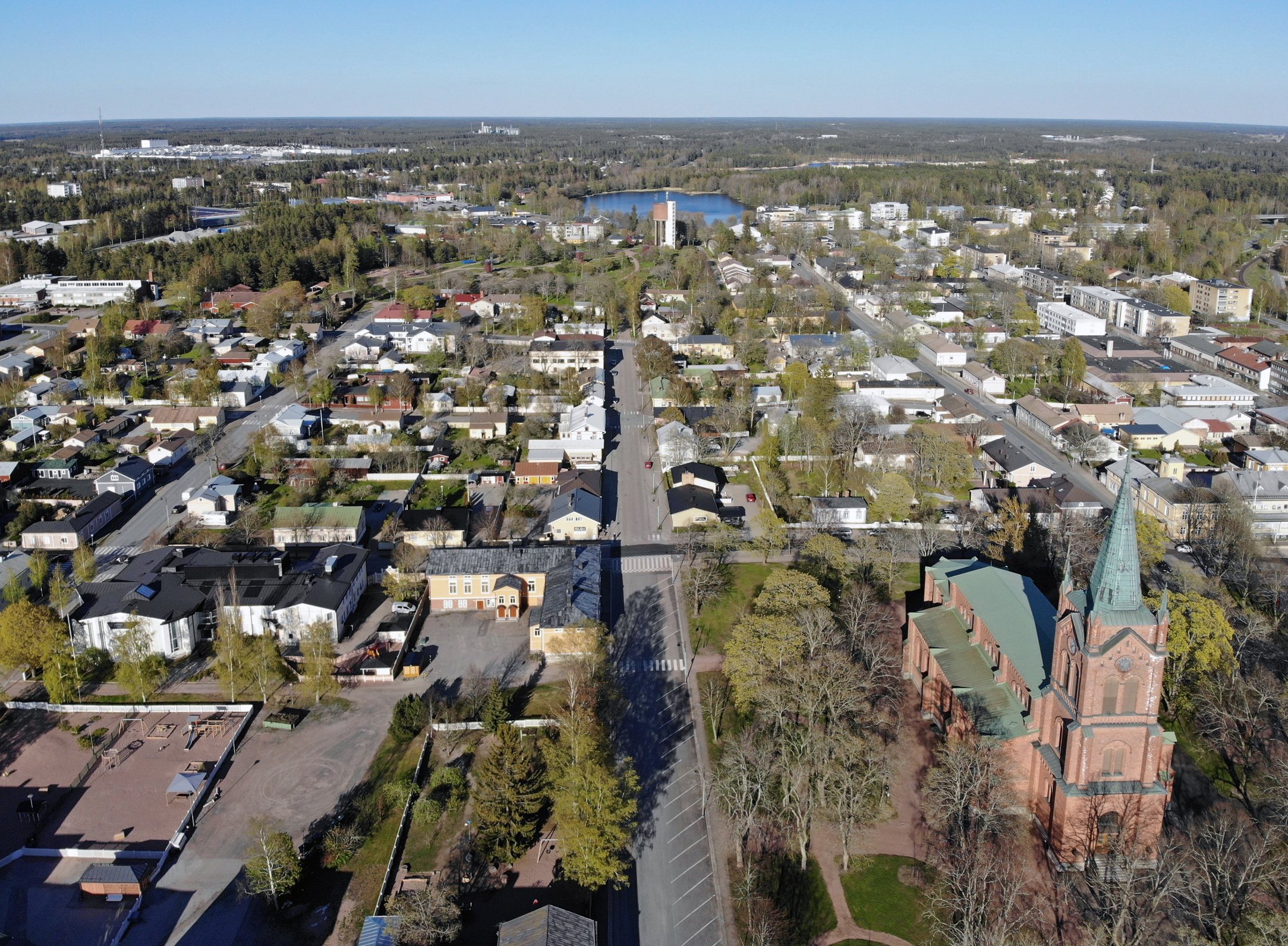
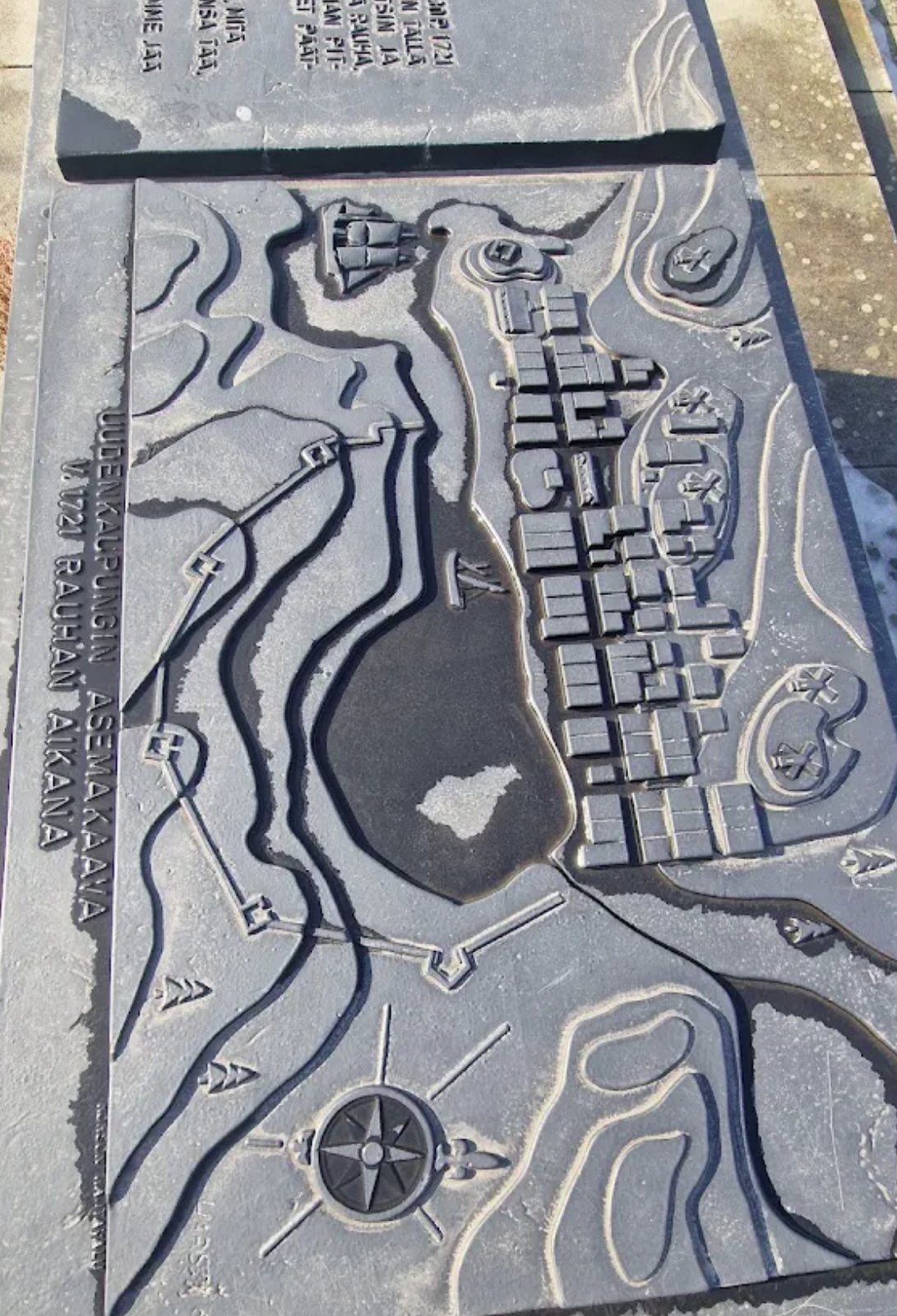
Nystad does not tell us that history must repeat itself. It tells us something more unsettling: security orders that appear natural and permanent are often merely the products of the latest great upheaval. Peace treaties rarely create such orders. They merely give them a date. And the Baltic, as Sweden learned in 1721, never acquires an eternal master. It gets only a temporary victor.
Sources
- Uusikaupunki.fi General information regarding the history of Uusikaupunki https://uusikaupunki.fi/en/general-information-regarding-history-uusikaupunki
- Prlib.ru The Treaty of Nystad was signed https://www.prlib.ru/en/history/619530
- Neweasterneurope.eu Shifting empires. The Treaty of Nystad turns 300 https://neweasterneurope.eu/2021/09/12/shifting-empires-the-treaty-of-nystad-turns-300/
- Histdoc.net Treaty of Peace between Russia and Sweden, concluded in Nystad (Uusikaupunki), 30 Aug 1721. https://histdoc.net/nystad/nystad_title.html
- Infofinland.fi History of Finland - InfoFinland - kotoutuminen.fi https://infofinland.fi/information-about-finland/finnish-history
- Spbiiran.ru 300th Anniversary of the Peace of Nystad (virtual exhibition of one document) - Saint Petersburg Institute of History https://spbiiran.ru/en/300th-anniversary-of-the-peace-of-nystad-virtual-exhibition-of-one-document/
- History.state.gov Historical Documents - Office of the Historian https://history.state.gov/historicaldocuments/frus1940v01/d288
- Tuhat.helsinki.fi 300 YEARS SINCE THE PEACE TREATY OF NYSTAD AFTER THE GREAT NORTHERN WAR: GEOPOLITICS IN THE NORTHERN BALTIC SEA AREA https://tuhat.helsinki.fi/ws/portalfiles/portal/168820894/The_Treaty_of_Nystad_leafleat_final_1_.pdf
Comments