
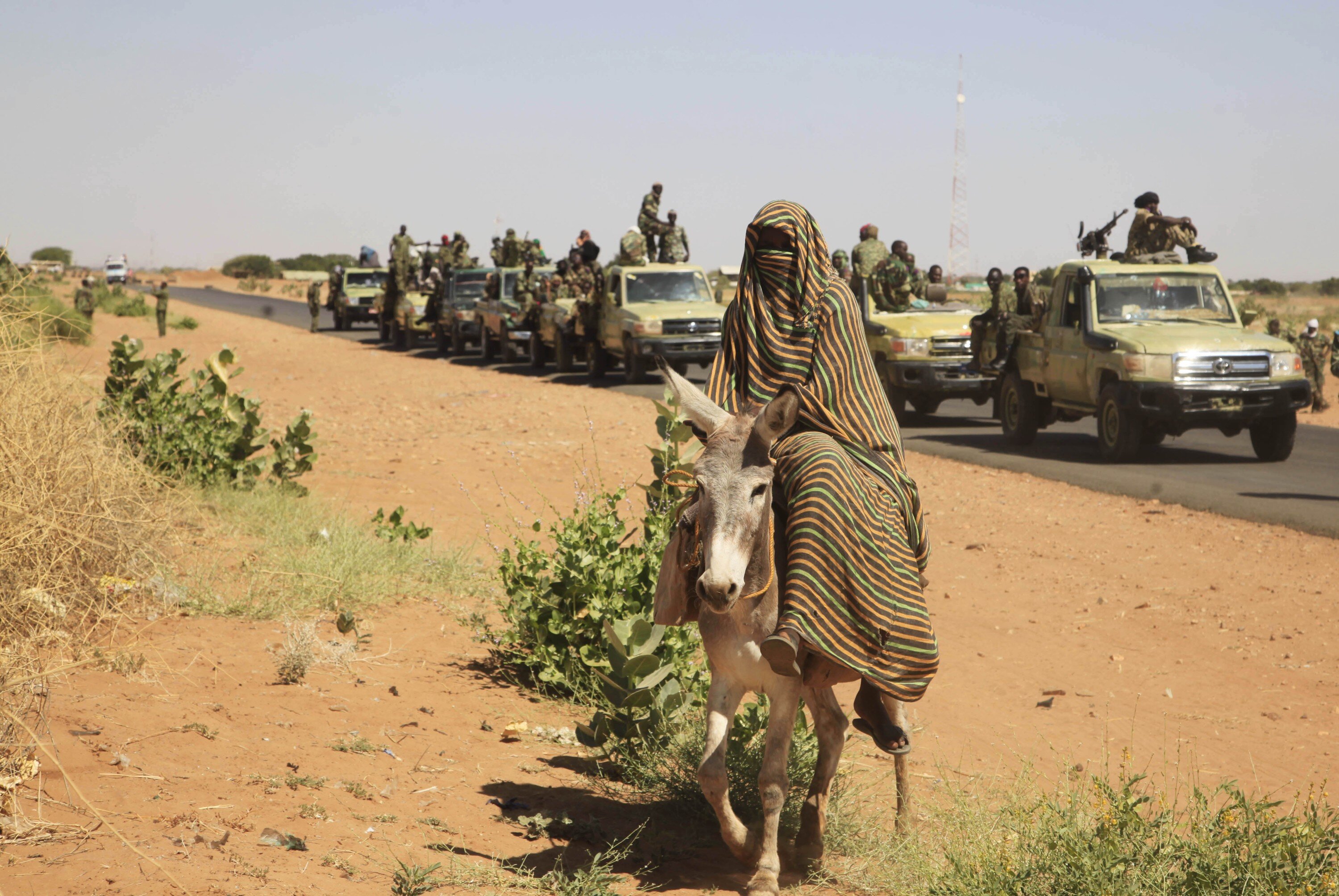
What is happening in Sudan today should, by every standard the international public supposedly claims to uphold, be one of the biggest stories in the world. Mass killings, rape, abductions, sieges, starvation used as a weapon, millions of people displaced, cities destroyed, a society torn apart, children dying before they ever become part of any statistic...
And yet Sudan remains somewhere at the edge of global attention—a catastrophe that occasionally surfaces in a humanitarian report, on the margins of a UN meeting or in a brief news agency dispatch, only to disappear into the darkness again. There is something deeper in this silence than the usual fatigue with bad news. Sudan reveals that the modern media-political system does not necessarily respond to the scale of human suffering, but to its usefulness.
The latest UN investigation has reinforced that picture. According to the Independent International Fact-Finding Mission for the Sudan, the Rapid Support Forces, better known by the acronym RSF, committed acts amounting to genocide during the siege and capture of al-Fashir in North Darfur: mass killings, widespread sexual violence, including gang rape, the abduction of women and girls, and the deliberate creation of famine through the obstruction of humanitarian aid and attacks on food infrastructure. The RSF rejects the allegations, but the UN mission describes a systematic and deliberate policy of violence. The International Criminal Court, meanwhile, says significant progress has been made in connecting crimes in Darfur to higher levels of command. This is no longer merely a story about the "chaos of war," but about chains of responsibility.
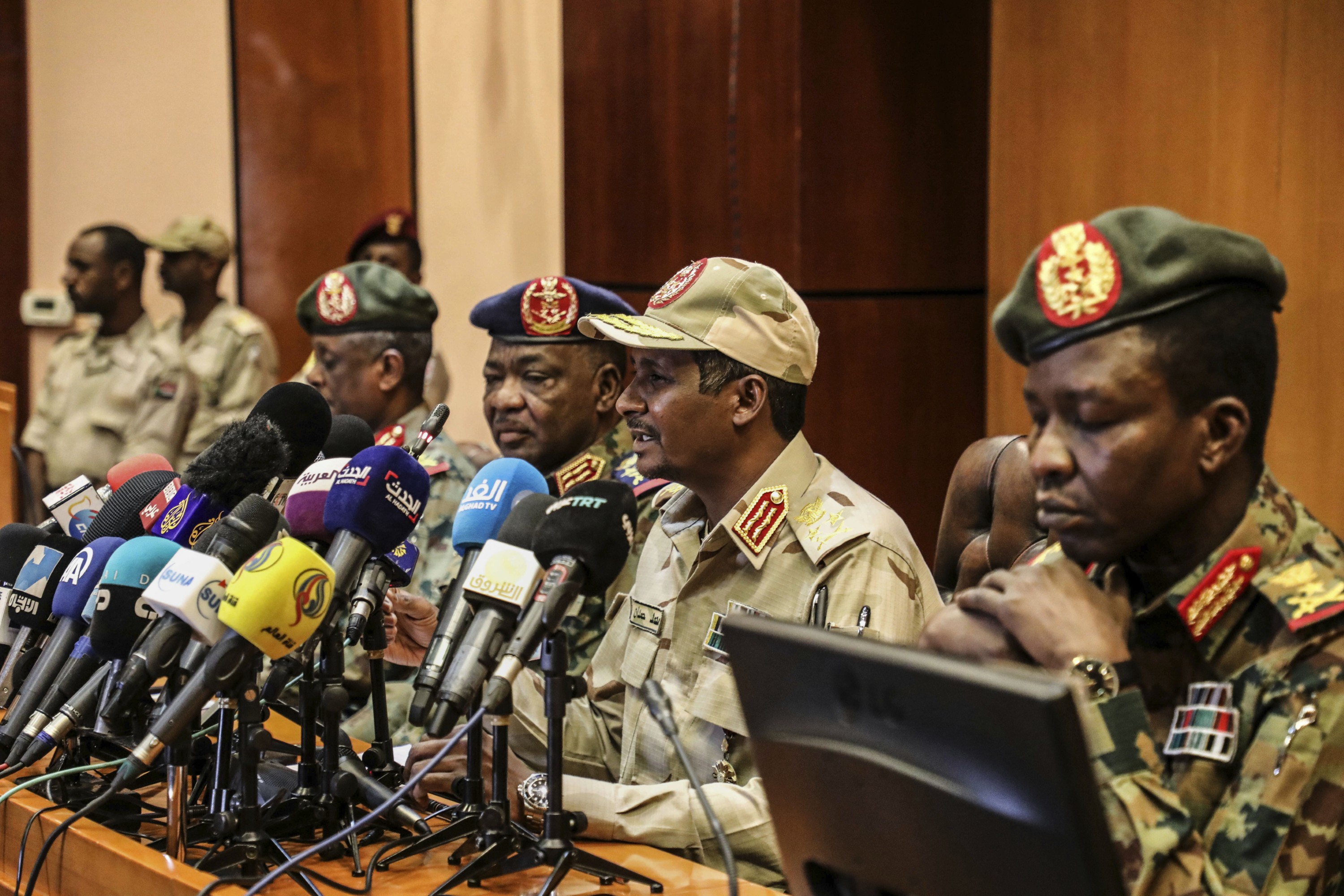
The war in Sudan began in April 2023 as a confrontation between the Sudanese army, led by Abdel Fattah al-Burhan, and the RSF, the paramilitary force commanded by Mohamed Hamdan Dagalo, better known as Hemedti. This is not a war that can easily be marketed as a struggle between "good and evil." Both sides have long histories of violence. Both have participated in the destruction of civilian life. Both invoke the language of "saving the state" while producing its collapse on the ground. There is no untainted hero fit for the cover of a Western magazine, no liberal David facing an authoritarian Goliath, no simple flag around which a moral campaign can be organized. That is precisely why Sudan so brutally exposes the rules of global attention: suffering alone is not enough. It must be politically legible.
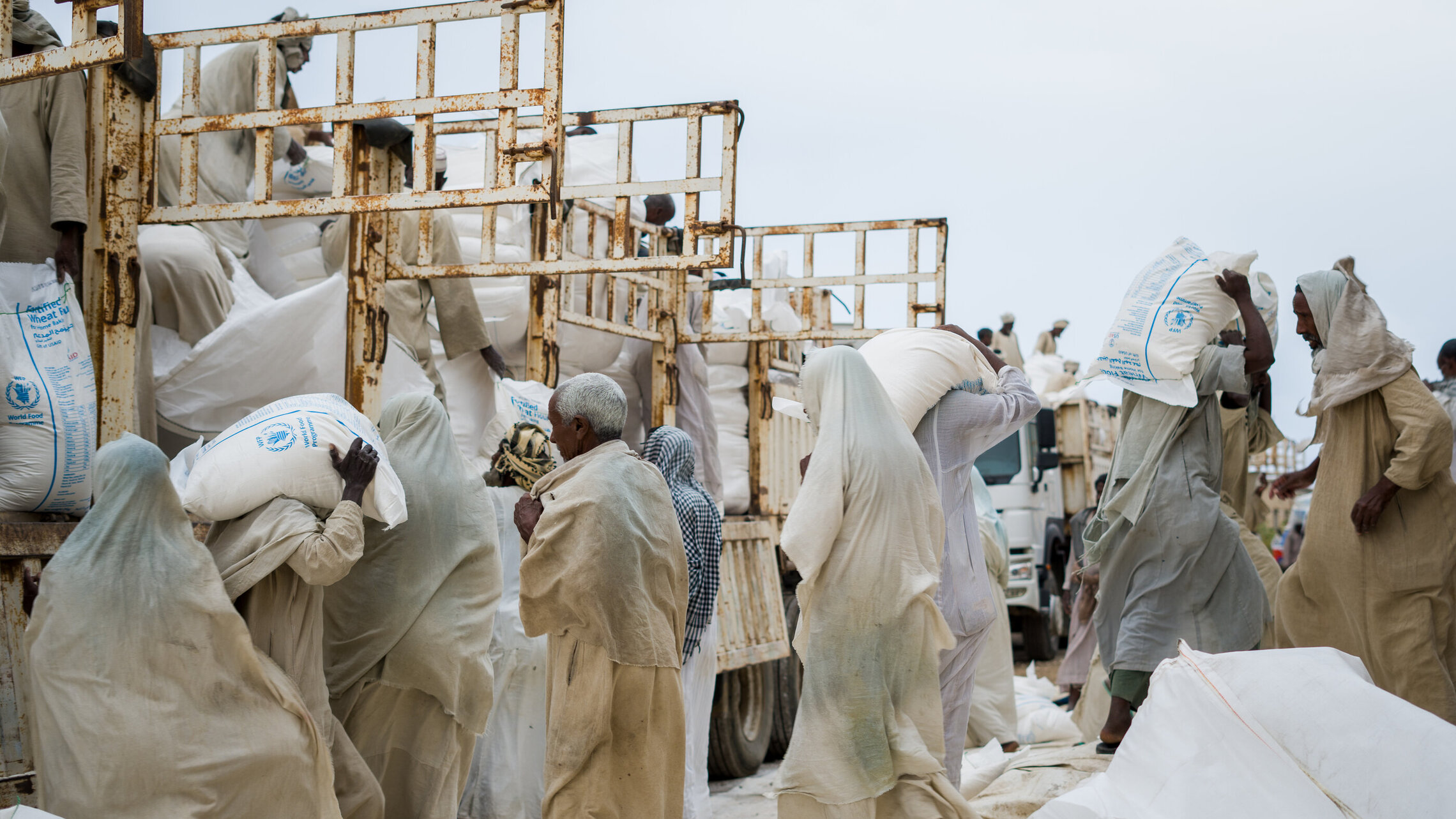
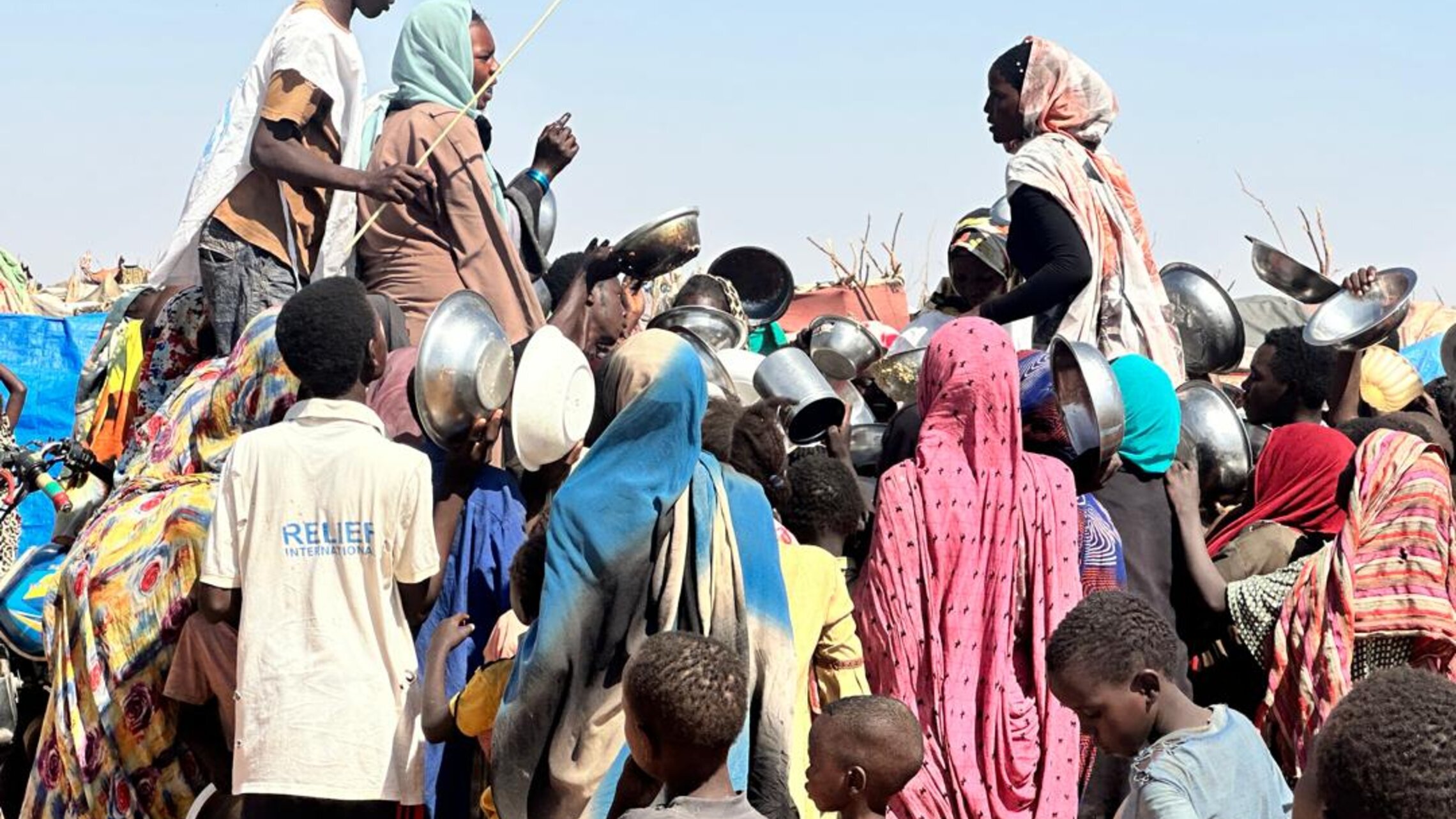
The numbers are horrifying.OCHA, the United Nations Office for the Coordination of Humanitarian Affairs, states in this year’s response plan for Sudan that 33.7 million people require humanitarian assistance—the highest number anywhere in the world and more than two-thirds of the country’s population. The World Food Programme estimates that more than 19 million people are facing acute hunger, while 825,000 children under the age of five could suffer from severe acute malnutrition during 2026.
Citing the latest estimates, the Associated Press puts the toll at no fewer than 59,000 dead, 13 million displaced and more than 30 million in need of assistance.
Had figures on this scale emerged in a region that Western capitals considered strategically important, they would be appearing every day on television screens, in parliaments and across newspaper front pages.
Darfur is a name that should awaken historical memory. In the early 2000s, the world had already witnessed genocide in the region, as Sudanese state forces and Arab Janjaweed militias attacked non-Arab communities, killing more than 200,000 people and displacing more than two million.
Today’s RSF did not come out of nowhere. It grew from the same structures of violence that had served for years as useful instruments of the state before developing into an independent military-economic power. Sudan is therefore not the site of a sudden humanitarian accident. Its catastrophe is the long-term result of militarized politics, a peripheral economy, international indifference and regional competition played out across the bodies of the desperately poor.
The world cannot claim it does not know. The catastrophe is unfolding under the spotlight of international reports, but beyond the spotlight of international politics.What makes the situation especially horrifying is that Darfur is not returning merely as a ghost from the past, but as a pattern spreading outward. A few days ago, UN High Commissioner for Human Rights Volker Türk warned of a catastrophe developing around al-Obeid, a strategic city in North Kordofan, where civilians are facing siege conditions, water shortages, drone attacks, abductions, torture, sexual violence and executions along the routes used by displaced people trying to escape.
The UN Human Rights Council subsequently ordered an urgent investigation into alleged RSF crimes in the region, amid warnings that the al-Fashir scenario could be repeated.
The world, then, cannot claim it does not know. The catastrophe is unfolding under the spotlight of international reports, but beyond the spotlight of international politics.
This is the most uncomfortable part of Sudan’s story. When a war can be fitted into a grand ideological framework, the media machine operates around the clock. When a tragedy can be presented as a conflict between democracy and autocracy, Europe and its enemies, or the West and its rivals, its victims are given names, faces, symbols, histories and futures. But when a tragedy unfolds in a country considered too distant, where the actors are too compromised, the alliances too uncomfortable and the causes too deeply entangled with money, gold, weapons and state collapse, suffering becomes merely a technical fact—one largely ignored by the media.
Sudan simply does not offer a straightforward moral product. It does not ask the audience to cheer for one side, as in the war in Ukraine, but to think. For today’s media system, that is often a greater problem than the violence itself.
Journalistic access has been difficult in other wars as well, yet those wars still became global obsessions.There is, of course, a practical dimension to Sudan’s invisibility. It is an extraordinarily dangerous country for journalists. Local media outlets have been destroyed, while journalists have been killed, expelled or forced into exile. Nieman Reports notes that hundreds of Sudanese journalists have been displaced or lost their jobs, newsrooms have been looted and destroyed, and foreign reporters struggle to enter the country. But if regular reporting can be produced about Iran and North Korea, why not Sudan? The UN reports alone already provide enough material for serious analysis and front-page coverage, yet that coverage never comes.
Journalistic access has been difficult in other wars as well, yet those wars still became global obsessions. The difference was that there existed a political will to find the images, amplify them and turn them into a moral campaign. In Sudan, that will is absent.
One reason lies in the war’s uncomfortable foreign connections. Sudan’s war is not an isolated African conflict, as it is so lazily portrayed. It is fueled by regional ambitions, competition over resources, smuggling networks, weapons, gold and the country’s strategic position on the Red Sea. One particularly sensitive issue is the role of the United Arab Emirates, which the Sudanese army accuses of arming the RSF. Abu Dhabi firmly denies the allegation and insists that its involvement is humanitarian.
UN monitors have described allegations of Emirati military support for the RSF as credible, while the UAE has denied providing military assistance to either side in the conflict.
When allegations are directed at a country that is an important Western partner, a major investor, a weapons buyer and part of the broader Gulf security order, moral reflexes suddenly become slower—or disappear entirely.
Gold, Toyotas and Dubai: How a Paramilitary Force Becomes a Corporation
The RSF is not simply a militia that feeds on war. It represents a new type of armed force: a paramilitary organization that functions simultaneously as a political party, a private army, a smuggling network and a corporation. Mohamed Hamdan Dagalo, better known as Hemedti, did not rise through a military academy but through a desert economy of power, moving from the camel trade to control over people, routes, weapons and gold.Gold was the key to this transformation. Darfur is not only a landscape of mass violence, but also a landscape of mines, concessions, smuggling and private enrichment. Once the RSF consolidated its control over gold deposits, particularly around Jebel Amer, the paramilitary force acquired something many states do not possess: its own source of revenue, beyond the national budget, beyond parliament and beyond any form of public oversight. Gold was extracted from the ground in a country where people were starving, entered regional trading networks and then moved into a world that preferred not to ask too many questions about where it came from.
In an economy like this, genocide looks not only like hatred, but like logistics. It requires vehicles, fuel, spare parts, satellite phones, bank accounts, intermediaries, export documents and safe havens for capital. It is no coincidence that the Toyota Hilux and Land Cruiser appear again and again in stories about the RSF—vehicles transformed in wars from the Sahel to the Middle East into mobile machine-gun platforms. They are civilian cars repurposed as instruments of death on the periphery: purchased legally, used militarily, financed with gold and driven across the desert toward villages that are disappearing.
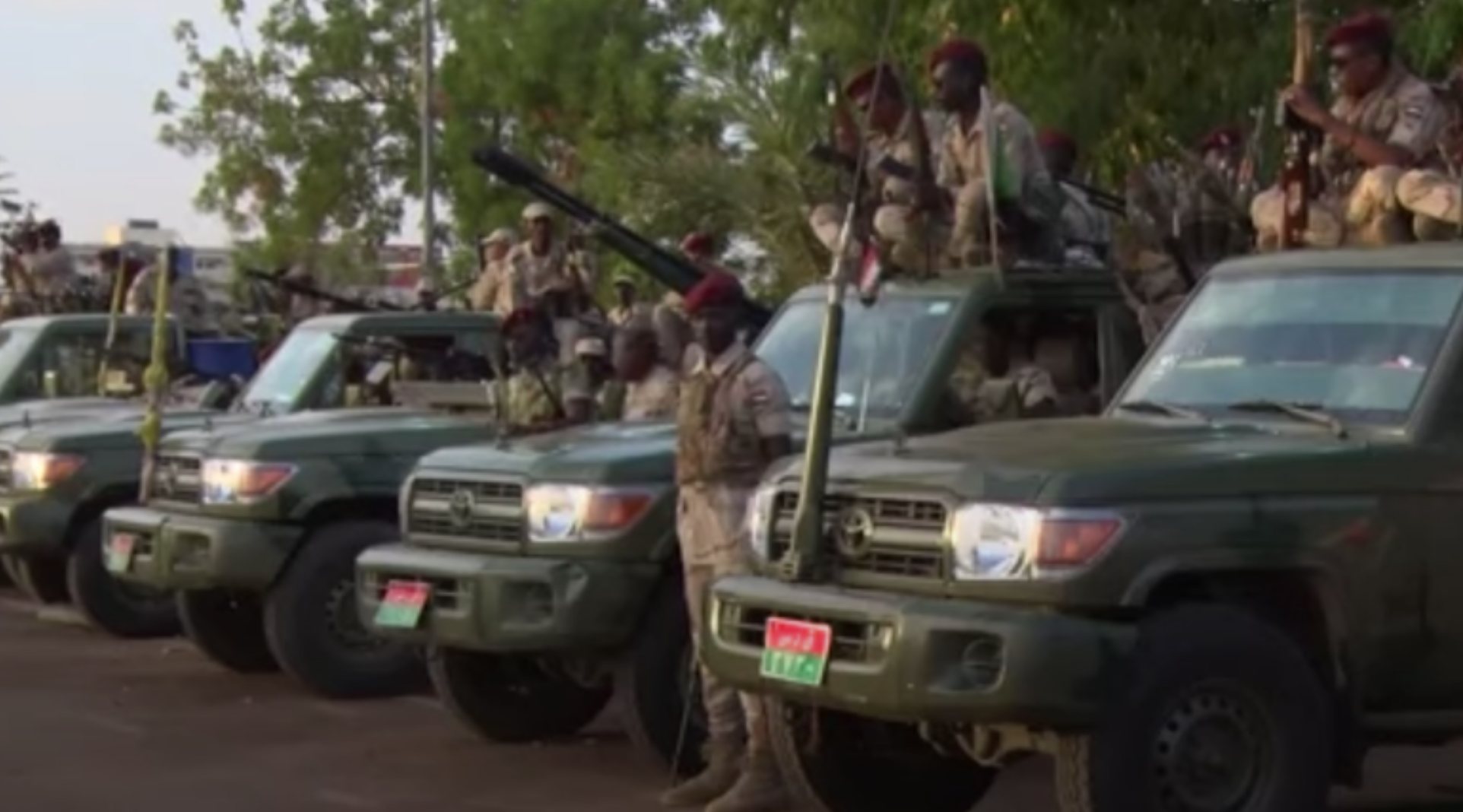
This is precisely why the Sudanese war is so uncomfortable for a world that prefers to believe violence always exists somewhere beyond civilization. The RSF is not a relic of the past, but a product of the present. It demonstrates how a militia can become a business model, how genocide can be financed by a mine and how the global market can swallow gold without asking about the mass graves lying above the deposits from which it was extracted.
The same applies to the structure of the war itself. Sudan does not destabilize global markets enough to alarm stock exchanges. It does not threaten nuclear escalation or open a direct line of confrontation between the great powers. Its collapse threatens Chad, Egypt, Ethiopia, South Sudan, the Red Sea, migration routes and the future of the Horn of Africa, but Western centers of power treat those dangers as peripheral until they begin knocking directly at the door.
A Stimson Center analysis accurately describes Sudan as a crisis marginalized within the global system—not because it is small, but because it does not rank highly enough within the hierarchy of strategic interests.
That hierarchy of interests also creates a hierarchy of death. Some deaths become political capital. Others remain merely a humanitarian burden. Some are met with conferences, sanctions packages, rhetorical contests in moral superiority and uninterrupted television coverage. Others receive underfunded appeals, written reports and expressions of "deep concern." Sudan belongs to the latter category. People there are not dying because the world is blind, but because it sees through the filters of power. When violence cannot be used against a geopolitical adversary, it becomes "complex" much more quickly. And once something is sufficiently "complex," it can be pushed aside.
France’s Role
France is not a direct party to the war in Sudan, but its military technology has been found on equipment used by the RSF. Amnesty International identified the French-made Galix defense system on Nimr Ajban armored vehicles manufactured in the United Arab Emirates and later filmed in the hands of paramilitary forces in Sudan. Amnesty says their use in Darfur may constitute a violation of the arms embargo.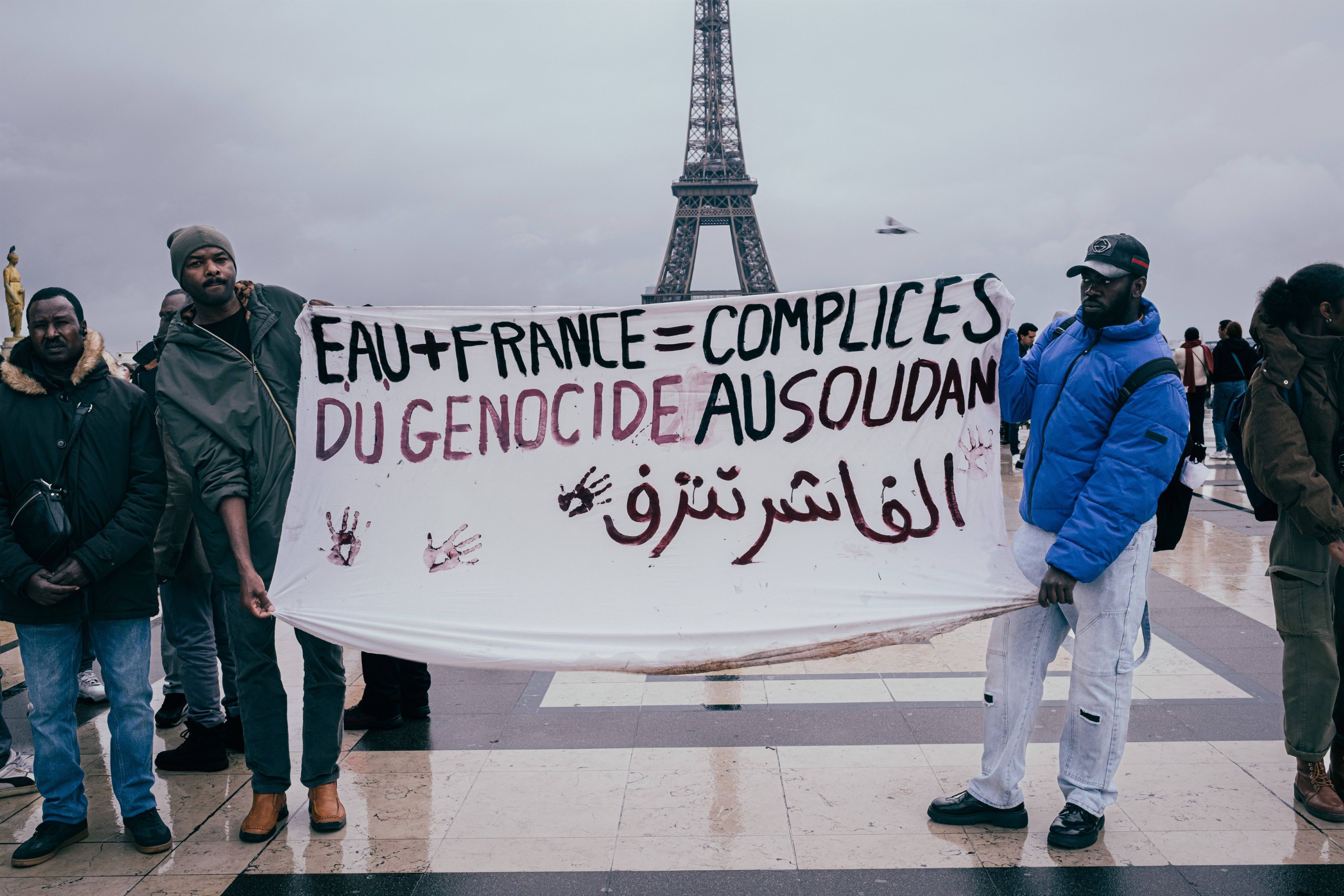
Paris arms and politically shields a close ally, while French equipment indirectly finds its way into the hands of forces accused of genocide. France may not be directing the war, but it can hardly claim that it bears no responsibility for where the technology it exports ultimately ends up.
None of this means Sudan should be simplified and turned into yet another moral slogan. Quite the opposite. Sudan demands that we reject the banal idea of "African chaos" or a "war between two generals," as though societies on the periphery were by their very nature condemned to violence. What we are seeing is the collapse of a postcolonial state, decades of militarization, a brutal resource economy, the destruction of civilian politics after the fall of Omar al-Bashir, international tolerance of militias while they remained useful and the utter misery of a system in which armed groups become companies with territory. This is not tribal fate. It is modern war capitalism in its most naked form.
That is why Sudan matters far beyond Sudan. It exposes the end of one of the great illusions of the post-Cold War era: the belief that some neutral international moral order exists which, however slowly and imperfectly, responds to the worst crimes. In reality, that order increasingly functions as little more than a marketplace of attention. Suffering needs a sponsor, a narrative, political utility, a visual identity and an enemy who can be named without consequences.
Save Darfur and the Question of Why No One Is Mobilizing Today
Around two decades ago, Darfur managed, at least briefly, to break through the wall of global indifference. The "Save Darfur" campaign was founded in 2004 and quickly brought together a broad network of organizations, activists, religious communities, students and celebrities who tried to turn a distant African tragedy into a matter of Western conscience. Darfur appeared on university campuses, in churches and synagogues, at concerts and protests, and on television. For a moment, it seemed that the words "never again" might still be translated into political pressure rather than serving merely as a ritual phrase repeated after every new massacre.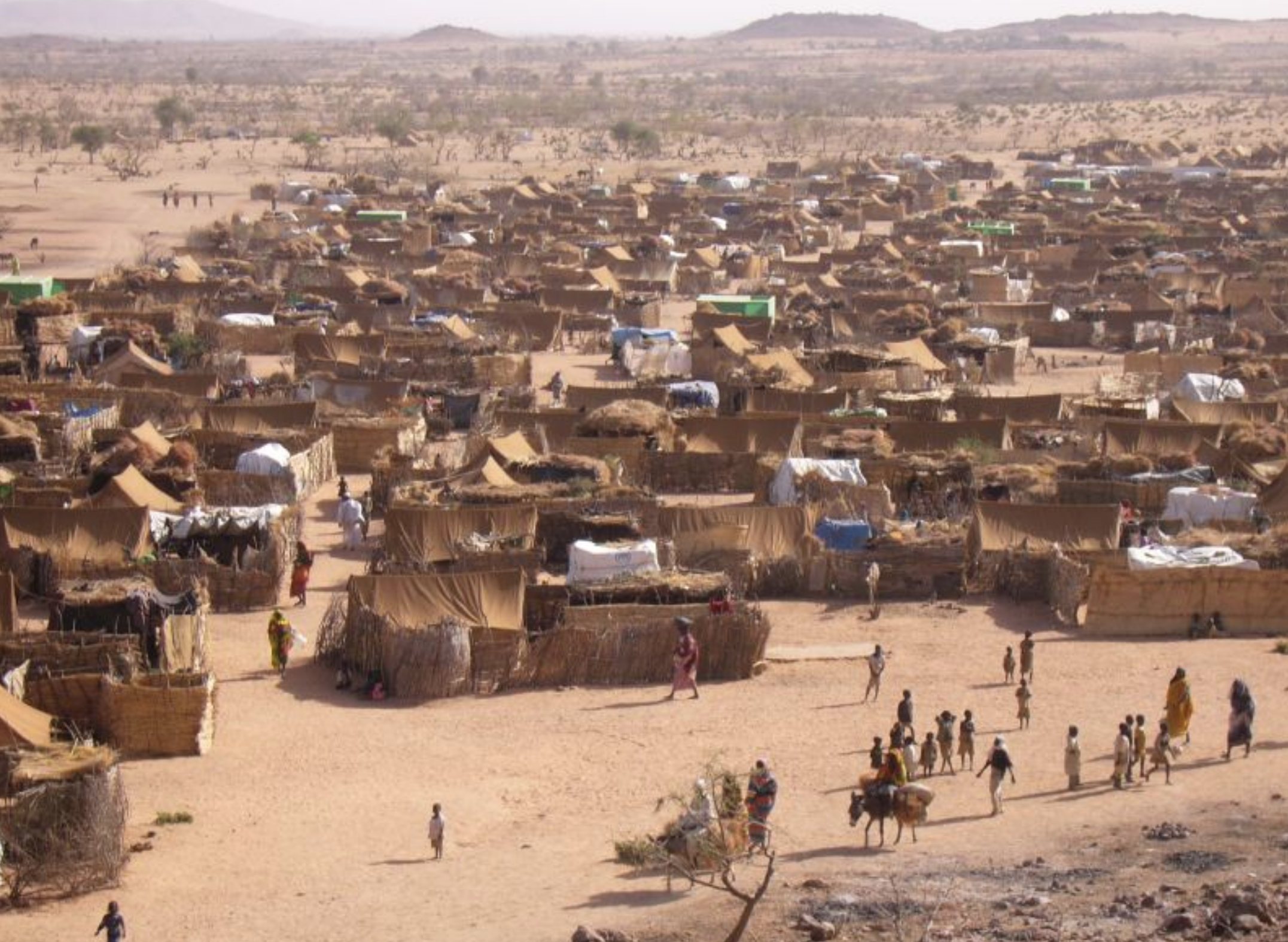
Today, Darfur is once again at the center of the horror, while Sudan is gripped by a crisis of even greater proportions. Yet there is no comparable mobilization. There are no major campaigns dominating American campuses, no watershed television moment capable of transforming public awareness and no celebrity who has become the face of distant suffering. It can be argued that the world has changed: social media generates constant noise, there are too many wars, political attention spans have shortened and humanitarian activism has been exhausted by an endless succession of defeats. But that explanation is not enough. The question is not only why people are tired, but why the system no longer even attempts to generate moral energy around Sudan.
The answer is uncomfortable. In the early 2000s, Darfur could still be incorporated into a liberal narrative about saving civilians, pressuring a "criminal regime" and accepting moral responsibility after Rwanda.
The obvious must also be stated: Sudan was far more interesting to the West while Omar al-Bashir was in power. Bashir was certainly no hero. His regime was authoritarian, brutal and accused of mass atrocities, while Darfur had already become synonymous with a catastrophe the government attempted to crush through the army and militias. But Bashir was also a geopolitically inconvenient ruler. He defied Western pressure for years, had links to Islamist networks, maintained relations with Iran, Russia and China, and ruled a country on the Red Sea at the intersection of the Arab world and Africa. His was the kind of regime that could not easily be integrated into the American order. In other words, Sudanese suffering then had a politically useful villain.
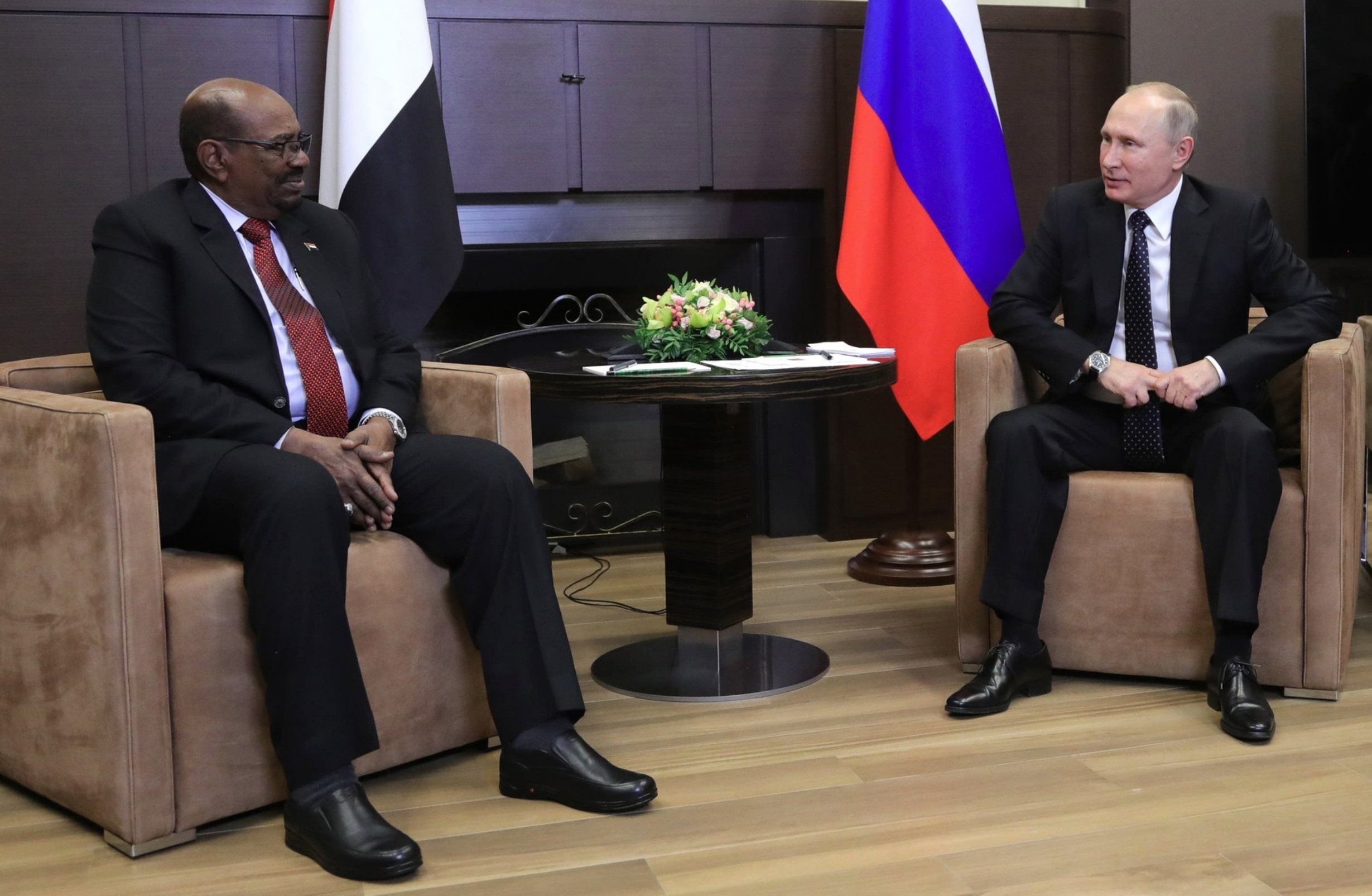
After Bashir, Sudan no longer served the same propaganda function. As in Libya after Gaddafi, the West could declare itself morally satisfied as soon as the man who had obstructed it for decades was removed. What followed—the collapse of institutions, militias, a war economy, territorial fragmentation, refugees, hunger and death—suddenly became far less interesting. The suffering did not disappear; the political narrative that had made it useful did. While Bashir remained in power, Sudan could be presented as a story about a criminal regime. Once only generals, militias, gold, regional sponsors and millions of fleeing civilians remained, that story ceased to matter to many of those who had once been mobilized by it.
The cruelest part is that the silence surrounding Sudan is not empty. It speaks for itself. It tells us that we live in an age when universal human rights are increasingly becoming a language to be deployed selectively and decreasingly an obligation. It tells us that the international community is not a community at all, but a collection of interests that occasionally borrows the vocabulary of conscience. It also tells us that genocide can unfold in an age of satellites, social media, open-source intelligence, UN investigations and endless communication without ever becoming an event that moves the world to act.
Sudan, ultimately, has not been forgotten because it is too far away. It has been forgotten because it is too uncomfortable for a system that likes to believe it responds to suffering, when in reality it usually responds to suffering’s political usefulness. In al-Fashir, al-Obeid, Darfur and Kordofan, people are not dying in silence because information is unavailable. They are dying amid the noise of a world that has learned to distinguish between deaths that mean something to it and deaths that place it under no obligation at all.
Sources
- Reuters ICC official says breakthrough made in Darfur investigations https://www.reuters.com/world/africa/icc-official-says-breakthrough-made-darfur-investigations-2026-07-09/
- Reliefweb.int Sudan Humanitarian Needs and Response Plan 2026 - Summary https://reliefweb.int/report/sudan/sudan-humanitarian-needs-and-response-plan-2026-summary
- Amnesty.org Sudan: RSF atrocities in El Fasher ‘a stain on the conscience of humanity’ – new report - Amnesty International https://www.amnesty.org/en/latest/news/2026/07/sudan-rsf-atrocities-in-el-fasher-a-stain-on-the-conscience-of-humanity-new-report/
- The Guardian ‘The situation is terrible’: aid workers on life in Sudanese city pummelled by drone strikes https://www.theguardian.com/world/2026/jul/04/el-obeid-aid-workers-sudan-war-drone-strikes
- Hrw.org World Report 2026: Rights Trends in Sudan https://www.hrw.org/world-report/2026/country-chapters/sudan
- Ohchr.org A/HRC/61/77: Sudan: Hallmarks of Genocide in El-Fasher - Report of the independent international fact-finding mission for the Sudan https://www.ohchr.org/en/documents/thematic-reports/ahrc6177-sudan-hallmarks-genocide-el-fasher-report-independent
- Securitycouncilreport.org SUDAN: July 2026 Monthly Forecast https://www.securitycouncilreport.org/monthly-forecast/2026-07/sudan-40.php
- Associated Press More than 300 children killed or injured in Sudan war in 6 months, UNICEF says https://apnews.com/article/9ac6245afb2c0e3cfc96da5ceda14f48
- Niemanreports.org Sudan’s Journalists Risk Everything to Cover a War the World Ignores https://niemanreports.org/sudan-civil-war-journalists-underreported-press-freedom-ismail-kushkush/
- Ushmm.org Country Case Studies: Sudan https://www.ushmm.org/en/genocide-prevention/countries/sudan
- Wfp.org Sudan | World Food Programme https://www.wfp.org/emergencies/sudan
- Theweek.com Amnesty accuses Sudanese militia of ethnic cleansing https://theweek.com/world-news/sudan-rsf-war-crimes-el-fasher-amnesty-ethnic-cleansing
- Humanitarianaction.info Global Humanitarian Overview 2026 https://humanitarianaction.info/document/global-humanitarian-overview-2026/article/sudan-4
Comments